Top 20 Castles around Freital
Best castles around Freital include Schloss Burgk, a significant cultural center within the city, known for its historical collections and art exhibitions. The region, situated in the Döhlen Basin, also offers insights into its industrial past with a unique mining museum. Freital's landscape combines historical sites with natural settings, providing diverse experiences for visitors. The area is characterized by its historical significance and cultural offerings.
Best castles around Freital
- The most popular castles is View of the Elbe Castles (Elbschlösser)…
Last updated: June 23, 2026
View of the Elbe Castles (Elbschlösser)
Highlight • Viewpoint
Translated by Google •
Tip by

Frauenkirche, Dresden
Highlight • Religious Site
Translated by Google •
Tip by

Sign up now to discover places like this
Get recommendations on the best single tracks, peaks, & plenty of other exciting outdoor places.
Sign up for free
Dresden Zwinger
Highlight • Historical Site
Translated by Google •
Tip by

Schloss Wackerbarth Winery and Vineyard
Highlight • Castle
Translated by Google •
Tip by

Ruins of Tharandt Castle
Highlight • Castle
Translated by Google •
Tip by

Sign up for free to discover even more castles around Freital.
Sign up for free
Already have an account?
Start today with a free account
Your next adventure awaits.
Login or Signup
Popular around Freital
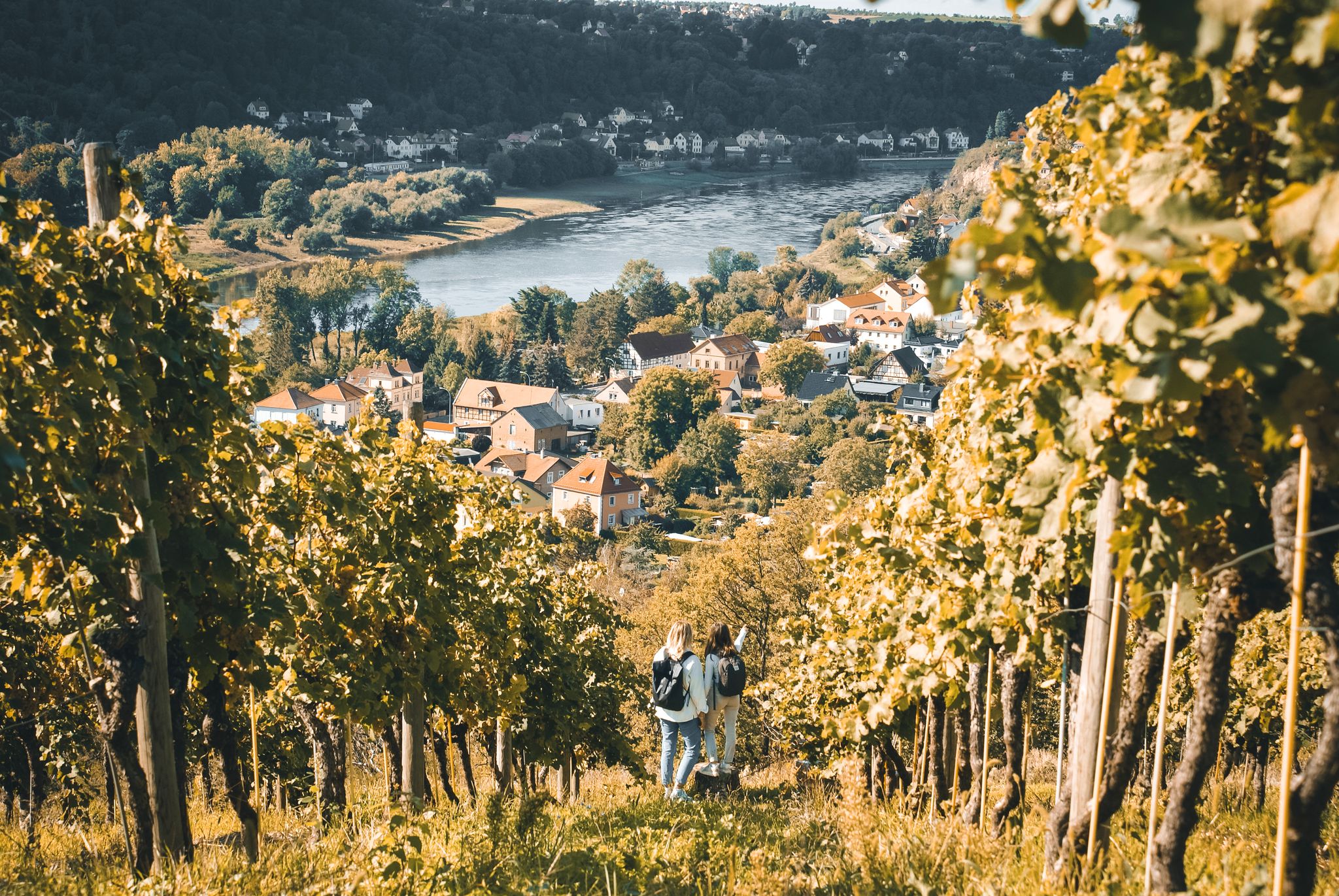
Natural treasures and idyllic villages – walking around Dresden
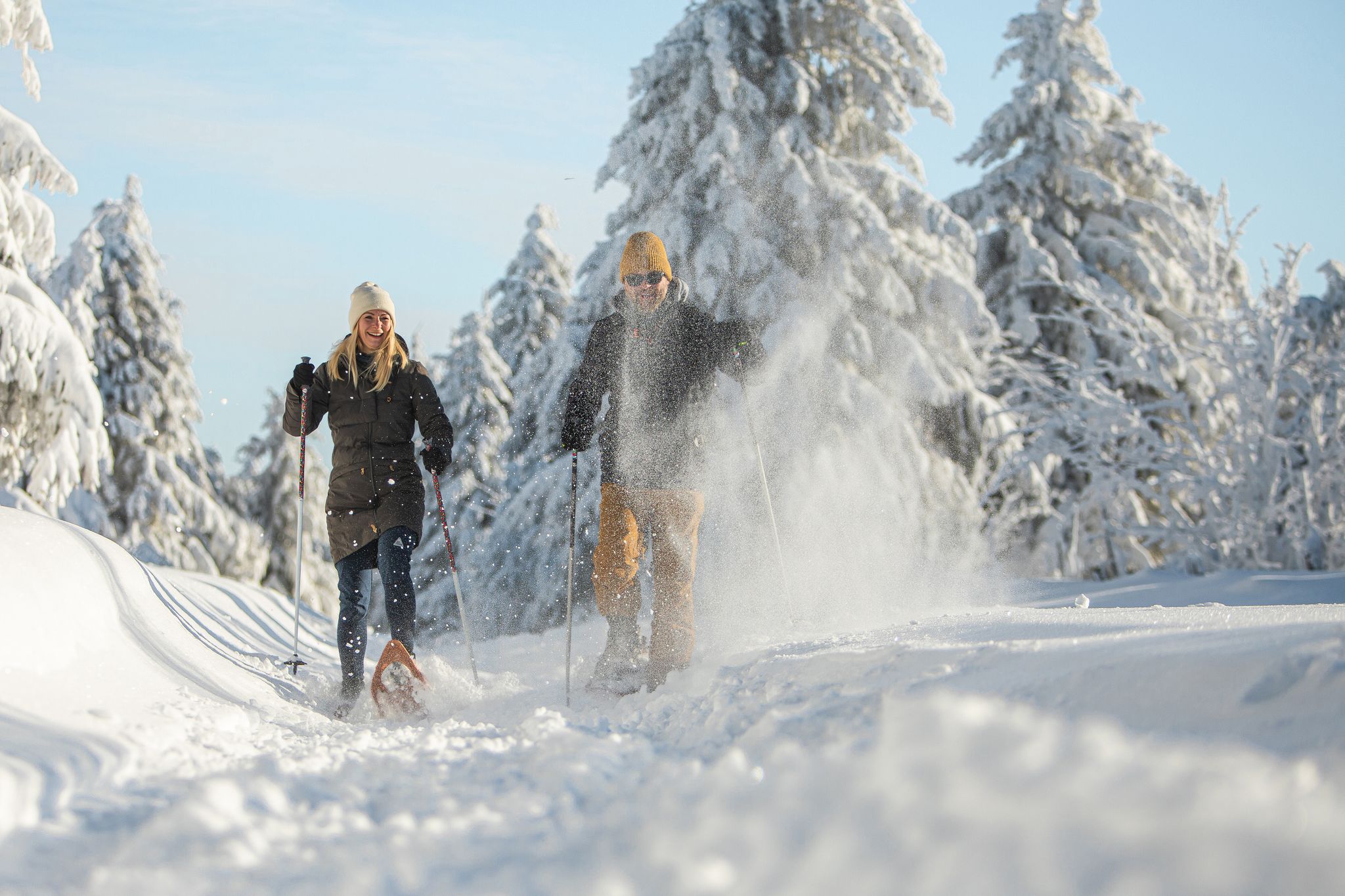
Glittering slopes and forests - winter hiking in the Ore Mountains
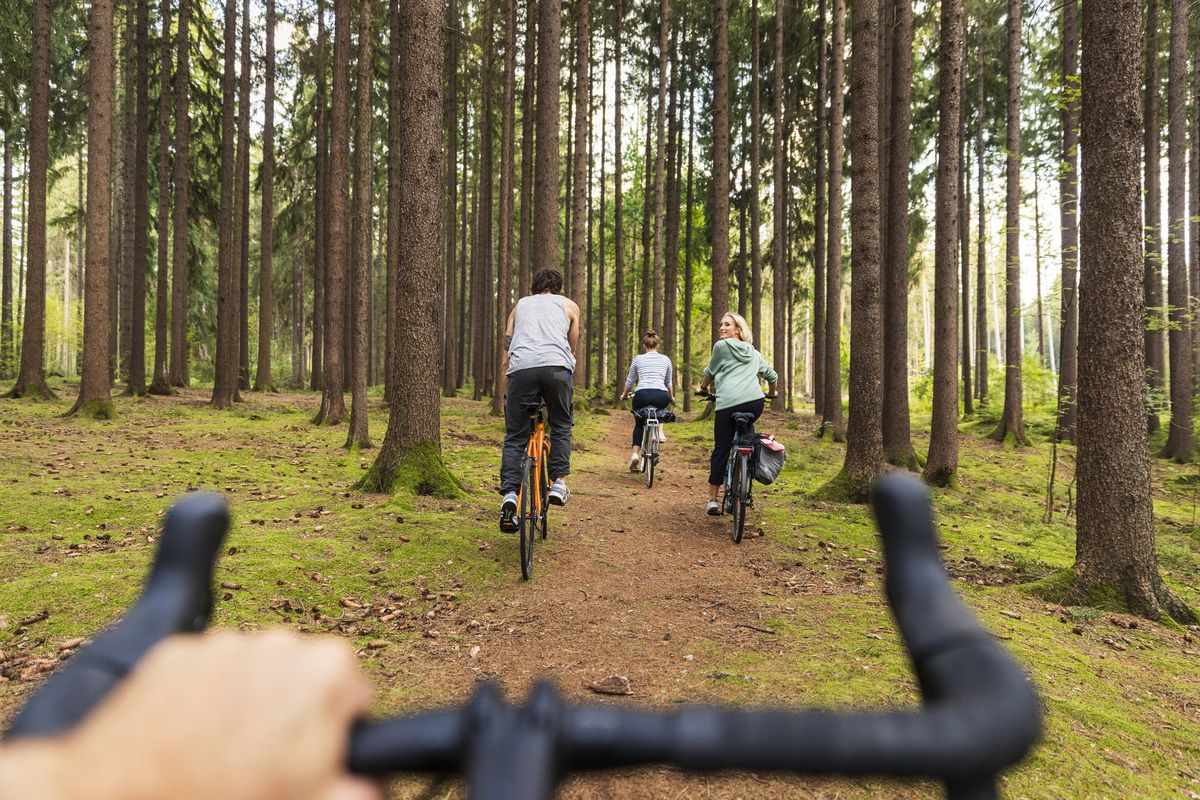
Explore Dresden and the Elbland – 11 beautiful bike rides
Full steam ahead – cycling through railway history around Dresden
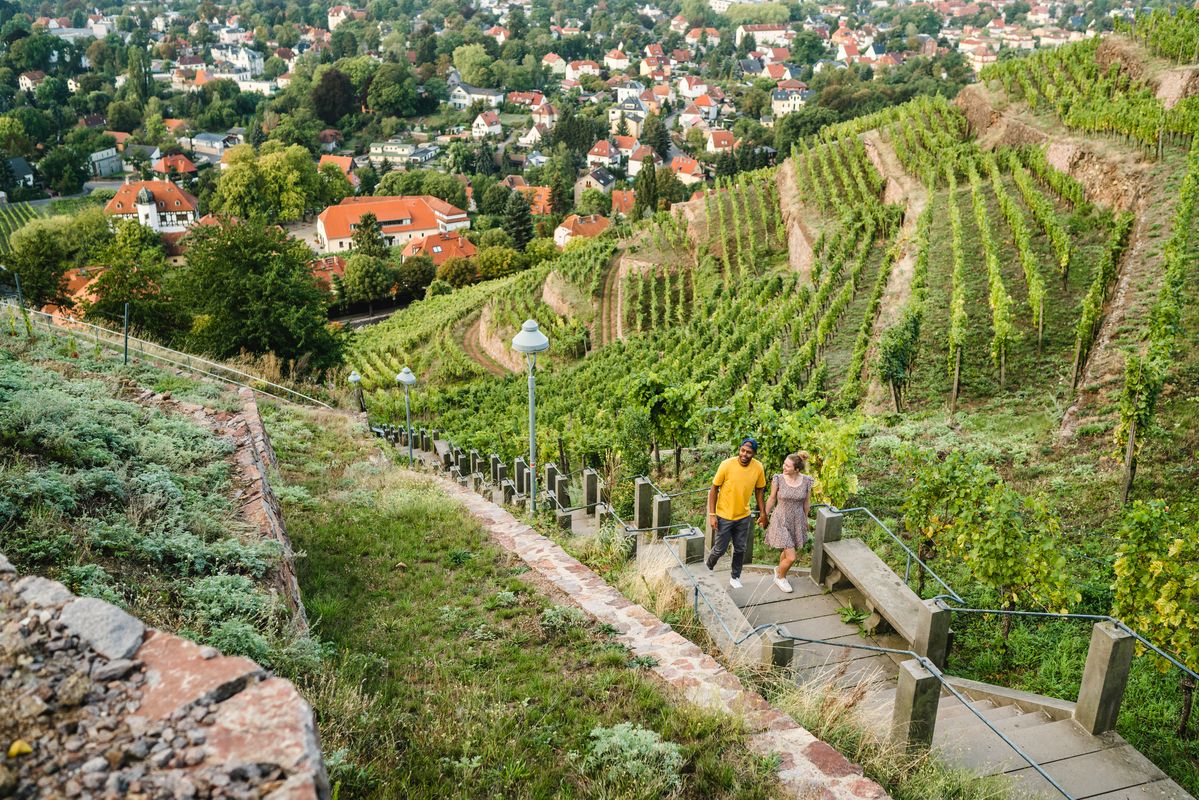
Great places closer to home – nature and fun in the Dresden Elbland
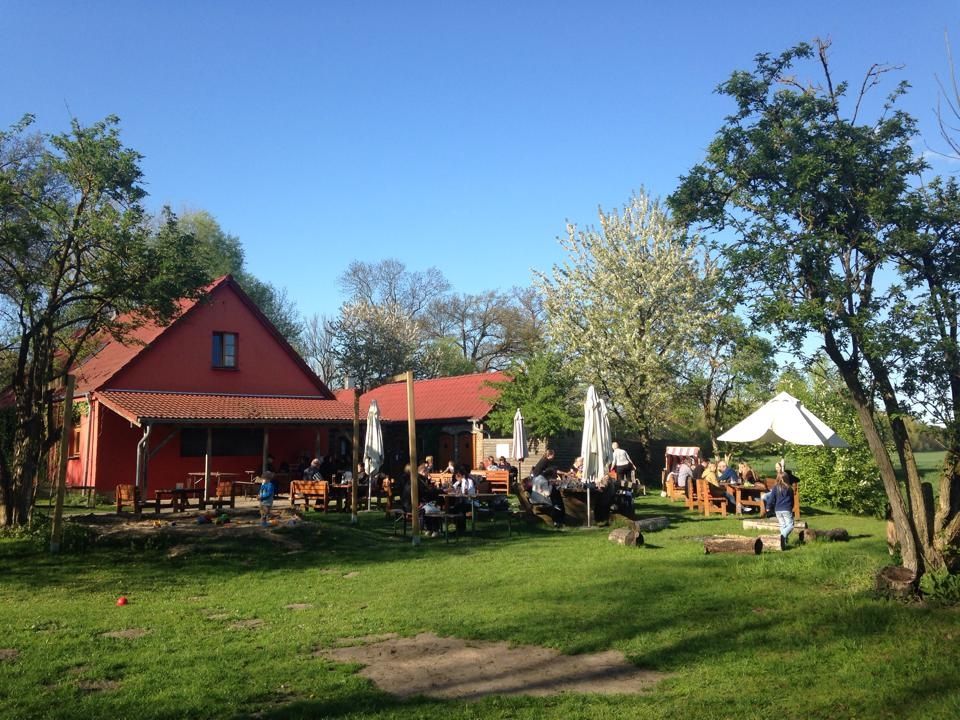
Farmer's shops — escape to the country
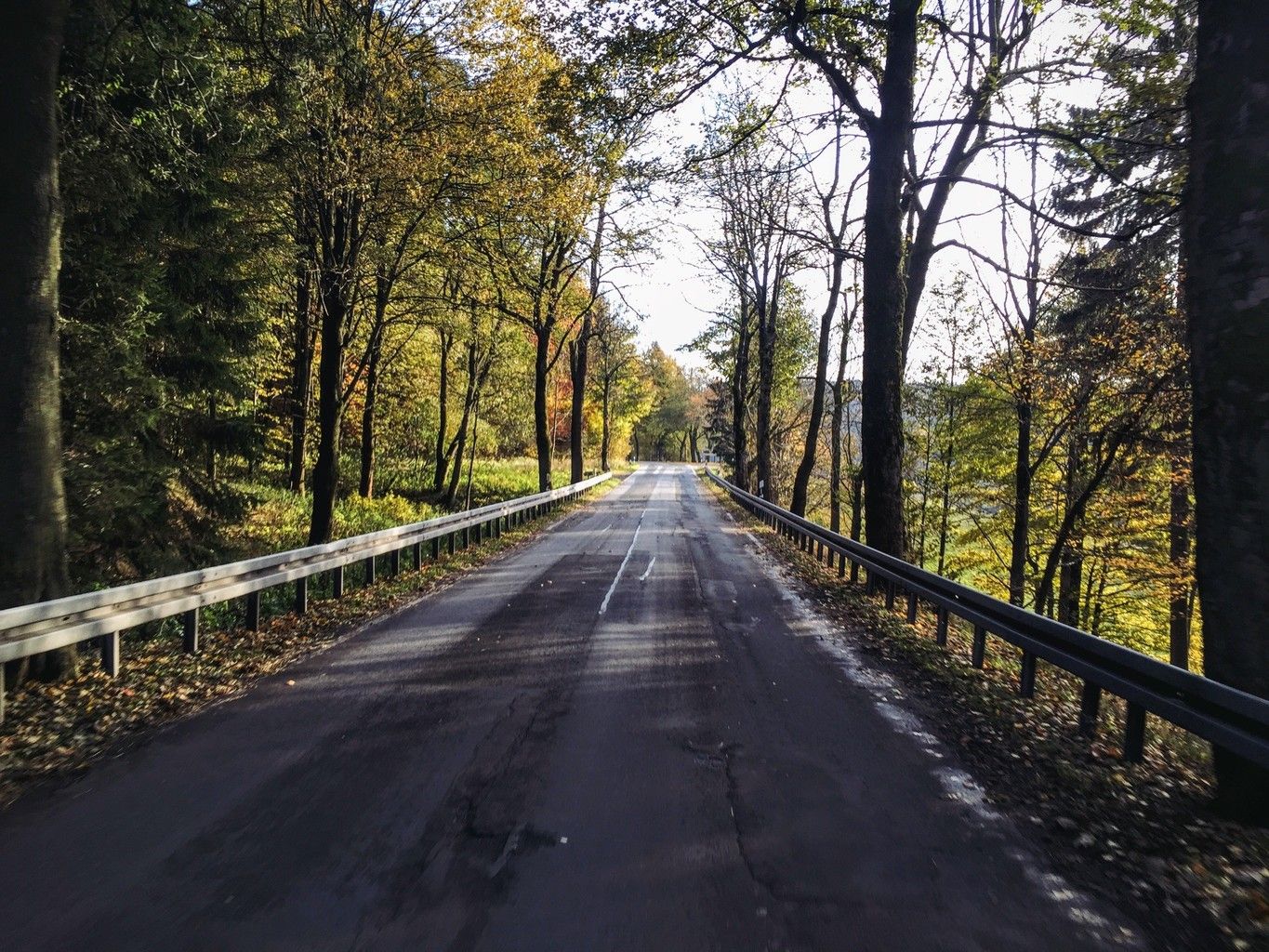
Weekend tours in the Ore Mountains
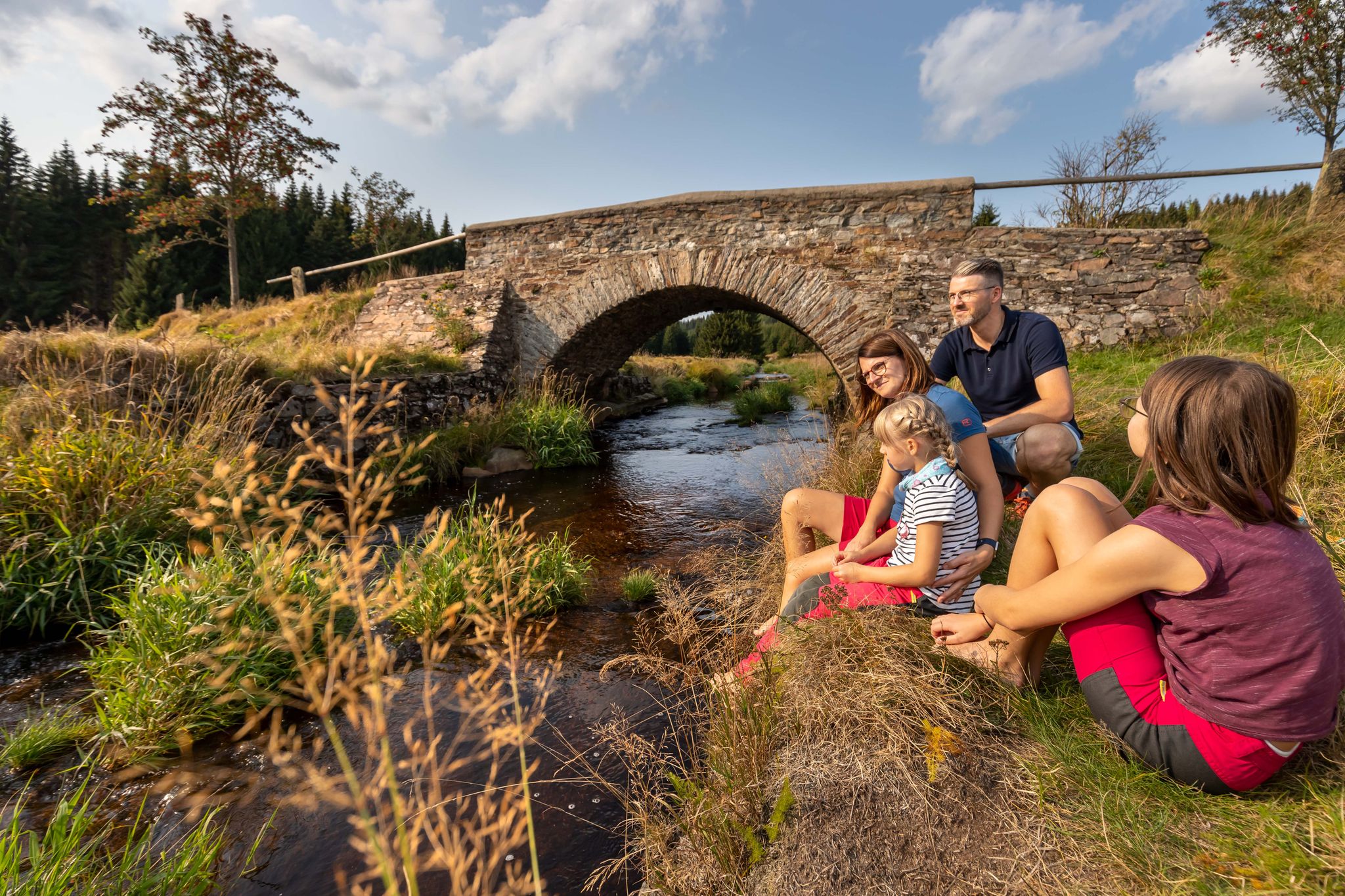
Wandertouren - Für kleine Wanderfreunde
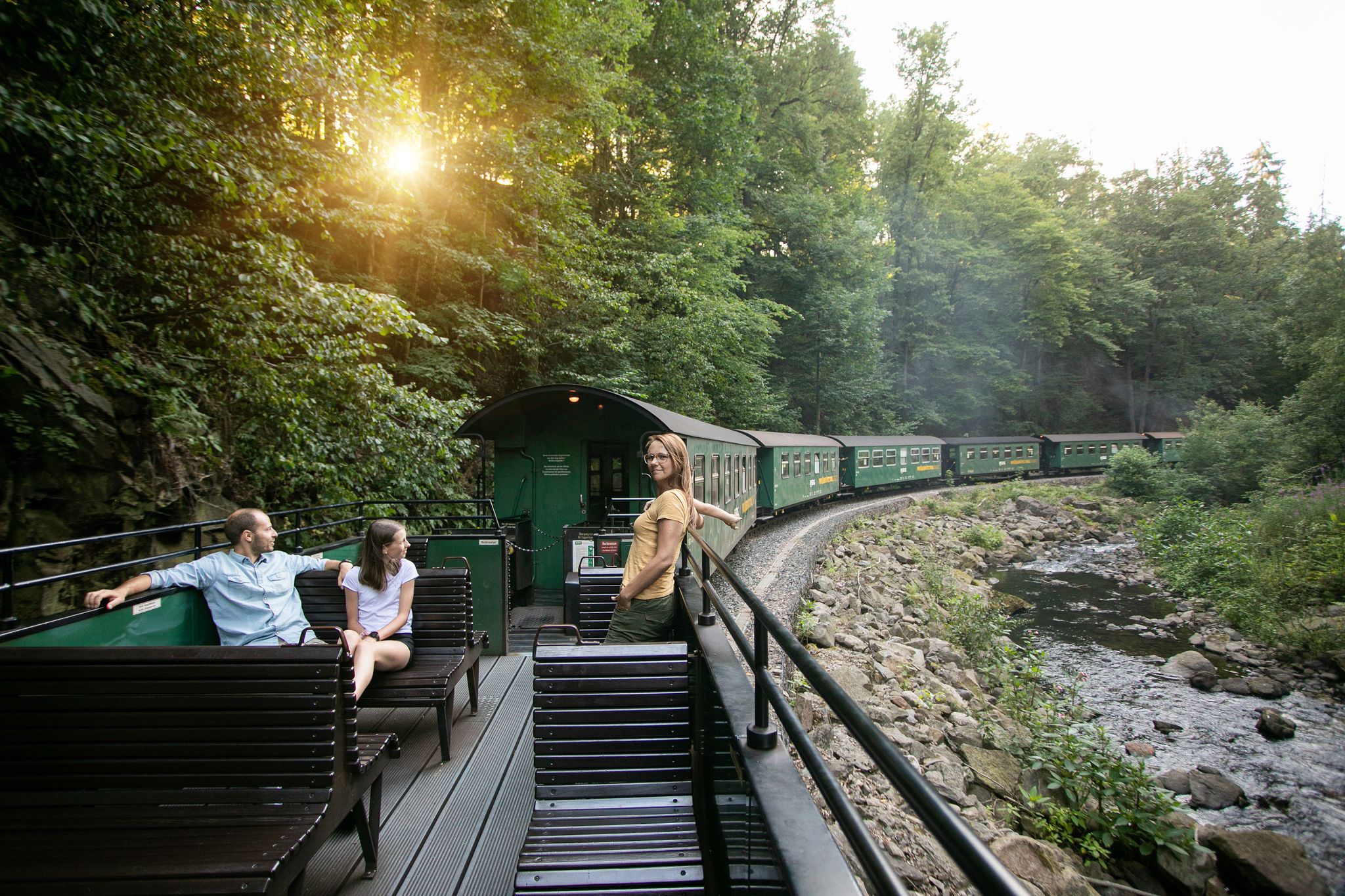
Wandertouren - Eisenbahn & Wanderstock
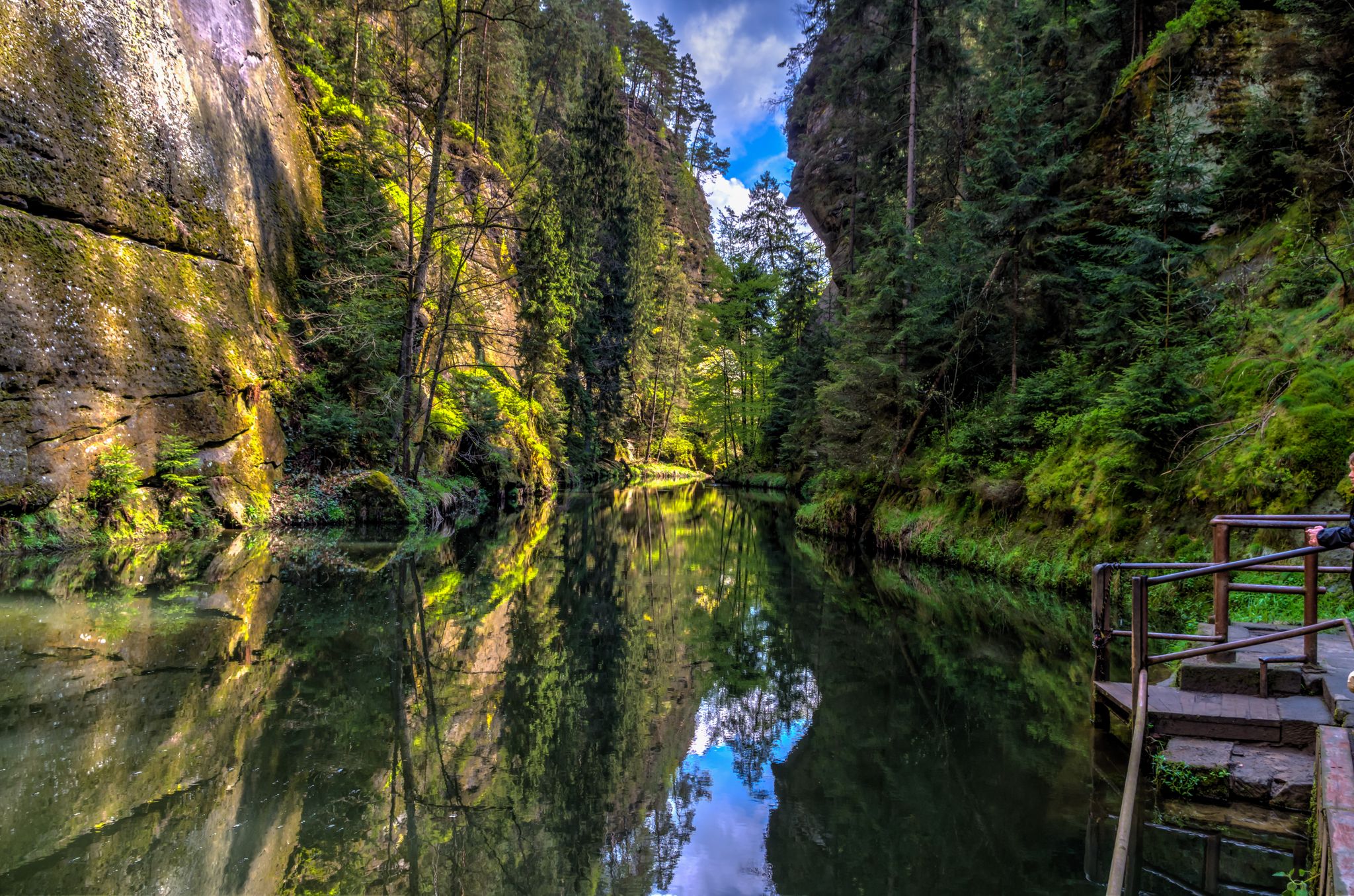
Die Magie von Klammen im Osten Deutschlands
Other adventures around Freital


Tips from the Community

The Dresden Frauenkirche, a magnificent baroque building, dominates the cityscape of Dresden with its imposing stone dome - the largest north of the Alps. This architectural jewel also stands as a profound symbol of historical events. Destroyed in the Second World War, it remained in ruins for decades until it was finally faithfully rebuilt from its own remains. Of the millions of stones used, approximately 3800 original stones were reused. Today, the Frauenkirche is more than ever a symbol of peace and reconciliation. As a symbol of the city, it shines again in all its grandeur and reminds us of the indefatigable possibility of restoration and hope.
26
2

From the castle there is a beautiful climb up the vineyard and you walk directly between the 🍇 vines. From the top you have a wonderful view 🤩.
12
1

Small winery with guided tours and tastings, as well as a restaurant and summer festivals in the well-kept park.
15
1

Very scenic. Dreamlike Elbe castles. The Elbe Cycle Path is great for cycling.
7
1

Tharandt Castle dates from around 1200. It is known as a spur castle, is in a prominent position and was used to monitor silver mining and was around 100 meters long. Remains of the outer bailey and impressive parts of the main bailey have been preserved. This is how you come across the outer walls of the imposing keep and the palace with the adjoining defense tower. In addition, other remains of buildings and parts of the circular wall can be seen. The complex invites to visit with its location on the narrow ridge and the well assignable remains. With good views of the valleys and the town of Tharandt. The mountain church "Zum Heiligen Kreuz" was built between 1626 and 1629 using the old masonry of the lower castle of Tharandt and the portal of the castle chapel (around 1250) and consecrated in 1631. Today the Bergkirche is an Evangelical Lutheran Church. During the summer months, the mountain church is open to visitors on Saturdays and Sundays from 2:00 p.m. to 4:00 p.m.
7
0

The castle in Tharandt was built between 1858 and 1861 instead of a country house and acquired in 1866 by the Polish count and chamberlain Michael Jérôme Leszczyc-Sumiński. He had remodeling work done and in 1898 bequeathed the castle to his stepson Baron von Recum. In 1936 redesign work took place again after the castle was destroyed by fire. The archway has design elements from Indian-Islamic architecture. The castle is located below the castle ruins.
8
1

The medieval Tharandt Castle is located on a mountain spur high above Tharandt. It is only preserved in ruins and above all offers a wonderful view of the city of Tharandt.
8
0

The castle was built at the beginning of the 13th century at the behest of Margrave Dietrich von Meißen to protect himself against the neighboring burgraves of Dohna. Already in 1224 it burned down during a campaign, but was rebuilt in 1240-1256. At the end of the 14th century, the castle was fortified in such a way that it was considered one of the strongest in the country. The burgraves of Dohna, who were very powerful in the border region (but also acted as robber barons), lost all of their importance in the course of the Dohna feud (1385-1402), so that Tharandt Castle also lost its defensive function. It was fought over during the Hussite invasion of 1429 and, due to its strength, served as a storehouse for the elector's documents and valuables. From 1476 Duchess Sidonie temporarily stayed at the castle. She was the daughter of the Bohemian King George of Podebrady and was married to the Saxon Duke Albrecht to seal the Treaty of Eger, which regulated the Saxon-Bohemian border that is still valid today. From 1500 she lived there permanently until her death in 1510. After that, the castle was no longer inhabited and was gradually dismantled. The neighboring mountain church was built on part of the castle complex and from castle materials in 1626-1629. From the end of the 18th century, the castle ruins came back into consciousness in the course of the castle romanticism and were processed by many romantic painters and draftsmen.
15
2
Frequently Asked Questions
What are the main castles and historical sites to visit in Freital and its surroundings?
Within Freital, Schloss Burgk is a significant cultural center, offering art exhibitions and a unique mining museum. Nearby, you can visit the impressive Frauenkirche, Dresden, a magnificent baroque church, and the Dresden Zwinger, known for its museums and beautiful architecture.
Are there family-friendly castles or activities near Freital?
Yes, Schloss Burgk in Freital is very family-friendly, featuring an adventure playground and a castle park. Other highlights like the View of the Elbe Castles (Elbschlösser), Frauenkirche, Dresden, and Dresden Zwinger are also categorized as family-friendly, offering diverse experiences for all ages.
What kind of historical experiences do the castles around Freital offer?
The region offers a rich historical tapestry. Schloss Burgk preserves the 500-year history of coal mining in the Döhlen Basin, including a unique visitor mine. The Frauenkirche, Dresden, stands as a symbol of reconstruction and peace, while the Dresden Zwinger showcases historical art and architecture. For a glimpse into medieval times, the Ruins of Tharandt Castle offer a fascinating historical site.
Are there opportunities for outdoor activities like hiking or running near these castles?
Absolutely. The area around Freital offers numerous routes for outdoor enthusiasts. You can find various hiking trails, including routes like the 'Ascent to Teufelskanzel – Ruins of Tharandt Castle loop' or the 'Rabenauer Grund Nature Reserve loop'. For runners, there are dedicated running trails, such as the 'Tharandt Castle Pond – Sonnentempel Tharandt loop'.
Where can I enjoy scenic views of castles around Freital?
For breathtaking views, visit the View of the Elbe Castles (Elbschlösser), which offers panoramic scenery of three notable Elbe castles in Dresden. The tower of Frauenkirche, Dresden, also provides a magnificent view of the city, and the balustrades of Dresden Zwinger offer beautiful vistas of the entire complex.
Are there places to eat or drink near the castles?
Yes, you can find dining options. Schloss Burgk has the Schlosscafé Buddenhagen, offering homemade specialties. The Schloss Wackerbarth Winery and Vineyard features a restaurant where you can enjoy local wines and food.
What makes Schloss Burgk in Freital unique?
Schloss Burgk is unique for its dual role as a cultural center and a historical industrial site. It houses art collections, but also features a unique visitor mine with the world's first electric mining locomotive, 'Dorothea', preserving the region's coal mining heritage. It also hosts various events and has a classical ballroom.
Are there any castle ruins to explore near Freital?
Yes, the Ruins of Tharandt Castle are a very worthwhile destination. This wildly romantic ruin, once a strong fortress, offers a glimpse into medieval history and provides great views, especially when combined with a visit to the nearby Forest Botanical Garden.
What is the best time of year to visit the castles around Freital?
The castles around Freital can be enjoyed year-round. Spring and summer are ideal for exploring the castle parks and outdoor areas, with Schloss Burgk hosting an annual medieval Easter spectacle. Autumn offers beautiful foliage, and winter visits can be charming, especially if castles host special events or markets.
Are there guided tours available at the castles?
Yes, guided tours are available at some locations. Schloss Burgk offers insights into its collections and mining history. The Schloss Wackerbarth Winery and Vineyard also provides guided tours to learn about Saxon wine production.
How can I reach the castles around Freital by public transport or car?
While specific public transport details vary by castle, Schloss Burgk is located within Freital and generally accessible. For other castles like those in Dresden or Tharandt, public transport options are available from Freital. When traveling by car, parking facilities are typically available near major attractions, though it's advisable to check specific castle websites for details.
Can I find accessible castles for visitors with mobility needs?
The Frauenkirche, Dresden, is noted as wheelchair accessible, allowing visitors with mobility needs to experience this exceptional church. For other sites, it's recommended to check their individual accessibility information, as historical buildings can have varying levels of access.
Most popular routes around Freital
Most popular attractions around Freital

Get inspired with the komoot mobile app


Explore more
Looking for the best castles somewhere else? Discover other guides around Freital:
