The best walks and hikes around Eggenburg
4.5
(337)
1,701
hikers
58
hikes
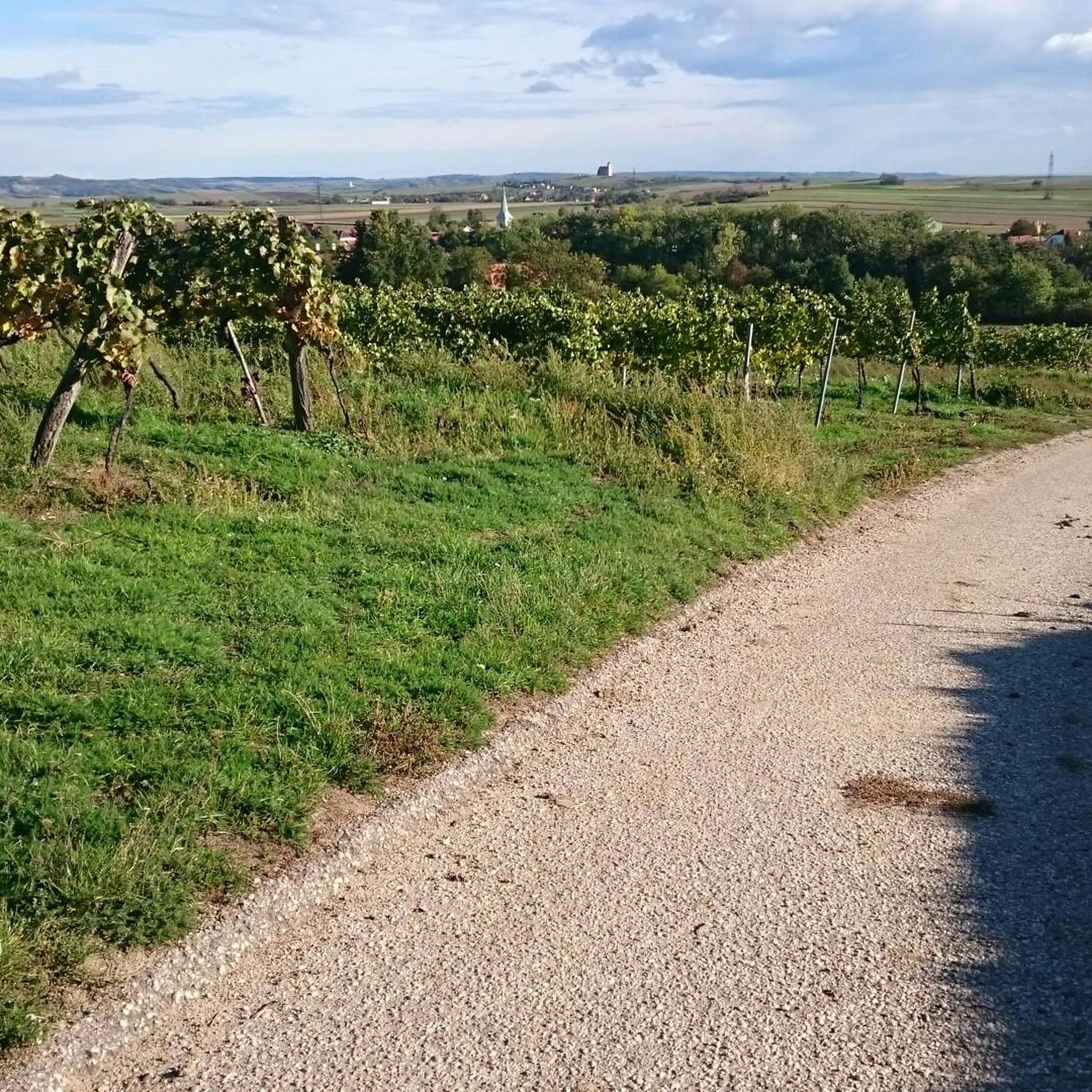
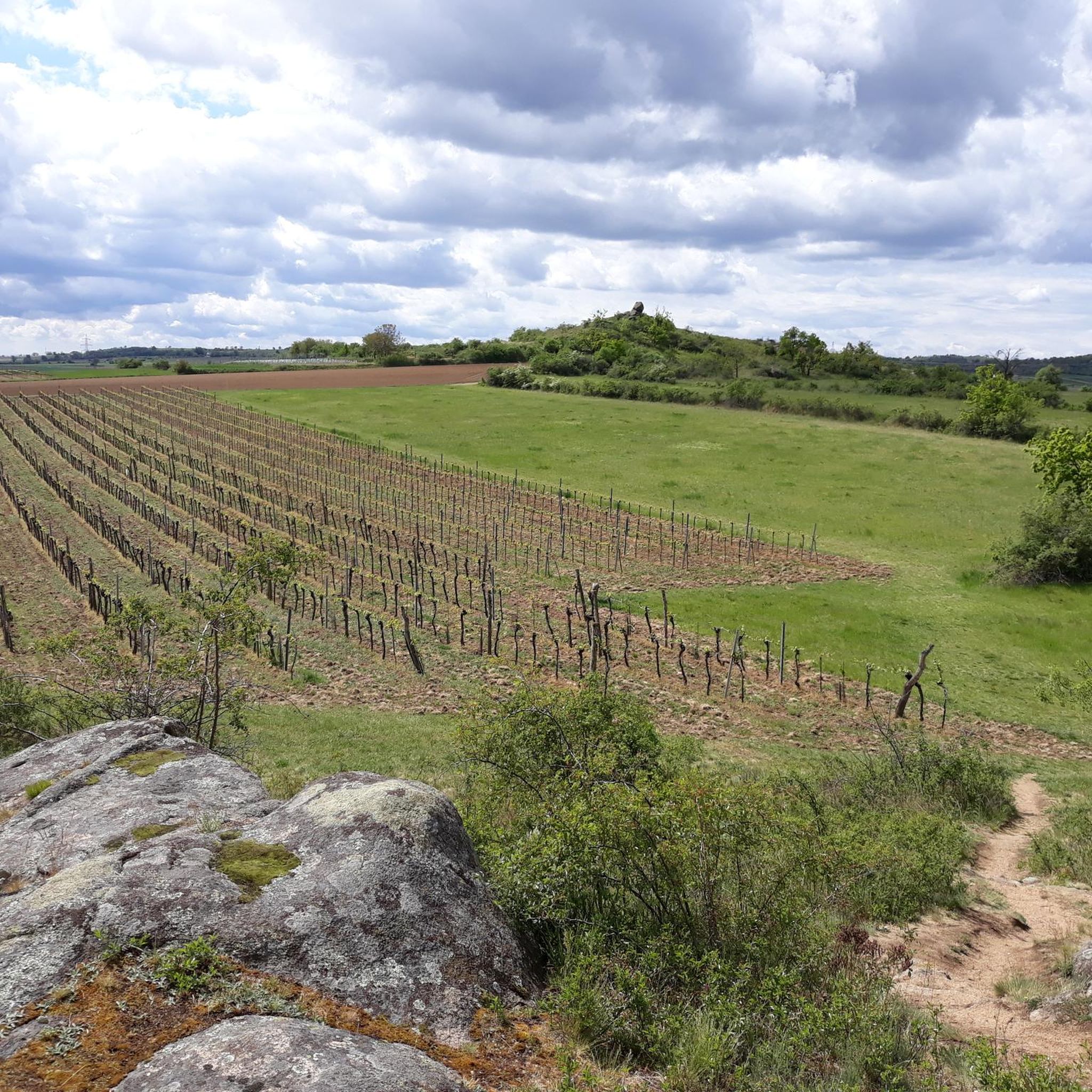
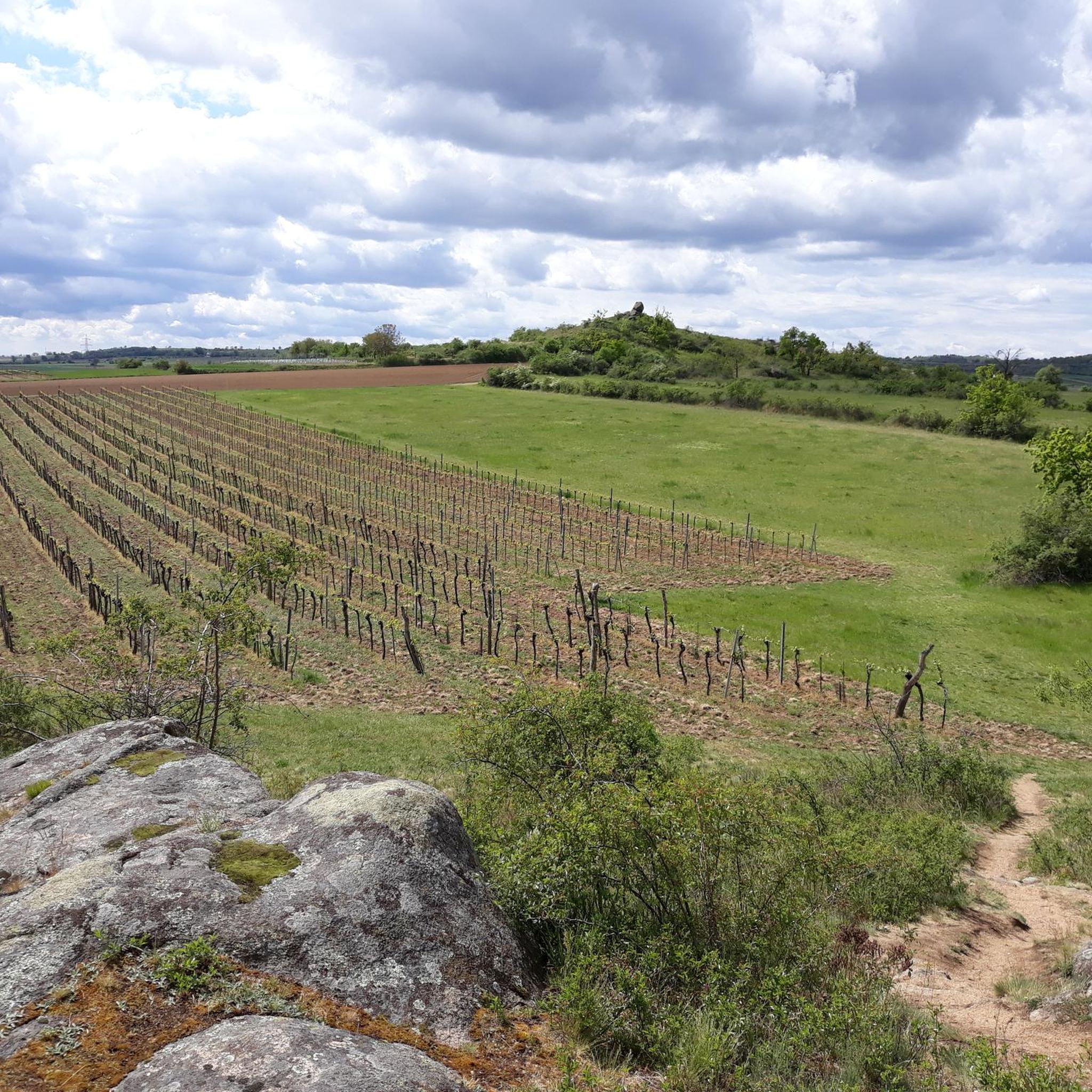
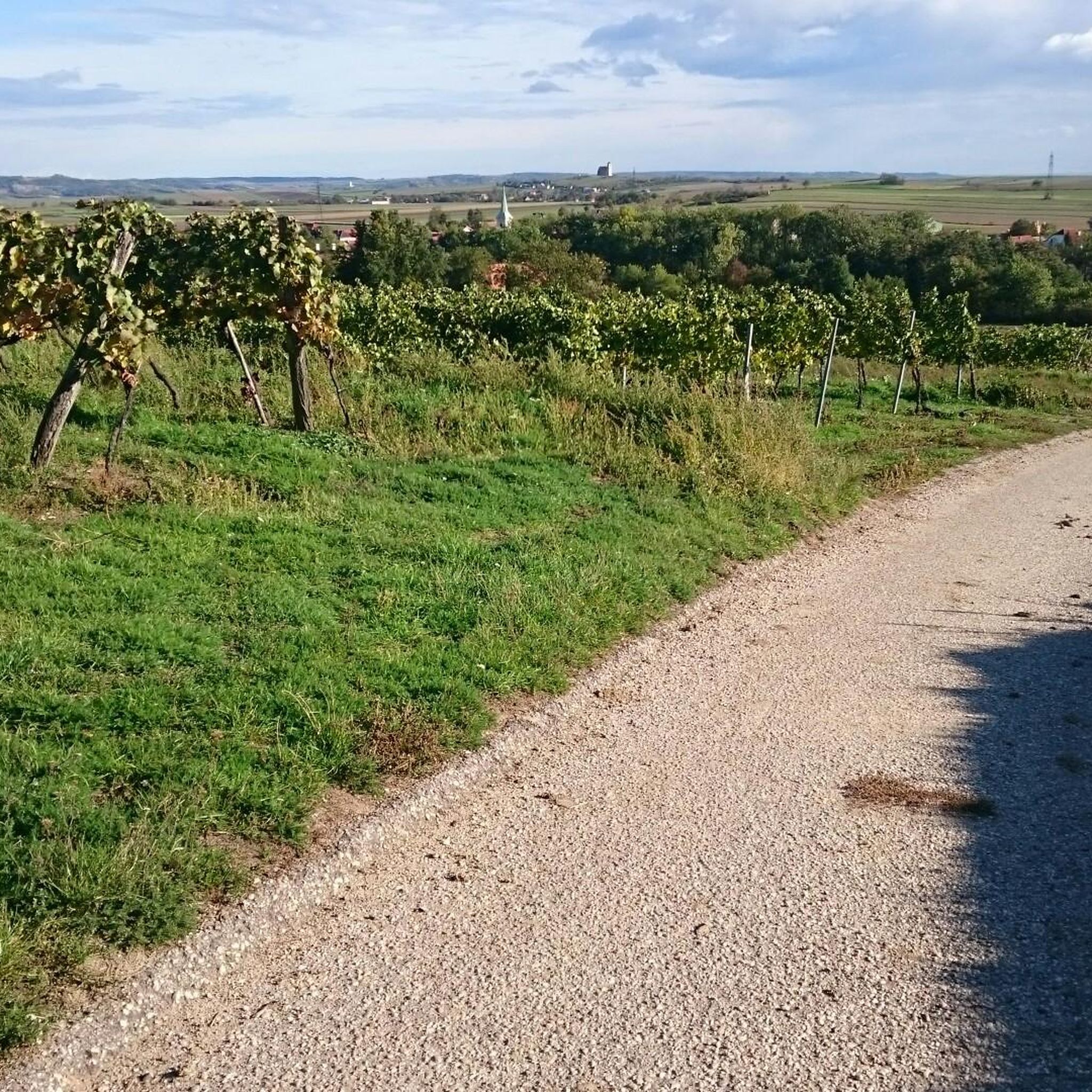
Hiking around Eggenburg offers diverse landscapes at the transition between the Weinviertel and Waldviertel regions. The area features dense forests, hills with steppe-like vegetation, and distinctive rock formations. Trails often lead through varied terrain, including reforested hills and areas with geological features.
Best hiking trails around Eggenburg
- The most popular hiking route is Viewpoint at Vitus Chapel – Kogelsteine loop from Eggenburg, an 8.1 miles (13.1 km) moderate trail that takes about 3 hours 35 minutes to complete, featuring…
Last updated: August 11, 2026
4.7
(7)
34
hikers
13.1km
03:36
210m
210m
Moderate hike. Good fitness required. Easily-accessible paths. Suitable for all skill levels.
4.8
(11)
44
hikers
6.44km
01:48
120m
120m
Easy hike. Great for any fitness level. Easily-accessible paths. Suitable for all skill levels.

Sign up for free
5.0
(3)
21
hikers
12.4km
03:21
160m
160m
Moderate hike. Good fitness required. Easily-accessible paths. Suitable for all skill levels.
10
hikers
Moderate hike. Good fitness required. Easily-accessible paths. Suitable for all skill levels.
3.0
(2)
7
hikers
Moderate hike. Good fitness required. Easily-accessible paths. Suitable for all skill levels.
Get access to more routes and recommendations from other explorers.
Sign up for free
Already have an account?
Our route recommendations are based on thousands of hikes, rides, and runs completed by other people on komoot.
Start today with a free account
Your next adventure awaits.
Login or Signup

Tips from the Community

The town of Eggenburg, whose origins date back to the 13th century, was once one of the best-fortified towns in the country. The town walls were expanded over time with towers and gates, and the importance of Eggenburg as a political center was underscored by events such as the proclamation of Duke Albrecht V as ruler of the country.
0
0

At the entrance to Carlsthal, below the Eggenburg city wall, stands the Torborgen.
0
0
The Krahuletz Museum presents its latest highlight: the true-to-scale model of the town of Eggenburg as it looked around 1590. The builder of this model, Mag. Alexander Korab (Vienna), took inspiration from the latest archaeological findings and historical depictions.
0
0
In 1451, St. John Capistrano visited Eggenburg. The enthusiastic citizens then founded a Franciscan monastery in 1460. The church was consecrated in 1466 and richly furnished with artworks during the Baroque period. In 1786, the monastery was dissolved by Emperor Joseph II and subsequently converted into a cotton factory. Due to the great city fire in 1808, which reduced 203 houses to rubble and ashes, this building also became a ruin. It was only rebuilt in 1833 by the Redemptorists. Among the many members of this order house, Brother Johann Baptist Stöger, who has already been beatified, stands out particularly. His remains rest in a high tomb in the family chapel of the monastery church.
0
0
For the 700th anniversary of the town charter of Eggenburg in 1977, the artist Ernst Degasperi, born in South Tyrol, gifted his adopted home of Eggenburg the sgraffito inside the so-called Turndl, or today better known as the Tower of Peace - part of the eastern wall of the medieval town fortifications.
0
0
It is a hall church with a simple net vault and has no columns, although it is a work of Gothic architecture. The neo-Gothic tower was built in 1844. In 1896, the church received stained glass windows from the workshop of Tiroler Glasmalerei. With the exception of the late Baroque crucifix above the triumphal arch, the furnishings are almost entirely neo-Gothic and were designed with the participation of art-loving lay brothers of the Redemptorist order. On the left side wall, a modern glass door opens access to the family chapel, for the construction of which Brother Baptist Stöger carried the stones on his back from the city wall.
0
0
The Eggenburg main square impresses above all with its vastness, which reflects the importance of the former ducal town of Eggenburg as a trading and market place. Markets were important sources of income for the town in the Middle Ages. On August 13, 1277, Rudolf von Habsburg confirmed to the town of Eggenburg the same freedoms, rights, and privileges with which Vienna had been favored by his predecessors and himself.
0
0
Currently, the listed neoclassical building houses the Dr. Erwin Pröll - Study Collection of the Krahuletz Museum.
0
0
Frequently Asked Questions
How many hiking trails are available around Eggenburg?
Eggenburg offers a wide selection of hiking opportunities, with nearly 60 routes available. These range from easy strolls to more moderate hikes, ensuring options for various fitness levels.
What kind of landscapes can I expect to see while hiking in Eggenburg?
The region boasts diverse landscapes, transitioning between the Weinviertel and Waldviertel. You'll encounter dense forests, hills with steppe-like vegetation, and distinctive natural rock formations like the Kogelsteine and Fehhaube. Some routes also feature unique cellar lanes, such as those in Stoitzendorf, and scenic views of the Kamptal.
Are there any family-friendly hiking options in Eggenburg?
Yes, Eggenburg has numerous easy trails suitable for families. For instance, the Waldandacht Shrine – Mayer Chapel loop from Eggenburg is an easy 3.9-mile (6.3 km) path that offers a peaceful walk through natural surroundings, connecting local shrines, which can be a pleasant experience for all ages.
What are some notable natural features or landmarks to look out for on the trails?
Hikers can discover several interesting natural features and landmarks. The bizarre granite formations of the Kogelsteine and Fehhaube are prominent. You might also encounter geological display boards, explore the wild romantic Kamptal valley, or visit the historic Johannessteinbruch Quarry. For specific natural monuments, consider visiting Libellenteich and Alte Kuh Boulder or the Maria-Bründl Spring and the Lourdes Grotto.
When is the best time of year to go hiking in Eggenburg?
The best seasons for hiking in Eggenburg are typically spring and autumn. During these times, the weather is mild, and nature is at its most beautiful, with flowering meadows in spring or vibrant, colorful deciduous forests in autumn.
Are there any circular hiking routes in the area?
Yes, many routes in Eggenburg are circular. A popular moderate option is the Viewpoint at Vitus Chapel – Kogelsteine loop from Eggenburg, which is 8.1 miles (13.1 km) long and features views from Vitus Chapel and the Kogelsteine rock formations. Another great loop is the Kogelsteine – Historic Main Square Eggenburg loop from Stoitzendorf, which takes you through granite formations and into the historic town center.
What do other hikers say about the trails in Eggenburg?
The routes in Eggenburg are highly regarded by the komoot community, holding an average rating of 4.6 stars from over 80 reviews. Hikers often praise the diverse regional scenery, the peaceful atmosphere of the dense forests, and the unique rock formations.
Can I find any historical sites or cultural attractions along the hiking paths?
Absolutely. Several trails incorporate historical and cultural sights. The "Stadtwanderweg" (city hiking trail) offers views of Eggenburg Castle, and the "Stone and Wine Hiking Trail" includes the old town of Eggenburg. You can also find castle ruins like Kollmitz and Senftenberg, or visit the Amethyst World Maissau.
Are there any trails that pass by lakes or water features?
Yes, some routes will lead you near beautiful water features. You can explore areas around Meiseldorfer Teich or the Horn City Lake. The Krahuletz Museum – Kleiner Meiseldorf Pond loop from Eggenburg is a moderate hike that includes a pond.
What is the typical difficulty level of hikes in Eggenburg?
Eggenburg offers a good mix of difficulty levels. The majority of trails, around 40, are considered easy, making them accessible for many. There are also 18 moderate routes for those seeking a bit more challenge, but no difficult trails are listed, ensuring a pleasant hiking experience for most visitors.
Are there any longer, more challenging routes for experienced hikers?
For those looking for a longer, moderate challenge, the Feenhaube Rock Formation – Historic Main Square Eggenburg loop from Eggenburg is a good option. It spans 10.7 miles (17.3 km) and features varied terrain, including the Feenhaube rock formation and the historic town center.
Most popular routes around Eggenburg
Most popular attractions around Eggenburg

Get inspired with the komoot mobile app


Explore more
Browse the best Hikes in other regions.
