Top 20 Caves around Daun
Best caves around Daun are found in the volcanic Eifel region of Germany, an area characterized by its unique geological history. The Vulkaneifel is known for its volcanic landscapes and offers access to various subterranean attractions. This region provides opportunities to explore both natural karst formations and historical mining sites. These features contribute to the area's appeal for outdoor exploration.
Best caves around Daun
- The most popular caves is Buchenloch Cave, a cave that is about 30 meters long…
Last updated: June 24, 2026
Buchenloch Cave
Highlight • Cave
Translated by Google •
Tip by

Millstone Cave at Nerother Kopf
Highlight • Cave
The millstone cave consists of lava boards and is an artificial cave in the Vulkaneifel, Rhineland-Palatinate. It was created by the production of …
Translated by Google •
Tip by

Sign up now to discover places like this
Get recommendations on the best single tracks, peaks, & plenty of other exciting outdoor places.
Sign up for free
Millstone Cave at Rother Kopf
Highlight • Cave
Translated by Google •
Tip by

Rock overhang with wooden cross below the Dreimühlen ruin
Highlight • Cave
Translated by Google •
Tip by

Arnulphus Chapel (Heiligenhäuschen) near Walsdorf and Zilsdorf
Highlight • Religious Site
Translated by Google •
Tip by

Sign up for free to discover even more caves around Daun.
Sign up for free
Already have an account?
Start today with a free account
Your next adventure awaits.
Login or Signup
Popular around Daun
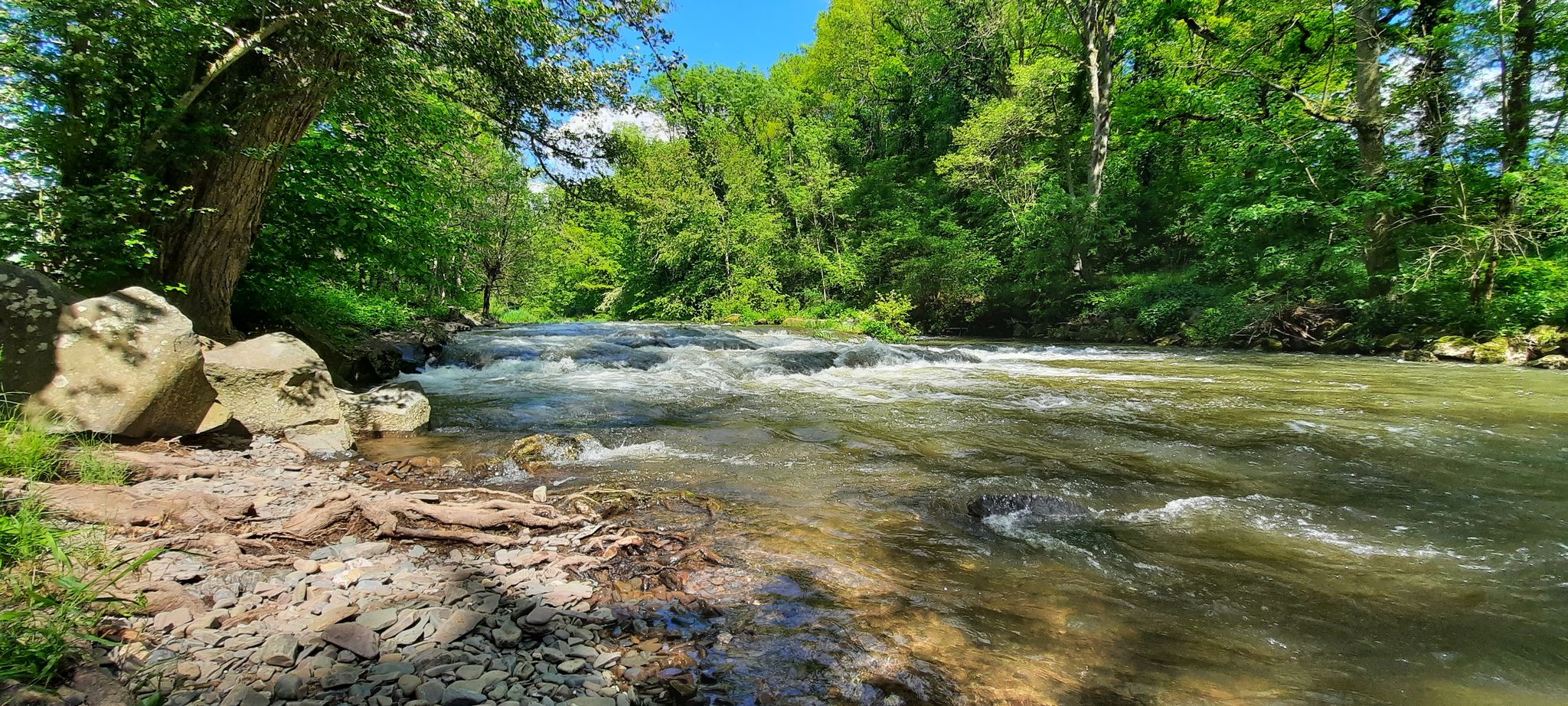
Lieserpfad between the Eifel and the Moselle rivers – Wild forests, wild water
The National Natural Landscapes in Rheinland-Pfalz
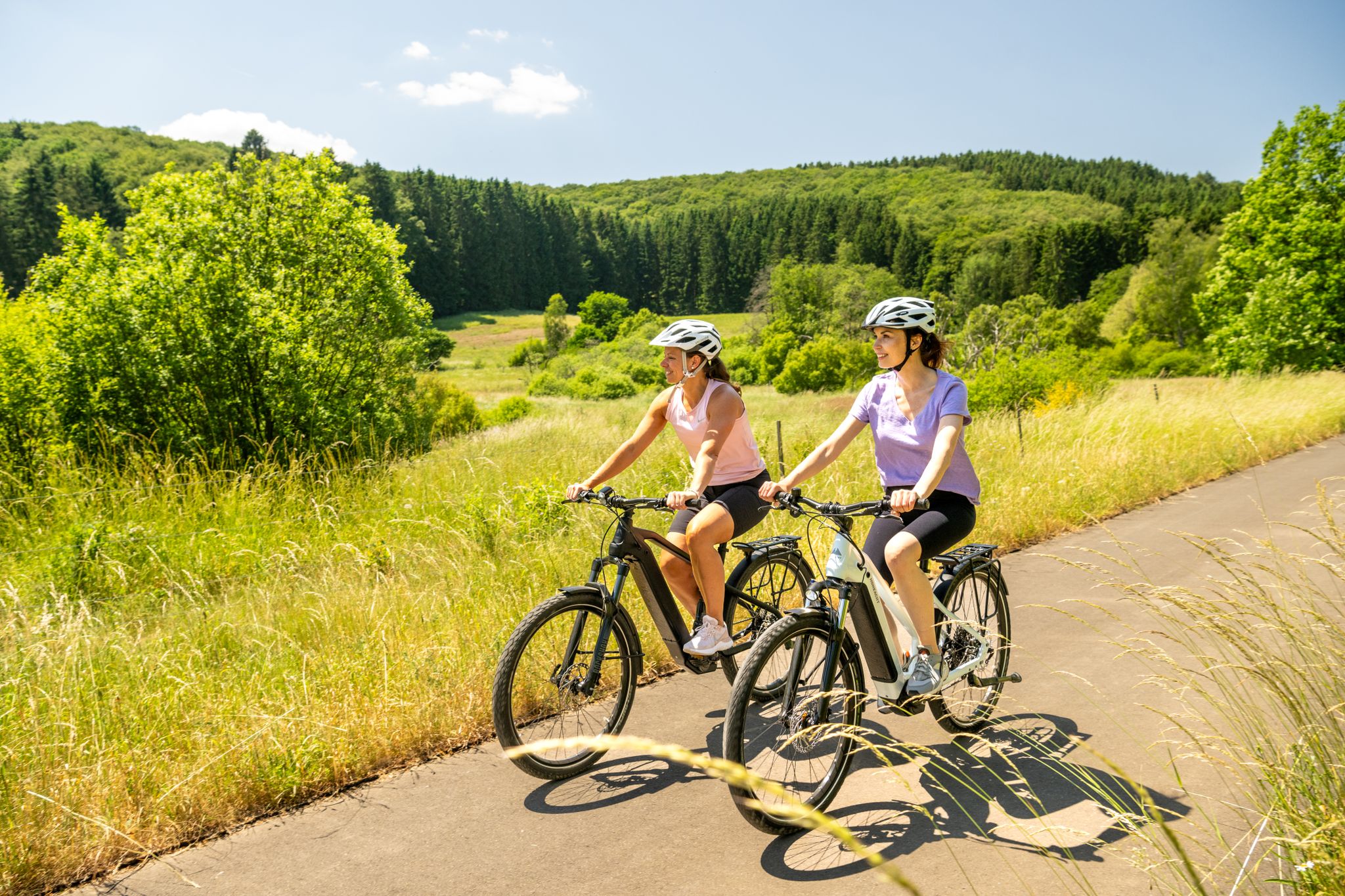
E-biking through the Volcanic Eifel
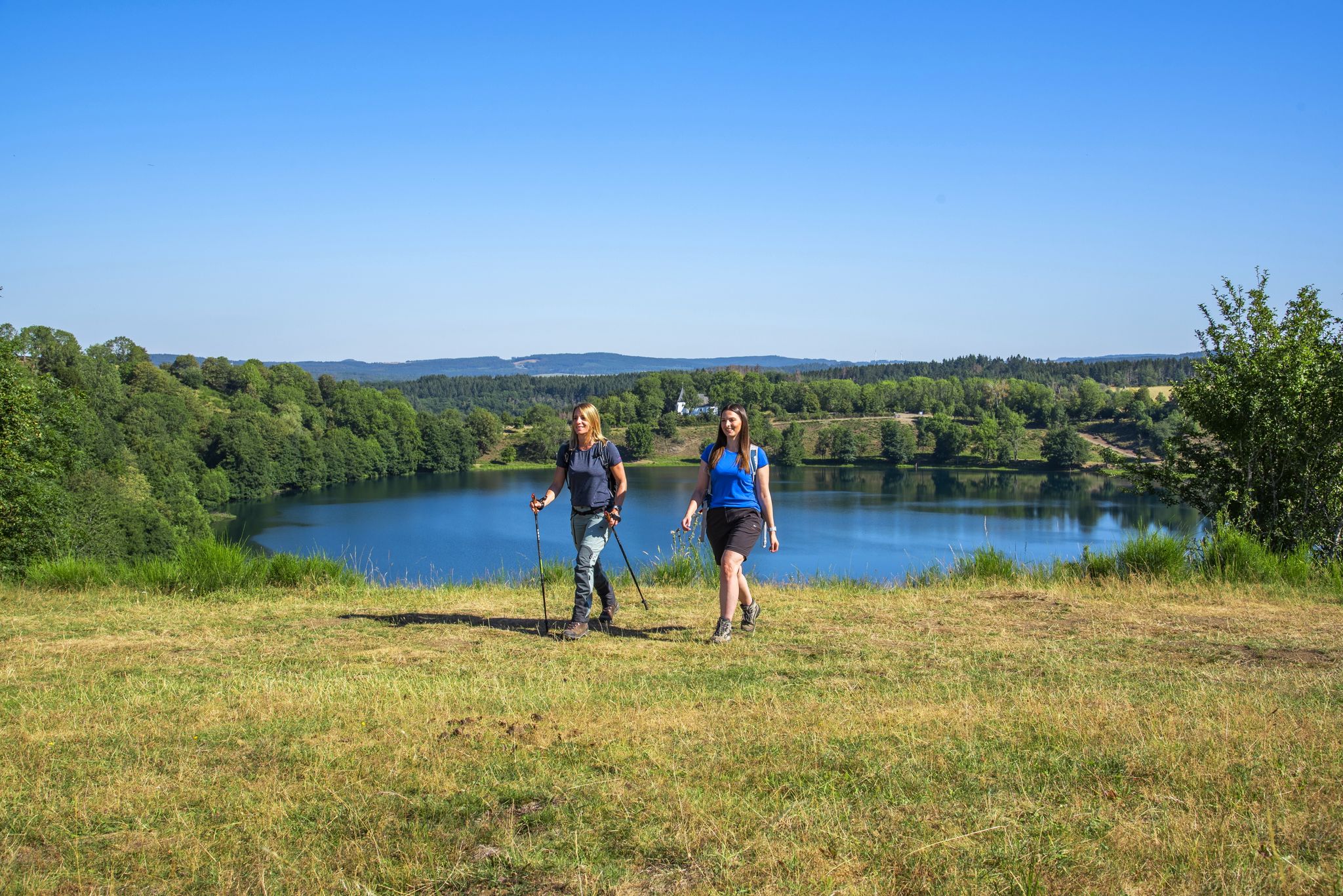
Excellent paths in the Vulkaneifel – Explore the HeimatSpuren
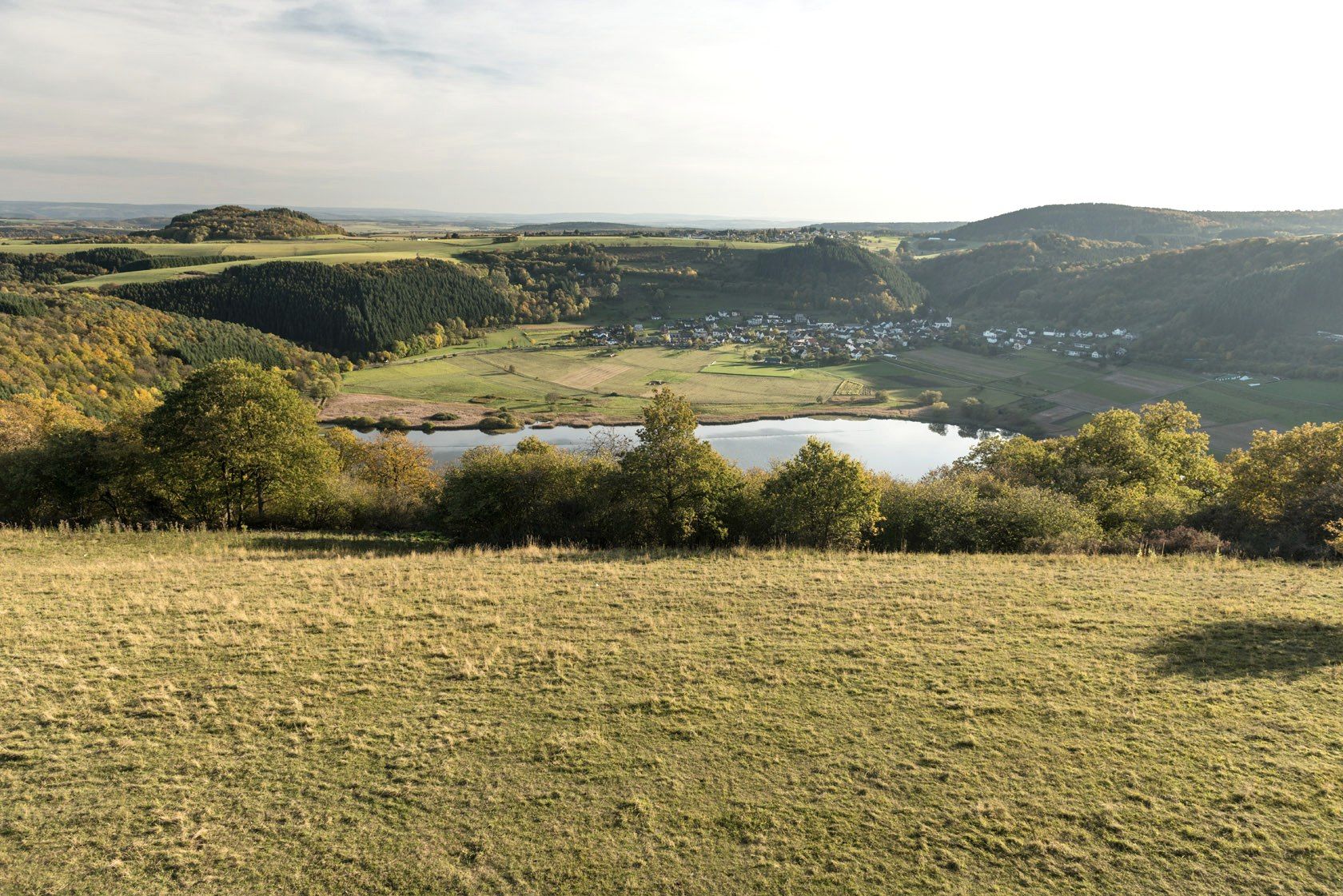
Crater lakes and lava rock – hiking in Germany’s Volcanic Eifel
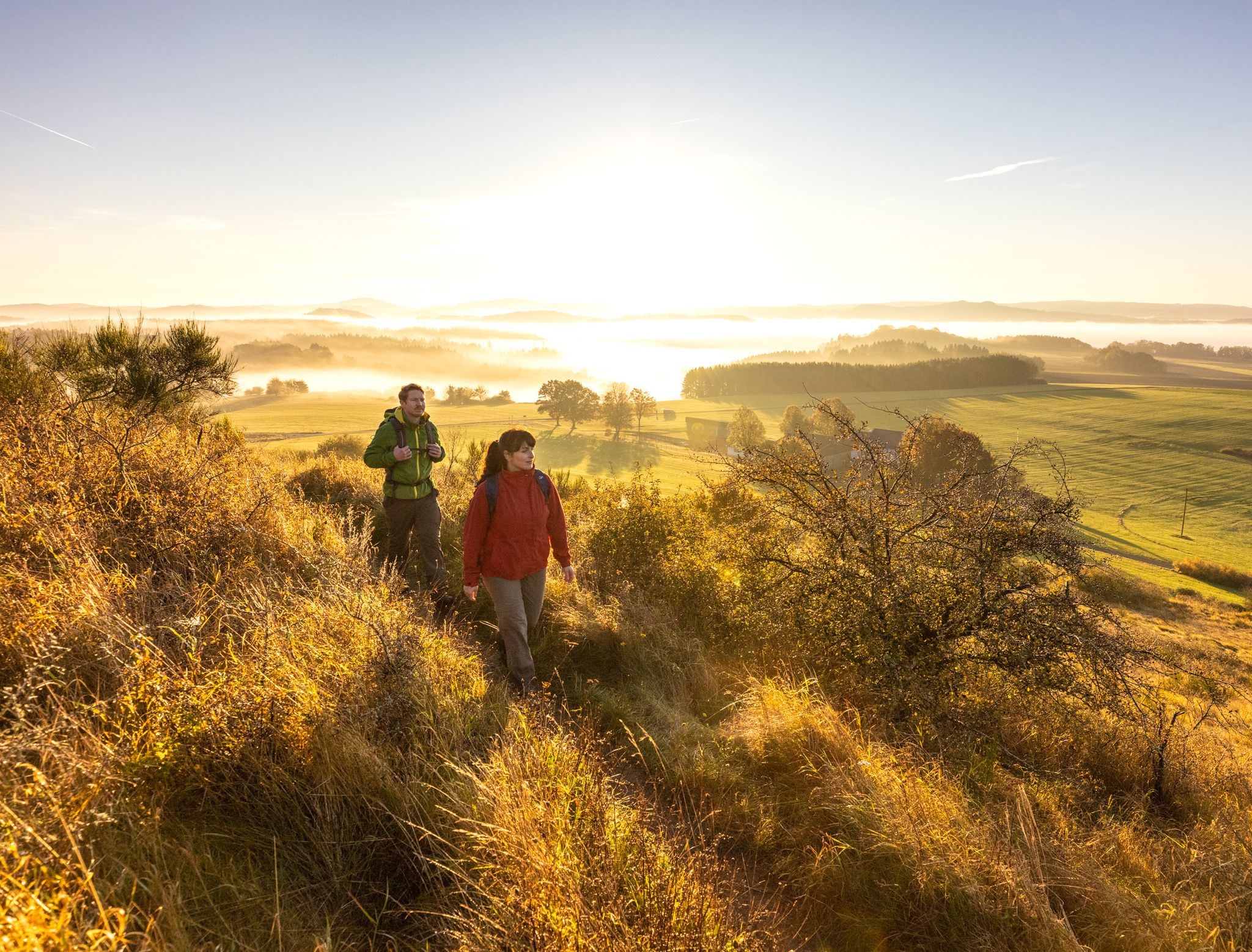
The 15 stages of the Eifelsteig Trail — Between rocks and water
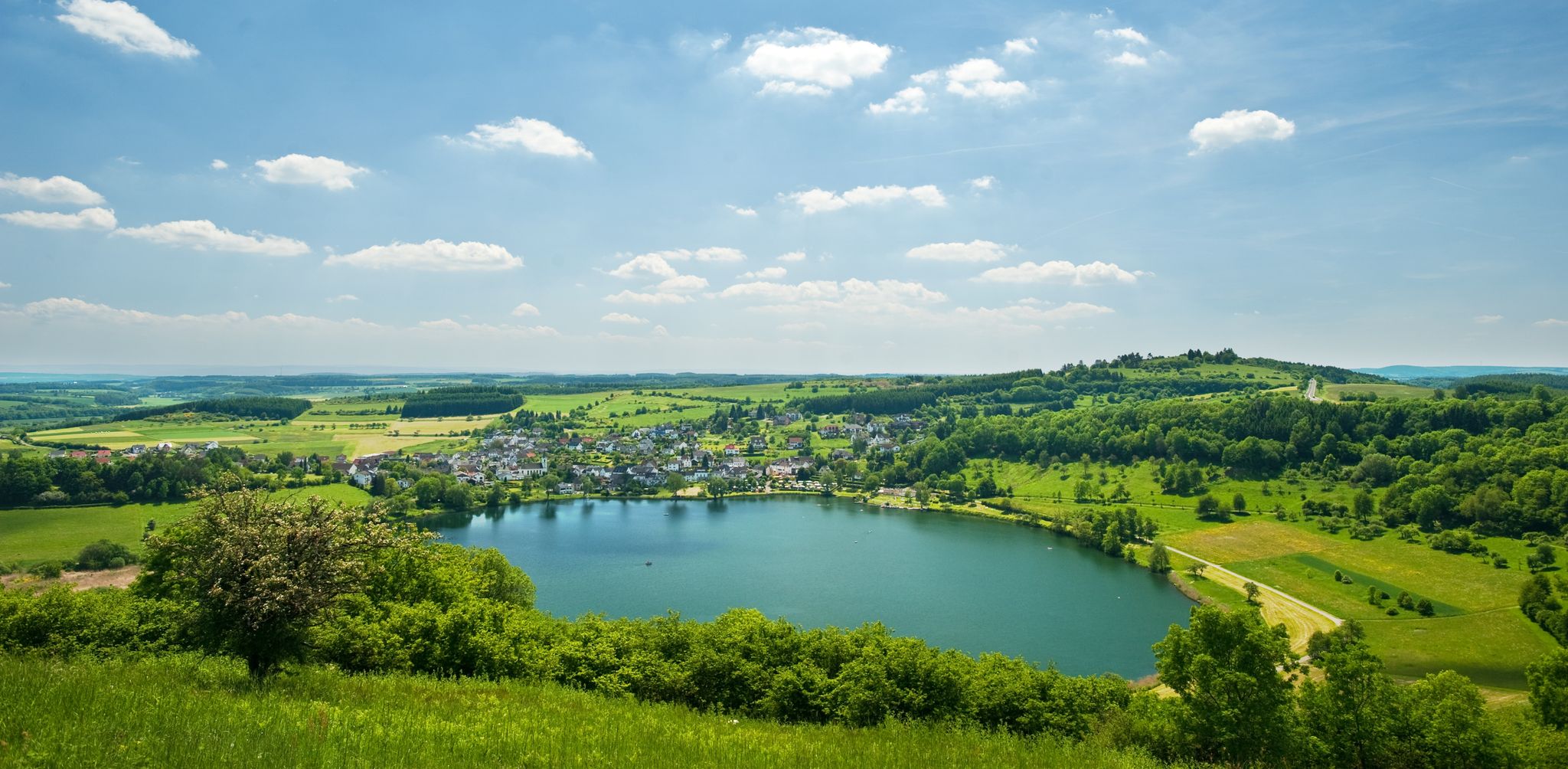
Lava pits & fairytale lakes – hiking through Vulkaneifel in Germany
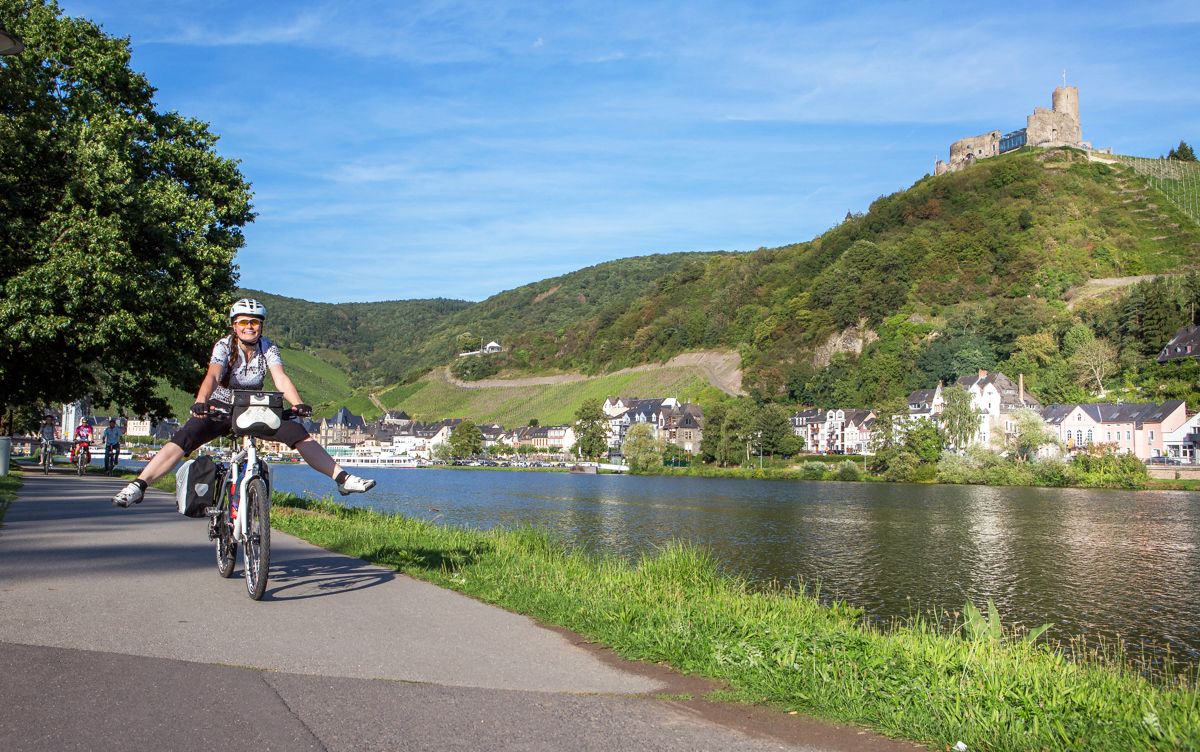
Cycling along the River Moselle in Germany – vineyards, forests & culture
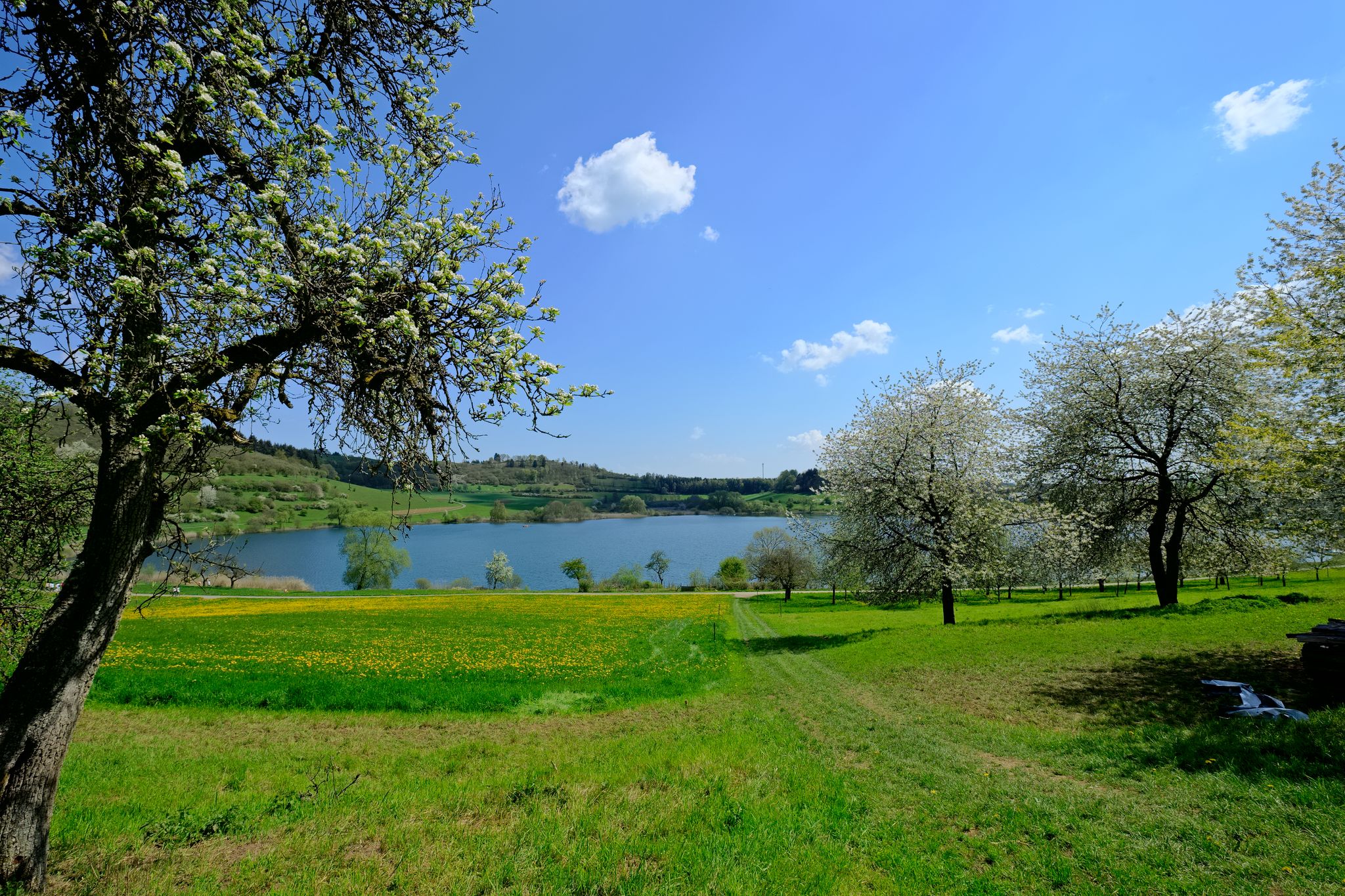
4 days of pure geological history — a tour through the Volcanic Eifel
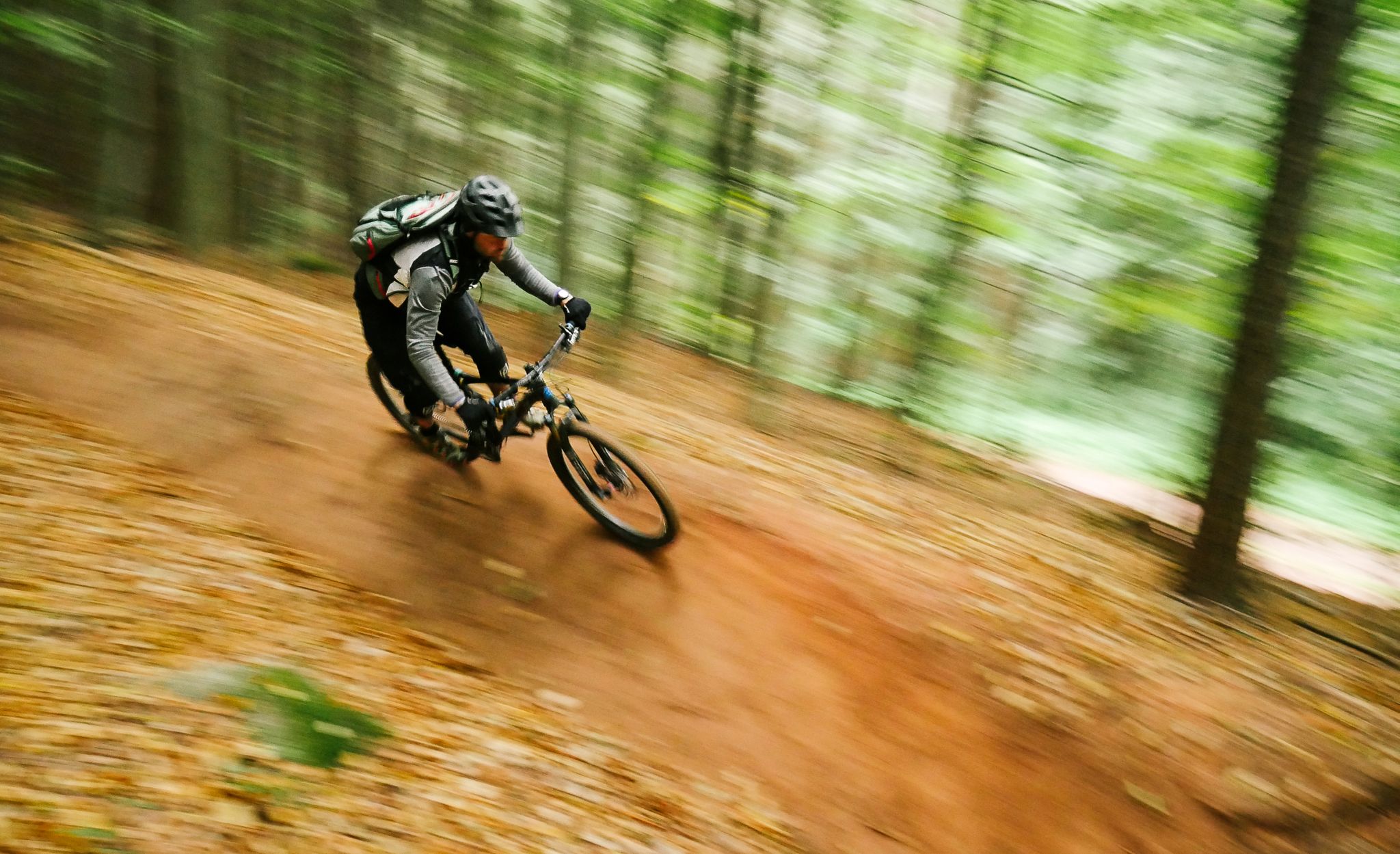
There is no off-season — Germany's low mountain ranges
Other adventures around Daun


Tips from the Community

🧭 Briefly at the Dreimühlen waterfall 🌊💙 Small wooden cross attached... Maybe pause for a moment...each in their own way... It's good for the soul 💚🙏🏼 Nice photo motif also 📸
2
0

Such rock overhangs are called abri. They are so-called semi-caves, which people liked to use in the Stone Age. In contrast to a cave with a rather narrow entrance, they allow overview of the terrain and escape possibilities. Such demolition sites are important research sites for archeology, as Stone Age tools and food remains can be found here.
5
0

You don't have to go directly on the path to the waterfall but a few steps up to discover this "cave". A wooden cross stands in a small depression.
5
0

Small cavity in the rock just below the ruins on the way to the waterfall. There is also a cross embedded in the rock...
3
0

Well accessible cave. It is very good to see how the millstones were worked out. A good headlamp is recommended so that your hands are free to take pictures. I personally found the cell phone camera too dark
6
0

The trail leads to the 'Buchenloch Cave' which lies at the far edge of the Munterley Plateau. This was created 1.8 million years ago from a millimeter-wide crack in the rock massif and was used by people in the Neolithic Age 300,000 years ago.
11
1

The Nerother Kopf is an extinct volcano of recent date. It was formed about 15,000 years ago when the earth broke up here and glowing magma welled up from the depths of the earth. At that time, a fracture zone formed in the earth rock, which formed the origin of the volcanic chain "West Eifel". https://www.neroth.de/tourismus/nerother-kopf
6
0
The Millstone Cave is located at the summit of the Neroth Head, a wooded hill of volcanic origin east of Neroth. The entrance is just below the Freudenkoppe castle ruins at an altitude of about 640 m and can be reached via a hiking trail. The cave is 18 meters deep and its vault up to 10 meters high. It is walkable, but unlit (torch required). Wikipedia
5
0
Frequently Asked Questions
What types of caves can I explore around Daun?
The Daun area, located in the volcanic Eifel region, offers a diverse range of subterranean experiences. You can explore natural karst caves, such as the Buchenloch Cave, as well as artificial caves formed by historical millstone mining, like the Millstone Cave at Nerother Kopf and the Millstone Cave at Rother Kopf. These sites showcase both geological formations and the region's industrial past.
Are the caves around Daun suitable for families?
Many caves in the region are accessible and can be a great experience for families. For instance, the Buchenloch Cave is easily accessible with an almost horizontal floor, making it suitable for most visitors. The artificial millstone caves also offer an interesting historical insight that can engage children.
What is the best time of year to visit the caves near Daun?
The best time to visit depends on the specific cave. The Buchenloch Cave is generally open from April to September. For caves like the Birresborn Ice Caves, there are bat protection periods from October 1st to March 31st, during which access is restricted to protect hibernating bats. Always check specific opening times before your visit.
Do I need special equipment to explore the caves?
While some caves like the Buchenloch Cave can be visited without one, a flashlight or headlamp is highly recommended for most caves, especially for deeper ones like the Millstone Cave at Nerother Kopf, which is unlit. Comfortable shoes are also advisable.
Are there any historical or cultural insights to gain from visiting these caves?
Absolutely. The artificial millstone caves, such as the Millstone Cave at Nerother Kopf and the Millstone Cave at Rother Kopf, offer a unique glimpse into the historical industry of millstone production from volcanic rock. You can see how millstones were worked out, and some even have unfinished blanks still visible. The Buchenloch Cave also has historical significance, with tools and animal bones from the Ice Age found during 19th-century excavations.
What are the Birresborn Ice Caves, and what makes them unique?
The Birresborn Ice Caves are former millstone mining sites that have a consistently low temperature, typically between -1°C and +4°C. This unique microclimate allows icicles and ice columns from winter to persist well into the summer months. They also serve as crucial winter quarters for numerous bats, leading to seasonal access restrictions for their protection.
Are there any challenging cave experiences or climbing opportunities near Daun?
While many caves are easily walkable, the region also offers more adventurous options. The Gerolsteiner Dolomites Climbing Crags, for example, feature impressive rock formations and climbing opportunities, some of which include cave-like features or overhangs. These are generally rated as challenging.
What outdoor activities can I combine with a cave visit around Daun?
The Vulkaneifel region around Daun is excellent for various outdoor activities. You can find numerous running trails, road cycling routes, and gravel biking paths. For example, explore running trails around Daun, enjoy road cycling routes, or try gravel biking. Many of these routes pass by natural landmarks and offer scenic views.
Are dogs allowed in the caves near Daun?
Information on dog access varies by specific cave. While some outdoor areas and trails leading to caves may be dog-friendly, access inside the caves themselves might be restricted for safety or environmental reasons, especially in areas important for wildlife like bats. It's best to check specific regulations for each cave before visiting with your dog.
What do visitors appreciate most about the caves in the Daun region?
Visitors frequently highlight the unique geological and historical aspects of the caves. They enjoy the impressive entrance portals, the opportunity to see how millstones were historically extracted, and the fascinating natural formations. The consistent cool temperatures inside, especially in the 'ice caves,' are also a popular feature, providing a refreshing experience.
Is there parking available near the caves?
Yes, most popular cave sites and trailheads in the Vulkaneifel region have designated parking areas. For example, the Millstone Cave at Nerother Kopf is accessible via a hiking trail from a nearby parking area. It's always advisable to check local signage for specific parking instructions.
Most popular routes around Daun
Most popular attractions around Daun

Get inspired with the komoot mobile app


Explore more
Extend your search for the best caves by checking out these guides of the top ones around Daun:
