Top 20 Castles around Bad Berka
Best castles around Bad Berka offer a blend of historical structures and natural beauty in the Middle Ilm Valley. The region is known for its spa traditions and forested landscapes, providing a scenic backdrop for exploring historical sites. Visitors can find a mix of well-preserved castles, former residences, and intriguing ruins. These historical landmarks are often situated amidst green spaces, making them accessible for exploration.
Best castles around Bad Berka
- The most popular castles is Belvedere Palace Weimar, a…
Last updated: May 9, 2026
Belvedere Palace Weimar
Highlight • Castle
Translated by Google •
Tip by

Rock Castle
Highlight • Castle
Translated by Google •
Tip by

Sign up now to discover places like this
Get recommendations on the best single tracks, peaks, & plenty of other exciting outdoor places.
Sign up for free
Schloss Tiefurt
Highlight • Castle
Duchess Anna Amalia's summer residence
The current design reflects the taste of the time around 1800. Originally it was the estate tenant's house, until Duchess Anna Amalia took …
Translated by Google •
Tip by

Weimar City Palace
Highlight • Castle
Translated by Google •
Tip by

Belvedere Palace and Park Weimar
Highlight • Castle
Translated by Google •
Tip by

Sign up for free to discover even more castles around Bad Berka.
Sign up for free
Already have an account?
Start today with a free account
Your next adventure awaits.
Login or Signup
Popular around Bad Berka

Around Thuringia — 7 stages through Germany's green heart
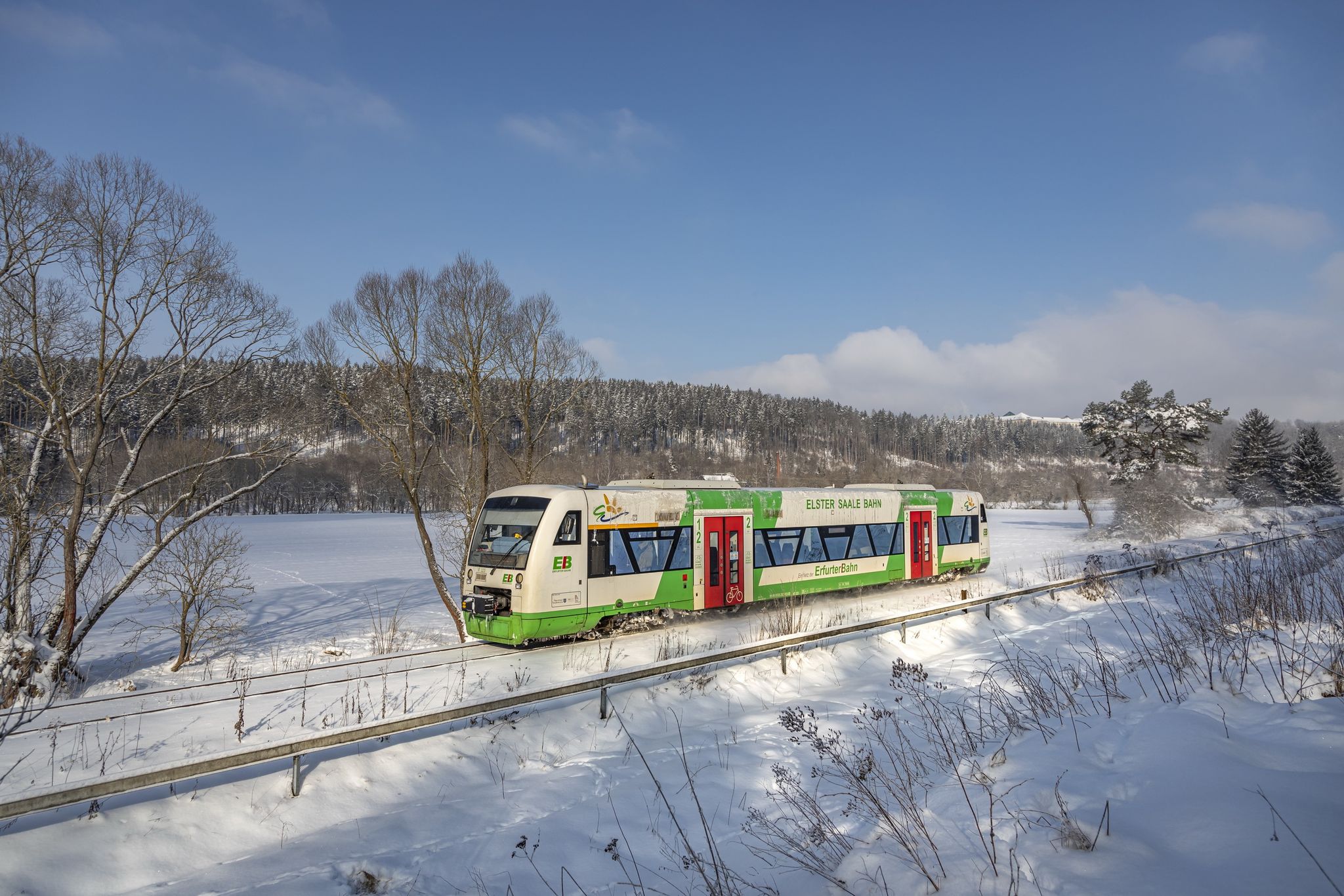
Discover Thuringia – winter hiking with the Erfurter Bahn
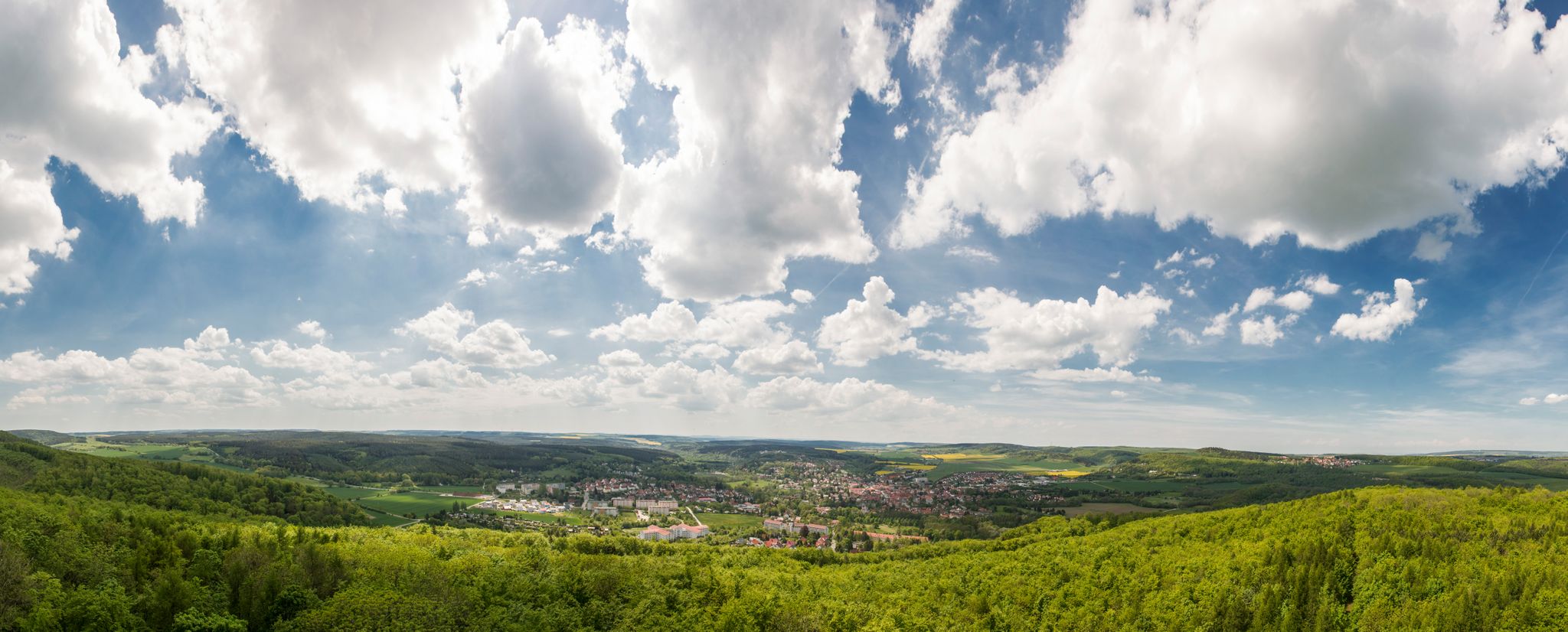
Beautifully varied hikes around Bad Berka
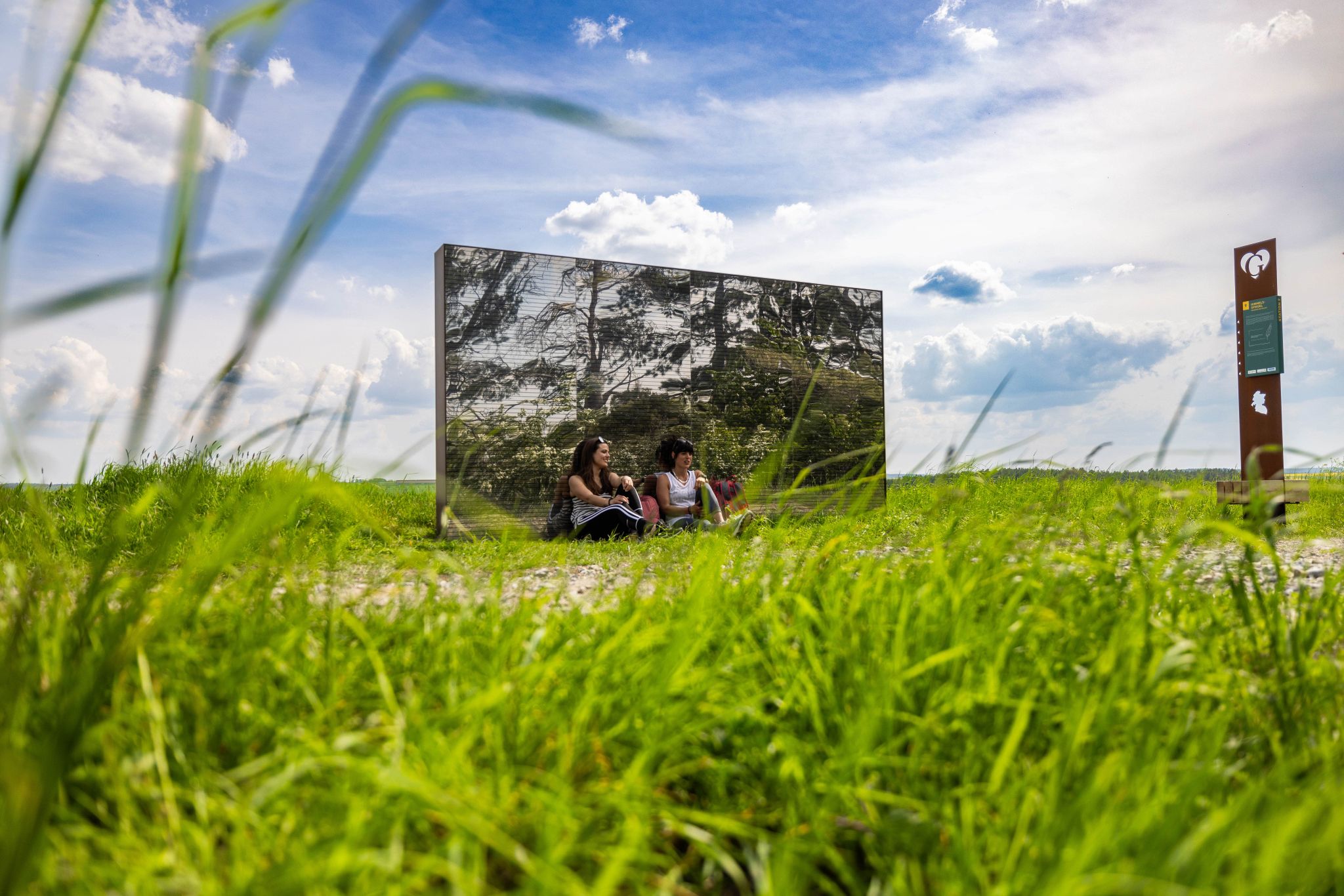
On the Goethe Adventure Trail through Germany’s Weimarer Land
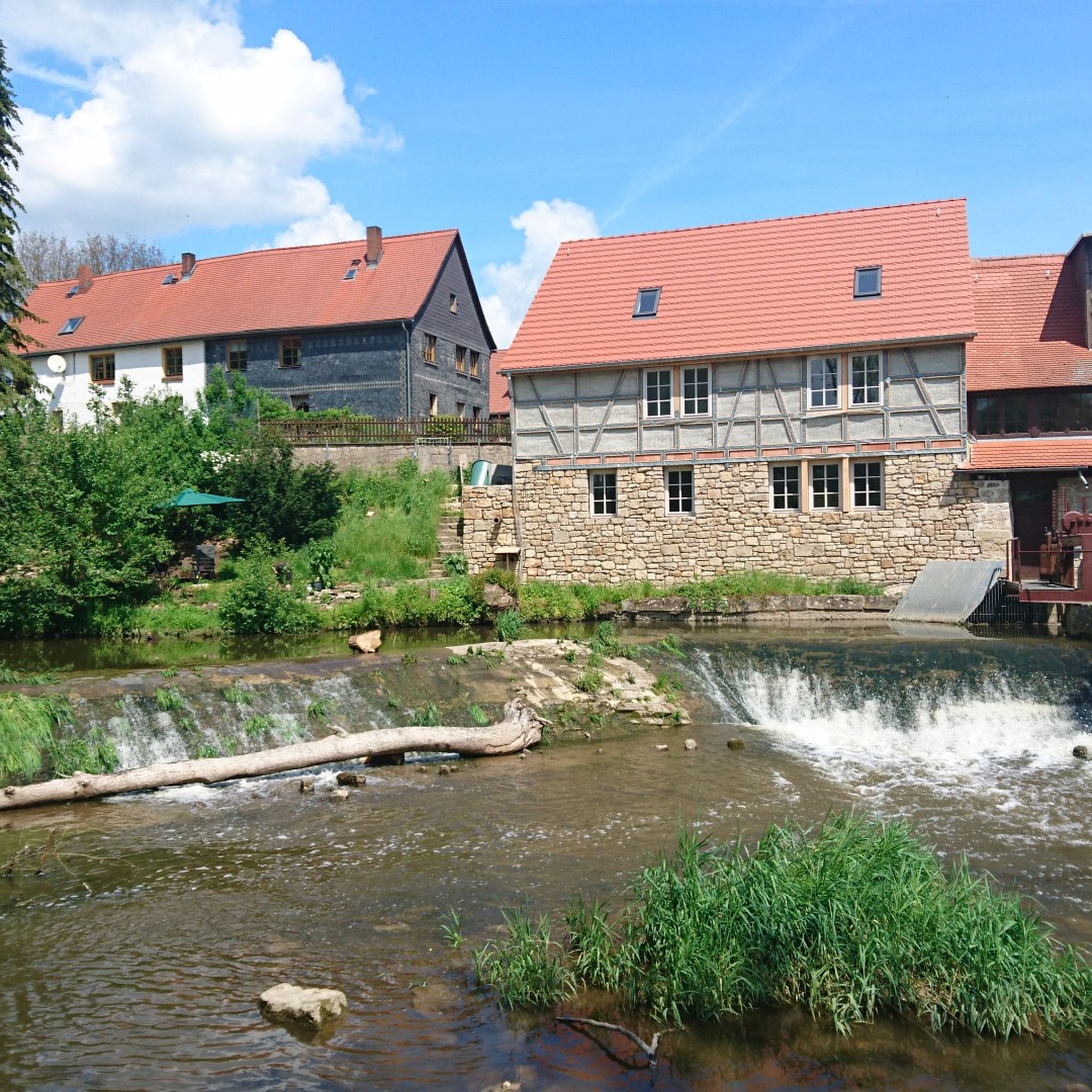
Hiking around Bad Berka
Cycling around Bad Berka
Road Cycling Routes around Bad Berka
Running Trails around Bad Berka
MTB Trails around Bad Berka
Gravel biking around Bad Berka
Other adventures around Bad Berka


Tips from the Community

The 🏰 Belvedere with its palace park and orangery is an absolute highlight 🤩.
19
0

A look inside would be interesting, the mighty shell limestone cliff immediately captivates you.
9
0

Belvedere Palace Park and Orangery Summer residence with orangery In the south of Weimar, Belvedere Palace rises on a hill, surrounded by a 43-hectare park. Duke Ernst August of Saxony-Weimar and Eisenach had a baroque summer residence built here between 1724 and 1748, including an orangery and a pleasure garden and maze. After Ernst August's death in 1748, the parks began to fall into disrepair. It was only with the summer stays of Duchess Anna Amalia that they regained their original importance. Duke Carl August, who had reigned since 1775, conducted botanical studies in Belvedere together with Goethe. By 1820, a botanical garden with around 7,900 domestic and foreign plant species had been created. Hereditary Duke Carl Friedrich had the so-called Russian Garden laid out west of the palace for his wife, the Russian Grand Duchess Maria Pavlovna. The gardens of the Tsar's daughter can still be visited today, as can the recently renovated orangery and the associated gardens. The plant fairs of the Klassik Stiftung Weimar take place regularly in the orangery at the Red Tower. Text / Source: Weimar GmbH, Tourist Information Weimar, Markt 4, Weimar https://www.weimar.de/kultur/sehenswuerdigkeiten/parks-und-gaerten/schlosspark-und-orangerie-belvede-re/#:~:text=Im%20S%C3%BCden%20von%20Weimar%20erhebt%20sich%20auf%20einer%20Anh%C3%B6he%20das
21
0
Tiefurt Castle Duchess Anna Amalia's summer residence The current design reflects the taste of the time around 1800. Originally it was the estate tenant's house, until Duchess Anna Amalia took over the modest castle building after Ettersburg Castle as a summer residence and turned it into a place for literary and social meetings. The Duchess made a conscious decision not to change the exterior architecture, as she particularly liked the rural ambience. Anna Amalia also gathered scholars and friends around her in Tiefurt. The heyday of Tiefurt's sociability, which was reflected in Tiefurt's journal, is associated with the first four years of her summer stays. Performances by the Weimar amateur theater were among the special events. Tour Several works of art commemorate Anna Amalia's trip to Italy from 1788 to 1790, including a watercolor by Johann Georg Schütz showing the Duchess and her traveling party surrounded by Roman artists in the garden of the Villa d'Este. Sculptures and busts by the court sculptor Gottlieb Martin Klauer in the stairwell as well as porcelain from China, Meissen, Copenhagen, Fürstenberg and Vienna are among the artistic highlights of the furnishings. From the courtyard, it is possible to look into the cold kitchen with a variety of utensils. The historical display dishes made of porcelain, wax and papier-mâché on display there come from the ducal property and imitate the dishes in a deceptively realistic way. Text / Source: Weimar GmbH, Tourist Information Weimar, Markt 4, Weimar https://www.weimar.de/kultur/sehenswuerdigkeiten/schloesser/schloss-tiefurt/#:~:text=Schloss%20Tiefurt.%20Herzogin%20Anna%20Amalias%20Sommersitz.%20Die
15
2
Tiefurt Castle Park The Tiefurt Castle Park extends over an area of 21 hectares on both sides of the Ilm. Gently sloping meadows with beautiful groups of trees extend to the river bank. Beyond this, a steep slope covered with dense trees rises. Numerous monuments and park architecture such as the tea pavilion invite you to explore. The Ilmtal cycle path runs directly along the river. Text / Source: Weimar GmbH, Tourist Information Weimar, Markt 4, Weimar https://www.weimar.de/kultur/sehenswuerdigkeiten/parks-und-gaerten/schlosspark-tiefurt/#:~:text=Der%20Schlosspark%20Tiefurt%20erstreckt%20sich%20auf%20einer%20Fl%C3%A4che%20von
14
1

Well-preserved castle complex in a wonderful park.
9
1

The yellow-coloured castle is divided into a dominant central building with a small observation tower and two side pavilions with domes, each resting on 8 pairs of columns. It stands on the south side of a round forecourt with a "castle fountain", around which the symmetrically arranged cavalier houses are grouped. Today these are known as the Beethoven House and Bach House in the east and the Mozart House and Haydn House in the west. The castle fountain forms the centre of the forecourt of the castle. Another important boundary is the former menagerie. Inside the castle, the entrance area is decorated with four pictures made of tiles in Delft blue, with typical Dutch motifs such as sailing ships, windmills, etc. This is an addition from the late 19th century. There are many faience pieces from earlier times at Belvedere, which probably come from local production. The tower room in the Corps de Logis, the western pavilion.
11
0
BELVEDERE PALACE AND PARK Belvedere Palace Belvedere Palace Park Orangery BELVEDERE PALACE AND PARK Open and close navigation South of Weimar, on a hill and in the middle of a spacious park with an orangery, pleasure garden and maze, lies Belvedere Palace, the baroque summer residence of the Saxe-Weimar and Eisenach family. Since 1923, it has been a museum for 18th century arts and crafts, where exquisite porcelain from the Weimar ducal family can be seen.
7
1
Frequently Asked Questions
What are some of the most notable castles to visit around Bad Berka?
The region offers a variety of historical sites. You can explore the baroque summer residence of Belvedere Palace Weimar, known for its 18th-century arts and crafts museum. Another significant site is Kochberg Castle and the Amateur Theatre, famous for its connection to Goethe. Don't miss Schloss Tiefurt, Duchess Anna Amalia's former summer residence, or the unique Rock Castle, a cave castle built into rocky cliffs.
Are there any castles directly within or very close to Bad Berka?
Yes, Schloss Tannroda, often called the 'Blue Castle,' is located in Tannroda, a municipality incorporated into Bad Berka. This 16th-century castle complex includes a well-preserved keep and castle ruins, and offers guided tours. Additionally, the ruins of the Altes Schloss Bad Berka provide a glimpse into the town's medieval past.
Which castles are suitable for families with children?
Belvedere Palace Weimar and Schloss Tiefurt are both listed as family-friendly. Their spacious parks and historical settings offer pleasant environments for exploration with children. The Ruins of the Tempelherrenhaus in Weimar Park also offer an open space that can be enjoyable for families.
Can I find hiking trails that lead to or pass by these castles?
Absolutely. The region around Bad Berka is excellent for combining hiking with castle visits. For example, the Hiking around Bad Berka guide features routes like the 'Thuringian Three Towers Trail' which might connect to various historical sites. You can also find specific routes that lead towards castles like Kochberg, Schloss Tiefurt, Belvedere Palace, and Tannroda.
What kind of natural features can I expect to see near the castles?
Many castles are set amidst beautiful natural landscapes. Belvedere Palace Weimar is surrounded by a spacious park with an orangery and pleasure garden. Kochberg Castle features a castle park with diverse flora. Schloss Tiefurt Park extends over 21 hectares along the Ilm river, offering meadows and tree groups. The unique Rock Castle is literally built into rocky cliffs, showcasing a blend of history and geology.
Is public transport available to reach castles near Bad Berka?
While specific routes vary, public transport options are generally available to reach the larger towns and cities where many of these castles are located, such as Weimar for Belvedere Palace and Schloss Tiefurt. For more remote sites like Kochberg Castle or Schloss Tannroda, you might need to combine public transport with a shorter walk or consider driving.
Are there parking facilities at the castles?
Yes, parking is generally available at the more popular castle sites. Belvedere Palace Weimar and Schloss Tiefurt both have parking listed in their categories. For other locations like Kochberg Castle or Schloss Tannroda, dedicated visitor parking is usually provided, though it's always good to check local information for specific details.
What is the best time of year to visit the castles around Bad Berka?
The warmer months, from spring to early autumn (May to October), are ideal. During this time, the castle parks are in full bloom, and outdoor activities like hiking are most enjoyable. The amateur theater at Kochberg Castle also performs from May to October. However, some castles may offer winter opening hours or special events, so it's advisable to check individual schedules.
Are there any less-known or 'hidden gem' castles in the area?
While not a grand standing castle, the Rock Castle is a unique 'cave castle' built into rocky cliffs and is considered a special feature in the Thuringian castle landscape, offering a different kind of historical experience. The ruins of the Altes Schloss Bad Berka also provide a more understated historical site within the town itself.
What do visitors particularly enjoy about the castles near Bad Berka?
Visitors appreciate the blend of historical architecture with the surrounding natural beauty. The spacious parks, like those at Belvedere Palace Weimar and Schloss Tiefurt, are often highlighted for their beauty and tranquility. The historical significance, such as Goethe's connection to Kochberg Castle, also adds to the appeal. The komoot community has shared over 1200 photos and given more than 1000 upvotes, indicating a strong appreciation for these sites.
Are there any castles that are currently in ruins or not fully preserved?
Yes, the Rock Castle, while unique, is subject to progressive erosion, and its condition is deteriorating. The Ruins of the Tempelherrenhaus in Weimar Park are a romantic ruin, partially destroyed during World War II. Additionally, the Altes Schloss Bad Berka exists as a ruin with remnants of walls and a moat, offering a glimpse into its medieval past.
Can I find places to eat or stay near these castles?
The towns surrounding the castles, especially Weimar, offer various cafes, restaurants, and accommodation options. Kochberg Castle itself has a restaurant on-site. For specific recommendations, it's best to check local listings in Bad Berka, Weimar, or the smaller villages near the castles you plan to visit.
Most popular routes around Bad Berka
Most popular attractions around Bad Berka

Get inspired with the komoot mobile app


Explore more
Looking for the best castles somewhere else? Discover other guides around Bad Berka:
