Attractions and Places To See on Amrum - Top 20
Best attractions and places to see on Amrum include a diverse range of natural features, historical landmarks, and cultural sites. This serene island in the North Frisian archipelago is part of the Schleswig-Holstein Wadden Sea National Park, offering a unique ecosystem. Amrum is characterized by its expansive Kniepsand beach and impressive dunes. The island provides opportunities to explore its landscape and rich heritage.
Best attractions and places to see on Amrum
- The most popular attractions is Norddorf Quermarken Beacon,…
Last updated: October 9, 2026
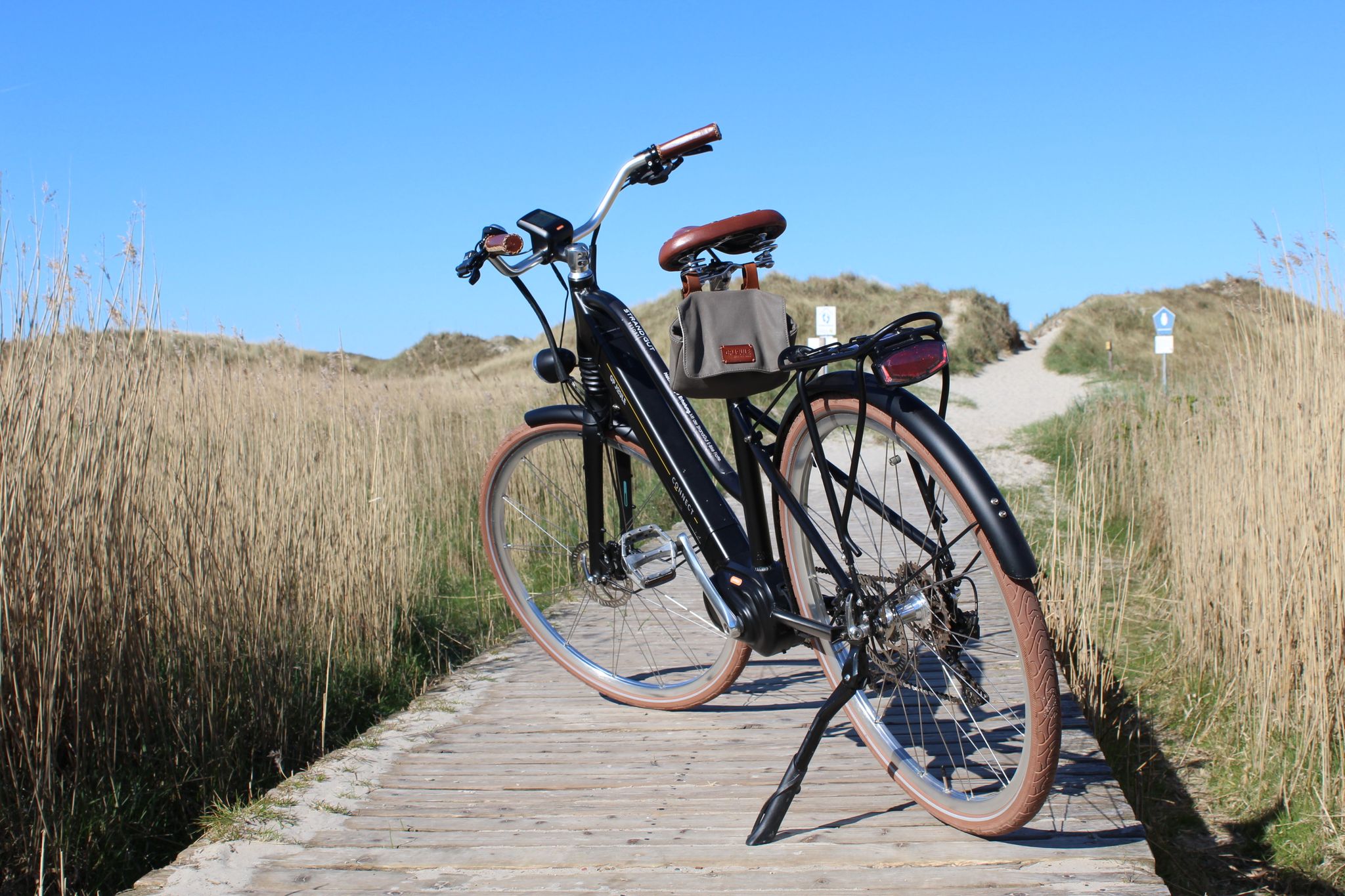
Nebel (Amrum)
Highlight • Settlement
Translated by Google •
Tip by

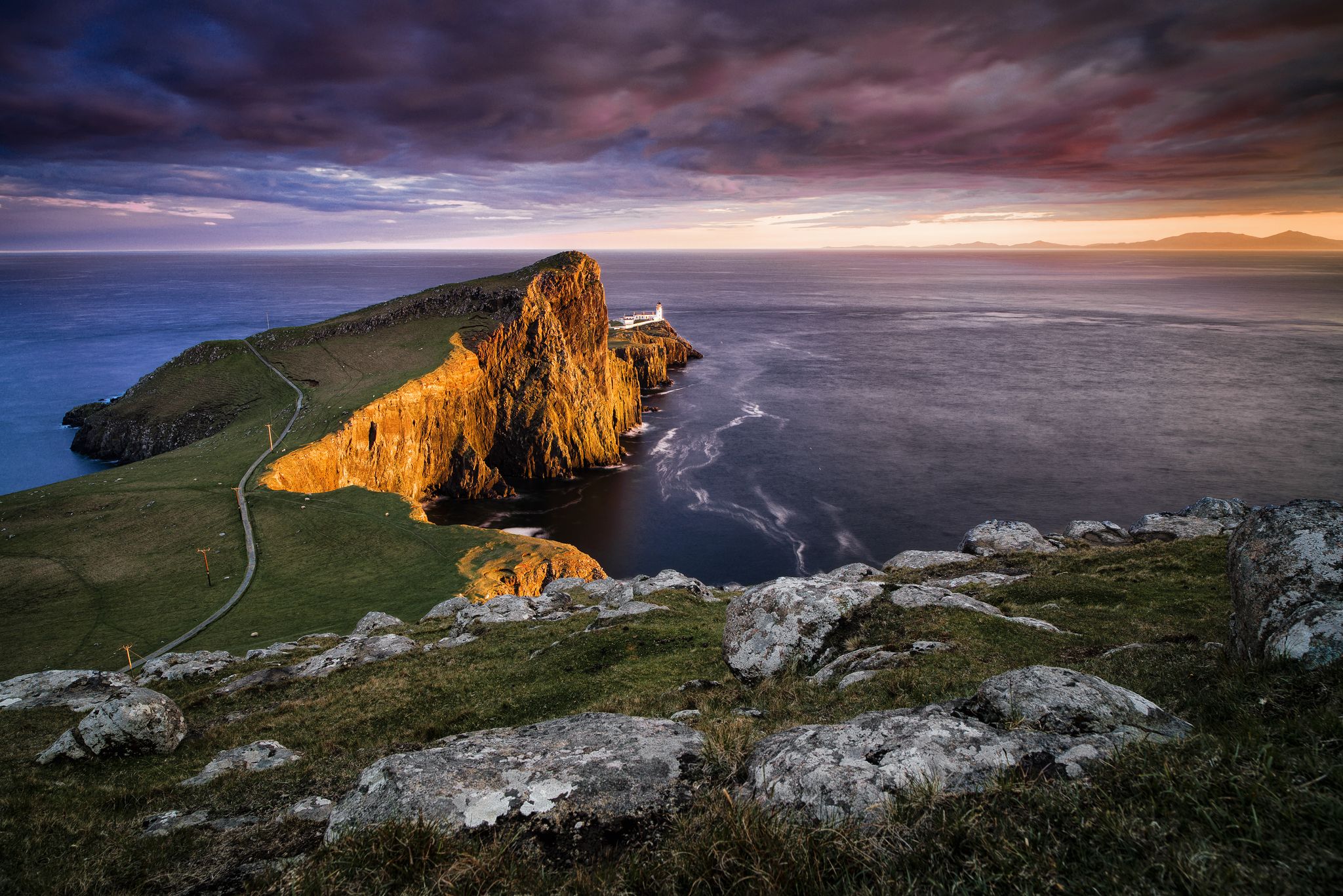
Amrumer Odde (northern tip of Amrum)
Highlight • Beach
Translated by Google •
Tip by

Sign up now to discover places like this
Get recommendations on the best single tracks, peaks, & plenty of other exciting outdoor places.
Amrum-Odde Nature Reserve
Highlight • Natural Monument
Translated by Google •
Tip by

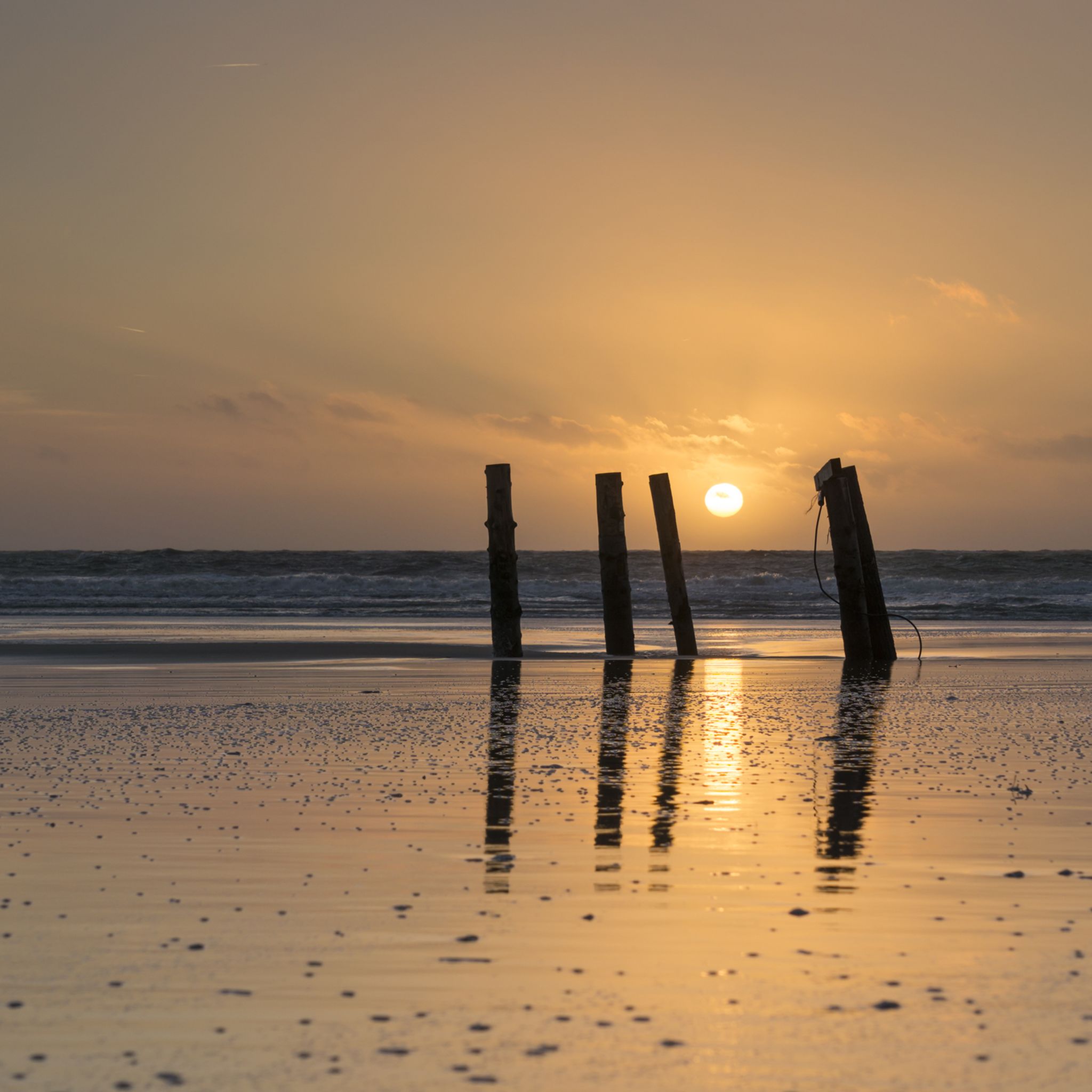
View of the Amrum Lighthouse
Highlight • Monument
Translated by Google •
Tip by

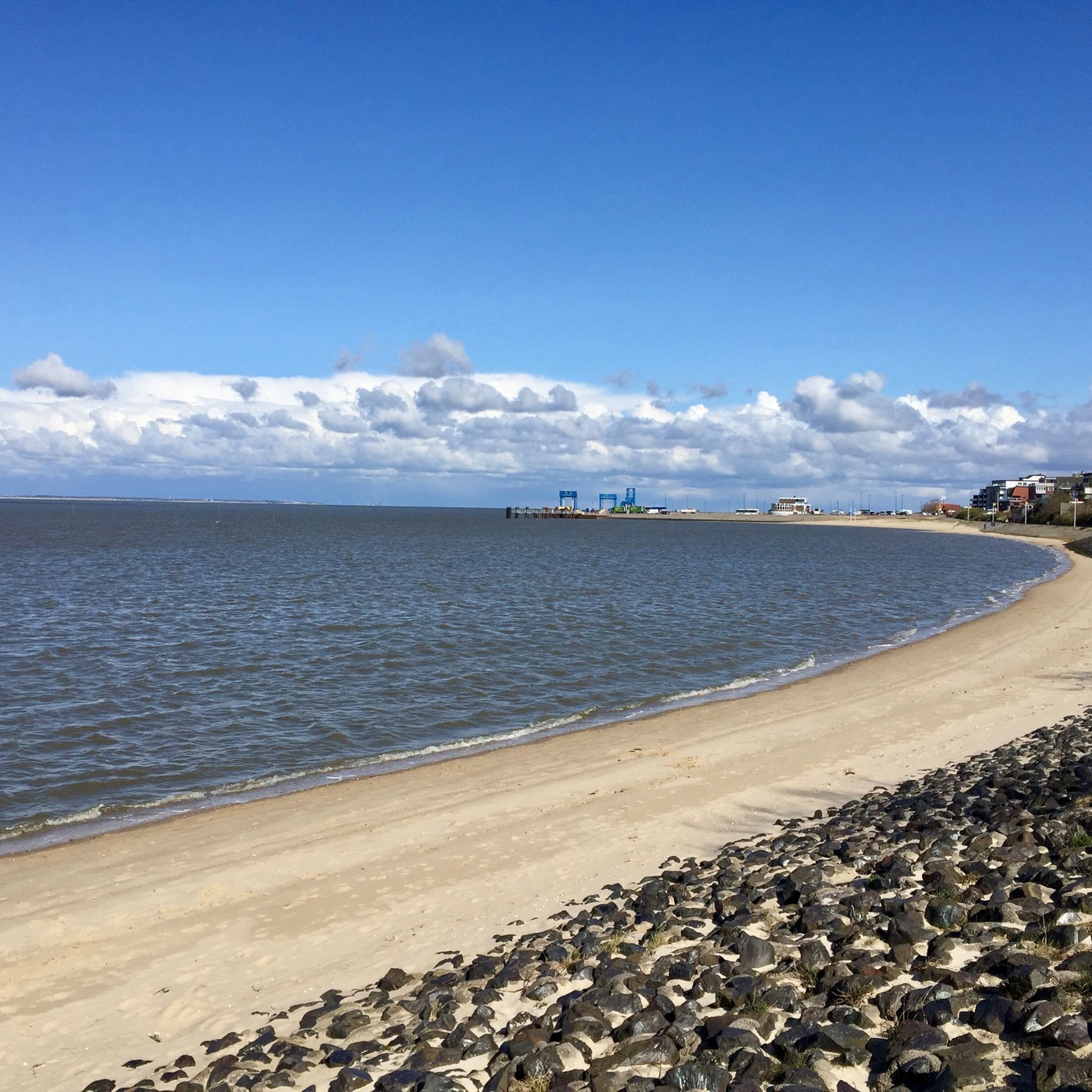
Norddorf Quermarken Beacon
Highlight • Monument
Translated by Google •
Tip by

Sign up for free to discover even more attractions on Amrum.
Already have an account?
Start today with a free account
Your next adventure awaits.


Tips from the Community

There is a viewing platform here with a great view over the dunes and the North Sea.
7
0

Very worth seeing, but opening hours are quite limited outside of the season. When the weather is nice, the view is worth it.
4
0

The area was designated as a nature reserve number 10 in 1936. In the same year, a thatched bird keeper's house was built in a dune valley, which still exists today. The Jordsand Association has been responsible for maintaining the area since 1941. To prevent a sea breach, a short dike was built lengthways at the narrowest point in the south of the Odde in 1955. In 1970 the NSG was expanded.
7
0
The Amrumer Odde is around two kilometers long and an average of 150 to 200 meters wide. It mainly consists of a dune belt up to 24 meters high. The Odde was created by the Kniepsand, which migrates steadily to the east or northeast. Around 150 hectares of the Odde are designated as a nature reserve, which is looked after by the Jordsand Association. Officially it is referred to as the “Nordspitze Amrum nature reserve on the island of Amrum in the Südtondern district” or as “Amrum-Odde”. The Odde serves as a nesting place for numerous seabirds. Therefore, during breeding season it is only allowed to move around the coastline. The Odde includes a gravel-covered spit, the actual northern tip of Amrum.
8
0

Amrum has the oldest and highest lighthouse on the North Sea coast. There are still around 90 beacons of different designs in operation on the German North and Baltic Sea coasts. Beacons are still indispensable for shipping today, especially if satellite navigation fails. The Amrum lighthouse is not only the oldest and highest, but also one of the most famous beacons on the west coast of Schleswig-Holstein. The tower itself is 42 meters high and 68 meters with its peak, the "height of the light" is 63 m. Until 1952 the lighthouse was painted dark red and only then was it given its current coat of lighter red with two white rings. The Amrum lighthouse has already appeared twice on Deutsche Post stamps. https://www.andreas-doelz.de/amrum-wahrzeichen/leuchtturm/
9
0

Beautiful tower, beautiful island!
5
0

The Amrum lighthouse is always worth a trip, but closes Monday - Friday at 12:30 p.m.
6
0

My last class trip went to Amrum and it was really great. Visiting the lighthouse was very interesting and the fresh crabs straight from the cutter, which we had to pick ourselves, were delicious.
9
0
Frequently Asked Questions
What natural features can I explore on Amrum?
Amrum is renowned for its natural beauty. You can explore the vast Kniepsand, one of Europe's largest sandbanks, perfect for long walks. The Amrumer Odde at the northern tip is a protected nature reserve with dunes and a vital breeding ground for birds. The island also features extensive dune landscapes, the unique Wadden Sea National Park (a UNESCO World Heritage site), and the Amrum Forest, the largest forested area among Germany's North Sea islands.
Where can I experience Amrum's unique wildlife and nature reserves?
For wildlife spotting and nature immersion, visit the Amrumer Odde Nature Reserve, a significant breeding and nesting site for numerous bird species where you might also spot seals. The Wadden Sea National Park offers opportunities for mudflat hikes to observe diverse wildlife. Additionally, the Vogelkoje Amrum is a reconstructed duck-catching facility now serving as a nature paradise for various animals.
What historical landmarks should I visit on Amrum?
Amrum boasts several historical landmarks. The Amrum Lighthouse, opened in 1875, is the highest accessible tower on the North Sea coast, offering panoramic views. The historic Amrum Windmill in Nebel houses a museum. You can also visit the St. Clemens Church in Nebel, dating back to 1236, known for its 'talking gravestones' that narrate the lives of past islanders.
Which villages on Amrum offer a glimpse into local culture and history?
The charming village of Nebel is particularly notable for its nostalgic charm, thatched-roof houses, and the Öömrang Hüs, a local history museum. Wittdün also offers a harbor and yacht harbor, while Norddorf provides a different character. Each village contributes to the island's unique Frisian heritage.
Where can I find the best panoramic views on Amrum?
For breathtaking panoramic views, climb the Amrum Lighthouse. From its observation platform, you can see Amrum, Sylt, Föhr, and the Wadden Sea. Another excellent viewpoint is the Norddorf Quermarken Beacon, which offers fantastic views of the surrounding dune landscape.
Are there family-friendly attractions on Amrum?
Yes, Amrum offers several family-friendly options. The expansive Kniepsand beach is ideal for sunbathing, building sandcastles, and water sports. Exploring the dune landscapes via wooden boardwalks is also a great activity. The Norddorf Quermarken Beacon is considered family-friendly and offers scenic views.
What outdoor activities can I do near Amrum's attractions?
Amrum is excellent for outdoor enthusiasts. You can find numerous routes for various activities. For running, explore trails like the 'Teerdeich loop from Norddorf auf Amrum' or the 'Traditional Frisian Houses loop from Süddorf'. Gravel biking options include the 'Amrum Windmill – Amrum Lighthouse loop from Amrum'. Road cyclists can enjoy routes such as 'Amrum Badeland – Amrum Windmill and Museum loop from Nebel'. You can find more details on these and other routes in the Running Trails on Amrum, Gravel biking on Amrum, and Road Cycling Routes on Amrum guides.
Are there hiking trails near these attractions?
Yes, Amrum offers a variety of hiking opportunities. You can hike along the vast Kniepsand beach or explore the protected dune landscapes on wooden boardwalks. The tour around the Amrumer Odde is a must for nature lovers, offering beautiful views, though parts can be sandy. For more structured routes, check out the Running Trails on Amrum guide, which includes several walking-friendly loops.
What is the best time to visit Amrum?
Amrum is a captivating destination year-round, but the best time depends on your preferences. Summer offers ideal conditions for beach activities and water sports. Spring and autumn are excellent for hiking and nature observation, with fewer crowds and pleasant temperatures. Even in winter, the island has a unique charm, with stormy weather providing an impressive spectacle for those who enjoy rugged coastal walks.
Are there any archaeological sites on Amrum?
Yes, Amrum offers a journey through history with its archaeological sites. These include Stone Age graves, Bronze Age burial mounds, and remnants of an Iron Age house, providing insights into the island's ancient past.
What do visitors enjoy most about Amrum?
Visitors frequently praise Amrum's uniquely beautiful nature, especially the vast Kniepsand and the Amrumer Odde. The panoramic views from the Amrum Lighthouse are also a highlight. Many appreciate the tranquil atmosphere, the charming villages like Nebel with its thatched houses, and the opportunity to clear their heads amidst the stunning landscapes.
Are dogs allowed on Amrum's beaches and nature reserves?
Amrum is generally dog-friendly, but specific rules apply. While dogs are often welcome on designated beach sections, they are typically restricted or must be kept on a leash in nature reserves like the Amrumer Odde, especially during breeding seasons, to protect nesting birds. Always look for local signage regarding dog rules on beaches and within protected areas.
Most popular routes on Amrum
Most popular attractions on Amrum

Get inspired with the komoot mobile app


Explore more
Still not found the Highlight you’re looking for? See guides of the top attractions in other regions:
