Top 15 Castles around Bernau bei Berlin
Castles around Bernau bei Berlin primarily feature historical fortifications and a notable former palace. The town is characterized by its well-preserved medieval city wall, including the Steintor (Stone Gate) and Hungerturm (Hunger Tower). These structures offer insights into medieval life and defensive architecture. Additionally, Dammsmühle Castle provides a glimpse into an 18th-century palace with a varied history.
Best castles around Bernau bei Berlin
- The most popular castles is Dammsmühle Castle, a castle that was originally a 16th-century mill and later transformed into a two-story palace in 1755. After 1945, it served various purposes, including a Stasi hunting lodge.
- Another must-see spot is Steintor and Hungerturm, Bernau near Berlin, a historical site consisting of a late Gothic city gate and an adjacent tower. Visitors can explore these structures, which are integral parts of Bernau's medieval city wall.
- Visitors also love Bernau Town Wall, an approximately 1.3 kilometer long city wall that surrounds the city center. This impressive fortification, with parts up to 8 meters high, played a crucial role in protecting the city.
- Bernau bei Berlin is known for its medieval city walls, historic gates, and former palaces. These sites offer a variety of historical experiences, from defensive structures to architectural transformations over centuries.
- The castles around Bernau bei Berlin are appreciated by the komoot community, with more than 2100 upvotes and over 1200 photos shared by visitors.
Last updated: July 6, 2026
Dammsmühle Castle
Highlight • Castle
After the end of the war in 1945, the castle was occupied by the Red Army. In 1959 the East German Stasi took over the house and used it as a hunting lodge until 1989. After reunification, the castle served as a hotel for a short time.
Unfortunately, today it is a ruin with an uncertain future
Translated by Google •
Tip by

Bernau Town Wall
Highlight • Monument
Large parts of the city wall have been preserved from the Middle Ages. The stone wall is up to eight meters high and about 1.3 kilometers long (once a kilometer and a half). The fortification also includes a triple wall and ditch system. The city wall was once provided with 42 Lughaus (defense towers), two round towers and three city gates. Remnants of the Lughaus as well as the round towers, the powder and hunger towers are still there. Of the three former city gates, only the stone gate connected to the hunger tower by two battlements has been preserved.
Translated by Google •
Tip by

Sign up now to discover places like this
Get recommendations on the best single tracks, peaks, & plenty of other exciting outdoor places.
Sign up for free
Bunker Koralle (Object Koralle)
Highlight • Historical Site
Translated by Google •
Tip by

Altlandsberg Palace Gardens and the Domänenhof
Highlight • Historical Site
Translated by Google •
Tip by

Steintor and Hungerturm, Bernau near Berlin
Highlight • Historical Site
Translated by Google •
Tip by

Sign up for free to discover even more castles around Bernau bei Berlin.
Sign up for free
Already have an account?
Start today with a free account
Your next adventure awaits.
Login or Signup
Popular around Bernau bei Berlin
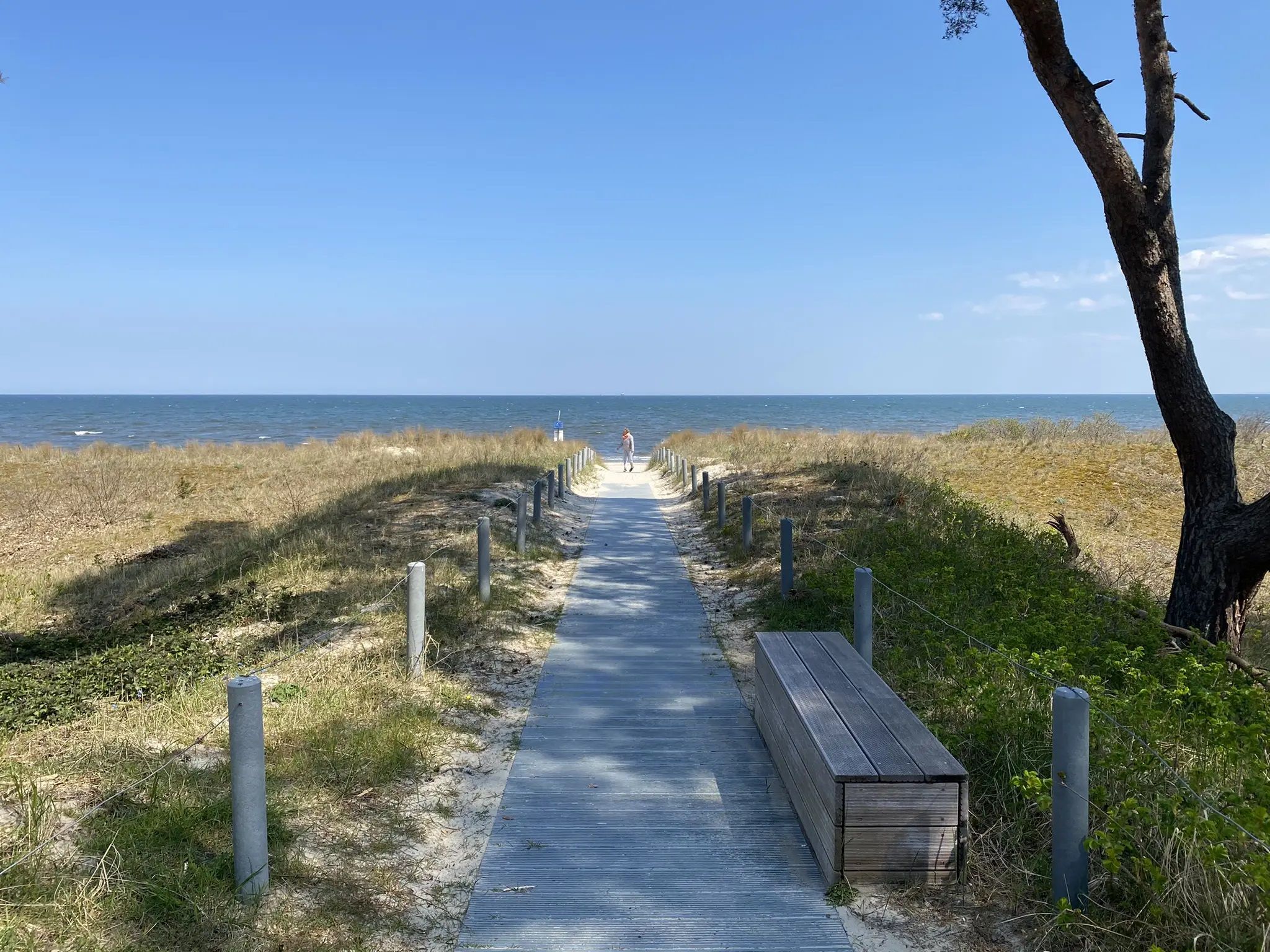
Berlin-Usedom – To the seaside in 4 days

Strawberry, Raspberry & Blueberry - by S-Bahn to berry picking
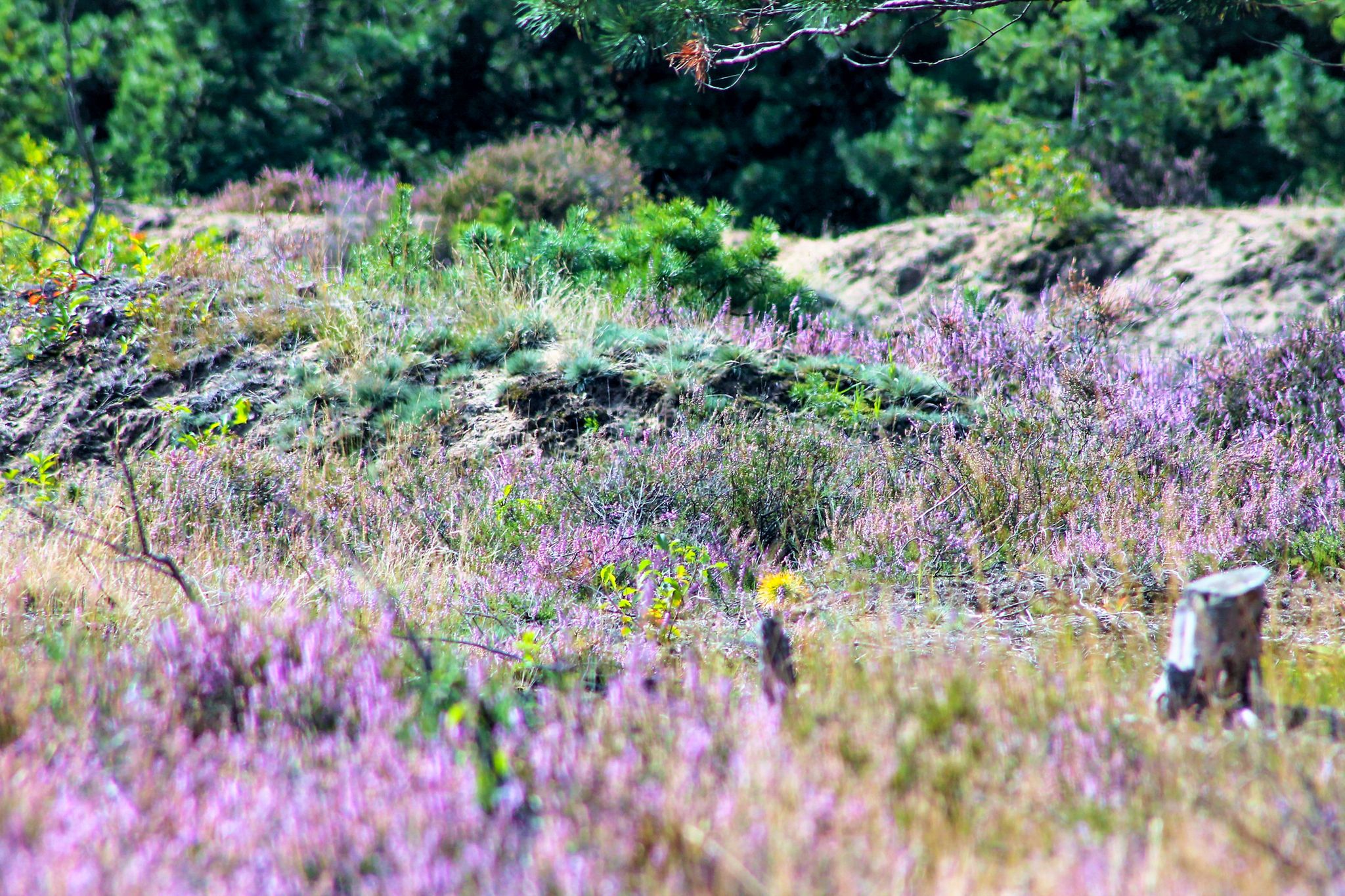
Purple splendour – by S-Bahn into the heath
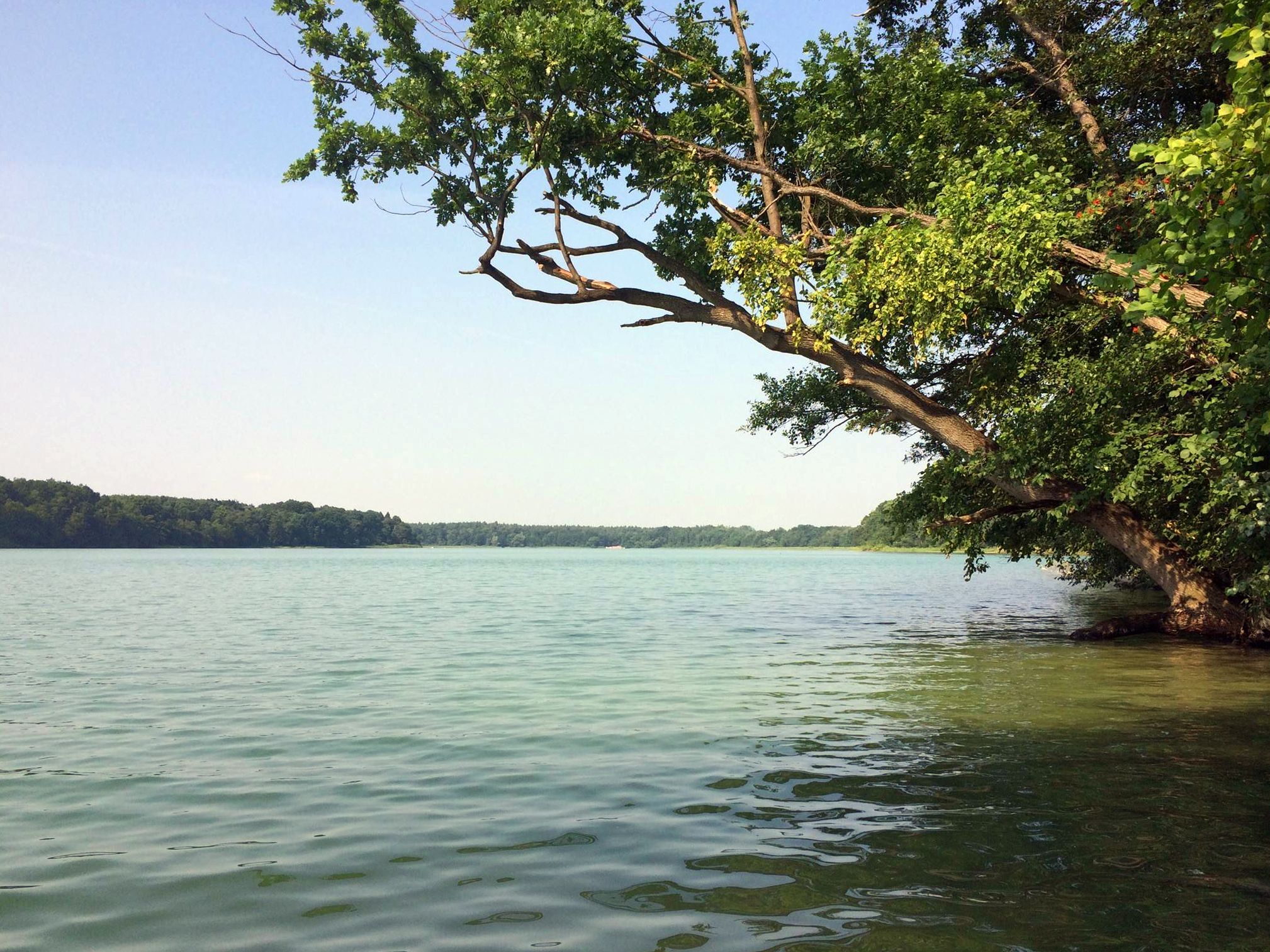
Berlin's sensational swimming lakes
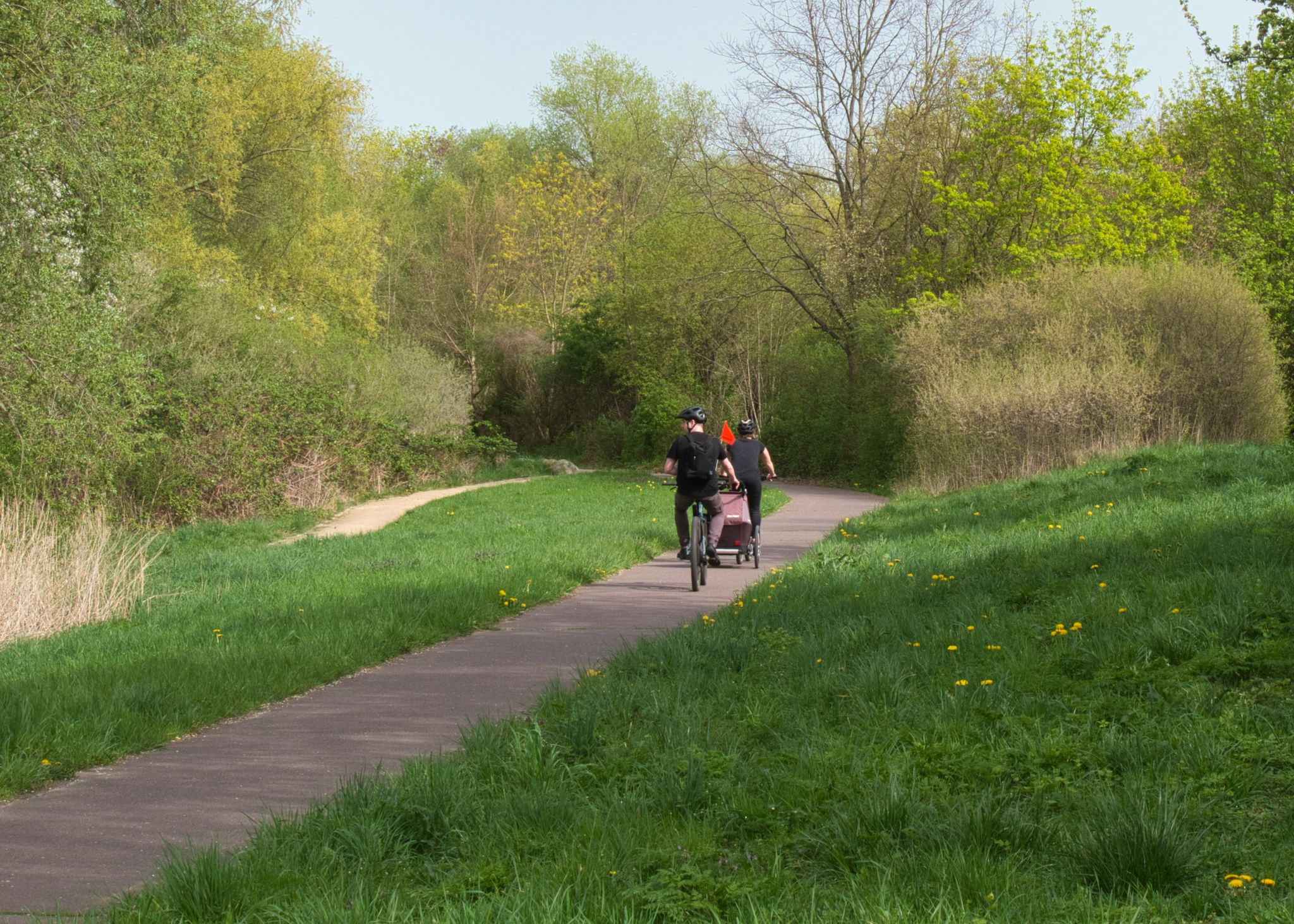
Tourentipps des ADFC Berlin - mit S- oder U-Bahn erreichbar
Tourentipps des ADFC Berlin - mit dem Zug erreichbar
Hiking around Bernau bei Berlin
Cycling around Bernau bei Berlin
Road Cycling Routes around Bernau bei Berlin
Running Trails around Bernau bei Berlin
Other adventures around Bernau bei Berlin


Tips from the Community

The facility was initially intended as a naval communications school and was only given the name "Koralle" later. Due to the ever-increasing danger from aerial bombs, it was decided to move the command center of the High Command of the Navy (OKM) from Berlin to a safer area in the middle of the forest. Construction began in 1939. On January 30, 1943, it moved into its headquarters in the Koralle camp. A little later, the main radio station of the Commander of the Submarines (BdU) was also set up on site. This meant that all communications for the submarine war now came into the station's bomb-proof communications bunker. At times, all German naval operations of the Second World War were coordinated here. The bunker was then blown up by the Soviets. Today, the bunker can be visited and many climbers practice on it.
7
0
Unfortunately, the castle no longer exists. A small model is on the site. The castle park has been partially restored.
6
0


Mighty city wall, very nicely preserved in parts. Can be driven very well on the laid narrow slab path within the city wall. Imposing gates and wall towers e.g. Lughaus.
1
0
Nice old preserved ensemble. The tower can also be climbed on weekends. Info on the Bernau page at www.
3
1

@Frank from Hönow is probably right. I found the following article about this: https://www.maz-online.de/Lokales/Oberhavel/Muehlenbecker-Land/Schloss-Dammsmuehle-Viel-Zusracht-fuer-Restaurant-und-Hotelprojekt. Since I like to do a lost place tour, I'm a little bit divided. But all that stops the decay is ok
10
2

The castle no longer exists, but most of the outbuildings and the castle church have been beautifully restored. The palace park is in progress. The tourist information office is also located on the premises.
6
0

The Stone Gate is the only one of three city gates in Bernau near Berlin that has been preserved. It was built of brick in the late Gothic style in the second half of the 15th century. The gate tower is four storeys on a square base. The gate is connected to the Hunger Tower via two battlements. The stone gate has been used as a local museum since 1882. Along with the executioner's house, it is now one of the two locations of the Bernau Local History Museum. The history of Bernau in the Middle Ages is presented in the stone gate with the armory. Weapons, guild symbols, tools and everyday items are shown. The museum collection also provides an insight into Bernau's history of brewing. The basis of the collection was the weapons of Bernau citizens, which were inventoried for the first time in 1714. As part of the Bernau city fortifications, the stone gate is a listed building. The gate is considered Bernau's landmark. Source: https://de.wikipedia.org/wiki/Steintor_(Bernau)
7
4
Frequently Asked Questions
What kind of historical fortifications can I explore in Bernau bei Berlin?
Bernau bei Berlin is known for its well-preserved medieval city wall. You can explore structures like the Steintor (Stone Gate) and Hungerturm (Hunger Tower), which are integral parts of the city's defenses. The Bernau Town Wall itself is approximately 1.3 kilometers long, offering a tangible connection to the town's medieval past.
Are there any palaces or manor houses to visit near Bernau bei Berlin?
Yes, Dammsmühle Castle, located near Bernau, is a notable former palace. Originally a 16th-century mill, it was transformed into a two-story palace in 1755 and has a varied history, including serving as a Stasi hunting lodge during the East German era.
What historical insights can I gain from visiting the Steintor?
The Steintor, a striking late Gothic city gate, houses one of the two locations of the Bernau Museum of Local History. Here, you can gain insights into medieval life, weapons, guild symbols, and the historic art of beer brewing in Bernau.
Are there family-friendly activities at the castles or historical sites?
The Bernau Town Wall is considered family-friendly, offering an engaging walk through history. The Bernau Museum within the Steintor also provides educational exhibits suitable for families. Additionally, the town hosts an annual Hussite Festival in June, which reenacts medieval life, and a sword-fight meeting in March, offering immersive historical experiences.
What outdoor activities can I do near these historical sites?
The area around Bernau bei Berlin offers various outdoor activities. You can find numerous running trails, gravel biking routes, and MTB trails. For example, you can explore routes around Lake Liepnitz or through the Schönower Heide Nature Reserve. You can find more details on these activities in the Running Trails around Bernau bei Berlin, Gravel biking around Bernau bei Berlin, and MTB Trails around Bernau bei Berlin guides.
What is the best time to visit Bernau bei Berlin for historical exploration?
While the historical sites are accessible year-round, visiting in June for the annual Hussite Festival or in March for the sword-fight meeting can enhance your experience by offering live reenactments of medieval life. The city wall and gates are impressive in any season.
Can I walk along the Bernau City Wall?
Yes, visitors can walk along sections of the Bernau Town Wall, which provides a direct connection to the town's medieval past. The wall is up to 8 meters high in parts and offers impressive views, particularly from Külzpark.
Are there any other significant historical sites nearby, beyond traditional castles?
Yes, the Bunker Koralle (Object Koralle) is another significant historical site near Bernau bei Berlin. It was a command center for the German Navy during WWII and later largely destroyed, with its ruins still standing in a wooded area. Additionally, the Altlandsberg Palace Gardens and the Domänenhof offer a glimpse into a former royal office and pleasure palace, though the original castle burned down.
What do visitors enjoy most about the historical sites in Bernau bei Berlin?
Visitors appreciate the historical immersion offered by the well-preserved medieval city wall and its structures like the Steintor and Hungerturm. The unique history of Dammsmühle Castle, from its origins as a mill to its time as a Stasi hunting lodge, also captures interest. The educational aspects of the Bernau Museum and the tangible connection to past events are frequently highlighted.
Is there public transport available to reach the castles and historical sites in Bernau bei Berlin?
Bernau bei Berlin is well-connected by public transport. The main historical sites like the city wall, Steintor, and Hungerturm are located within the town center and are easily accessible. For specific details on reaching sites like Dammsmühle Castle, it's advisable to check local transport options.
Are there cafes or pubs near the historical sites in Bernau bei Berlin?
Yes, the area around the Steintor features an expansive square with cafes and restaurants, providing an idyllic spot to relax after exploring the city's fortifications. The town center of Bernau offers various options for refreshments.
Most popular routes around Bernau bei Berlin
Most popular attractions around Bernau bei Berlin

Get inspired with the komoot mobile app


Explore more
Looking for the best castles somewhere else? Discover other guides around Bernau bei Berlin:
