Top 20 Castles in Umbria
Castles in Umbria, often called the "Green Heart of Italy," are abundant with medieval strongholds, towers, and historic residences. These structures are strategically positioned across plains, hills, and mountains, offering insights into centuries of history and architectural evolution. The region's landscape provides a scenic backdrop for exploring these historical landmarks. Many castles have been preserved as museums, accommodations, or fascinating ruins.
Best castles in Umbria
- The most popular castles is Rocca Paolina — The Underground City, a historical site…
Last updated: August 11, 2026
Historic Center of Bevagna
Highlight • Historical Site
Translated by Google •
Tip by

Historic Center of Gubbio
Highlight • Historical Site
Translated by Google •
Tip by

Sign up now to discover places like this
Get recommendations on the best single tracks, peaks, & plenty of other exciting outdoor places.
Sign up for free
Rocca Paolina — The Underground City
Highlight • Historical Site
Translated by Google •
Tip by

Historic village of Arrone
Highlight • Settlement
Translated by Google •
Tip by

Triangular Tower, Passignano sul Trasimeno
Highlight • Castle
The Rocca di Passignano (Castle of Passignano) is located inside the village, in an elevated position above the town, which …
Translated by Google •
Tip by

Titignano Castle
Highlight • Castle
Translated by Google •
Tip by
Albornoz Fortress (Fortezza dell'Albornoz)
Highlight • Castle
Translated by Google •
Tip by

Rocca del Leone, Castiglione del Lago
Highlight • Castle
This is the main monument of Castiglione del Lago and is definitely worth a visit.
Translated by Google •
Tip by

Narni (Ancient Narnia)
Highlight • Settlement
Translated by Google •
Tip by
Rocca Maggiore
Highlight • Castle
Translated by Google •
Tip by

Sign up for free to discover even more castles in Umbria.
Sign up for free
Already have an account?
Start today with a free account
Your next adventure awaits.
Login or Signup
Popular around Umbria
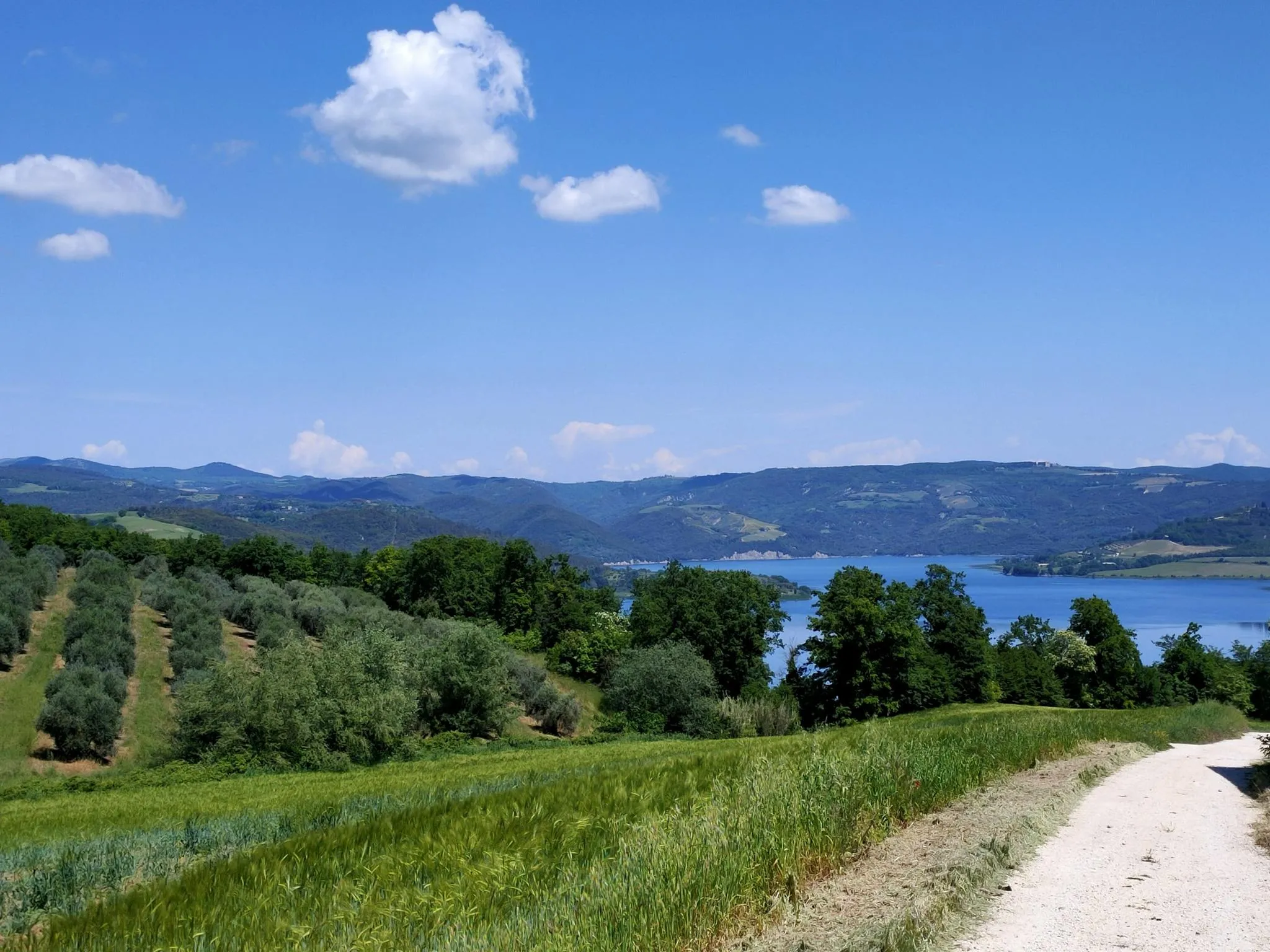
Italian Coast2Coast – From Portonovo to Orbetello
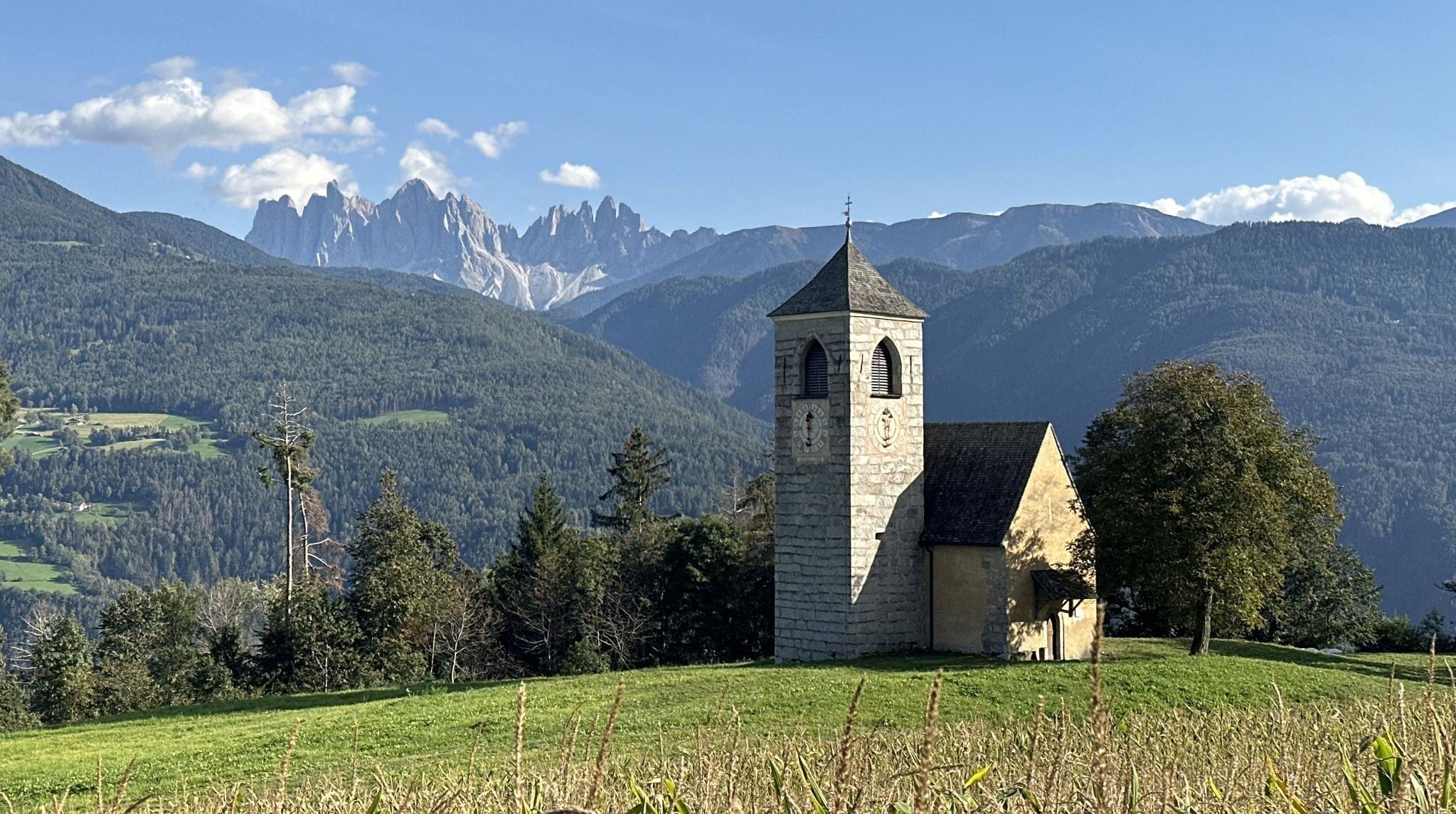
Via Romea Germanica – History, nature and spirituality

Naples to North Cape — Two friends, one purpose and many scoops of ice-cream
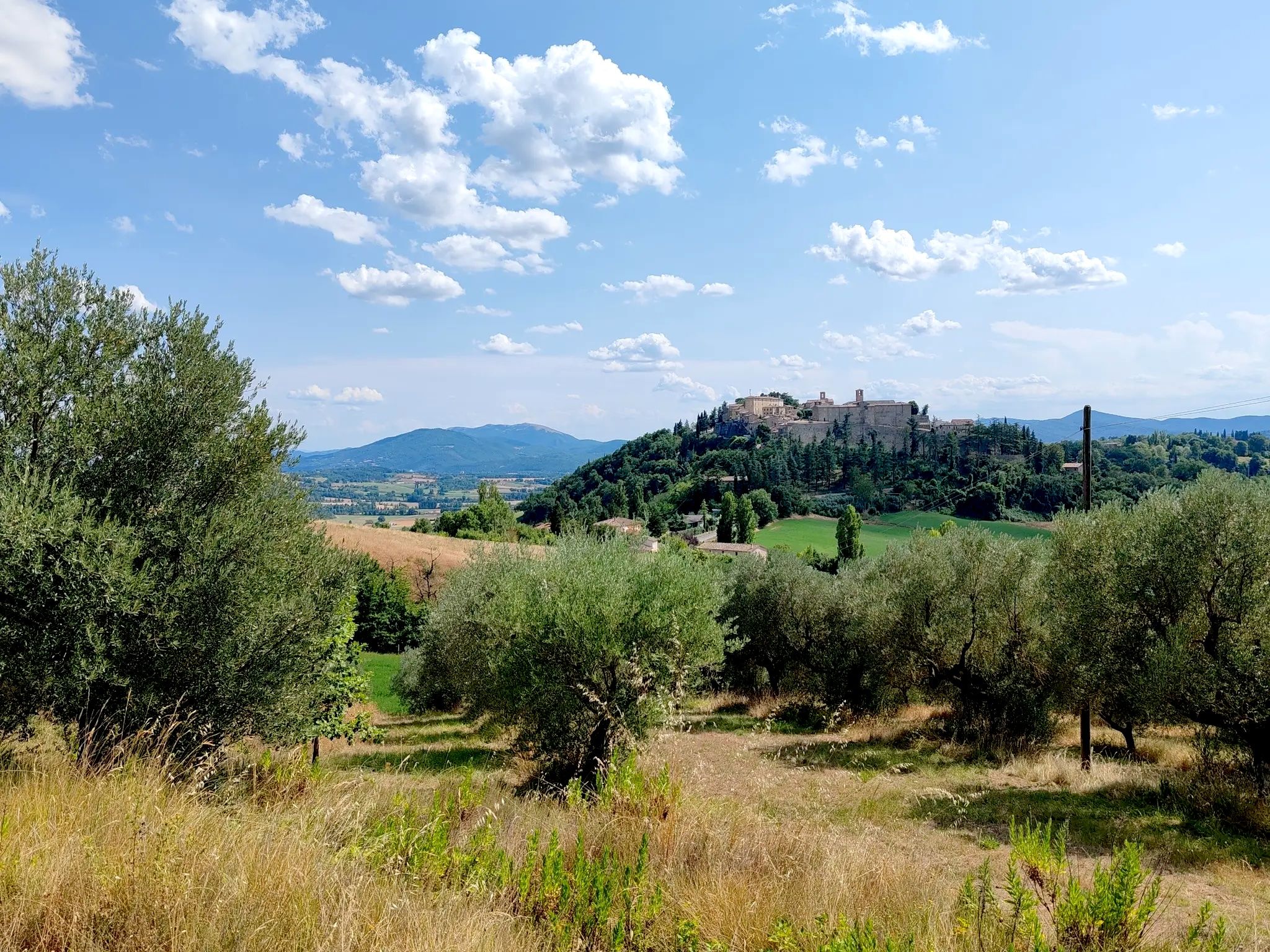
Day rides in the heart of Umbria – a Journey through History
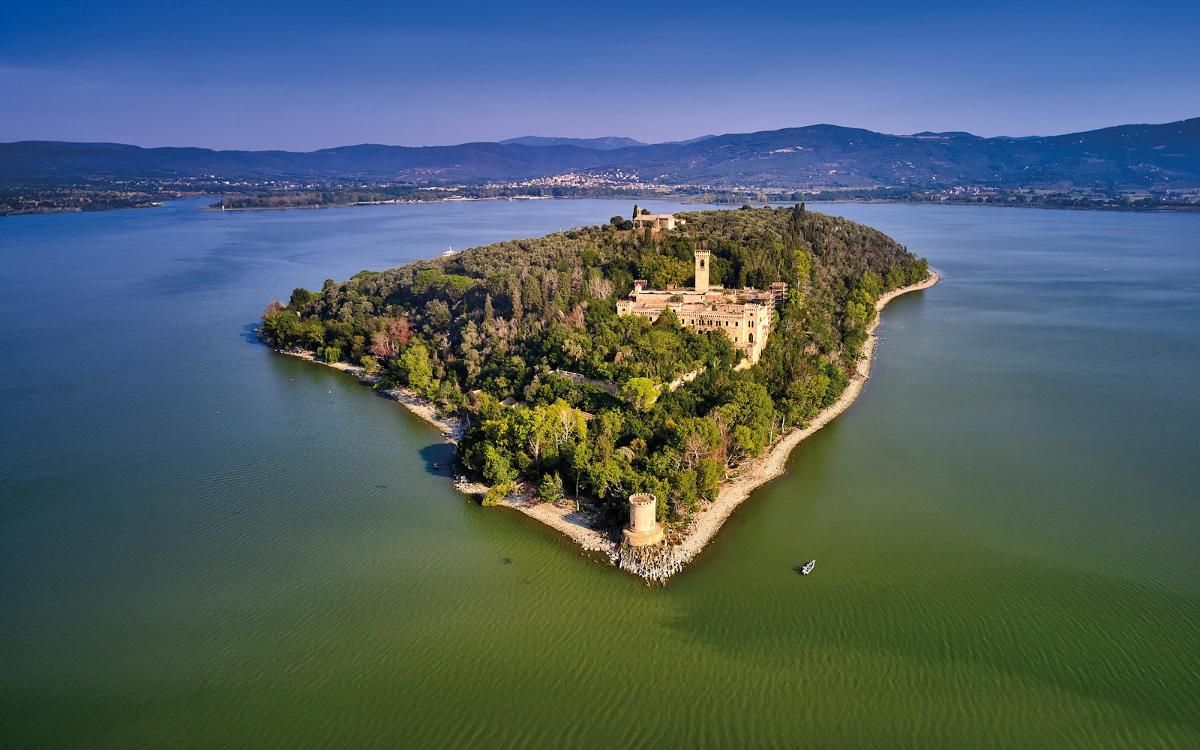
Trasimeno cycle route – Trasimeno for all
The Apennine Cycleway (Part 2) - From Umbria to Calabria
Ciclovia dei due mari - By bike from the Tyrrhenian Sea to the Adria
Hiking in Italy’s Umbria region – Cammino dei Borghi Silenti
Apennine Cycle Route (Part 1) - From Liguria to Umbria
In the footsteps of St. Francis - Cammino di Assisi
Other adventures in Umbria


Tips from the Community

**Why recommend it?** Because it's a simple and pleasant way to discover the most evocative side of **Passignano sul Trasimeno**. The historic center, listed among *The most beautiful villages in Italy*, is well-maintained, rich in history, and continuously offers characteristic views to photograph. It's a walk I recommend **at any time of the day**: even during the hottest summer hours, the alleys of the center offer several shaded stretches, allowing you to walk more peacefully. And then there's everything you need to make the walk even more enjoyable: along the path, you'll find **bars, restaurants, and pastry shops**, perfect for a break, whether sweet or savory. In short, a route without haste, to be experienced by strolling and letting curiosity guide you. 🌿🏘️
0
0

A beautiful park located right next to St. Patrick's Well, offering a stunning view. Just before the entrance, on the right, there's also a beautiful War Memorial.
0
0

Narni underground, with its legends, inspired Lewis Carroll for the creation of the Chronicles of Narnia
1
0

Don't miss a visit
0
0

Bevagna / Region – Umbria / Province – Perugia (PG) The town, surrounded by a city wall with towers and gates, has an intact medieval structure (12th-13th centuries). In the upper part of the town, numerous Roman remains can still be seen: the ruins of a temple, the theater, and a thermal bath complex, of which a frigidarium with a magnificent black and white floor mosaic depicting marine figures from the 2nd century AD survives. The medieval town structure, with its squares and noble houses, developed over the Romanesque foundations: The magnificent Piazza Silvestri is home to the Palazzo dei Consoli (1270), which houses the Torti Theater, the Romanesque churches of San Silvestro and San Michele Arcangelo, both from the late 12th century, and the church of San Domenico e Giacomo (1291). Worth seeing is the Palazzo Comunale (late 18th century), which houses the historical archives, the library, and the art gallery. The Baroque churches of the Monastery of Santa Margherita and San Filippo are also very interesting. At the highest point in the town stands the Church of San Francesco (late 13th century). Next to the altar, one can see the stone on which St. Francis knelt when he preached to the flock of birds at Pian d'Arca. The 18th-century Palazzo Lepri houses the Museum of Bevagna, with works that tell the story of the town from pre-Roman times to the 18th century: archaeological finds from the ancient city of Mevania, medieval documents, and paintings by Dono Doni, Fantino, and Corrado Giaquinto. In the surrounding area, the Sanctuary of Madonna delle Grazie (late 16th century), the Sanctuary of Madonna della Valle, and the Monastery of Annunziata (11th century), formerly a defensive castle, rise up against the hillsides. Text / Source: Umbria Tourism.it contatti@umbriatourism.it https://www.umbriatourism.it/de/bevagna
14
1
Rocca di Passignano (Castle of Passignano) - Passignano sul Trasimeno The Rocca di Passignano (Castle of Passignano) is located inside the village, in an elevated position above the town, which later expanded to the lakeshore. According to some sources, Passignano could mean "place of the pass," referring to the existence of a Roman military structure that served to control a "pass" between the present-day regions of Umbria and Tuscany. Nothing remains of this possible structure today. Currently, the castle consists of ruins of medieval structures: square walls, a half-ruined tower, and the northern part of the castle with a triangular tower. Furthermore, a series of alleys wind through this part of the historic center, once surrounded by walls, giving an idea of what the street layout within the castle might have looked like. The oldest core probably dates back to the 5th or 6th century; The square walls, however, were built between 820 and 850, when the castle belonged to the Marquises of Tuscany. In 1187, the property became the property of the canons of the Cathedral of San Lorenzo in Perugia. In the 13th century, the castle underwent significant renovations, transforming it into a true fortress, an outpost, and defensive bastion of the Perugian territory. Text / Source: Umbria Tourism.it https://www.umbriatourism.it/de/-/la-rocca-passignano-de
14
0

Castle "inhabited" by many stray cats and converted into a farmhouse. Excellent view of Lake Corbara. There is a bar and a restaurant.
0
0

Fundamental attraction of historical and cultural value, located at the entrance to the city. It can be visited completely free of charge. Inside there is a public municipal garden. The latter requires some maintenance work. Four stars for the views that the fortress walls offer. Here I found the CAI headquarters of Orvieto
2
0
Frequently Asked Questions
Which castles in Umbria offer the most impressive historical insights?
Umbria is rich in history. For a deep dive, consider the Rocca Albornoziana in Spoleto, a 14th-century fortress that served as a prison and now houses a museum with frescoes. Another significant site is the Rocca Paolina — The Underground City in Perugia, a Renaissance fortress whose arched foundations now form a unique underground route through the city's history. The Rocca Flea in Gualdo Tadino, a splendid example of late Middle Ages fortified architecture, also functions as a civic museum with an art collection.
Are there castles in Umbria that offer panoramic views?
Many Umbrian castles are strategically positioned for stunning vistas. The Rocca Albornoziana above Spoleto offers spectacular views of the town and surrounding area. Similarly, Rocca Maggiore in Assisi provides commanding views of the citadel and the Tescio Valley. For lake views, visit the Rocca del Leone, Castiglione del Lago, where you can explore its tower overlooking Lake Trasimeno. The Castello di Morcicchia also boasts a fantastic terrace with sublime vistas of the quiet Umbrian countryside.
What kind of outdoor activities can I do near Umbrian castles?
The region around Umbrian castles offers diverse outdoor activities. You can find numerous MTB trails, including routes around Lago Trasimeno. For gravel biking enthusiasts, there are gravel biking routes connecting towns like Assisi, Foligno, and Bevagna. Additionally, you can explore waterfall hikes, such as the Marmore Falls Loop, providing a blend of nature and historical exploration.
Which castles are particularly family-friendly in Umbria?
Several castles and fortified villages are great for families. The Historic Center of Bevagna, with its intact medieval structure and charming streets, is like an open-air museum for all ages. The Rocca Paolina — The Underground City in Perugia offers a unique and engaging experience exploring subterranean passages via escalators. The Arrone Historic Village, with its medieval castle and setting within the Nera river park, also provides opportunities for various family activities.
Are there any castles in Umbria that have been converted into accommodations or unique stays?
Yes, some castles offer immersive historical experiences through accommodation. Castello di Magrano near Gubbio, a 13th-century defensive building, has been renovated and functions as an agriturismo, offering rooms for tourists. Castello di Petroia, also near Gubbio, is considered one of the most beautiful castles in Umbria and often hosts guests, allowing visitors to experience its medieval charm firsthand. The Titignano Castle, with medieval origins, has been transformed into a beautiful farmhouse with an excellent restaurant.
What is the best time of year to visit castles in Umbria?
Umbria's castles can be enjoyed throughout the year. Spring (April-May) and autumn (September-October) offer pleasant weather for exploring and hiking, with lush landscapes or vibrant fall colors. Summer can be warm, but many castles provide shade and indoor exhibits. Some castles, like the Rocca Paolina, are accessible year-round as part of the urban experience. For specific opening hours and seasonal advice, it's always best to check individual castle websites.
Can I find castles in Umbria with beautiful gardens?
Absolutely. Castello Bufalini in San Giustino is particularly noted for its fairy-tale Italian garden. This garden features intricate water features and a rose garden boasting rare flowers, beautifully blending history, art, and nature for visitors to enjoy.
Are there any fortified historic centers in Umbria worth exploring besides individual castles?
Yes, Umbria boasts several well-preserved fortified historic centers. The Historic Center of Bevagna is a prime example, with an intact medieval structure and charm enhanced by the Timia River. The Historic Center of Gubbio is another stunning medieval city, built entirely of stone, with city walls and buildings from different eras. The Arrone Historic Village also retains its medieval appearance, dominated by its castle.
What are some unique architectural features to look for in Umbrian castles?
Umbrian castles showcase a range of architectural styles reflecting centuries of evolution. You'll find impressive crenellated walls, complex systems of angular towers, and defensive structures like those at Rocca Albornoziana. The Rocca Paolina is unique for its underground tunnels and arched stairwells, remnants of its original imposing structure. The Rocca del Leone stands out with its irregular pentagonal structure, while Castello Bufalini exemplifies the transformation from military fortress to stately residence.
Are there any castles in Umbria that are particularly well-preserved or restored?
Many castles in Umbria have been well-preserved or meticulously restored. The Rocca Albornoziana in Spoleto, for instance, has been carefully maintained and now functions as a museum. The Historic Center of Bevagna is notable for its intact medieval structure and well-preserved walls. The Castello di Magrano has been renovated while retaining much of its historical vibe and original structure, offering a glimpse into its past.
What do visitors enjoy most about exploring castles in Umbria?
Visitors consistently appreciate the profound historical insights and stunning architectural beauty offered by Umbrian castles. The panoramic views from strategic locations, the chance to explore medieval fortresses and Renaissance strongholds, and the unique experiences like walking through underground cities or staying in a historic castle are frequently highlighted. The blend of history, art, and nature, often found in the surrounding landscapes and gardens, also contributes to a memorable visit.
Most popular routes in Umbria
Most popular attractions in Umbria

Get inspired with the komoot mobile app


Explore more
Looking for the best castles somewhere else? Discover other guides in Umbria:
