Attractions and Places To See in Umbria - Top 20
Best attractions and places to see in Umbria include a diverse array of historical sites, natural features, and cultural landmarks. This region, often called the "Green Heart of Italy," features rolling hills, lush forests, and picturesque valleys. It is dotted with medieval towns and significant historical sites, offering a blend of art and nature. Visitors can explore ancient Roman ruins, medieval architecture, and expansive natural landscapes.
Best attractions and places to see in Umbria
- The most popular attractions is Basilica of Saint Francis, a religious building and UNESCO World Heritage site. It is known for its two superimposed churches adorned with frescoes by artists like Giotto.
- Another must-see spot is Marmore Falls, a waterfall. It is among the highest man-made waterfalls in Europe, with a total height of 165 m across three jumps, and its water flow is regulated with releases at specific times.
- Visitors also love Historic Center of Bevagna, a historical site. This fortified historic center showcases characteristic architectural styles and maintains an intact medieval structure.
- Umbria is known for its historical sites, religious buildings, and natural waterfalls. The region offers a variety of attractions, from ancient Roman mosaics to medieval town centers and significant natural monuments.
- The attractions in Umbria are appreciated by the komoot community, with more than 1400 highlights, including 770 photos and 574 upvotes.
Last updated: October 9, 2026
Basilica of Saint Francis
Highlight • Religious Site
Translated by Google •
Tip by

Lakeside Cycle Path – Loop around Lake Trasimeno
Highlight (Segment) • Cycleway
Translated by Google •
Tip by

Sign up now to discover places like this
Get recommendations on the best single tracks, peaks, & plenty of other exciting outdoor places.
Historic Center of Bevagna
Highlight • Historical Site
The town, surrounded by a city wall with towers and gates, has an intact medieval structure (12th-13th centuries). In the upper part of the town, numerous Roman remains can still be seen: the ruins of a temple, the theater, and a thermal bath complex, of which a frigidarium with a magnificent black and white floor mosaic depicting marine figures from the 2nd century AD survives. The medieval town structure, with its squares and noble houses, developed over the Romanesque foundations: The magnificent Piazza Silvestri is home to the Palazzo dei Consoli (1270), which houses the Torti Theater, the Romanesque churches of San Silvestro and San Michele Arcangelo, both from the late 12th century, and the church of San Domenico e Giacomo (1291). Worth seeing is the Palazzo Comunale (late 18th century), which houses the historical archives, the library, and the art gallery. The Baroque churches of the Monastery of Santa Margherita and San Filippo are also very interesting. At the highest point in the town stands the Church of San Francesco (late 13th century). Next to the altar, one can see the stone on which St. Francis knelt when he preached to the flock of birds at Pian d'Arca. The 18th-century Palazzo Lepri houses the Museum of Bevagna, with works that tell the story of the town from pre-Roman times to the 18th century: archaeological finds from the ancient city of Mevania, medieval documents, and paintings by Dono Doni, Fantino, and Corrado Giaquinto. In the surrounding area, the Sanctuary of Madonna delle Grazie (late 16th century), the Sanctuary of Madonna della Valle, and the Monastery of Annunziata (11th century), formerly a defensive castle, rise up against the hillsides.
Text / Source: Umbria Tourism.it contatti@umbriatourism.it
umbriatourism.it/de/bevagna
Translated by Google •
Tip by

Piazza del Comune, Assisi
Highlight • Historical Site
Translated by Google •
Tip by

Cathedral of San Rufino and the Fountain, Assisi
Highlight • Religious Site
+ of Saint Francis (see komoot.com/de-de/highlight/138624 ) and
+ of Saint Clara (see komoot.com/de-de/highlight/2665025 ). However, these two churches are more recent (compared to this one).
The ancient, venerable and original main church of the city and thus also of the diocese is of course the cathedral, the seat of the bishop. Francis and Clara, for example, also received the sacrament of baptism in this cathedral, dedicated to Saint RUFINO.
Translated by Google •
Tip by
Historic Center of Assisi
Highlight • Historical Site
With its world-famous city walls, declared a UNESCO World Heritage Site, Assisi promises visitors a wealth of culture and history. Shopping and long walks in the old town are also part of Assisi's itinerary.
Near Perugia, the capital of Umbria, lies Assisi. The birthplace and place of work of St. Francis and St. Clare, it is a city worth visiting, and not only because of its famous children. Assisi's medieval city center and city walls are so well preserved that they were declared a UNESCO World Heritage Site in 2000. The city walls and the Basilica of San Francesco are therefore popular attractions for travelers.
Founded by the Romans under the name Asisium, the terraced layout of the oldest Roman part of the city can still be seen today. The forum, an amphitheater, and the temples of the goddess Minerva (goddess of wisdom) are almost completely preserved.
Text / Source: italien.de GmbH
italien.de/staedte/assisi
Translated by Google •
Tip by
Church of Santa Maria sopra Minerva
Highlight • Religious Site
Translated by Google •
Tip by
Marmore Falls
Highlight • Waterfall
Translated by Google •
Tip by

Marmore Falls
Highlight • Waterfall
Tip by

Hermitage of the Carceri
Highlight • Religious Site
The Shrine of the Hermitage of the Prisons
An ancient Franciscan shrine on Monte Subasio, 4 km from Assisi and 800 meters above sea level, in the heart of a forest of centuries-old holm oaks, is one of the Franciscan shrines guarded by the Friars Minor of the Seraphic Province of Saint Francis of Assisi. The word "carcere" does not mean "prison": it comes from the Latin "carcer," meaning a remote, solitary place, therefore suitable for the life of prayer. Francis, his companions, and, after them, the friars, came here for some prayers.
Hermitage of the Prisons, Via Eremo delle Carceri, 38, 06081 Assisi PG, Italy
Text/Source: SERAPHIC PROVINCE OF ST. FRANCIS OF ASSISI OF THE UMBRIAN FRIES MINOR
santuarioeremodellecarceri.org
Translated by Google •
Tip by
Sign up for free to discover even more attractions in Umbria.
Already have an account?
Start today with a free account
Your next adventure awaits.
Popular around Umbria
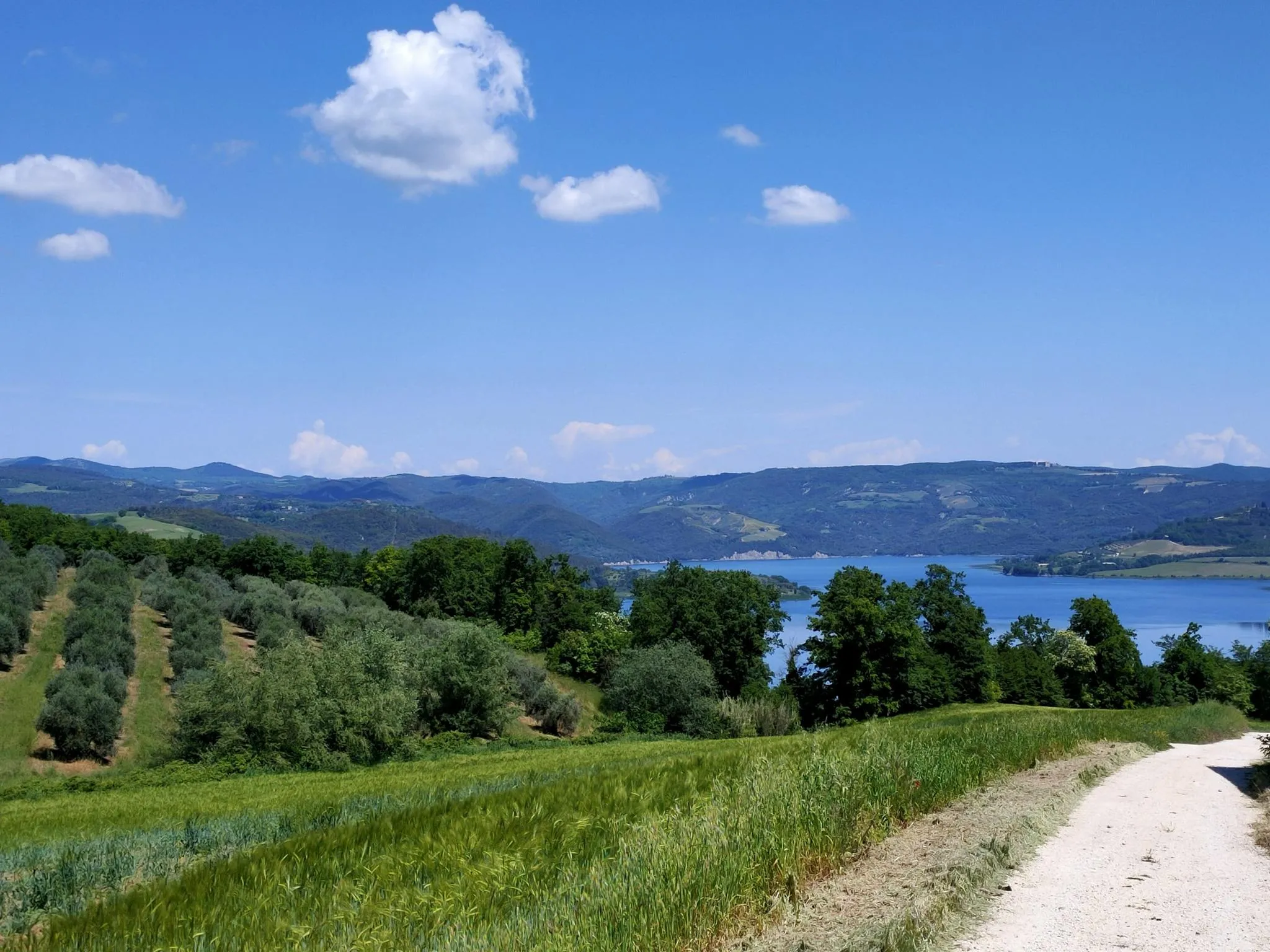
Italian Coast2Coast – From Portonovo to Orbetello
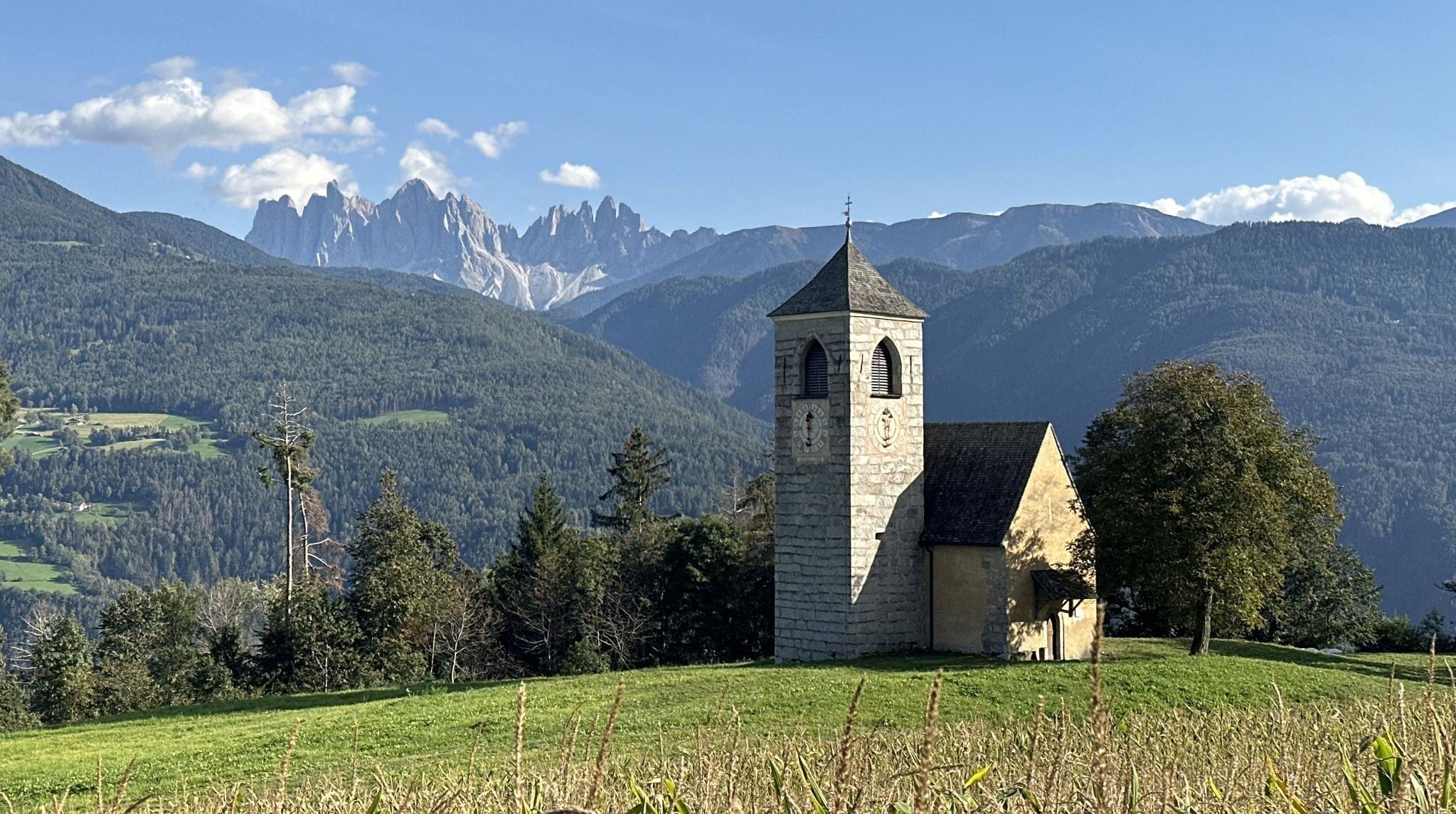
Via Romea Germanica – History, nature and spirituality
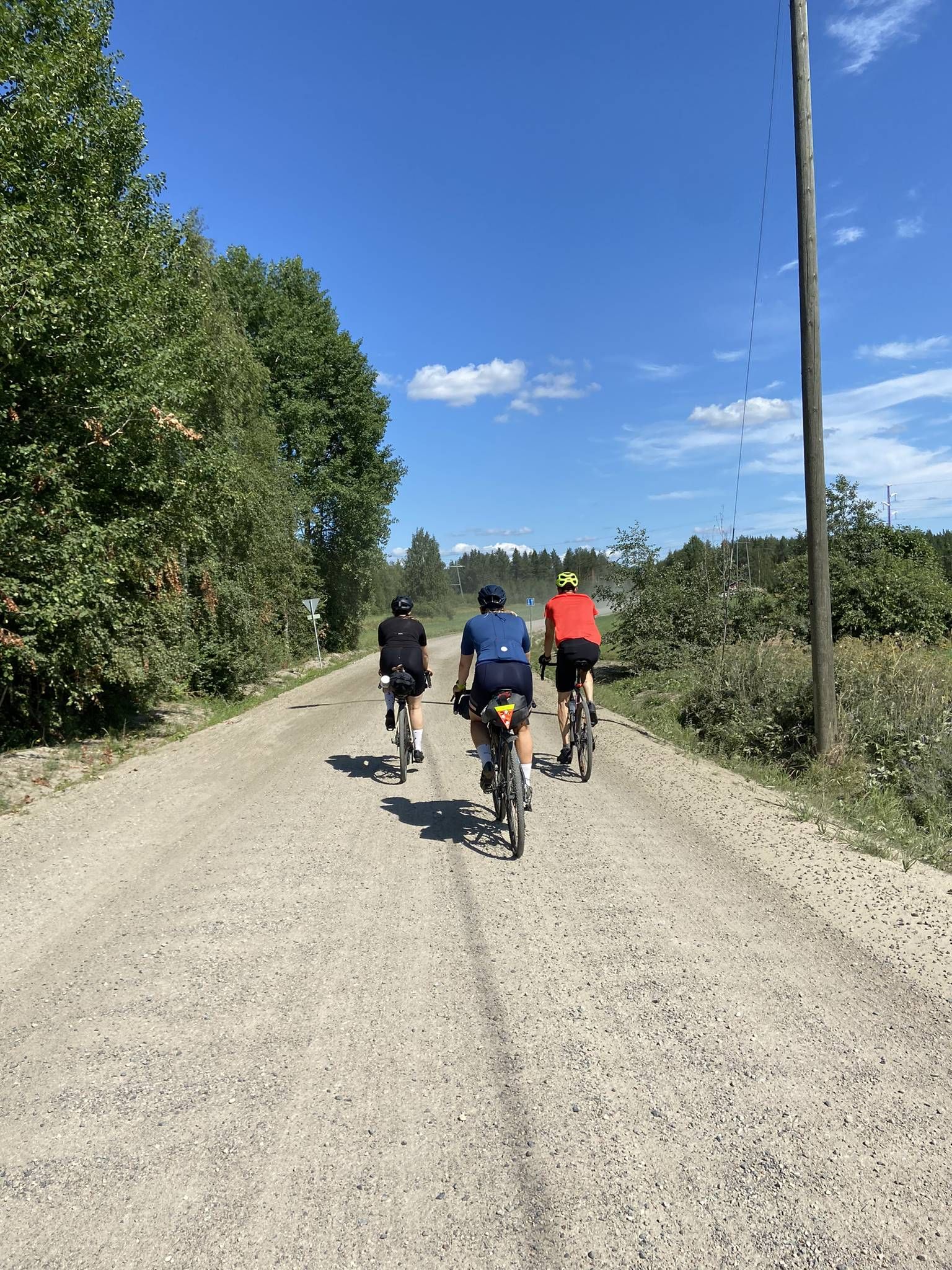
Naples to North Cape — Two friends, one purpose and many scoops of ice-cream
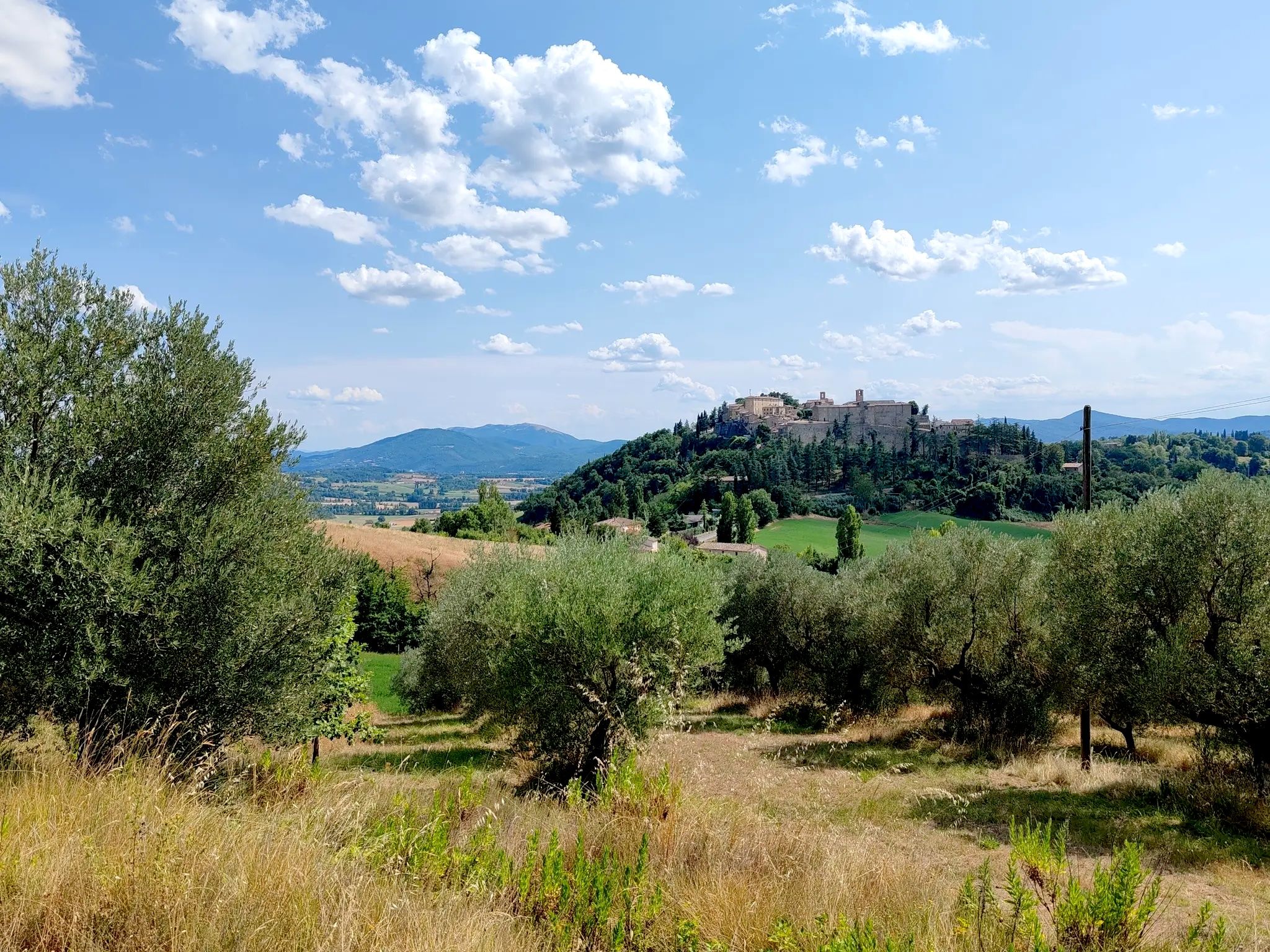
Day rides in the heart of Umbria – a Journey through History
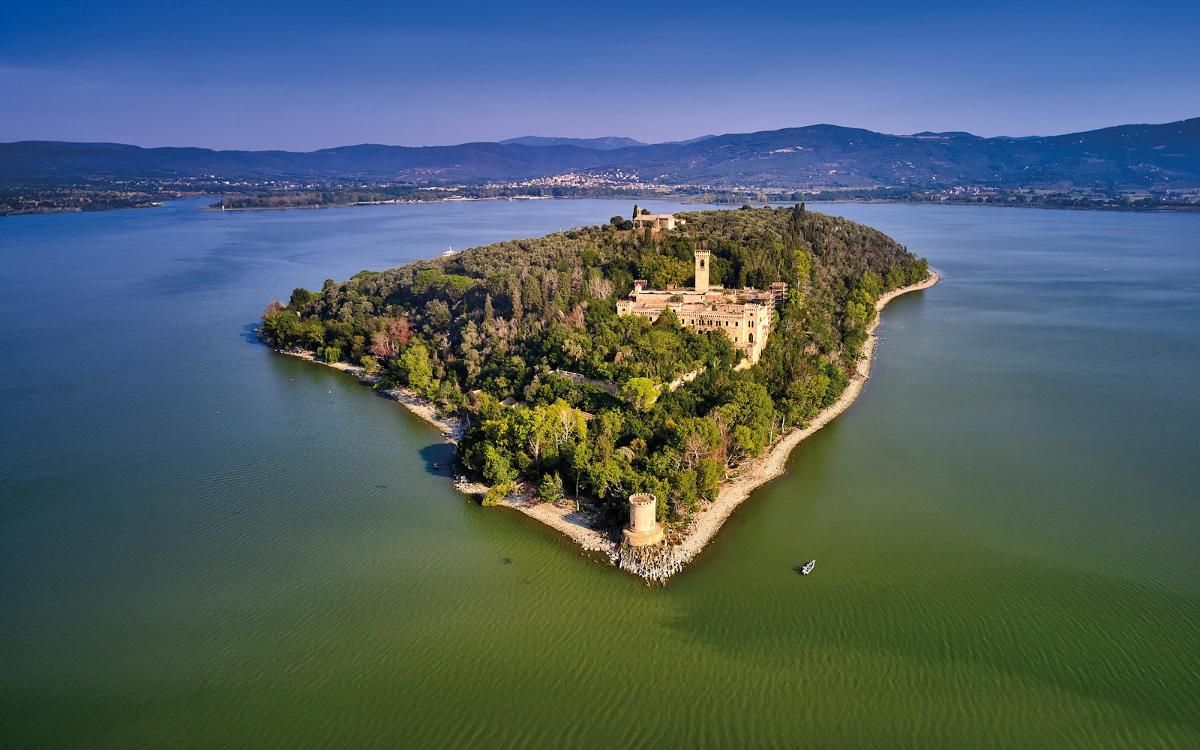
Trasimeno cycle route – Trasimeno for all
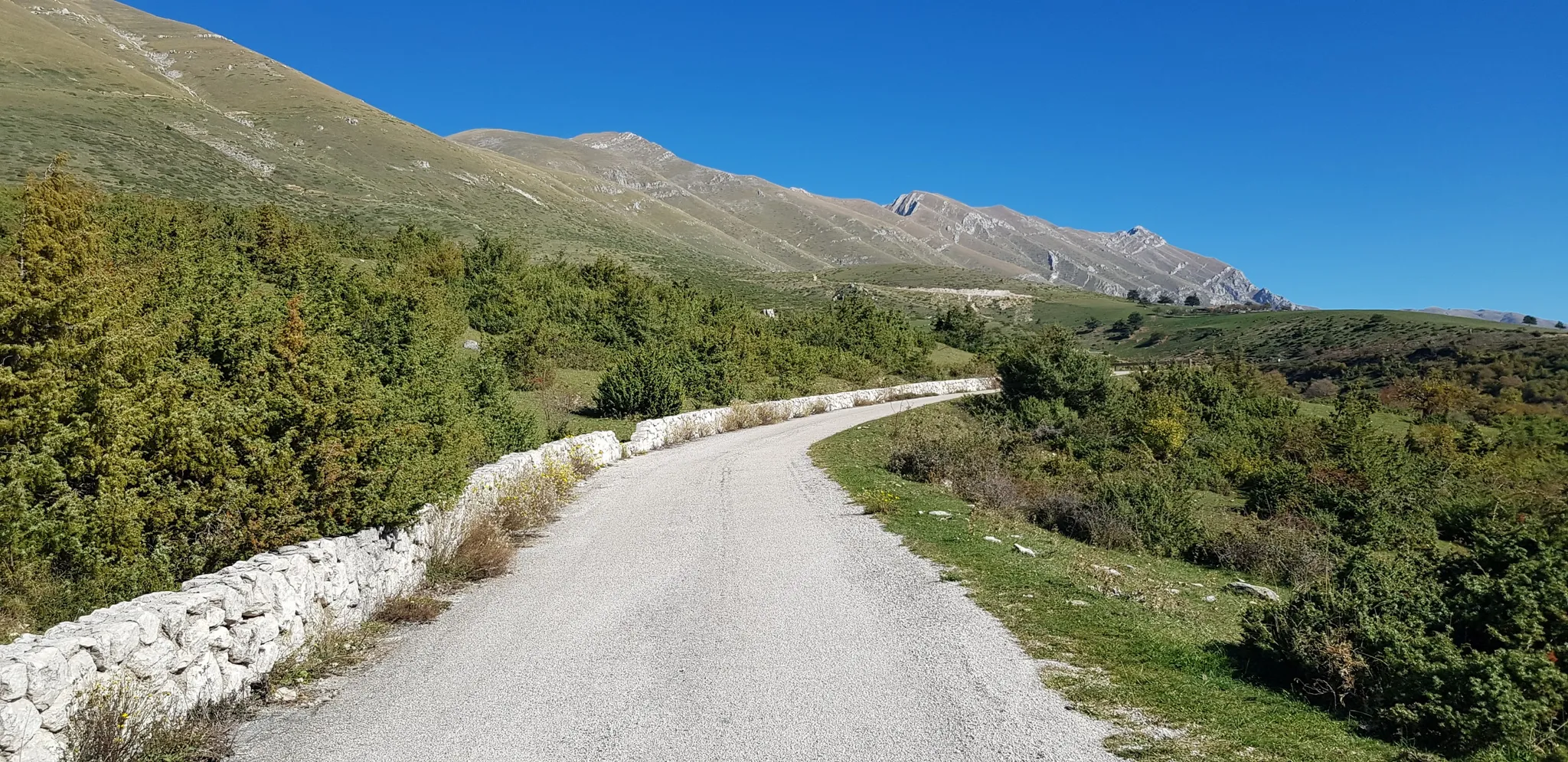
The Apennine Cycleway (Part 2) - From Umbria to Calabria
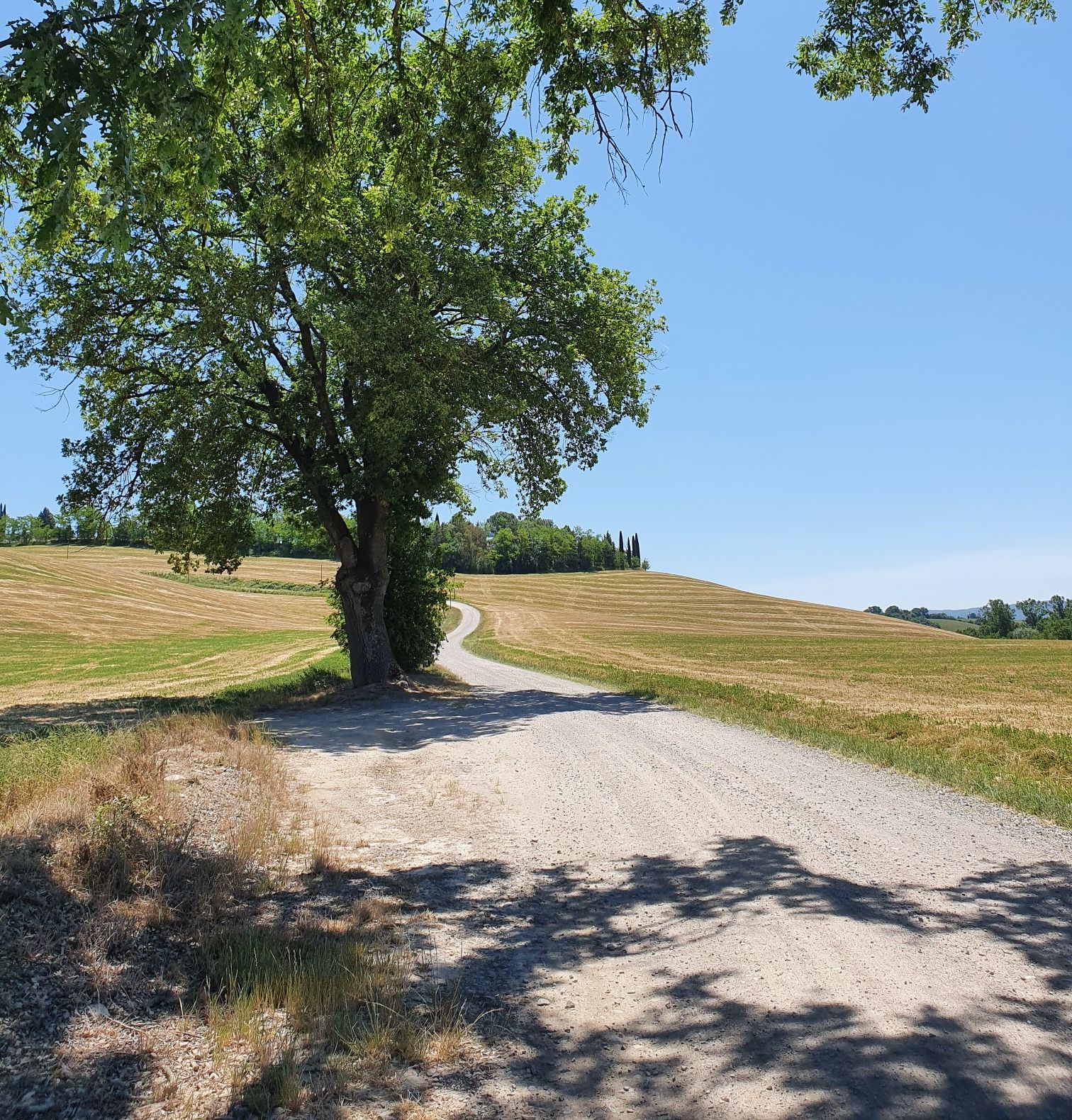
Ciclovia dei due mari - By bike from the Tyrrhenian Sea to the Adria
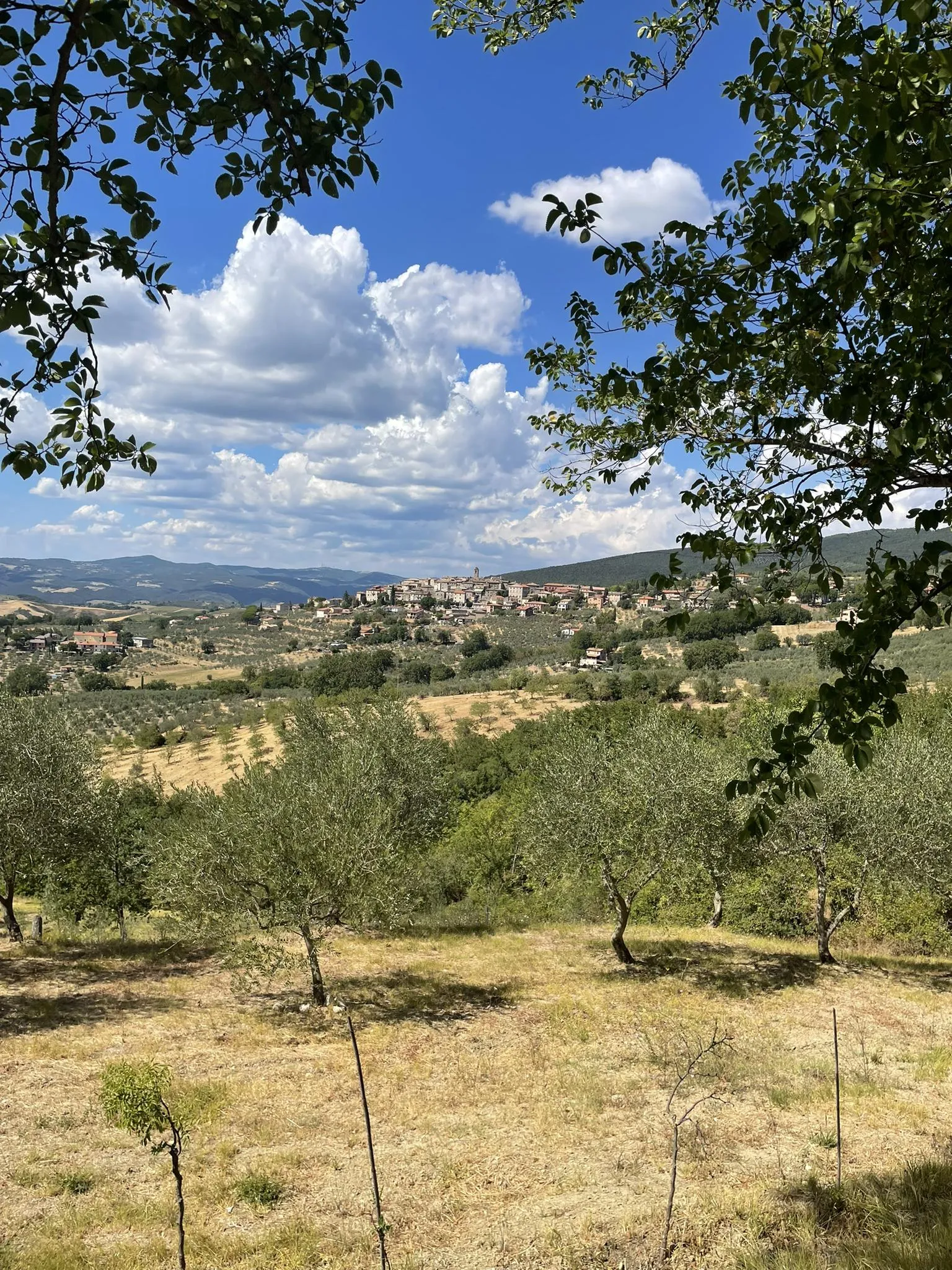
Hiking in Italy’s Umbria region – Cammino dei Borghi Silenti
Apennine Cycle Route (Part 1) - From Liguria to Umbria
In the footsteps of St. Francis - Cammino di Assisi
Other adventures in Umbria


Tips from the Community

Work on the waterfalls began in 54 BC by the consul Appius Claudius Pulchrus. With the fall of the Western Roman Empire, the maintenance of the canal ended, and only in the 15th century was a new canal built. Further work was carried out in the subsequent decades. https://it.wikipedia.org/wiki/Cascata_delle_Marmore
2
0

I walked the stretch from Borghetto to Castiglione del Lago (8/9 km) and was a little disappointed that you only see the lake once and... watch out for cyclists coming in the opposite direction.
0
0

The climb to the top is worth it 👍💪🇮🇹
2
0

Also ideal for gravel bikers! More tips for gravel bike adventures in the area at https://graveldeluxe.com or in my Komoot profile https://www.komoot.de/user/graveldeluxe
0
0

of the ancient Roman temple only the six-column façade remains. The church is the seat of the TOR, Third Regular Order of Saint Francis
2
0

Bevagna / Region – Umbria / Province – Perugia (PG) The town, surrounded by a city wall with towers and gates, has an intact medieval structure (12th-13th centuries). In the upper part of the town, numerous Roman remains can still be seen: the ruins of a temple, the theater, and a thermal bath complex, of which a frigidarium with a magnificent black and white floor mosaic depicting marine figures from the 2nd century AD survives. The medieval town structure, with its squares and noble houses, developed over the Romanesque foundations: The magnificent Piazza Silvestri is home to the Palazzo dei Consoli (1270), which houses the Torti Theater, the Romanesque churches of San Silvestro and San Michele Arcangelo, both from the late 12th century, and the church of San Domenico e Giacomo (1291). Worth seeing is the Palazzo Comunale (late 18th century), which houses the historical archives, the library, and the art gallery. The Baroque churches of the Monastery of Santa Margherita and San Filippo are also very interesting. At the highest point in the town stands the Church of San Francesco (late 13th century). Next to the altar, one can see the stone on which St. Francis knelt when he preached to the flock of birds at Pian d'Arca. The 18th-century Palazzo Lepri houses the Museum of Bevagna, with works that tell the story of the town from pre-Roman times to the 18th century: archaeological finds from the ancient city of Mevania, medieval documents, and paintings by Dono Doni, Fantino, and Corrado Giaquinto. In the surrounding area, the Sanctuary of Madonna delle Grazie (late 16th century), the Sanctuary of Madonna della Valle, and the Monastery of Annunziata (11th century), formerly a defensive castle, rise up against the hillsides. Text / Source: Umbria Tourism.it contatti@umbriatourism.it https://www.umbriatourism.it/de/bevagna
16
1
Eremo delle Carceri, the resting place of St. Francis, Assisi The Eremo delle Carceri is a pilgrimage site located in the dense forest of Monte Subasio, about 4 km from Assisi and at an altitude of 800 m. St. Francis and his first brothers imprisoned themselves for devotion, living a simple life, and praying more devoutly. The word "carceri," which may be confusing, does not mean "prison" but comes from the Latin "carcer," meaning a solitary, isolated place. This is where the term "carcerare" comes from, referring to monks and describing their practice of retreating to pray as hermits. In 1215, Benedictine monks donated the Eremo delle Carceri to Saint Francis, which became one of the most important places in his life: Immersed in a quiet, peaceful, centuries-old holm oak forest, Saint Francis followed his calling here and learned to pray devoutly. The Grotto of Saint Francis, among stories and legends Through a narrow passage, one reaches the Grotto of Saint Francis, where, according to the history of Francis of Assisi, the saint experienced his first true meditation and became a different person. Another story is that of Saint Rufinus, a companion of Saint Francis who managed to resist the devil. It is said that the hole in the grotto floor was caused by the devil when he was defeated and sank into the abyss. Many mistakenly believe that St. Francis's famous sermon to the birds took place here, but historical sources definitively link the legend to Piandarca, a town in the municipality of Cannara. Text / Source: Umbria Tourism.it https://www.umbriatourism.it/de/-/eremo-delle-carceri-der-ruheort-des-heiligen-franziskus
14
0
Hermitage of the Prisons, Assisi The Shrine of the Hermitage of the Prisons An ancient Franciscan shrine on Monte Subasio, 4 km from Assisi and 800 meters above sea level, in the heart of a forest of centuries-old holm oaks, is one of the Franciscan shrines guarded by the Friars Minor of the Seraphic Province of Saint Francis of Assisi. The word "carcere" does not mean "prison": it comes from the Latin "carcer," meaning a remote, solitary place, therefore suitable for the life of prayer. Francis, his companions, and, after them, the friars, came here for some prayers. Hermitage of the Prisons, Via Eremo delle Carceri, 38, 06081 Assisi PG, Italy Text/Source: SERAPHIC PROVINCE OF ST. FRANCIS OF ASSISI OF THE UMBRIAN FRIES MINOR https://www.santuarioeremodellecarceri.org/
14
0
Frequently Asked Questions
What are some of the most significant historical and cultural sites to explore in Umbria?
Umbria is rich in history and culture. You can visit the medieval hill town of Assisi, a UNESCO World Heritage site, home to the Basilica of Saint Francis and the Historic Center of Assisi. Perugia, the regional capital, offers Etruscan and Roman heritage, including the Fontana Maggiore. Orvieto is famous for its stunning Duomo and underground city. Don't miss Gubbio with its well-preserved medieval architecture like the Palazzo dei Consoli, or Spoleto with its majestic Rocca Albornoziana and Ponte delle Torri. The UNESCO World Heritage sites of Assisi and Spoleto offer deep dives into the region's past.
Where can I find impressive natural landscapes and features in Umbria?
Umbria, known as the 'Green Heart of Italy,' offers several breathtaking natural attractions. The Marmore Falls near Terni are spectacular man-made waterfalls with regulated water releases. Lake Trasimeno, the fourth largest lake in Italy, is ideal for cycling, swimming, and exploring its islands. For hiking and panoramic views, the Sibillini Mountains National Park, including the famous Piano Grande, offers stunning summer blooms. You can also find serene environments at the Clitunno Springs and the beautiful Lago di Piediluco.
Are there family-friendly attractions in Umbria?
Yes, many attractions in Umbria are suitable for families. The Basilica of Saint Francis in Assisi and the Historic Center of Assisi are welcoming for all ages. The Marmore Falls offer an exciting natural spectacle. Lake Trasimeno provides opportunities for cycling, swimming, and boat trips. The Historic Center of Bevagna is like stepping back in time, with its medieval streets and Roman mosaics, which can be fascinating for children.
What outdoor activities can I do near Umbria's attractions?
Umbria offers a variety of outdoor activities. Near Lake Trasimeno, you can enjoy cycling on routes like the Lakeside Cycle Path – Loop around Lake Trasimeno. The Sibillini Mountains National Park is excellent for hiking, biking, and horse riding. For more cycling options, explore the Cycling in Umbria guide or the Road Cycling Routes in Umbria guide. If you're interested in mountain hikes, check out the Mountain Hikes in Umbria guide, which includes routes around Monte Vettore.
Are there any easy hiking or walking trails suitable for families in Umbria?
Yes, Umbria has trails for various difficulty levels. While specific easy family trails near attractions are not detailed, the region's natural parks and lake areas often provide gentler paths. For example, the area around Lake Trasimeno offers flat cycling paths that can also be enjoyed for walking. The Clitunno Springs provide a serene environment for relaxed walks. For more detailed hiking information, you can consult the Mountain Hikes in Umbria guide, which may include easier sections or routes.
What is the best time of year to visit Umbria's attractions?
Umbria is beautiful year-round, but the best time to visit depends on your preferences. Spring (April-May) and early autumn (September-October) offer pleasant weather for exploring towns and hiking, with fewer crowds. Summer (June-August) is ideal for enjoying Lake Trasimeno and outdoor activities, though it can be hot. The Piano Grande in the Sibillini Mountains is particularly stunning in late spring/early summer when wildflowers are in full bloom.
What do visitors enjoy most about the attractions in Umbria?
Visitors to Umbria frequently praise the region's unique blend of art, history, and nature. They appreciate the well-preserved medieval towns like Assisi and Bevagna, often feeling like they've stepped back in time. The architectural masterpieces, such as the Basilica of Saint Francis, are highly admired for their beauty and historical significance. The dramatic spectacle of the Marmore Falls and the serene beauty of Lake Trasimeno are also consistently highlighted as memorable experiences.
Can I find Roman ruins or ancient sites in Umbria?
Yes, Umbria has a rich Roman and Etruscan heritage. In Perugia, the capital, you can see remnants of its Etruscan and Roman past in the historical center. The Historic Center of Bevagna contains numerous Roman remains, including ruins of a temple, a theater, and thermal baths with a magnificent 2nd-century AD mosaic. Orvieto also features an Etruscan necropolis and an underground city with ancient origins.
Are there any specific towns known for their wine or culinary experiences in Umbria?
Umbria is renowned for its cuisine, including truffles, local olive oil, and fine red wines. Montefalco is particularly known for its Sagrantino wine, offering a charming blend of medieval lanes and expansive views of olive groves and vineyards. Many towns across the region, such as Foligno and Bevagna, provide authentic Umbrian culinary experiences with local trattorias and markets.
What are some lesser-known or 'hidden gem' attractions in Umbria?
Beyond the major highlights, Umbria offers charming hidden gems. Bevagna, with its Historic Center of Bevagna, is often considered a hidden gem, offering an authentic glimpse into Italian life. Spello, known for its olive groves and floral displays, provides a picturesque archaic historic center. Foligno offers an authentic Umbrian experience with its lively piazzas and elegant palaces, serving as a great base for exploring the region.
How accessible are Umbria's attractions for visitors with mobility challenges?
Accessibility varies across Umbria's attractions, especially in older medieval towns with cobblestone streets and hilly terrain. While many modern facilities and some historical sites have made efforts to improve accessibility, it's advisable to check specific venues in advance. For example, the Basilica of Saint Francis in Assisi has accessible sections. Natural sites like Lake Trasimeno may offer more accessible viewpoints and pathways.
Are there any specific religious sites or pilgrimages in Umbria?
Umbria is a significant region for religious tourism, particularly due to Assisi, the birthplace of Saint Francis. The Basilica of Saint Francis is a major pilgrimage site, housing the tomb of the Saint and adorned with frescoes by renowned artists. Other important religious buildings include the Basilica of Saint Clare and the Cathedral of San Rufino in Assisi, and the Duomo in Orvieto, a masterpiece of Italian Gothic architecture.
Most popular routes in Umbria
Most popular attractions in Umbria

Get inspired with the komoot mobile app


Didn’t find what you were looking for?
Are you keen on exploring more awesome places nearby? Browse our guides:
Explore more
Still not found the Highlight you’re looking for? See guides of the top attractions in other regions:
