Top 20 Castles in the Pyrenees
Castles in the Pyrenees provide a unique insight into medieval history and strategic defense, set against a backdrop of diverse landscapes. This mountainous region, straddling France and Spain, features historic fortresses and strongholds. These structures showcase architectural prowess and historical significance. The castles are often situated on rocky outcrops or commanding hills, offering expansive views of the surrounding countryside.
Best castles in the Pyrenees
- The most popular castles is Montségur Castle, a castle that is located at an altitude of 1200 meters and symbolizes Cathar resistance. This ruin from the Cathar era held up to 500 people during an 11-month siege.
- Another must-see spot is Fort Libéria, a castle that is part of a UNESCO World Heritage site. This fortification, built by Vauban, is connected to the town by a unique staircase with 1000 steps.
- Visitors also love Roquefixade Castle, a watchtower offering wide panoramas over the valley. This Cathar castle ruin is situated above its namesake village and can be visited for free.
- Pyrenees is known for Cathar castles, Romanesque fortresses, and medieval strongholds. The region offers a variety of castles to explore, from well-preserved sites to dramatic ruins.
- The castles in the Pyrenees are appreciated by the komoot community, with more than 140 upvotes and 70 photos shared across various highlights.
Last updated: June 24, 2026
Roquefixade Castle
Highlight • Castle
Translated by Google •
Tip by

Montségur Castle
Highlight • Castle
Translated by Google •
Tip by

Sign up now to discover places like this
Get recommendations on the best single tracks, peaks, & plenty of other exciting outdoor places.
Sign up for free
Fort Libéria
Highlight • Castle
The absolute highlight is the partly underground, partly over-thought staircase with 1000 steps, which connects the city with the fort.
If you hike further up, you will finally be rewarded with a fantastic panorama, which reaches to the 50 km distant sea.
Translated by Google •
Tip by

View of Montségur Castle
Highlight • Castle
Translated by Google •
Tip by

House of the Valley
Highlight • Historical Site
Translated by Google •
Tip by

Foix
Highlight • Settlement
Translated by Google •
Tip by

Castellar de n'Hug
Highlight • Settlement
Tip by

Villefranche-de-Conflent
Highlight • Historical Site
Showing Translation
Tip by

Montesquiu Castle
Highlight • Castle
Translated by Google •
Tip by

Church of Sant Llorenç de la Muga
Highlight • Religious Site
santllorencdelamuga.cat/ca/Sant Llorenç de la Muga is located in the high Muga valley, in an area also known as the mountain Empordà or the Garrotxa d'Empordà due to its mountainous terrain.
The urban center is located in a pronounced meander of the La Muga river, which crosses the municipal area in a route of eleven kilometers, where there is a great diversity of pools.
The medieval walled enclosure stands out for its good state of conservation, as well as most of the houses in the old town. In the center of Sant Lllorenç there are very pleasant corners that are part of the history of the town.
Sant Llorenç preserves the spirit of a quiet and welcoming rural town. The Sant Llorenç mountains, low in altitude and with a wide range of rural roads, trails and forest tracks, allow you to enjoy this natural space all year round, with changing landscapes depending on the season.
Scattered throughout this territory of mountains near the river, you can find small architectural treasures such as the hermitage of San Jorge, the oratory of Sant Ponç, the hermitage and the bridge of San Antonio near La Muga, the hermitage and the fountain of Palau, the Old Bridge or the Lion Fountain.
Translated by Google •
Tip by

Sign up for free to discover even more castles in the Pyrenees.
Sign up for free
Already have an account?
Start today with a free account
Your next adventure awaits.
Login or Signup
Popular around Pyrenees
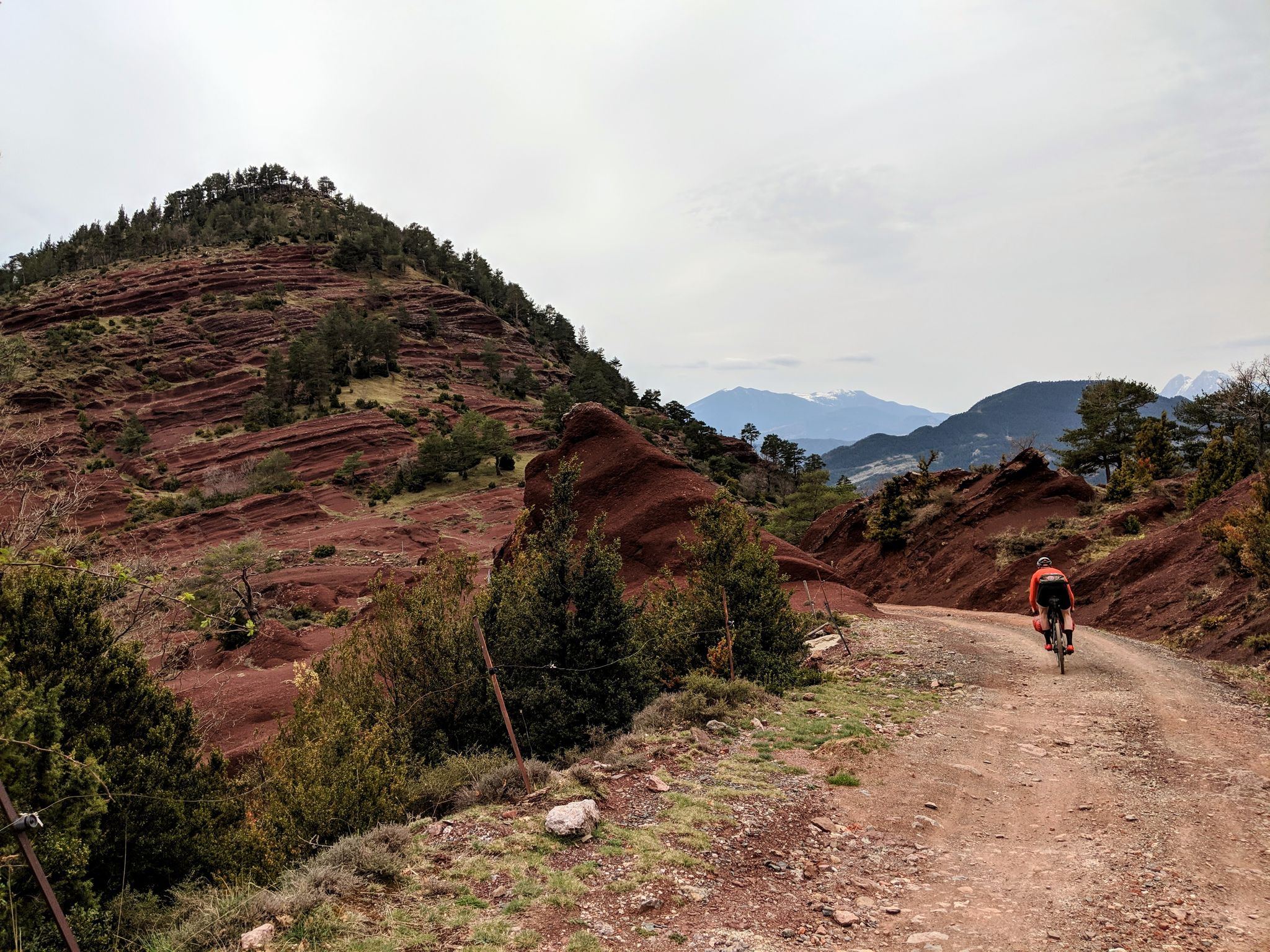
Catalunya Trail — Bikepacking in the Pyrenees
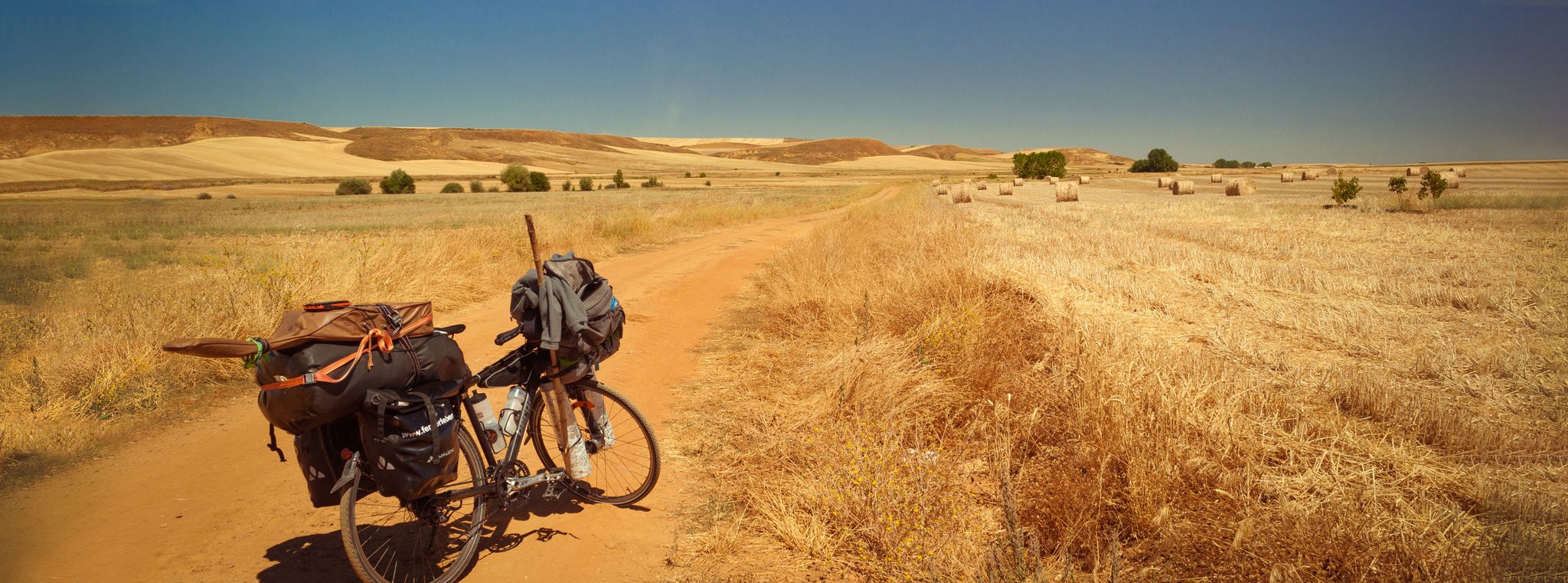
Camino Francés and Camino Finisterre – Cycling pilgrimages in Spain
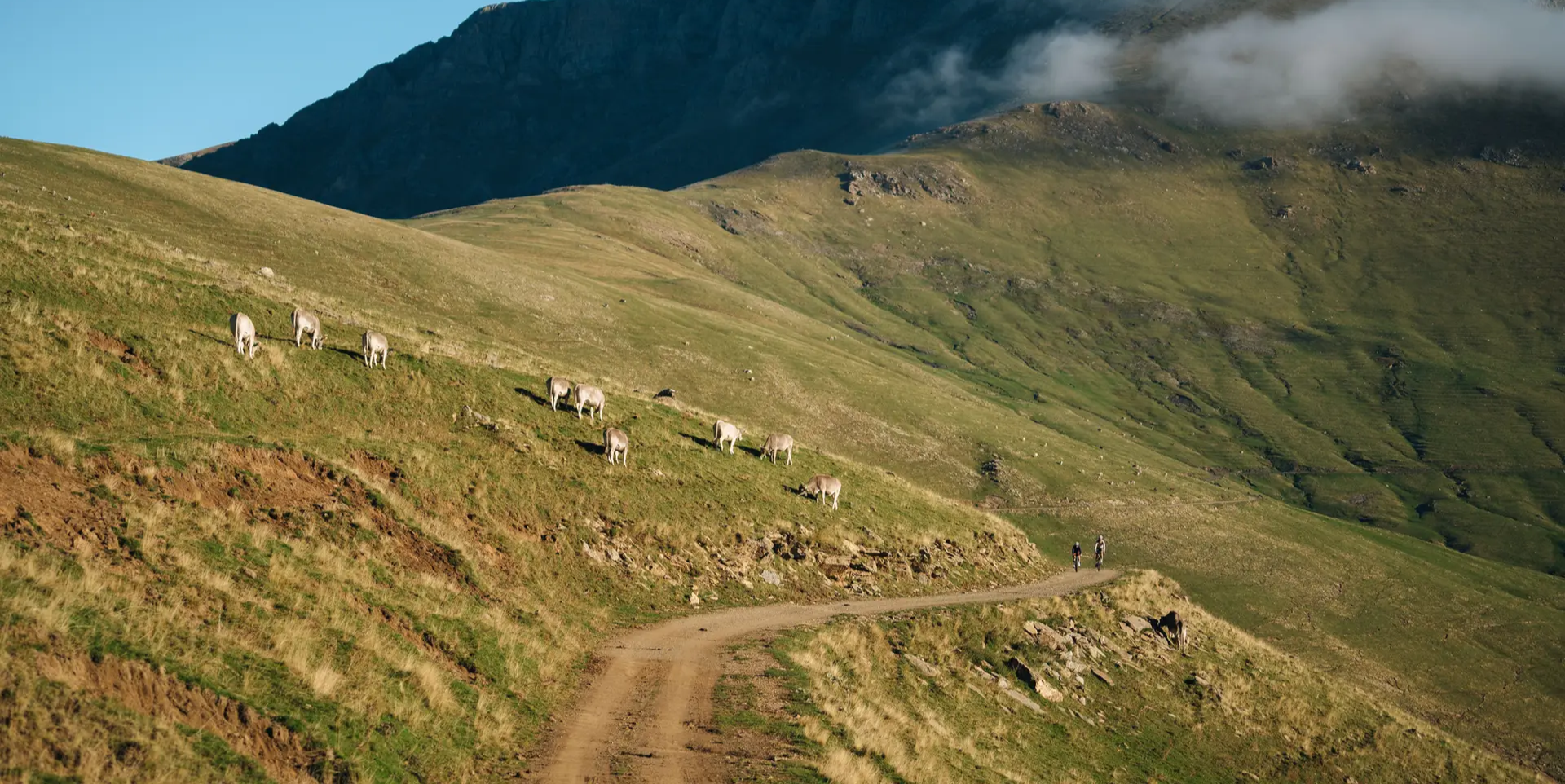
Grand Tour of Catalonia Gravel – your bikepacking adventure
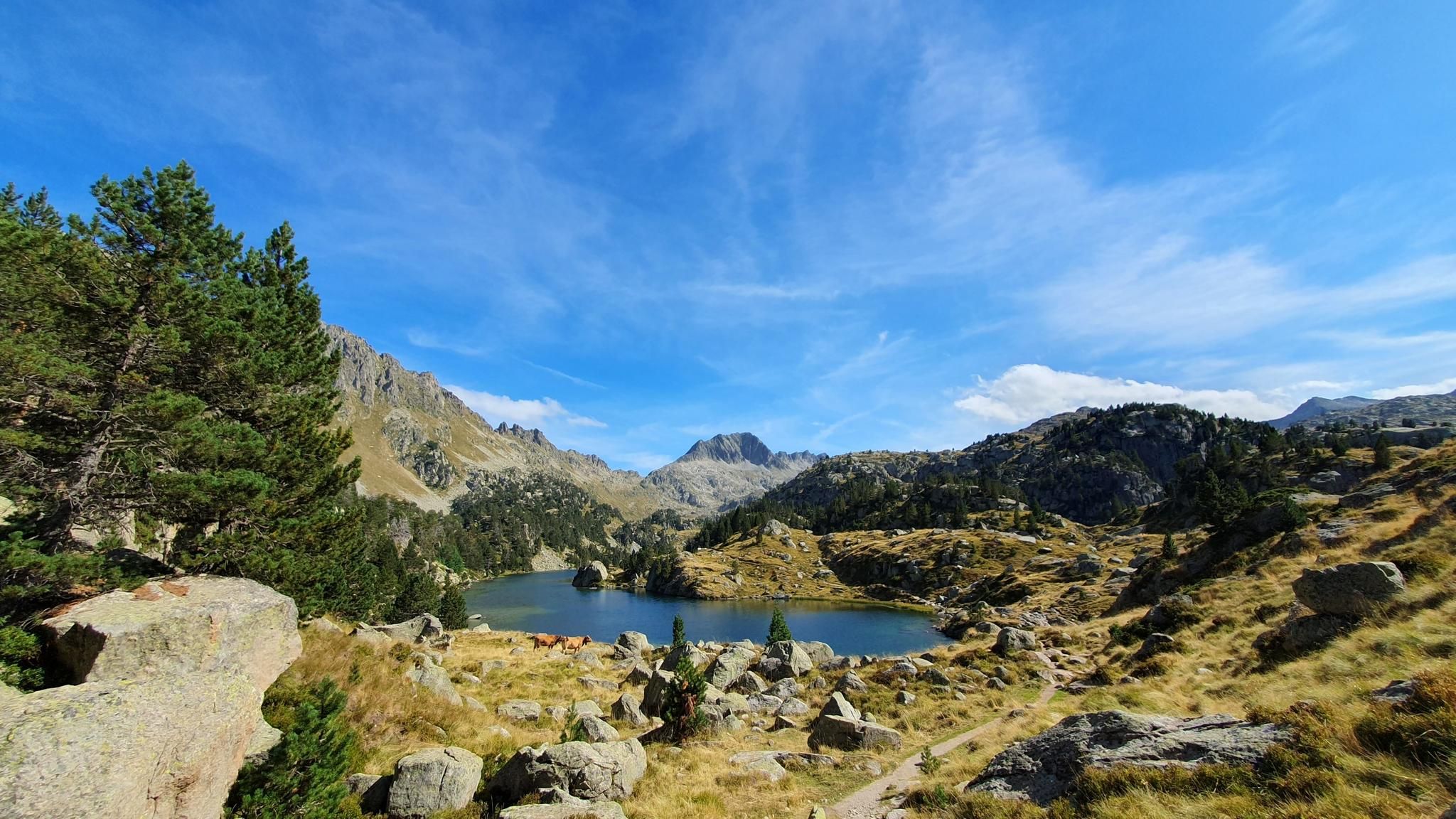
100 miles in paradise - Discover the Val d'Aran by UTMB
GR 36 long-distance footpath – Cross France from the Channel to the Pyrenees
The Crossing of the Pyrenees via the GR 10 — Eastern Pyrenees
Hexatrek, the western and central Pyrenees – Between mountains and the ocean
GR 10 – Explore the Ariège Pyrenees crossing the Pyrenees
GR 10 – Central Pyrenees crossing the Pyrenees
Tour of the Balaïtous – From passes to lakes
Other adventures in the Pyrenees


Tips from the Community

The ruins of the old Cathar castle rise steeply above the pretty mountain village of Roquefixade. It was first mentioned as early as 1050.
1
0

This ancient trading town, the capital of Conflent, has preserved some beautiful traces of its history and its status as a defensive town. Examples include the ramparts and the Viguerie Tower, built by the Count of Cerdagne in the 11th century and subsequently reinforced by Vauban's fortifications in the 17th century.
0
0
VIllefranche-de-Conflent is a town with an exceptional heritage: from the Middle Ages to the present day, time has left its mark in the stones of the men who built, conquered or lived in the town. More than anyone, Vauban, the "Sun King's wanderer", has left his mark here.
10
0
The fort was built in 1681 on a rocky spur on the mountainside. It guarded the Têt Valley and, together with the ramparts of Villefranche, formed a formidable defensive complex. It stood 180 meters above the Têt, on the summit of Belloch Mountain, like a king. In peacetime, the fort could accommodate 50 to 100 garrison members.
0
0
Roquefixade is a place both peaceful and mysterious, to be seen in all seasons, early morning or late evening. Neither the same nor entirely different, the timeless panorama is what makes the difference, compelling us to slow down, breathe, and gain altitude.
1
0

A beautiful village located in the Cadí-Moixeró Natural Park. A stroll through it, visiting the Llobregat springs, and buying something from its bakeries are highly recommended.
0
0
The most impregnable of the Cathar castles. The Cathars finally surrendered after an 11-month siege. The choice was conversion to the Roman Catholic Church or the stake. 200 Cathars chose the stake...
16
0

This castle was the only one of the larger and more famous Cathar castles we were missing... and the visit was totally worth it 🥰
0
0
Frequently Asked Questions
Which castles in the Pyrenees offer the most impressive panoramic views?
Many castles in the Pyrenees are strategically located to provide breathtaking views. For instance, Roquefixade Castle offers wide panoramas over the valley, complete with an orientation table. From Montségur Castle, perched at 1200 meters, you can enjoy a breathtaking view of the surrounding countryside. Similarly, the 40-meter red brick tower of Montaner Castle provides exceptional panoramic views extending to the Pyrenean peaks, and Queribus Castle, known as the 'Citadel of Vertigo,' offers magnificent panoramas from Canigou to the Roussillon and Corbieres plains.
Are there family-friendly castles to visit in the Pyrenees?
Yes, several castles in the Pyrenees are great for families. The Château fort de Lourdes, for example, offers engaging puzzle-based tours for children. Montaner Castle hosts weekly themed events and activities that allow visitors to experience medieval life. The town of Foix, overlooked by its magnificent castle, is also noted as family-friendly, as is the fortified village of Villefranche-de-Conflent, which includes Fort Libéria.
Which castles are significant for Cathar history in the Pyrenees?
The Pyrenees region is particularly rich in Cathar castles. Montségur Castle is a powerful symbol of Cathar resistance, having housed up to 500 people during an 11-month siege. Peyrepertuse Castle, built directly into the limestone cliff, is considered one of the finest examples of a Cathar fortress. Queribus Castle was the last point of Cathar resistance during the Albigensian Crusade. Roquefixade Castle is another notable Cathar ruin in the area.
What are some well-preserved Romanesque castles in the Pyrenees?
For those interested in Romanesque architecture, Loarre Castle in Spain is recognized as the best-preserved Romanesque castle in Europe. This 11th-century fortress offers commanding views and played a crucial defensive role during the Christian Reconquest.
Are there hiking opportunities near the castles in the Pyrenees?
Yes, the Pyrenees offer extensive hiking opportunities. Many castles, like Montségur Castle, require a hike to reach them, rewarding visitors with historical insights and views. You can find numerous hiking trails throughout the region, with options ranging from moderate to difficult. Explore more routes on the Hiking in the Pyrenees guide.
What other outdoor activities can I do near the Pyrenees castles?
Beyond hiking, the Pyrenees region provides a variety of outdoor activities. You can find excellent running trails, including challenging routes like the 'Skyrhune' in the Basque Country, detailed in the Running Trails in the Pyrenees guide. Road cycling is also popular, with iconic passes like the Col du Tourmalet and Col d'Aspin, which you can explore in the Road Cycling Routes in the Pyrenees guide.
Which castles are known for their unique architectural features?
The Pyrenees boast castles with distinct architectural styles. Montaner Castle is recognizable by its imposing 40-meter red brick tower. Peyrepertuse Castle is uniquely built directly into the limestone cliff face, making it seem like a natural extension of the landscape. Fort Libéria, a UNESCO World Heritage site, is an impressive fortification built by Vauban, connected to the town by a unique 1000-step staircase.
What is the best time of year to visit castles in the Pyrenees?
Visiting castles in the Pyrenees is enjoyable throughout much of the year. Spring and autumn offer pleasant temperatures for exploring and hiking, with fewer crowds. Summer is also popular, especially for those combining castle visits with other outdoor activities. Always check local weather forecasts and castle opening hours before your visit, as some high-altitude sites might have limited access in winter.
Are there any castles in the Pyrenees that have been featured in films?
Yes, Loarre Castle in Spain has served as a filming location. It was notably featured in Ridley Scott's *Kingdom of Heaven*, showcasing its impressive medieval architecture and strategic setting.
What amenities or attractions are available near Pyrenean castles?
Many castles are located near towns or villages offering amenities. For example, Benabarre Castle can be combined with visits to a local chocolate factory or a goat cheese farm. Monzón Castle is close to the city of Barbastro and local wineries. The town of Foix, with its dominant castle, offers a train station and a range of accommodation and restaurants. Fort Libéria is connected to Villefranche-de-Conflent, a well-maintained town with nice shops.
How accessible are the castles in the Pyrenees, and is parking available?
Accessibility varies greatly among the castles. Some, like the Château fort de Lourdes, are easily accessible within towns. Others, such as Montségur Castle or Queribus Castle, are perched on rocky outcrops and require a hike to reach, often involving uneven terrain. Parking is generally available at the base or nearby villages for most sites, but it's advisable to check specific castle websites for detailed access and parking information before your visit.
Most popular routes in the Pyrenees
Most popular attractions in the Pyrenees

Get inspired with the komoot mobile app


Explore more
Looking for the best castles somewhere else? Discover other guides in the Pyrenees:
