Top 20 Castles around Biberach
Best castles around Biberach offer a collection of historical structures, ranging from well-preserved buildings to scenic ruins. These sites provide insights into the region's past and its cultural significance. The area features a diverse landscape, with many castles situated amidst natural settings. Visitors can explore over 20 castles in and around Biberach.
Best castles around Biberach
- The most popular castles is Bussen Pilgrimage Church and Castle Ruins, a religious building and historical site that offers panoramic views of Upper…
Last updated: August 11, 2026
Bussen Pilgrimage Church and Castle Ruins
Highlight • Religious Site
Translated by Google •
Tip by

Großlaupheim Castle
Highlight • Castle
Translated by Google •
Tip by

Sign up now to discover places like this
Get recommendations on the best single tracks, peaks, & plenty of other exciting outdoor places.
Sign up for free
Wilflingen Castle
Highlight • Castle
Wilflingen Castle
Wilflingen Castle has been owned by the von Stauffenberg taverns since 1464 and is the oldest family seat of the former imperial knight family. Between …
Translated by Google •
Tip by

Monastery Church of Bad Buchau
Highlight • Religious Site
774 - 1776 converted from a Gothic church in the style of French classicism for the noble canonesses. Josef Christian from …
Translated by Google •
Tip by
Grüningen Castle
Highlight • Castle
The Grüninger Castle was built …
Translated by Google •
Tip by

Hanging Gardens of Neufra Castle
Highlight • Castle
The historic hanging garden of Neufra
The historic hanging garden is a Renaissance garden that was created between 1569 and 1573 by Count Georg von Helfenstein …
Translated by Google •
Tip by
Schlössle Alberweiler
Highlight • Castle
Translated by Google •
Tip by

St. Ulrich Castle Church
Highlight • Religious Site
Translated by Google •
Tip by

Schenkenburg Castle Ruins
Highlight • Castle
Translated by Google •
Tip by

View from Schatzberg Ruins
Highlight • Viewpoint
Translated by Google •
Tip by

Sign up for free to discover even more castles around Biberach.
Sign up for free
Already have an account?
Start today with a free account
Your next adventure awaits.
Login or Signup
Popular around Biberach
Main-Danube-Lake Constance Trail – Along iconic waters
Nature, city, Baroque – short breaks in Upper Swabia-Allgäu
Water as a constant companion: the DONAU-BODENSEE cycle path
Hills, RAISED BOGS and HIGH BAROQUE - the Oberschwaben-Allgäu-Radweg
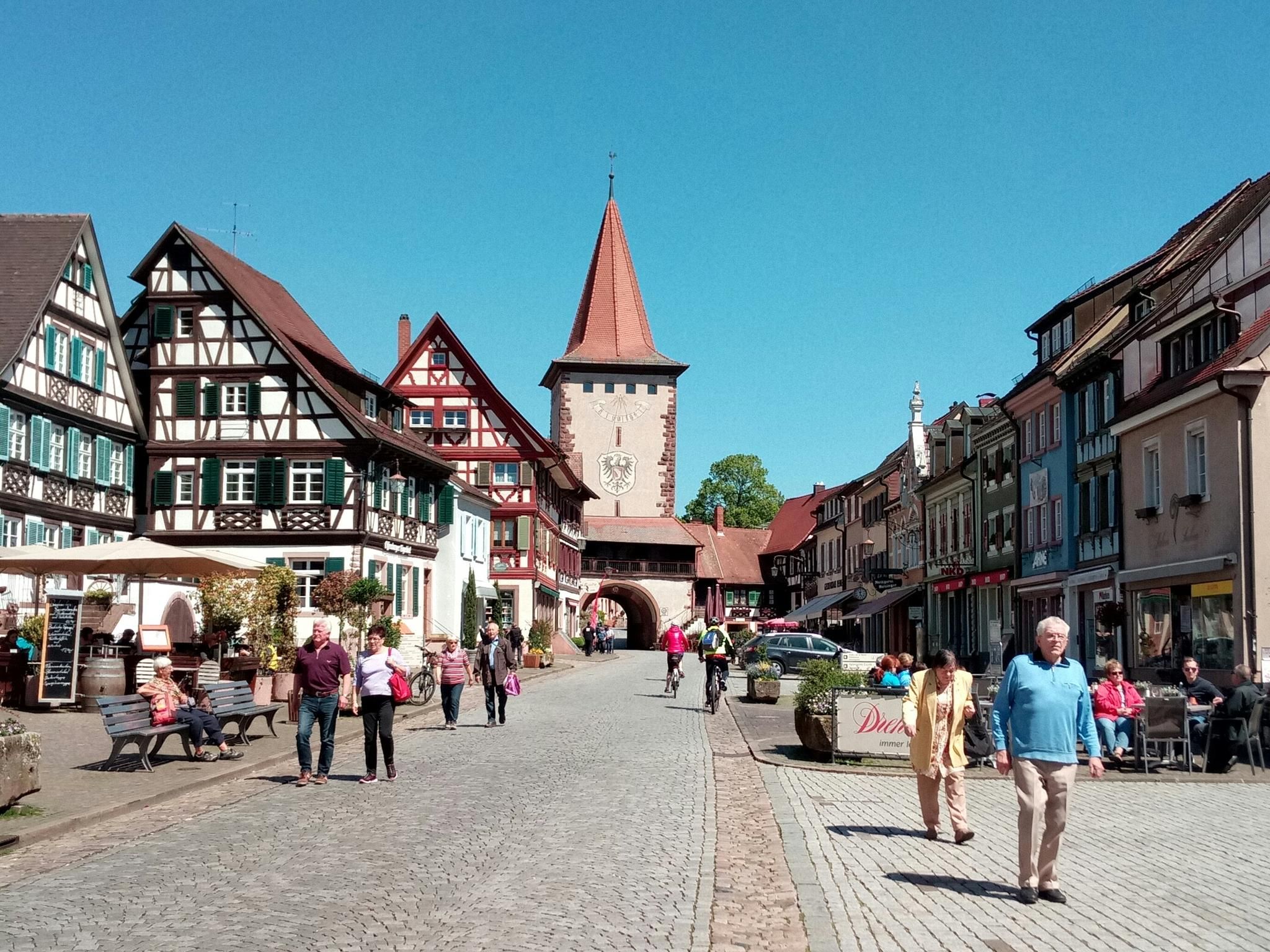
Cycling along the German Half-Timbered House Route
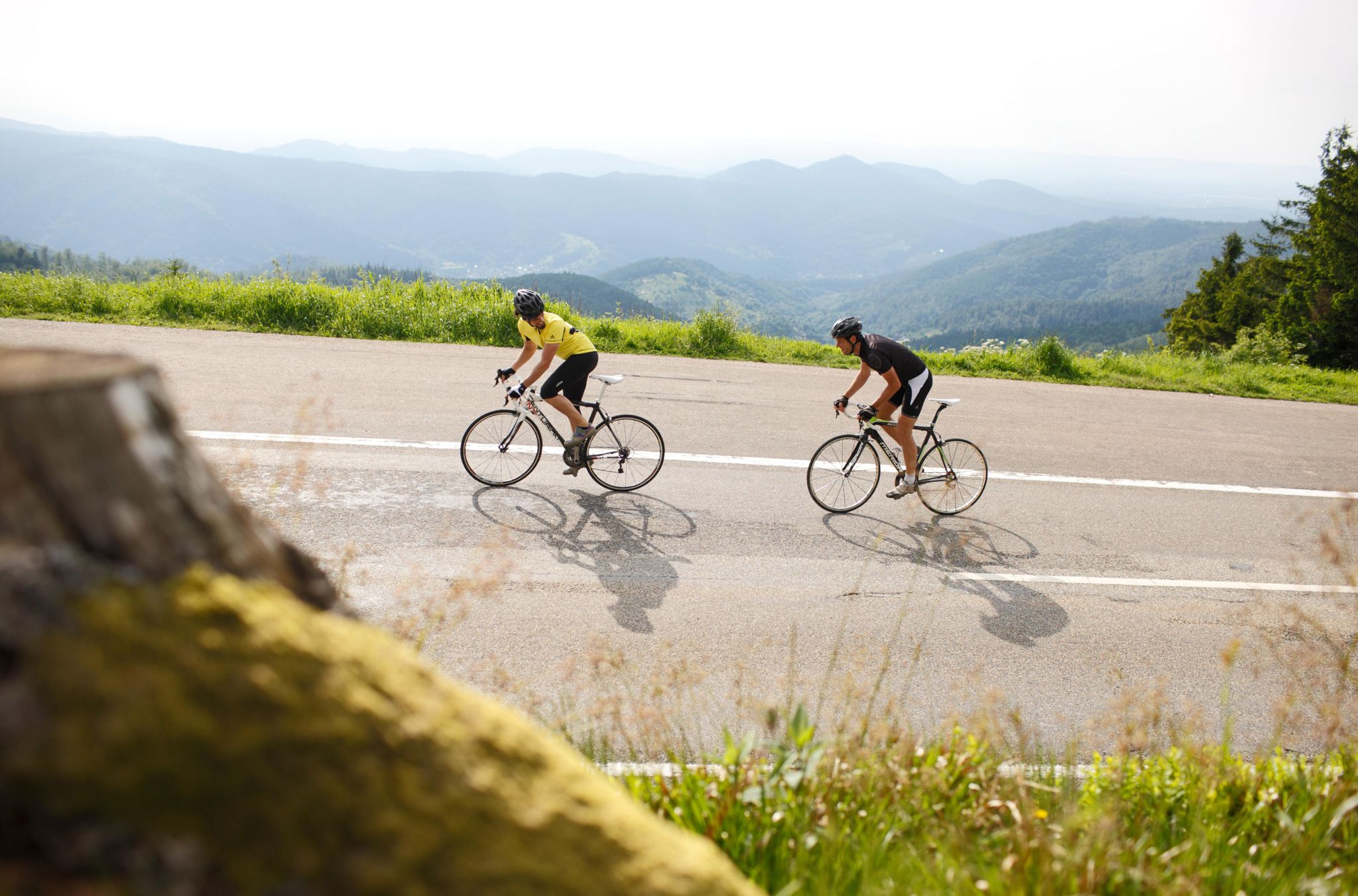
Discover Germany’s Baden-Württemberg by road bike
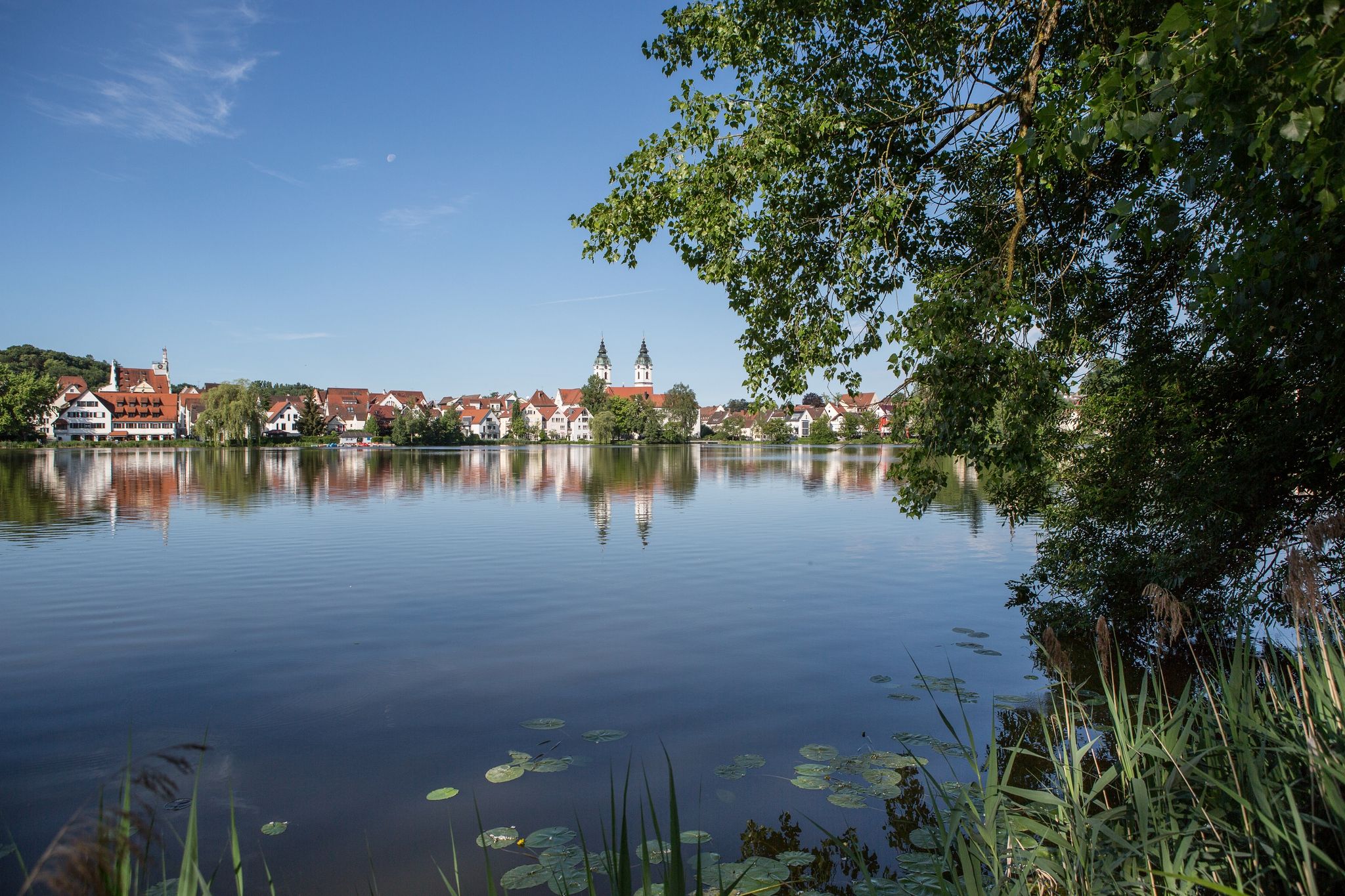
Discover Upper Swabia — Donau-Bodensee Cycle Route in 4 stages
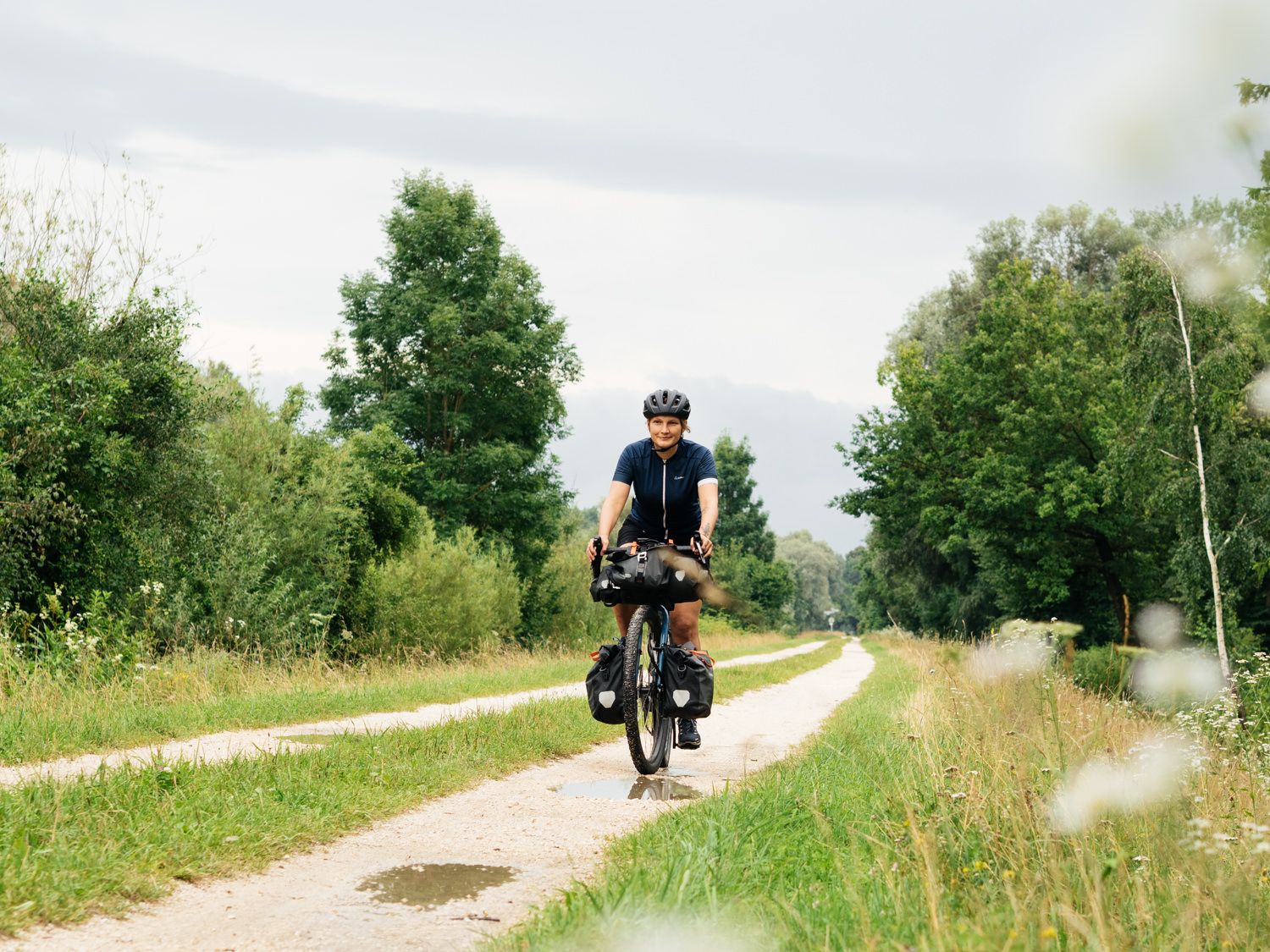
From Ulm to Oberstdorf – ride Germany’s Iller Cycle Path in 3 days
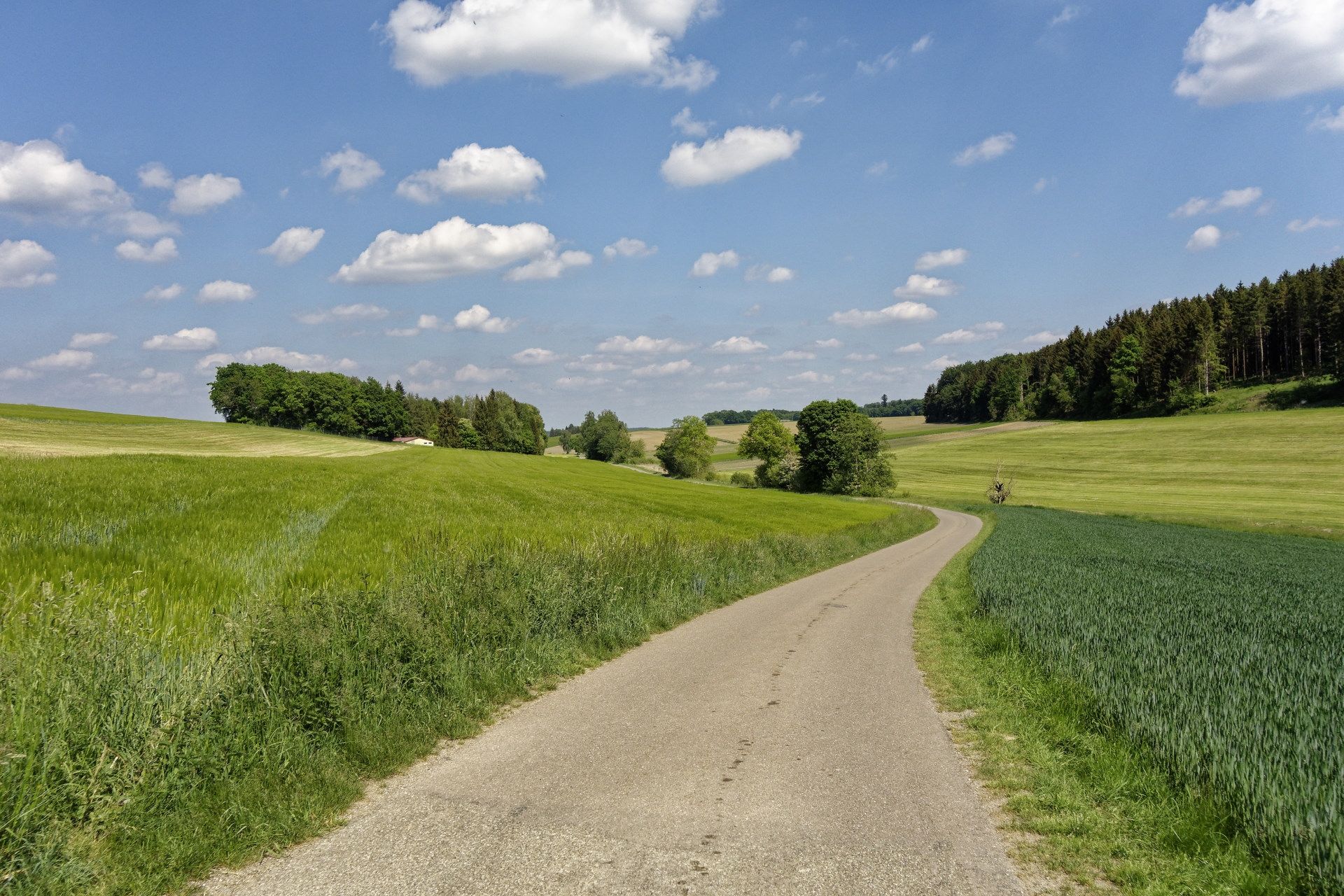
Discover the Oberschwaben-Allgäu Cycle Path in Germany
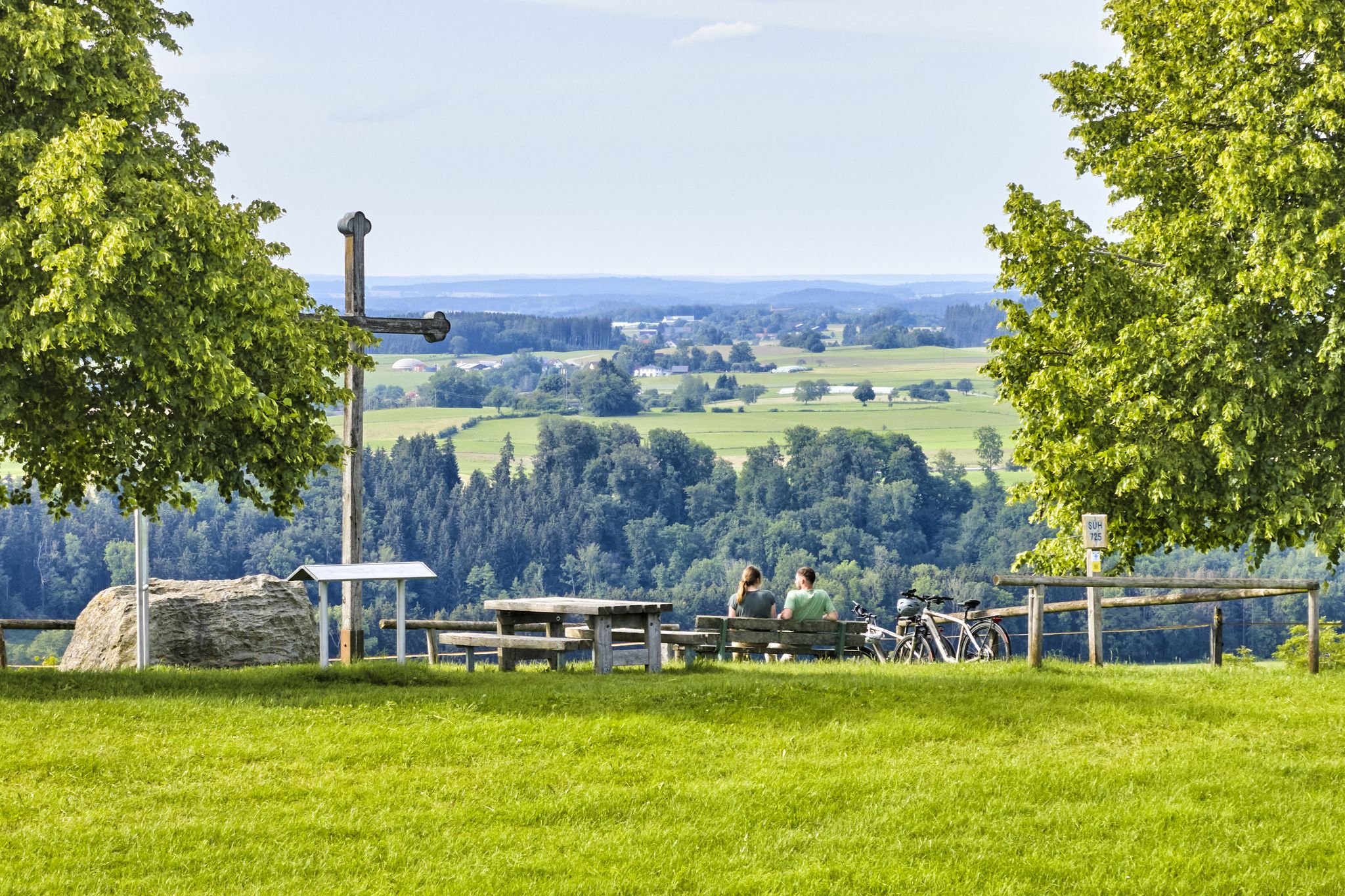
Cycling through Upper Swabia in Germany – beautiful paths & landscapes
Other adventures around Biberach


Tips from the Community

The castle ruins were the Schenkenburg and belonged to the former imperial city of Winterstetten.
1
0

Great church, which belongs to the castle
2
0

The Hanging Gardens are 50 m ahead.
0
0

It is a beautiful place, also good for a rest. It is easier to drive to the castle via the Stadelhof
0
0

From here a beautiful climb to the Alb
1
0

Collegiate Church of St. Cornelius and Cyprian", Bad Buchau 774 - 1776 converted from a Gothic church in the style of French classicism for the noble canonesses. Josef Christian from Riedlingen created the sculptures in the church, and Andreas Brugger painted the ceiling paintings in the choir and central nave. The church patrons Cornelius and Cyprianus still refer to the Carolingian tradition today. Adelindis, revered as a Swabian folk saint, rests with her three sons in the crypt of the collegiate church. Text / Source: Upper Swabia's sights https://www.oberschwaben-tourismus.de/attractions/stiftskirche-st.-cornelius-und-cyprian-b4c91cc6ec#:~:text=The%20Stiftskirche%20was%20not%20as%20Pfarrkirche%20built%2C%20but, and%20Cyprianus%20refer%20to%20the%20time%20of the%20Carolingians.
12
0
Staufenberg Castle, Wilflingen Wilflingen Castle Wilflingen Castle has been owned by the von Stauffenberg taverns since 1464 and is the oldest family seat of the former imperial knight family. Between 1710 and 1740, the Prince Bishop of Constance and Augsburg, Johann Franz Schenk von Stauffenberg, had the castle converted into a hunting lodge and the church, the Löwen inn and the Eisighof built. The rich furnishings of the rooms and the external appearance of the castle date from this period. The castle is inhabited by the family and has been open to the public to a limited extent since 1960. Text / source: Municipal administration of Langenenslingen https://www.langenenslingen.de/freizeit-kultur/sehenswertes/schloss-wilflingen
15
0
Hanging garden of Neufra The historic hanging garden of Neufra The historic hanging garden is a Renaissance garden that was created between 1569 and 1573 by Count Georg von Helfenstein with 202 serfs in front of his castle as a "hanging garden" on a flat surface on a specially built extension of the natural castle hill. The garden is supported by fourteen vaults up to nine meters high. The historic garden was restored in 1988 on the private initiative of Waltraud Johannsen based on a drawing from the archives of the Princes of Fürstenberg with the help of the Monuments Office. Text / Source: Historical Hanging Garden Foundation, Schlossberg 12, 88499 Riedlingen-Neufra https://www.haengegarten.de/de/index.php
15
1
Frequently Asked Questions
Which castles around Biberach offer the best panoramic views?
For breathtaking panoramic views of Upper Swabia, visit Bussen Pilgrimage Church and Castle Ruins. Its tower can be climbed during summer months, offering extensive vistas. The Schenkenburg Castle Ruins also provide a scenic spot with great views, despite being mostly wall remains.
Are there any family-friendly castles or activities for children in the Biberach area?
Yes, the Bachritterburg Kanzach Open-Air Museum is an excellent choice for families. It's a reconstruction dedicated to the history of the Bach Knights, offering an immersive experience into medieval life. They often have 'Living History' events where you might meet knights in armor. Großlaupheim Castle also hosts events that can be family-friendly, and the Bussen Pilgrimage Church and Castle Ruins has an easy hiking trail around it, suitable for strollers.
What kind of historical insights do the castles around Biberach offer?
The castles provide a rich tapestry of regional history. Wilflingen Castle, a family seat since 1464, showcases Baroque architecture from its conversion into a hunting lodge. Grüningen Castle features rare Hohenstaufen elements and a continuous family history since 1311. Schlössle Alberweiler reflects late 15th and 16th-century architectural styles, including half-timbered construction.
What outdoor activities can I combine with a castle visit in Biberach?
Many castles are situated amidst natural settings, perfect for outdoor activities. You can find numerous gravel biking routes and MTB trails around Biberach, some passing near castles like those around Federsee Lake. For runners, there are various running trails, including loops from Bad Buchau and Seekirch. The area around Bussen Pilgrimage Church and Castle Ruins offers a pleasant 45-minute hiking trail.
Are there any unique or less-known castles worth exploring in the region?
Beyond the well-known sites, consider Hanging Gardens of Neufra Castle, which offers a unique natural and historical blend. While mostly ruins, the Schenkenburg Castle Ruins provide a historical marker and scenic views, offering a sense of past grandeur. Stadion Castle, the ancestral seat of a prominent noble family, offers a look at 14th-century residential castle architecture.
What is the best time of year to visit the castles around Biberach?
The spring and summer months (April to September) are generally ideal for visiting, as the weather is pleasant for exploring castle grounds and enjoying outdoor activities. During these months, attractions like the tower at Bussen Pilgrimage Church and Castle Ruins are open. Some open-air museums, like Bachritterburg Kanzach, also have extended opening hours during this period.
Are there any castles that are still inhabited or privately owned?
Yes, Wilflingen Castle has been owned by the von Stauffenberg family since 1464 and remains inhabited by the family. It has been partially open to the public since 1960, allowing visitors to appreciate its Baroque architecture and interior design. Grüningen Castle has also been passed down through the Hornstein-Grüningen line since 1311 and is still privately owned, with visits possible by appointment.
Can I find cafes or restaurants near the castles in Biberach?
Yes, some castles have facilities nearby. Großlaupheim Castle has a cafe, and the Bachritterburg Kanzach Open-Air Museum features a castle tavern serving good food. For other locations, you might find options in the nearest towns or villages, such as the Löwen inn near Wilflingen Castle.
What are the options for public transport or parking when visiting castles?
Information on specific public transport routes to individual castles can vary, so it's advisable to check local transport schedules for the specific castle you plan to visit. Many castles, especially those in more rural settings, are best accessed by car, and parking is generally available nearby, though it might be limited at smaller sites or ruins. For example, the Bussen Pilgrimage Church and Castle Ruins are accessible via a short hike from parking areas.
Are there any castles that are particularly significant for their architectural style?
Absolutely. Wilflingen Castle is a prime example of Baroque architecture, transformed into a hunting lodge between 1710 and 1740. Schlössle Alberweiler showcases a blend of late 15th-century brick and attractive half-timbered construction. Grüningen Castle is notable for incorporating a keep made of Hohenstaufen humpback ashlar from an earlier structure, visible on its east side.
What do visitors enjoy most about the castles around Biberach?
Visitors frequently appreciate the historical significance and the diverse architectural styles of the castles. The panoramic views from sites like Bussen Pilgrimage Church and Castle Ruins are highly praised. The immersive experience at the Bachritterburg Kanzach Open-Air Museum is also a favorite, especially for its family-friendly atmosphere and living history events. Many enjoy combining castle visits with the surrounding hiking and biking trails.
Most popular routes around Biberach
Most popular attractions around Biberach

Get inspired with the komoot mobile app


Didn’t find what you were looking for?
Explore Biberach’s best castles region by region:
Explore more
Looking for the best castles somewhere else? Discover other guides around Biberach:
