Top 20 Caves in the Spessart
Best caves in the Spessart are found within a low-mountain range primarily located in Bavaria and Hesse, characterized by dense forests and historic towns. The region's geology includes Muschelkalk, red sandstone, and basalt, which contribute to its diverse cave formations. While known for its natural landscapes, the Spessart also features significant natural caves and grottoes with cultural and historical importance. These sites offer insights into the area's geological past and local heritage.
Best caves in the Spessart
- The most popular…
Last updated: June 24, 2026
Horbach Marian Grotto
Highlight • Religious Site
Translated by Google •
Tip by

Gruselpfad and Drachenhöhle (MÖ1), Bavarian Odenwald Nature Park
Highlight (Segment) • Trail
Translated by Google •
Tip by

Sign up now to discover places like this
Get recommendations on the best single tracks, peaks, & plenty of other exciting outdoor places.
Sign up for free
Beilstein Trail
Highlight • Trail
Showing Translation
Tip by

Beilstein Basalt Formation
Highlight • Natural Monument
Translated by Google •
Tip by
Wilhelmine Copper Mine
Highlight • Historical Site
Translated by Google •
Tip by

Mary's Grotto with Waterfall near Sommerkahl
Highlight • Religious Site
Translated by Google •
Tip by

Marian Grotto in Lengtal
Highlight • Religious Site
Showing Translation
Tip by

Lourdes Grotto Gambach
Highlight • Religious Site
Translated by Google •
Tip by
Marian Grotto in the Bächlesgrund
Highlight • Religious Site
Translated by Google •
Tip by

Bensenbruch Quarry and World War II Shelter
Highlight • Cave
Translated by Google •
Tip by

Sign up for free to discover even more caves in the Spessart.
Sign up for free
Already have an account?
Start today with a free account
Your next adventure awaits.
Login or Signup
Popular around Spessart
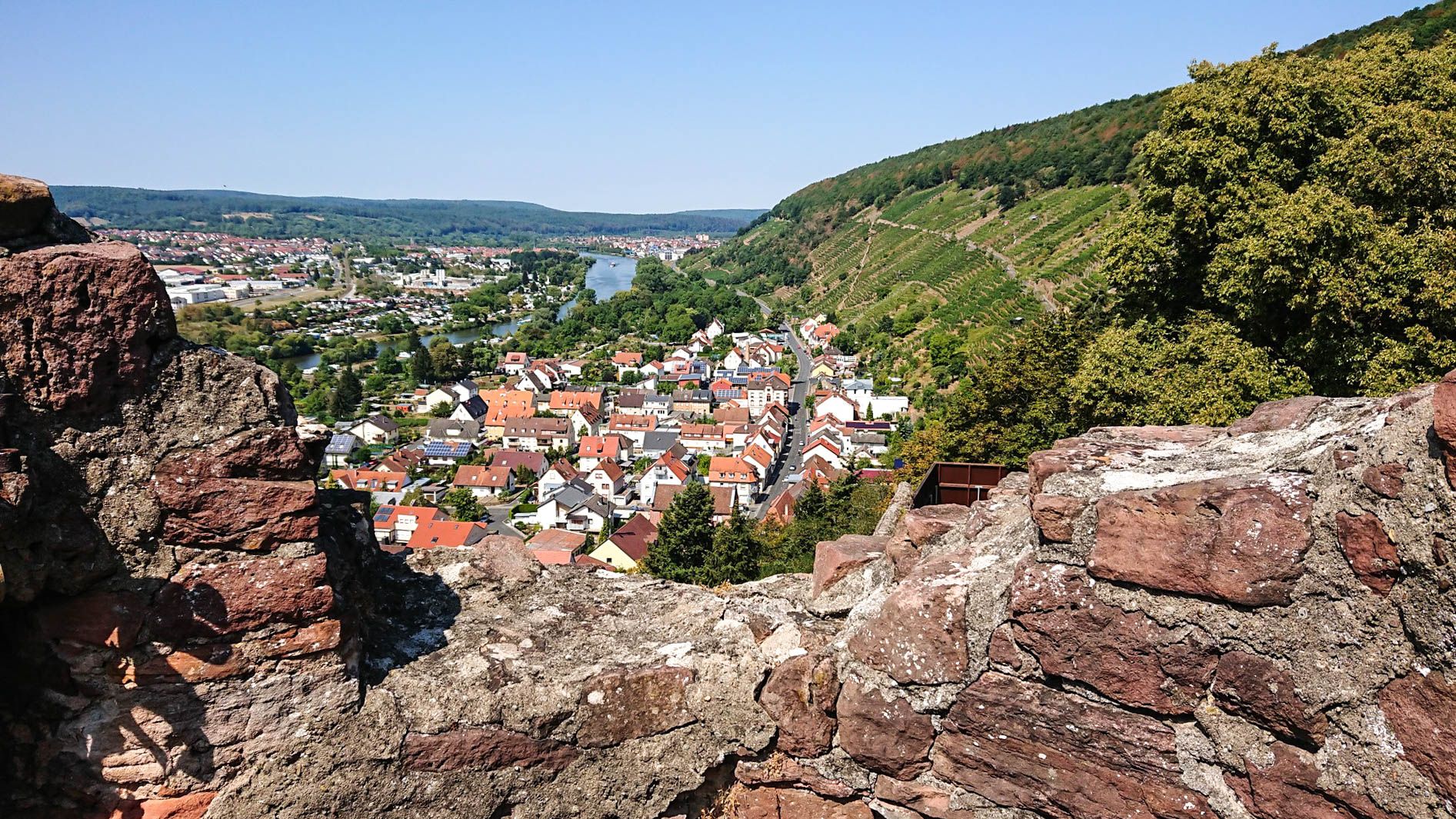
Franconian Red Wine Trail — From vineyards to the Main River
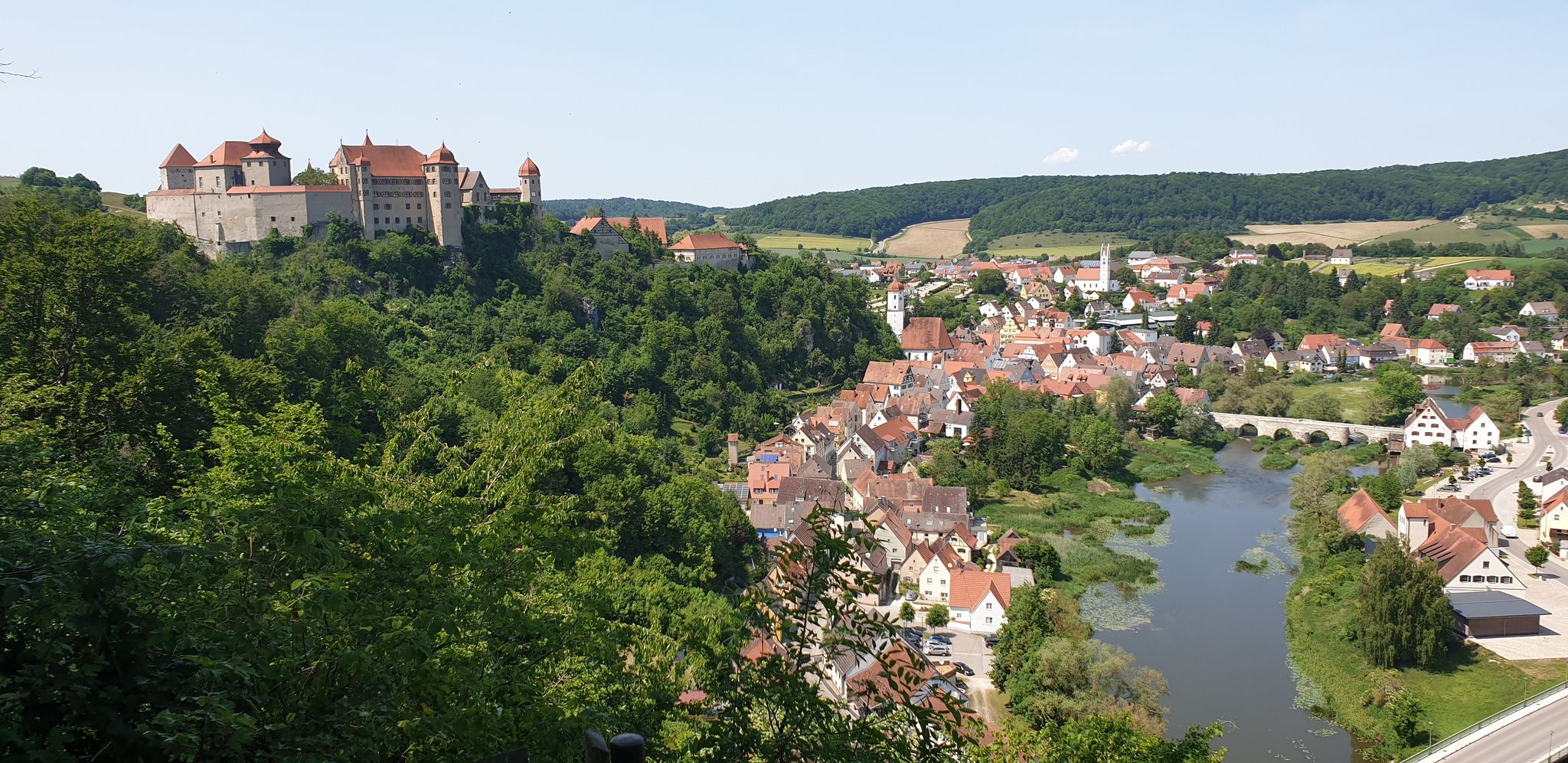
The Romantic Road – To the Pearls of Southern Germany
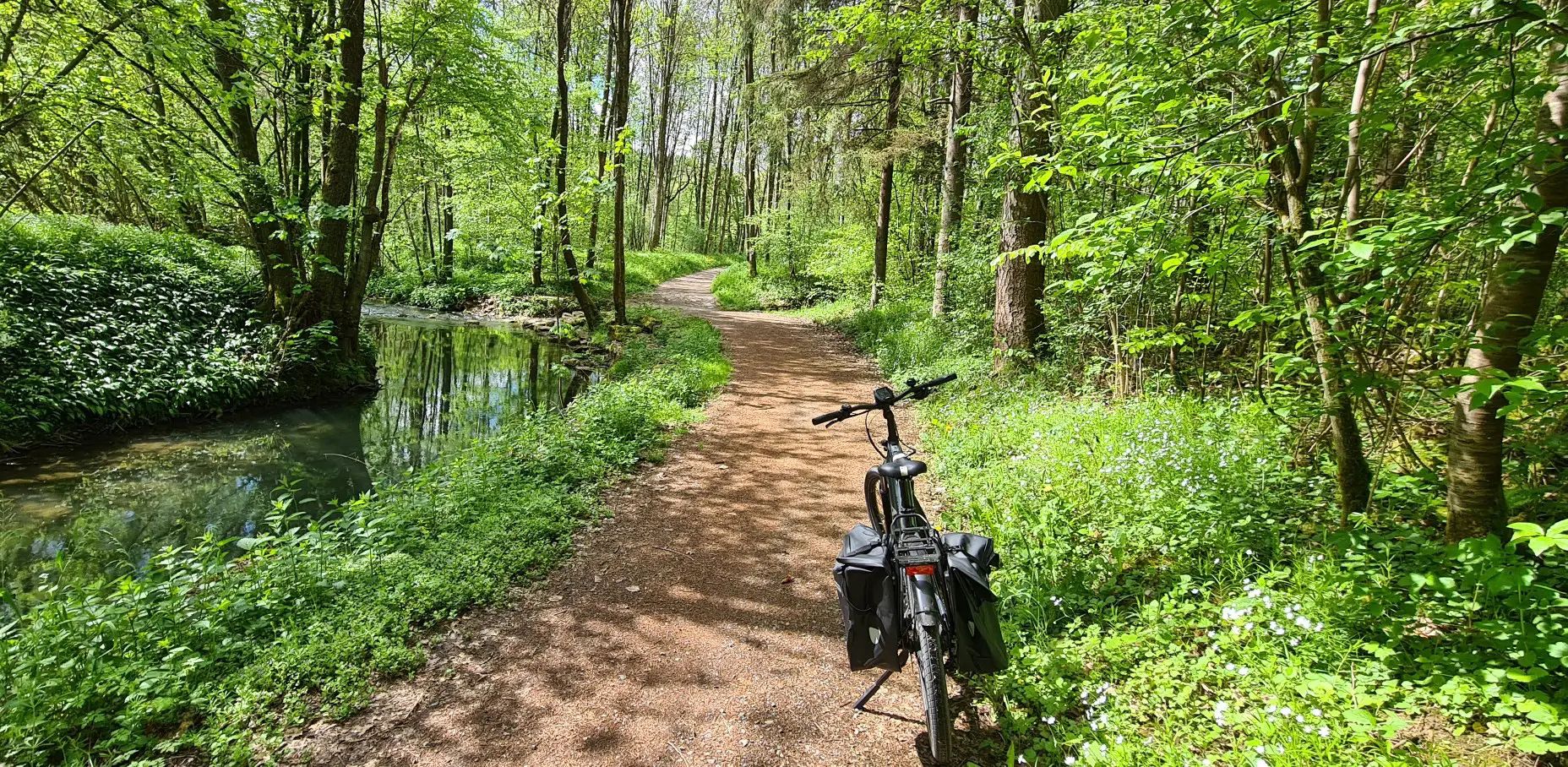
Germany's Main-Tauber-Franconian Radachter – two loops, one experience
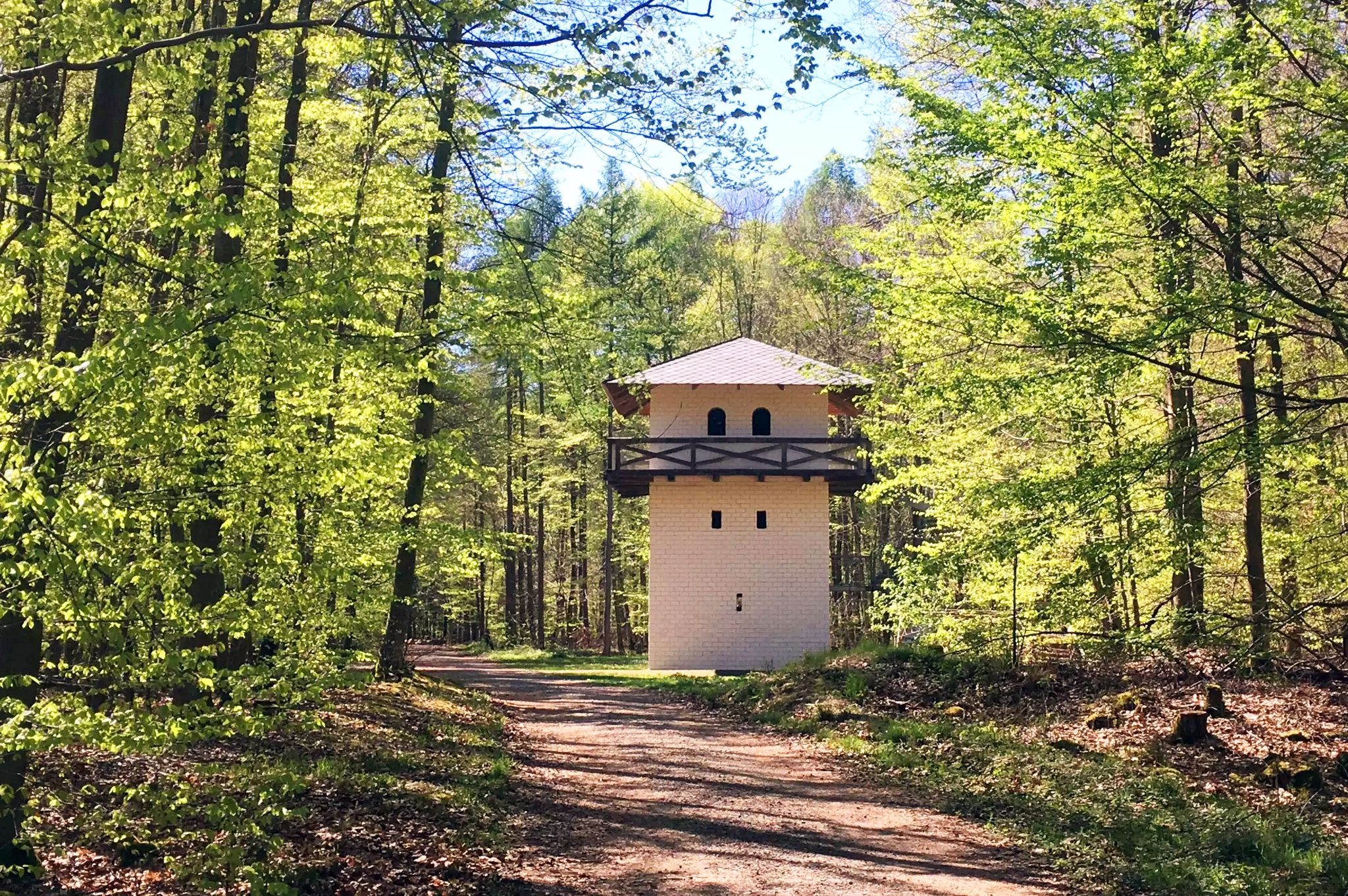
German Limes Cycle Path – Riding from the Rhine to the Danube
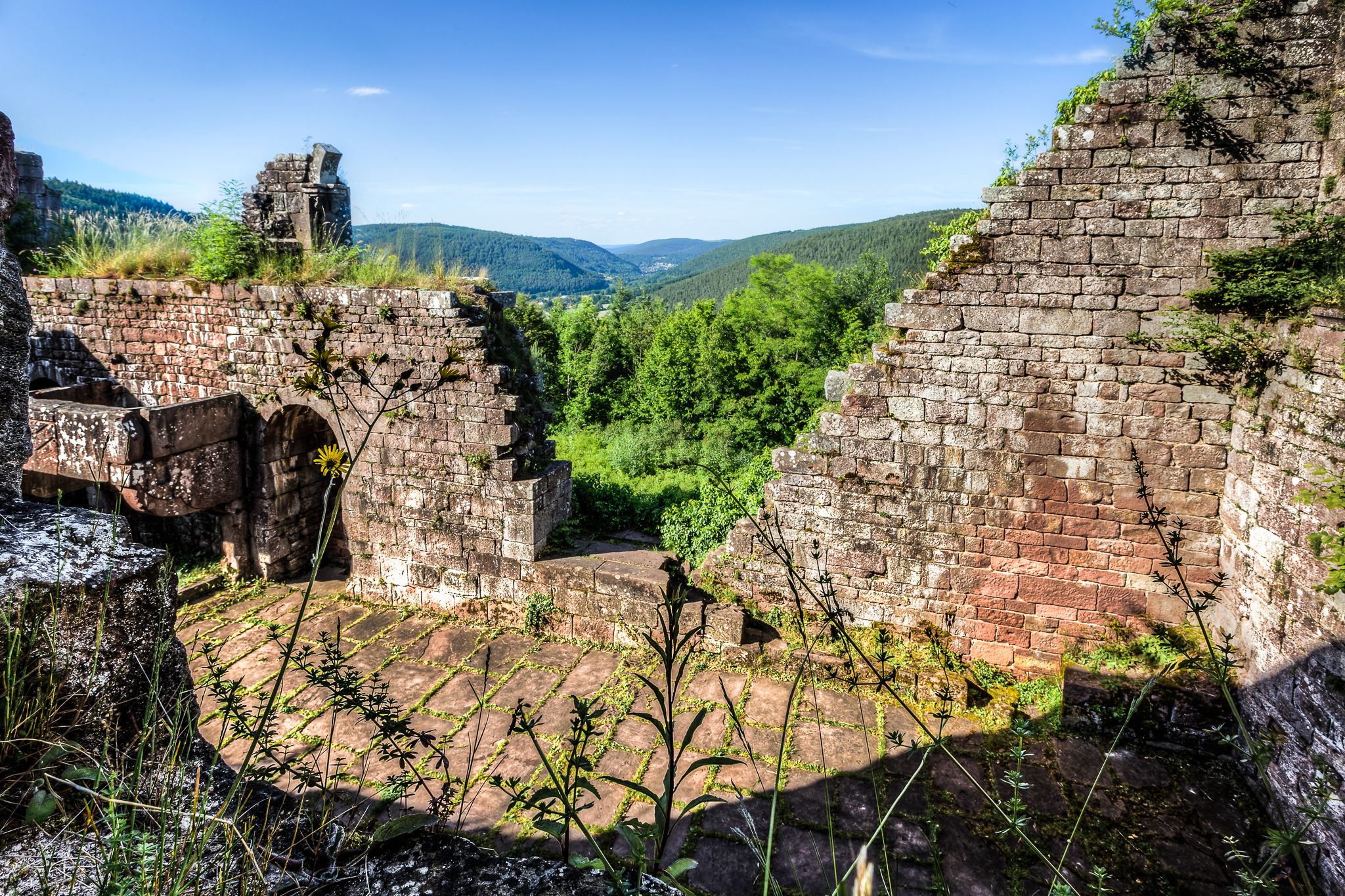
The Nibelungensteig in 7 stages – Simply legendary!
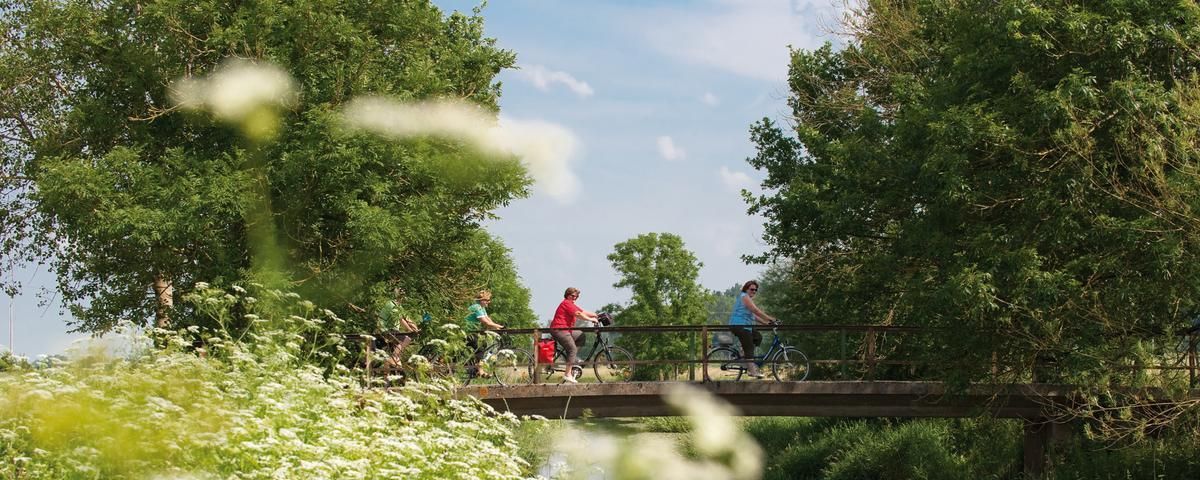
The most beautiful long-distance cycle paths in Franconia
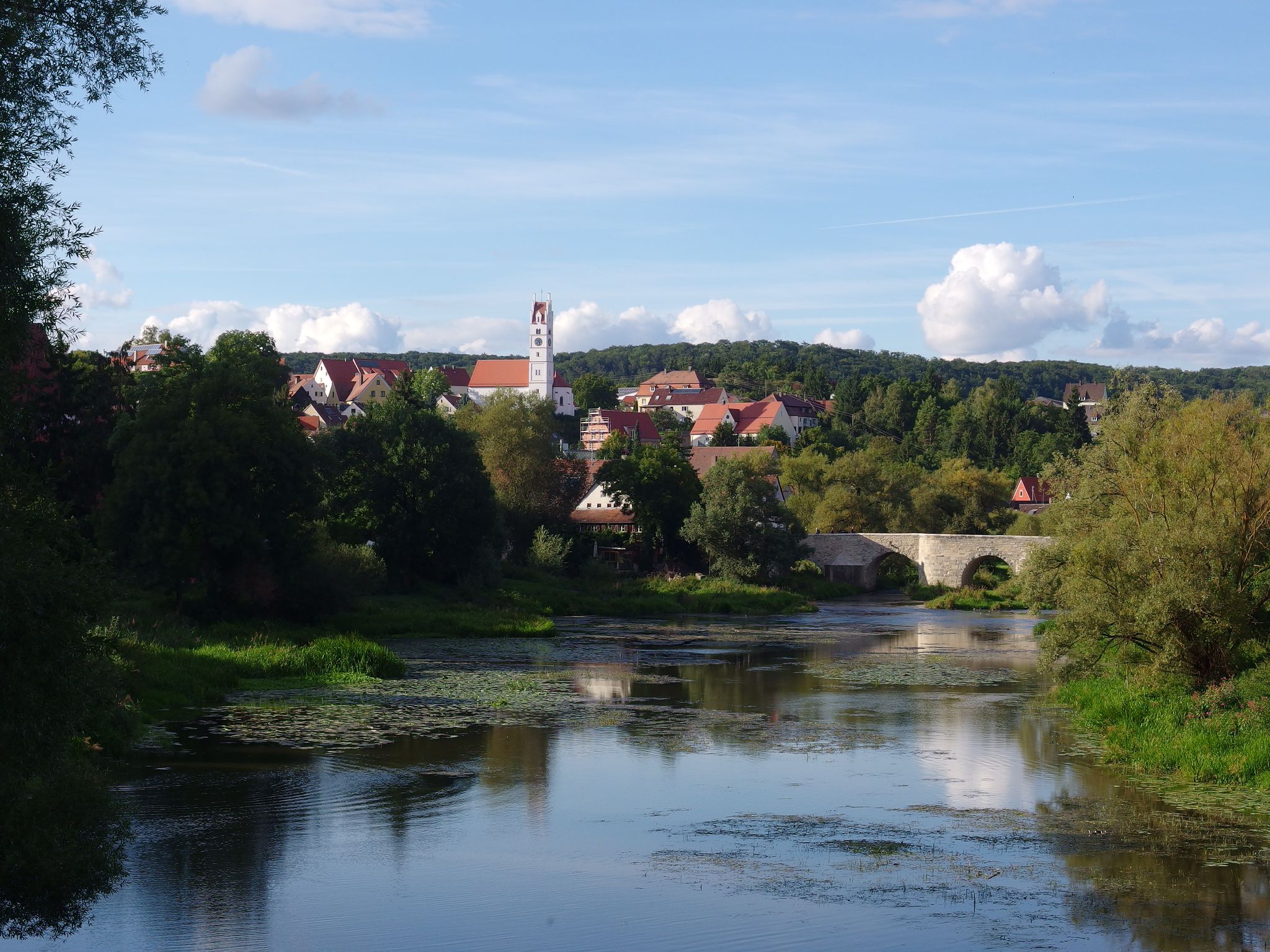
The Romantic Road – 10 fabulous stages
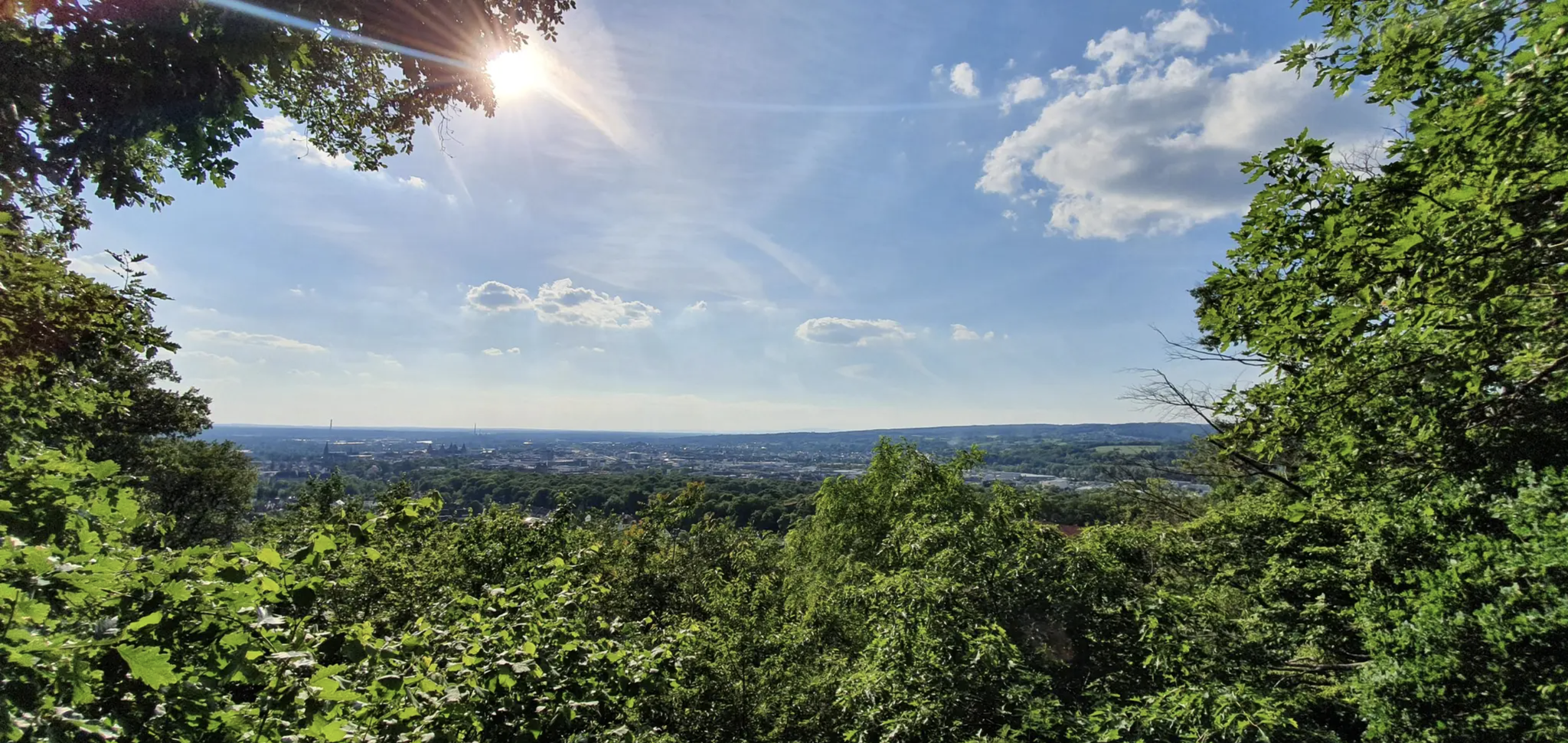
Germany's Spessart Trail – Free as a bird
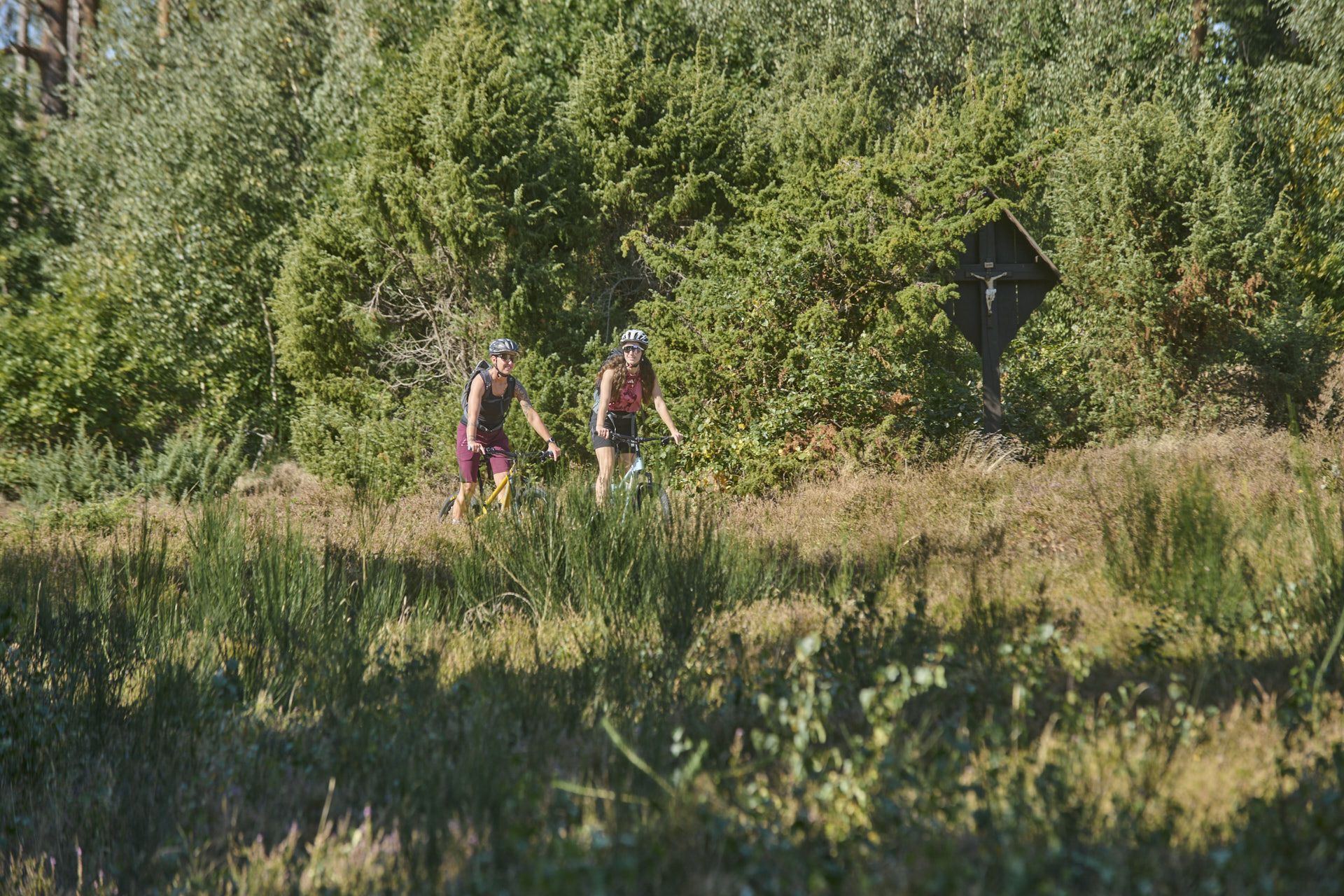
Nature, trails and local cuisine – MTB in the Spessart
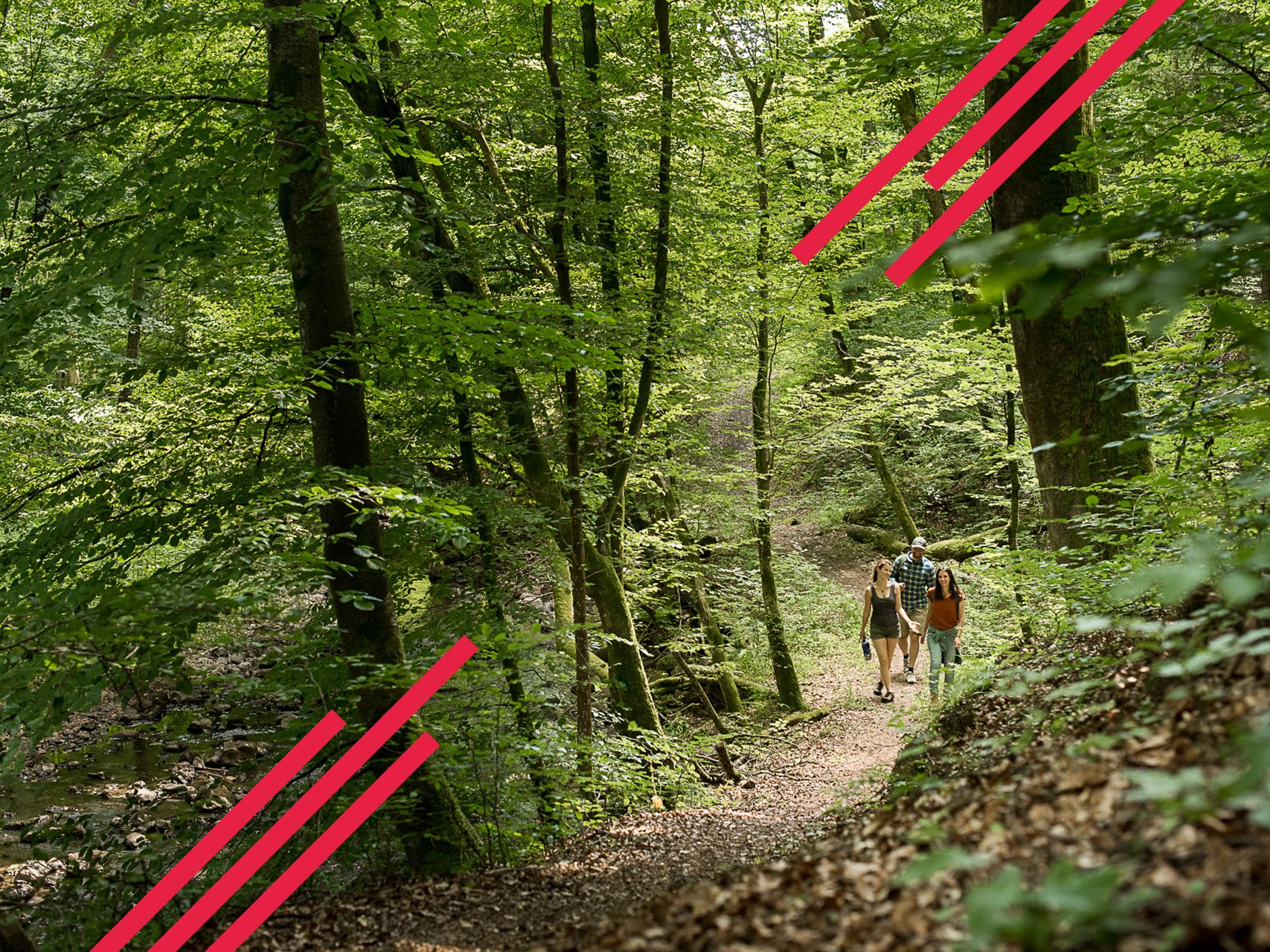
Relaxed hiking in the Spessart – short trails of discovery
Other adventures in the Spessart


Tips from the Community

The large Mariengrotte is a very 😀 beautiful, lovingly designed and maintained facility in the Bächlesgrund and is one of the highlights on the “Seven Grottoes Trail”
1
0

Fine relaxed spot of earth that is beautifully maintained
10
0

A very beautiful place, with a view of the Main valley
3
0
There is a very well-kept and beautiful grotto dedicated to the Virgin Mary, right on the path from Sommerkahl up to the "Engländer". Here you can also linger for a moment and take a break.
3
0
The beautiful and well-maintained Mariengrotte was built in 1947 by the “Natur- und Vogelschutz Verein”.
4
0
It's a beautiful and well-maintained place. A perfect spot for a peaceful break.
3
0

Lourdes Grotto This grotto was built in 1958 to mark the 100th anniversary of the Marian apparitions in Lourdes. During the First World War, Philipp Mehler from Gambach vowed to build a place of worship in his homeland after a miraculous rescue. After a pilgrimage to Lourdes in 1954, from which he brought the statue of the Virgin Mary, he kept his promise and, together with other helpers, built this grotto in a former quarry near the vineyards. Source: Information board at the site
2
0
Frequently Asked Questions
What types of caves can I explore in the Spessart region?
The Spessart region offers a diverse range of subterranean experiences. You can find significant natural stalactite caves like the Teufelshöhle, historical mining tunnels such as the Wilhelmine Copper Mine, and various grottoes with cultural or religious importance, including several Marian Grottoes.
Which is the most notable natural cave in the Spessart region?
The most notable natural cave is the Teufelshöhle (Devil's Cave) near Steinau an der Straße. It is Hessen's largest stalactite cave, formed in Muschelkalk, and features impressive stalactites, stalagmites, and stalagnates. It is an electrically illuminated show cave with guided tours.
Are there any caves with historical or cultural significance in the Spessart?
Yes, the Spessart region has several sites with historical and cultural importance. These include the Wilhelmine Copper Mine, which offers insights into historical mining, and the Bensenbruch Quarry and World War II Shelter. Additionally, the Lourdes Grotto Gambach, Burkardus Crypt, Heidenloch Cave, and the Grotto at the Radegundis Chapel are significant for their religious or folklore connections.
Can I visit a cave that is part of a hiking trail?
Absolutely. The Gruselpfad and Drachenhöhle (MÖ1), Bavarian Odenwald Nature Park is a popular trail that includes a dragon cave. Another option is the Beilstein Trail, which features a cave and an unusual basalt rock formation.
Are there family-friendly caves to visit in the Spessart?
Yes, several sites are suitable for families. The Wilhelmine Copper Mine is family-friendly, offering an educational experience. Additionally, religious grottoes like the Horbach Marian Grotto, Marian Grotto in Lengtal, and Marian Grotto in the Bächlesgrund are generally accessible and offer a peaceful experience for all ages.
What unique geological formations can be found in the Spessart caves?
Beyond the stalactites and stalagmites of the Teufelshöhle, you can encounter the Beilstein Basalt Formation, which is a rare basalt rock in the predominantly sandstone Spessart. There's also the Teschen Cave, which is a volcanic vent, showcasing the region's diverse geological past.
What is the best time of year to visit the Teufelshöhle?
The Teufelshöhle maintains a constant temperature of 7-11 degrees Celsius year-round, making it a suitable visit in any season. However, it serves as a vital winter sleeping ground for various bat species, so specific winter closures or restrictions might apply to protect the wildlife. It's advisable to check current opening hours before your visit.
What outdoor activities can I do near the caves in the Spessart?
The Spessart region is excellent for outdoor activities. You can find numerous MTB Trails, Mountain Hikes, and Waterfall hikes throughout the area. Many trails lead to or pass by the various caves and grottoes, offering a combination of natural exploration and physical activity.
Are there any caves in the Spessart that are wheelchair accessible?
The Teufelshöhle near Steinau an der Straße is partially wheelchair-accessible, with approximately 150 meters of its electrically illuminated show cave designed for accessibility. It's recommended to confirm specific accessibility details with the cave operators prior to your visit.
What do visitors enjoy most about the caves in the Spessart?
Visitors appreciate the unique combination of natural beauty and historical significance. Highlights like the Gruselpfad and Drachenhöhle are praised for their scenic forest sections and the 'scary path.' The Beilstein Trail is noted for its worthwhile detour to an unusual basalt rock formation. Many also enjoy the peaceful and reflective atmosphere of the various Marian Grottoes.
Can I explore historical underground structures other than natural caves?
Yes, in addition to natural caves, you can visit the Wilhelmine Copper Mine, which provides insight into historical mining operations. Another interesting site is the Ice Cellar Klingenberg Gorge, a man-made historical structure.
Most popular routes in the Spessart
Most popular attractions in the Spessart

Get inspired with the komoot mobile app


Explore more
Extend your search for the best caves by checking out these guides of the top ones in the Spessart:
