Top 20 Caves in the Lahntal
Caves in the Lahntal reveal a landscape shaped by geological processes and historical activity. The region features the Lahn river valley and surrounding hills, offering diverse natural beauty. Underground sites include unique natural caves, historical mines, and ancient defensive structures. These locations provide insight into the area's geology and industrial heritage.
Best caves in the Lahntal
- The most popular caves is Eternal Ice at Dornburg, a natural monument known for its unique ice formation. This site is a unique…
Last updated: October 11, 2026
Eternal Ice at Dornburg
Highlight • Natural Monument
Translated by Google •
Tip by

Ruins of Hohenfels Castle
Highlight • Castle
Translated by Google •
Tip by

Sign up now to discover places like this
Get recommendations on the best single tracks, peaks, & plenty of other exciting outdoor places.
Heinzelmann Caves
Highlight • Cave
Translated by Google •
Tip by

Grube Ypsilanta Mine Entrance
Highlight • Historical Site
Translated by Google •
Tip by

Mork Cave
Highlight • Cave
Translated by Google •
Tip by

Eisensegen Mine Tunnel Entrance
Highlight • Historical Site
In the Kerkerbachtal north-east of Eschenau, mining in the Eisensegen mine was (again) started as the ore mining was intensified by the National …
Translated by Google •
Tip by

Lourdes Grotto (Station 10)
Highlight • Religious Site
Translated by Google •
Tip by

Stübchen Iron Mine Entrance
Highlight • Historical Site
Tip by

Handstein Mine
Highlight • Historical Site
Translated by Google •
Tip by

Woolly Rhinoceros Cave
Highlight • Cave
Translated by Google •
Tip by

Sign up for free to discover even more caves in the Lahntal.
Already have an account?
Start today with a free account
Your next adventure awaits.
Popular around Lahntal
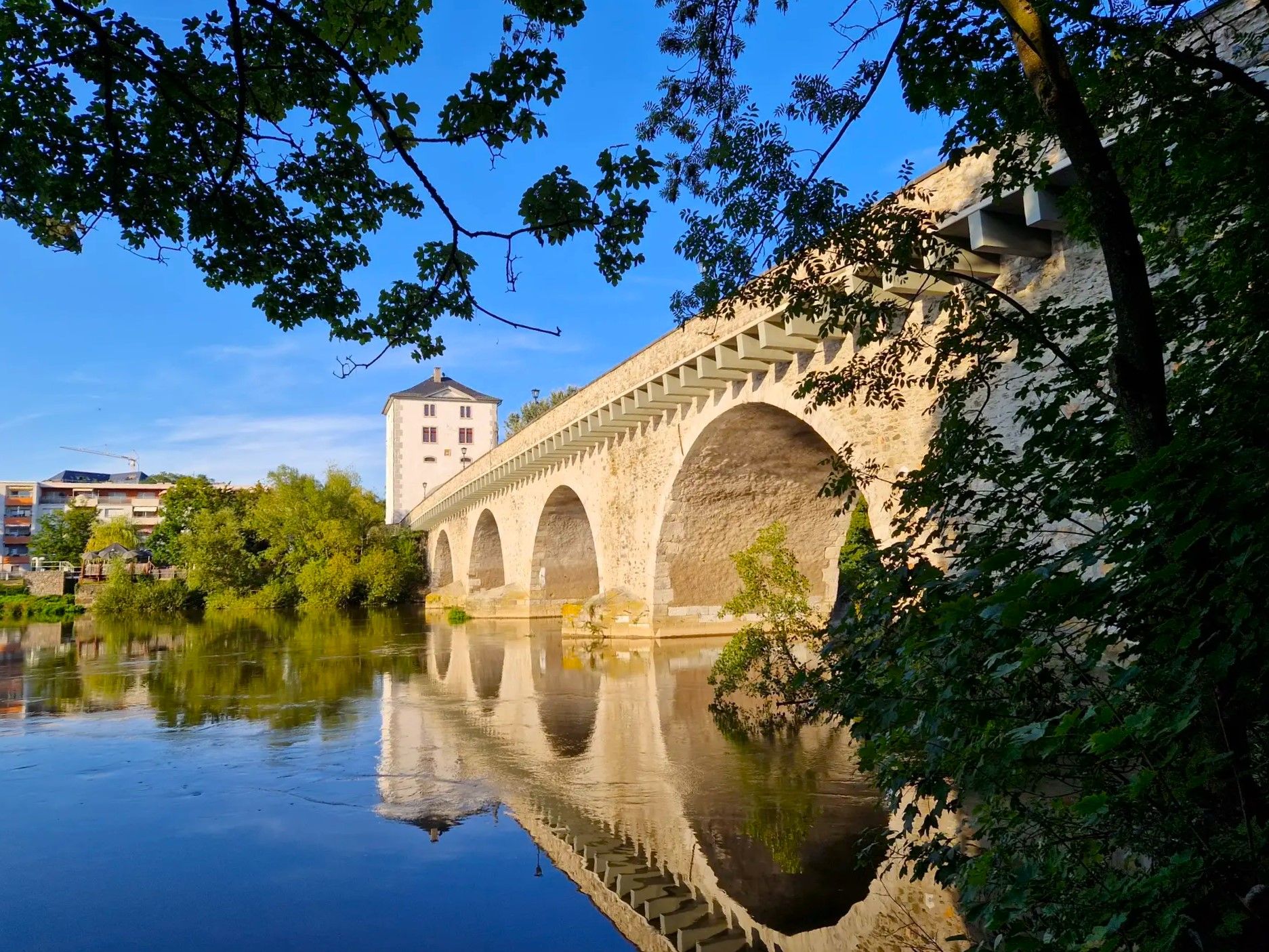
Lahnwanderweg Trail – The Lahn from its source to the estuary
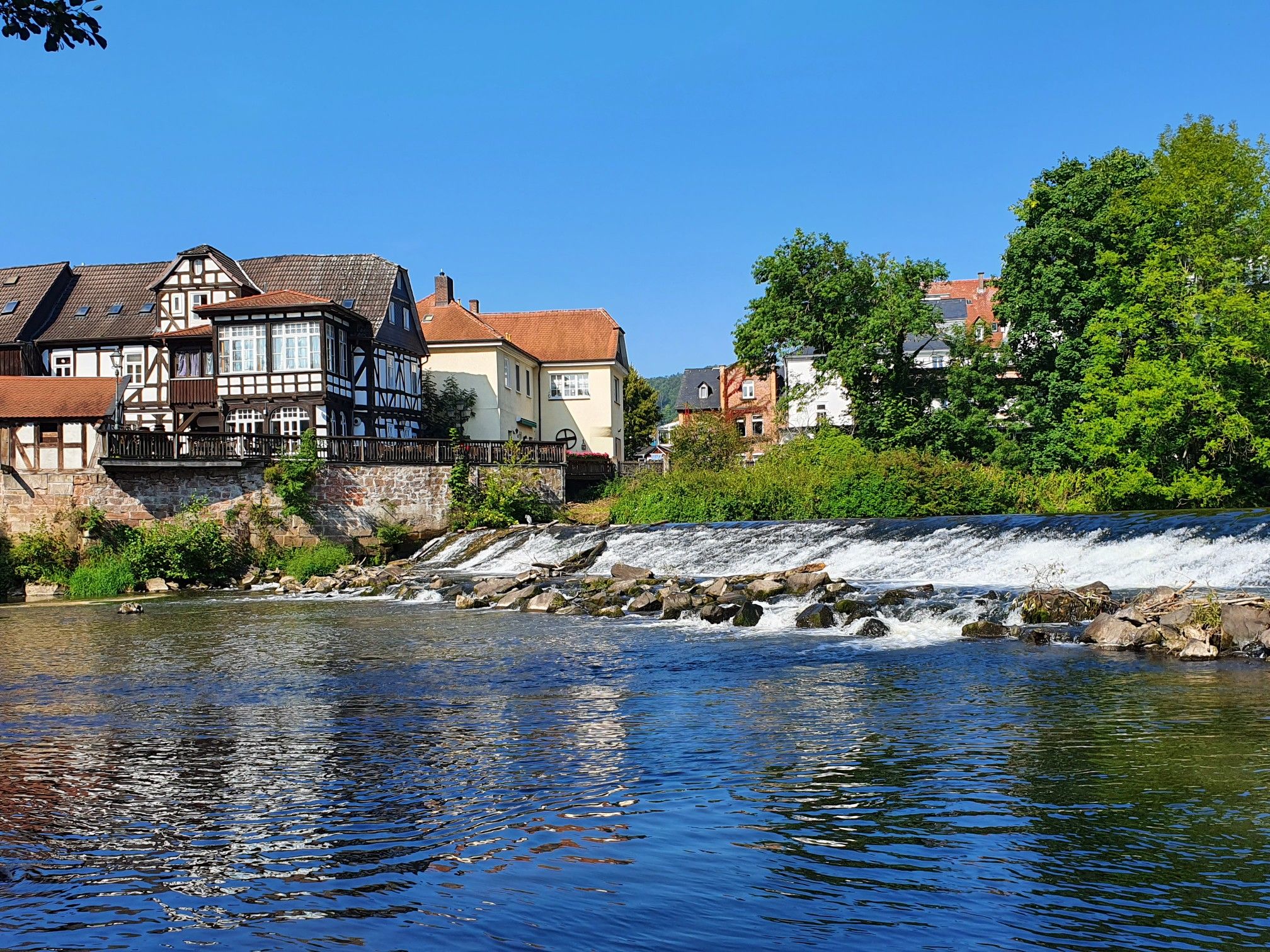
11 Hessen trails – criss-cross through the countryside
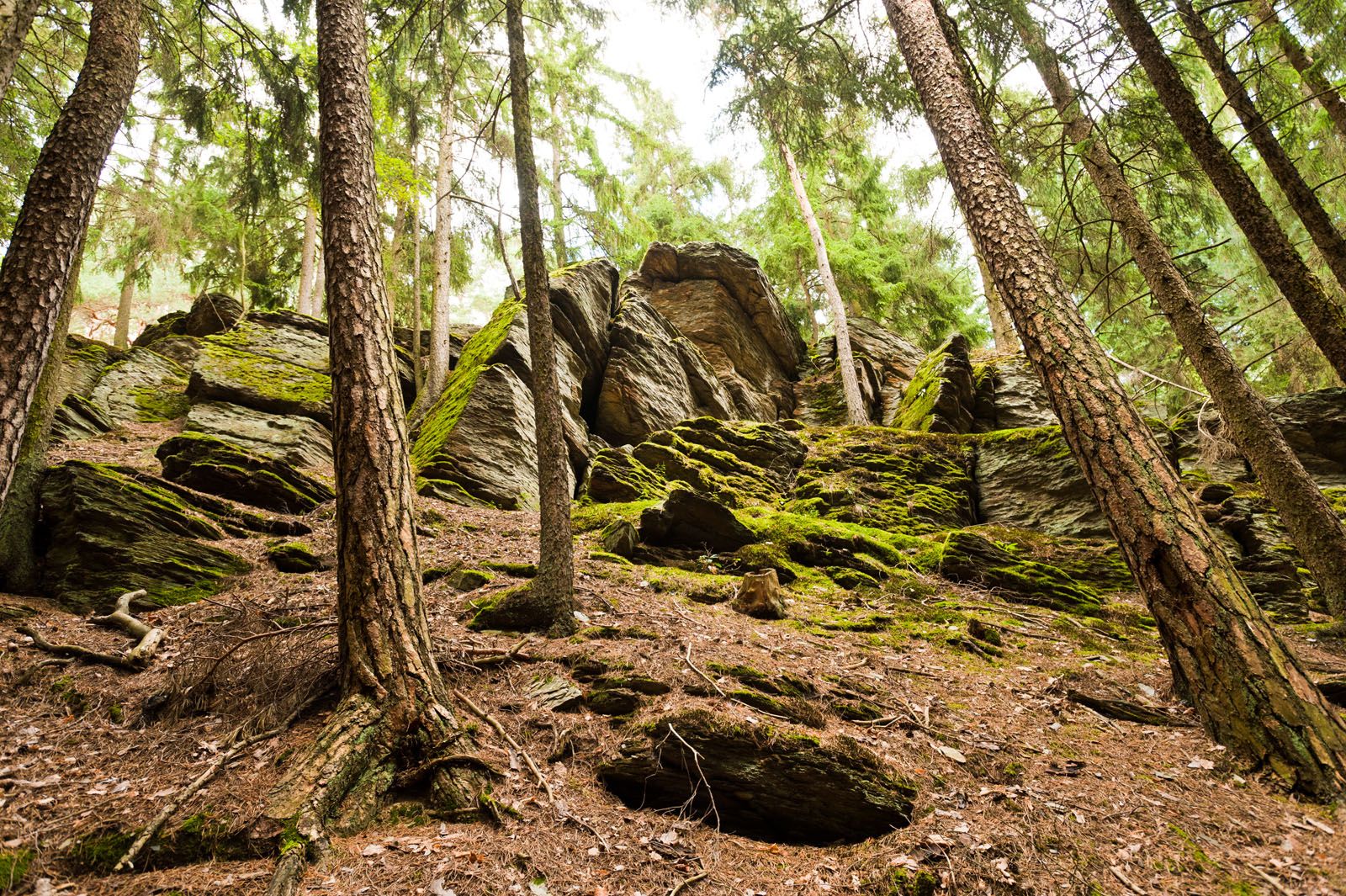
Lahn-Dill-Bergland-Pfad – Hiking trail
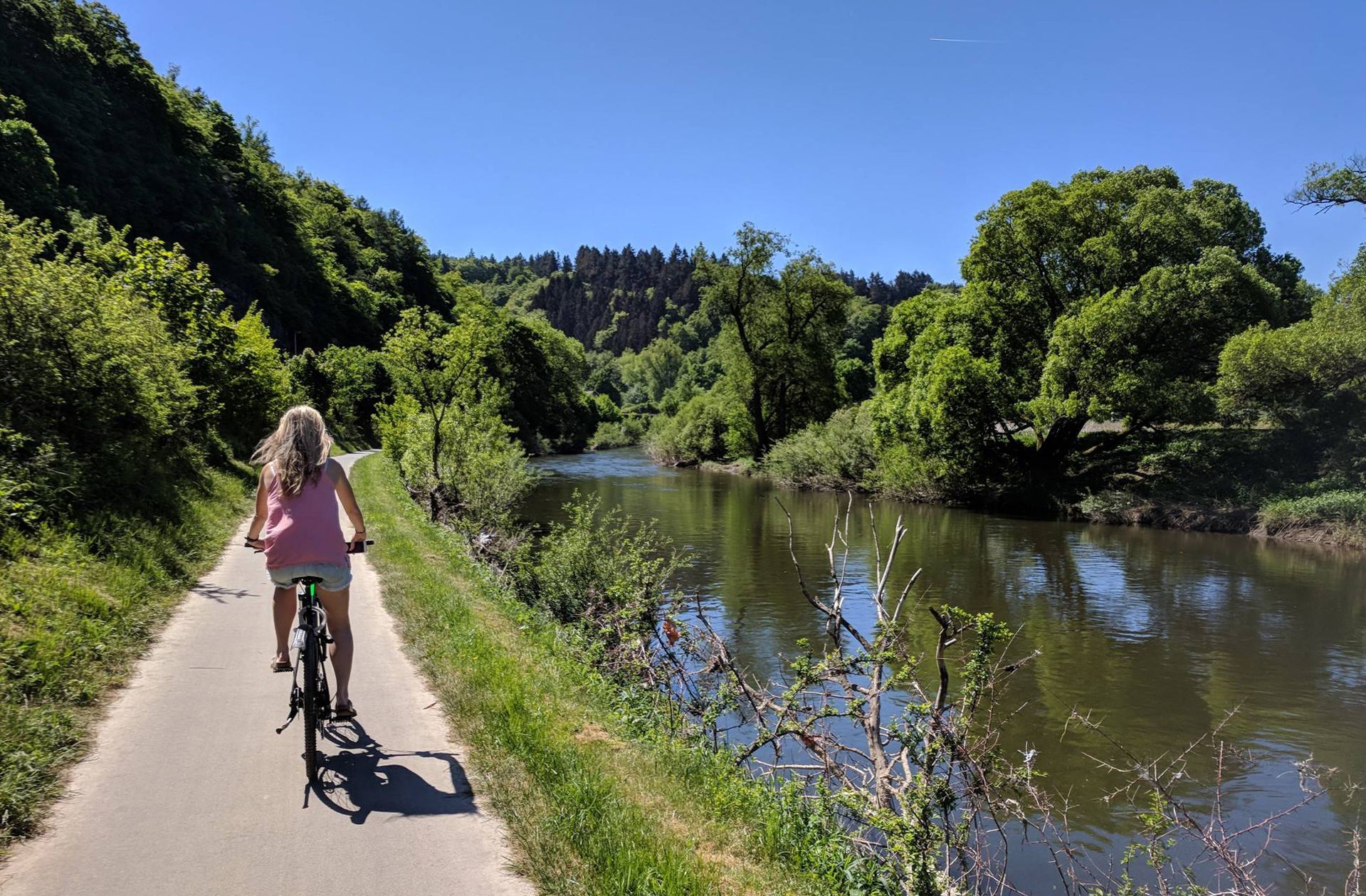
Lahn Cycle Path — from the Rothaar Mountains to the Rhine
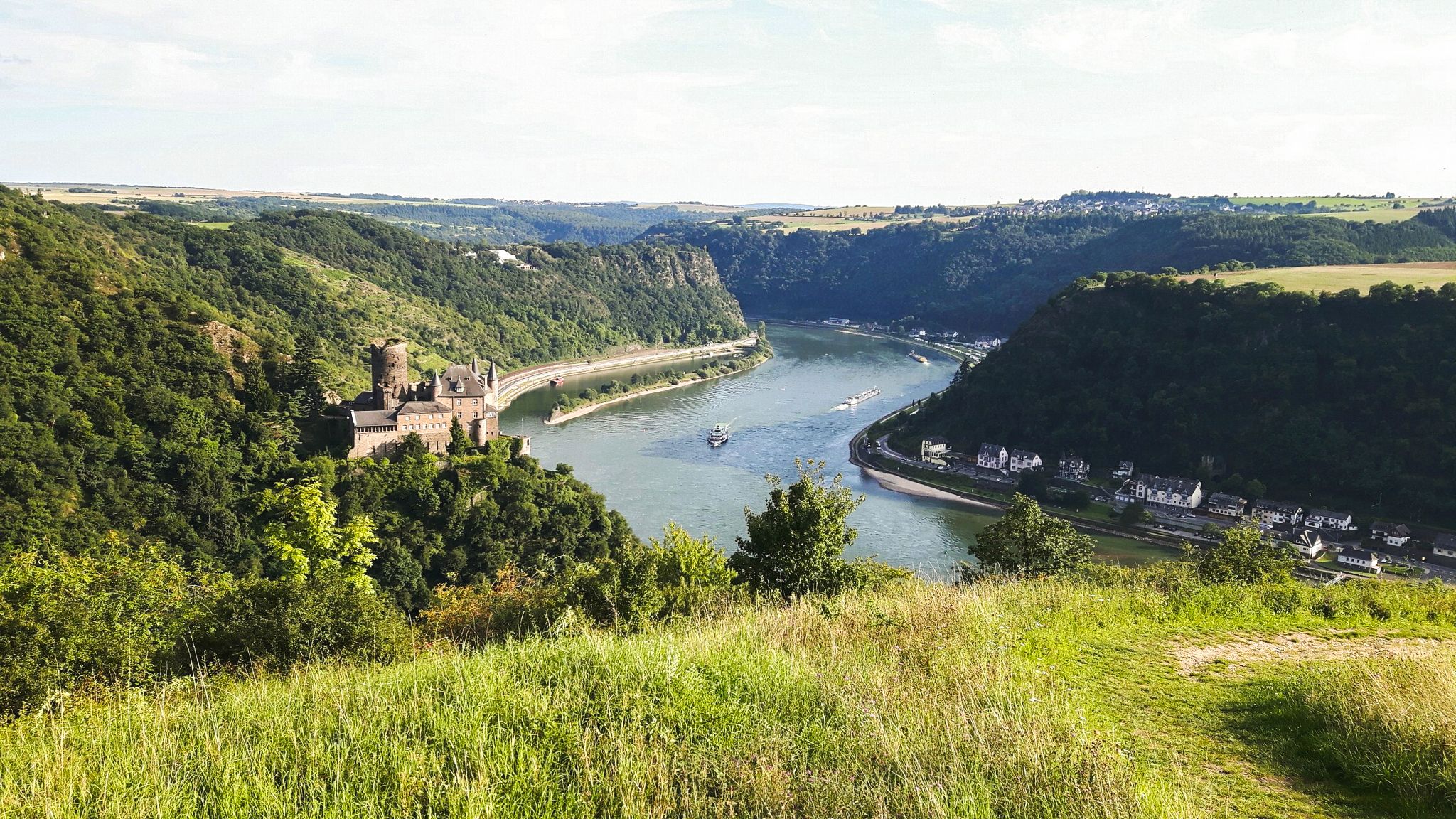
Rheinsteig Trail – The 21 stages along the Rhine
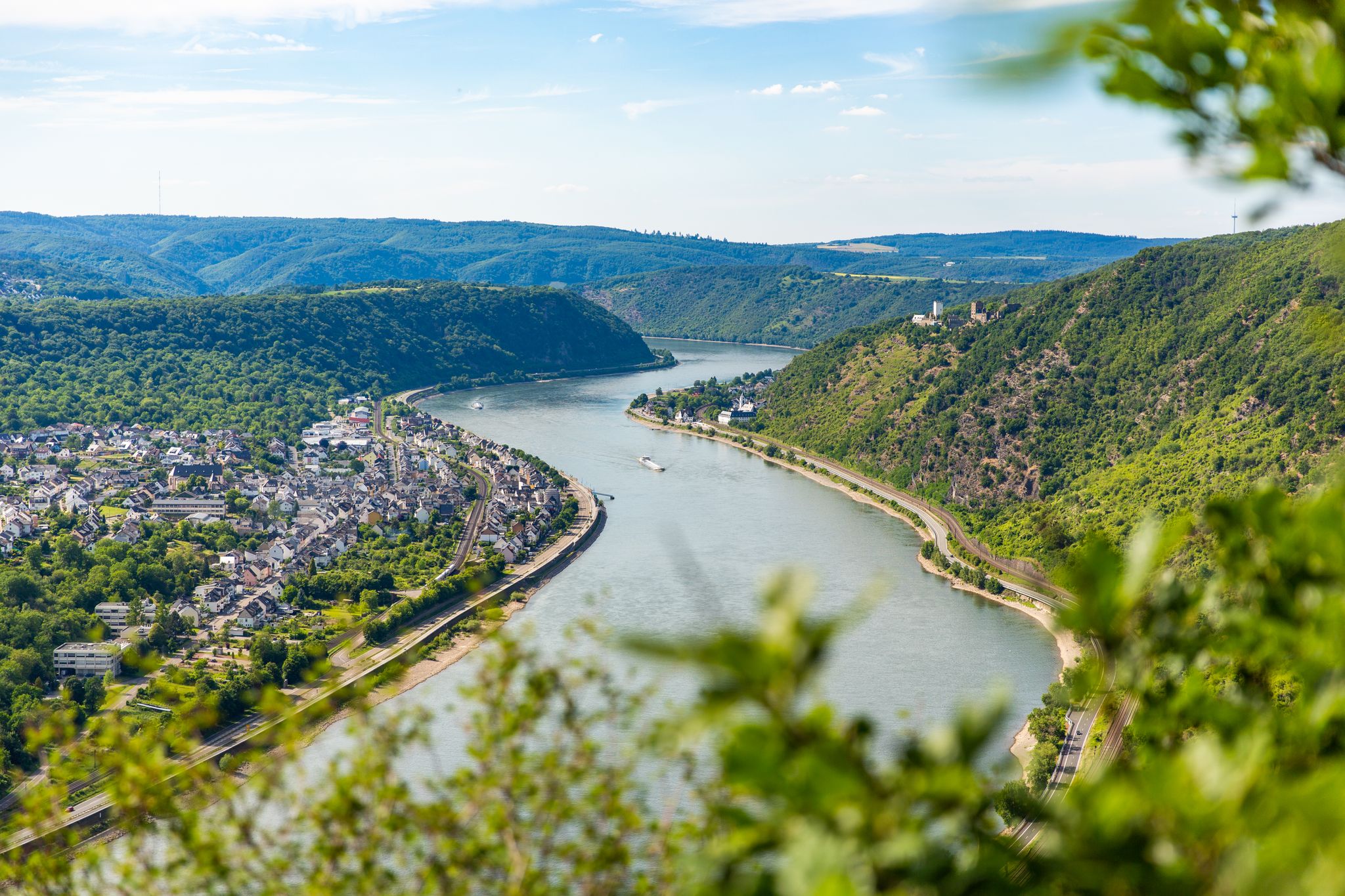
Up and down along the Rhine – adventure on the Rheinsteig
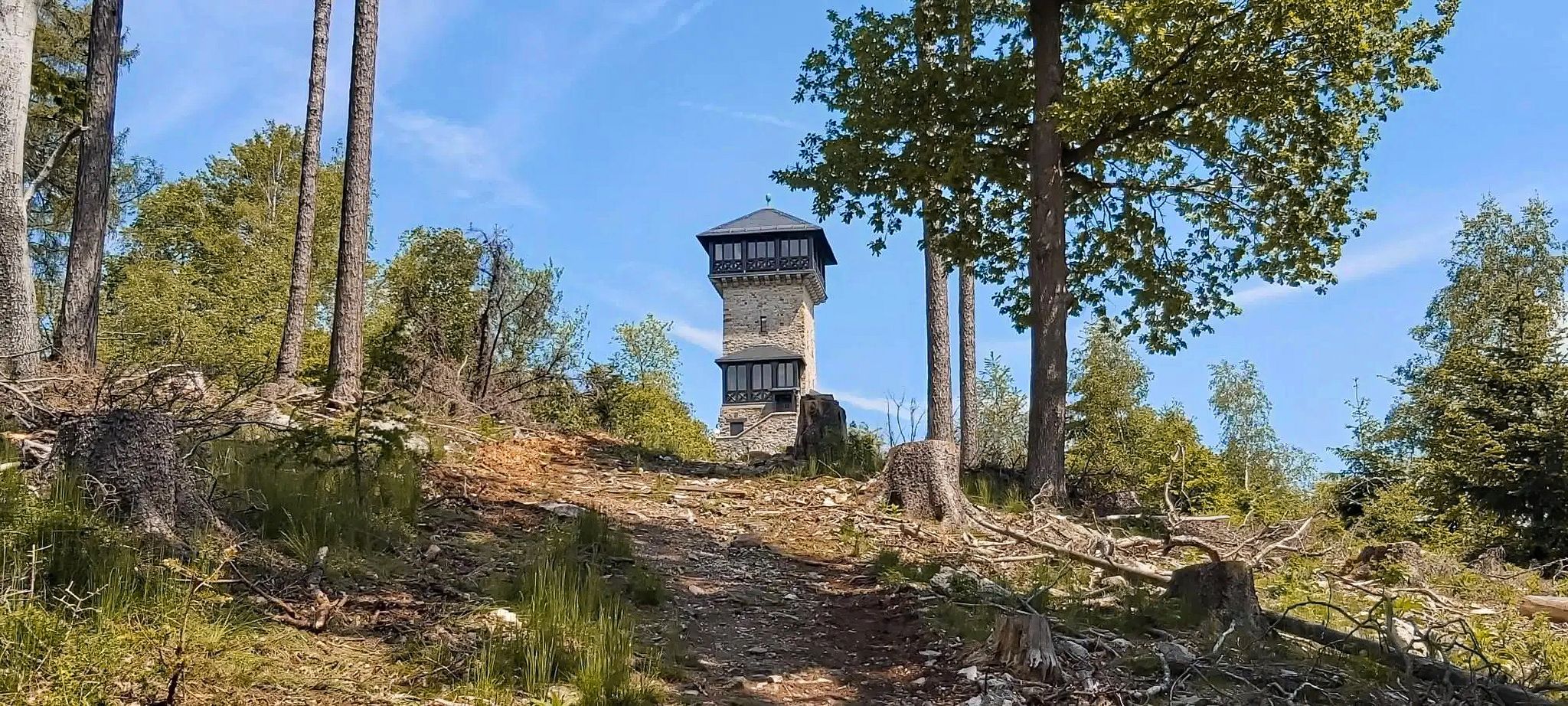
Autumn views: to the most beautiful vantage points in the RMV area
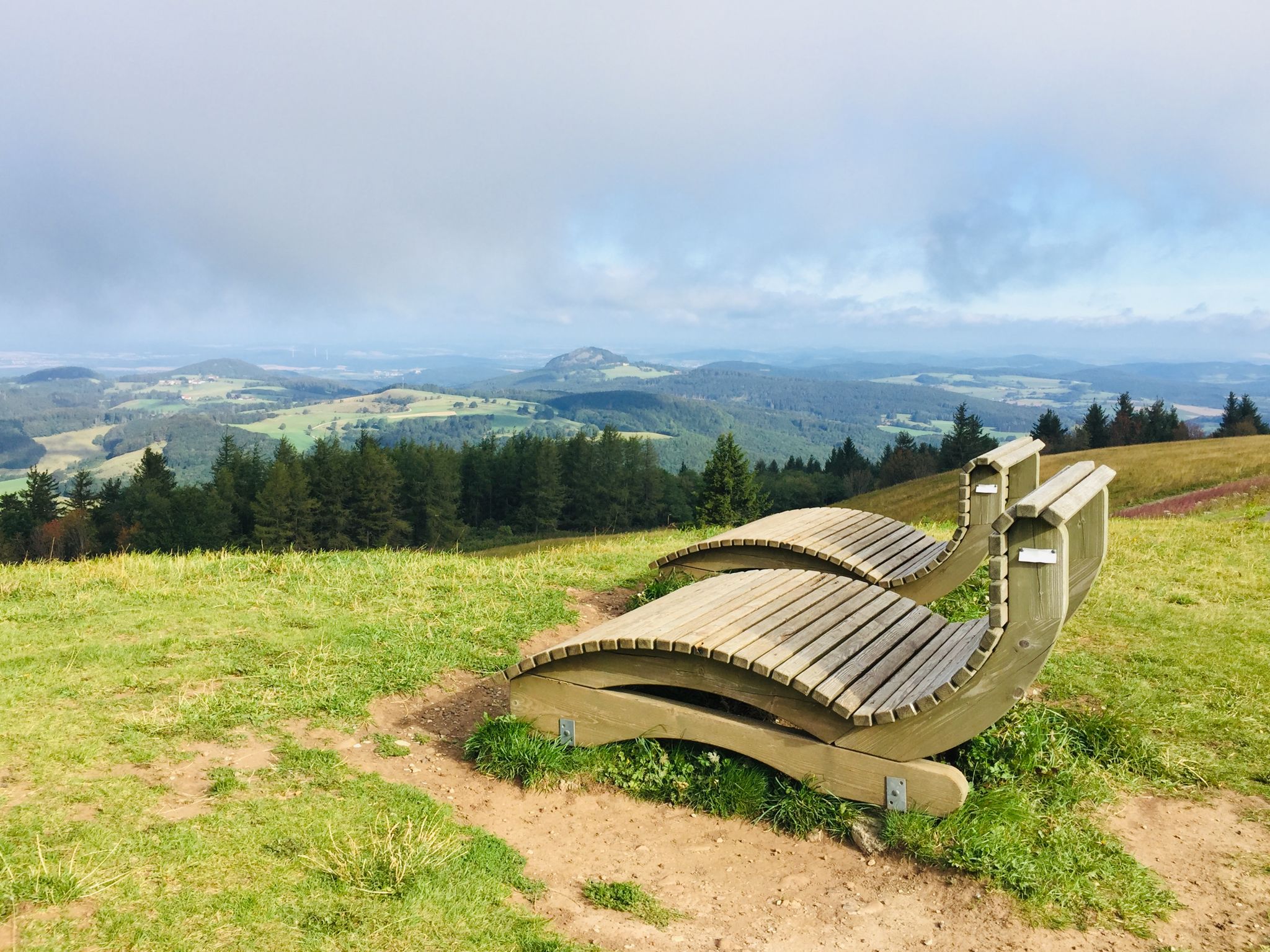
The National Natural Landscapes in Hessen
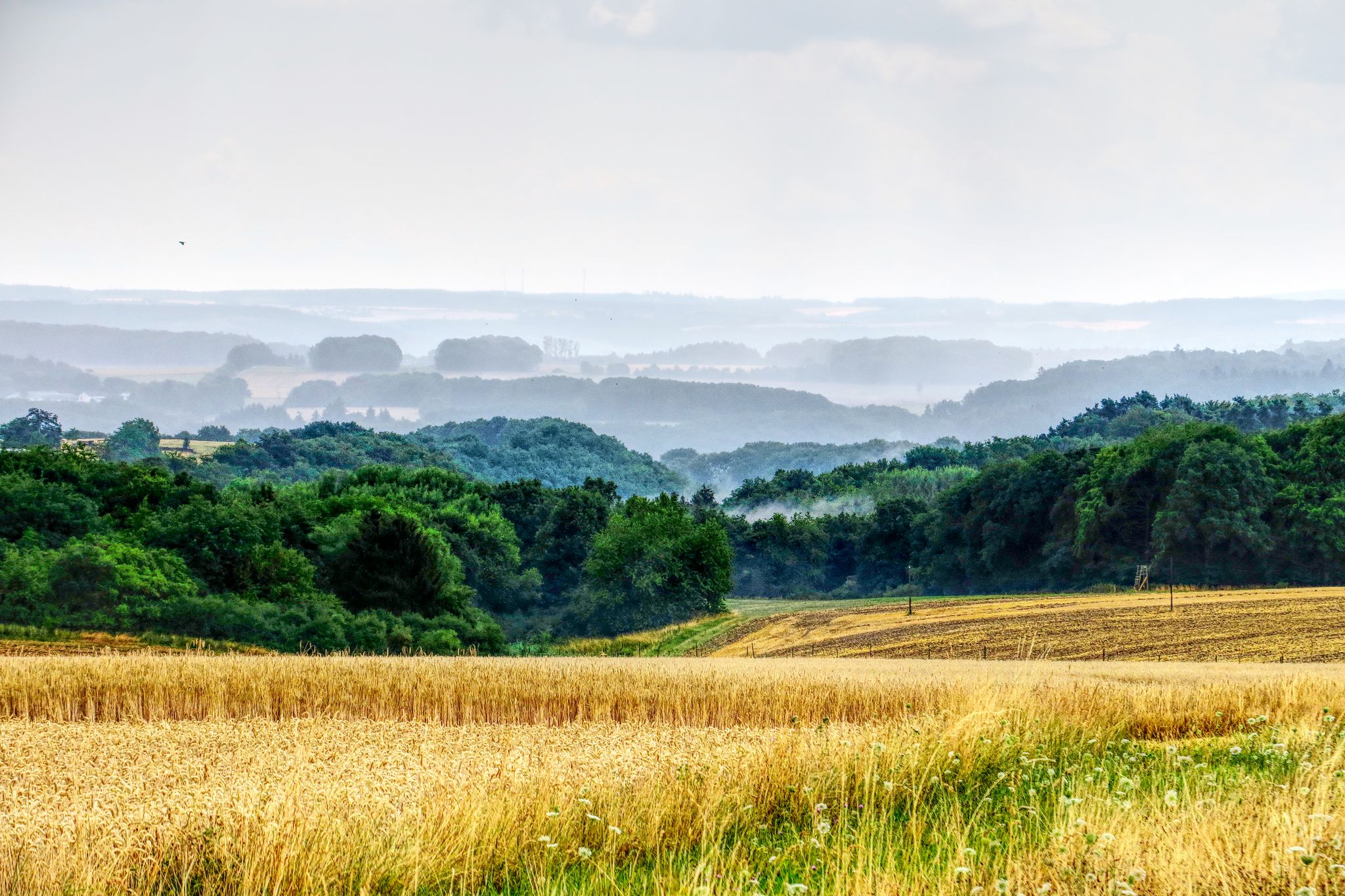
The National Natural Landscapes in Rheinland-Pfalz
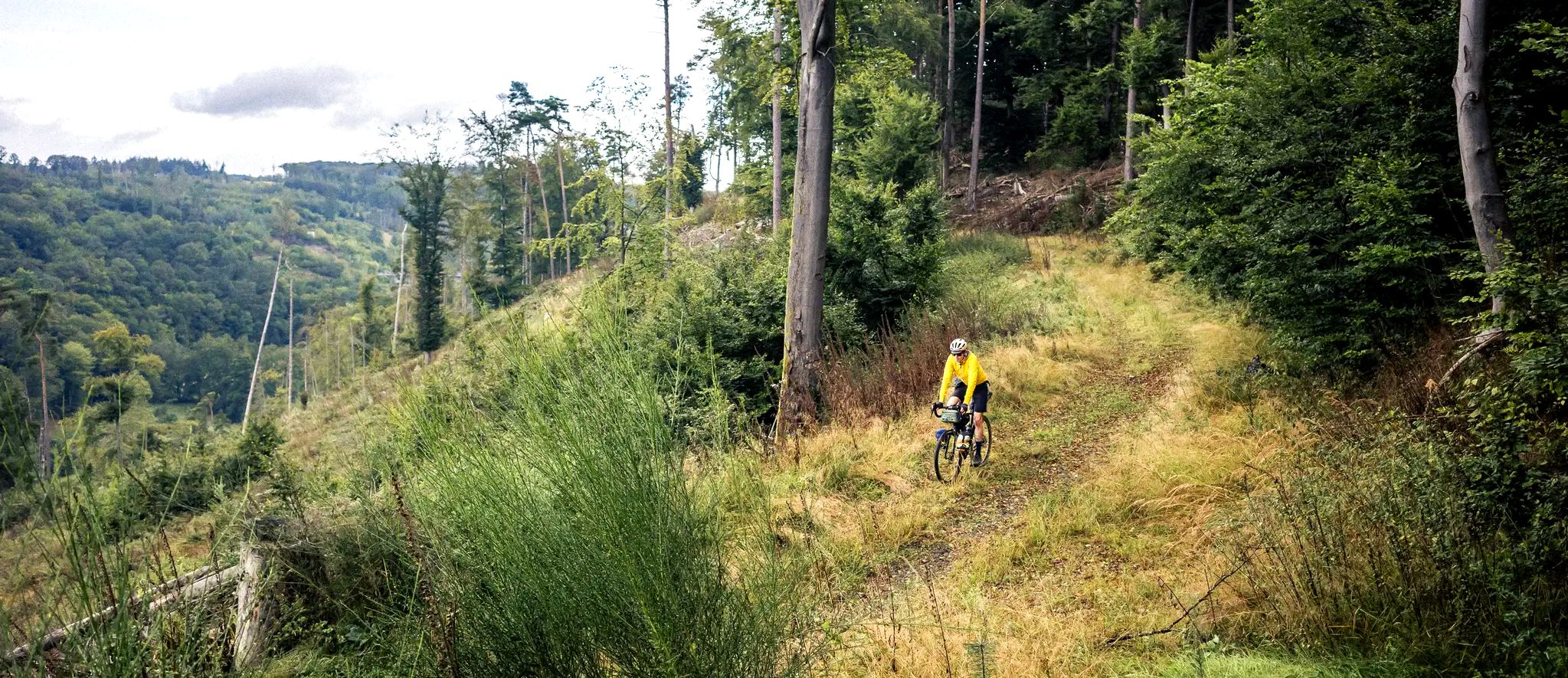
Forests, valleys and picturesque villages – the Westerwald by gravel bike
Other adventures in the Lahntal


Tips from the Community

From April to September, every first Sunday of the month, members of the Schelderwald Mining and Light Railway Association offer guided tours through the 140-meter-long tunnel from 2 p.m. to 5 p.m. You can experience firsthand how the miners used to work with tools and lamps. The geological features of the Schelderwald forest, with its ores and minerals, are also vividly explained. Special tours are also available! Admission is free – the association welcomes donations to preserve this piece of mining history for future generations. https://bergbau-feldbahn-schelderwald.de
1
0

The trail has about 12 - 15 "tops" (highlights). If you walk the trail, this is the "top 3" on this tour
0
0

There are many stations along the Way of the Cross.
0
0
Grotto on Allerheiligenberg.
1
0

At this point, the row of chapels that leads up the All Saints' Hill to the pilgrimage church interrupts the various decades of the rosary, and here we are shown the Madonna of Lourdes. This internationally famous Marian pilgrimage site is located in the French Pyrenees and is visited by many people every year, including many sick people who hope for healing. The devotional image of the Mother of God, as passed down by the visionary Bernadette, has found widespread popular piety - not only in France - and Lourdes chapels and grottos have been built by believers everywhere.
3
0


Beautiful alpine climbing. Good thing there are ropes 🤦🏼♀️ Nice little cave
4
0

You can also go in for a bit
2
1
Frequently Asked Questions
What makes the Kubach Crystal Cave unique in the Lahntal region?
The Kubach Crystal Cave, located in Weilburg-Kubach, is Germany's only crystal cave open to visitors. It is renowned for its vast chambers adorned with countless calcite crystals and "perlinters" (cave pearls). It also boasts the largest hall of all German show caves, reaching a height of 30 meters, and offers insights into geological processes as a geo-information center. You can find more information about it on visitacity.com.
Are there historical mining sites to explore in the Lahntal?
Yes, the Lahntal region has a rich industrial past with several historical mining sites. Notable examples include the Eisensegen Mine Tunnel Entrance, which still bears its 1937 inscription and mining symbols, and the Handstein Mine. These sites offer a glimpse into the area's iron ore mining history.
Can I visit caves in the Lahntal with my family?
Many sites in the Lahntal are family-friendly. For instance, the Eternal Ice at Dornburg is a fascinating natural monument suitable for families. The Mork Cave also offers an adventurous experience that can be exciting for children, though visitors note it can be full of mosquitos in winter.
What natural features can I expect when visiting caves in the Lahntal?
The caves in the Lahntal showcase diverse natural features. The Kubach Crystal Cave is famous for its unique crystalline formations and impressive corrosive solutional forms. The Eternal Ice at Dornburg is a unique natural phenomenon where cold air currents create a cooling effect, leading to ice formations. Other natural caves like the Heinzelmann Caves were formed by the chemical dissolution of limestone.
Are there any caves in the Lahntal associated with local legends or folklore?
Yes, the Dragon Cave at Rimberg is notable for its connection to local legends. It is said to be the place where Siegfried (or Sigurd) slew the dragon Fafnir. This cave extends about 15 meters into the mountain, offering a touch of mythology to your visit.
What should I wear when visiting caves in the Lahntal?
Caves typically maintain a cool and damp temperature year-round, regardless of the outside weather. It is highly recommended to wear sturdy shoes for potentially uneven terrain and layered clothing to stay comfortable. For the Kubach Crystal Cave, visitors descend 347 steps, so comfortable footwear is essential.
Are there hiking trails that lead to caves in the Lahntal?
Yes, the Lahntal region offers numerous hiking opportunities, with trails leading to or near several caves. For example, the Eternal Ice at Dornburg is accessible via a short walk from a car park, and the area around it offers further trails like the Blasiussteig. You can explore various hiking routes in the region by checking out the Easy hikes in the Lahntal guide.
What is the "Eternal Ice at Dornburg" and why is it special?
The Eternal Ice at Dornburg is a unique natural monument where cold air currents create a natural cooling effect, leading to ice formations deep within the mountain. This phenomenon is caused by a chimney effect within the basalt rock, making it noticeably cooler even on hot days. It's a fascinating geological site and a great spot to cool down.
What is the best time of year to visit the caves in the Lahntal?
The best time to visit depends on the specific cave and your preferences. For sites like the Eternal Ice at Dornburg, visiting during warmer months can be particularly refreshing due to the natural cooling effect. However, caves generally maintain a consistent cool temperature year-round, making them suitable for visits in any season, though some may have seasonal opening hours.
Can I bring my dog to the cave trails in the Lahntal?
While many outdoor trails in the Lahntal are dog-friendly, access to the interior of specific show caves or protected natural monuments might be restricted for pets. It's always best to check the specific rules for each cave or site before planning your visit with a dog.
Beyond natural caves, what other underground sites can be found in the Lahntal?
Besides natural caves, the Lahntal region also features historical underground sites. These include former mining operations like the Grube Ypsilanta Mine Entrance and the Stübchen Iron Mine Entrance, as well as casemates, which are underground gun emplacements forming part of historical fortifications around castles like the Landgrave's Castle.
Where can I find accommodation near the caves in the Lahntal?
The Lahntal region offers various accommodation options, from hotels to guesthouses, in towns and villages near the cave sites. For example, if you plan to visit the Kubach Crystal Cave, you might look for accommodation in Weilburg-Kubach or nearby towns. For the Eternal Ice at Dornburg, nearby communities like Frickhofen or Wilsenroth would be convenient.
Most popular routes in the Lahntal
Most popular attractions in the Lahntal

Get inspired with the komoot mobile app


Didn’t find what you were looking for?
Discover more caves in the Lahntal region by region:
Explore more
Extend your search for the best caves by checking out these guides of the top ones in the Lahntal:
