Top 6 Castles around Krefeld
Best castles around Krefeld offer a glimpse into the region's rich history, with several notable fortresses and manor houses. Krefeld, a city in Germany, is home to a variety of historic estates showcasing architectural styles from medieval fortresses to 19th-century neoclassical buildings. These historical landmarks are located within the Krefeld region, particularly in areas like Linn. Visitors can explore these sites to understand the area's past from different eras.
Best castles around Krefeld
- The most popular castles is Linn Castle, a castle that is recognized as the oldest fortress on the Lower Rhine. This well-preserved complex includes a bailey, a hunting lodge, and a landscape museum with archaeological finds.
- Another must-see spot is Haus Greiffenhorst, a castle and former hunting lodge. This neoclassical building from the 19th century is situated within Greiffenhorstpark, a landscape garden designed by Maximilian Friedrich Weyhe.
- Visitors also love Haus Neuenhofen, a historical site with medieval cellar walls and moats. The current 19th-century building features an axially symmetrical plastered structure with a distinctive round tower.
- Krefeld is known for its medieval moated castles, neoclassical hunting lodges, and historic manor houses. These sites offer a variety of architectural styles and historical periods to explore.
- The castles around Krefeld are appreciated by the komoot community, with more than 2000 upvotes and over 1800 photos shared.
Last updated: August 16, 2026
Linn Castle
Highlight • Castle
Translated by Google •
Tip by

Historic Old Town of Linn
Highlight • Historical Site
Translated by Google •
Tip by

Sign up now to discover places like this
Get recommendations on the best single tracks, peaks, & plenty of other exciting outdoor places.
Sign up for free
Haus Greiffenhorst
Highlight • Castle
Translated by Google •
Tip by

Linn - district of Krefeld
Highlight • Historical Site
Translated by Google •
Tip by

Gastendonk Moated Castle
Highlight • Castle
Old can also be harmoniously combined with new.
Translated by Google •
Tip by

St. Cyriakus Church Hüls
Highlight • Religious Site
Translated by Google •
Tip by
Haus Neuenhofen
Highlight • Castle
In the deep Middle Ages, people retreated to castles in case of danger and waited behind walls and moats until the coast was clear again. What Linn Castle was for Linn Castle was for the people of Bockum their moated castle Neuenhofen. She was on an artificial island. The Lords of Neuenhofen resided here.
In 1939 the city opened a youth hostel with 76 beds. The hostel survived the war and was considered a cheap place to stay for young visitors from all over the world in the post-war period. In 1969 5559 guests were counted, three years later there were still 3079. This meant that the business was no longer profitable. The hostel closed in 1973, and in the late 1990s the city sold the house to a private investor.
Translated by Google •
Tip by

Haus Rath
Highlight • Historical Site
de-academic.com/dic.nsf/dewiki/587469
Translated by Google •
Tip by

Medieval city fortifications with a defensive tower
Highlight • Historical Site
Translated by Google •
Tip by

View of Burgpark Castle
Highlight • Viewpoint
Translated by Google •
Tip by

Start today with a free account
Your next adventure awaits.
Login or Signup
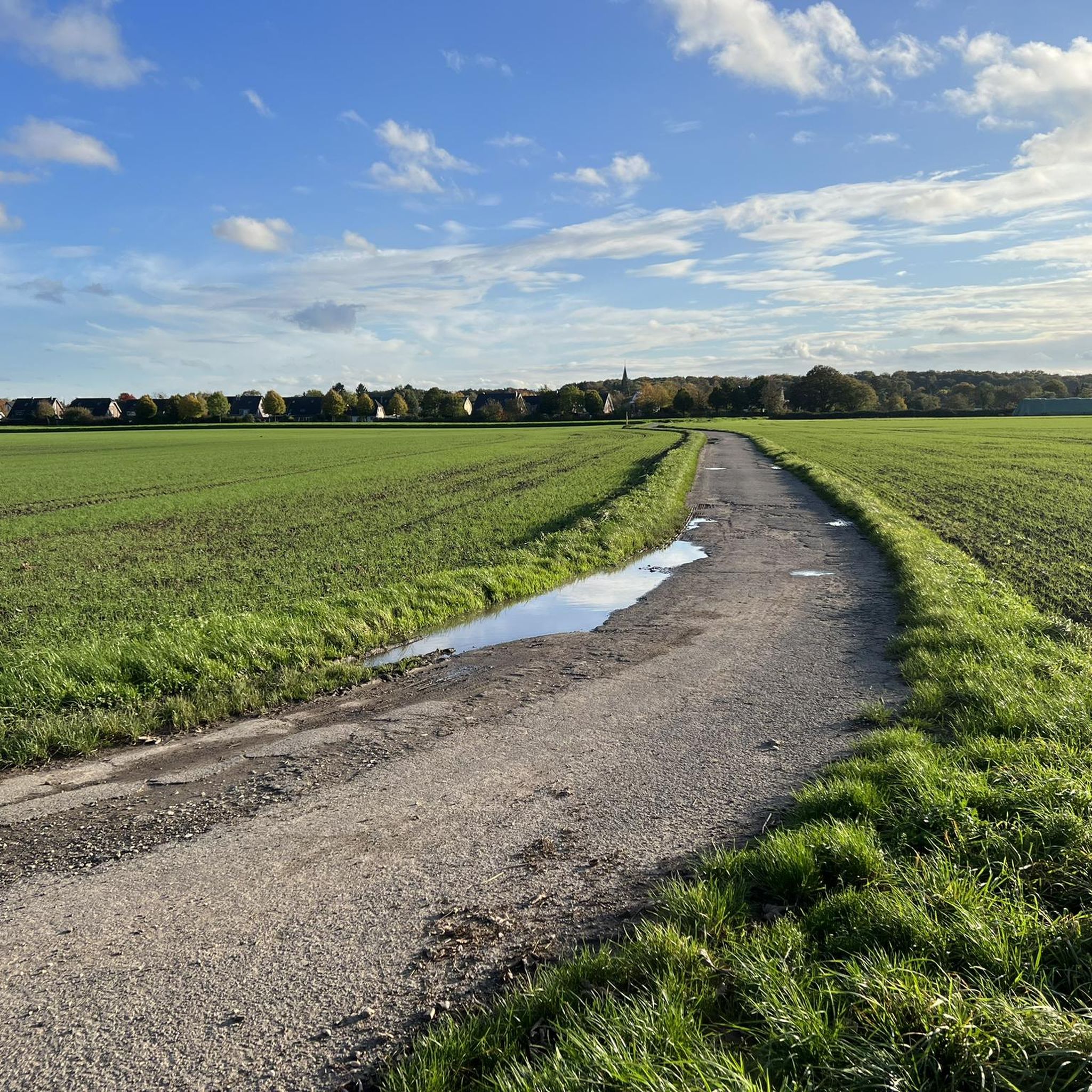
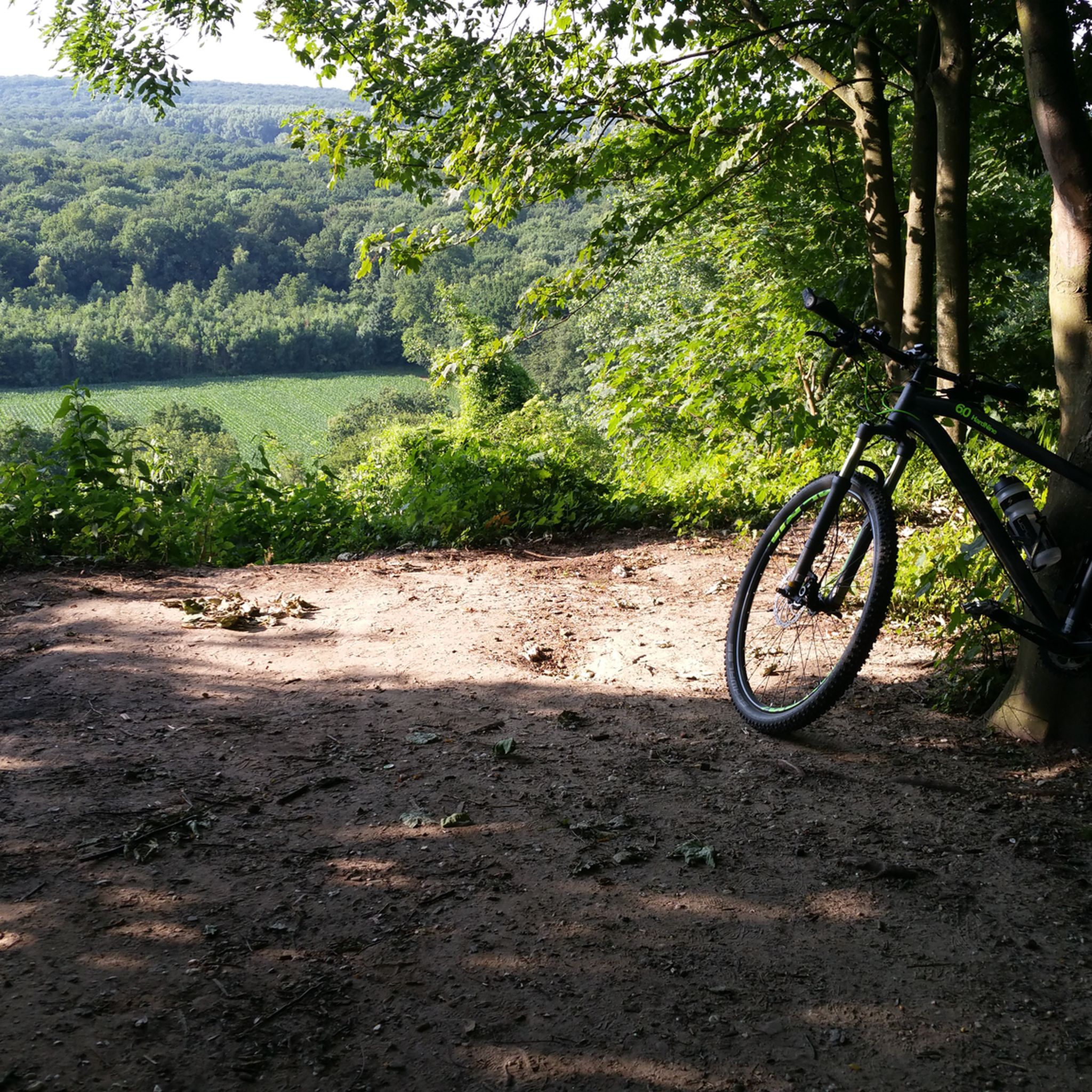

Other adventures around Krefeld

Tips from the Community

If someone is in the Krefeld area, they should definitely make a detour to Linn. Very beautiful and, above all, old, well-preserved buildings, you can't see enough of them. The various restaurants are also not to be scorned. A walk around the castle without a bike should also be done. Pure peace.
1
0

The former Electorate of Cologne's bailiff resided here; Linn has long been a district of Krefeld; but it has preserved its historical core well.
1
0

A remarkable residential complex has been created here from old walls. Old can also be harmoniously combined with new.
15
0

Gastendonk House, a knight's residence known since 1348, was built in the late Middle Ages. The complex is located on the northwestern border of Orbroich, bordering Kempen. Late medieval elements are still preserved in the gatehouse. The main building was completely renovated in the 19th and 20th centuries. An archaeological investigation revealed that the fortifications in the late Middle Ages apparently consisted of an earthen rampart. The gatehouse and interior structures were probably made of brick. Otherwise, traces of construction from the 16th and 17th centuries can still be seen today – such as the rectangular flanking towers with loopholes built at the two front corners. Late medieval shards were found during archaeological investigations. Source and link to the full article: https://www.krefeld.de/de/inhalt/bekannte-und-unbekannte-burgen-aus-dem-mittelalter-in-krefeld/ In the far northwest of Krefeld's city limits, in the Hüls district of Orbroich, lies Gastendonk Castle, which has been a private residential complex since 2001, probably unknown to most Krefeld residents. Karl Heußen, a local from Hüls, published the interesting history of the old moated castle in the Hüls Heimatblätter (local newspaper). Source and link to the full article: https://rp-online.de/nrw/staedte/krefeld/von-der-ritterburg-zur-wohnanlage_aid-18041645
5
0

The Gastendonk moated castle is located in the northeast of the Kempen district of St. Hubert, right on the city limits of Krefeld. It is a former knight's seat, the origins of which can be traced back to around the year 1000. The name with the suffix "Donk" indicates that the first building was located on a natural elevation in a water-rich area, a name that is very common on the Lower Rhine. The first documented mention of the name Gastendonk dates back to 1274. In the 14th century, the knight's seat was owned by the Knights of Eyll.
12
0

Neuenhofpark with Haus Neuenhof
0
0
The parish church of Huels. It's worth a visit.
13
0

Wasserburg Gastendonk, brick bailey with a long central building flanked by two projecting, square corner towers with pyramid roofs, gate tower with stepped gable
3
0
Frequently Asked Questions
What types of historical estates can I find around Krefeld?
The Krefeld region is home to a diverse range of historical estates, including medieval moated castles like Linn Castle, neoclassical hunting lodges such as Haus Greiffenhorst, and historic manor houses like Haus Neuenhofen. These sites showcase various architectural styles and historical periods.
What makes Linn Castle a must-visit attraction?
Linn Castle is recognized as the oldest fortress on the Lower Rhine, with origins dating back to around 1200. It offers a journey back in time with its well-preserved complex, including a bailey and a hunting lodge. The castle grounds also host a Landscape Museum with archaeological finds from Roman and Frankish periods, and visitors can climb the main tower for panoramic views. It's also known for cultural events and the annual historic flax market.
Can I visit Haus Greiffenhorst and its park?
Haus Greiffenhorst, a neoclassical building from the 19th century, is generally not open for public interior viewing as it serves as an event venue. However, its surrounding Greiffenhorstpark, a beautifully designed landscape garden, is publicly accessible and perfect for leisurely walks to appreciate the historical architecture and serene setting. It's located in the Linn district, close to Linn Castle.
What can I expect when visiting Haus Neuenhofen?
Haus Neuenhofen, located in the Bockum district, has roots in a 13th-century moated castle, with medieval cellar walls and moats still visible. The current building is a 19th-century structure with a distinctive round tower. While the house itself is privately owned and not accessible inside, its surrounding park is a public green space, offering a chance to observe this historic estate and its architectural evolution in a pleasant environment.
Are the castles around Krefeld family-friendly?
Yes, several castles and historical sites in the Krefeld area are considered family-friendly. Linn Castle, for example, offers a museum and grounds that can be explored by families, and its annual flax market is a popular event for all ages. The parks surrounding Haus Greiffenhorst and Haus Neuenhofen also provide pleasant outdoor spaces for families.
What is the best time of year to visit the castles in Krefeld?
The castles around Krefeld can be enjoyed throughout the year. Spring and summer offer pleasant weather for exploring the castle grounds and parks, with events like the historic flax market at Linn Castle during Pentecost weekend. Autumn provides beautiful foliage, while winter visits can offer a quieter, more atmospheric experience, though some outdoor activities might be limited by weather.
Are there hiking trails near the castles in Krefeld?
Yes, there are several hiking opportunities near the castles. For instance, you can find an easy 7.3 km loop trail called "Linn Castle – Historic Center of Linn loop from Naturschutzgebiet Latumer Bruch" which explores the area around Linn Castle. For more options, you can explore the Easy hikes around Krefeld guide.
What other outdoor activities can I do near Krefeld's castles?
Beyond hiking, the Krefeld region offers various outdoor activities. You can find options for gravel biking, with routes like the "Rheindeich Cycle Path – Rhine Cycle Path at Stockum loop from Königshof" which is a moderate 51.3 km ride. There are also running trails, such as the "Elfrather Lake – South Shore of Elfrather Lake loop from Traar," a moderate 9.0 km run. For more details, check out the Gravel biking around Krefeld and Running Trails around Krefeld guides.
Are there cafes or restaurants near the castles for visitors?
Yes, especially around Linn Castle and the Historic Center of Linn, you can find nearby cafes and pubs. The area is well-equipped to cater to visitors looking for refreshments or a meal after exploring the historical sites.
What historical insights can I gain from visiting Krefeld's castles?
Visiting Krefeld's castles offers a deep dive into regional history. Linn Castle's Landscape Museum, for instance, houses archaeological finds from Roman rule in the 5th century and the era of Frankish princes, including gilded articles from a well-preserved burial site. You can also learn about the evolution of architecture from medieval fortresses to 19th-century neoclassical designs.
Is Uerdingen Castle accessible to the public?
Uerdingen Castle is a historical site in Krefeld. While it has a rich past as a 14th-century fortification, information regarding public access or specific visitor features is not readily available. It is primarily noted for its historical significance rather than as a public tourist attraction in the same vein as Linn Castle.
Are there any viewpoints or natural features to enjoy near the castles?
Yes, several castles offer scenic views and are set within natural surroundings. From the donjon (main tower) of Linn Castle, you can enjoy panoramic views of the Lower Rhine valley and the city of Krefeld. Haus Greiffenhorst is situated within the picturesque Greiffenhorstpark, a landscape garden with long ponds and bridges, ideal for appreciating nature and historical design.
Most popular routes around Krefeld
Most popular attractions around Krefeld

Get inspired with the komoot mobile app


Explore more
Looking for the best castles somewhere else? Discover other guides around Krefeld:
