Attractions and Places To See around Flensburg - Top 20
Best attractions and places to see around Flensburg include its historic harbor and the Flensburg Fjord, an inlet of the western Baltic Sea that forms part of the border with Denmark. The city offers a blend of maritime heritage, natural landscapes, and cultural sites. Visitors can explore the Old Town, historic landmarks, and various green spaces. The region provides diverse opportunities for outdoor activities along its fjord and coastlines.
Best attractions and places to see around Flensburg
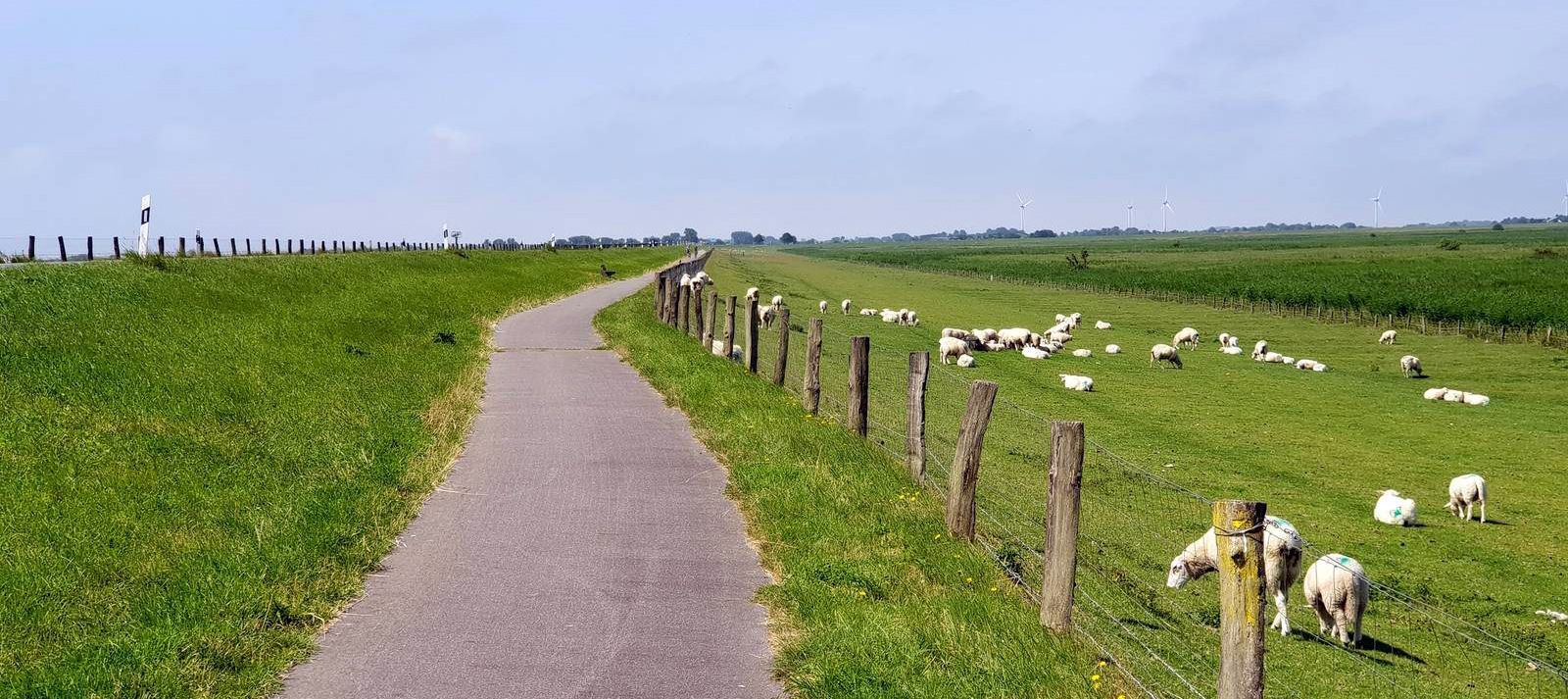
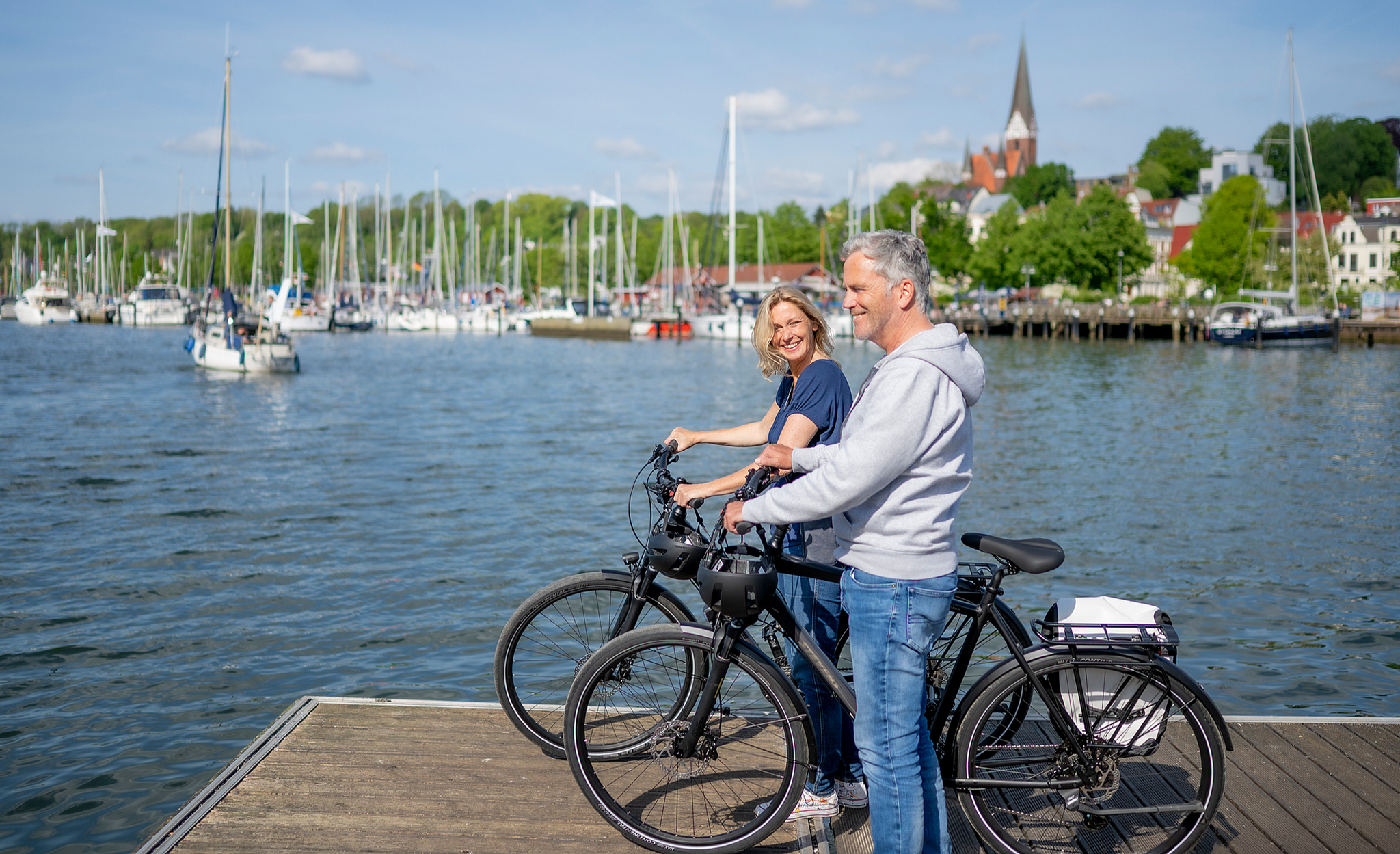
- The most popular attractions is Cycle route along the Flensburg Fjord, a cycle way that runs along the approximately 40 to 50-kilometer-long inlet of the western Baltic Sea. This route offers views of the fjord's charming shorelines, which feature beaches, steep coastlines, and moraine cliffs.
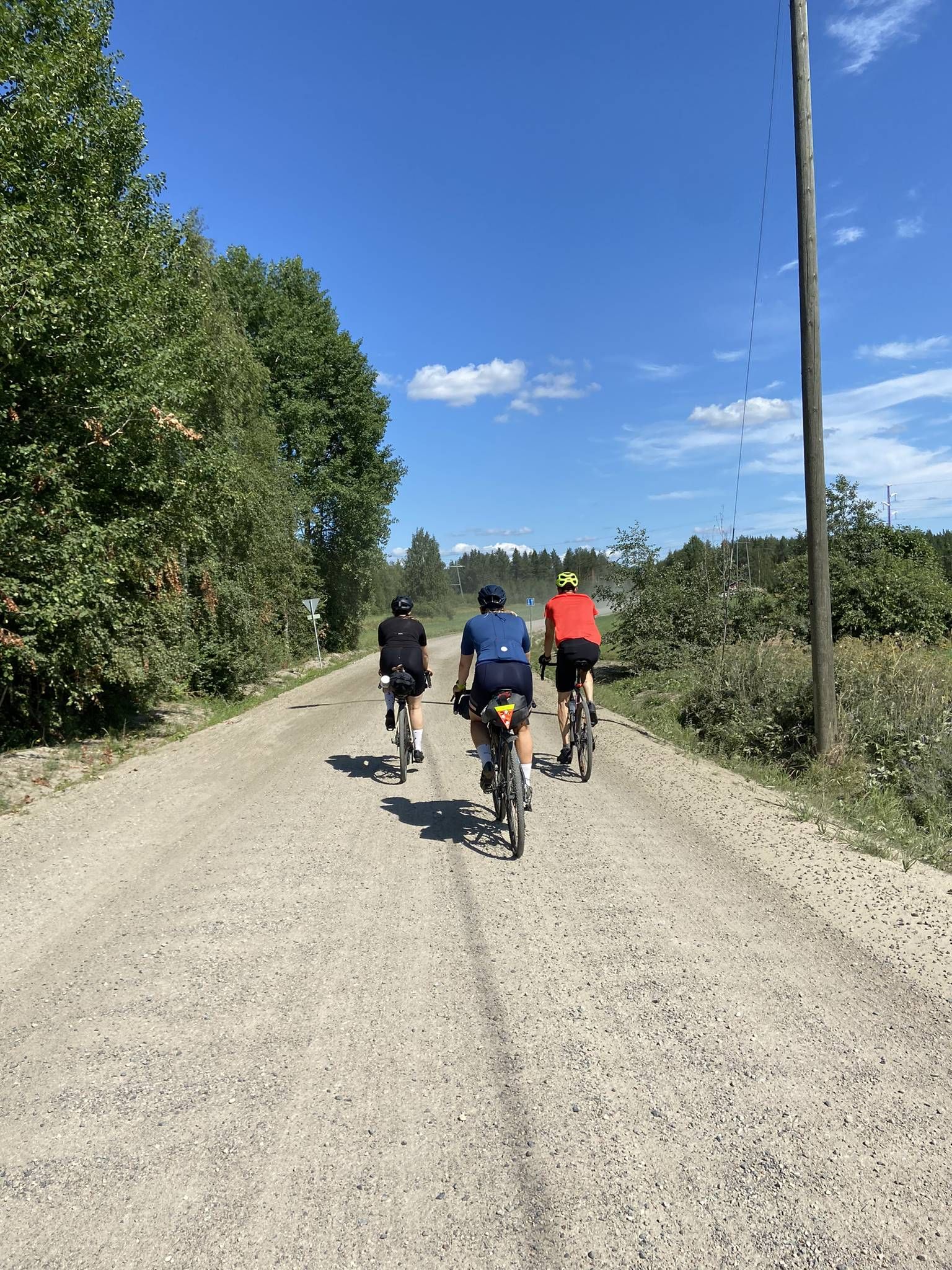
- Another must-see spot is Bike path along the Flensburg Fjord, a cycle way. This gravel path runs between Flensburg and Wasserleben, with one side surrounded by forest and the other offering views of the Flensburg Fjord.
- Visitors also love Neptune Fountain at Nordermarkt, Flensburg, a man-made monument. Located in the medieval and oldest market square of Flensburg, this 1785 fountain is a notable historical site.
- Flensburg is known for its historical sites, natural features like the fjord, and cultural institutions. The region offers a variety of attractions to see and explore, from medieval city gates to museums and green spaces.
- The attractions around Flensburg are appreciated by the komoot community, with more than 1900 upvotes and over 570 photos shared.
Last updated: June 24, 2026
Flensburg Museum Harbor
Highlight • Historical Site
Translated by Google •
Tip by

Bike path along the Flensburg Fjord
Highlight • Cycleway
Translated by Google •
Tip by

Sign up now to discover places like this
Get recommendations on the best single tracks, peaks, & plenty of other exciting outdoor places.
Sign up for free
Baltic Sea Coastal Trail — Flensburg Fjord
Highlight • Trail
Translated by Google •
Tip by

Cycle route along the Flensburg Fjord
Highlight (Segment) • Cycleway
The fjord is divided into two sections: the inner fjord toward Flensburg and the outer fjord, separated by the Holnis peninsula. At its western end, in Flensburg, it flows inland—the westernmost point of the Baltic Sea also lies along this line.
Today, the region is an important sporting area, especially for sailors, and hosts major regattas such as the Flensburg Fjord Regatta and the Rum Regatta. Fjord Week, with events for classic yachts, is also part of the regular schedule.
The Flensburg Fjord is also attractive for its landscape and tourism. It offers charming shorelines with beaches, steep coastlines, and moraine cliffs, nestled among gentle sandy areas. Nature and culture lovers will find a wealth of destinations along both shores: Flensburg with its historic old town and museum harbor, Glücksburg Castle, the Holnis peninsula with its protected salt marshes and lighthouses, as well as the Geltinger Birk nature reserve and the towns along the northern shore with the Gendarmenpfad (Gendarmen Trail) – a former border path along the Danish border.
For centuries, the fjord has been shaped by passenger and freight traffic – historic steamers connected Flensburg with towns on both sides. Today, leisure boating, excursion boats, traditional yachts and marine activities dominate in Mürwik.
Translated by Google •
Tip by

Neptune Fountain at Nordermarkt, Flensburg
Highlight • Monument
Translated by Google •
Tip by

Sonwik Marina
Highlight • Structure
Translated by Google •
Tip by

Steamboat Alexandra, Flensburg Harbor
Highlight • Monument
call is familiar to every child in Flensburg, is a truly special experience.
dampfer-alexandra.de
Translated by Google •
Tip by

Flensburg Harbor and Old Town
Highlight • Settlement
Translated by Google •
Tip by

Flensburg Courtyards (Flensburger Höfe)
Highlight • Historical Site
Translated by Google •
Tip by
Oluf-Samson-Gang
Highlight • Historical Site
The alley between Norderstraße and Schiffbrücke became known nationwide as the "mile of sin," which is characterized by picturesque fishermen's houses.
The current alley between Norderstraße and Schiffbrücke emerged from a courtyard that the merchant and shipowner Oluf Samson had built behind his house on Norderstraße. He built 8 small "rental shacks" on the south side of the courtyard,
the number of which grew quickly.
At the beginning of this century, this alley was mainly home to workers who were displaced by the "oldest trade in the world" during the depression in the 1920s and 1930s. Many owners of the houses used as brothels have been very cautious about preserving the structure.
In order to stop the progressive decay of the buildings, it was decided at the beginning of the 1980s to reverse this development and establish a contemporary form of residential use in the Oluf-Samson-Gang. Around 2/3 of the buildings have been or are being modernized and renovated as townhouses, and gardens have been laid out at the back for the first time. The majority of the buildings are inhabited by the owners themselves and are lovingly maintained.
flensburger-foerde.de/besonders-kurios/petuh
ihrsan.de/stadterneuerung/noerdliche-altstadt/oluf-samson-gang
wikipedia.org/wiki/Oluf-Samson-Gang
Translated by Google •
Tip by
Sign up for free to discover even more attractions around Flensburg.
Sign up for free
Already have an account?
Start today with a free account
Your next adventure awaits.
Login or Signup
Popular around Flensburg
Naples to North Cape — Two friends, one purpose and many scoops of ice-cream
The Schleswig-Holstein Cheese Road in 8 stages
Border Route — in 3 days from the North Sea to the Baltic Sea
Erlebniskilometer in Schleswig-Holstein – Natur & Geschichte
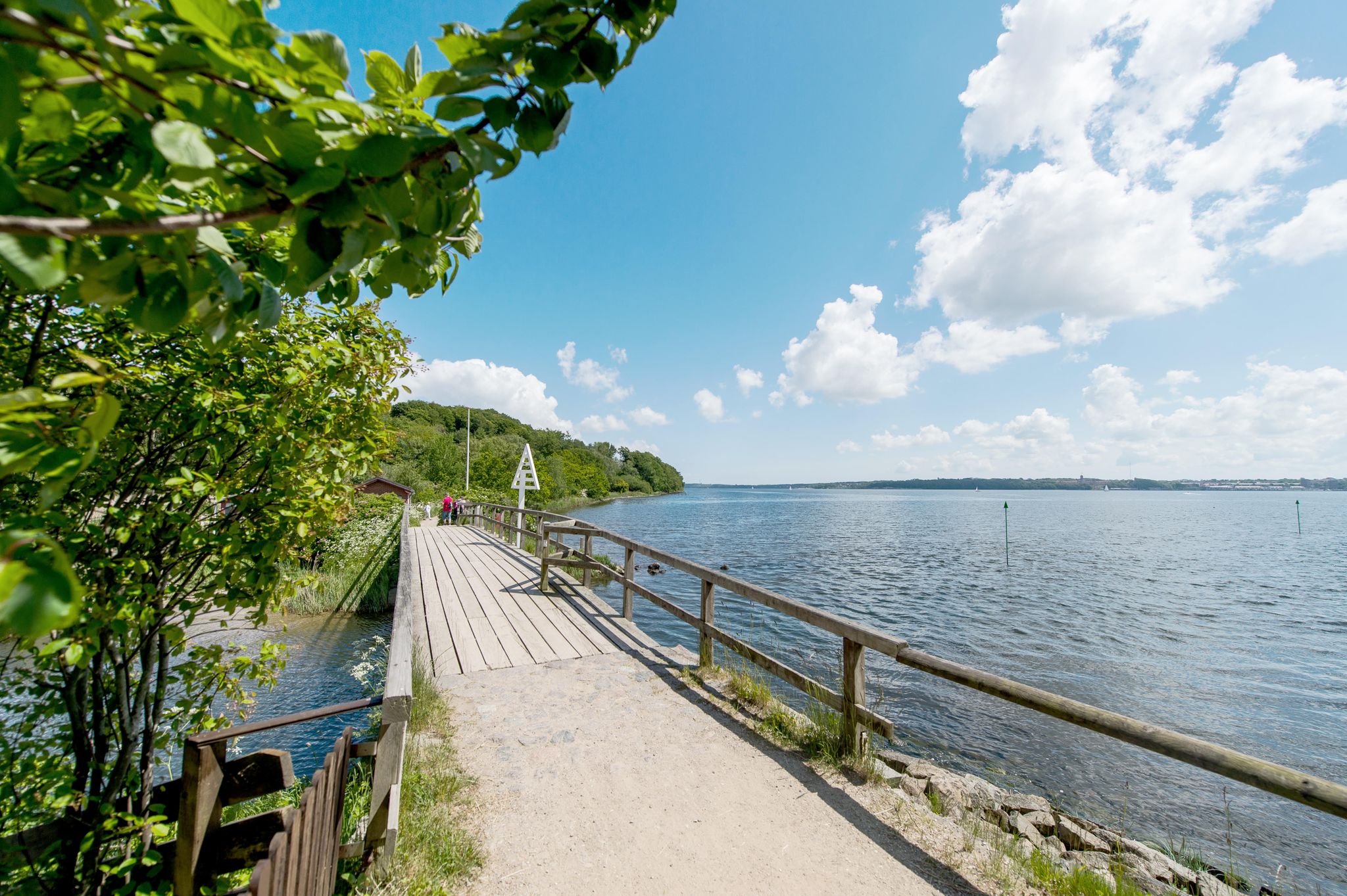
German and Danish culture on the Border Route
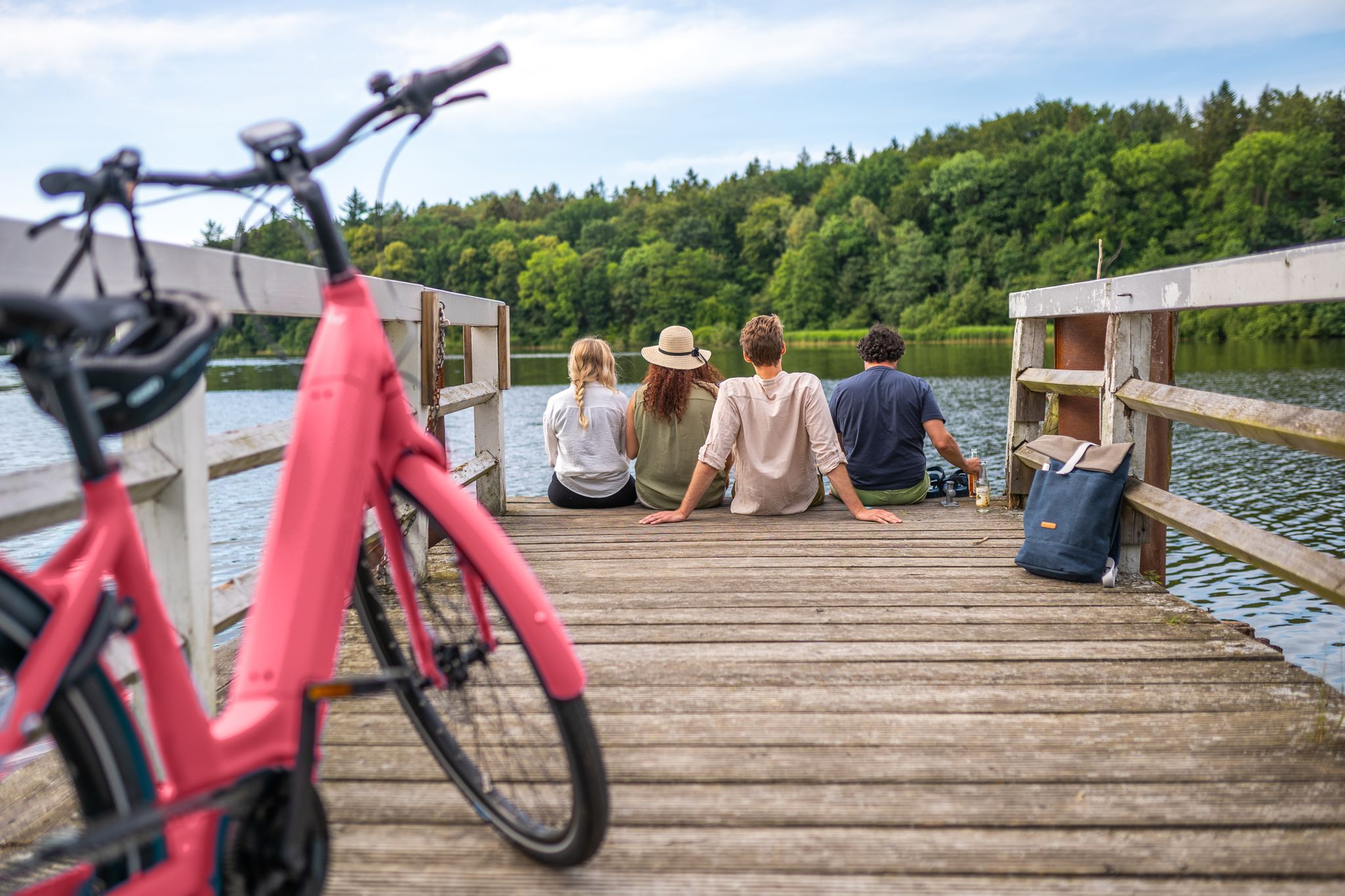
2,919 kilometres of adventure – cycling trails in Schleswig-Holstein
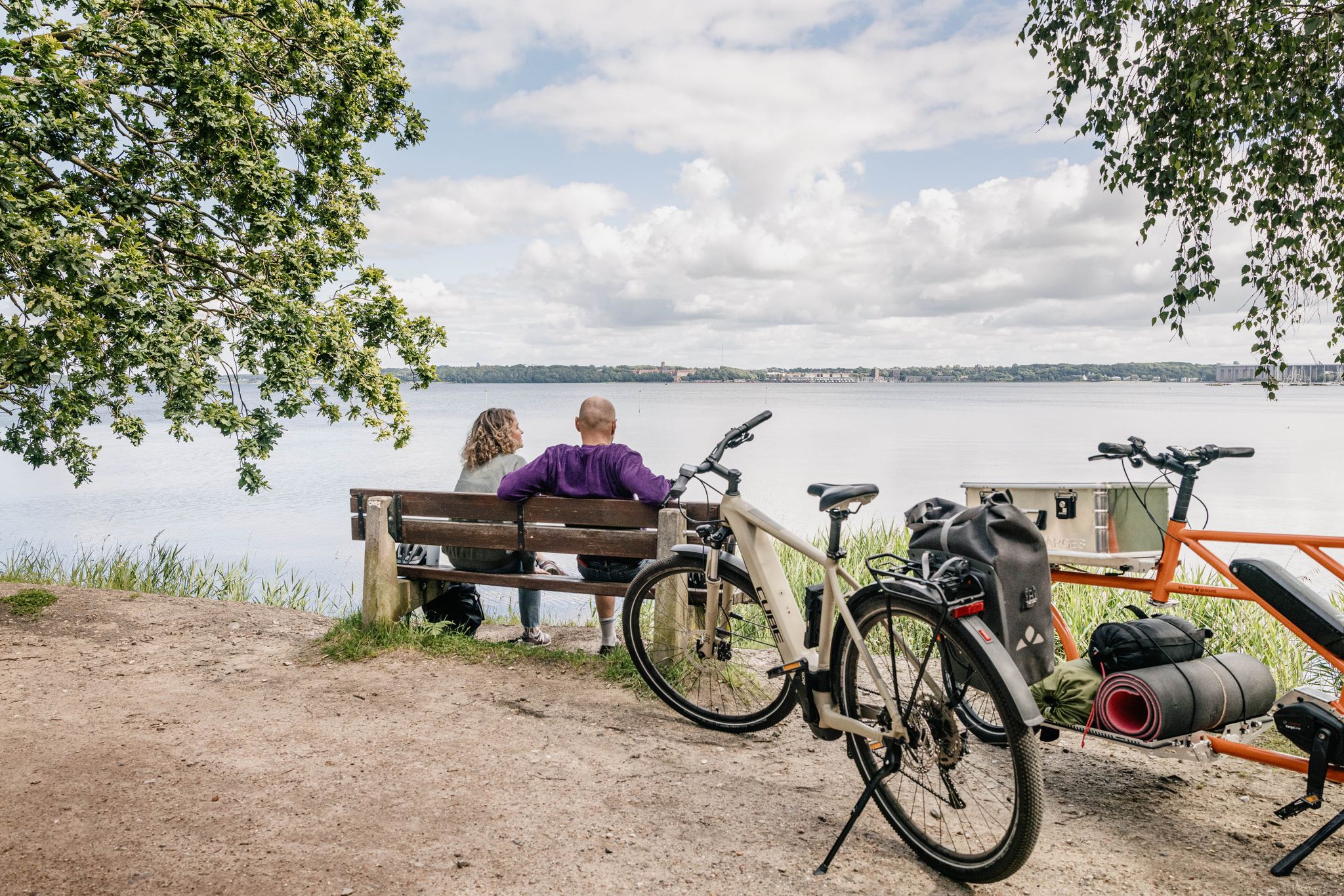
Two countries, one region – cycling Tours on the Flensburg Fjord
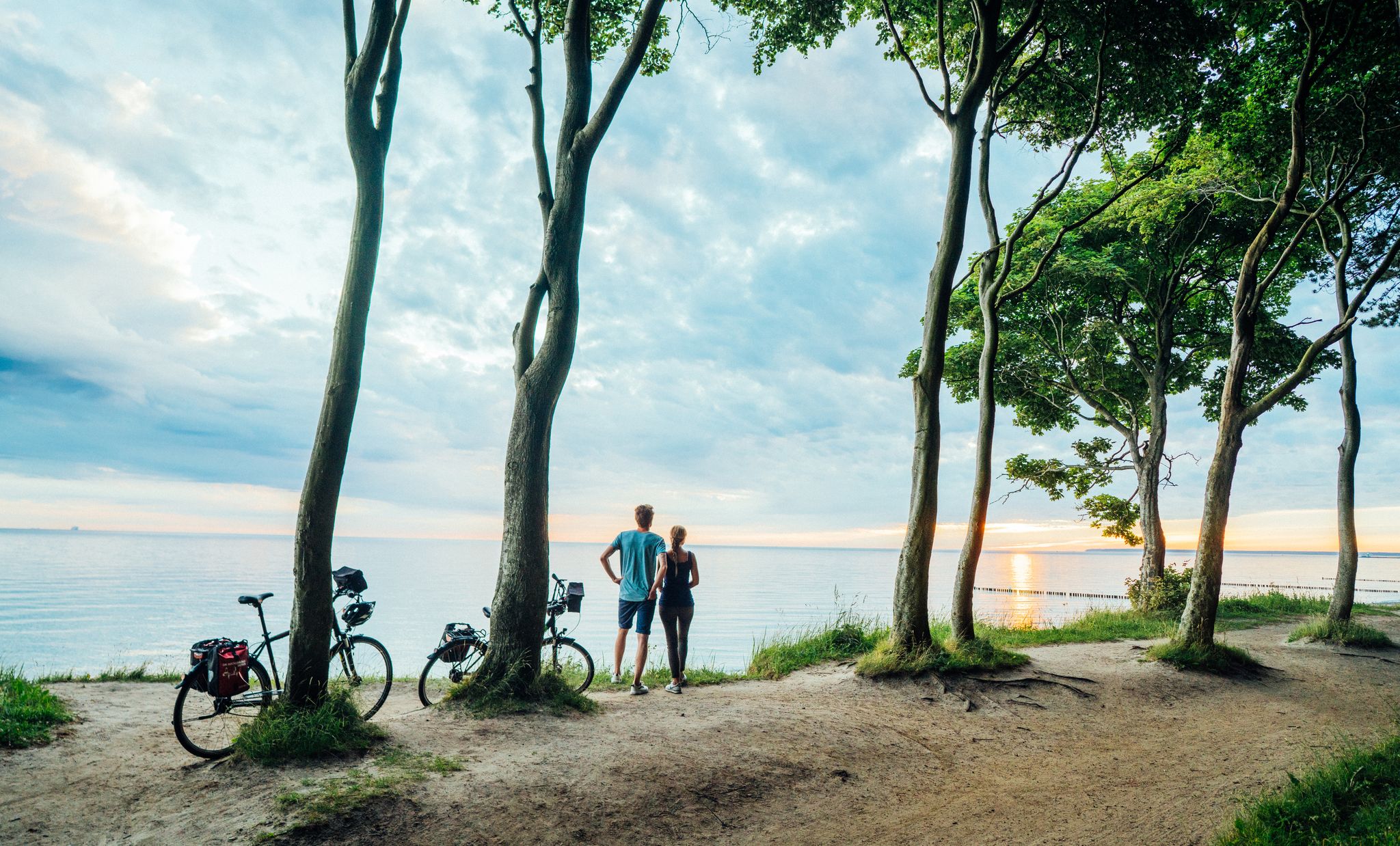
Bicycle touring on the Baltic Sea Cycle Path
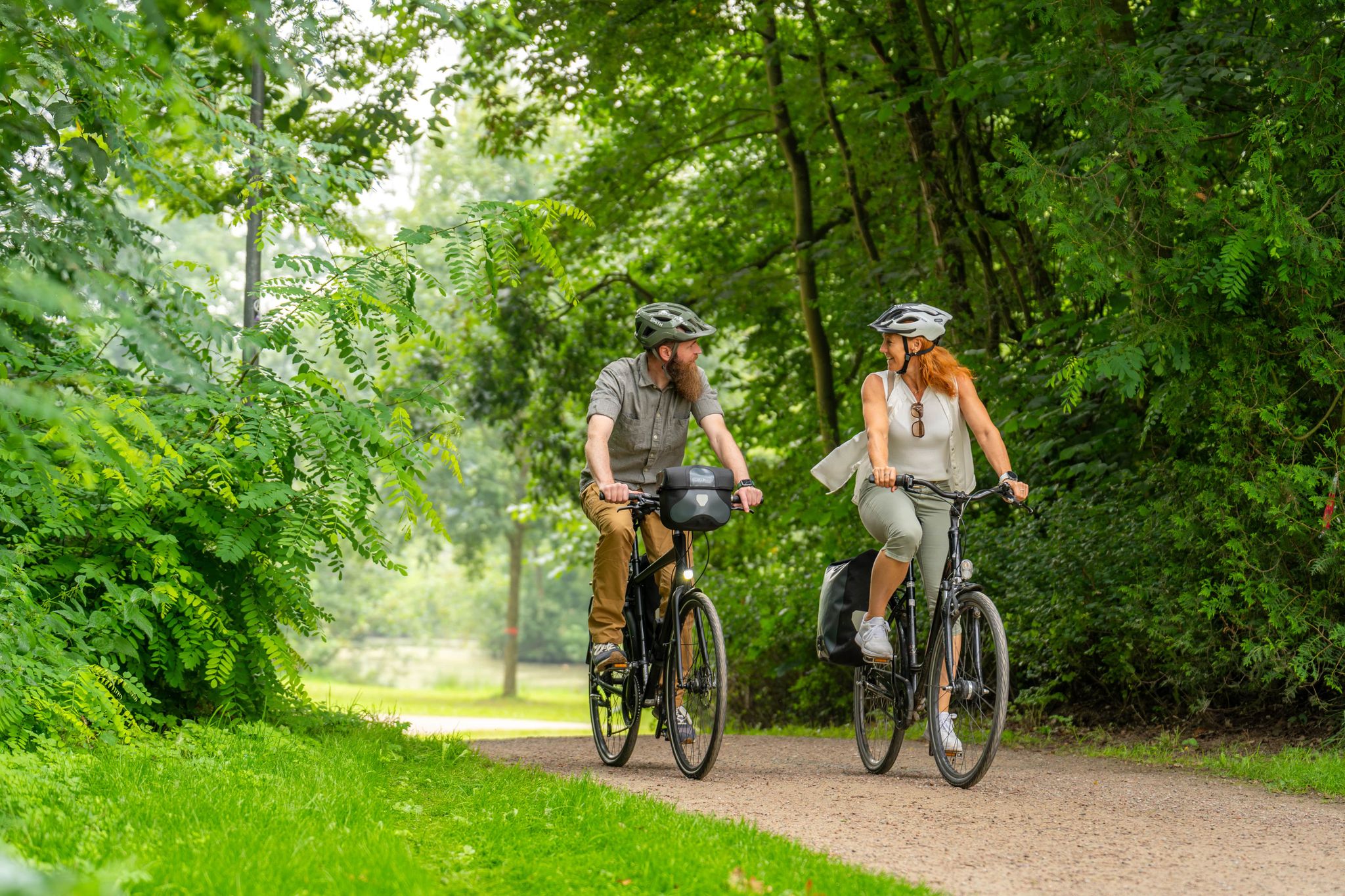
Radfernwege im Grünen Binnenland in Schleswig-Holstein
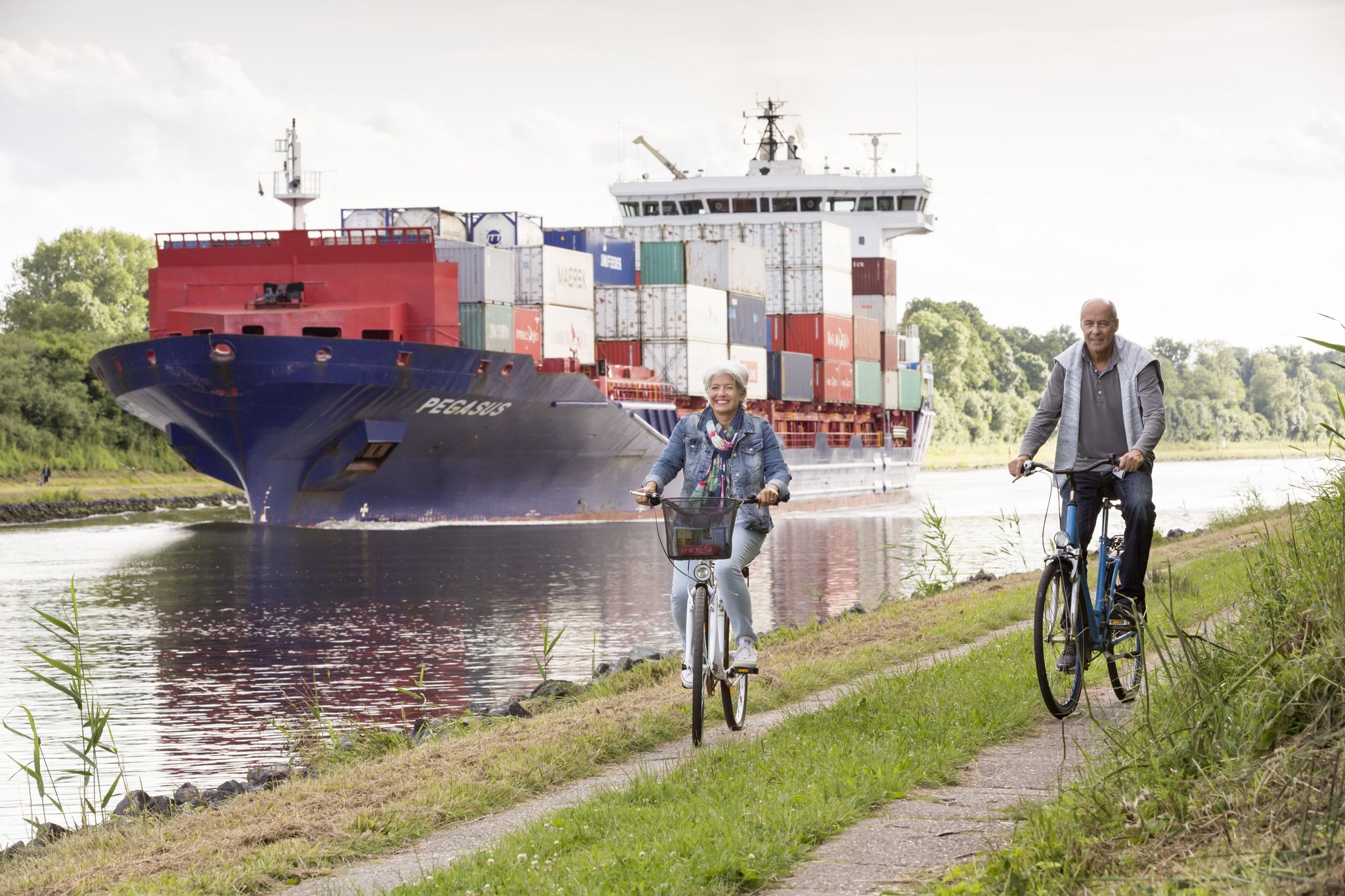
Radfernwege im Binnenland Schleswig-Holstein
Other adventures around Flensburg


Tips from the Community

Unpaved cycle path with beautiful views.
0
0

great fish sandwich at Ben's
0
0

Why is a detour worthwhile? Because the ride here is definitely more pleasant than the alternative route along the main road. You can really enjoy the ride, and despite the good weather, it wasn't too busy today.
1
0

Cycle path with great views
1
0

A beautiful, historic steamer that still sails in the Flensburg Fjord... if you're lucky, the ship will be in the harbor as you walk past
2
0

The paddle steamer Alexandra is a vibrant maritime landmark in Flensburg's historic harbor and is the last remaining sailing paddle steamer in Germany. Anchored directly in the museum harbor, the ship uniquely combines history, technology, and experience. The Alexandra was built in 1908 at the Janssen & Schmilinsky shipyard in Hamburg and named after Princess Alexandra of Schleswig-Holstein-Sonderburg-Glücksburg. From its inception, it operated on a regular service on the Flensburg Fjord. For decades, it also served as a patrol boat during the First World War, as a regatta support vessel at the 1936 Olympic Games in Kiel, and as a pilot boat, refugee vessel, and rescue ship during and after the Second World War. After the war, the Alexandra returned to civilian scheduled service in 1946, primarily on the Flensburg–Glücksburg route, and was finally decommissioned in 1975. After being decommissioned, she fell into disrepair in the harbor until 1979, when dedicated citizens formed the "Save the Alexandra" association and restored the ship. Thanks to their efforts, the Alexandra was seaworthy again in 1989 and was recognized as a cultural monument in 1990. Today, the Alexandra is a popular excursion option from May to September. She offers passenger trips on the Kiel Fjord – for example, to the Oxen Islands – and is the star attraction at harbor festivals such as the Rum Regatta or the Steam Festival. With its modern, preserved technology from 1908 – including a coal-fired steam engine – she is the only coastal vessel of her type in the world still permitted to operate.
4
0
The Flensburg Fjord (Danish: Flensborg Fjord) is an approximately 40 to 50-kilometer-long inlet of the western Baltic Sea and forms the border between Germany (Schleswig-Holstein) and Denmark along its northern and southern sides. Geologically, it was formed by the indentation of a glacial tongue in the inland ice during the Weichselian glaciation. It is classified as a fjord rather than a fjord because its flanks are relatively low. The fjord is divided into two sections: the inner fjord toward Flensburg and the outer fjord, separated by the Holnis peninsula. At its western end, in Flensburg, it flows inland—the westernmost point of the Baltic Sea also lies along this line. Today, the region is an important sporting area, especially for sailors, and hosts major regattas such as the Flensburg Fjord Regatta and the Rum Regatta. Fjord Week, with events for classic yachts, is also part of the regular schedule. The Flensburg Fjord is also attractive for its landscape and tourism. It offers charming shorelines with beaches, steep coastlines, and moraine cliffs, nestled among gentle sandy areas. Nature and culture lovers will find a wealth of destinations along both shores: Flensburg with its historic old town and museum harbor, Glücksburg Castle, the Holnis peninsula with its protected salt marshes and lighthouses, as well as the Geltinger Birk nature reserve and the towns along the northern shore with the Gendarmenpfad (Gendarmen Trail) – a former border path along the Danish border. For centuries, the fjord has been shaped by passenger and freight traffic – historic steamers connected Flensburg with towns on both sides. Today, leisure boating, excursion boats, traditional yachts and marine activities dominate in Mürwik.
2
0
The Flensburg Fjord (Danish: Flensborg Fjord) is an approximately 40 to 50-kilometer-long inlet of the western Baltic Sea and forms the border between Germany (Schleswig-Holstein) and Denmark along its northern and southern sides. Geologically, it was formed by the indentation of a glacial tongue in the inland ice during the Weichselian glaciation. It is classified as a fjord rather than a fjord because its flanks are relatively low. The fjord is divided into two sections: the inner fjord toward Flensburg and the outer fjord, separated by the Holnis peninsula. At its western end, in Flensburg, it flows inland—the westernmost point of the Baltic Sea also lies along this line. Today, the region is an important sporting area, especially for sailors, and hosts major regattas such as the Flensburg Fjord Regatta and the Rum Regatta. Fjord Week, with events for classic yachts, is also part of the regular schedule. The Flensburg Fjord is also attractive for its landscape and tourism. It offers charming shorelines with beaches, steep coastlines, and moraine cliffs, nestled among gentle sandy areas. Nature and culture lovers will find a wealth of destinations along both shores: Flensburg with its historic old town and museum harbor, Glücksburg Castle, the Holnis peninsula with its protected salt marshes and lighthouses, as well as the Geltinger Birk nature reserve and the towns along the northern shore with the Gendarmenpfad (Gendarmen Trail) – a former border path along the Danish border. For centuries, the fjord has been shaped by passenger and freight traffic – historic steamers connected Flensburg with towns on both sides. Today, leisure boating, excursion boats, traditional yachts and marine activities dominate in Mürwik.
3
0
Frequently Asked Questions
What are the best outdoor activities around Flensburg?
The Cycle route along the Flensburg Fjord is a popular choice, offering scenic views of the fjord's charming shorelines. The fjord itself is excellent for sailing, windsurfing, and kitesurfing. For walking, you can explore the easy hikes around Flensburg, or try running trails like the Flensburg Fjord loop. Gravel biking is also popular, with routes like the Flensburg Fjord Marina to Glücksburg Fjord Promenade.
Are there any historical landmarks to explore in Flensburg?
Absolutely. The iconic Nordertor, a medieval city gate from 1595, is a prominent symbol of Flensburg's past. The Historischer Hafen (Historic Harbor) offers a glimpse into the city's maritime heritage with historic sailboats. You can also visit the stunning Neo-Gothic Nikolaikirche (St. Nicholas Church) and the historic Marienkirche (St. Mary's Church).
What cultural sites should I visit in Flensburg?
Flensburg boasts a rich cultural scene. The Museumsberg Flensburg provides insights into the art and culture of the Schleswig region. The Schifffahrtsmuseum Flensburg (Maritime Museum), located in a former customs house, details the city's long connection to the sea and rum trade. Don't miss the Rum Museum, which explains Flensburg's history as a 'Rumstadt'.
Are there family-friendly attractions in Flensburg?
Yes, Flensburg offers several family-friendly options. The Flensburg Harbor Point is a large open space where families can play Frisbee or Viking chess. The Phänomenta science center provides engaging exhibits and experiments for all ages. Many of the city's parks, like Christiansen Park, are also great for family outings.
Where can I experience Flensburg's maritime heritage?
Flensburg's maritime heritage is deeply ingrained in the city. The Flensburg Harbour is central, where you can see various boats and the old customs house. The Flensburg Museum Harbor and the Museum Shipyard showcase traditional shipbuilding. You can also take a boat trip on the historic saloon steamer Alexandra on the Flensburg Fjord.
What natural features define the Flensburg region?
The most prominent natural feature is the Flensburg Fjord, a picturesque inlet forming part of the border with Denmark, known for its sheltered waters and charming coastlines. Beyond the fjord, you can explore green spaces like Christiansen Park and Lutherpark, or nature reserves such as Twedter Feld, Marienhölzung, and the Kollunder Forest.
Are there any easy hiking trails near Flensburg?
Yes, there are several easy hiking options. You can find routes like the Nordertor (North Gate) to Flensburg Harbor Point loop (6.7 km) or the Hafenspitze East Marina to Flensburg Harbour loop (5.5 km). These trails offer pleasant walks suitable for most fitness levels.
What is the best time of year to visit Flensburg?
Flensburg is enjoyable year-round. Summer is ideal for water activities on the fjord and exploring the city's outdoor attractions. Spring and autumn offer pleasant temperatures for cycling and hiking. In winter, the city's historic charm, museums, and cozy cafes provide a welcoming atmosphere.
Where can I find unique local experiences or hidden gems in Flensburg?
Explore the charming Oluf-Samson-Gang, a listed alleyway with narrow fishermen's houses. Stroll along the Rote Straße for beautifully restored houses and artisan shops. Don't miss the Südermarkt, home to Schleswig-Holstein's oldest weekly market. Keep an eye out for the peculiar sight of shoes dangling from ropes between houses in Norderstraße for a unique photo opportunity.
Are there any viewpoints offering scenic panoramas of Flensburg?
The Flensburg Harbor Point offers great views where the mill stream flows into the fjord. The Flensburg Harbour itself provides excellent vantage points to observe boats and the city's skyline. Additionally, many spots along the Flensburg Fjord cycle route offer picturesque views of the water and surrounding landscapes.
Is Flensburg accessible for visitors with mobility challenges?
Many areas in Flensburg, such as the Flensburg Harbor Point and the Neptune Fountain at Nordermarkt, are noted as wheelchair accessible. The city's harbor promenade and some parks also offer relatively flat paths. It's advisable to check specific attraction websites for detailed accessibility information.
Can I bring my dog to attractions or trails in Flensburg?
Yes, Flensburg is generally dog-friendly. The Flensburg Harbor and Old Town area is welcoming to dogs. Many of the natural areas, such as the Marienhölzung and the various walking paths along the fjord, are suitable for dog walks. Always ensure your dog is on a leash and clean up after them.
What are some options for day trips from Flensburg?
Flensburg's location makes it a great base for day trips. You can visit Glücksburg Castle, a beautiful moated castle nearby. Exploring the Holnis peninsula with its protected salt marshes and lighthouses, or the Geltinger Birk nature reserve, offers excellent natural escapes. The Danish border is also very close, allowing for easy excursions into southern Denmark.
Most popular routes around Flensburg
Most popular attractions around Flensburg

Get inspired with the komoot mobile app


Didn’t find what you were looking for?
Are you keen on exploring more awesome places nearby? Browse our guides:
Explore more
Still not found the Highlight you’re looking for? See guides of the top attractions in other regions:
