Top 20 Castles in the Alps
Castles in the Alps offer a glimpse into centuries of history, with structures ranging from medieval strongholds to 19th-century palaces. These historical sites are often situated in dramatic locations, providing views of valleys, lakes, and mountain ranges. The region's diverse geography, spanning several countries, contributes to a variety of architectural styles and historical narratives. Exploring these castles provides insight into the cultural heritage and strategic importance of the Alpine territories.
Best castles in the Alps
- The most popular castles is Neuschwanstein Castle, a castle that is one of Germany's most famous motifs. This 19th-century historicist palace resembles a fairytale castle with its Romanesque Revival architectural style.
- Another must-see spot is Hohenschwangau Castle, a historical site with impressive architecture. Visitors can expect a beautiful, impressive building, with great views of the castle from the lake and from above.
- Visitors also love View of Tirolo Castle, a viewpoint offering very nice panoramic views of the Meraner valley. This spot provides a beautiful view of Tyrol Castle, the former ancestral seat of the Counts of Tyrol.
- The Alps is known for medieval fortresses, fairytale palaces, and historical residences. The region offers a variety of castles to see and explore, from well-preserved medieval structures to romantic 19th-century creations.
- The castles in the Alps are appreciated by the komoot community, with more than 5800 upvotes and over 4500 photos shared across more than 1200 highlights.
Last updated: May 9, 2026
Neuschwanstein Castle
Highlight • Castle
Showing Translation
Tip by

View of Alpsee and Hohenschwangau Castle
Highlight • Viewpoint
Translated by Google •
Tip by

Sign up now to discover places like this
Get recommendations on the best single tracks, peaks, & plenty of other exciting outdoor places.
Sign up for free
Showing Translation
Tip by

Cycling bridge over the Sarca River
Highlight • Bridge
Translated by Google •
Tip by

Hohenschwangau Castle
Highlight • Castle
Translated by Google •
Tip by

View of Tirolo Castle
Highlight • Viewpoint
Translated by Google •
Tip by

Brunnenburg Castle
Highlight • Castle
Source: brunnenburg.net/de/willkommen-auf-der-brunnenburg/sagengeschichte
Translated by Google •
Tip by

View of Schloss Tirol, Brunnenburg and vineyards from Dorf Tirol
Highlight • Viewpoint
to the Brunnenburg.
Welcome to Tirol Castle, the residential castle of the Counts of Tyrol. The castle gave the state of Tyrol its name. Aspects of the country's history and rulership are combined here in a clear way. From the outer bailey of Tyrol Castle you have an impressive view of the Etsch Valley and the Vinschgau. Here you will feel like you have been transported back to a distant time when the Counts of Tyrol were the masters of this area.
Source: schlosstirol.it
Translated by Google •
Tip by
View of Neuschwanstein and Hohenschwangau Castles from the Alpsee shore
Highlight • Viewpoint
Dog owners should know that when going around the lake you have to walk over gratings, they cannot be bypassed.
Translated by Google •
Tip by

Beautiful view of Arco's castle
Highlight • Viewpoint
Translated by Google •
Tip by

Sign up for free to discover even more castles in the Alps.
Sign up for free
Already have an account?
Start today with a free account
Your next adventure awaits.
Login or Signup
Popular around Alps
A summer of backdoor adventures in the Voralpen
Winter Magic in the Surselva – peace, space and pure nature
Snowy fun and hut cuisine – Winter Adventures in the Prättigau
High into the Tyrolean mountain world – mountain biking in Tyrol
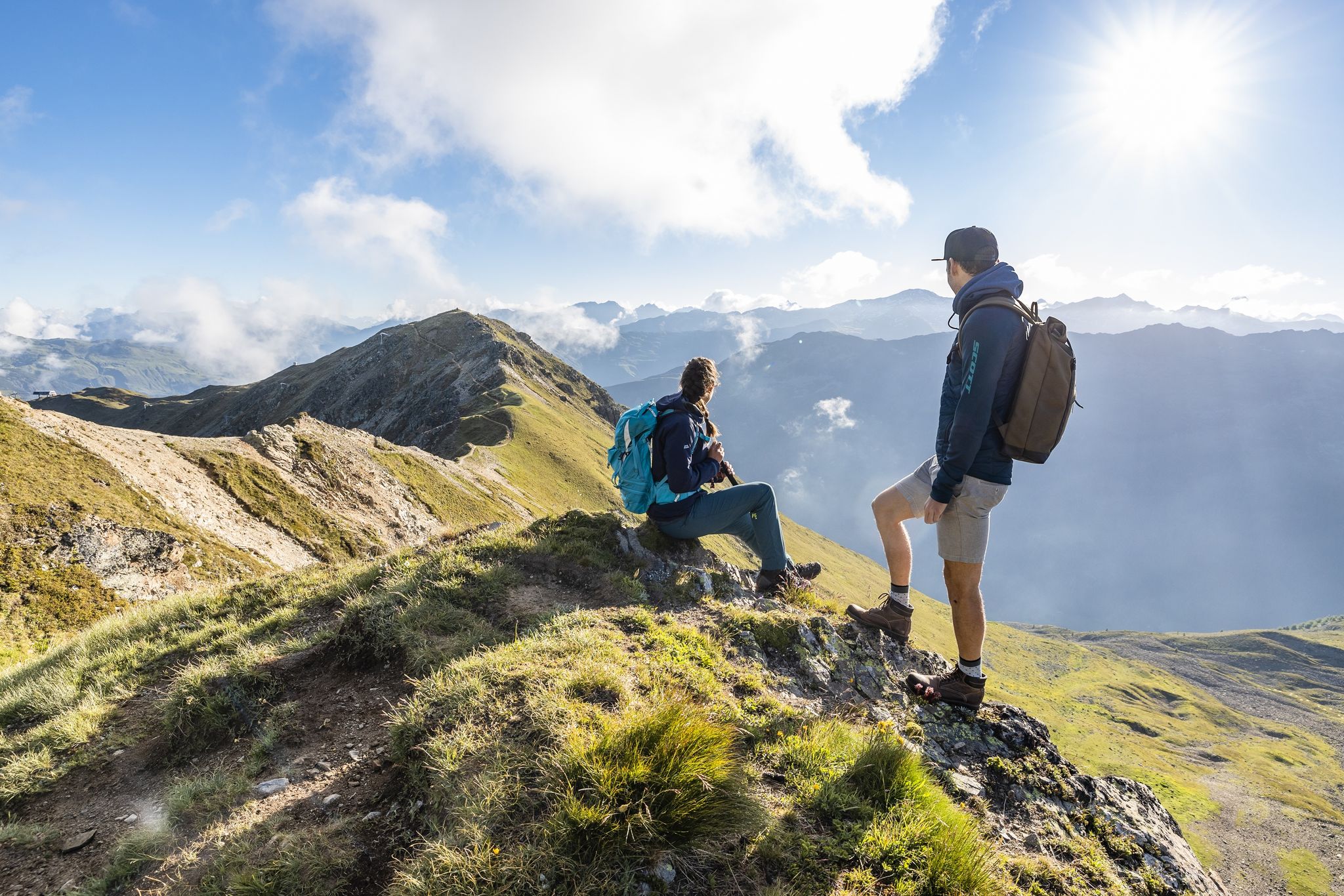
Summit joy on the mountain peaks of Davos Klosters
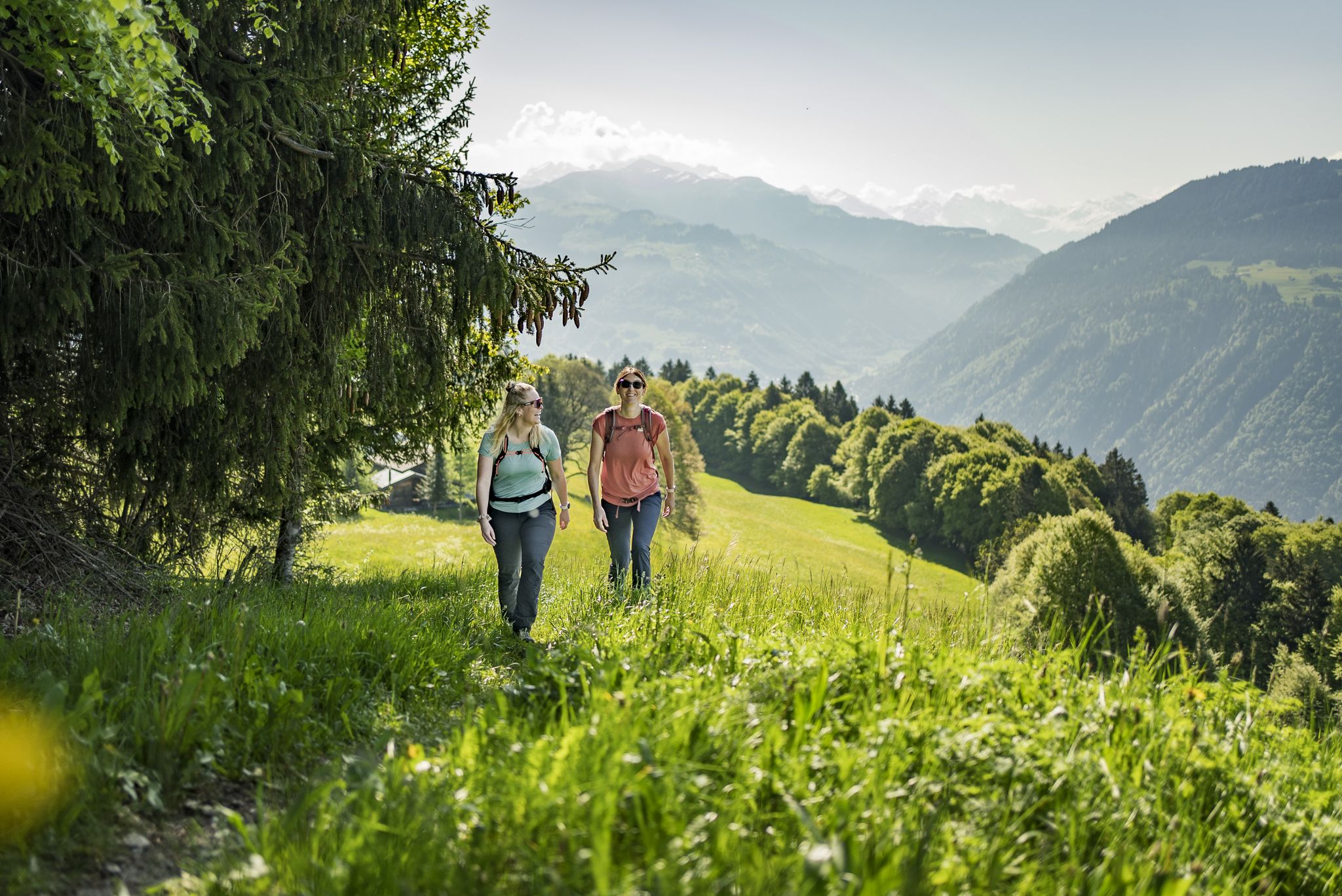
Step into the hiking season – spring routes in Graubünden
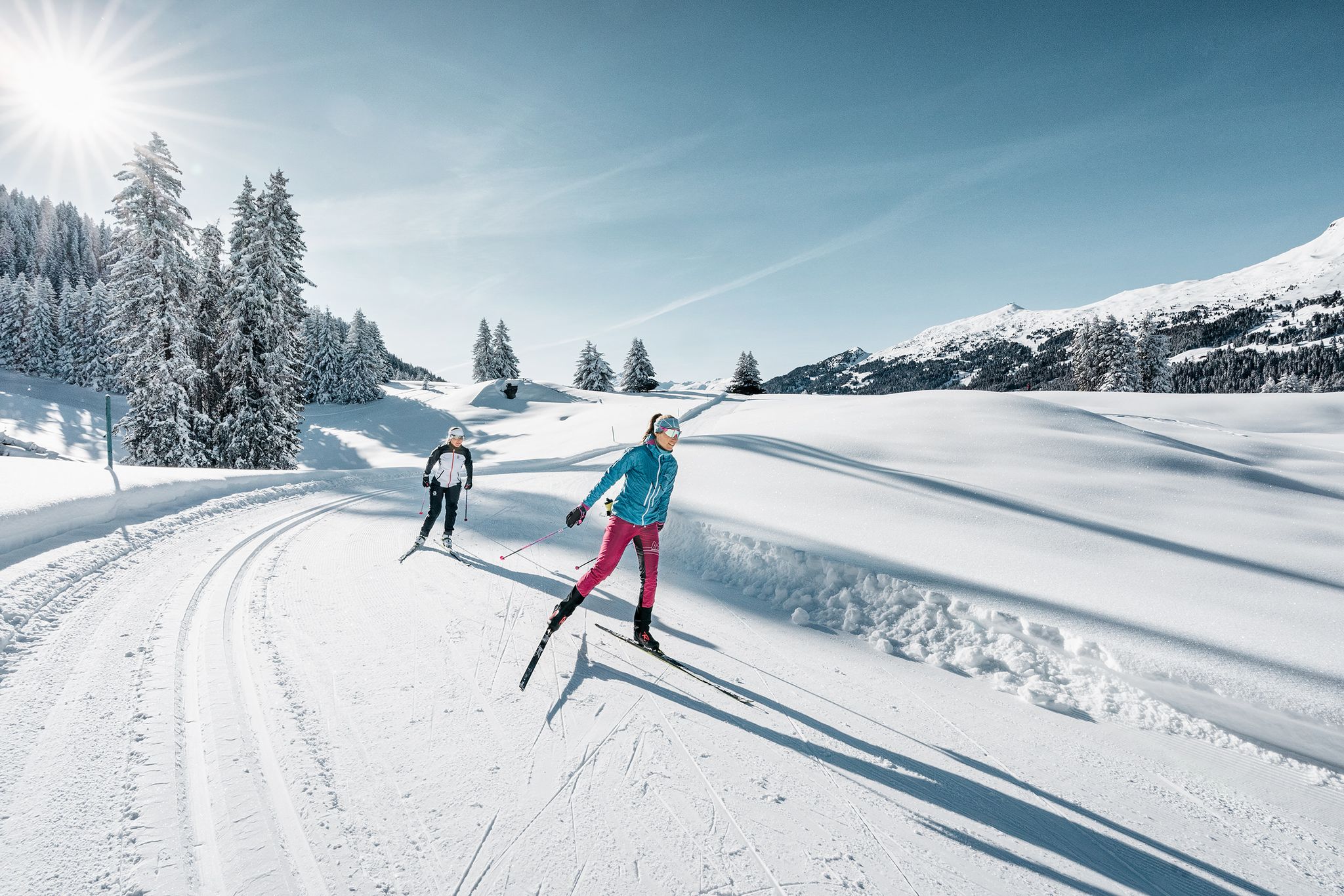
Cross-country skiing fever in the Graubünden region
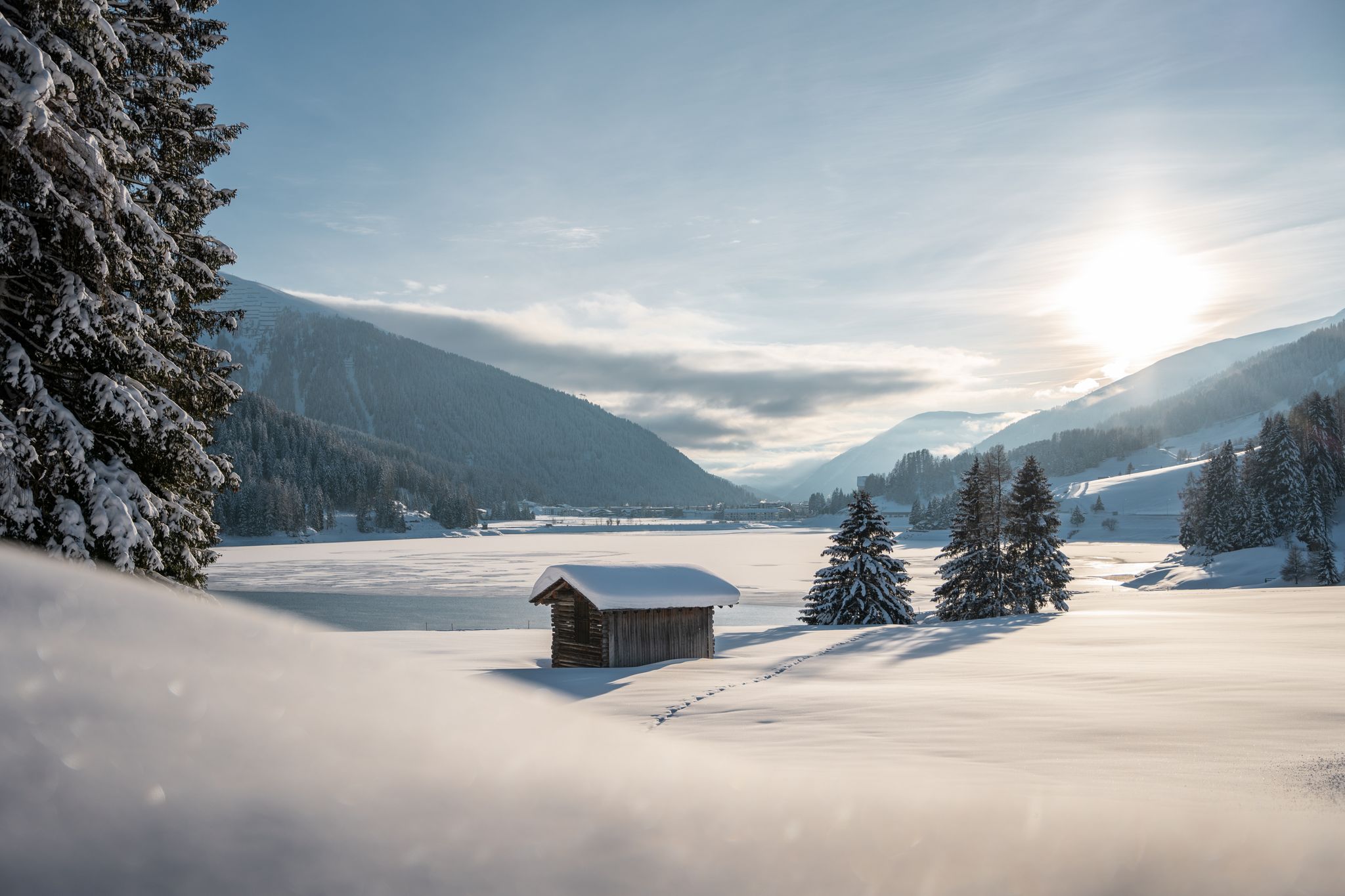
In the snow paradise – winter hiking in Davos Klosters
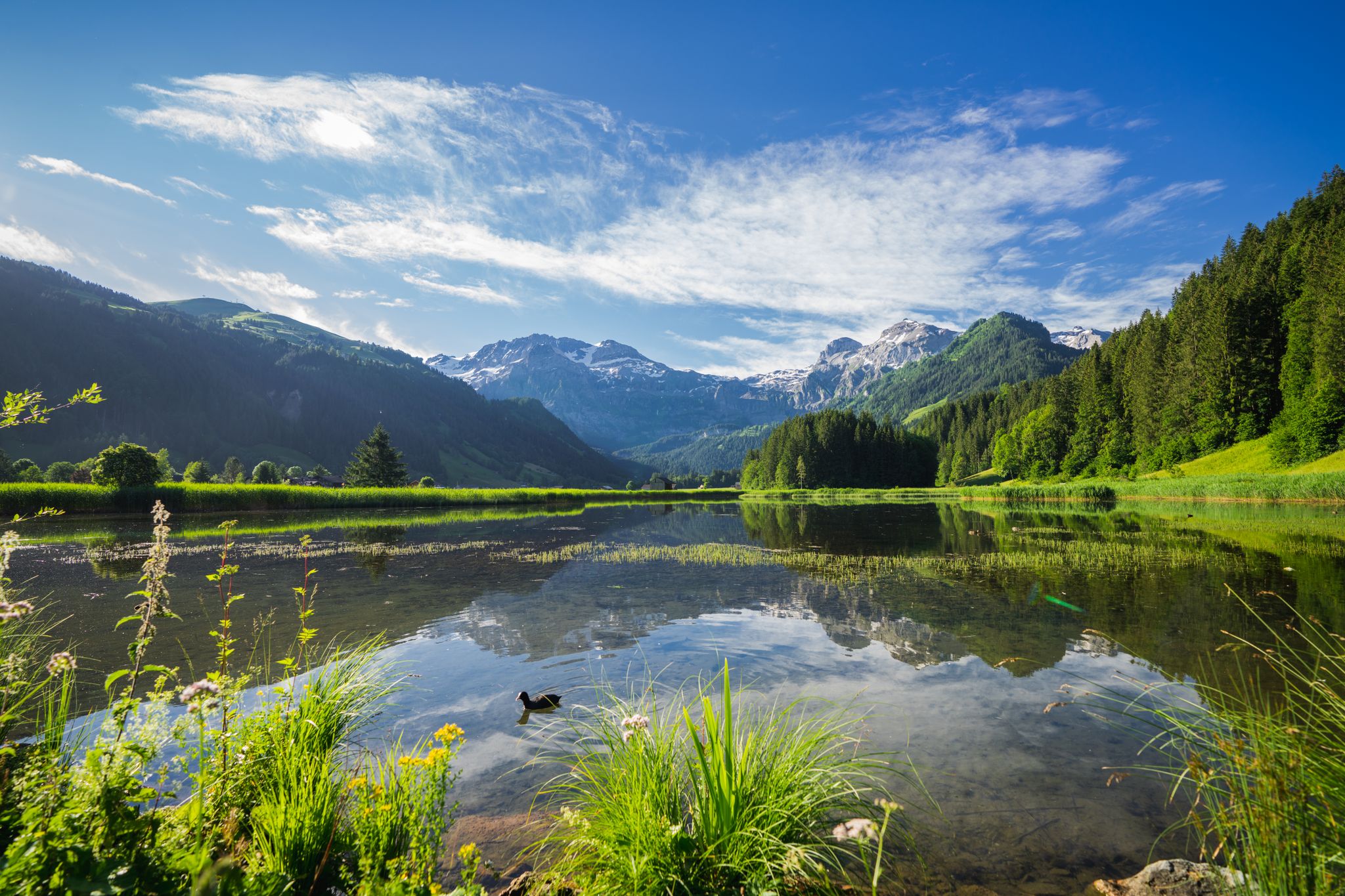
Alpine flowers and lunar craters – hiking in the Bernese Oberland
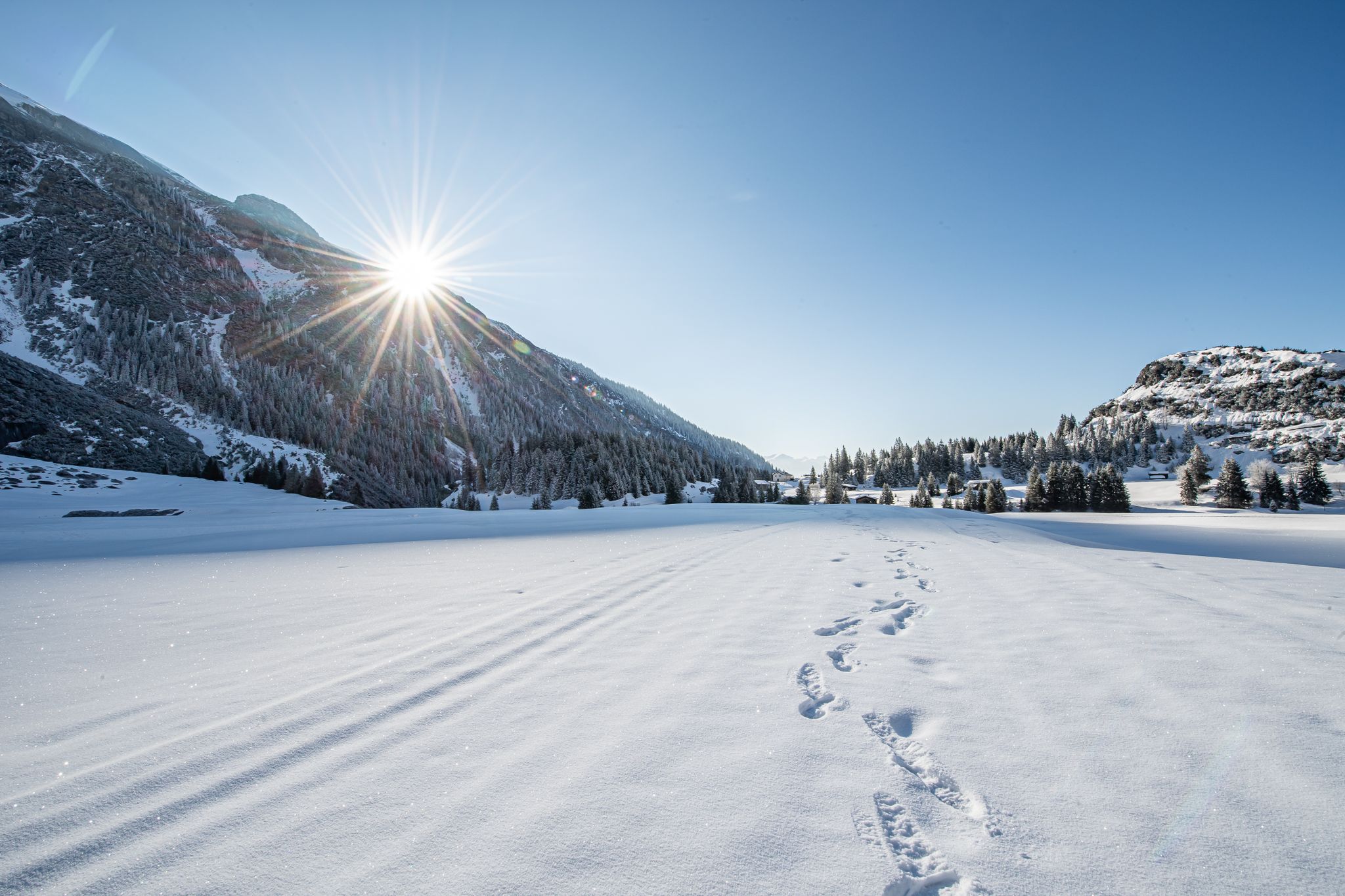
Indulgence to the power of two – culinary delights and winter hiking in Flims Laax
Other adventures in the Alps


Tips from the Community

The interior design of Neuschwanstein Castle features the recurring element of the soaring swan. This symbolizes purity and is the heraldic animal of the Counts of Schwangau, to which Ludwig II belonged. This bird can be seen everywhere, on the faucets, stained-glass windows, and even on the roof of the royal carriage.
16
0

Very good route, really fun. Great view of the mountains and the water. Great route, really fun. Also a splendid view of the mountains and the water.
3
0

Beautiful view of the Alpine landscape and the Alpsee! There is a view of the magnificent mountain panorama around Schwangau. Impressive and recommended!
5
0

The Marienbrücke is the most popular viewpoint of Neuschwanstein Castle. Hundreds of people usually crowd here, taking pictures, posing, and enjoying the fabulous view. This is also the most famous photo spot around the castle with a fantastic view of the castle, its location, and with a view of the flat hilly landscape behind it.
4
1
A predecessor building, "Schwanstein", was first mentioned in documents in 1397. Over the centuries, the castle was badly damaged. In 1832, Crown Prince Maximilian acquired the castle and had it converted into the palace we see today. After his death, his son, King Ludwig II, took over the property and had it decorated according to his preferences.
5
0
Very beautiful, impressive building. The view of the castle from the lake is great. The view from above is even better. Beautiful location, you'll be amazed and enjoy the great view! 👍 Worth a detour!
8
0

In 1903 he sold the castle to the entrepreneur Karl Schwickert from Pforzheim, who had it rebuilt. After his death in 1927, the castle fell into disrepair again until the de Rachewiltz family took up residence there and over time turned the castle into a center for cultural encounters. The American poet Ezra Pound completed his life's work, the Cantos, here from 1958 to 1962. Source: https://www.brunnenburg.net/de/willkommen-auf-der-brunnenburg/sagengeschichte/
12
0
The Brunneburg was built in 1250 by Wilhelm Tarant on a glacial rubble cone below Tyrol Castle. In 1356 the princely administrator of the Bishopric of Trent, Heinrich von Bopfingen, acquired it; he was pastor of Tyrol, envoy of Ludwig of Brandenburg and until 1359 also governor of Tyrol. In 1421 it was acquired by Ulrich Putsch, chaplain of Duke Frederick with his empty pockets, who later became a patron of art and science as Bishop of Brixen. In 1457 the castle came into the possession of Hans Kripp. It belonged to this Hall family for three and a half centuries. In 1705, Gregor Hofer built a house with a barn and gate at the foot of the castle rock using the “high wall tips” that still existed from the ruins. In 1884 the Brunnenburggut came into the hands of the mayor of Dorf Tirol, Michael Sonnenburger. Source:https://www.brunnenburg.net/de/willkommen-auf-der-brunnenburg/sagengeschichte/
13
0
Frequently Asked Questions
What kind of castles can I expect to find in the Alps?
The Alps are home to a diverse range of castles, from medieval strongholds and fortresses to romantic 19th-century palaces. You'll find structures like the fairytale-like Neuschwanstein Castle in Germany, well-preserved medieval castles such as Château de Chillon in Switzerland, and historical residences like Schloss Tirol in Italy.
Which castles offer the best panoramic views in the Alps?
Many castles in the Alps are strategically located to offer breathtaking views. For example, View of Tirolo Castle provides very nice panoramic views of the Meraner valley. View of the Alpsee, Neuschwanstein Castle and Hohenschwangau Castle offers stunning reflections of the mountains and castles in the deep blue water. Burg Hochosterwitz in Austria also provides breathtaking views of the surrounding landscape.
Are there family-friendly castles to visit in the Alps?
Yes, several castles in the Alps are considered family-friendly. Highlights like Neuschwanstein Castle and Hohenschwangau Castle are popular choices. Many viewpoints, such as View of Alpsee and Hohenschwangau Castle, are also suitable for families.
What is the best time to visit castles in the Bavarian Alps?
The castles in the Bavarian Alps, such as Neuschwanstein Castle, are open year-round, but the best time to visit depends on your preference. Spring and autumn offer pleasant weather and fewer crowds. Summer provides longer daylight hours, while winter can offer a magical, snow-covered landscape, though some paths might be less accessible.
What outdoor activities can I do near castles in the Alps?
The Alps offer numerous outdoor activities near its castles. You can find easy hikes like the Eibsee Loop Trail or the Pragser Wildsee Loop Trail. For cyclists, there are challenging road cycling routes such as the Sella loop. You can also find running trails around lakes like Zell am See-Kaprun.
Are there any hidden gem castles in the French Alps?
While not entirely 'hidden,' Château de Menthon-Saint-Bernard, located high above Lake Annecy, is a less frequented but equally impressive castle in the French Alps. It has been owned by the same family for over 1,000 years and offers a blend of medieval and later architectural styles with romantic views.
What historical significance do castles in the Alps hold?
Castles in the Alps often served strategic purposes, controlling trade routes and defending territories. Château de Chillon, for instance, was crucial for controlling Lake Geneva's trade. Schloss Tirol was the ancestral seat of the Counts of Tyrol and the political center of the region during the Middle Ages, giving the entire Tyrol region its name.
Can I visit castles that are still privately owned in the Alps?
Yes, some castles in the Alps remain privately owned but are open to the public. For example, Château de Menthon-Saint-Bernard has been continuously owned by the Menthon family for over a millennium. Burg Hochosterwitz in Austria has been owned by the Khevenhüller family since the 16th century and is also accessible to visitors.
What should I wear when visiting castles in the Alps?
When visiting castles in the Alps, it's advisable to wear comfortable walking shoes, as many involve walking up hills, stairs, or through extensive grounds. Layers are also recommended, as temperatures can vary, especially inside older stone structures or at higher elevations. Check the local weather forecast before your visit.
Are there castles in the Alps with unique architectural features?
Absolutely. Neuschwanstein Castle is famous for its Romanesque Revival style and recurring swan motif. Castello di Fénis in Italy features double walls, battlements, multiple towers, and a unique semicircular stone staircase in its courtyard. Château de Chillon is notable for appearing to rise directly from Lake Geneva and comprising around 100 independent buildings connected over time.
What do visitors enjoy most about castles in the Alps?
Visitors frequently praise the stunning locations and historical ambiance of Alpine castles. Many enjoy the impressive architecture, the beautiful views of surrounding lakes and mountains, and the sense of stepping back in time. The Hohenschwangau Castle, for example, is admired for its beautiful, impressive building and great views from the lake and above.
How can I get tickets for Neuschwanstein Castle?
Tickets for Neuschwanstein Castle are only available at the Ticket Center in Hohenschwangau, located below the castle. It's recommended to start early in the morning to avoid the biggest crowds. You can find more detailed information on their official website.
Most popular routes in the Alps
Most popular attractions in the Alps

Get inspired with the komoot mobile app


Explore more
Looking for the best castles somewhere else? Discover other guides in the Alps:
