Top 20 Natural Monuments in the Alps
Natural monuments in the Alps encompass a diverse range of geological formations, from towering peaks to deep gorges and serene lakes. This region, spanning several European countries, is characterized by its dramatic mountain ranges, extensive glaciers, and unique rock structures. These natural features offer insights into millions of years of Earth's history and provide varied landscapes for exploration. The Alps present a landscape shaped by ancient geological processes and ongoing natural forces.
Best natural monuments in the Alps
- The most…
Last updated: June 26, 2026
View of Lake Eibsee
Highlight • Viewpoint
Translated by Google •
Tip by

Partnach Gorge
Highlight (Segment) • Gorge
Translated by Google •
Tip by

Sign up now to discover places like this
Get recommendations on the best single tracks, peaks, & plenty of other exciting outdoor places.
Sign up for free
Waterfall in Partnach Gorge
Highlight • Gorge
Translated by Google •
Tip by

Neuschwanstein Castle
Highlight • Castle
Showing Translation
Tip by

Breitach Gorge
Highlight • Gorge
Translated by Google •
Tip by

Leutasch Gorge Panoramic Bridge
Highlight • Bridge
Translated by Google •
Tip by

Vilsalpsee Lakeside Path
Highlight • Lake
Translated by Google •
Tip by

Höllental Gorge
Highlight (Segment) • Gorge
Translated by Google •
Tip by

Buchenegger Waterfalls
Highlight • Waterfall
Translated by Google •
Tip by

Starzlach Gorge
Highlight (Segment) • Gorge
Translated by Google •
Tip by

Sign up for free to discover even more natural monuments in the Alps.
Sign up for free
Already have an account?
Start today with a free account
Your next adventure awaits.
Login or Signup
Popular around Alps
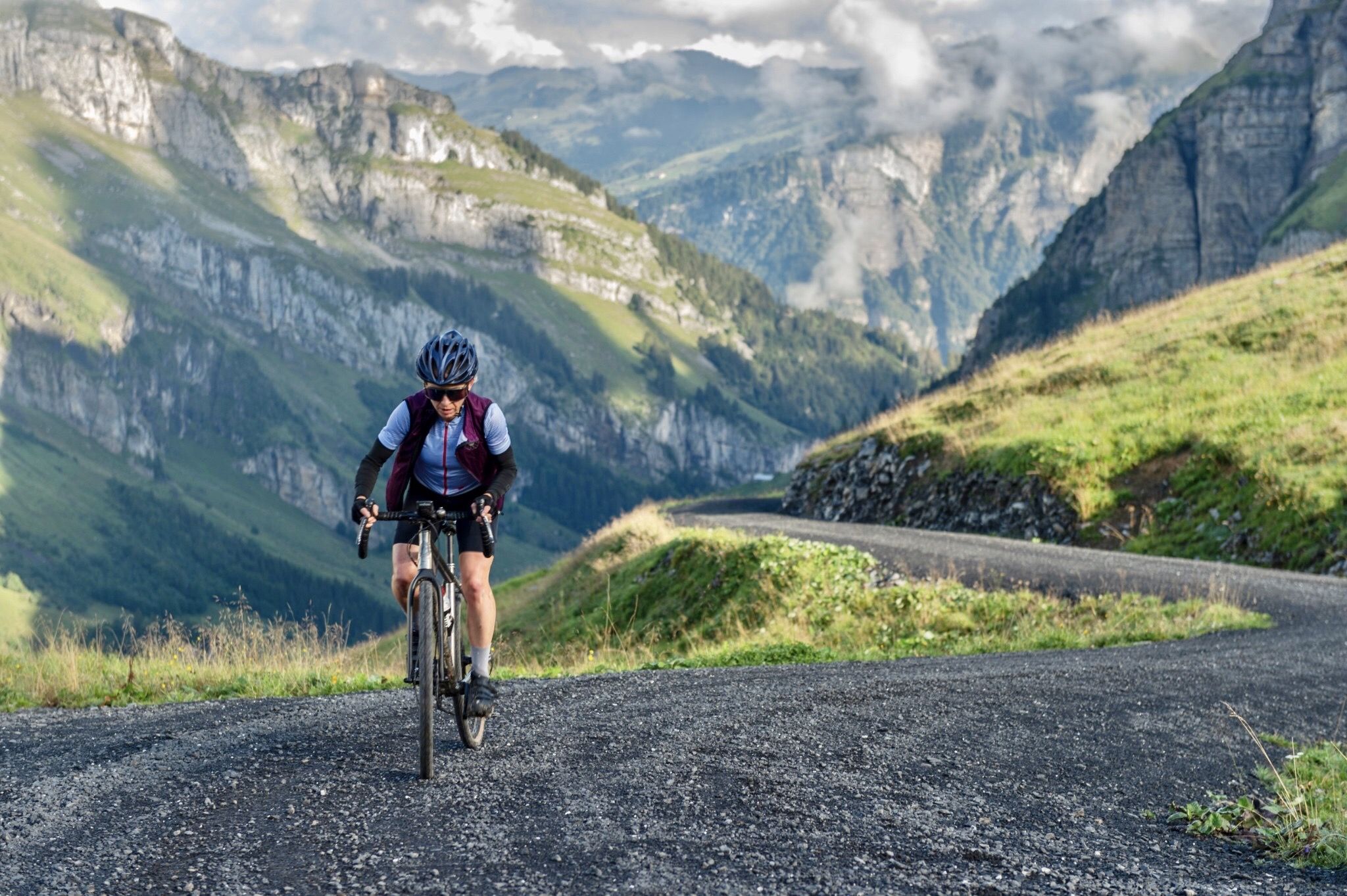
A summer of backdoor adventures in the Voralpen
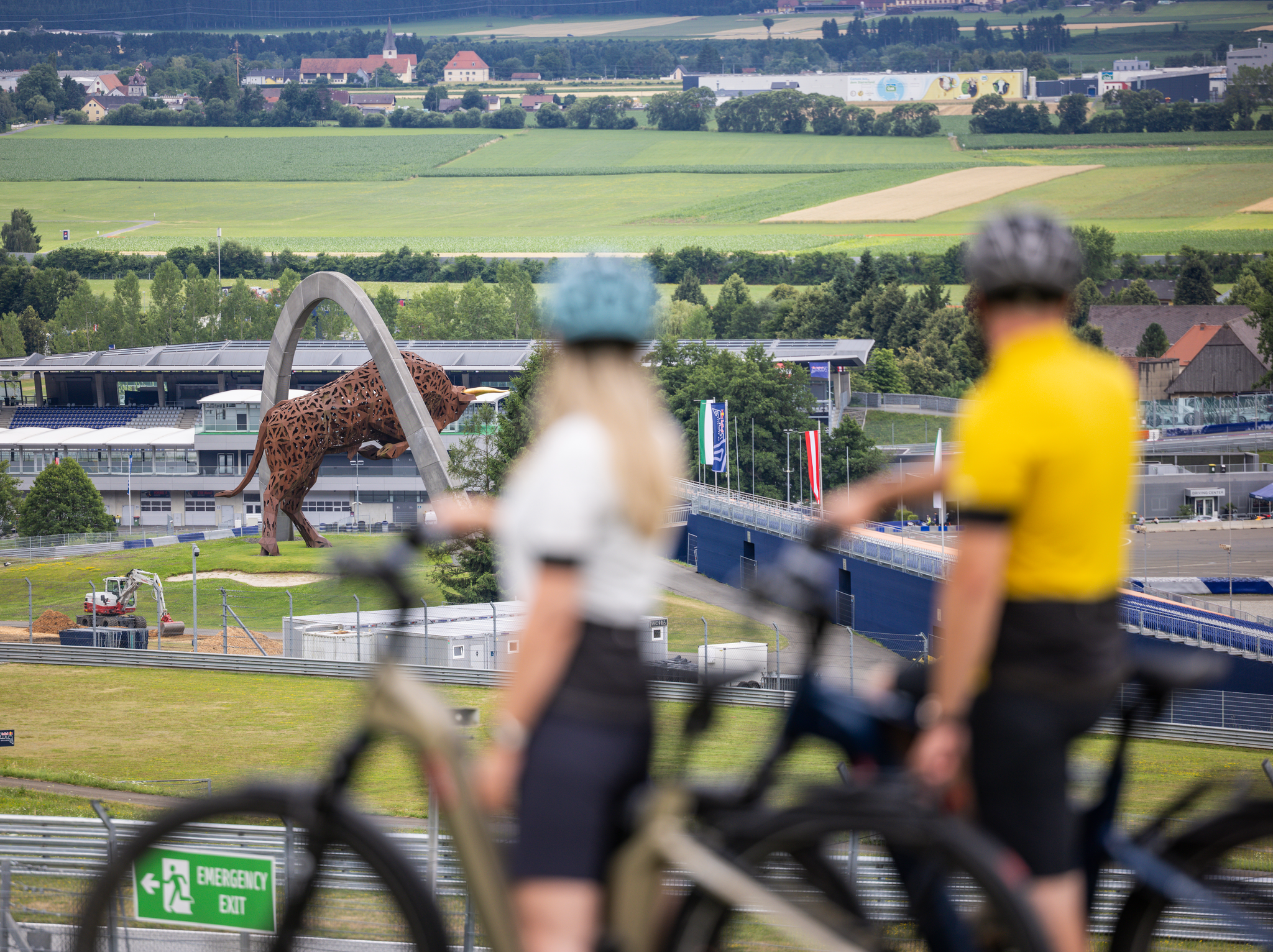
The Mix Makes It: Around the Red Bull Ring
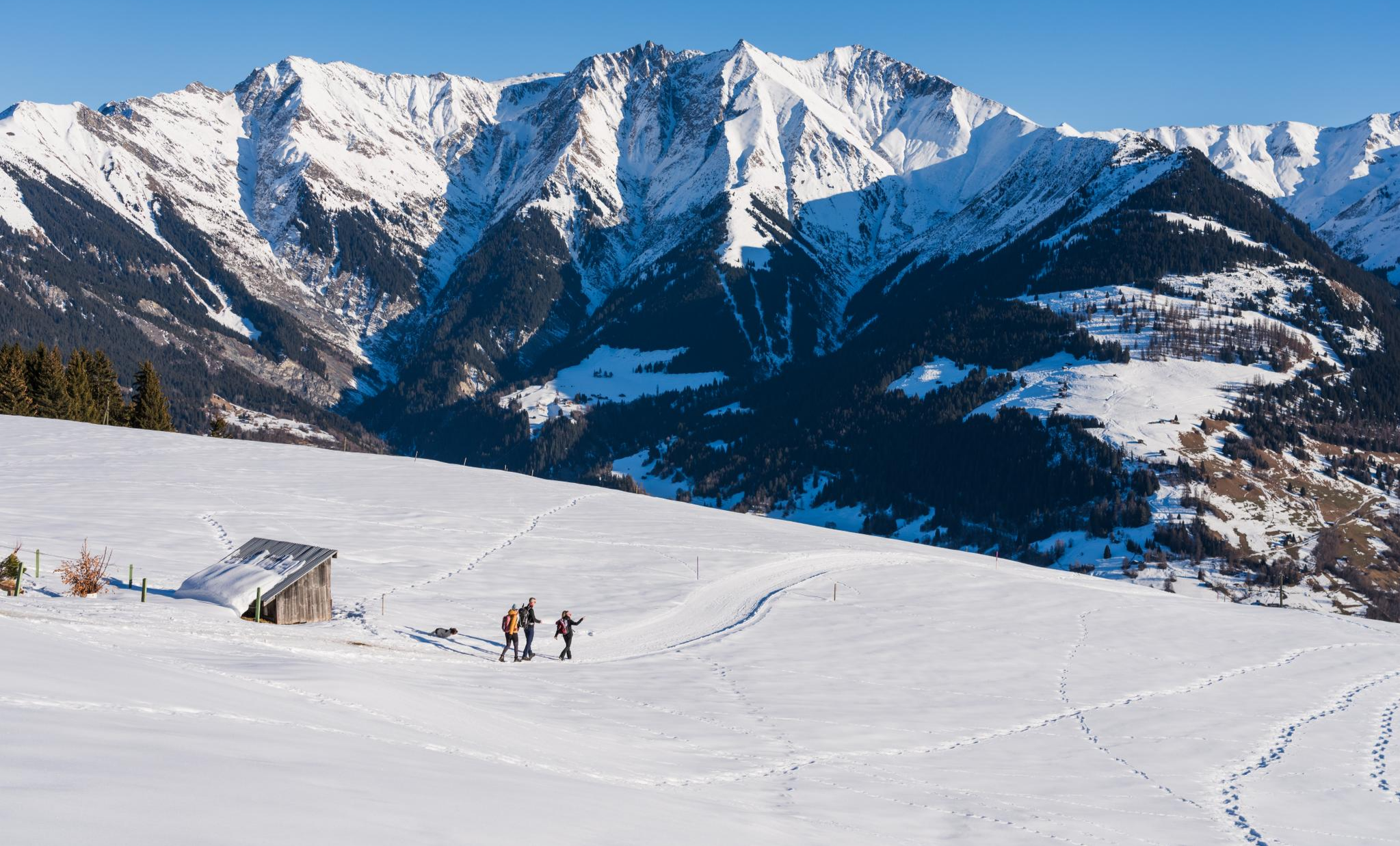
Winter Magic in the Surselva – peace, space and pure nature
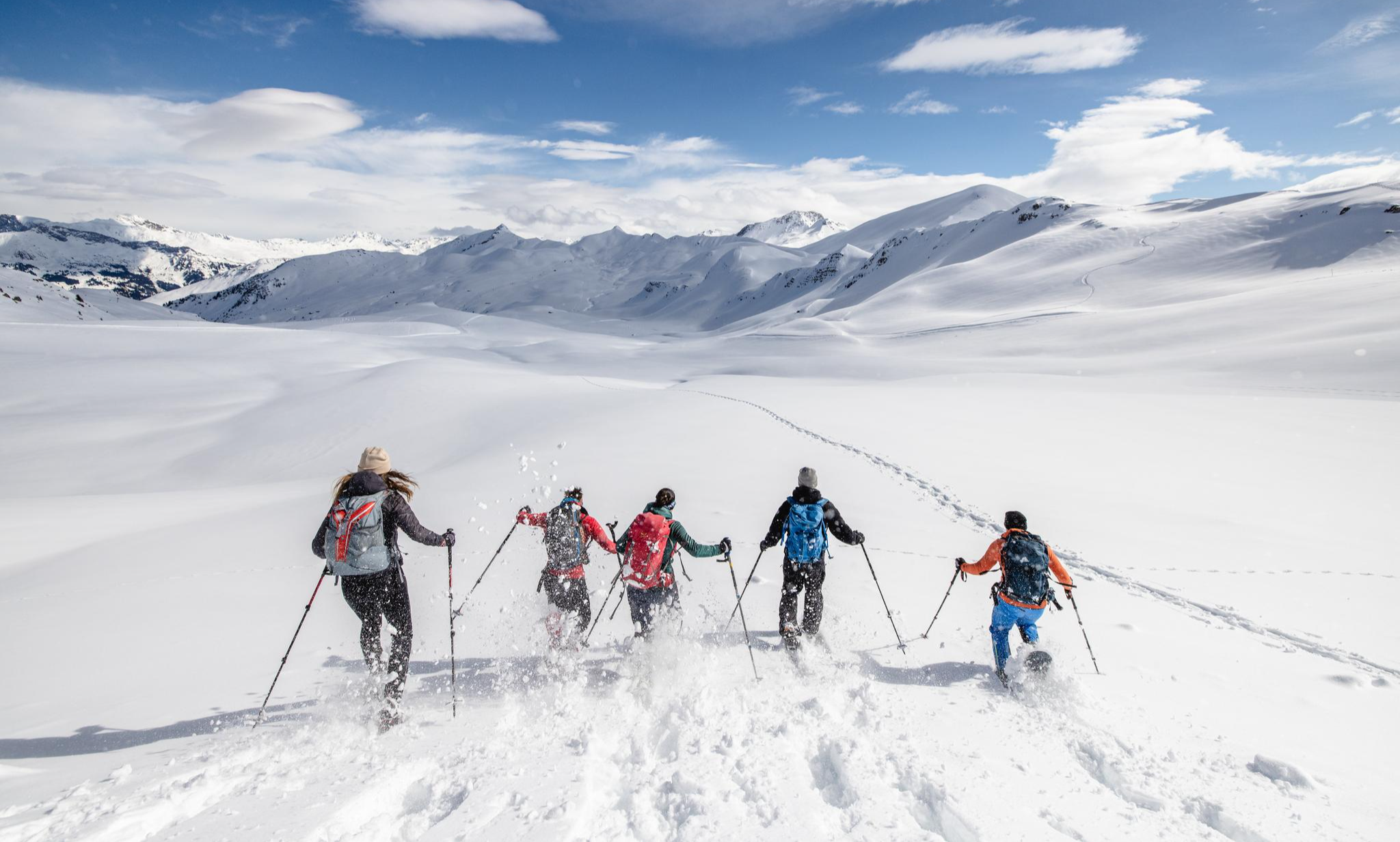
Snowy fun and hut cuisine – Winter Adventures in the Prättigau
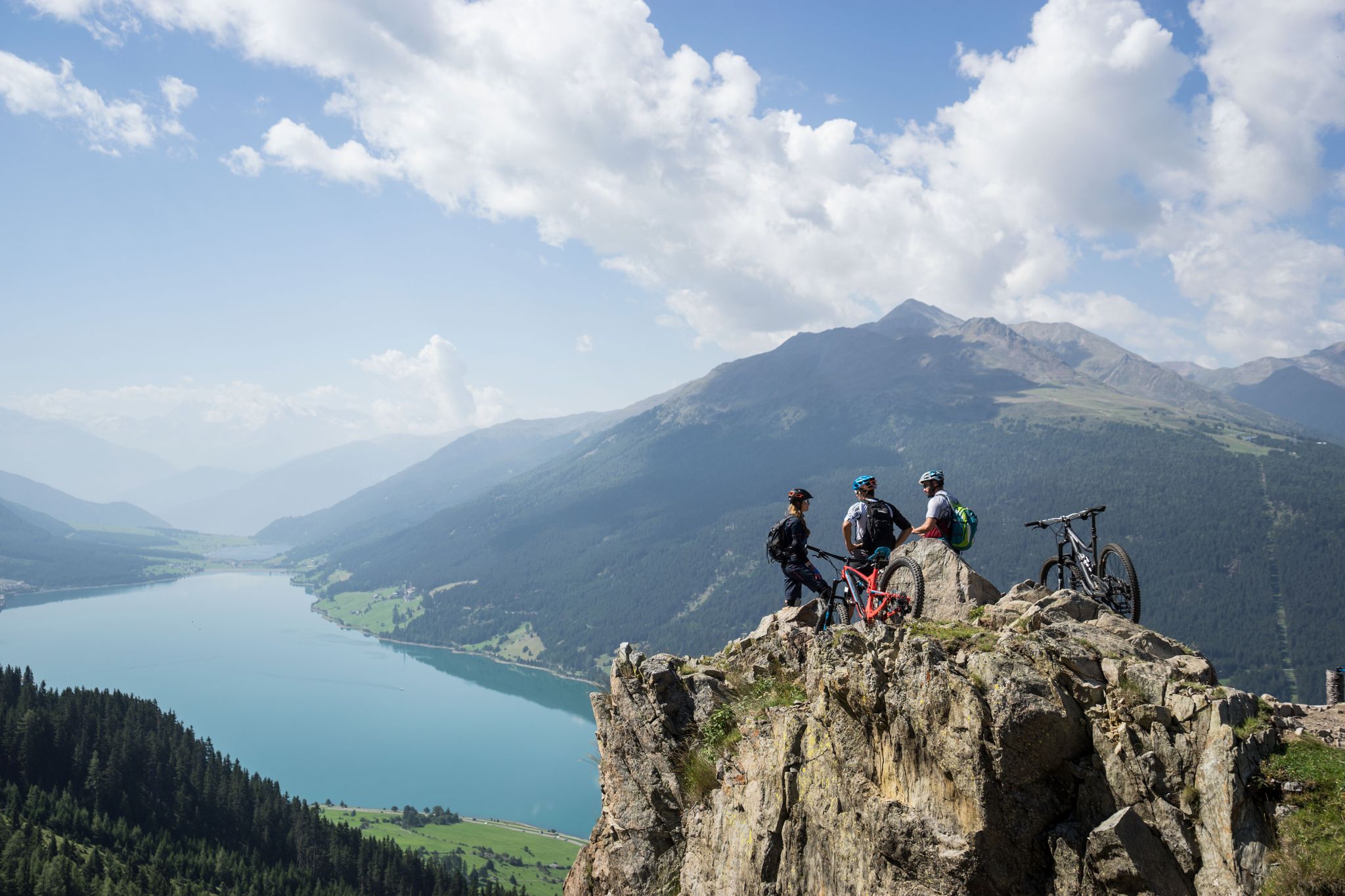
High into the Tyrolean mountain world – mountain biking in Tyrol
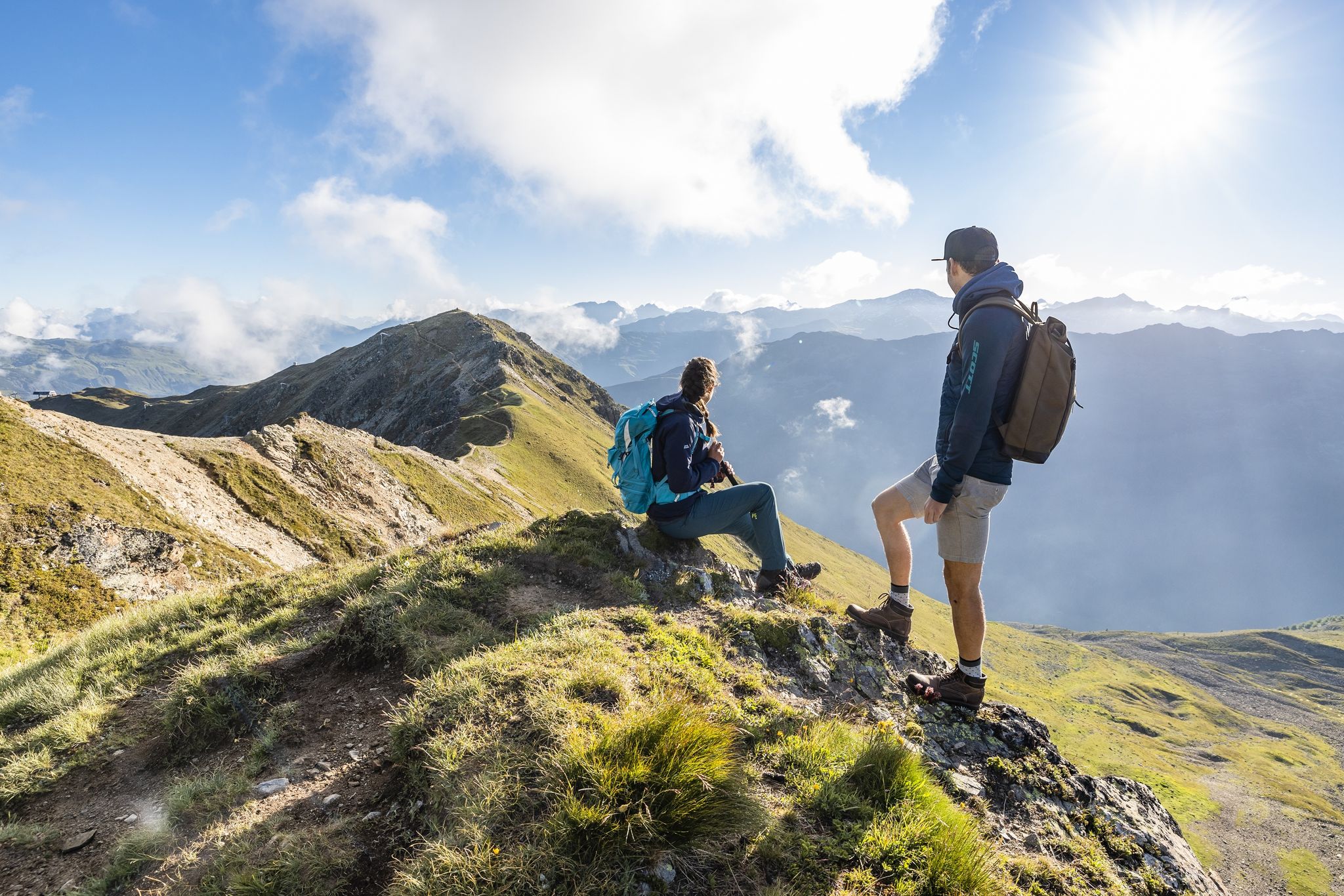
Summit joy on the mountain peaks of Davos Klosters
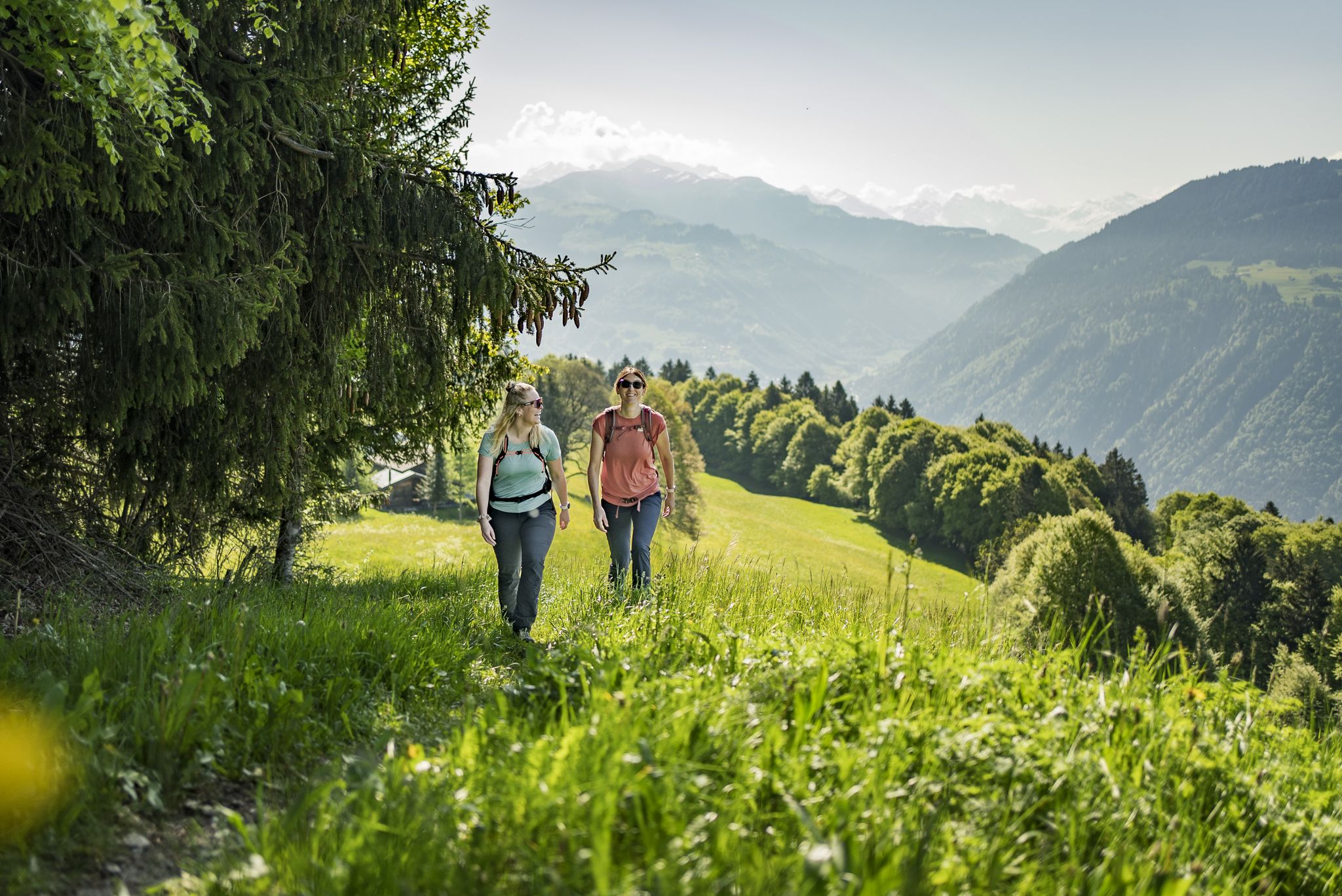
Step into the hiking season – spring routes in Graubünden
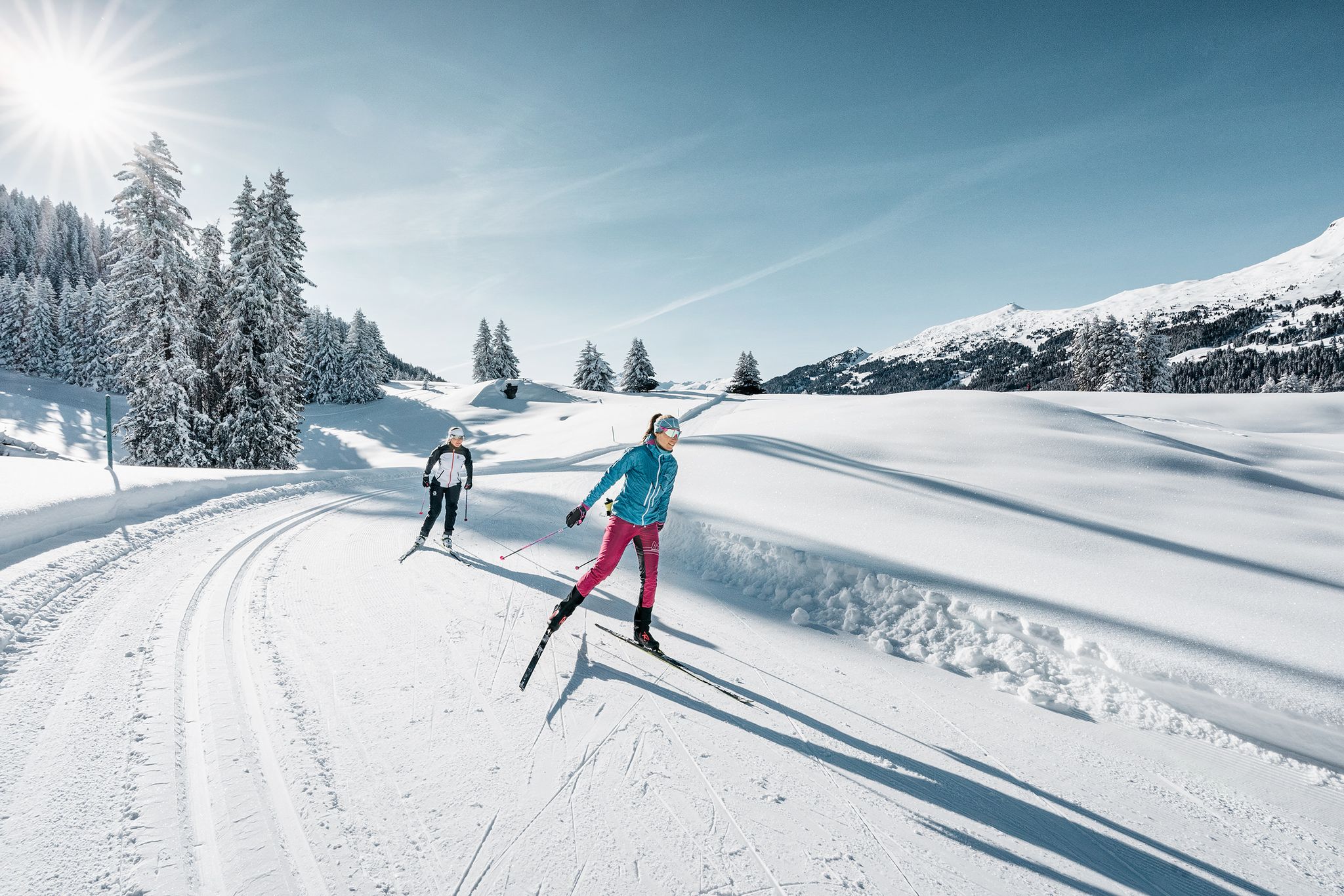
Cross-country skiing fever in the Graubünden region
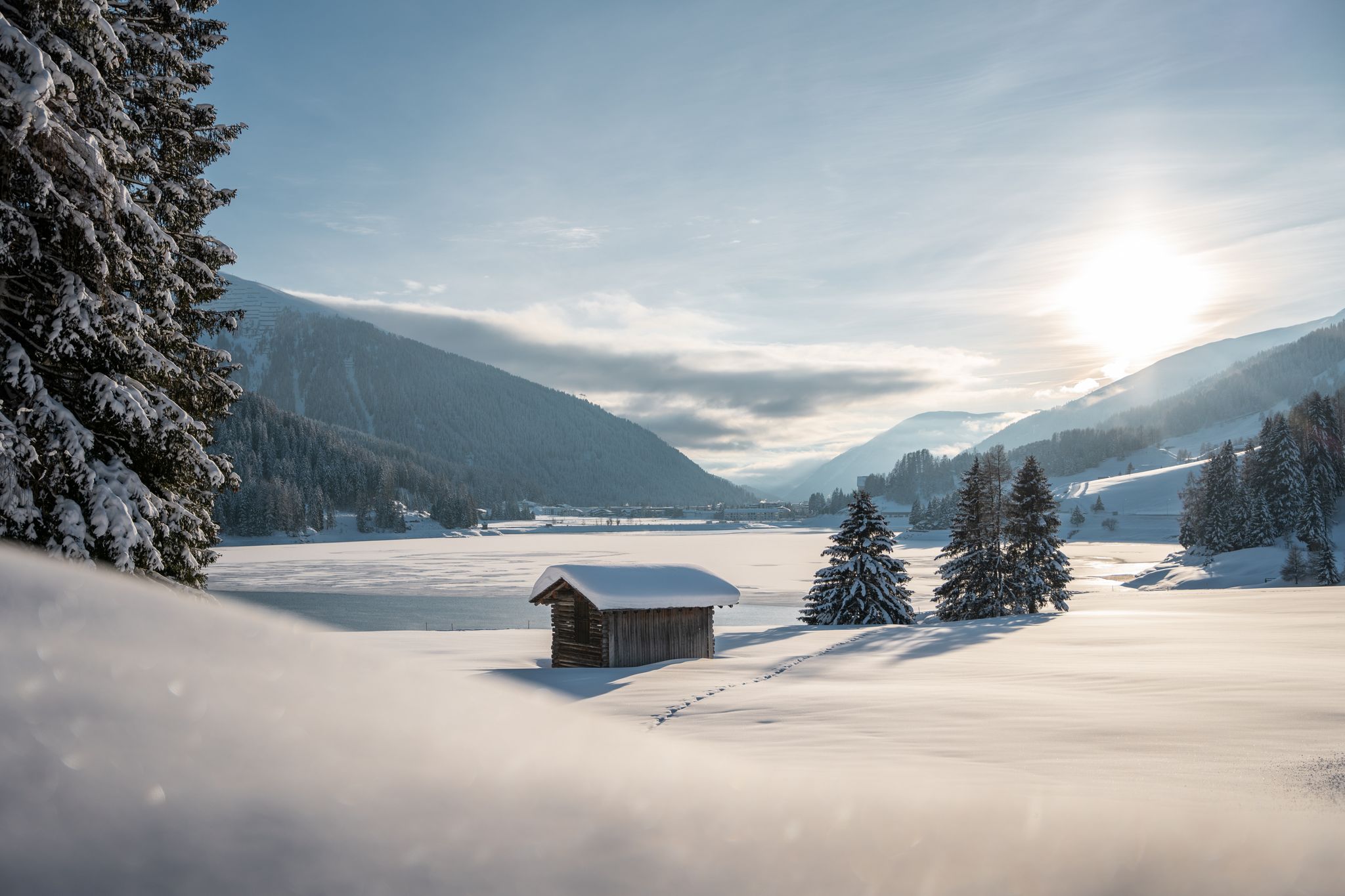
In the snow paradise – winter hiking in Davos Klosters
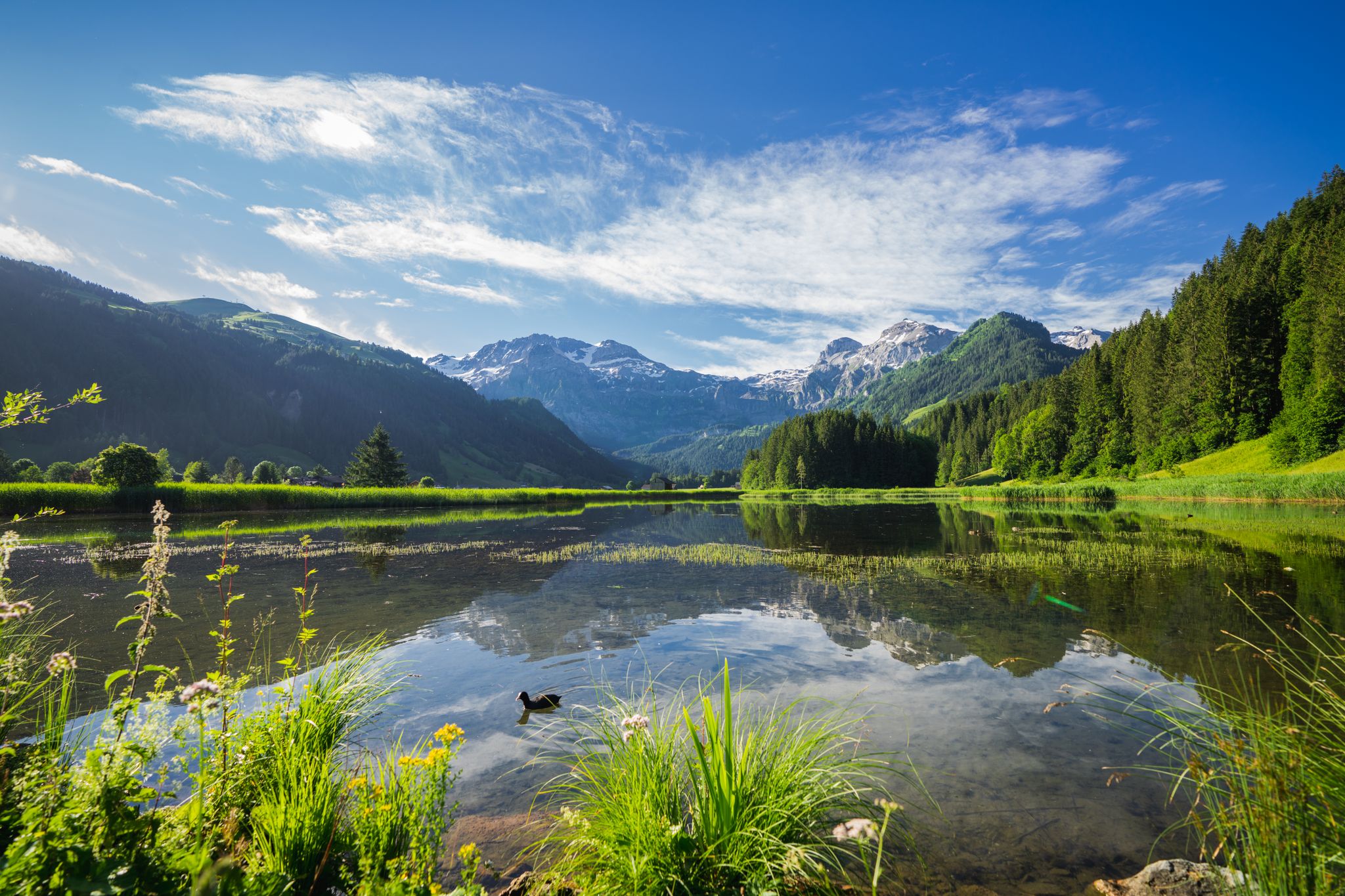
Alpine flowers and lunar craters – hiking in the Bernese Oberland
Other adventures in the Alps


Tips from the Community

The interior design of Neuschwanstein Castle features the recurring element of the soaring swan. This symbolizes purity and is the heraldic animal of the Counts of Schwangau, to which Ludwig II belonged. This bird can be seen everywhere, on the faucets, stained-glass windows, and even on the roof of the royal carriage.
16
0

Magnificent waterfalls, especially after heavy rainfall. The sounds are very impressive.
9
1

The platform offers a good opportunity to view the castle up close. Very great!
6
1

Very nice bathing area at the lake 💦 ... a wonderful refreshment opportunity ... after a very nice hike 👍🏻 ... until the cows came 🤣
15
0

Here is a wonderfully harmonious landscape
18
1

Very nice gorge 👍, always worth it!
11
1

Adventurous gorge, with many tunnels and footbridges
5
0

Magnificent views of the Eibsee
15
0
Frequently Asked Questions
What are some popular natural monuments in the Alps beyond the well-known ones?
While the Alps are famous for many natural wonders, you can explore other popular spots like the dramatic Partnach Gorge, known for its captivating flowing waters. Another impressive site is the Breitach Gorge, Europe's deepest rocky gorge, offering a mystical atmosphere with its high, overhanging rock walls. For serene beauty, Lake Vilsalp in Austria is nestled in a nature reserve, providing a unique panorama surrounded by towering mountains.
What is the best time of year to visit the natural monuments in the Alps?
The best time to visit largely depends on the activity you plan. Summer (June to September) is ideal for hiking and exploring gorges like the Höllental Gorge, which offers cool temperatures even in warm weather. Autumn brings stunning colors, making places like Lake Eibsee particularly beautiful, though it can be crowded during holidays. Some gorges, like Breitachklamm, are also open in winter, offering a unique icy experience.
Are there family-friendly natural monuments in the Alps?
Yes, many natural monuments in the Alps are suitable for families. The Leutasch Gorge Panoramic Bridge offers an impressive nature experience with well-maintained paths. Starzlach Gorge is another great family excursion, with secured and easy-to-walk paths. Lake Vilsalp is easily accessible and suitable for the whole family, with amenities like restaurants nearby.
What kind of natural features can I expect to see in the Alps?
The Alps boast a diverse range of natural features. You'll encounter majestic mountains like the Matterhorn and Mont Blanc, dramatic gorges such as Partnach Gorge and Breitach Gorge, and serene lakes like Lake Eibsee and Lake Vilsalp. The region also features extensive glaciers like the Aletsch Glacier, numerous waterfalls including the Buchenegger Waterfalls, and unique geological formations like the Dolomites' pale limestone cliffs and the Demoiselles Coiffées.
Are there hiking trails near these natural monuments in the Alps?
Absolutely. The Alps are a hiker's paradise. You can find easy hikes like the Eibsee Loop Trail or the Roaring water in the Breitachklamm. For more challenging options, consider the Tre Cime di Lavaredo Loop or the Partnach Gorge and Graseck Loop Trail. Many of these trails are part of larger guides, such as Easy hikes in the Alps, Waterfall hikes in the Alps, and Hiking in the Alps.
What are the geological highlights of the Alps?
The Alps are a geological marvel, showcasing millions of years of Earth's history. Key geological features include the distinctive pyramidal shape of the Matterhorn, formed by continental collision, and the unique pale-colored limestone cliffs of the Dolomites, a UNESCO World Heritage Site. The Aletsch Glacier, the largest in the Alps, is another significant feature, as is the Tauern Window in Austria, which exposes ancient rock strata. The region also features dramatic gorges carved by rivers, like the Breitach Gorge.
What do visitors enjoy most about the natural monuments in the Alps?
Visitors frequently praise the stunning visual appeal and the diverse opportunities for outdoor activities. Many appreciate the well-secured and easy-to-walk paths in gorges like Starzlach Gorge, making them suitable for families. The unique panoramas, especially around mountain lakes like Lake Vilsalp, are also highly valued. The impressive natural experiences, such as being close to the water in Leutasch Gorge, are often highlighted in visitor tips.
Are there any natural monuments in the Alps that are particularly accessible by public transport or have good parking options?
Many natural monuments in the Alps are well-connected. For instance, Lake Vilsalp is easily accessible, though car access is restricted from 10 am to 5 pm, with bus and tourist train options available. For other locations, it's advisable to check specific transport links. The Jungfraujoch in Switzerland, for example, is famously reached by Europe's highest railway station.
Can I find natural monuments in the Alps that are suitable for winter activities?
Yes, the Alps offer unique winter experiences. Jungfraujoch, known as the 'Top of Europe,' guarantees snow and ice 365 days a year, making it a prime winter destination. Some gorges, like the Breitachklamm, remain open in winter, transforming into mystical icy landscapes. While many hiking trails might be covered in snow, specific winter hiking routes and snowshoeing opportunities are available in various Alpine regions.
What are some less-known natural monuments or 'hidden gems' in the Alps?
Beyond the most famous sites, the Alps hold many hidden gems. The Verzasca Valley in the Ticino Alps, Switzerland, offers unspoiled natural beauty with its turquoise river and ancient stone bridge. The Cirque du Fer à Cheval in the French Alps is a magnificent limestone amphitheater with over 30 waterfalls. The Demoiselles Coiffées in France, also known as 'fairy chimneys,' are unusual natural sculptures formed by erosion, offering a unique sight near the Serre-Ponçon lake.
Are there natural monuments in the Alps that are dog-friendly?
Many natural areas and trails in the Alps are dog-friendly, but specific rules can vary by location and protected status. Generally, dogs are welcome on leashes on most hiking trails. For instance, the path around Lake Eibsee is popular with dog owners. However, it's always best to check local regulations for national parks, gorges, or specific attractions before visiting with your pet, as some areas might have restrictions or require dogs to be on a lead.
What kind of terrain and difficulty can I expect on trails around natural monuments in the Alps?
The terrain around natural monuments in the Alps varies widely. You can find easy, well-developed paths suitable for families, such as those around Lake Vilsalp or within the Leutasch Gorge. Other trails, particularly those leading to waterfalls like the Buchenegger Waterfalls or through gorges like Höllental Gorge, can be challenging, steep, and slippery, especially when wet, requiring good footwear and sure-footedness. Difficulty ratings range from easy to challenging, depending on elevation gain and path conditions.
Are there any historical or cultural sites near the natural monuments in the Alps?
While the focus is on natural beauty, the Alps also feature historical and cultural sites. For example, the iconic Neuschwanstein Castle is situated amidst stunning Alpine scenery, offering a blend of natural and man-made grandeur. Many charming historic towns and villages are nestled within the valleys, such as those around Lake Lucerne, providing cultural context to the natural landscapes.
Most popular routes in the Alps
Most popular attractions in the Alps

Get inspired with the komoot mobile app


Explore more
Extend your search for the best caves by checking out these guides of the top ones in the Alps:
