Attractions and Places To See in Lanzarote - Top 20
Attractions and places to see in Lanzarote feature a unique blend of volcanic landscapes, pristine beaches, and remarkable cultural sites. This Spanish island in the Canary Islands is characterized by its dramatic lava fields and craters, many influenced by the artist César Manrique. The region offers diverse natural features and architectural marvels for exploration.
Best attractions and places to see in Lanzarote
- The most popular attractions is Caldera Blanca, a volcano that offers impressive views and a curious history…
Last updated: June 22, 2026
Caldera Blanca
Highlight • Volcano
Translated by Google •
Tip by

La Caldereta Crater
Highlight • Volcano
Translated by Google •
Tip by
Sign up now to discover places like this
Get recommendations on the best single tracks, peaks, & plenty of other exciting outdoor places.
Sign up for free
Lava Arch
Highlight • Natural Monument
Source: unaufschiebbar.de/reiseziel/europa/kanarische-inseln/el-golfo-lanzarote
Translated by Google •
Tip by

Playa del Paso (Black Sand Beach, Timanfaya National Park)
Highlight • Beach
Translated by Google •
Tip by

Islet and Caldera Blanca Trail
Highlight (Segment) • Volcano
Translated by Google •
Tip by
Sign up for free to discover even more attractions in Lanzarote.
Sign up for free
Already have an account?
Start today with a free account
Your next adventure awaits.
Login or Signup
Popular around Lanzarote
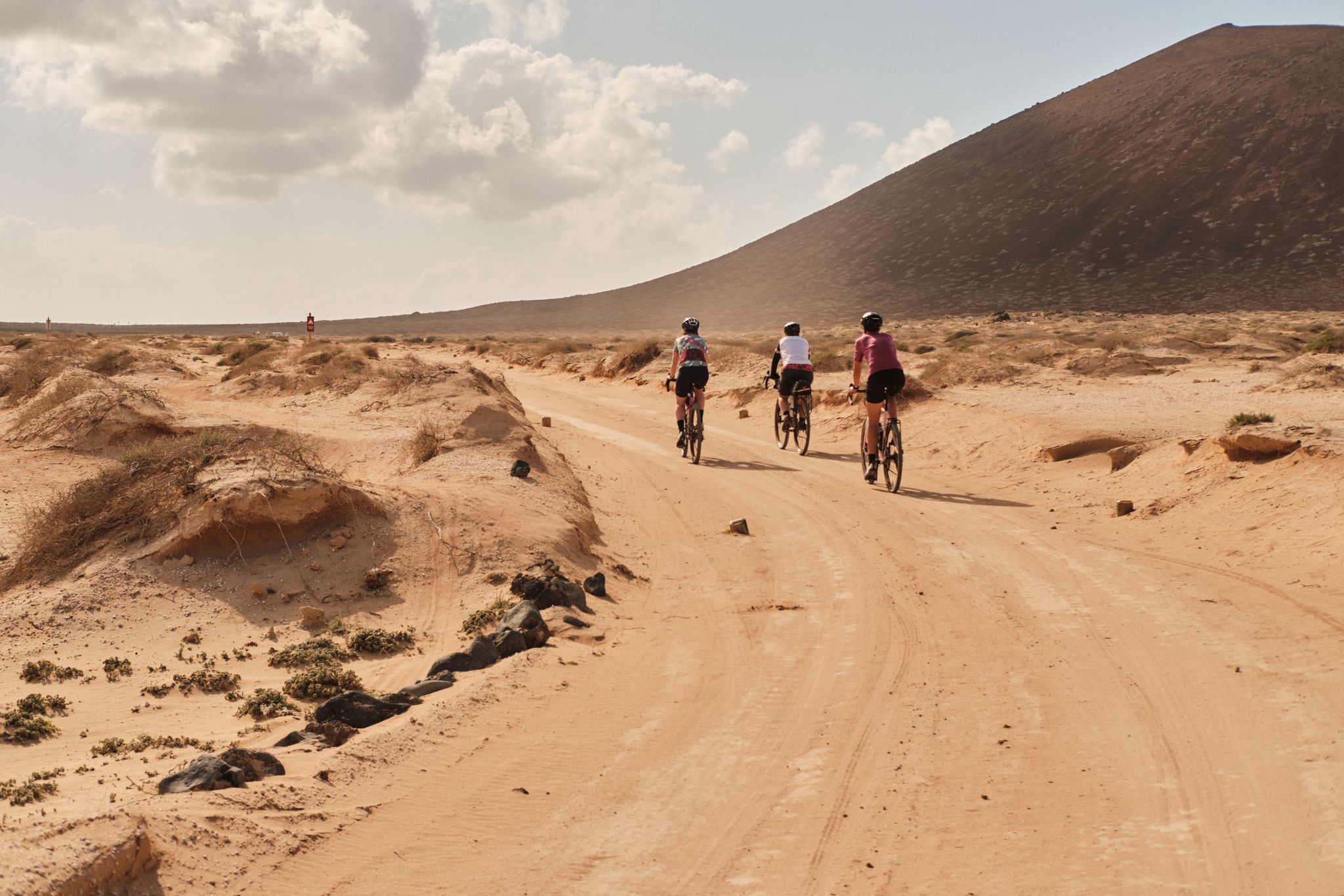
GranGuanche gravel – Komoot women's rally 2023

GranGuanche Audax Trail – my first ultra race on the Canary Islands
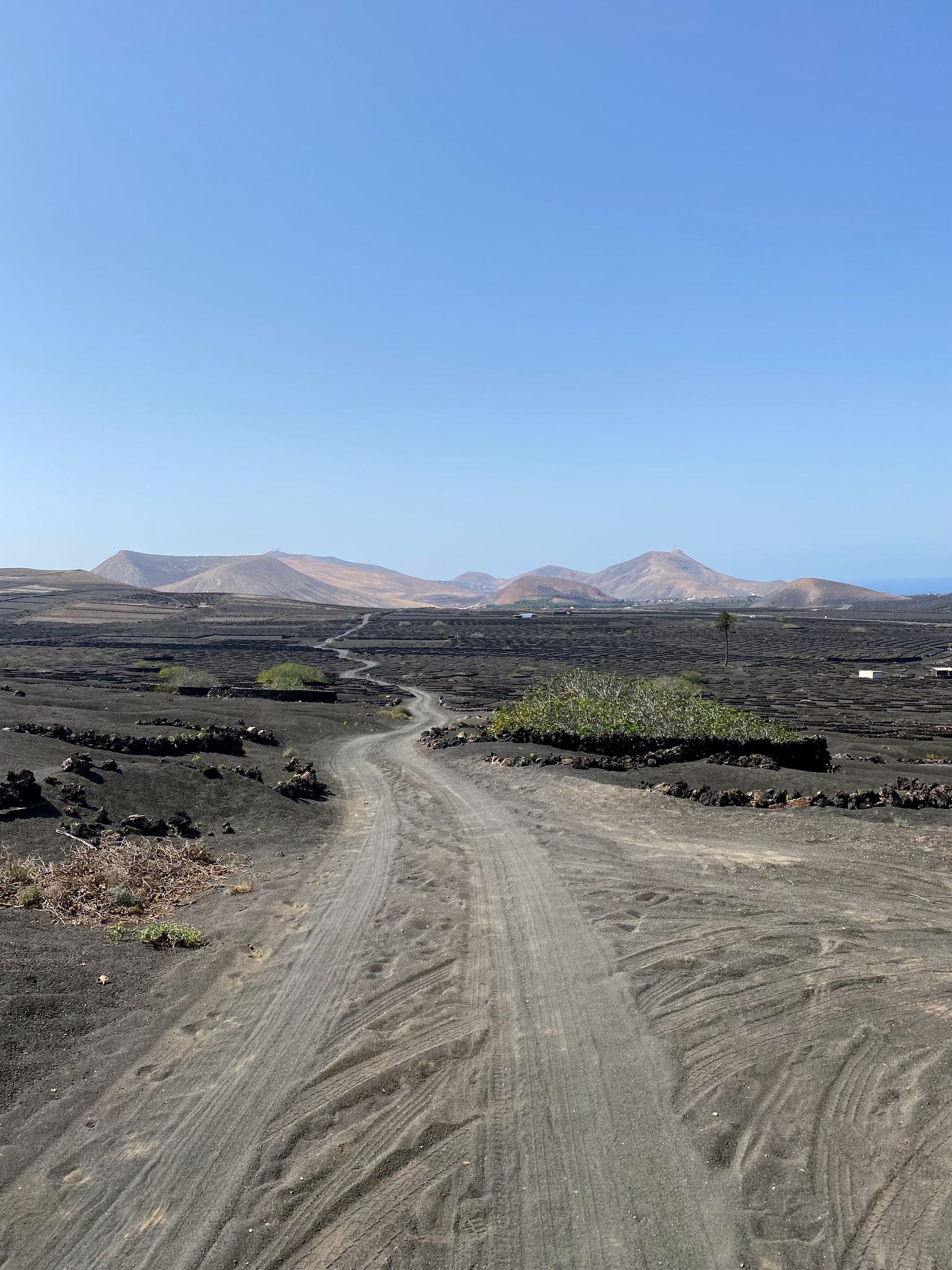
Bikepack in the Canary Islands – surprising adventures in the sun
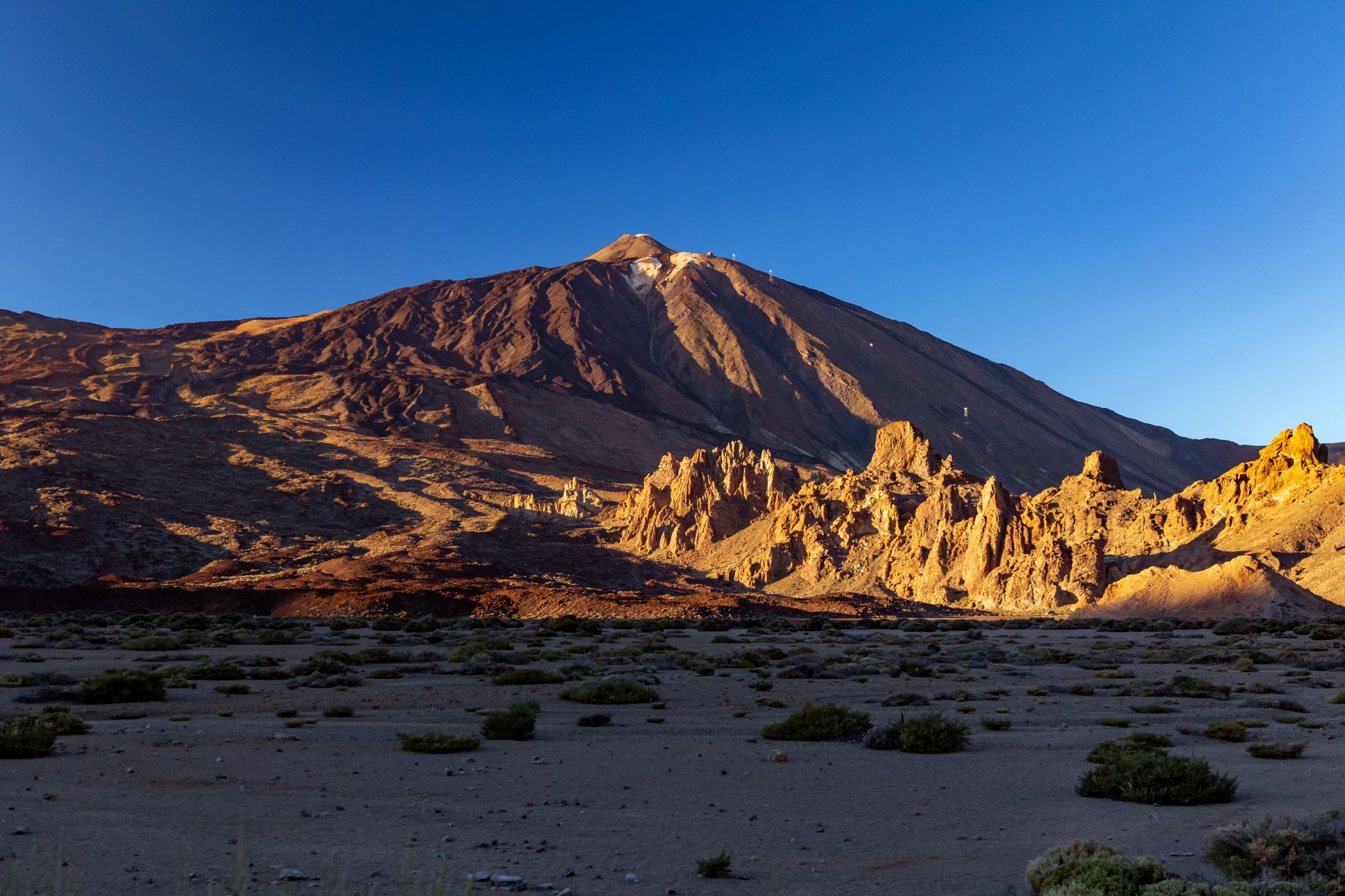
Six fascinating ways to discover the Canary Islands on foot
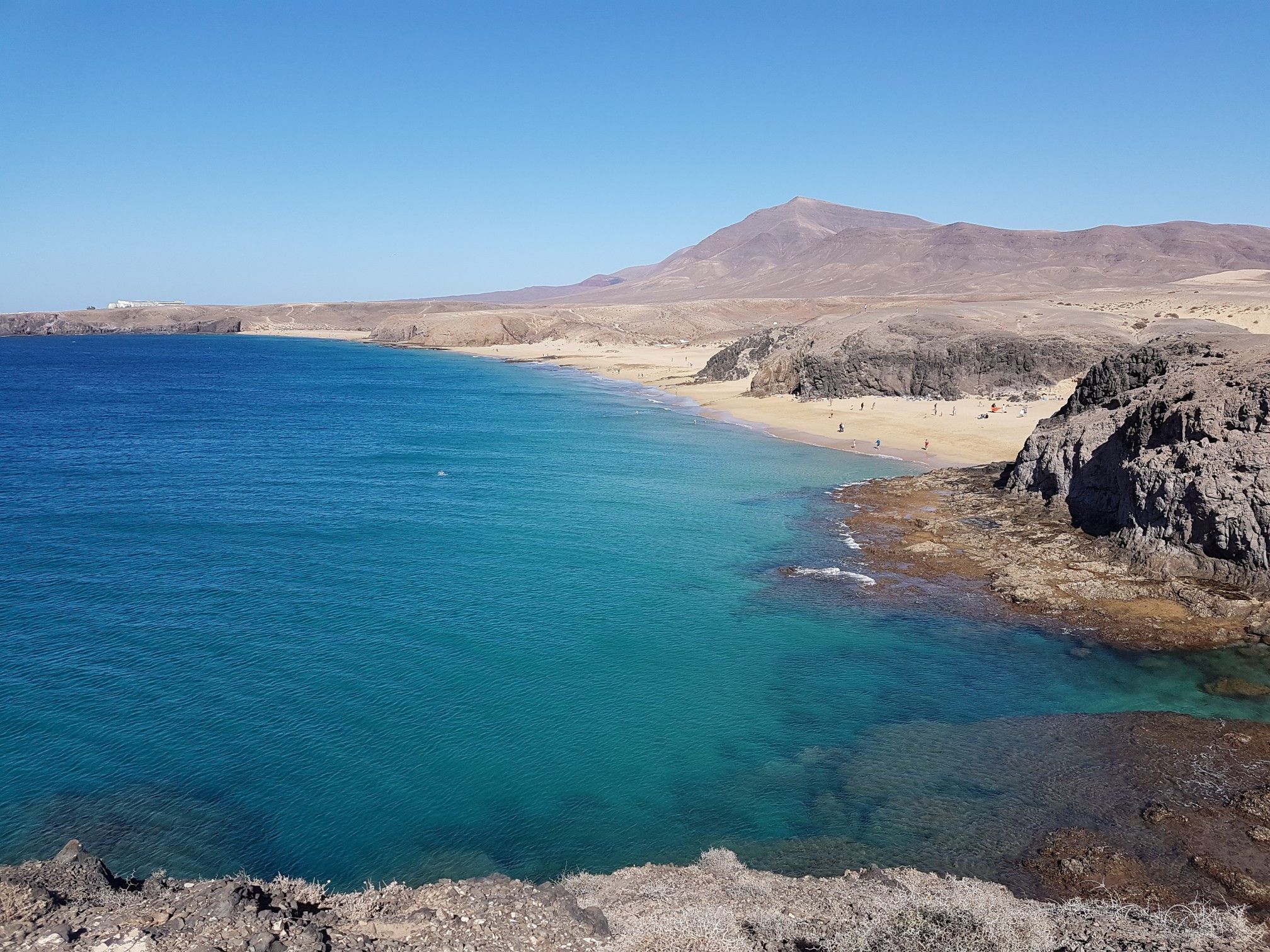
Volcanic and coastal hikes in Lanzarote
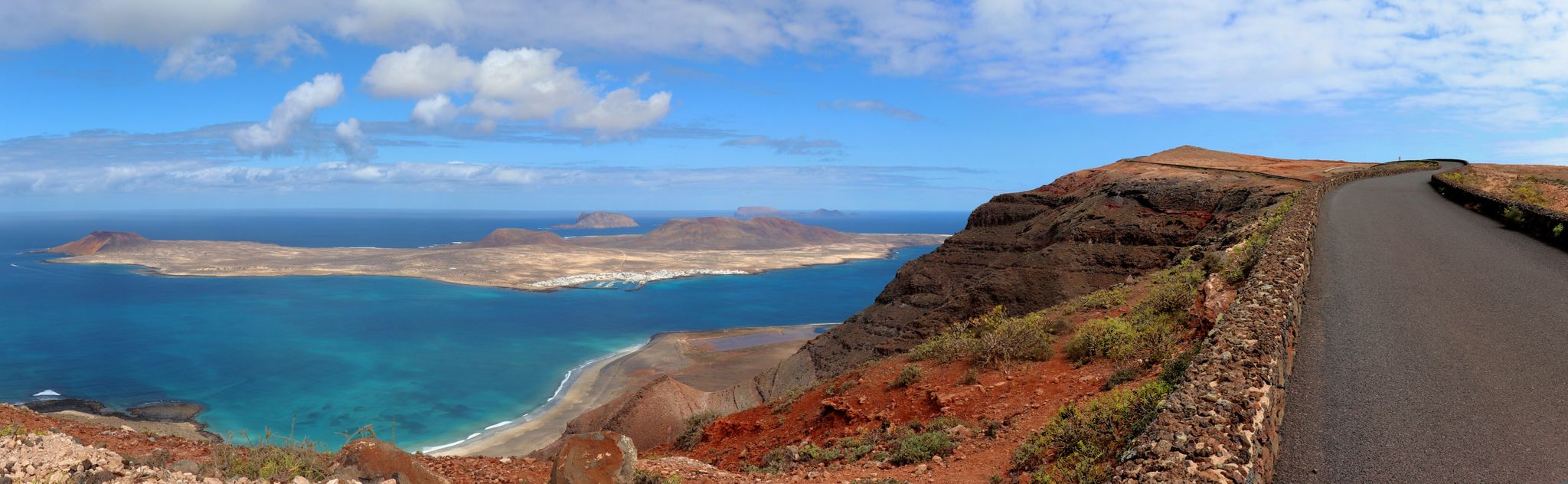
Lanzarote by road bike – three dream routes
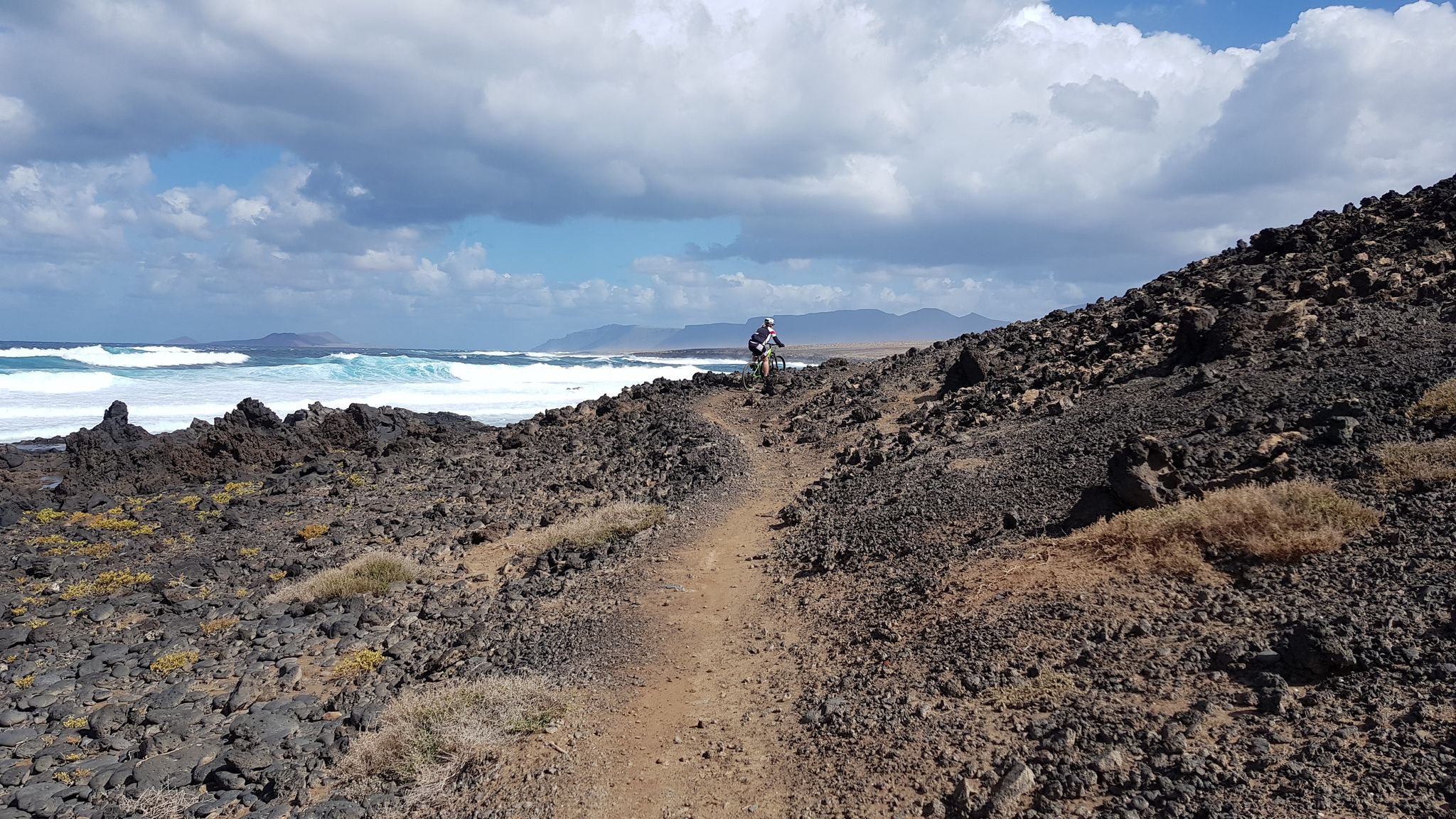
MTB on the island of volcanoes – Pedales de Lava
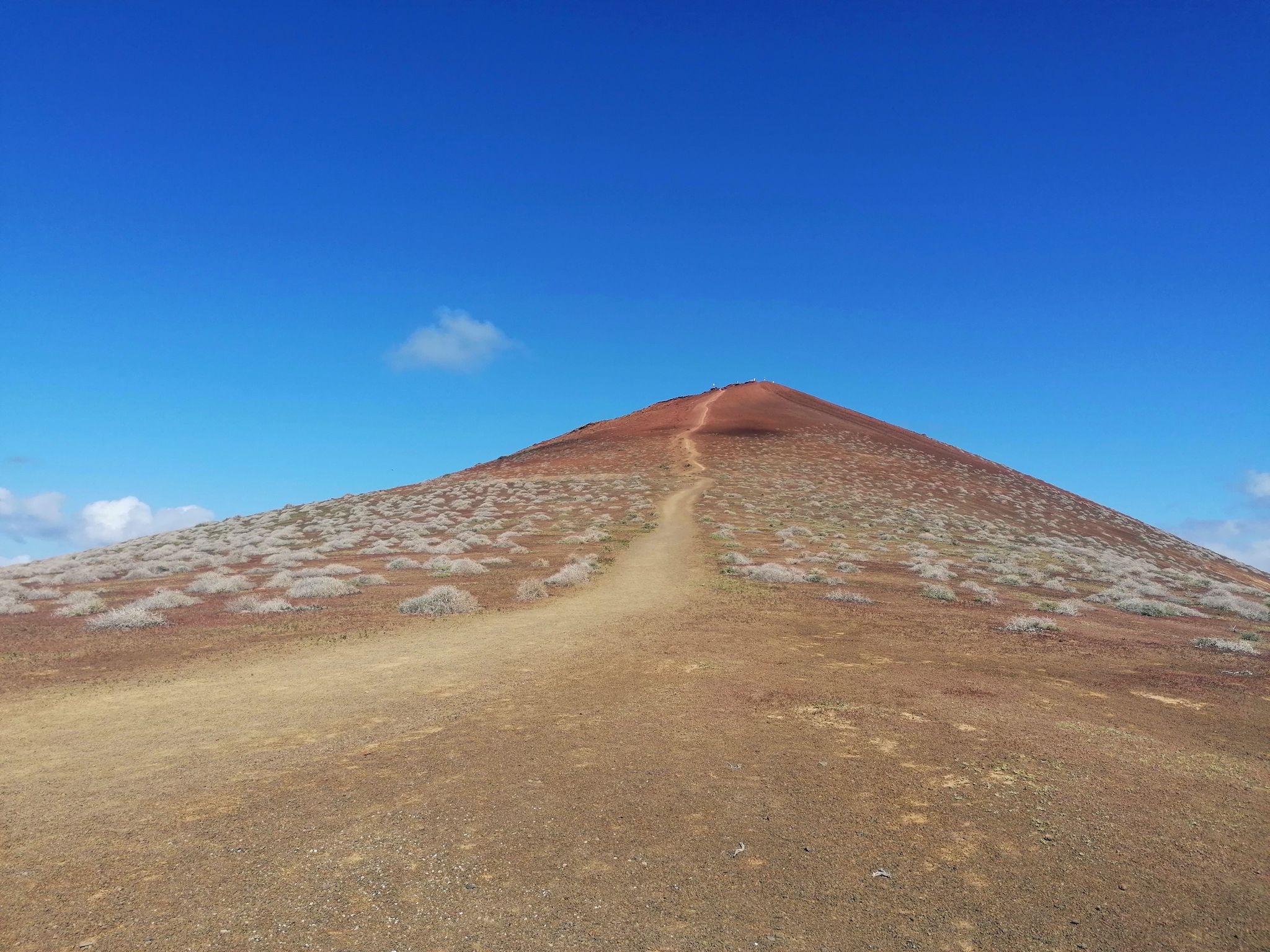
Adventures on the eighth island – hiking in La Graciosa
Las Cumbres Reinas de España — Spanish mountain trail races

GranGuanche Audax Gravel — five islands in two and a half days
Other adventures in Lanzarote


Tips from the Community


Such a crater is impressive and it is worth walking along the top
0
0
Such a crater is impressive and it is worth walking along the top
0
0


The volcanic crater of the smaller subsidiary volcano of the Caldera Blanca is also worth seeing
1
0

Beach with fine black volcanic sand. Often with strong surf that prevents swimming.
1
0

Suggestive black sand beach set between imposing lava flow rock formations. The sea here is particularly impetuous and the waves hit the cliffs violently. After passing through the village of El Golfo along Avenida Maritima you reach the large car park at the end of the driveway, near the children's park. The Ruta del Litoral begins on the northern edge, a 12 km hiking trail that runs along the entire coastal strip of the Timanfaya National Park up to Playa de La Madera (Tinajo). This is the only part of the protected area that can be explored independently. The route is characterized by jagged cliffs formed during the eruptions of the 18th and 19th centuries by the rapid cooling of the lava in contact with the sea. A primordial environment suspended between dark rocks, the blue of the ocean, bright green euphorbias and dozens of red crabs moving beneath us. Having sighted our next destination, we pass a balcony between modest ups and downs. Once you reach the dirt track you find yourself at a crossroads: Playa del Paso on the left, while Ruta del Litoral continues straight along the Mar de Lavas.
0
0
Frequently Asked Questions
What are some of Lanzarote's most impressive volcanic landscapes to visit?
Lanzarote is renowned for its volcanic terrain. You can explore the dramatic, otherworldly landscape of Timanfaya National Park, featuring lava fields and craters. Another must-see is Caldera Blanca, a massive volcanic crater offering impressive views. Don't miss the Lava Arch near El Golfo, showcasing unique lava formations, or the dramatic coastal cliffs of Los Hervideros where volcanic rock meets the Atlantic.
Where can I experience César Manrique's unique architectural and artistic influence on the island?
César Manrique's vision is integral to Lanzarote's identity. Visit Jameos del Agua, a cultural space within a volcanic tunnel, or the spectacular Mirador del Río viewpoint for panoramic views. His final major work, the Jardín de Cactus, is an extraordinary garden set in a former quarry. You can also visit the Fundación César Manrique, located in his former home built into volcanic bubbles.
Are there good hiking opportunities to explore Lanzarote's natural beauty?
Yes, Lanzarote offers diverse hiking experiences. You can hike around Caldera Blanca, a volcano with impressive views, or explore the trails within the Parque Natural de los Volcanes. For more challenging routes, consider the Mountain Hikes in Lanzarote guide, which includes routes like the View of Famara Beach loop. The island's volcanic terrain provides unique scenery for walkers.
What are some family-friendly attractions in Lanzarote?
Families can enjoy exploring the fascinating Cueva de los Verdes, a lava tube with guided tours and an unexpected surprise. The Jardín de Cactus offers a unique and visually stimulating experience for all ages. Many of the island's beautiful beaches, like Papagayo Beaches, are also ideal for family outings.
Where can I find beautiful beaches for swimming and relaxation?
Lanzarote boasts stunning beaches. The Papagayo Beaches are a series of pristine coves with white sand and calm, turquoise waters, perfect for swimming and snorkeling. For a more tranquil experience, visit Playa del Paso, a dark sandy beach within Timanfaya National Park (though swimming is not permitted here). Famara Beach is also popular for its wild beauty and sunsets.
What cultural and historical sites can I visit beyond César Manrique's works?
Beyond Manrique's influence, explore the island's rich history. Visit Castillo de San José, a 16th-century fortress now housing a contemporary art museum. The island's oldest town, Teguise, offers historic streets and traditional architecture. The Casa Museo del Campesino pays tribute to Lanzarote's rural heritage.
Are there opportunities for cycling around Lanzarote's attractions?
Yes, cycling is a popular way to see the island. The Road Cycling Routes in Lanzarote guide features routes that pass by key attractions, such as the Timanfaya and La Geria Loop. For mountain biking, check out the MTB Trails in Lanzarote guide, which includes routes around the Parque Natural de los Volcanes.
What is the best time of year to visit Lanzarote's attractions?
Lanzarote enjoys a mild climate year-round, making it suitable for visiting attractions at any time. The winter months (November to February) are particularly pleasant for outdoor activities like hiking, with comfortable temperatures and less intense sun. Summer offers warmer weather, ideal for beach activities and exploring coastal areas.
Can I visit the unique wine region of La Geria?
Yes, La Geria is Lanzarote's distinctive wine region and is open to visitors. Here, you'll see vines cultivated in unique black volcanic ash pits, protected by stone walls. Many bodegas offer tastings of the local Malvasía wines, providing a fascinating insight into traditional agricultural methods adapted to the volcanic landscape.
What is the Charco de los Clicos (Green Lagoon) and where is it located?
The Charco de los Clicos, also known as the Green Lagoon, is a vivid green lagoon situated within a partially submerged volcanic crater. Its striking color comes from algae and minerals. It's located in the village of El Golfo, on the southwest coast of Lanzarote, offering a dramatic contrast with the black volcanic sand and red cliffs surrounding it.
Are there any less crowded or 'hidden gem' attractions in Lanzarote?
For a quieter experience, consider visiting the historic Salinas del Janubio, salt flats that create a mosaic of colors and attract migratory birds, showcasing traditional salt production. The authentic village of Haría, often called the 'valley of a thousand palms,' offers a peaceful atmosphere and is associated with César Manrique's legacy, providing a glimpse into traditional island life away from the main tourist hubs.
What can I expect when visiting the Cueva de los Verdes compared to Jameos del Agua?
Both Cueva de los Verdes and Jameos del Agua are part of the same volcanic tunnel system. Cueva de los Verdes offers a more natural, guided exploration of the lava tube itself, focusing on the geological formations and an unexpected surprise. Jameos del Agua, on the other hand, is a cultural and artistic intervention by César Manrique, featuring an underground lagoon, concert hall, and gardens, blending nature with art and architecture.
Most popular routes in Lanzarote
Most popular attractions in Lanzarote

Get inspired with the komoot mobile app


Explore more
Still not found the Highlight you’re looking for? See guides of the top attractions in other regions:
