Top 14 Castles in Corsica
Castles in Corsica offer a glimpse into the island's rich history and rugged landscapes. These historic fortresses, many built by the Genoese, served as strategic defensive points across the island. Corsica's diverse terrain, from coastal cliffs to inland mountains, provides dramatic settings for these structures. Exploring these sites reveals the island's cultural heritage and past struggles.
Top castles in Corsica
- The most popular castles is Castellu di Cucuruzzu, a historical site that is the most important archaeological site in Corsica. Nestled at 700 meters above sea level, it dates back to the Bronze Age.
- Another must-see spot is Walk to the Château Fort from the "tête de chien" nature reserve parking lot, a castle. This location offers a nice, small hike suitable for children, leading to a château fort.
- Visitors also love Ghjineparu Castle Viewpoint, a viewpoint. This spot provides a lovely 30-minute walk/climb to a castle, offering fantastic views.
- Corsica is known for its citadels, archaeological sites, and châteaux forts. These structures showcase a variety of military architecture and historical periods across the island.
- The castles in Corsica are appreciated by the komoot community, with 184 upvotes and 255 photos shared across 13 highlights.
Last updated: October 9, 2026
Calvi Citadel
Highlight • Settlement
Legend has it that Christopher Columbus was born in Calvi. That's why a statue was built on the square in front of the citadel. But, as always, there are other cities that adorn themselves with Columbus. The birthplace should also be here. You can find it on the tourist office maps. Somewhere in the city there is a tongue-in-cheek sign: "Maison du Culomb - La ruine".
It's been a few years now since we've done several sightseeing flights over Balagne and Calvi with the Aeroclub de Calvi. From above it is something very special.
Translated by Google •
Tip by

Ajaccio Citadel
Highlight • Castle
Translated by Google •
Tip by

Sign up now to discover places like this
Get recommendations on the best single tracks, peaks, & plenty of other exciting outdoor places.
Castellu di Cucuruzzu
Highlight • Historical Site
Translated by Google •
Tip by

Corte
Highlight • Settlement
Translated by Google •
Tip by

Citadel of Saint-Florent
Highlight • Castle
Translated by Google •
Tip by

Girolata
Highlight • Castle
Translated by Google •
Tip by
View of Corte and the Citadel
Highlight • Viewpoint
Translated by Google •
Tip by
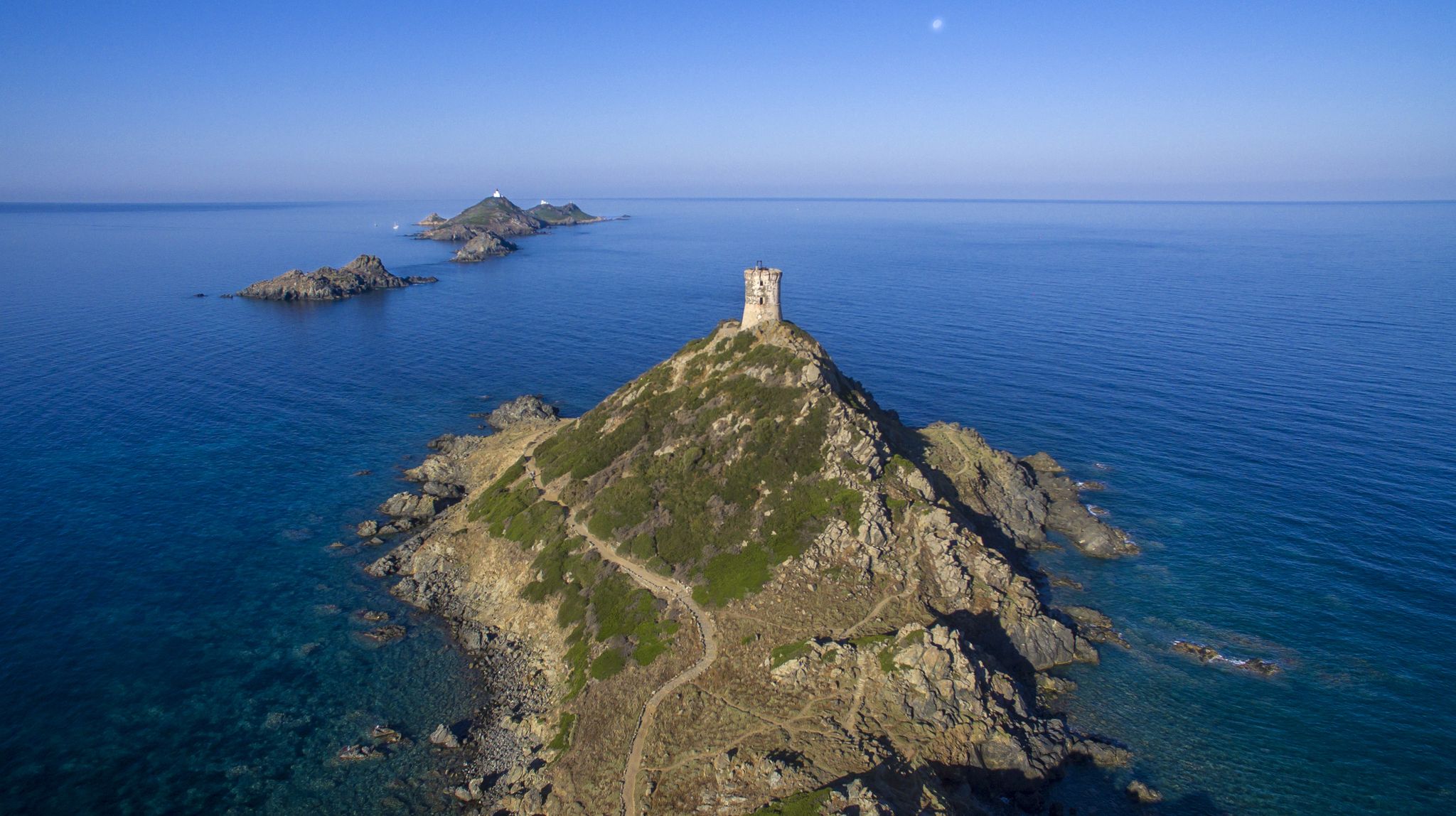
Tour de la Parata
Highlight • Monument
Translated by Google •
Tip by

Walk to the Château Fort from the "tête de chien" nature reserve parking lot
Highlight (Segment) • Castle
Translated by Google •
Tip by

Ghjineparu Castle Viewpoint
Highlight • Viewpoint
The first part is easy and leads through the forest with remarkable large rocks and caves.
The second part is more challenging and involves some scrambling on a rocky path. Doable with average fitness.
There is a small parking lot near a dog-head-shaped rock, from which the yellow-marked route begins.
Isn't that the most beautiful view in Corsica? ❤️
Translated by Google •
Tip by

Sign up for free to discover even more castles in Corsica.
Already have an account?
Start today with a free account
Your next adventure awaits.
Popular around Corsica
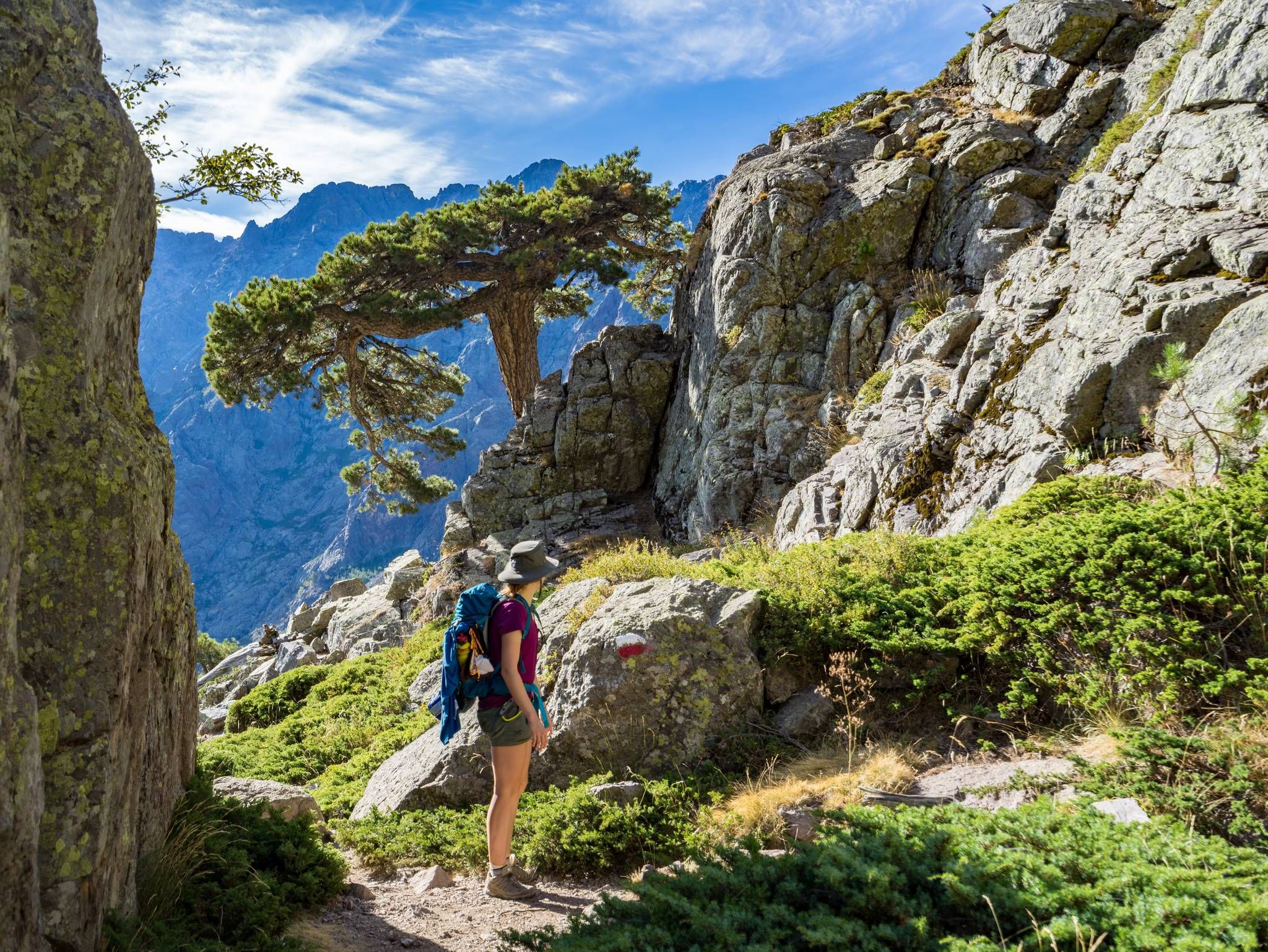
GR20 – Europe's toughest long-distance hiking trail through Corsica
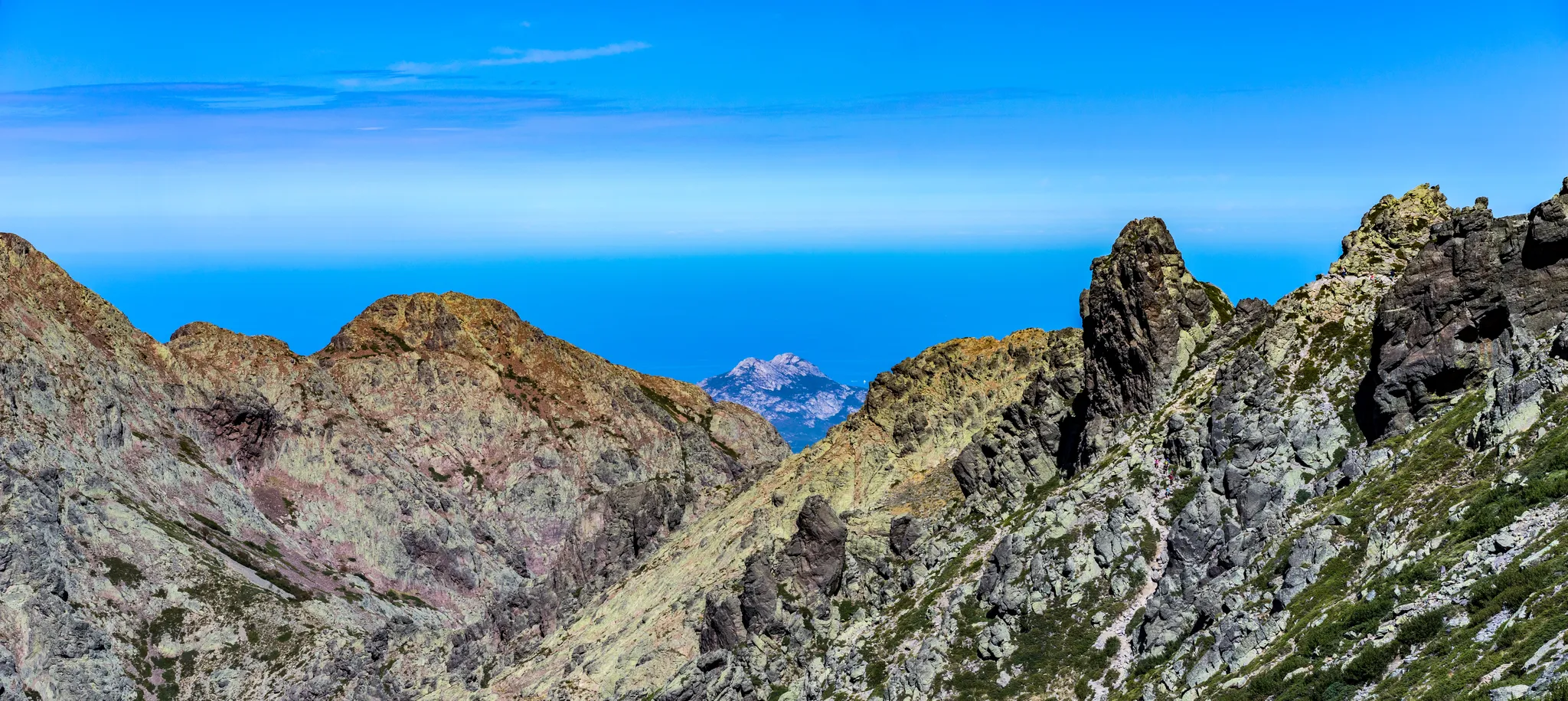
Mare è Monti north – From the mountains to the sea
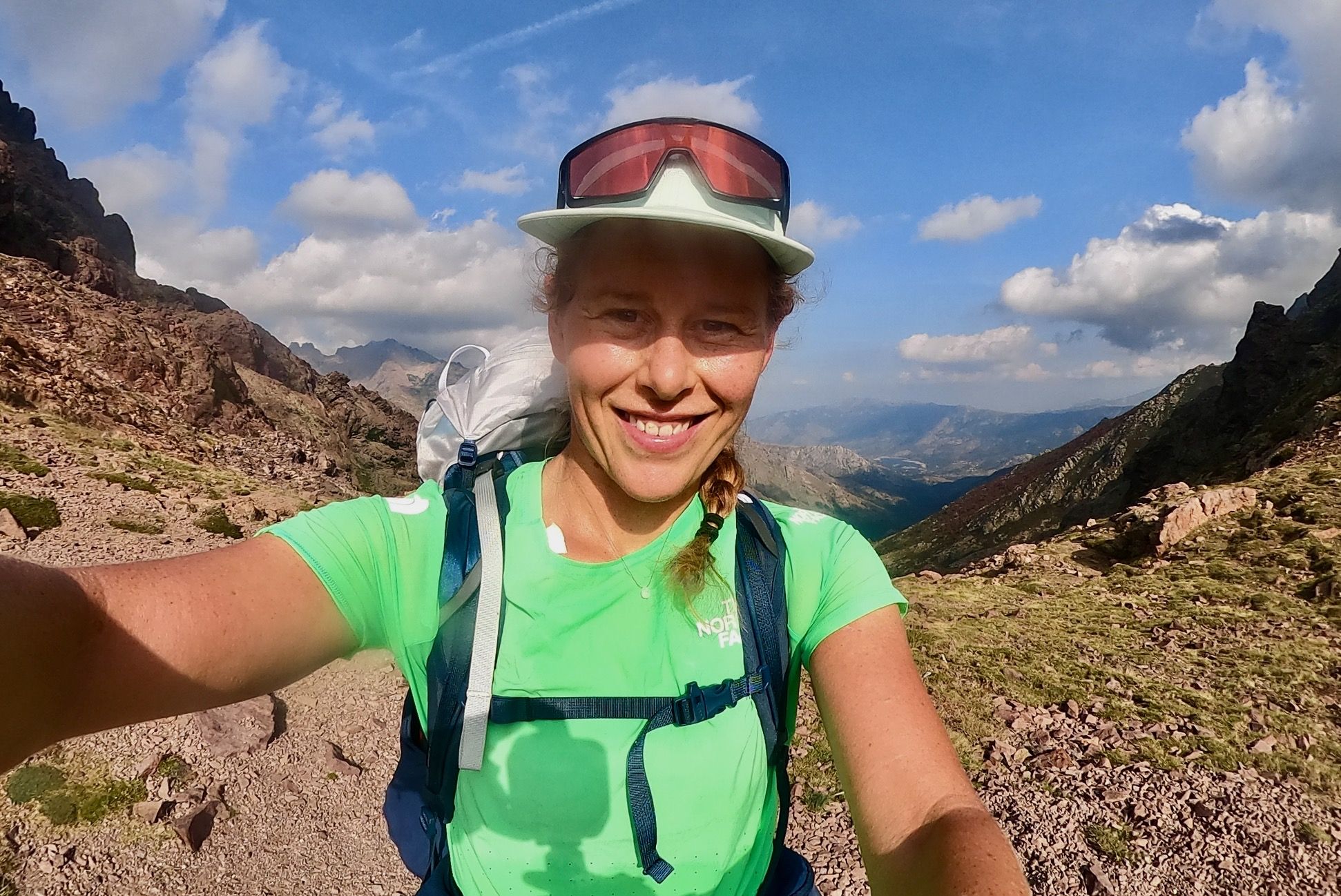
GR 20 – Six days backpacking the peaks and refuges of Corsica
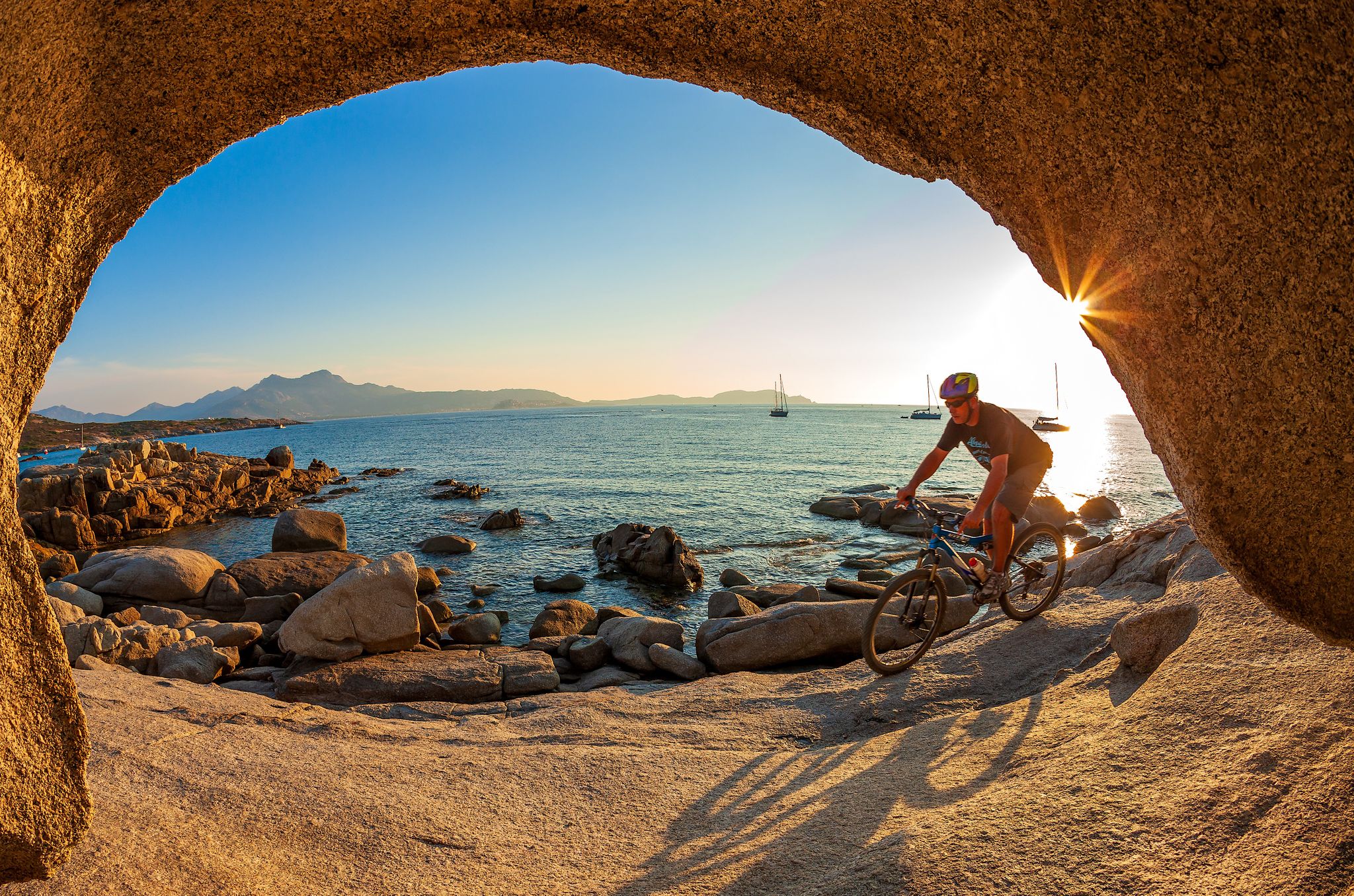
Mountain biking in Corsica – routes between Balagne and Castagniccia
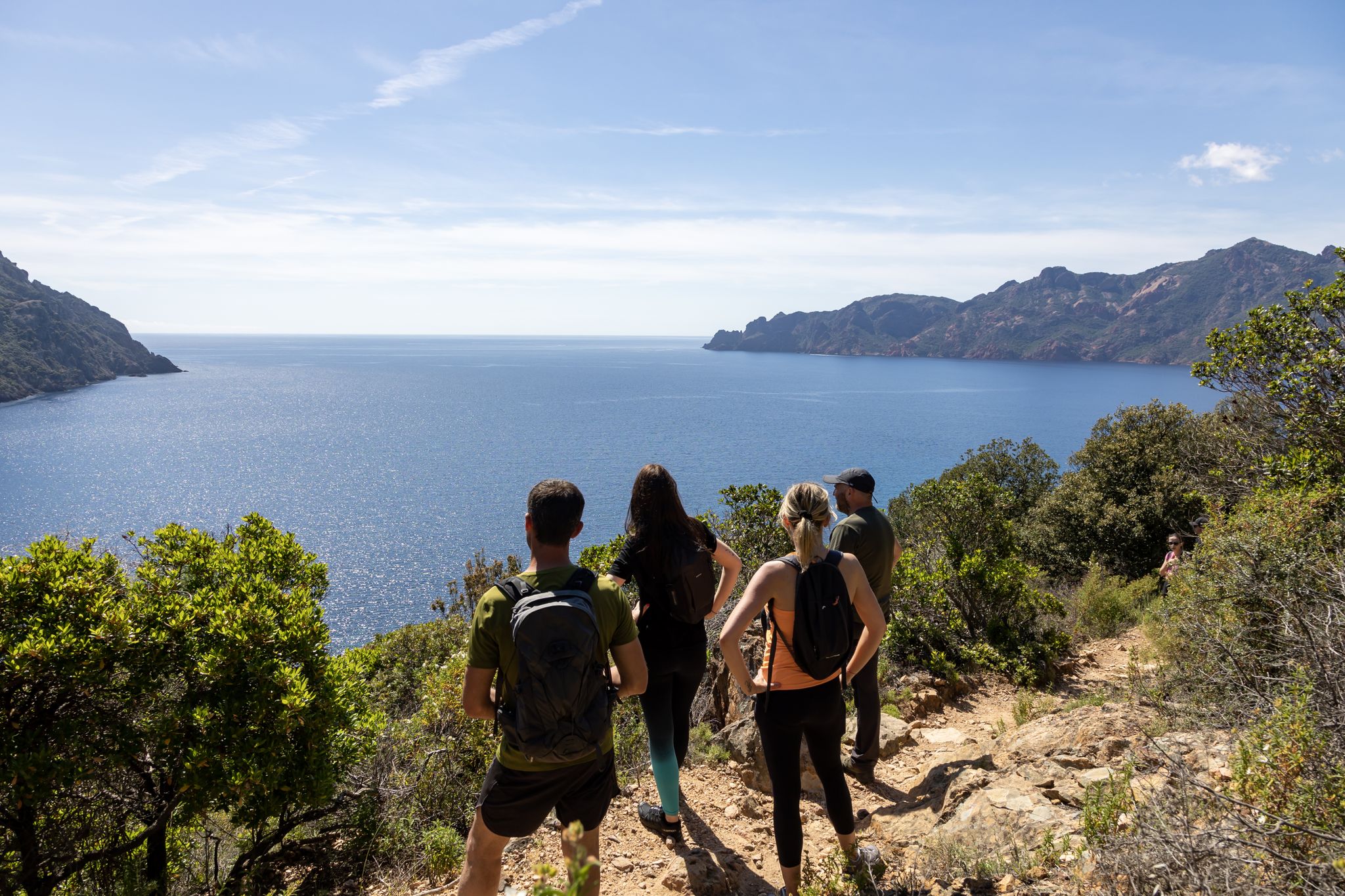
Corsica's discovery hikes — between sea and mountains
The Ajaccio region on foot and by bike – loops between sea and mountain
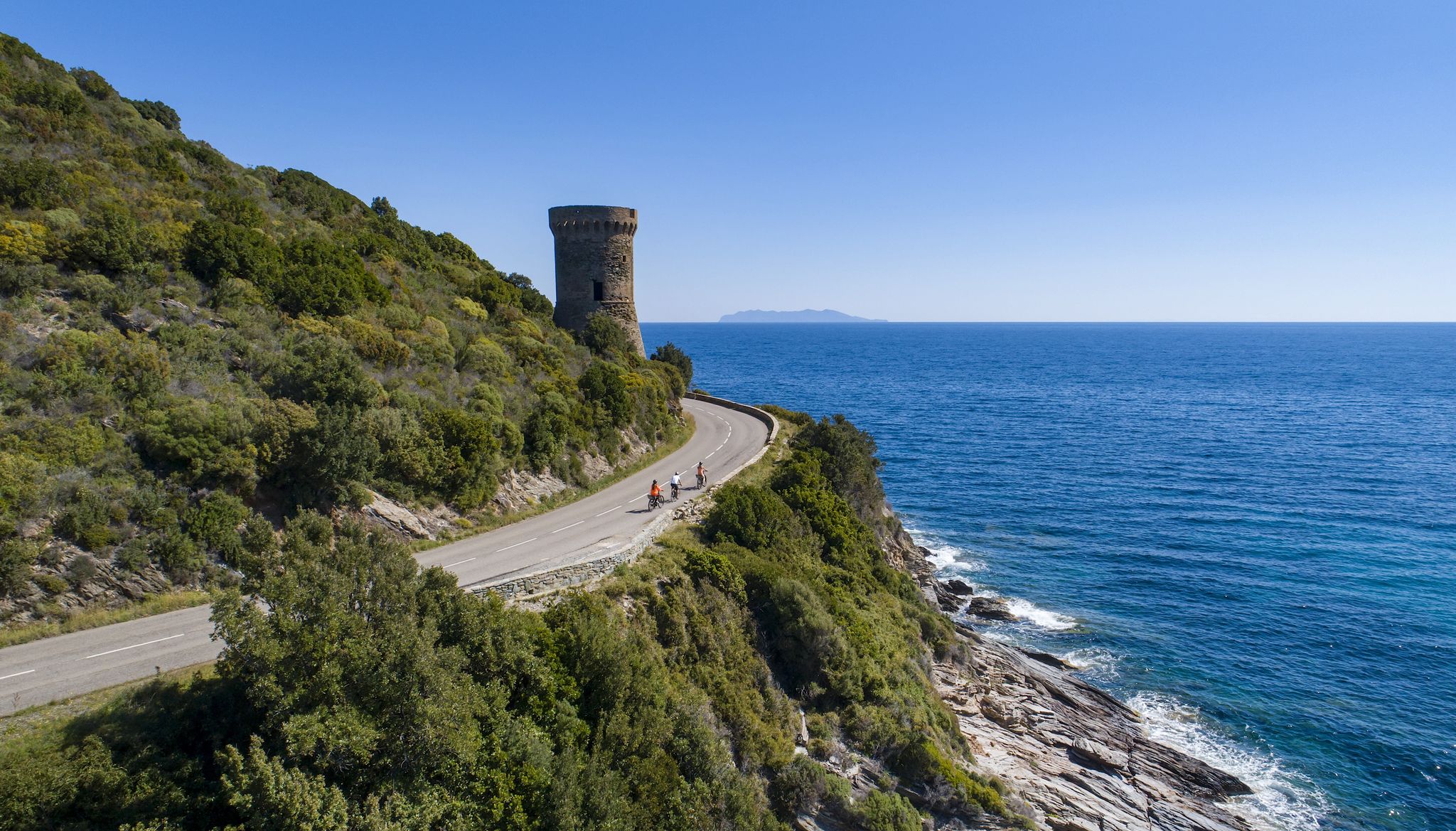
The Great Crossing of Corsica by bike – GT 20
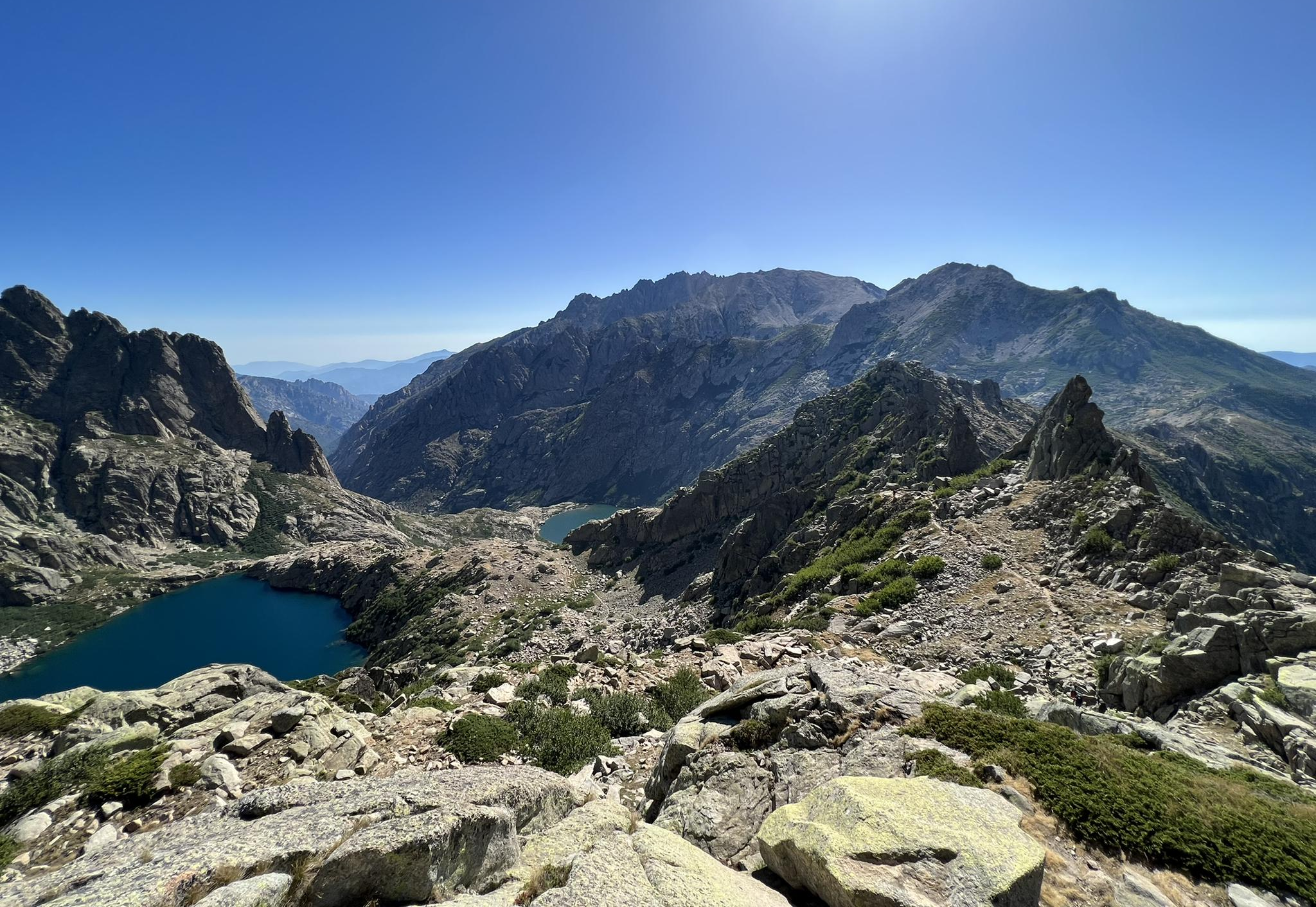
Great hikes of Corsica – Terre de nature
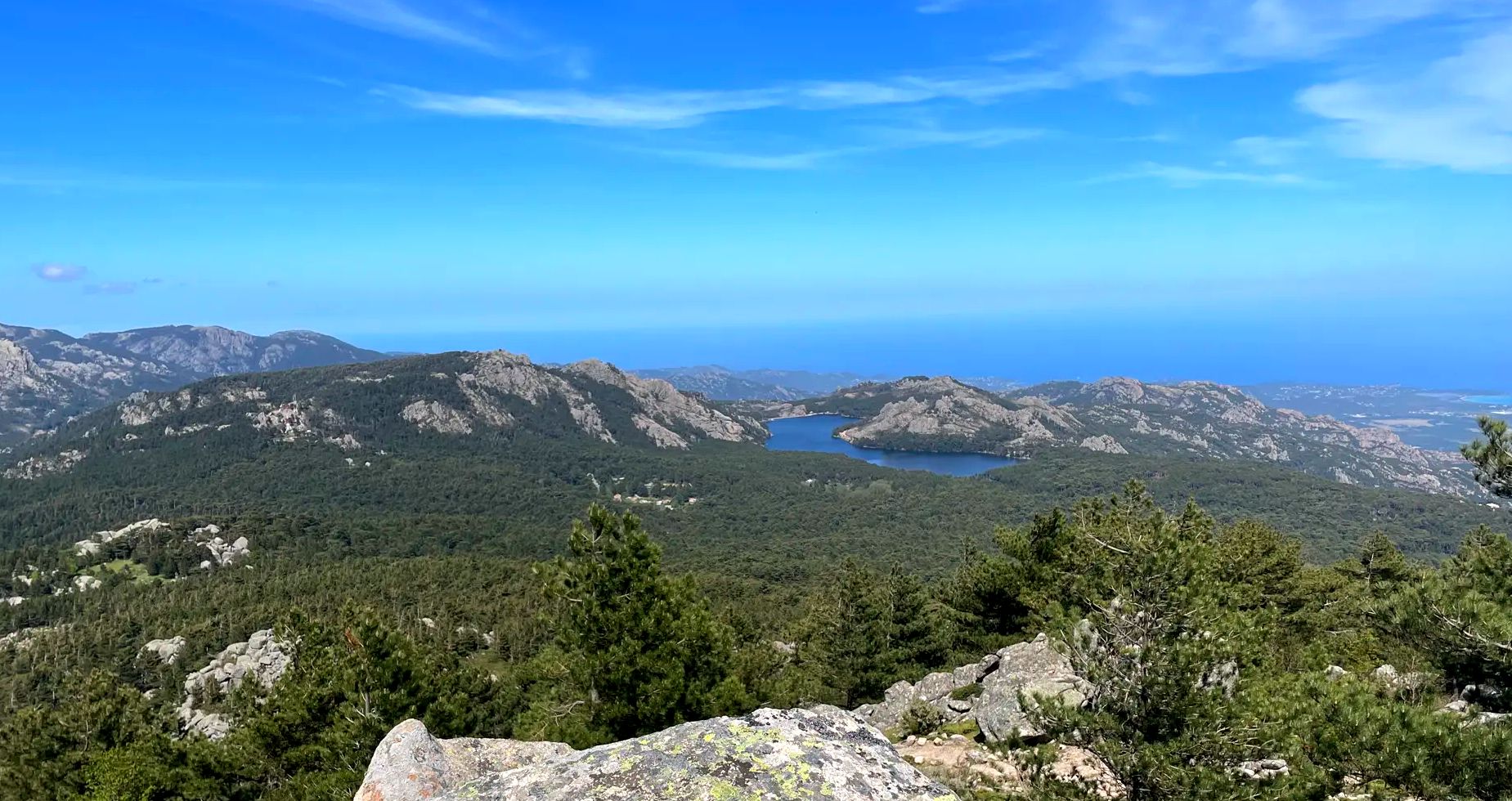
In the heart of the Alta Rocca – Mare a Mare Sud (Corsica)
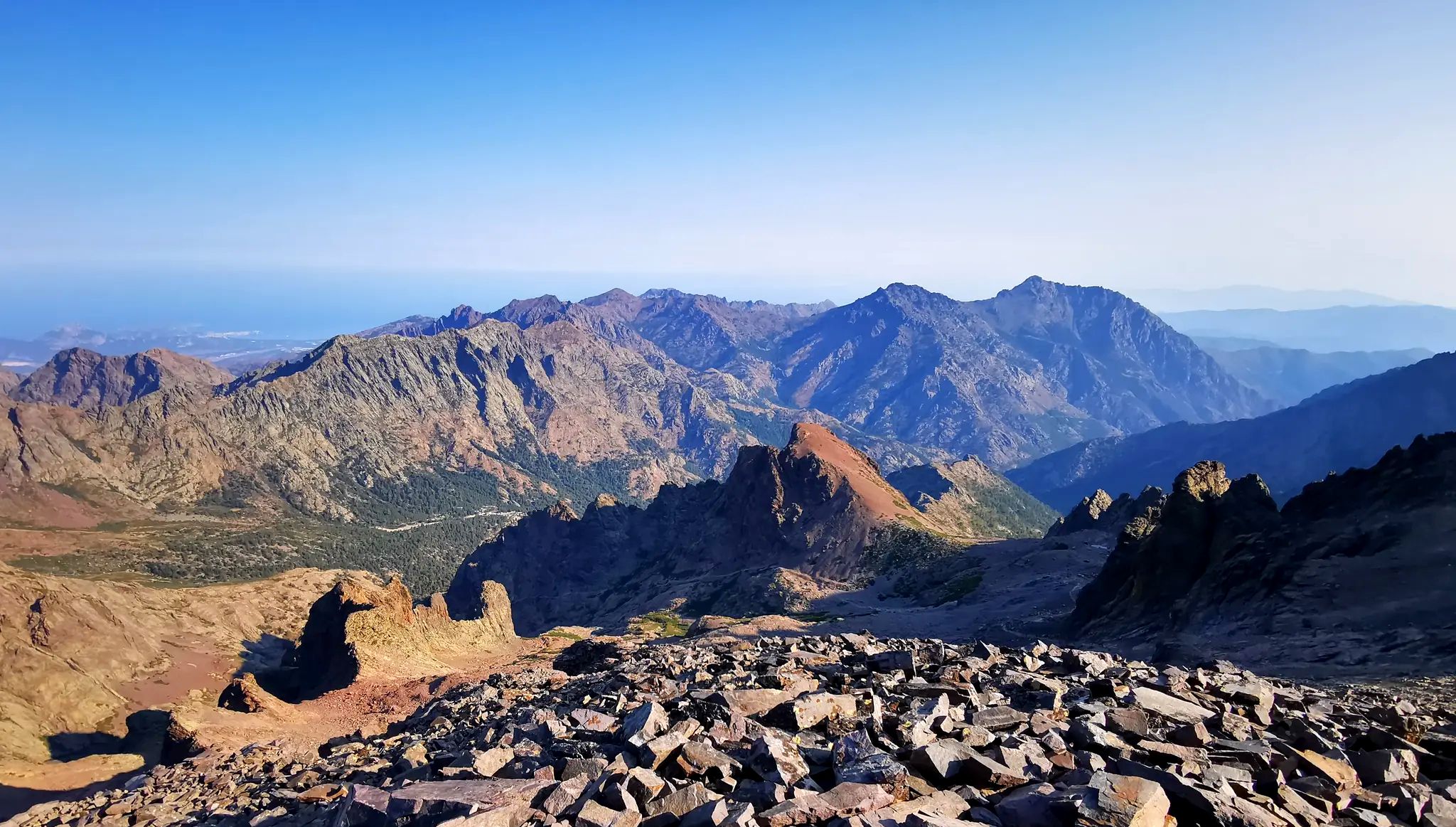
Hiking to the summits – France's highest points
Other adventures in Corsica


Tips from the Community


It is located south of Ajaccio's old town, at the city's harbor, directly on the Mediterranean coast. The fortifications were built from 1492 under Genoese rule. They were intended to protect the city from sea attacks. In 1502/03, a moat with a drawbridge was built, and the city wall around Ajaccio was completed. During World War II, the citadel was used as a prison. At the west entrance to the citadel is a monument to the French general Pierre Lelong.
3
0
You have to go there with good shoes and children who like to climb anyway!
0
0

The **Citadel of Corte**, also called the "Nid d'Aigle" (Eagle's Nest), is an impressive fortress towering high above the Corsican city. ### 🛡️ Brief description: * **Unique location and construction history:** The only major Genoese fortress in the island's interior, built on a rugged rocky outcrop – erected in 1419 by Vincentello d'Istria, and significantly expanded in the 18th century according to Vauban principles. * **Structure & Defense:** Three defensive levels with defensive walls, battlements, a castle ("Nid d'Aigle"), and barracks high above the confluence of the Tavignano and Restonica rivers. * **Historical significance:** Center of Corsican power under Pasquale Paoli (1755–1769), later a garrison, prison, and site of the Foreign Legion until 1983. * **Current use:** Since 1984 as the **Museum of Corsica** (art, history, and anthropology), headquarters of the FRAC CORSICA, tourist office, and multicultural center – open to the public, including barracks, prison, and outdoor facilities. * **Views & atmosphere:** Breathtaking panoramas over Corte and the river valleys beyond (Restonica, Tavignano), plus a step-by-step tour of impressive architecture. **In brief:** The Citadel of Corte – a historically significant fortified structure in the eagle's nest style, a unique site in the Corsican highlands. Today, it houses fascinating museums, diverse cultural offerings, and offers spectacular views. Ideal for those seeking to combine history, architecture, and landscape.
2
0
The Citadel of Saint-Florent is an impressive, historic fortress overlooking the city's picturesque harbor. Built in the 15th century (from 1440/39) by the Genoese under Giano Campofregoso, it was expanded in the 16th and 17th centuries with two round towers and a striking square tower structure. Architecture: The cylindrical main structure with two crescent-shaped towers and a square keep is striking – a masterpiece of military architecture. Strategic Location: It maintained a view and control over the Gulf of Saint-Florent and protected important trade routes, as well as Bastia in the background. Historical Significance: It played a central role in several sieges (1553–54), and was the site of Pascal Paoli's exile in 1795. It was later converted into a garrison and gendarmerie base. Damaged during World War II Today: Municipal property since 1986, protected as a historic monument since 1991/94; serves as a cultural space with summer exhibitions and music festivals, with magnificent panoramic views. In brief: The Citadel of Saint-Florent is a massive, circular Genoese fortress with three towers, strategically located above the town. It reflects centuries of turbulent Corsican history and today offers cultural uses as well as spectacular views of the harbor and gulf.
1
0

On the Cucuruzzu-Capula archaeological site trail. Easy, well-shaded hike, mostly in the forest. Admission is €4 per adult.
0
0


Beautifully located directly by the sea 👍🌞
2
0
Frequently Asked Questions
Which castles in Corsica are particularly significant historically?
Corsica's castles and citadels are rich in history, primarily built by the Genoese. The Castellu di Cucuruzzu stands out as the most important archaeological site, dating back to the Bronze Age. The Citadel of Calvi, built in the 13th century, and the Bonifacio Citadel, dating to the 9th century, are also key historical sites, showcasing centuries of defensive architecture and strategic importance.
Are there family-friendly castles to visit in Corsica?
Yes, several sites are suitable for families. The Castellu di Cucuruzzu is listed as family-friendly. Additionally, the Walk to the Château Fort from the "tête de chien" nature reserve parking lot offers a nice, small hike suitable for children to a château fort. The Ghjineparu Castle Viewpoint also provides a lovely 30-minute walk/climb that is suitable for families with average fitness.
What kind of views can I expect from Corsican castles?
Many castles and citadels in Corsica offer breathtaking panoramic views. From the Citadel of Calvi, you can enjoy sweeping views of the coastline. The Bonifacio Citadel provides expansive vistas of the Strait of Bonifacio, with Sardinia visible on clear days. The Corte Citadel, often called the "Eagle's Nest," offers spectacular views over Corte and the surrounding river valleys. The Ghjineparu Castle Viewpoint is specifically highlighted for its fantastic views after a short hike.
What outdoor activities can I do near these castles?
Corsica's rugged landscape offers numerous outdoor activities near its historical sites. You can find various cycling routes, including road cycling, touring, and gravel biking. For example, there are challenging road cycling routes like the Calvi and Fango Valley Loop, or touring routes such as the Balagne Villages Loop from L'Île-Rousse. Gravel biking options include the Alga Beach – Calvi loop. You can explore these and more on the Road Cycling Routes in Corsica, Cycling in Corsica, and Gravel biking in Corsica guides.
Are there any castles in Corsica that are difficult to access or closed to the public?
The Ajaccio Citadel is an impressive historic fortress, but access to the interior is currently not possible. While you can appreciate its history from the outside, direct entry is restricted. For other sites, some may involve moderate hikes, such as the Ghjineparu Castle Viewpoint, which requires some scrambling on a rocky path.
What is the best season to visit Corsican castles?
While specific seasonal closures are not detailed, Corsica generally enjoys a Mediterranean climate. Spring and autumn offer pleasant temperatures for exploring historical sites and engaging in outdoor activities like hiking and cycling, avoiding the peak summer heat and crowds. The region research suggests that the island's natural beauty is a constant, making it enjoyable across seasons.
Can I visit the Corte Citadel and what does it offer?
Yes, the Corte Citadel is a significant inland fortress. It's unique in Europe for its three levels of defense and historically served as the center of Corsican power. Today, it houses the Museum of Corsica, offering insights into the island's art, history, and anthropology. The citadel also provides spectacular panoramic views over Corte and the surrounding river valleys. You can learn more about Corte and its citadel via Visit A City.
Are there any coastal defense towers or fortresses to visit?
Yes, Corsica has several notable coastal defense structures. The Citadel of Calvi is perched majestically over the sea, and the Bonifacio Citadel dramatically overlooks the Strait. The Tower of Nonza, located on the cliffs of Cap Corse, is a distinctive 16th-century Genoese tower built to guard against pirate raids, offering incredible views of the wild coastline. The Citadel of Saint-Florent is another massive, circular Genoese fortress with three towers, offering spectacular views of the harbor and gulf.
What natural features are often found near Corsican castles?
Corsican castles are often set amidst stunning natural landscapes. The Bonifacio Citadel is famous for its dramatic location atop striking limestone cliffs. The Corte Citadel is situated high above the confluence of the Tavignano and Restonica rivers. The Castellu di Cucuruzzu is nestled in a fairytale-like forest at 700 meters above sea level. Many sites, like Girolata, are also near beaches or offer views of the Mediterranean Sea.
What do visitors enjoy most about exploring Corsican castles?
Visitors frequently highlight the immersive historical experience and the breathtaking vistas. The ancient cobblestone paths and formidable walls offer a tangible connection to Corsica's past. Many appreciate the unique blend of history and natural beauty, with sites like Castellu di Cucuruzzu described as 'dreamlike' and 'like in a fairytale forest.' The short hikes to viewpoints, such as Ghjineparu Castle Viewpoint, are also highly praised for their fantastic views.
Are there any less crowded or 'hidden gem' castles in Corsica?
While the major citadels like Calvi and Bonifacio are popular, exploring sites slightly off the main tourist paths can offer a more tranquil experience. The ruined village of Tassu, which includes castle elements, offers a glimpse into a historical settlement. The Castellu di Cucuruzzu, while important, is nestled in a forest and provides a unique archaeological experience that might feel less crowded than coastal citadels.
How long does it typically take to visit a Corsican castle or citadel?
The duration of a visit can vary. For sites like the Ghjineparu Castle Viewpoint, the walk to the castle and back is about an hour. Exploring larger citadels like Calvi or Bonifacio, with their winding streets, museums, and ramparts, could easily take a half-day or more, especially if you wish to delve into the history and enjoy the views at a leisurely pace. Archaeological sites like Castellu di Cucuruzzu can be explored in a couple of hours.
Most popular routes in Corsica
Most popular attractions in Corsica

Get inspired with the komoot mobile app


Didn’t find what you were looking for?
Explore Corsica’s best castles region by region:
Explore more
Looking for the best castles somewhere else? Discover other guides in Corsica:
