Top 20 Huts and Cabins in Corsica
Best huts in Corsica are found across its diverse mountainous terrain, particularly along the challenging GR20 long-distance trail. The island's landscape features rugged peaks, deep valleys, and coastal views. These accommodations provide essential shelter and a unique experience for hikers exploring the region. Corsica offers a range of options from basic mountain refuges to privately owned bergeries and gites.
Best huts in Corsica
- The most popular huts is I Paliri refuge, a hut nestled at the foot of superb cliffs. It offers a very pleasant break and a great view, with a cooking area available.
- Another must-see spot is Petra Piana Refuge, an accommodation perched on the mountainside. Built in 1971, it is noted as the first refuge of the GR20 and offers 28 beds.
- Visitors also love Carozzu Refuge, a large-sized hut with 36 beds and campsites. It offers views of the sea and surrounding mountains, and has new toilets and warm showers.
- Corsica is known for PNRC refuges, bergeries, and private gites. These accommodations range from basic dormitory-style sleeping to more comfortable private chalets, offering varied experiences for visitors.
- The huts in Corsica are appreciated by the komoot community, with more than 130 upvotes and 95 photos.
Last updated: October 9, 2026
Carozzu Refuge
Highlight • Mountain Hut
Translated by Google •
Tip by

I Paliri refuge
Highlight • Mountain Hut
Translated by Google •
Tip by

Sign up now to discover places like this
Get recommendations on the best single tracks, peaks, & plenty of other exciting outdoor places.
Radule Shepherd Huts
Highlight • Mountain Hut
Translated by Google •
Tip by

Petra Piana Refuge
Highlight • Mountain Hut
If you plan to sleep there, you must book your night online, on the PNRC (Corsican Regional Natural Park) website. The refuge is located near a spring where you can fill up with water, if you are just passing through.
Translated by Google •
Tip by

Tolla Shepherd’s Hut
Highlight • Mountain Hut
Translated by Google •
Tip by

Ballone Shepherd's Hut
Highlight • Rest Area
Translated by Google •
Tip by

Manganu Refuge
Highlight • Mountain Hut
Campers can also pitch their tent around the refuge. You can also treat yourself with the refuge's small artisanal grocery store which offers charcuterie, cheese and small Corsican pastries.
Reservations must be made on the refuge's website.
Translated by Google •
Tip by
Ciottulu di i Mori Refuge
Highlight • Mountain Hut
Reservation is mandatory and you will need to bring the reservation confirmation with you.
For all information on dates, go to the website le-gr20.fr/pages/le-refuge-de-ciottulu-di-i-mori.html
Translated by Google •
Tip by
Prati Refuge
Highlight • Mountain Hut
Fill up with water there because you will not find any source until the next refuge of Usciolu.
Translated by Google •
Tip by

Forest Inn
Highlight • Mountain Hut
Sign up for free to discover even more huts and cabins in Corsica.
Already have an account?
Start today with a free account
Your next adventure awaits.
Popular around Corsica
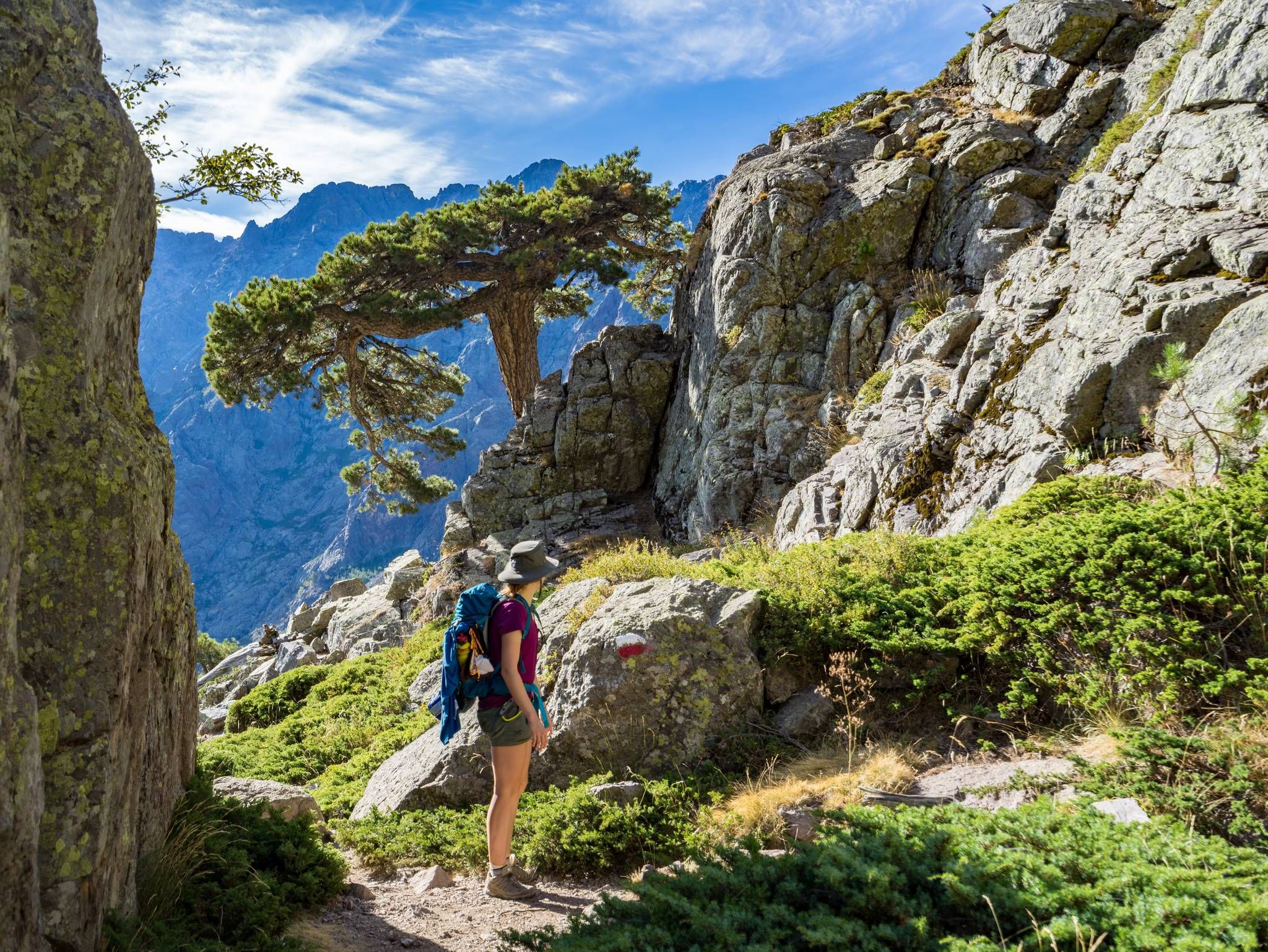
GR20 – Europe's toughest long-distance hiking trail through Corsica
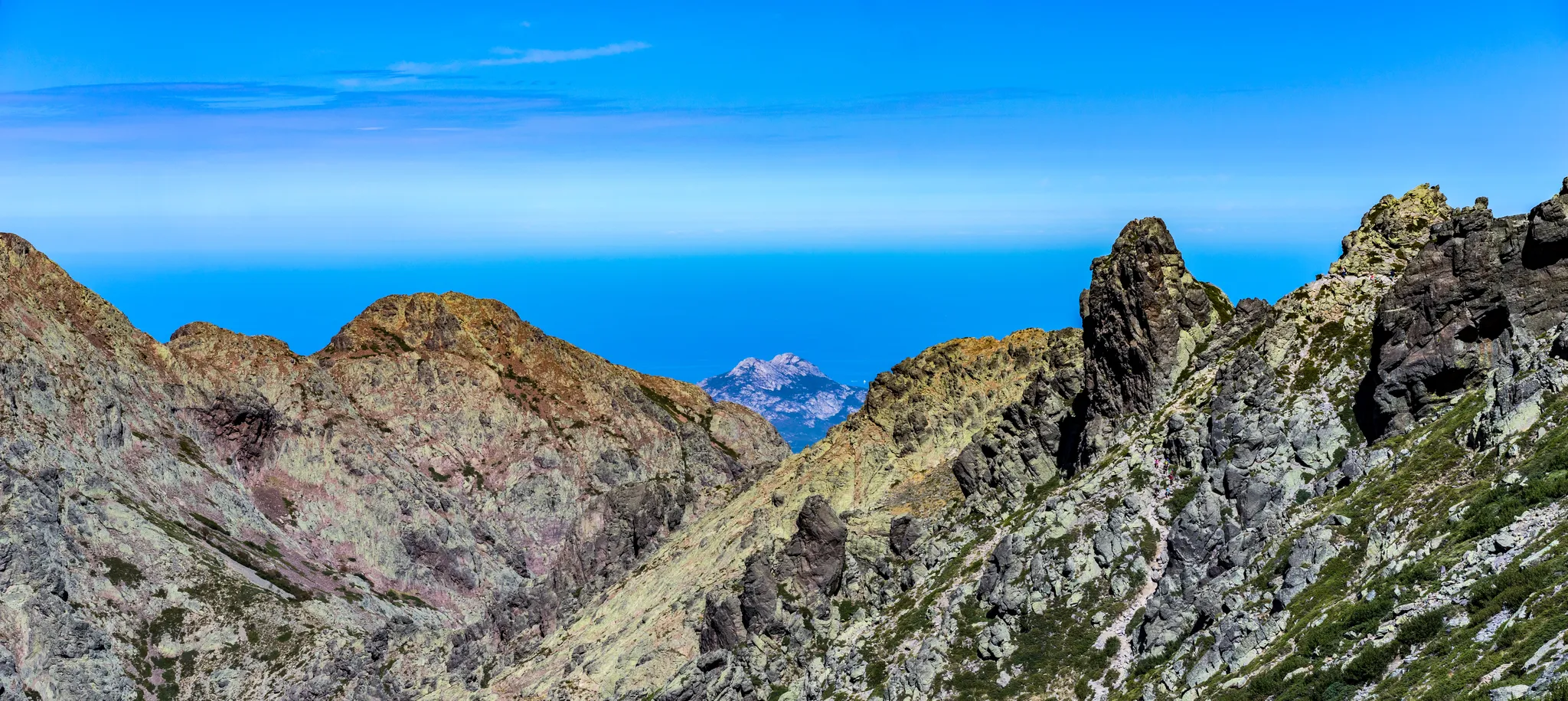
Mare è Monti north – From the mountains to the sea
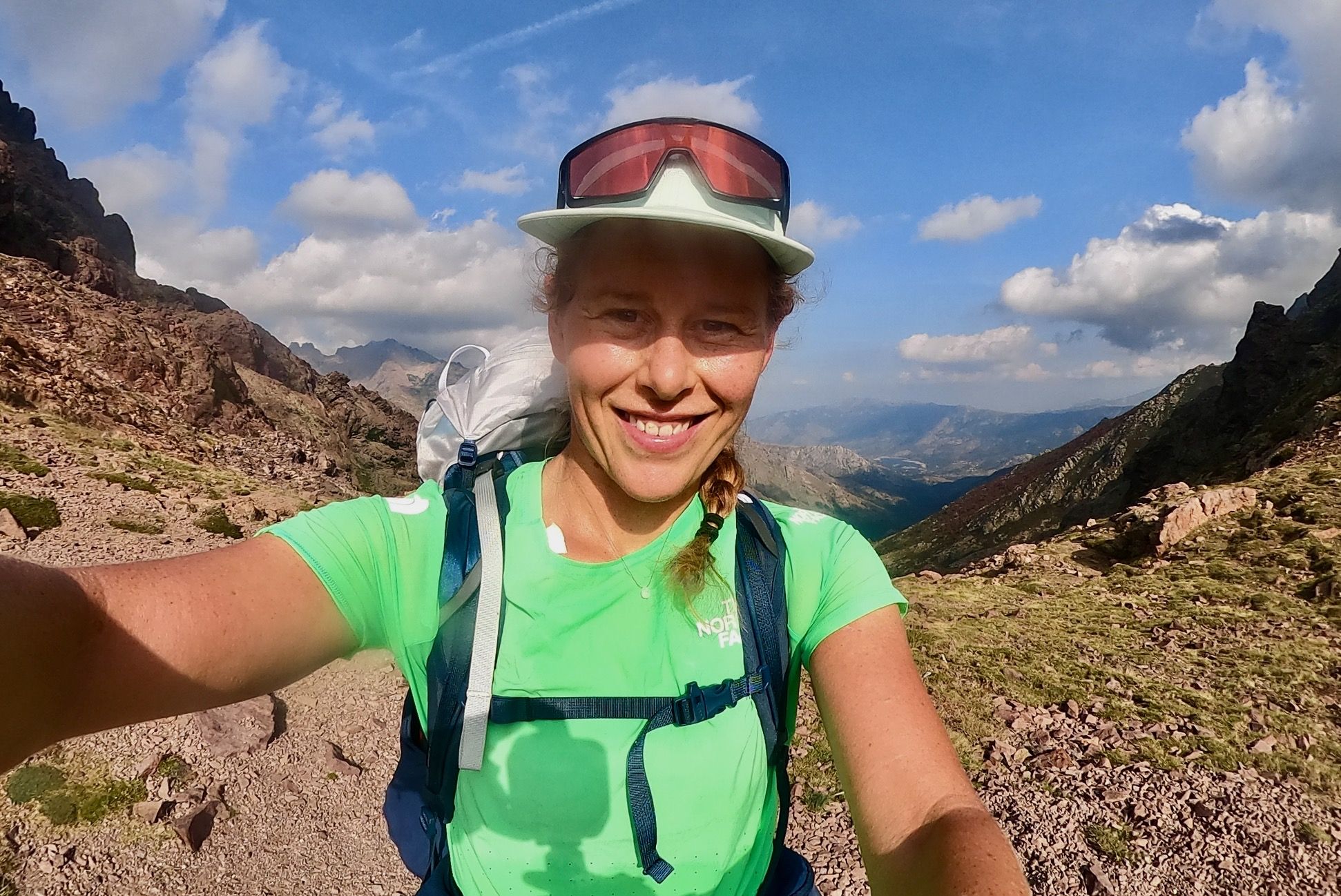
GR 20 – Six days backpacking the peaks and refuges of Corsica
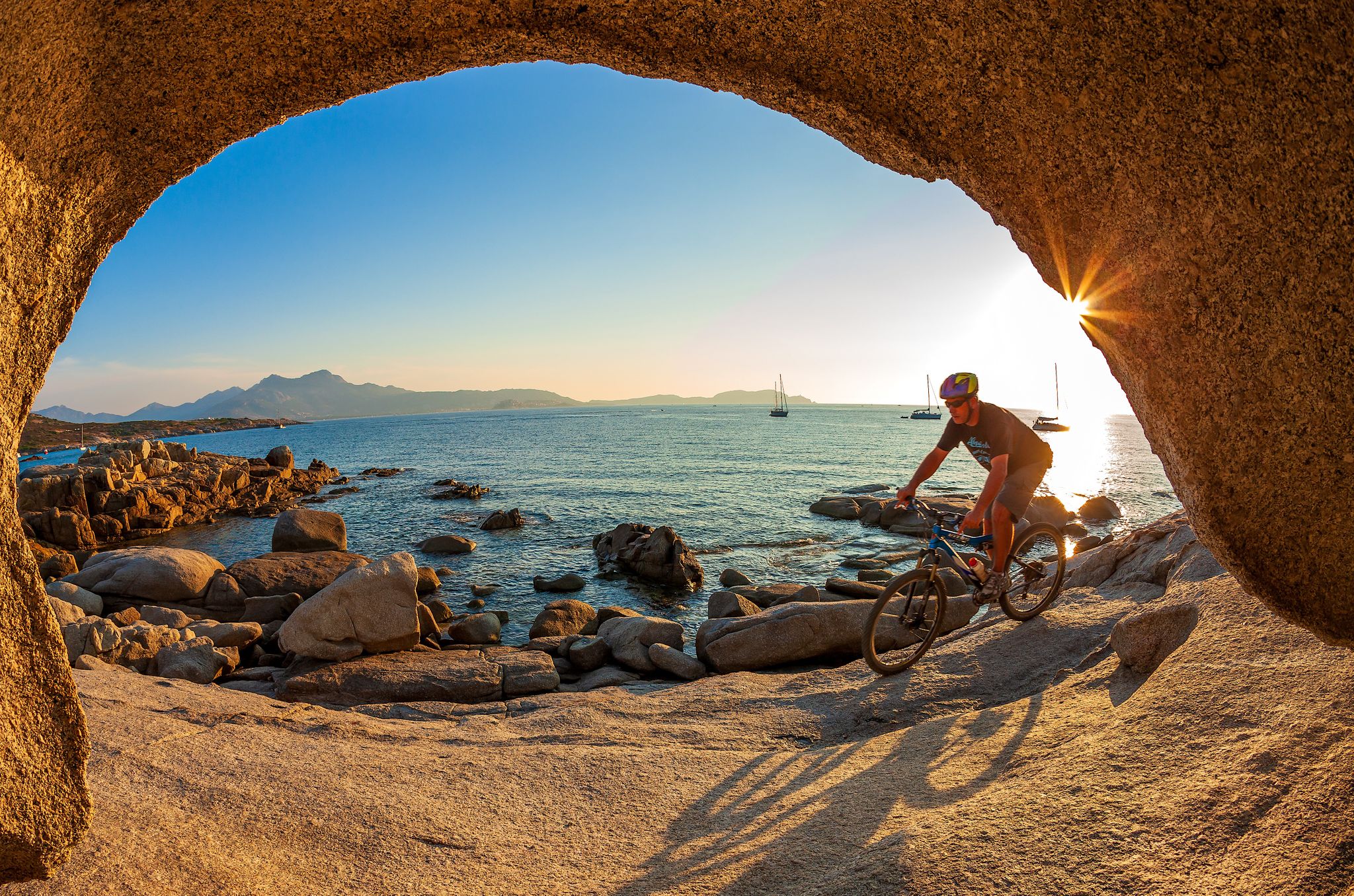
Mountain biking in Corsica – routes between Balagne and Castagniccia
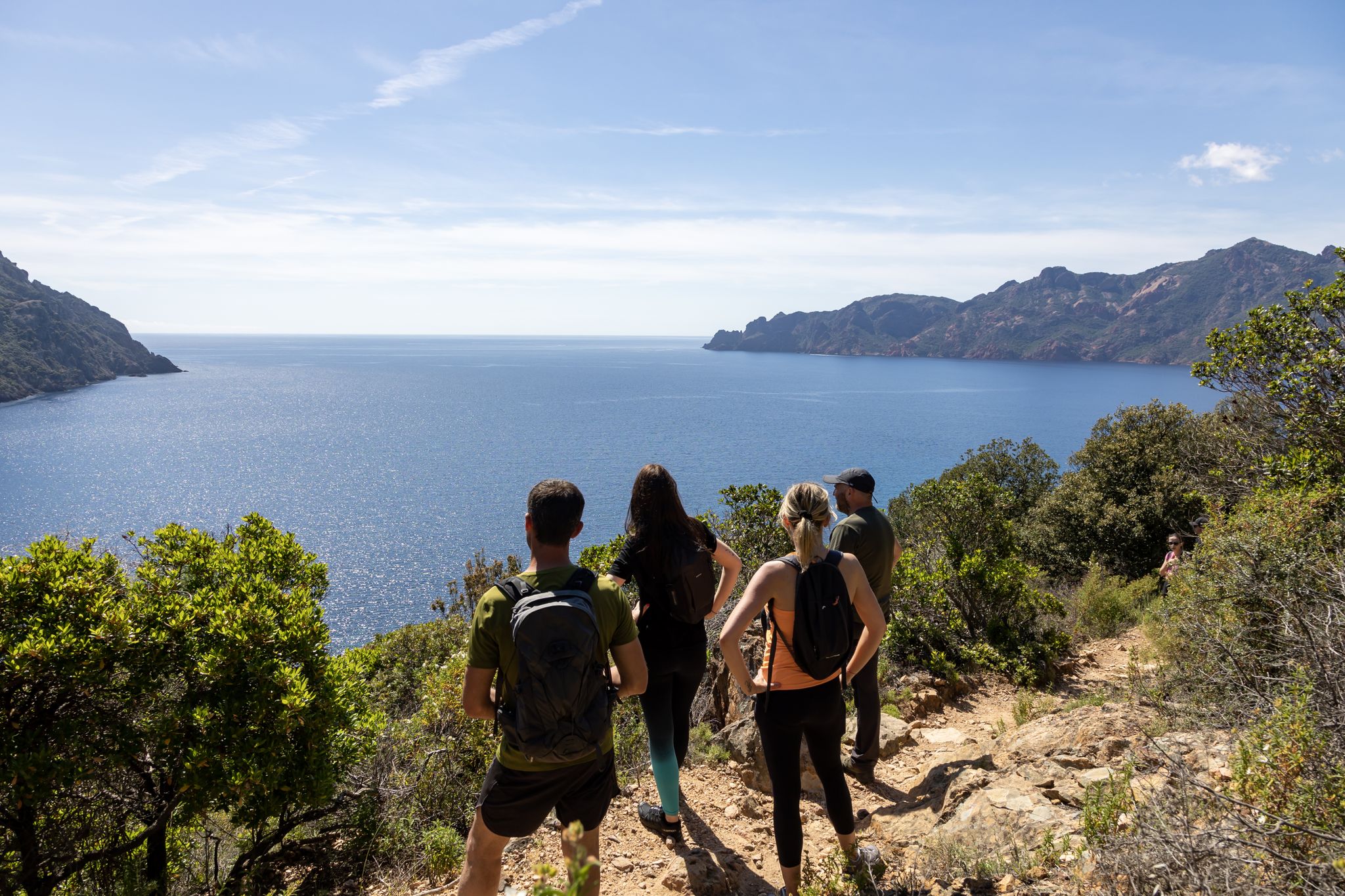
Corsica's discovery hikes — between sea and mountains
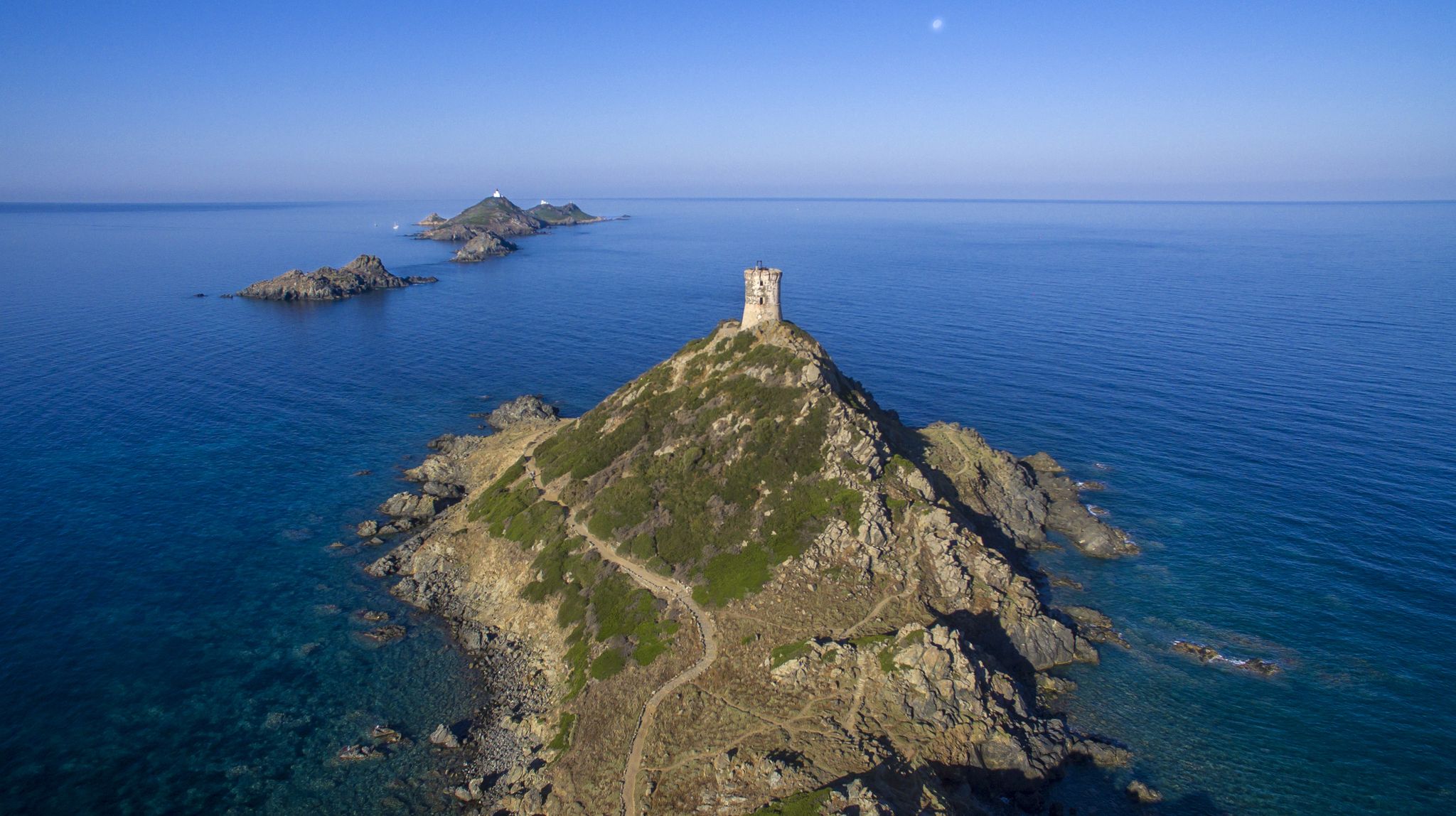
The Ajaccio region on foot and by bike – loops between sea and mountain
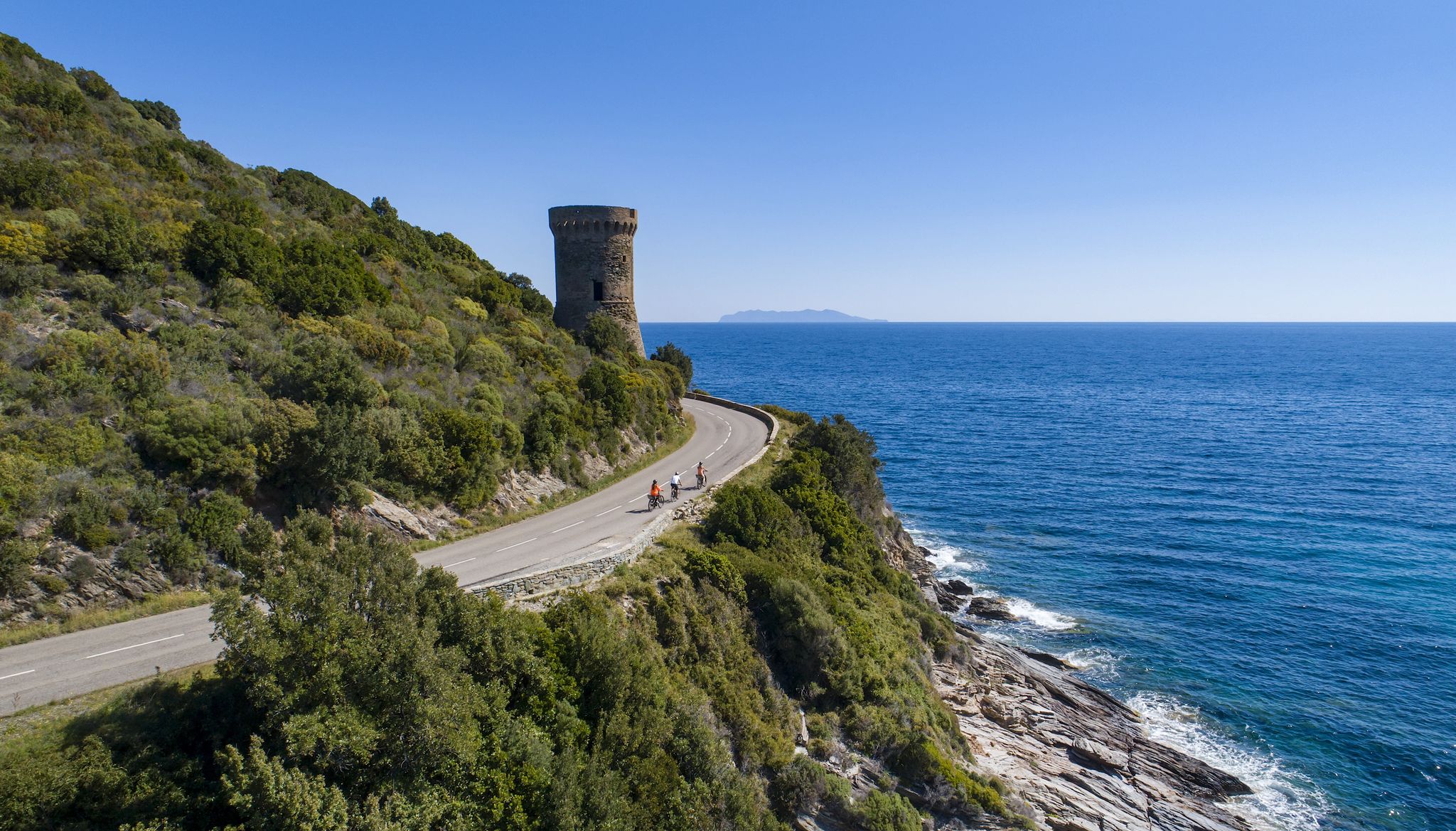
The Great Crossing of Corsica by bike – GT 20
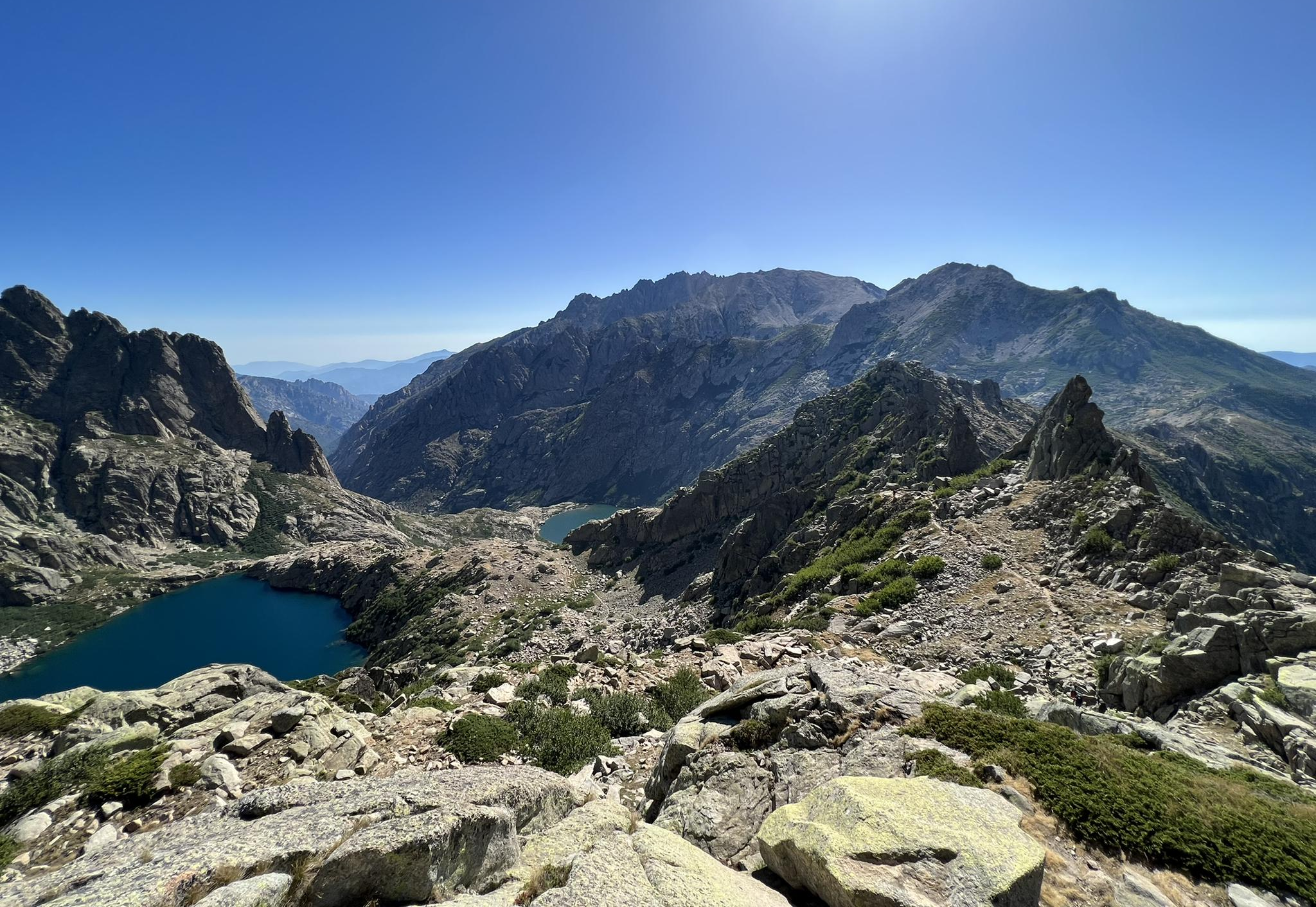
Great hikes of Corsica – Terre de nature
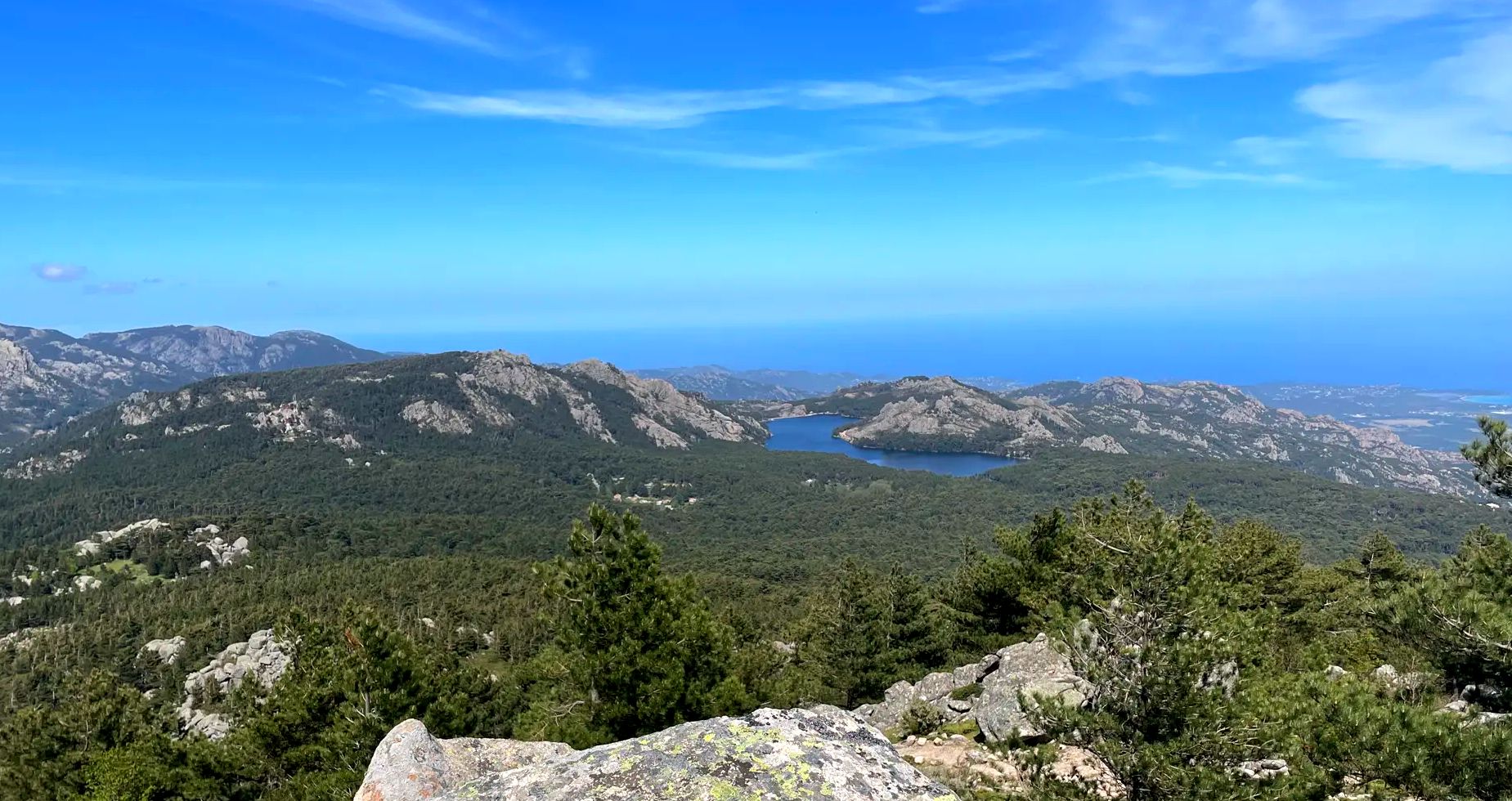
In the heart of the Alta Rocca – Mare a Mare Sud (Corsica)
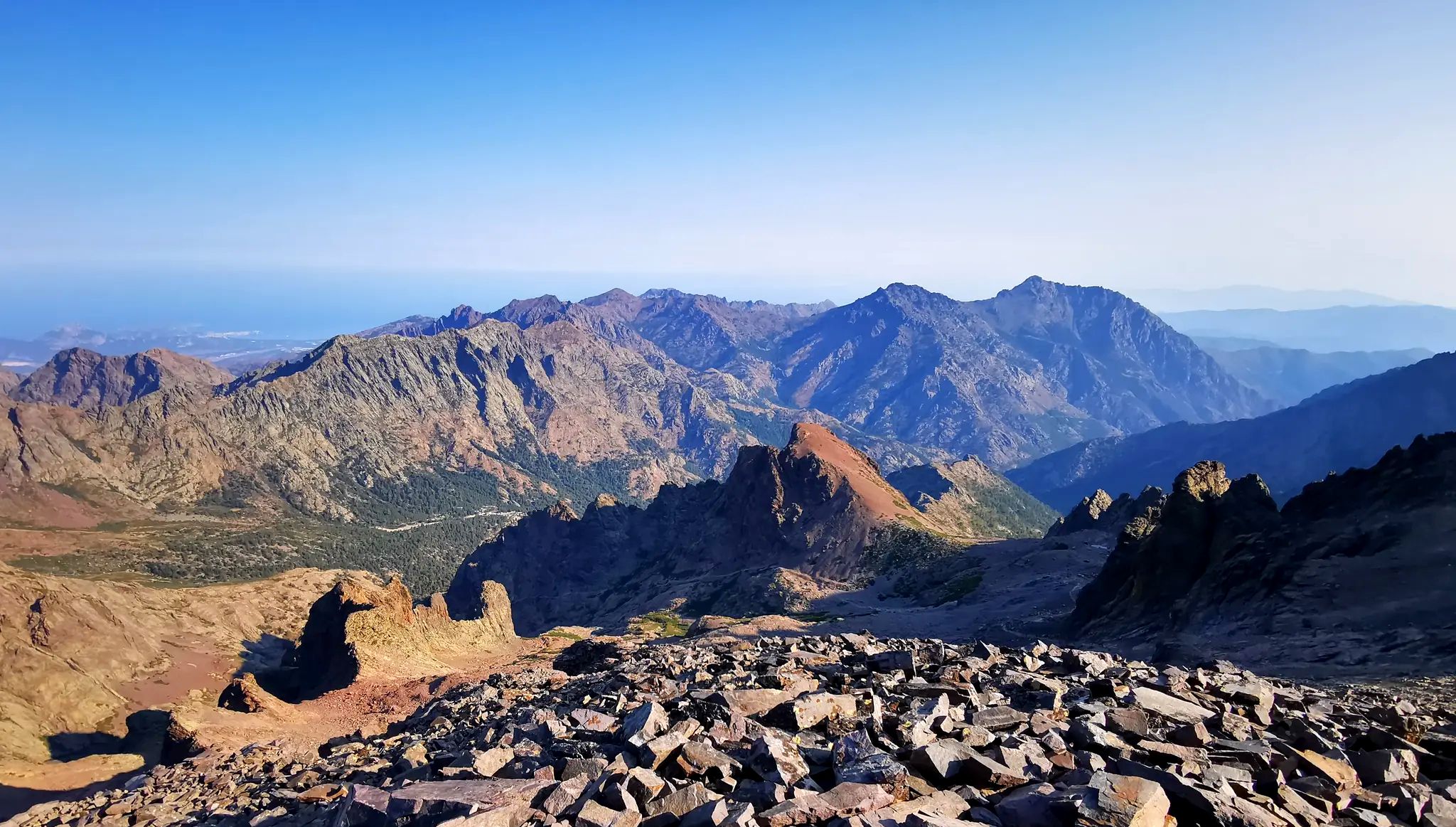
Hiking to the summits – France's highest points
Other adventures in Corsica


Tips from the Community


At the gates of 2,000 meters of altitude, this refuge has 26 beds and a large bivouac area. Reservation is mandatory and you will need to bring the reservation confirmation with you. For all information on dates, go to the website https://www.le-gr20.fr/pages/le-refuge-de-ciottulu-di-i-mori.html
1
0
The Manganu refuge is located at the foot of the Capitellu gap. The refuge is well equipped, very comfortable, and offers toilets and showers. Campers can also pitch their tent around the refuge. You can also treat yourself with the refuge's small artisanal grocery store which offers charcuterie, cheese and small Corsican pastries. Reservations must be made on the refuge's website.
1
0
The Petra Piana is a very small refuge, perched on the mountainside, which dates back to 1971. If you plan to sleep there, you must book your night online, on the PNRC (Corsican Regional Natural Park) website. The refuge is located near a spring where you can fill up with water, if you are just passing through.
2
0
La Bergerie de Ballone offers wonderful family cuisine with artisanal charcuterie and sheep's cheese. It is also possible to order refreshments there. Please note that the refuge offers tent pitches (and tent rental) but you will not find a hard bed under a roof.
0
0


Formerly open during the summer period, this sheepfold is now permanently closed. However, crossing it remains a unique experience!
0
0
Frequently Asked Questions
What types of huts can I find in Corsica?
Corsica offers a diverse range of accommodations for hikers. You'll primarily find basic mountain refuges managed by the Parc Naturenel Régional de Corse (PNRC), privately owned bergeries (converted shepherd's cabins), and gites or hotels at key locations. Each type provides a distinct experience, from rustic dormitory-style sleeping to more comfortable private chalets.
Which huts are essential stops along the GR20 trail?
Many huts serve as crucial stops along the challenging GR20 trail. Notable PNRC refuges include Carozzu Refuge, Petra Piana Refuge, and Manganu Refuge. These provide essential shelter and sustenance in remote mountainous terrain.
When is the best time to visit Corsican huts?
The best time to visit Corsican huts, especially the PNRC refuges, is during the staffed season, which typically runs from June to September. During these months, services like food, drinks, and sometimes electricity are available. Outside this period, refuges remain open but are un-manned, with limited or no services.
Are there family-friendly hut options in Corsica?
Yes, some huts cater to families. For instance, the Tolla Shepherd’s Hut is noted as family-friendly, offering a pleasant break with simple snacks. Bergeries, in general, often provide a more intimate and welcoming atmosphere compared to the larger refuges.
What amenities can I expect at Corsican mountain refuges?
PNRC refuges typically offer dormitory-style sleeping with wooden bunks and mattresses (bring your own sleeping bag), basic toilets, outdoor cold showers, and outdoor kitchens with gas for cooking. Some may have indoor kitchens and dining areas. Electricity is often limited, and charging devices might incur a cost. During the staffed season, you can usually purchase snacks, drinks, and hot meals.
Where can I find authentic Corsican food near the huts?
For an authentic culinary experience, seek out the privately owned bergeries. They are known for emphasizing local produce and offering home-cooked meals, including grilled meats, homemade sheep's cheese, and charcuterie. The Bergerie de Ballone and Bergerie de Basseta are renowned for their food, and the Tolla Shepherd’s Hut is highly recommended for its local sausage and cheese.
Do I need to book huts in advance in Corsica?
Yes, booking is mandatory, especially during the peak season (June to September), due to limited availability. This applies to all types of accommodation, including PNRC refuges, which can be booked online via the park's website.
What are some huts with great views in Corsica?
Many Corsican huts boast stunning views. Carozzu Refuge offers views of the sea and surrounding mountains. I Paliri refuge is nestled at the foot of superb cliffs, providing a remarkable setting and great views. Refuge de Ciottulu di i Mori, the highest refuge, offers incredible views between the peaks of Paglia Orba and Tafunatu.
Are there opportunities for wild swimming near Corsican huts?
Yes, some areas near the huts offer natural swimming spots. For example, Ascu Stagnu (Refuge de Stagnu) is located near the Asco River, which features natural pools perfect for a refreshing swim.
What outdoor activities can I do near Corsican huts?
The mountainous terrain around Corsican huts is ideal for various outdoor activities. You can explore challenging mountain hikes like the 'Secured Climbing Passage – Iron Chain Climbing Route loop from Col de Bavella' or the 'Lake Argento – View towards the sea loop from Haut-Asco'. For running enthusiasts, there are trails such as the 'Aiguilles de Bavella et la Bocca Pargulu' loop. Cyclists can enjoy road cycling routes like the 'Calvi and Fango Valley Loop'. Find more details on these activities in our guides for Mountain Hikes in Corsica, Running Trails in Corsica, and Road Cycling Routes in Corsica.
What makes bergeries a unique experience compared to PNRC refuges?
Bergeries, or converted shepherd's cabins, offer a more intimate and often more comfortable experience than the basic PNRC refuges. They are typically family-run, providing a warm welcome and a glimpse into Corsican rural life. They often feature varied accommodation options, including tents, dormitories, and smaller private chalets, and are known for their local cuisine.
Which hut is historically significant on the GR20?
Petra Piana Refuge holds historical significance as it was built in 1971 and is noted as the first refuge of the GR20. It is perched on a mountainside, offering a unique historical context to your trek.
Are there any huts that offer more comfort than basic refuges?
While most PNRC refuges are rustic, some strategic points along the GR20 offer private gites and even hotels that provide enhanced comfort. For example, Vizzavona, the halfway point of the GR20, has private structures. Places like Relais San Petru Di Verde at Col de Verde offer dorms with hot showers and local culinary delights, providing a more luxurious experience within the trek.
Most popular routes in Corsica
Most popular attractions in Corsica

Get inspired with the komoot mobile app


Didn’t find what you were looking for?
See even more amazing huts in Corsica with these guides per region:
Explore more
Find more beautiful huts and cabins in Corsica by checking out the top ones in these nearby places:
