Top 20 Caves in Liguria
Best caves in Liguria offer a journey into geological wonders and prehistoric history within this coastal region of northwest Italy. Liguria is home to several captivating cave systems, providing insights into ancient life and unique geological formations. These underground environments showcase millions of years of natural processes and human occupation. The region's caves are a significant natural feature, attracting visitors interested in both geology and archaeology.
Best caves in Liguria
- The most popular caves is Toirano Caves, a cave system known for its significant karst formations. It features a 1,300-meter tourist route through three interconnected caves, including Grotta della Bàsura with its prehistoric significance.
- Another must-see spot is Grotte di Borgio Verezzi, a cave system often referred to as "the most colorful caves in Italy." Visitors can expect an 800-meter path winding through rooms adorned with vibrant stalactites and stalagmites, displaying a palette of white, yellow, and red.
- Visitors also love Arma delle Mànie Prehistoric Cave, a cave of significant archaeological importance. This large stone vault on the Mànie Plateau documents human occupation between the Paleolithic and Neolithic periods.
- Liguria is known for its show caves, archaeological caves, and natural grottoes. The region offers a variety of caves to see and explore, from those with stunning speleothems to sites preserving ancient human and animal remains.
- The caves in Liguria are appreciated by the komoot community, with over 700 upvotes and 390 photos shared across 32 highlights.
Last updated: October 4, 2026
Counterfeiters' Cave
Highlight • Cave
Translated by Google •
Tip by

Punta Chiappa Battery
Highlight • Historical Site
Translated by Google •
Tip by

Sign up now to discover places like this
Get recommendations on the best single tracks, peaks, & plenty of other exciting outdoor places.
Pollera Cave
Highlight • Cave
But ATTENTION also dangerous. The cave extends to the one to the rear, to the other to the right. There (right) it falls relatively quickly and you could tumble 10 to 15 m down. If you do not lie there you have the chance to crash into (unknown) unknown depths.
The cave is not protected by anything. The part that leads backwards is harmless in my opinion - except that it can be slippery.
Translated by Google •
Tip by

Arma delle Mànie Prehistoric Cave
Highlight • Cave
Translated by Google •
Tip by

Toirano Caves
Highlight • Cave
Translated by Google •
Tip by

A section of the Pilgrim's Trail
Highlight (Segment) • Cave
Translated by Google •
Tip by

Roman quarries
Highlight • Cave
Translated by Google •
Tip by

Abandoned Portoro Marble Quarry
Highlight • Structure
Translated by Google •
Tip by

Byron's Grotto
Highlight • Cave
Translated by Google •
Tip by

Grotta Arma di Crosa
Highlight • Cave
Translated by Google •
Tip by

Sign up for free to discover even more caves in Liguria.
Already have an account?
Start today with a free account
Your next adventure awaits.
Popular around Liguria
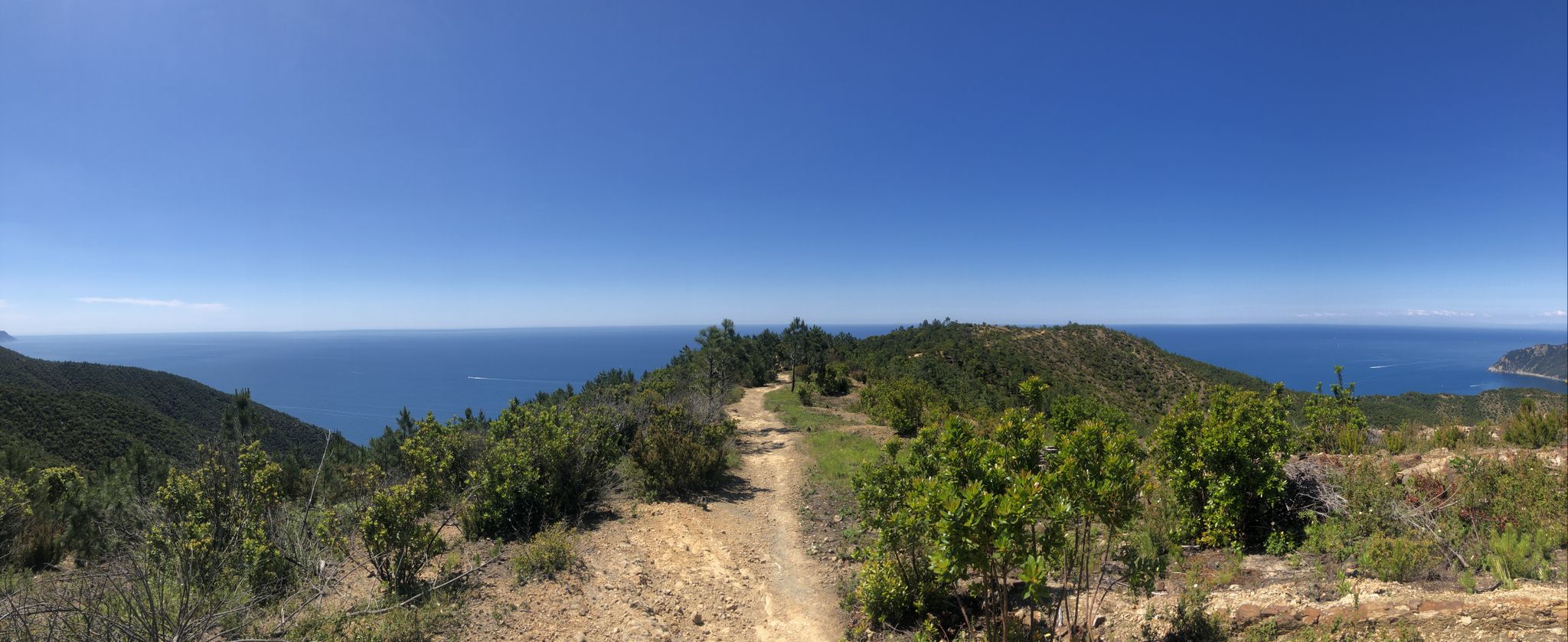
Via della Costa – A breathtaking hike along the Italian Riviera
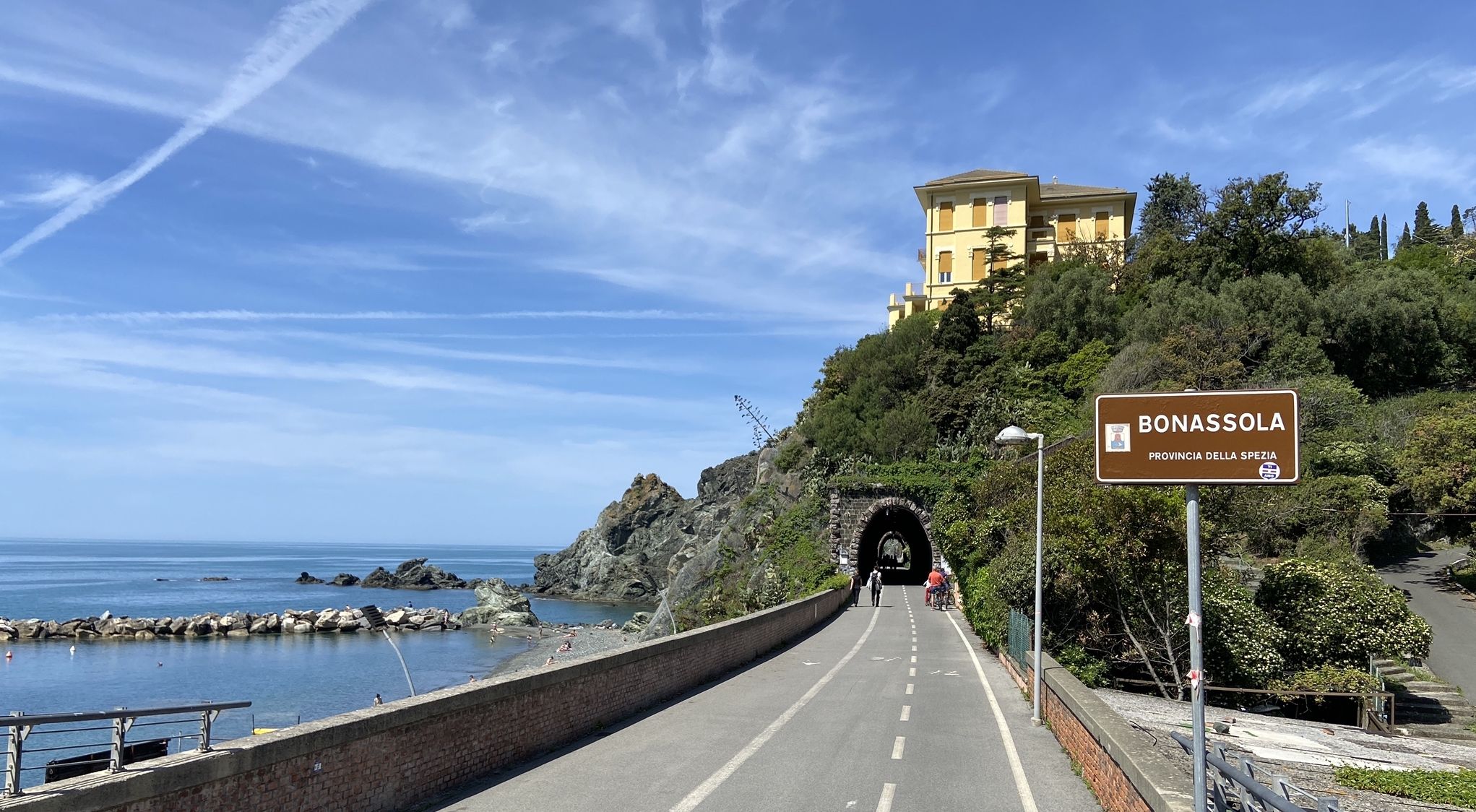
Pedalling to Portofino and the Cinque Terre — sea and mountains
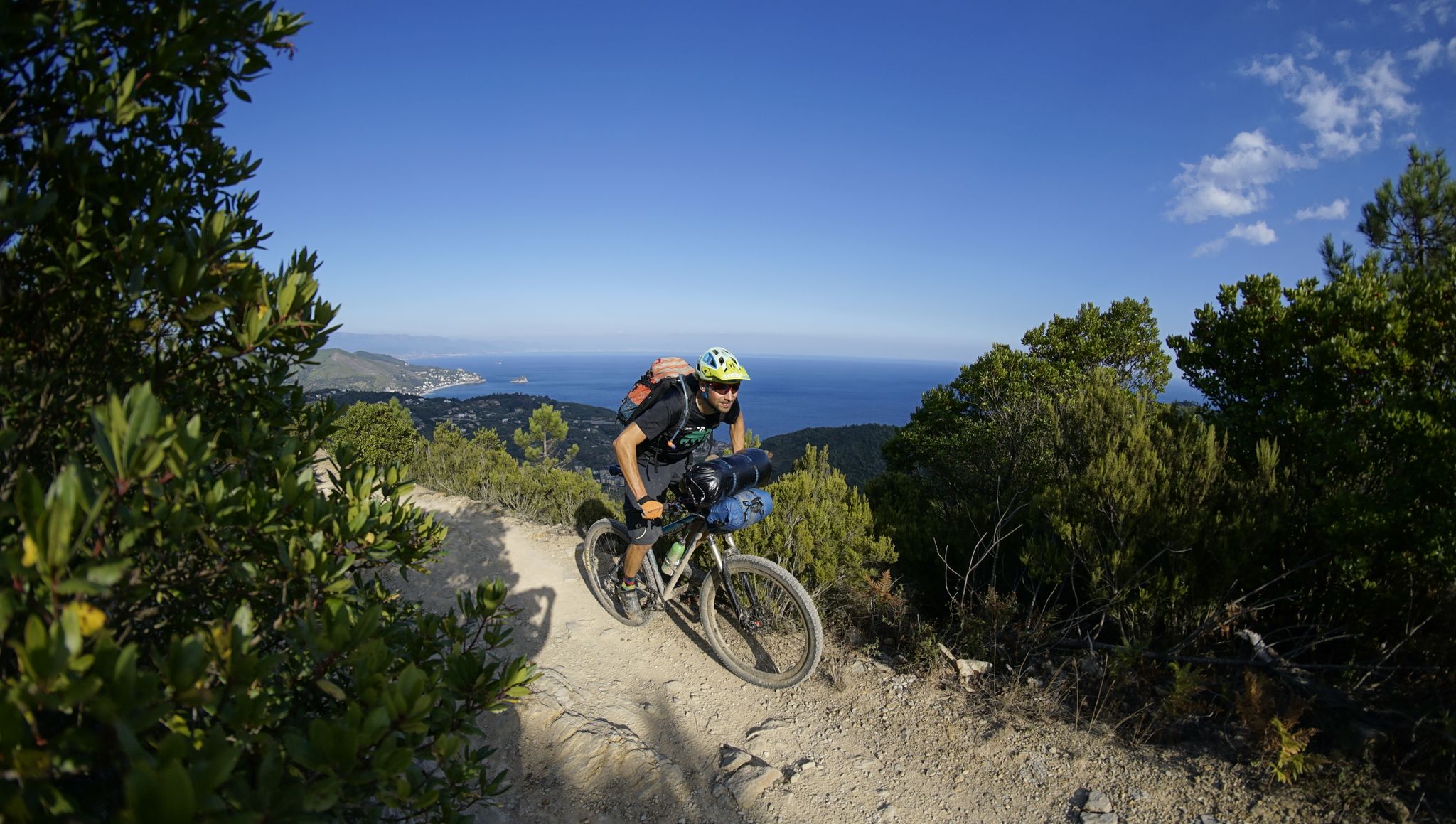
Alta Via Stage Race – Only the brave

Naples to North Cape — Two friends, one purpose and many scoops of ice-cream

#transit: My farewell to pro-cycling – from Como to Lecchi in two days

Road to BAM! 2026 – Condividi la strada
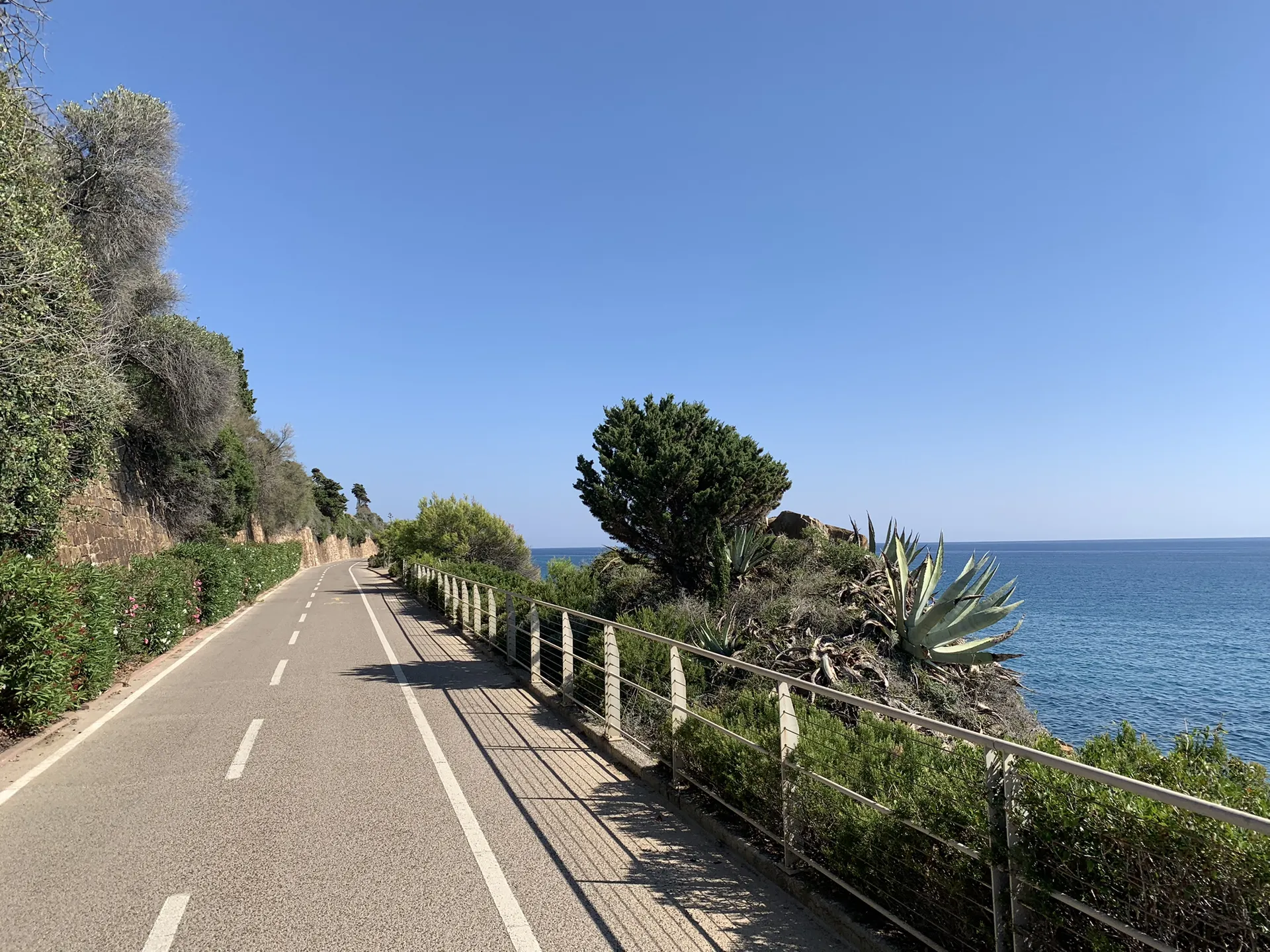
Liguria by bike – sea views and the beautiful scent of scrubland
Urban Trekking in Genoa – the Anelli del Benessere
Apennine Cycle Route (Part 1) - From Liguria to Umbria
Hunting for white gold in the Mediterranean Alps – Alta Via del Sale
Other adventures in Liguria


Tips from the Community

A very cool cave, lovely to sit there in the quietness.
0
0

An interesting cave that was used by humans in prehistoric times. Highly recommended for people with a sense of adventure.
0
0

This cave opens just above the village of Crosa, and is a fascinating place considering that it has been inhabited since prehistoric times, although in the centuries that followed, the cave was exploited by generations of farmers!
0
0

easy to reach directly on the way
1
0

The Toirano Caves are a complex of karst caves located in the Savona hinterland, one of the most important speleological and archaeological sites in Italy. The tourist route winds primarily through two connected caves: the Bàsura Cave and the Santa Lucia Superiore Cave. The Bàsura Cave, also known as the "Witches' Cave," is famous for its prehistoric finds. Neanderthal footprints and a vast "cemetery" of cave bears, who hibernated there, have been discovered here. The Santa Lucia Superiore Cave captivates visitors with its geological beauty, rich in stalactites, stalagmites, columns, and other rock formations. The Toirano Caves thus offer a fascinating journey through time, combining the wonder of underground nature with evidence of prehistoric life.
0
0

splendid, can be reached on foot without particular difficulties
0
0

Arma delle Manie is a cave underneath a great osteria. The cave is one of the largest in the Finale area and of great archaeological importance. They have found remains that prove the presence of neanderthal men about 70.000 years ago. These find you see in the archaeological museum in Finalborgo. But the cave was use long after that and you can see some remain of what used to be a mill still inside. It is not on the path but certainly worth the detour.
3
0

Here you can have a great view of the sea
3
0
Frequently Asked Questions
What makes the Toirano Caves a significant destination in Liguria?
The Toirano Caves are renowned for their exceptional prehistoric significance and diverse geological formations. They feature a 1,300-meter tourist route through three interconnected caves, including Grotta della Bàsura, which served as a refuge for cave bears over 24,000 years ago. Visitors can observe numerous bone remains and ancient human footprints and handprints from over 12,000 years ago. The caves also showcase impressive stalactites, stalagmites, columns, and unique globular formations, such as the 8-meter column in the Pantheon Hall.
What is unique about the Grotte di Borgio Verezzi?
The Grotte di Borgio Verezzi are often called 'the most colorful caves in Italy' due to the extraordinary palette of colors displayed by their limestone formations. A maze of stalactites and stalagmites exhibits vibrant nuances of white, yellow, and red, resulting from various mineral oxides. The 800-meter path winds through rooms with eccentric formations, including candle-shaped stalactites and a large rock formation resembling 'Gulliver's Foot'.
Are there caves in Liguria with important archaeological findings?
Yes, beyond the Toirano Caves, Liguria boasts several sites with significant archaeological importance. The Arma delle Mànie Prehistoric Cave on the Mànie Plateau documents human occupation between the Paleolithic and Neolithic periods. Pollera Cave in the Finalese region was frequented from the Neolithic to the Metal Age, with numerous burials found. The Arene Candide Caves have also yielded an extraordinary collection of Neolithic materials.
Are the caves in Liguria suitable for families?
Many caves in Liguria are family-friendly, offering accessible and engaging experiences. Both the Toirano Caves and Grotte di Borgio Verezzi provide well-maintained tourist routes and guided tours that are suitable for all ages, making them excellent choices for a family outing.
What kind of geological formations can I expect to see in Ligurian caves?
Ligurian caves offer a wide array of geological formations. You can expect to see classic speleothems like stalactites, stalagmites, and columns. The Toirano Caves feature unique globular formations and aragonite crystals, while the Borgio Verezzi Caves are famous for their vibrant, colorful formations and eccentric shapes. Some caves also present large rock formations and impressive underground chambers.
How long do guided tours typically last in Ligurian show caves?
Guided tours in the main show caves, such as the Toirano Caves and the Borgio Verezzi Caves, typically last about an hour. These tours provide an informative and engaging experience, covering the geological and historical aspects of the caves.
What outdoor activities can I do near the caves in Liguria?
Liguria offers a variety of outdoor activities near its cave systems. You can find numerous running trails, gravel biking routes, and road cycling routes. For example, the 'From Loano to Bardineto via the Toirano Caves' is a popular road cycling route. You can explore more options on the Running Trails in Liguria, Gravel biking in Liguria, and Road Cycling Routes in Liguria guide pages.
Are there any historical sites or ancient quarries to explore in Liguria's cave systems?
Yes, Liguria has several historical and quarry-related cave sites. The Roman quarries, despite their name, are an area of Pietra di Finale extraction with an uncertain but ancient period of use, featuring pre-industrial extraction techniques. The Abandoned Portoro Marble Quarry also offers a glimpse into the region's mining history within a cave setting.
What is the best time of year to visit the caves in Liguria?
The caves in Liguria can generally be visited year-round, as their internal temperature remains relatively constant. However, for the most comfortable experience and to combine your visit with other outdoor activities in the region, spring (April-June) and autumn (September-October) are often ideal, offering pleasant weather.
Are there any challenging or less-explored caves for experienced visitors in Liguria?
For those seeking a more challenging experience, the Pollera Cave is known for its impressive height but also its dangerous sections, with significant drops. The Counterfeiters' Cave and the Abandoned Portoro Marble Quarry are also categorized as challenging, offering more rugged exploration opportunities.
What wildlife might I encounter in Ligurian caves?
While large prehistoric mammals like cave bears are long gone (though their remains are visible in Toirano), Ligurian caves are important habitats for various species. The Borgio Verezzi Caves, for instance, are a significant habitat for bats, particularly the Rhinolophus major species, which hibernates there. You might also encounter other small cave-dwelling invertebrates.
How accessible are the main cave systems in Liguria?
The main tourist cave systems like Toirano Caves and Grotte di Borgio Verezzi are generally well-accessible, with dedicated parking facilities and organized guided tours. They are designed to accommodate visitors with varying mobility, though some sections may involve stairs or uneven surfaces. It's advisable to check specific accessibility details with each cave system directly.
What should I wear when visiting caves in Liguria?
Caves maintain a cool and constant temperature, typically around 16°C (60°F), regardless of the outside weather. It's recommended to wear comfortable walking shoes with good grip, as surfaces can be damp and slippery, and bring a light jacket or sweater, even in summer. Some caves may have uneven terrain, so comfortable clothing is key.
Most popular routes in Liguria
Most popular attractions in Liguria

Get inspired with the komoot mobile app


Explore more
Extend your search for the best caves by checking out these guides of the top ones in Liguria:
