Top 20 Castles in the Aosta Valley
Castles in the Aosta Valley are historically significant structures, strategically positioned along Alpine passes. This region, nestled in the Italian Alps, boasts a diverse collection of fortifications that evolved from defensive strongholds to opulent residences. The architectural and cultural evolution of these sites reflects centuries of change. Visitors can explore a rich array of castles, each offering unique insights into medieval life and royal history.
Best castles in the Aosta Valley
- The most popular castles is Savoia Castle, a castle that served as the summer residence for Queen Margherita of Savoy. It features a neo-Gothic style with rich Art Nouveau decorations and is surrounded by a rocky alpine garden.
- Another must-see spot is Fort Bard, a formidable 19th-century barrier fortress. This well-preserved structure now functions as a European cultural center, housing several museums including the Museum of the Alps.
- Visitors also love Fénis Castle, a castle renowned for its extraordinary architecture, featuring a pentagonal layout with numerous towers. Its inner courtyard is decorated with remarkable 15th-century frescoes, offering a vivid glimpse into noble life.
- Aosta Valley is known for its diverse range of castles, from military fortresses to luxurious Renaissance residences and royal hunting lodges. Visitors can explore structures showcasing medieval defense, opulent living, and royal history.
- The castles in the Aosta Valley are appreciated by the komoot community, with over 170 upvotes and more than 330 photos shared across various highlights.
Last updated: October 10, 2026
Fort Bard
Highlight • Castle
Translated by Google •
Tip by

View of Fort Bard from the bridge
Highlight • Viewpoint
Apart from its history, the bridge is a beautiful photo point of Fort Bard.
Showing Translation
Tip by

Sign up now to discover places like this
Get recommendations on the best single tracks, peaks, & plenty of other exciting outdoor places.
Fénis Castle
Highlight • Castle
Combining the characteristics of a fortification with those of a noble residence, Fénis Castle was indeed the prestigious seat of representation for the main exponents of the Challant family.
Showing Translation
Tip by

Aymavilles Castle
Highlight • Castle
Its history is very ancient, in a papal bull of 1207 it appears as a simple tower or stronghold belonging to the assets of the canons of Saint Gilles.
This fortification subsequently underwent numerous transformations thanks to the illustrious owners who followed one another over time, starting from 1360, when the Savoys enfeoffed the jurisdiction to Aimone di Challant.
The castle is easily recognizable for its original but elegant structure characterized by eighteenth-century stuccoes, loggias and coats of arms.
The exterior is refined by the presence of a vast park with a fountain, from which you can enjoy a spectacular view of the entire valley floor.
Translated by Google •
Tip by
Quart Castle
Highlight • Castle
Translated by Google •
Tip by

Introd Castle
Highlight • Castle
Translated by Google •
Tip by
Bovaye - Castello Gamba
Highlight • Castle
Translated by Google •
Tip by

Verrès Castle
Highlight • Castle
Translated by Google •
Tip by
Savoia Castle
Highlight • Castle
Translated by Google •
Tip by

Torre dei Balivi
Highlight • Historical Site
The tower, also known as Tour Cornière in French, was mentioned as early as 1192.
In the 12th century it became the property of the local noble family De Palais (or De Palacio), who used it for their own purposes.
Later, in the 13th century, it was transferred to the Count of Savoy and served as the seat of the bailiff (in old French, Bailly).
The tower was expanded and remodeled in the 15th and 16th centuries, with new parts added to meet growing needs.
In the 17th century it was used as a prison and courthouse.
Since 2014, the tower has housed the Istituto Musicale Pareggiato della Valle d'Aosta.
Translated by Google •
Tip by
Sign up for free to discover even more castles in the Aosta Valley.
Already have an account?
Start today with a free account
Your next adventure awaits.
Popular around Aosta Valley
Alta Via n. 1 of the Aosta Valley — a walk among Italian giants
Piemont's Via Francigena
Giro del Gran Paradiso – A trail running adventure in the Italian Alps
Ultra-Trail du Mont-Blanc – following the footsteps of legends
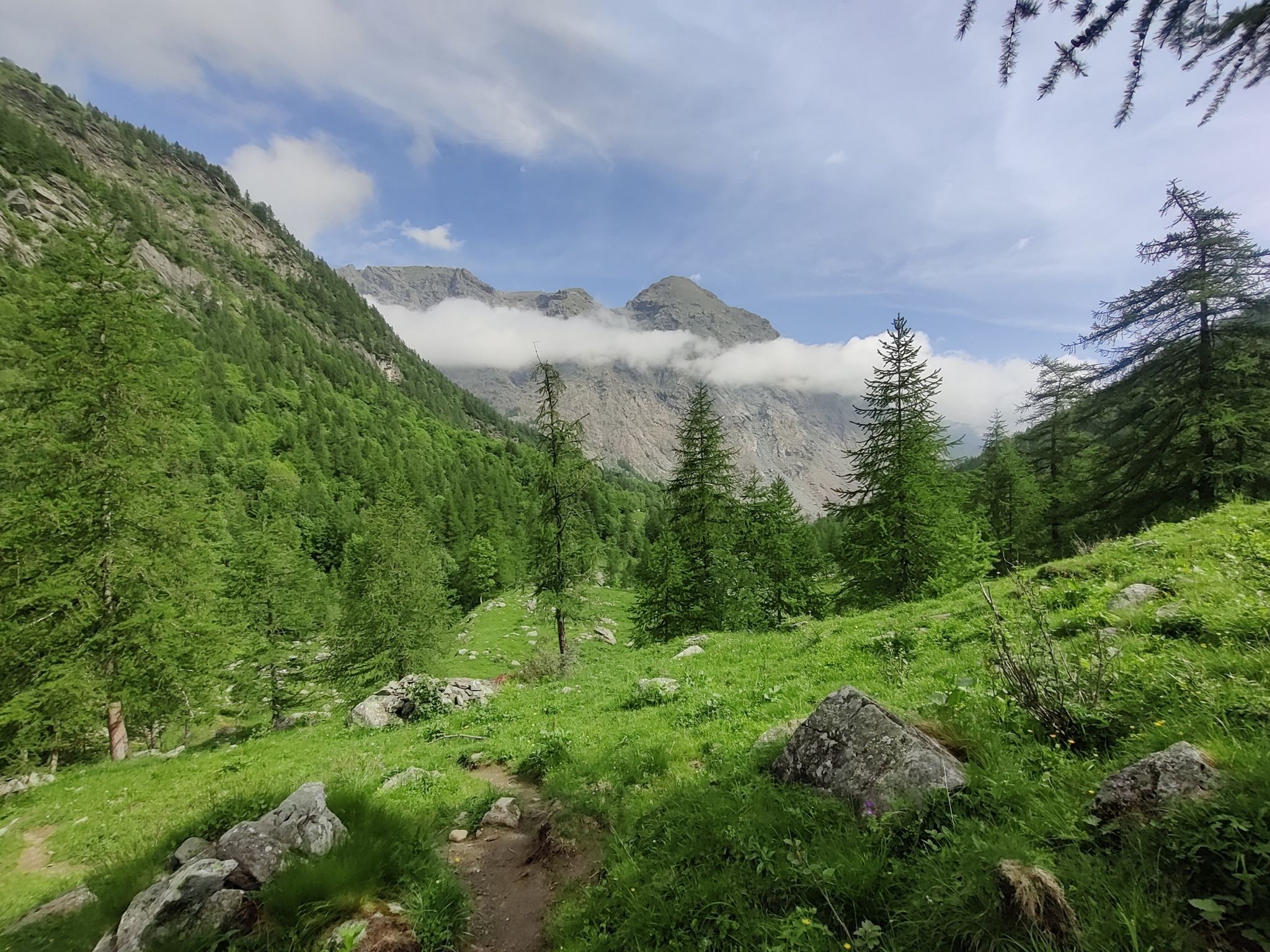
GTA Central Piedmont – Dense forests, lakes and impressive waterfalls
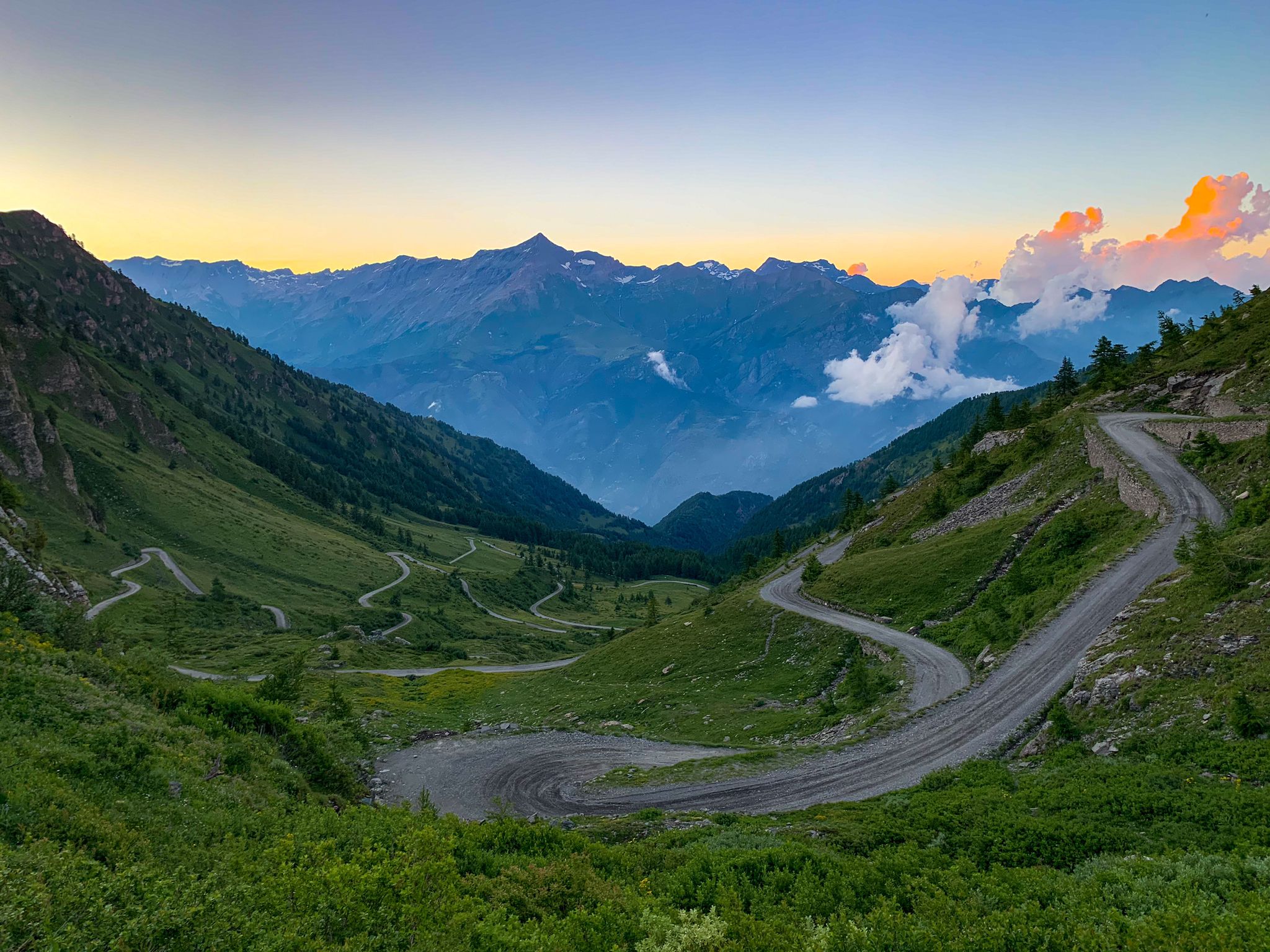
Chasing the sun across the Alps — unsupported solo
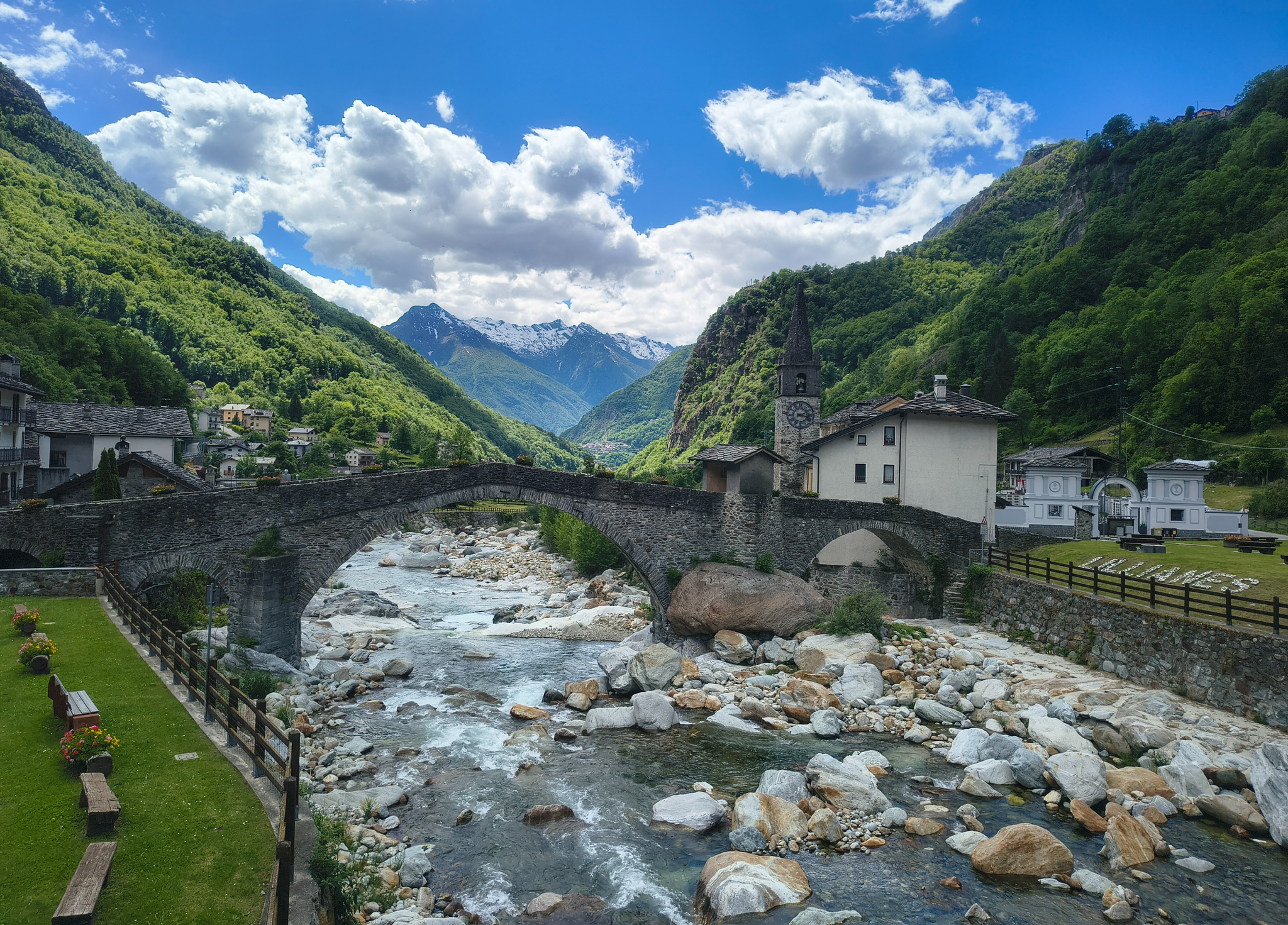
Three days on the Cammino Balteo – The historic Aosta Valley
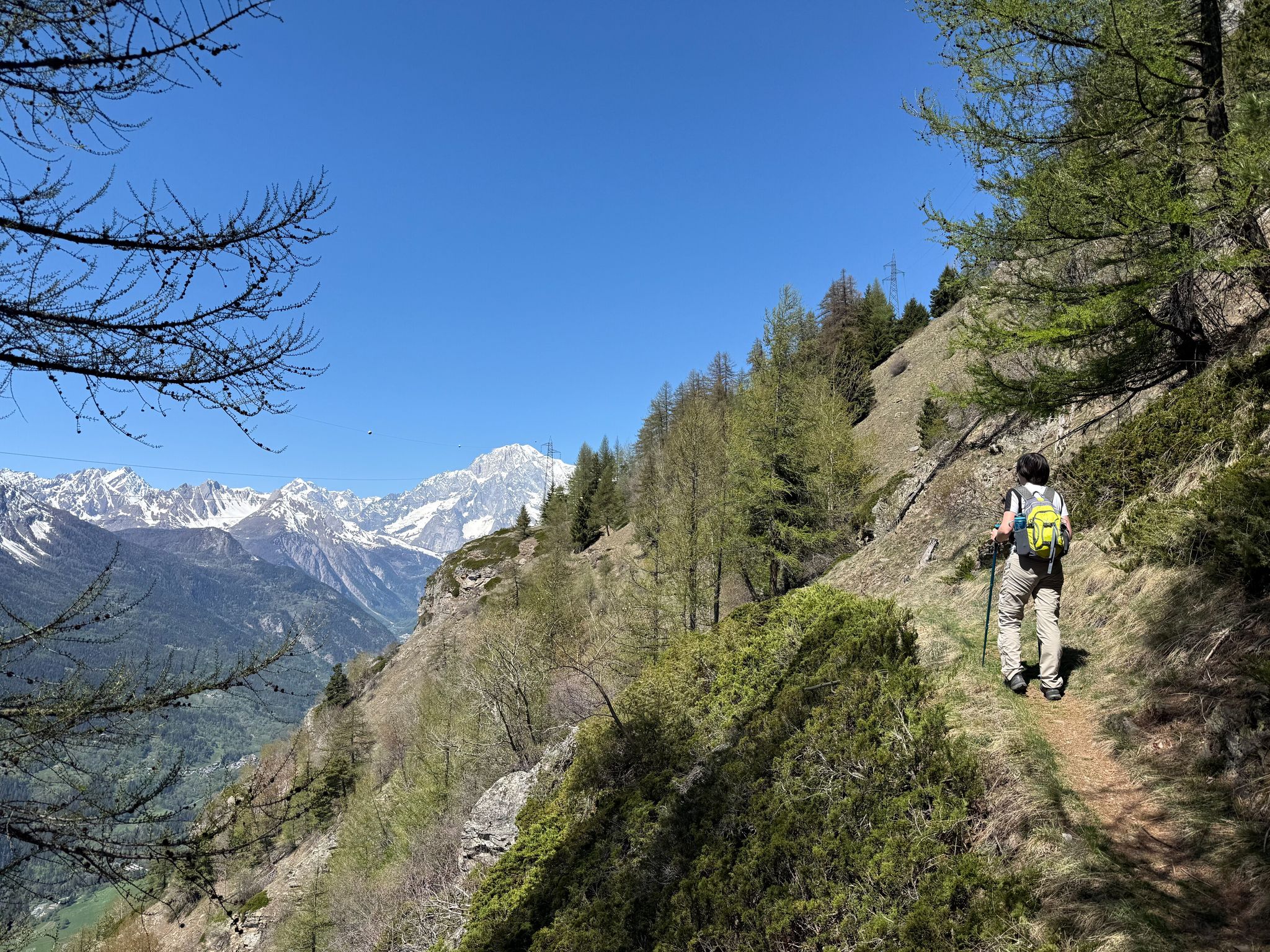
Cammino Balteo – castles, vineyards and trails of the Aosta Valley

The Aosta Valley by MTB – between valleys and majestic peaks
Hiking to the Aosta Valley’s mountain huts: 10 beautiful trails
Other adventures in the Aosta Valley


Tips from the Community

The Forte di Bard seen from the bridge over the Dora Baltea river offers one of the most iconic and photographed views in the Aosta Valley. This spectacular perspective captures the imposing, craggy fortress that dominates the village below and the river waters.
0
0

Seen only from the outside, very very beautiful!
0
0

summer residence of Queen Margherita of Savoy
0
0

Visited today, only possible with a guided tour! Our guide was very friendly and translated the tour into English for us (it's normally in Italian, information panels are in English, and the information booklet is in German). We spent over an hour in the building and were able to look around at our leisure. The building was completed in 1904. For me, a worthwhile visit. €10 per person €7 concession €3 pupils/students
0
0
Beautiful bridge connecting Hone to Bard. Magnificent view of the fort.
2
0

Now the castle is no longer owned by the Caracciolo family but has been purchased by the Autonomous Region of Aosta valley.
0
0


Castle that once belonged to the Italian royal family, now open to the public. It is worth a visit, an easy and pleasant path brings you here from the village of Gressonay in any period of the year
0
0
Frequently Asked Questions
Which castles in the Aosta Valley are particularly rich in history and architecture?
The Aosta Valley is home to many historically significant castles. Fénis Castle is renowned for its unique pentagonal layout and 15th-century frescoes, offering a vivid glimpse into noble medieval life. Verrès Castle stands out as a striking example of 14th-century military architecture, built as an impenetrable fortress. For a blend of medieval and Baroque styles, Aymavilles Castle is unique with its cylindrical corner towers and elegant stuccoes.
Are there family-friendly castles to visit in the Aosta Valley?
Yes, several castles in the Aosta Valley are great for families. Fénis Castle, with its fairytale-like appearance and well-preserved interiors, captivates visitors of all ages. Fort Bard offers an immersive experience with its Museum of the Alps and Children's Alps museum, making history engaging for younger visitors. Savoia Castle, the former summer residence of Queen Margherita, is also considered family-friendly, often featuring an easy and pleasant walk to reach it.
What outdoor activities can I do near the castles in the Aosta Valley?
The Aosta Valley offers numerous outdoor activities near its castles. You can find excellent hiking opportunities, such as the challenging routes in the nearby Gran Paradiso National Park, or explore the waterfall hikes in the Aosta Valley. For cyclists, there are diverse options for gravel biking, including routes like the 'Monterosa Gravel Experience' or the 'Zerbion Cycle Path'. You can find more details on gravel biking in the Aosta Valley.
Which castles offer the best scenic viewpoints in the Aosta Valley?
Many castles in the Aosta Valley are strategically located to offer breathtaking views. Fort Bard, perched on a rocky promontory, provides panoramic views of the Aosta Valley and the historic village of Bard below. Verrès Castle, dominating the town of Verrès and the entrance to the Val d'Ayas, also offers spectacular vistas. Additionally, Quart Castle, standing on a high rocky cliff, provides remarkable landscape views, especially from the Via Francigena path.
What is the best time of year to visit the Aosta Valley castles?
The best time to visit the Aosta Valley castles is generally from spring to early autumn (April to October). During these months, the weather is milder, making it pleasant for exploring the castle grounds and surrounding areas. Summer offers longer daylight hours and often hosts cultural events. While some castles may have limited access or different opening hours in winter, the snow-covered landscapes can offer a unique and picturesque experience.
How much time should I allocate for visiting an Aosta Valley castle?
The time needed for a castle visit varies depending on the size and your interest. For major castles like Fénis Castle or Fort Bard, you should typically allow 2 to 3 hours to explore the interiors, museums, and grounds thoroughly. Smaller castles or those with less extensive exhibitions might only require 1 to 1.5 hours. It's always a good idea to check specific castle websites for guided tour durations if you plan to join one.
Are there any unique or 'hidden gem' castles in the Aosta Valley?
While many castles are well-known, Introd Castle, dating back to the 12th century, offers a unique polygonal shape and spectacular views of Mont Blanc. Issogne Castle, a luxurious Renaissance residence, is another 'hidden gem' with its elegant artistry, magnificent frescoes depicting daily life, and a famous pomegranate fountain, providing a rare glimpse into a refined noble lifestyle without traditional defensive features.
What are the differences between Fénis Castle and Issogne Castle?
While both were residences of the powerful Challant family, Fénis Castle is primarily a defensive structure with a pentagonal layout and numerous towers, built for prestige and defense. Its inner courtyard features 15th-century frescoes. Issogne Castle, on the other hand, is a luxurious Renaissance residence, lacking traditional defensive elements and focusing on elegance. It's known for its wrought-iron pomegranate fountain and vibrant frescoes depicting daily life, offering a more intimate and artistic experience.
Can I reach the Aosta Valley castles using public transport?
Access to Aosta Valley castles by public transport varies. Major sites like Fort Bard are generally well-connected by bus or train, often with shuttle services to the fort itself. For other castles, public transport might take you to a nearby town, requiring a walk or a short taxi ride to reach the castle. It's advisable to check local bus schedules and routes for specific castle destinations before your visit.
What kind of historical events or re-enactments can I experience at Aosta Valley castles?
Some Aosta Valley castles host historical events and re-enactments that bring their past to life. For example, Verrès Castle is famous for its annual Historic Carnival of Verrès, which re-enacts the epic of Countess Caterina of Challant, offering a vibrant immersion into medieval history and local traditions.
Are there any castles in the Aosta Valley that were royal residences?
Yes, the Aosta Valley features castles that served as royal residences. Savoia Castle in Gressoney-Saint-Jean was the summer residence for Queen Margherita of Savoy, known for its neo-Gothic style and rich Art Nouveau decorations. Sarre Royal Castle, originally an 18th-century structure, became a hunting and holiday residence for the House of Savoy, particularly King Victor Emmanuel II, and is notable for its unique decor adorned with chamois and ibex horns.
What are some of the most popular castles among visitors to the Aosta Valley?
Based on visitor interest and community feedback, Savoia Castle is highly popular, appreciated for its royal history and pleasant surroundings. Fort Bard also draws many visitors due to its imposing structure and diverse museums. Fénis Castle is another favorite, celebrated for its well-preserved medieval architecture and historical frescoes.
Most popular routes in the Aosta Valley
Most popular attractions in the Aosta Valley

Get inspired with the komoot mobile app


Didn’t find what you were looking for?
Explore Aosta Valley’s best castles region by region:
Explore more
Looking for the best castles somewhere else? Discover other guides in the Aosta Valley:
