Top 20 Natural Monuments in Lower Lusatia
Best natural monuments in Lower Lusatia are shaped by the region's glacial history and ongoing ecological processes, spanning parts of Germany and Poland. This area features unique geological formations, extensive waterways, and diverse ecosystems. Visitors can explore landscapes ranging from ancient moraines to intricate river deltas. The region offers insights into Earth's geological past and preserves significant natural habitats.
Best natural monuments in Lower Lusatia
- The most popular natural monuments is Rakotz Bridge (Devil's Bridge), a bridge that forms…
Last updated: June 26, 2026
View of the Inselteich on the Gurkenradweg
Highlight • Viewpoint
Showing Translation
Tip by

The Spree in Spreewald Biosphere Reserve
Highlight • River
Translated by Google •
Tip by

Sign up now to discover places like this
Get recommendations on the best single tracks, peaks, & plenty of other exciting outdoor places.
Sign up for free
Rakotz Bridge (Devil's Bridge)
Highlight • Bridge
Translated by Google •
Tip by

Stradower Teiche Path
Highlight (Segment) • Lake
Translated by Google •
Tip by

Rhododendron Park Kromlau
Highlight • Bridge
Translated by Google •
Tip by

Leiper Weggraben
Highlight • River
Translated by Google •
Tip by

Basalt Organ at Rakotz Lake
Highlight • Monument
Translated by Google •
Tip by

Rhododendron Gorge (Rhododendronschlucht)
Highlight • Gorge
Translated by Google •
Tip by

Spremberg Reservoir (Spremberg Dam)
Highlight • Lake
Translated by Google •
Tip by

Stoßdorfer Lake
Highlight • Lake
Translated by Google •
Tip by

Sign up for free to discover even more natural monuments in Lower Lusatia.
Sign up for free
Already have an account?
Start today with a free account
Your next adventure awaits.
Login or Signup
Popular around Lower Lusatia
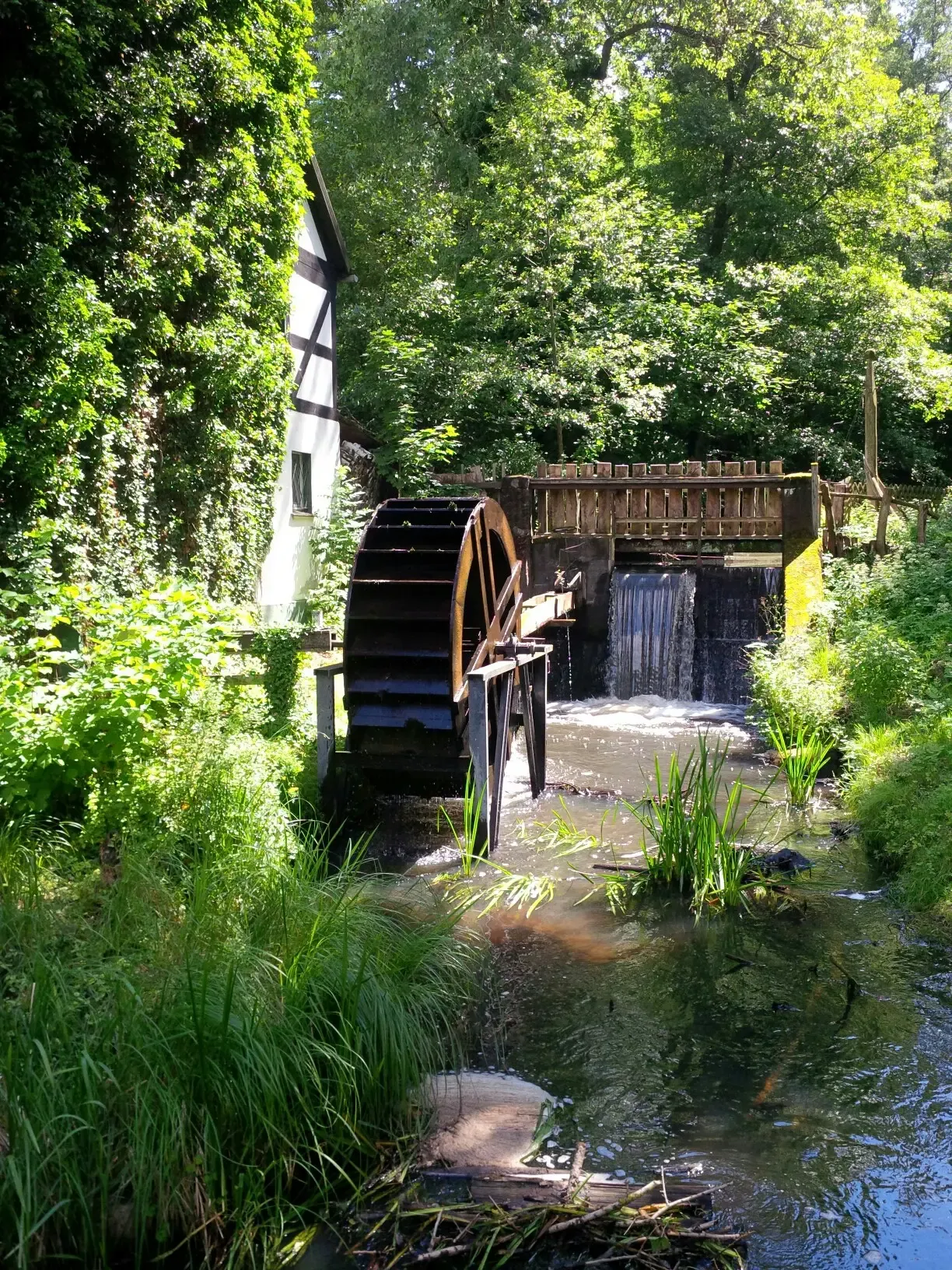
Mill Hiking Trail – The Schlaubetal hiking paradise
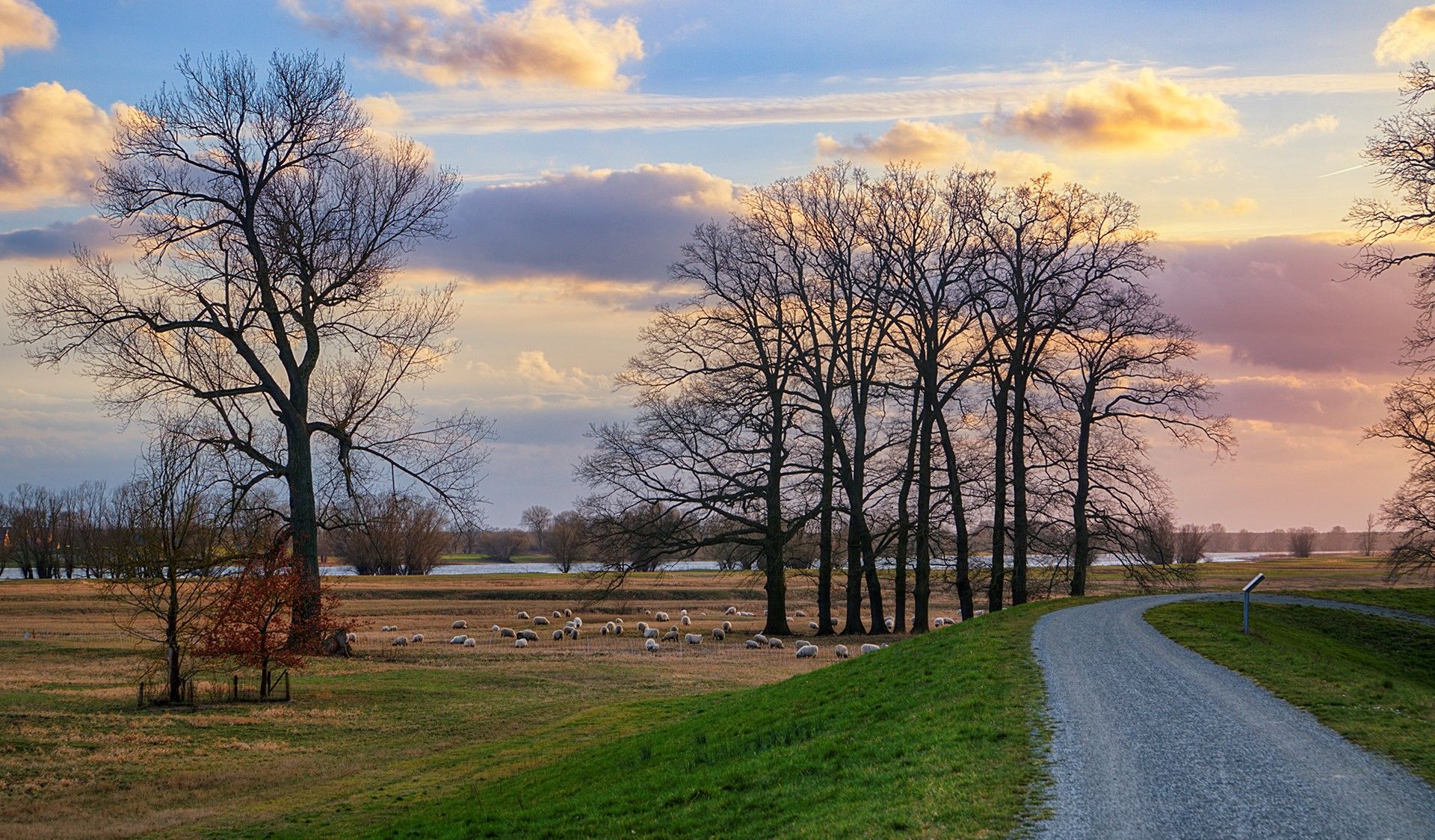
Tour Brandenburg – Cycle around Berlin in 18 stages
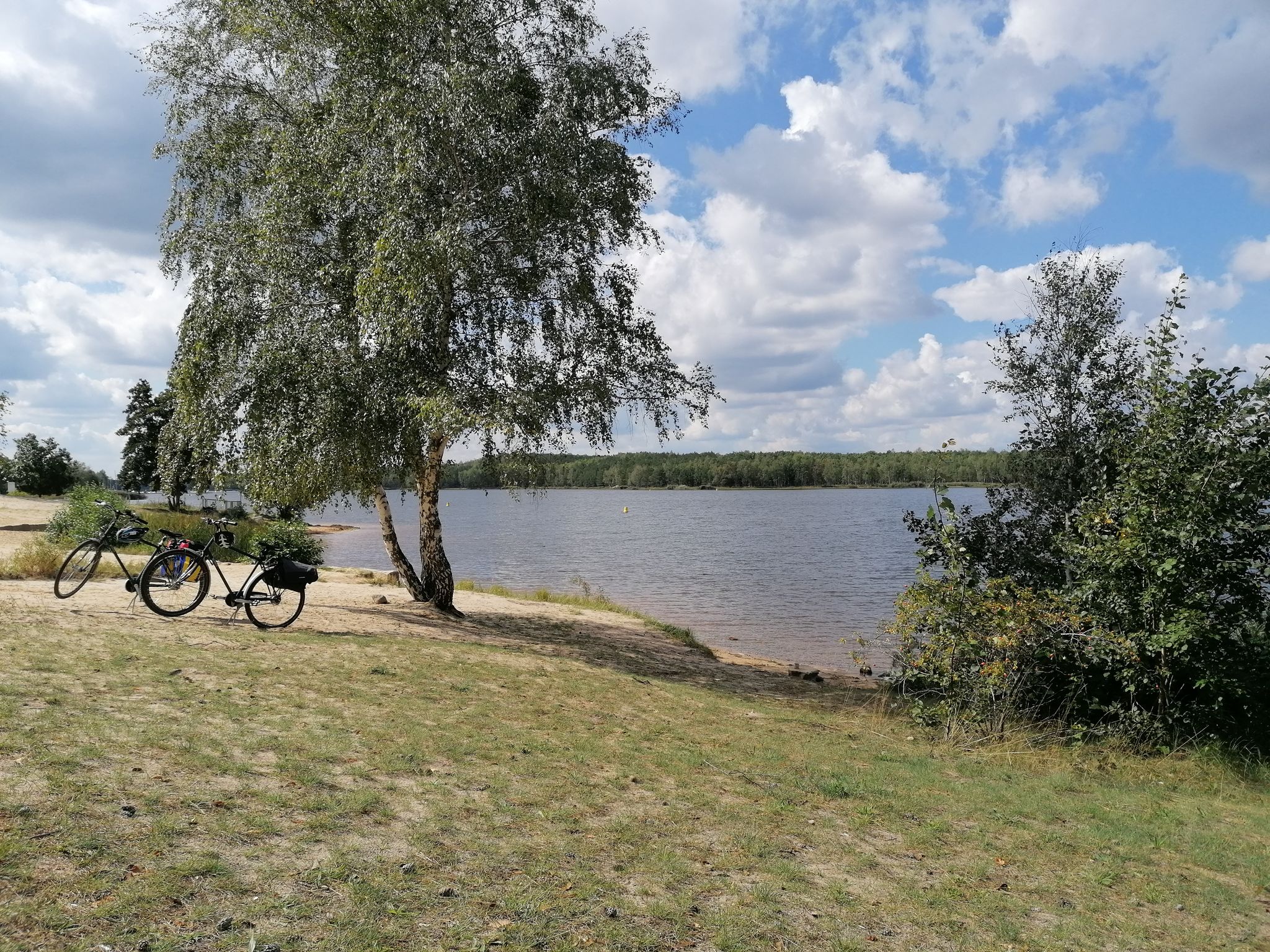
Cycling from Dresden to Berlin – lakes, nature and Sorbian culture
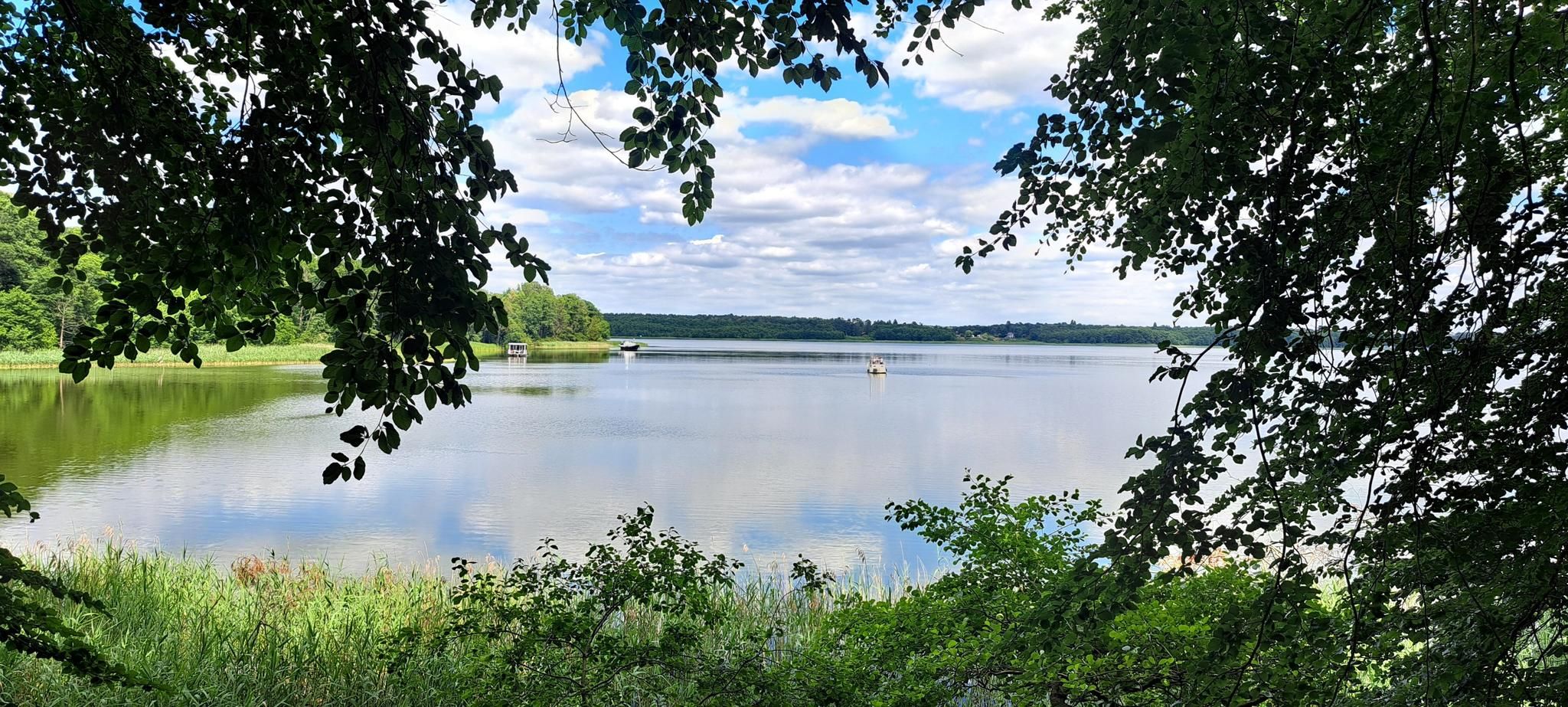
The National Natural Landscapes in Brandenburg
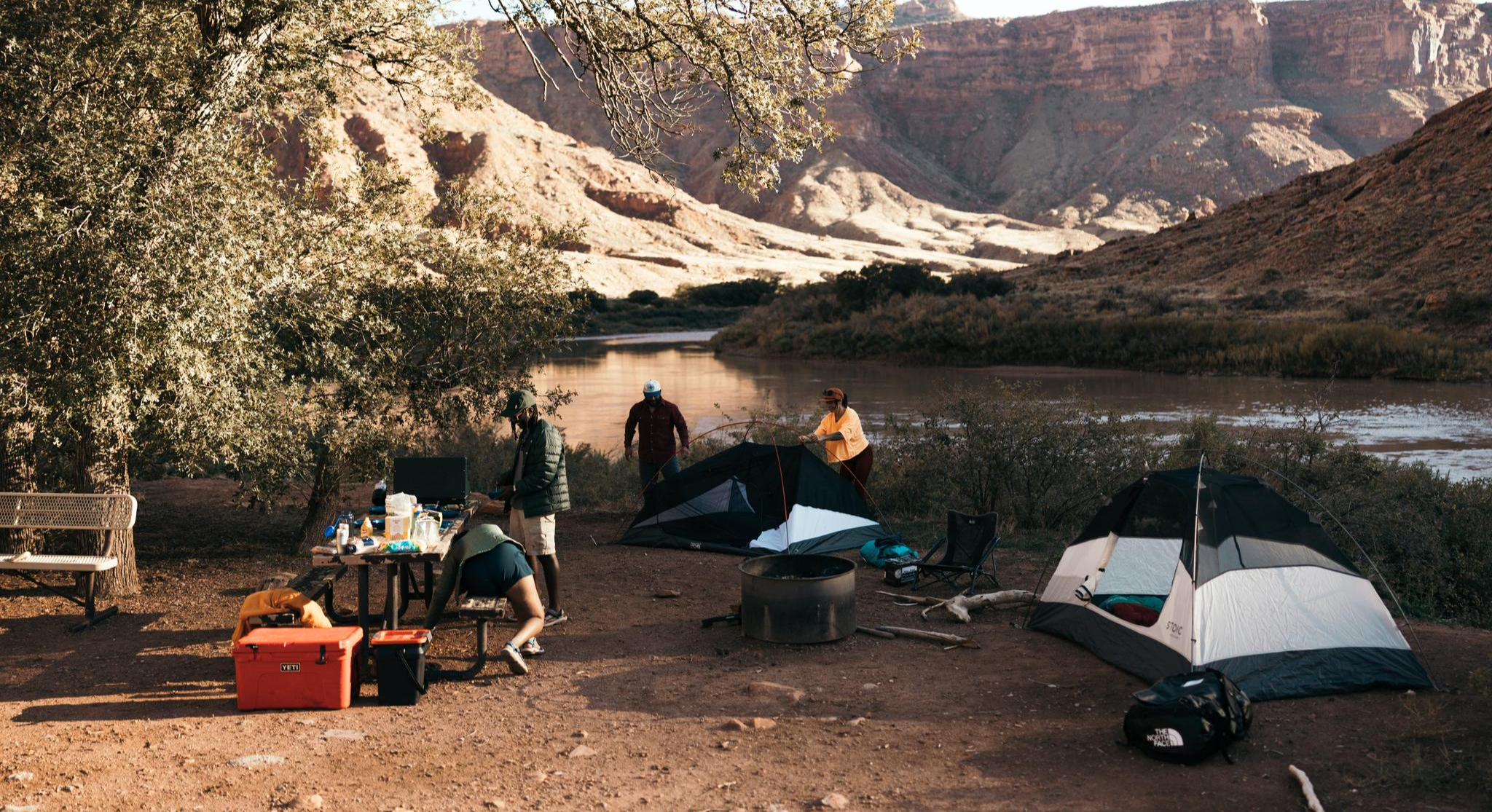
Glamping Adventures on Foot
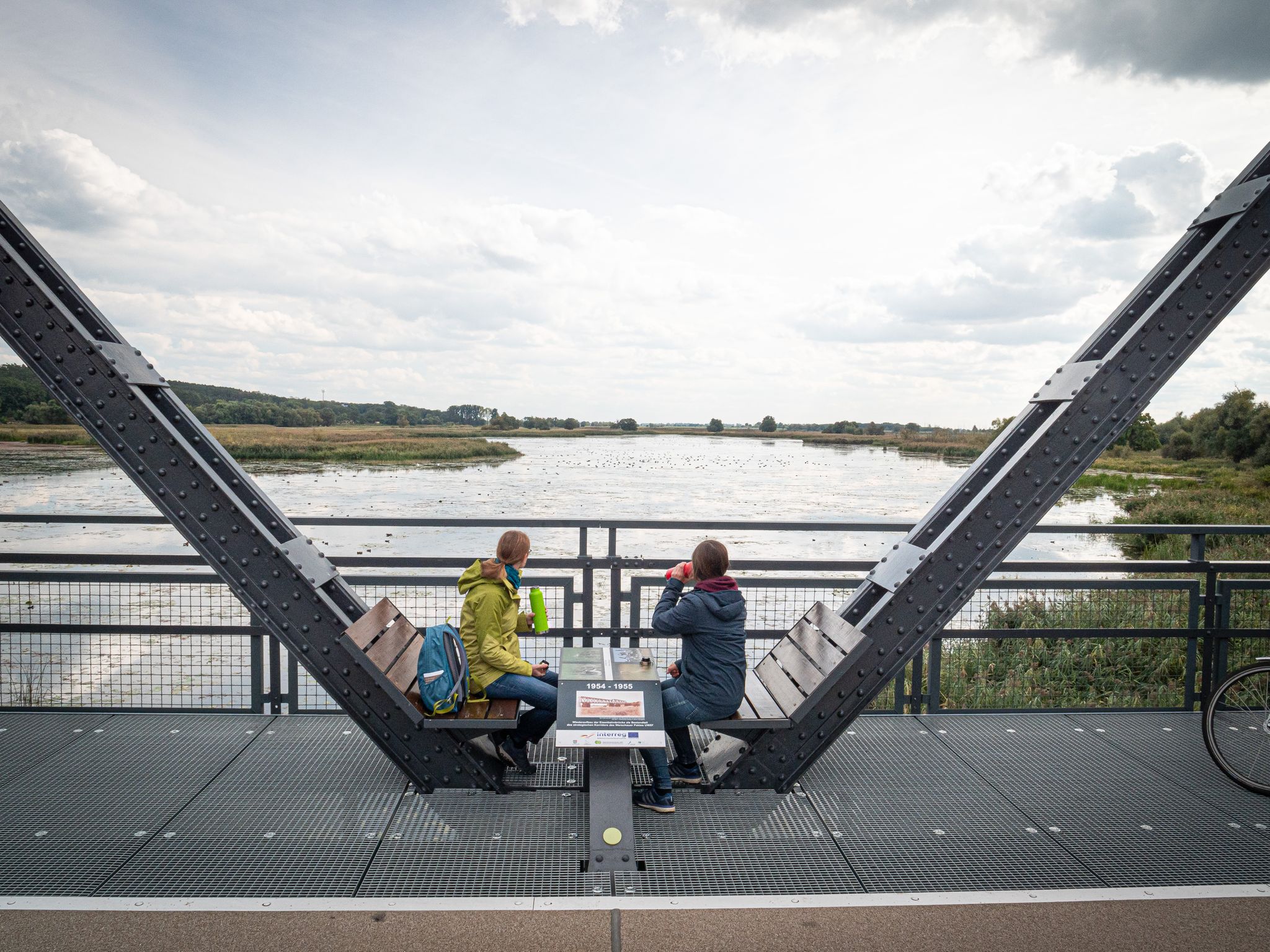
Travelling without boundaries – German-Polish cycling trips
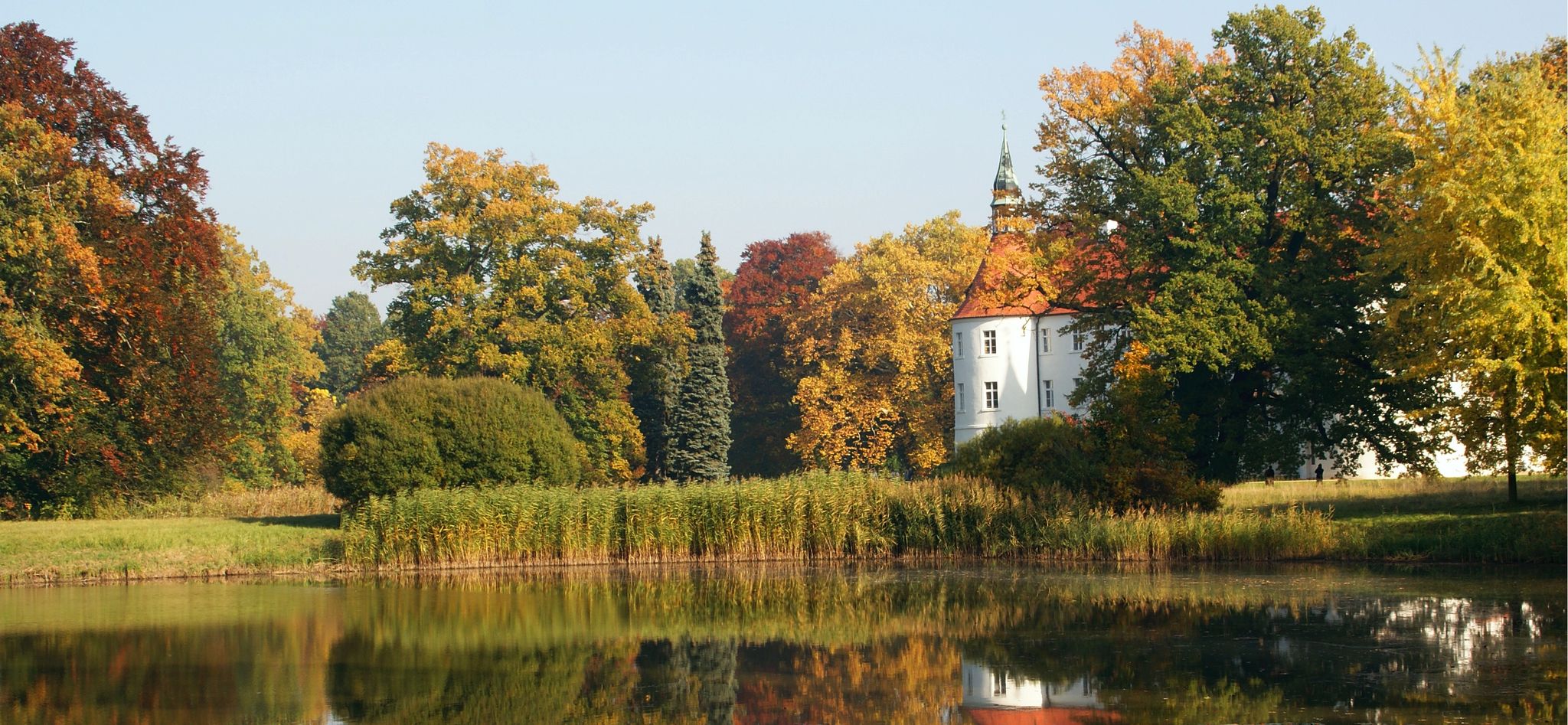
Furstlich Drehna: On the way in the heart of the Niederlausitzer Landrücken nature park
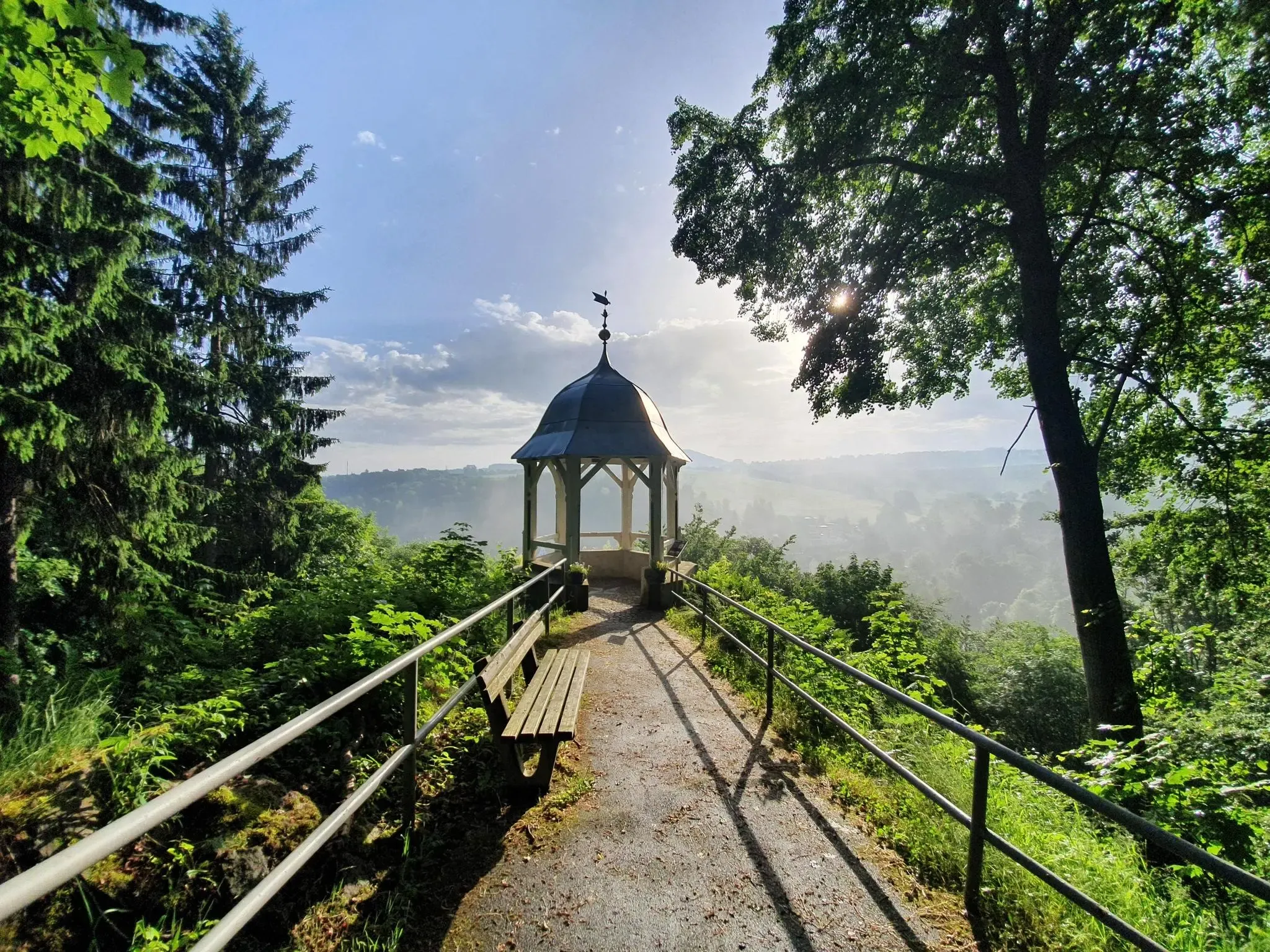
#GoFurther – discover the views of Germany!
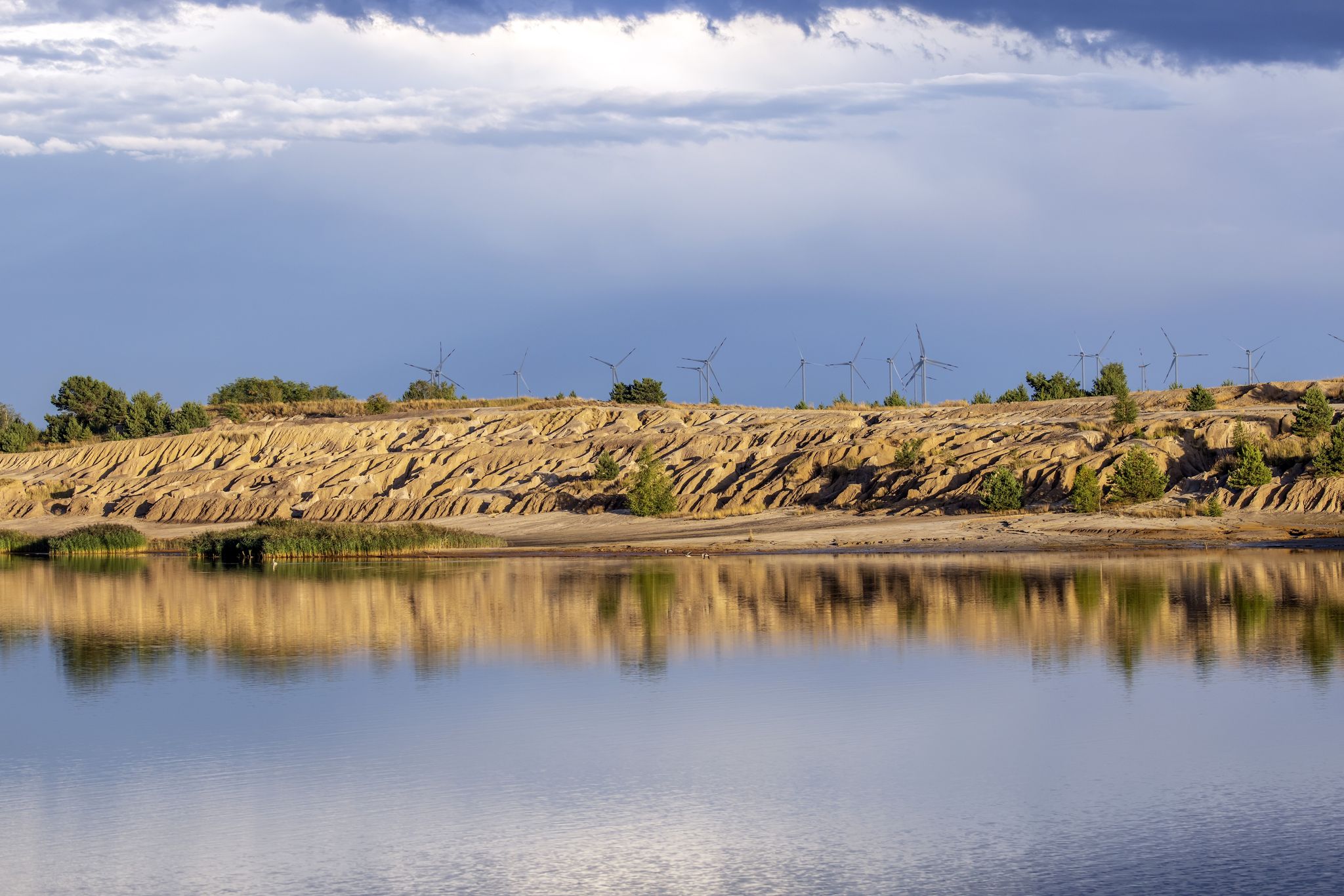
Landscape change, bird chirping and fieldstone churches - Paths around Wanninchen
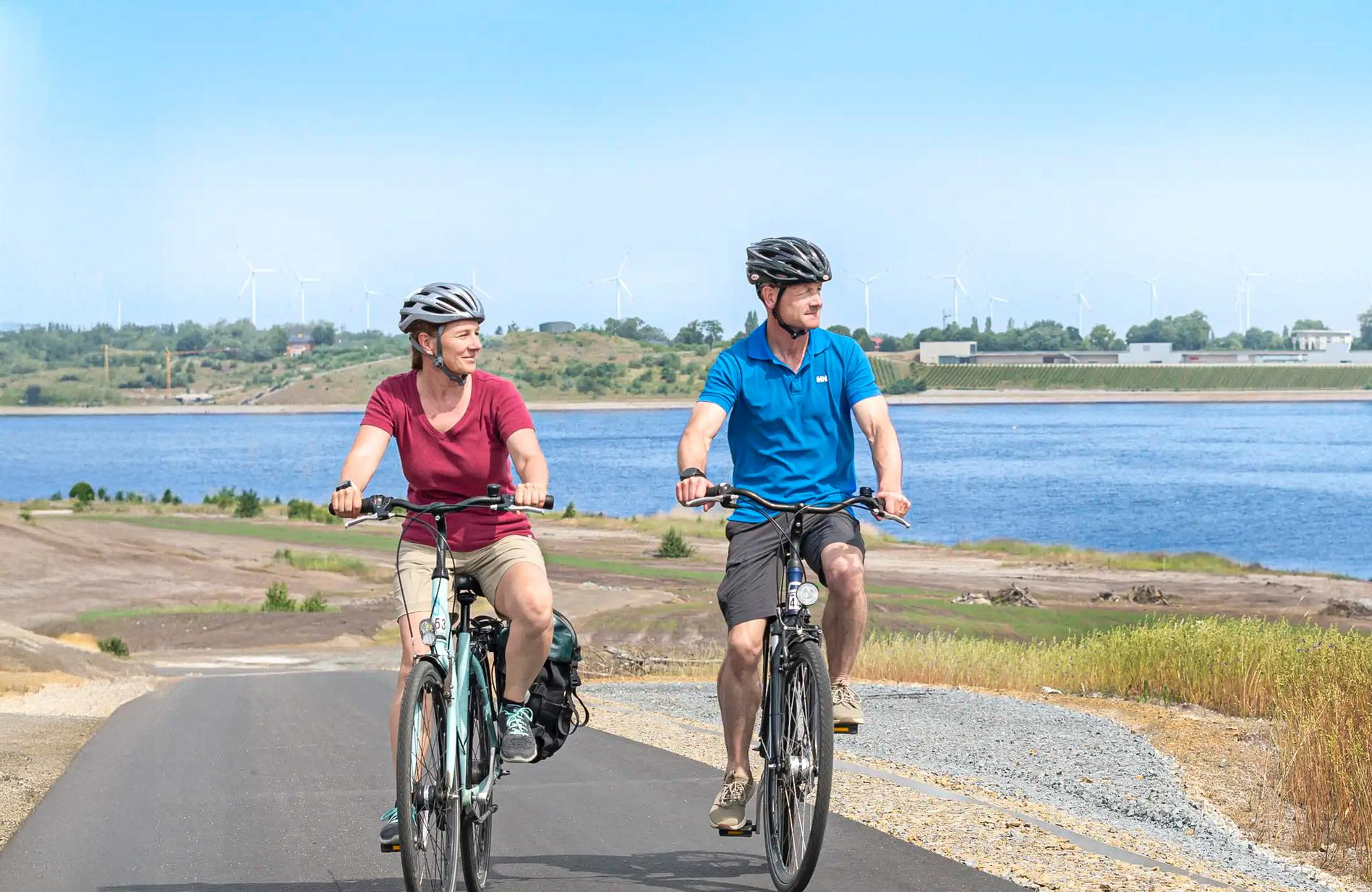
From old villages to new shores – lake circuits in Lusatian Lakeland
Other adventures in Lower Lusatia


Tips from the Community

It's a very beautiful route, only the small bridges were tiring on the bikes.
0
1

The path along the Stradower Teiche is really beautiful and, as there are no significant inclines, it is a relaxed ride, like so many paths here in the Spreewald. A wonderful landscape.
0
0

Beautiful, relaxing cycle path through the pond landscape.
0
0

The Spremberg Dam, also known as the Spremberg Reservoir, is located between Cottbus and Spremberg as a dam on the Spree and, together with the surrounding landscapes, forms the Spremberg Dam nature reserve. This dam, a dam made of earthen materials, is the fourth largest dam in Germany in terms of area and the only dam in Brandenburg that is considered a "large dam". Its functions include supplying domestic water, flood protection, generating electricity, raising low water levels and providing local recreation. It was commissioned on October 8, 1965.
2
0

Dog-friendly beach areas and various options for refreshment.
2
0
There are numerous swimming areas around the dam.
2
0

The most famous cycle path in the Spreewald
6
0
It is literally a paradise for birds. Sit on the grass on the bank and listen to the animals. Dreaming allowed
5
0
Frequently Asked Questions
What unique geological features can I explore in Lower Lusatia?
Lower Lusatia is rich in geological formations shaped by glacial activity. The most prominent is the Muskauer Faltenbogen (Muskau Arch) UNESCO Global Geopark, a striking push moraine formed during the ice ages. Here, you can see deformed layers of sand, gravel, clay, and lignite, along with hundreds of shimmering mining lakes. The region also features dunes and cold iron-sulfate-mineral springs. Another significant area is the Spreewald Biosphere Reserve, a unique inland delta where the Spree River branches into an intricate network of streams and canals, creating a distinctive water meadow landscape.
Are there family-friendly natural monuments in Lower Lusatia?
Yes, several natural monuments in Lower Lusatia are excellent for families. The Rakotz Bridge (Devil's Bridge) in Kromlau is a fascinating sight, especially when its reflection forms a perfect circle in the water. Nearby, the Rhododendron Park Kromlau offers beautiful walks and is particularly stunning during bloom. The Schinkensee provides enchanted forest paths for easy strolls, and the Spremberg Reservoir offers opportunities for relaxation by the water. The Spreewald Biosphere Reserve is also very family-friendly, with punting and canoeing being popular activities.
What kind of outdoor activities can I do near the natural monuments in Lower Lusatia?
Lower Lusatia offers a variety of outdoor activities. You can enjoy cycling on routes like the 'Pickles Cycling Trail' in the Spreewald or around the Senftenberger See. For hiking, there are numerous trails, including easy options like the 'Wooden Bridge to Lehde – Leiper Weggraben loop' in the Spreewald. Mountain biking enthusiasts can find trails around the Lusatian Lakeland. You can find more detailed routes and guides for these activities on our Cycling in Lower Lusatia, MTB Trails in Lower Lusatia, and Easy hikes in Lower Lusatia guide pages.
Where can I experience the unique waterways of Lower Lusatia?
The most iconic place to experience Lower Lusatia's waterways is the Spreewald Biosphere Reserve. Here, the Spree River branches into an intricate network of natural streams and canals, creating a 'Venice of the forest.' You can explore these waterways by traditional punting boats, canoes, or kayaks. The Spree in Spreewald Biosphere Reserve is a prime example of this unique landscape, offering a habitat for diverse flora and fauna.
What are some historical or cultural attractions related to the natural monuments?
The region's natural monuments are often intertwined with its history and culture. Within the Muskauer Faltenbogen Geopark, you can visit the UNESCO World Heritage site of Fürst-Pückler-Park in Bad Muskau, explore the historic Waldeisenbahn Muskau (a narrow-gauge railway), or learn about the area's lignite mining past at Babina Grube. The Spreewald Biosphere Reserve preserves a historic cultural landscape with traditional farmsteads and the Sorbian language and customs. The Rakotz Bridge (Devil's Bridge) itself is a historical construction from the 19th century, linked to local legends.
What do visitors enjoy most about the natural monuments in Lower Lusatia?
Visitors frequently praise the unique blend of natural beauty and tranquility. Many highlight the 'enchanted fairytale forest' feel of places like Schinkensee, with its leaf-covered paths and moss-covered banks. The picturesque reflections of the Rakotz Bridge are a popular photo motif, especially during the rhododendron bloom. The extensive network of waterways in the Spreewald is also a favorite, offering immersive experiences like punting and wildlife spotting. The overall sense of untouched nature and the opportunity for peaceful exploration are consistently mentioned.
Are there any notable viewpoints to appreciate the natural landscapes?
Yes, Lower Lusatia offers several excellent viewpoints. The View of the Inselteich on the Gurkenradweg provides a scenic perspective of the lake and surrounding nature. Within the Muskauer Faltenbogen, the varied terrain offers elevated spots to observe the unique geological formations and mining lakes. The Rhododendron Gorge (Rhododendronschlucht) also offers beautiful vistas, especially when the rhododendrons are in bloom, creating a vibrant display.
What is the best time to visit the natural monuments in Lower Lusatia?
The best time to visit largely depends on your interests. Spring (April-May) is ideal for witnessing the spectacular rhododendron bloom at Rhododendron Park Kromlau and the Rakotz Bridge. Summer (June-August) is perfect for water activities in the Spreewald, such as punting, canoeing, and cycling. Autumn (September-October) offers beautiful foliage, particularly in forested areas like around Schinkensee, and pleasant temperatures for hiking and cycling. While some areas are accessible in winter, many activities are seasonal.
Can I find unique natural features beyond the main geoparks and reserves?
Absolutely. Beyond the well-known Muskauer Faltenbogen and Spreewald, Lower Lusatia holds other unique natural areas. The Lower Lusatian Heath Nature Park showcases Brandenburg's oldest landscapes, with specialized habitats for animals and plants, often shaped by former lignite mining. The Lower Lusatian Ridge Nature Park, part of the larger Lusatian Border Wall, offers opportunities to explore a significant morainic ridge. These parks provide diverse ecosystems and geological formations for exploration.
Are there any specific natural monuments that are particularly good for photography?
The Rakotz Bridge (Devil's Bridge) is arguably the most famous photographic motif, especially when its reflection in the lake creates a perfect circle. The Basalt Organ at Rakotz Lake, an artificial but visually striking formation, also offers unique photo opportunities. The intricate waterways and traditional farmsteads of the Spreewald Biosphere Reserve provide endless picturesque scenes, particularly during sunrise or sunset. The vibrant blooms in Rhododendron Park Kromlau also make for stunning photographs.
What kind of wildlife can I expect to see in Lower Lusatia's natural monuments?
The diverse ecosystems of Lower Lusatia support a rich variety of wildlife. The Spreewald Biosphere Reserve is a sanctuary for around 6,000 animal and plant species. You might spot rare animals such as fire-bellied toads, common snipe, beavers, and otters. The extensive forests and wetlands also provide habitats for various bird species and smaller mammals. The numerous lakes and rivers throughout the region are home to diverse aquatic life.
How long should I plan for a visit to the natural monuments in Lower Lusatia?
To truly appreciate the diversity of Lower Lusatia's natural monuments, a multi-day visit is recommended. You could dedicate a full day or two to exploring the Muskauer Faltenbogen Geopark, including the Rakotz Bridge and Rhododendron Park Kromlau. The Spreewald Biosphere Reserve easily warrants another one to two days for punting, cycling, and exploring its unique cultural landscape. If you wish to visit other areas like the Lower Lusatian Heath or Ridge Nature Parks, consider adding more time to your itinerary.
Most popular routes in Lower Lusatia
Most popular attractions in Lower Lusatia

Get inspired with the komoot mobile app


Didn’t find what you were looking for?
Find even more amazing natural monuments in Lower Lusatia by checking out the top Highlights region by region:
Explore more
Extend your search for the best caves by checking out these guides of the top ones in Lower Lusatia:
