Top 20 Caves in Trentino
Caves in Trentino offer a diverse underground world within the region's Alpine landscapes. These natural formations provide a range of experiences, from accessible tourist attractions to historical sites. The area features both natural karstic caves and man-made tunnels, showcasing geological features and historical craftsmanship. Visitors can explore various cave types, including those with waterfalls, ancient quarries, and World War I fortifications.
Best caves in Trentino
- The most popular caves is The Statuary Stone Quarries of Vastrè, a cave that offers a unique glimpse into historical craftsmanship. These ancient oolite stone quarries feature inclined extraction planes and rock columns, used for significant architectural elements.
- Another must-see spot is Cave Trail, a trail with bizarre rock formations and grottos. This adventurous path provides views of the surrounding mountains and features sections carved into the rock.
- Visitors also love Busoni Tunnels and Artillery Positions, historical sites from World War I. These tunnels offer panoramic views of the Adige valley and served as gun emplacements.
- Trentino is known for natural karstic caves, historical tunnels, and ancient stone quarries. The region offers a variety of underground environments to see and explore, from geological formations to sites of historical significance.
- The caves in Trentino are appreciated by the komoot community, with over 318 upvotes and 808 photos shared by users.
Last updated: October 18, 2026
Street of Heroes
Highlight (Segment) • Trail
Translated by Google •
Tip by

Varone Waterfall and Botanical Garden
Highlight • Waterfall
It is inside a private natural park with an entrance fee (currently €6 per person, there are discounts for families and groups). Risk of crowding in summer and on public holidays
Translated by Google •
Tip by

Sign up now to discover places like this
Get recommendations on the best single tracks, peaks, & plenty of other exciting outdoor places.
Cave Trail
Highlight (Segment) • Trail
Translated by Google •
Tip by

Cave with a View of Torbole and Nago
Highlight • Cave
Translated by Google •
Tip by

The Statuary Stone Quarries of Vastrè
Highlight • Cave
Translated by Google •
Tip by

The toilets are clean and free.
The outdoor seating/picnic area has a nice view.
You can order your drinks etc. in the souvenir shop (self-service)
Translated by Google •
Tip by

Madonna Grotto on the Ponale Trail
Highlight • Cave
Translated by Google •
Tip by

Busoni Tunnels and Artillery Positions
Highlight • Historical Site
Translated by Google •
Tip by

World War I Tunnels and Fortifications on Cima Rocca
Highlight • Historical Site
Translated by Google •
Tip by

Corno Battisti
Highlight • Summit
Precisely because of its strategic position, it was fiercely contested during the First World War: the possibility of controlling all troop and supply movements in the valley from above made the Corno a crucial point to occupy and defend at all costs... it was indeed nicknamed 'the eye of the Pasubio' or 'the spy of Vallarsa'. At the beginning of the conflict, it was a garrison of the Italian army, but with the Strafexpedition in 1916, it was occupied by the Austro-Hungarians. The Italians, unable to recapture it, dug a mine gallery from below to pierce the Corno and blow up the summit; the imperialists in turn dug a counter-mine gallery from above. Everything was ready for detonation, but a daring raid by a few commandos allowed the summit to be recaptured by the Royal Army, which held it until the end of the war.
In 1916, near the summit, the Austro-Hungarians captured the irredentists Cesare Battisti and Fabio Filzi, who were immediately taken to Trento and hanged at the Castello del Buonconsiglio as traitors: for this reason, the summit, known at the time as 'Corno della Vallarsa', was renamed 'Corno Battisti' after the war.
The Austro-Hungarian observatory survives on the summit. The bowels of the Corno, on the other hand, are excavated by a surprising labyrinth of dark and damp tunnels with steep steps: they are passable, but to reach them from the summit, one must go around the spur following a narrow, steep path; furthermore, to complete the loop of the tunnels, one must face a short, equipped and exposed section, and descend a metal ladder of about fifteen meters which is by no means trivial (EE).
it.wikipedia.org/wiki/Monte_Corno_Battisti
esercito.difesa.it/storia/pagine/monte-corno.aspx
Showing Translation
Tip by

Sign up for free to discover even more caves in Trentino.
Already have an account?
Start today with a free account
Your next adventure awaits.
Popular around Trentino
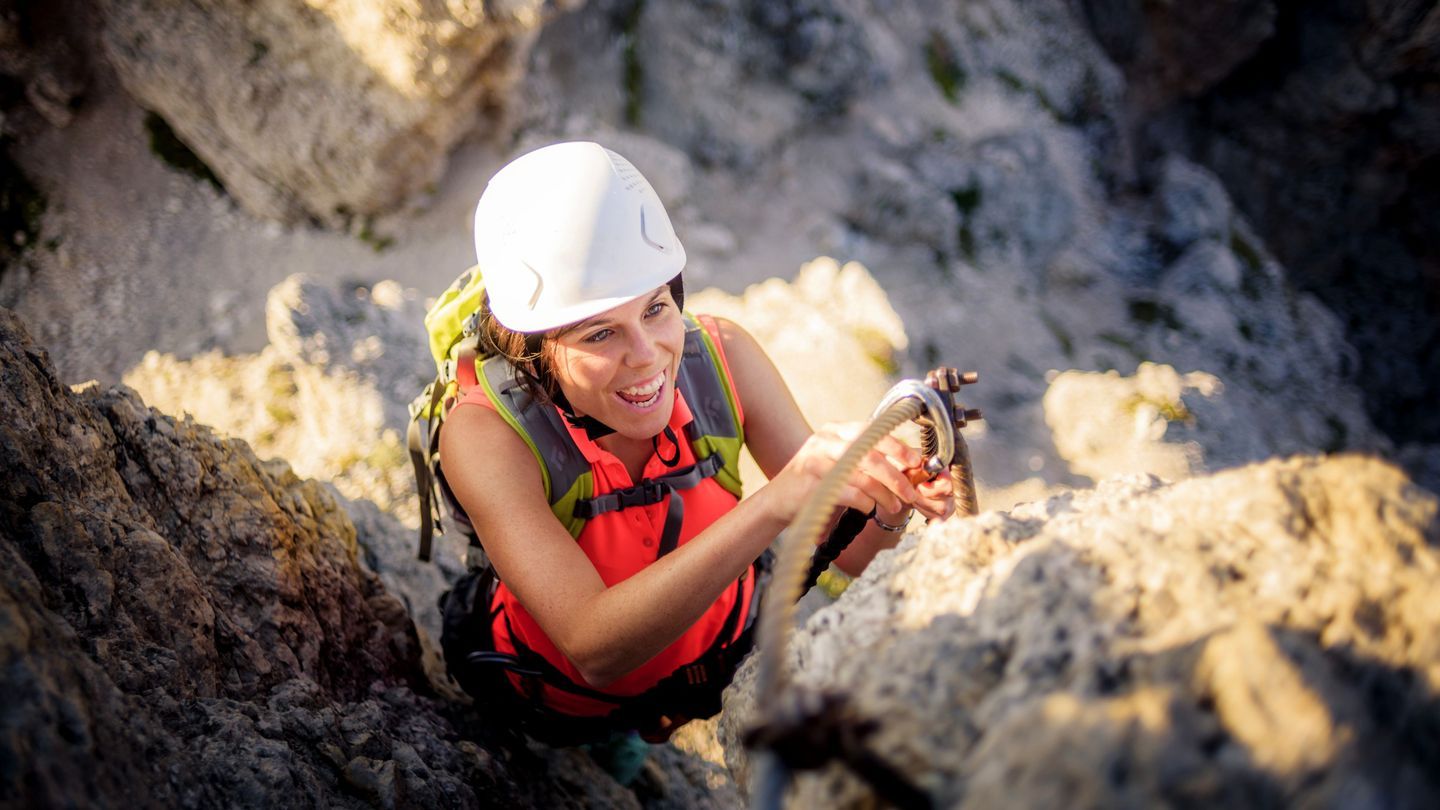
Via ferratas in Val Gardena – Dolomites
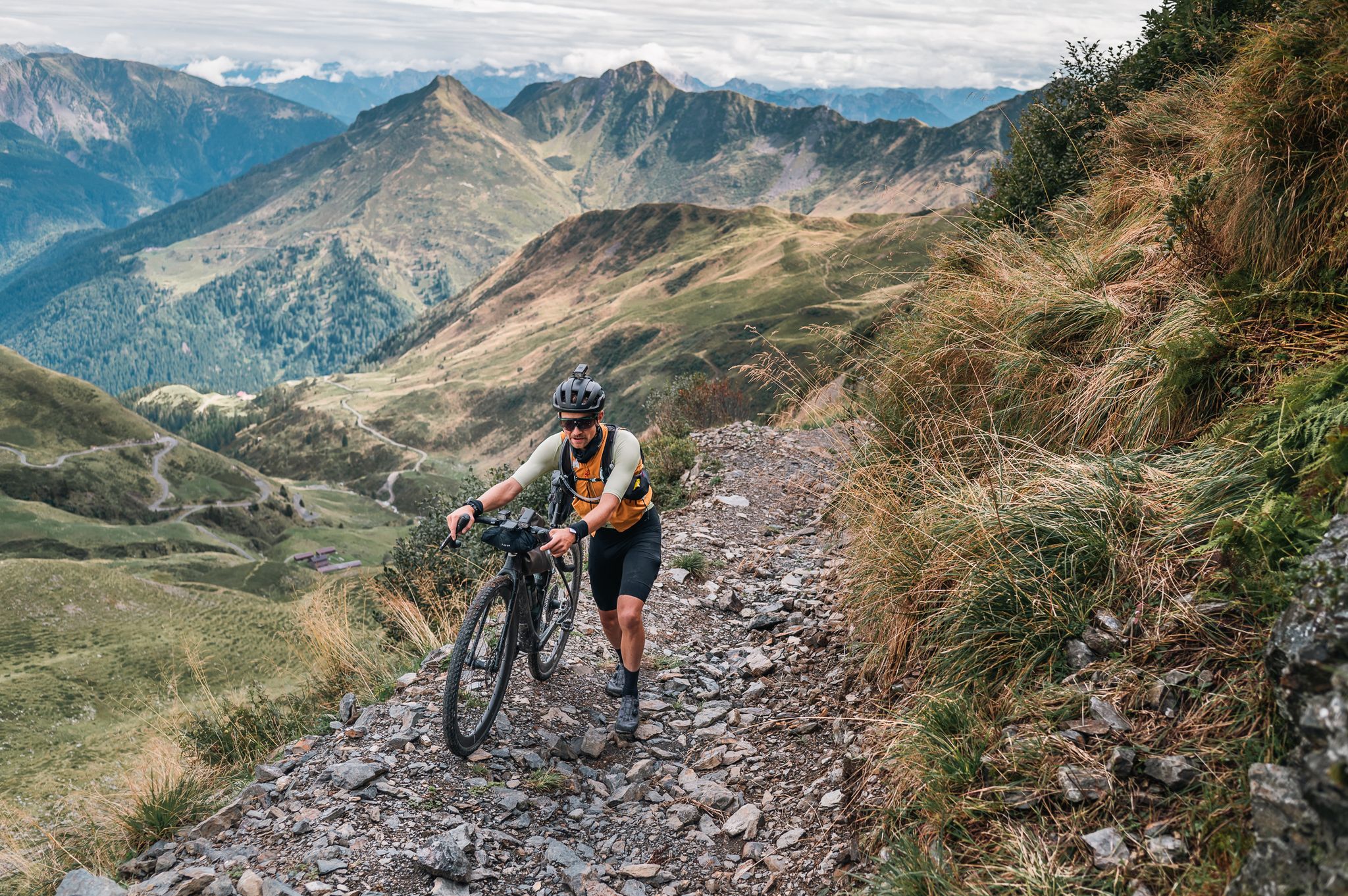
Sneak Peaks ADVENTURE 🥇
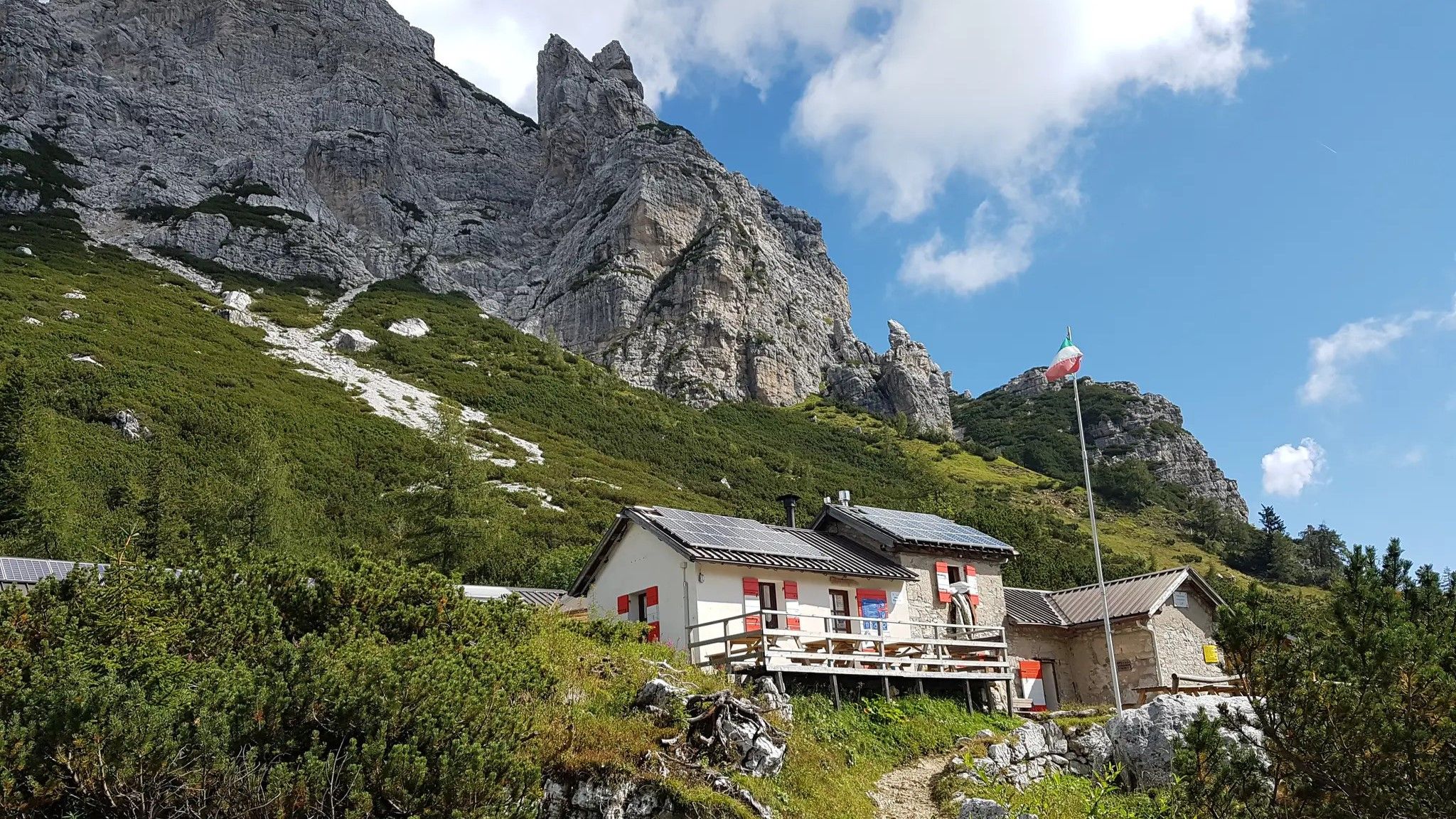
Alta Via Dolomiti Bellunesi – the wild Dolomiti Bellunesi National Park
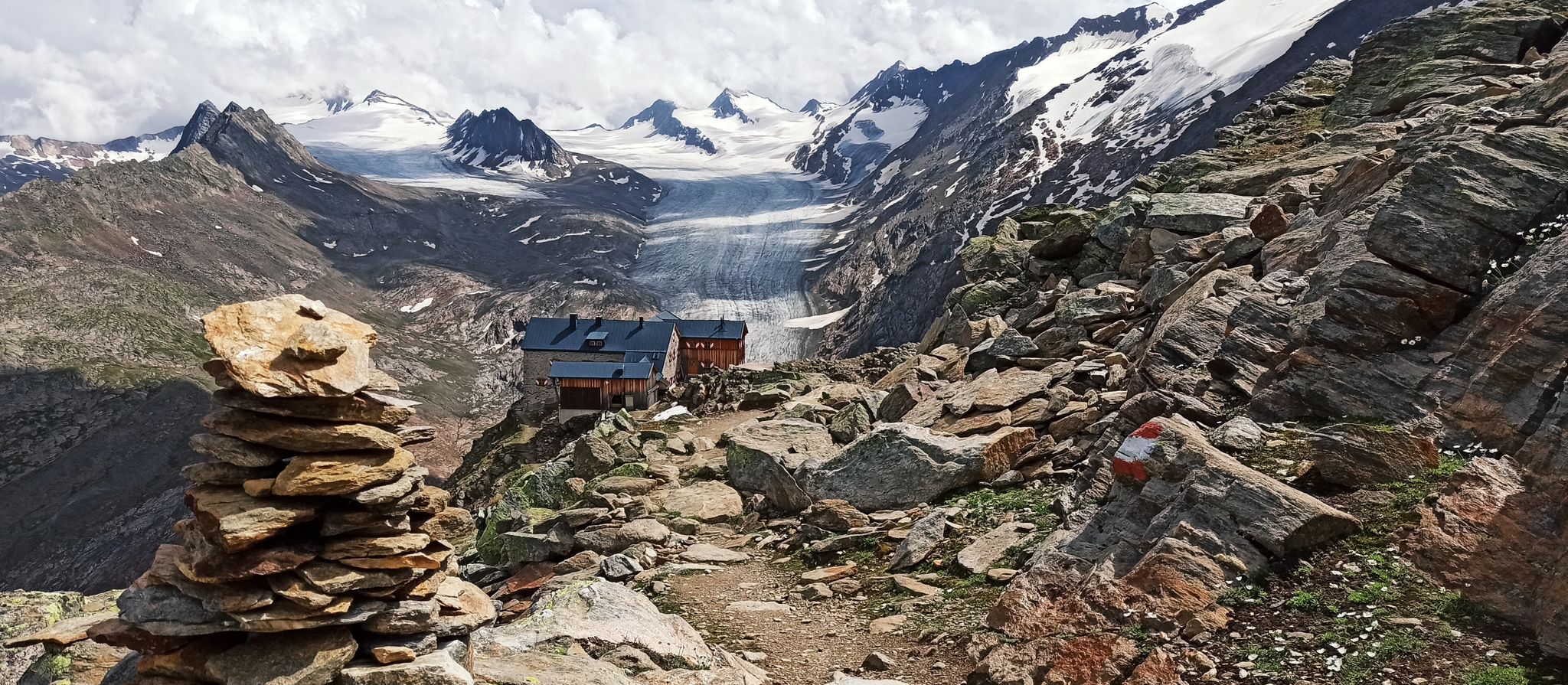
L1 from Garmisch to Brescia – Far from the classic Alpine crossings
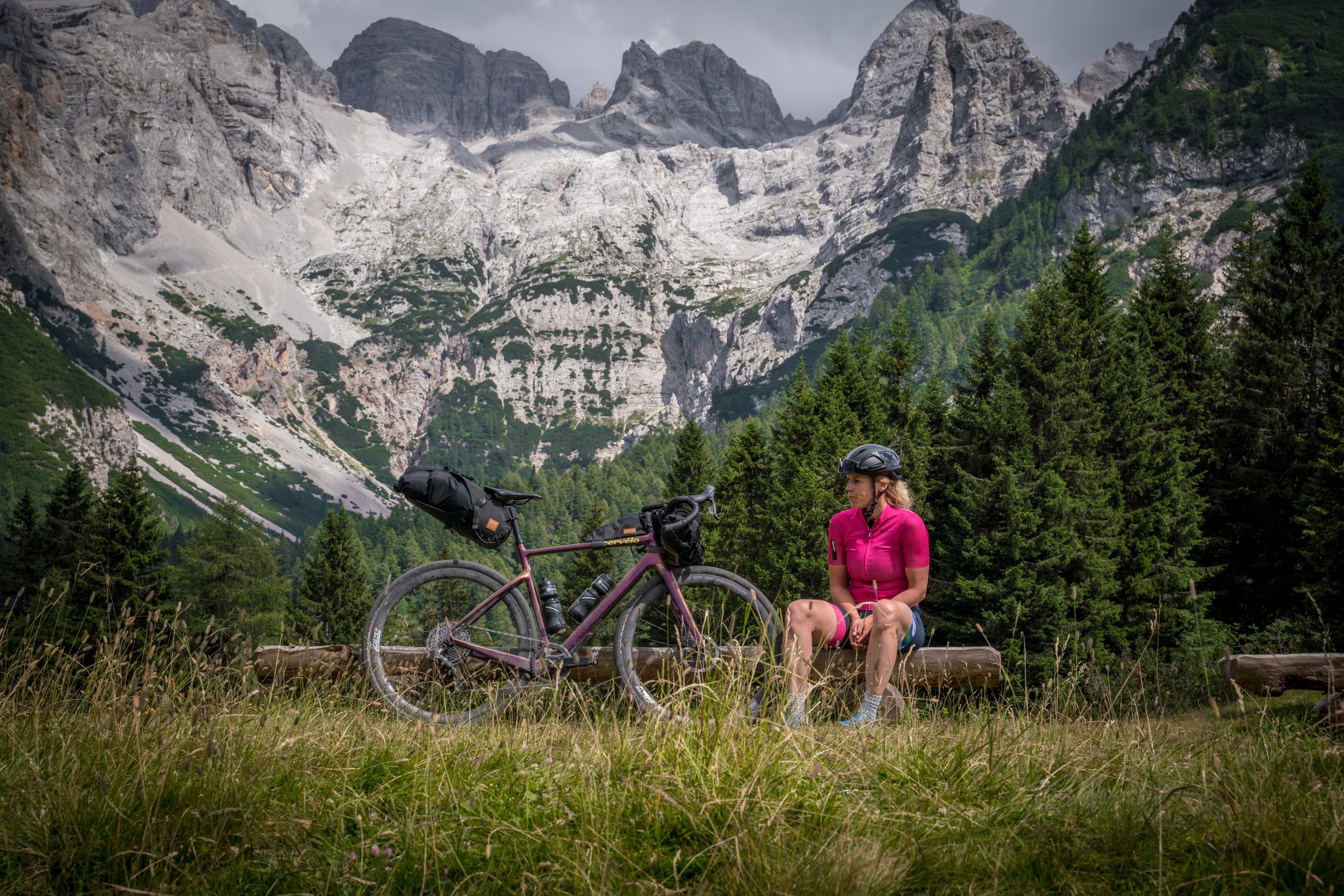
Graun to Riva del Garda — Gravelling across the Alps

NorthCape4000 – 12 days from Lake Garda to the North Cape
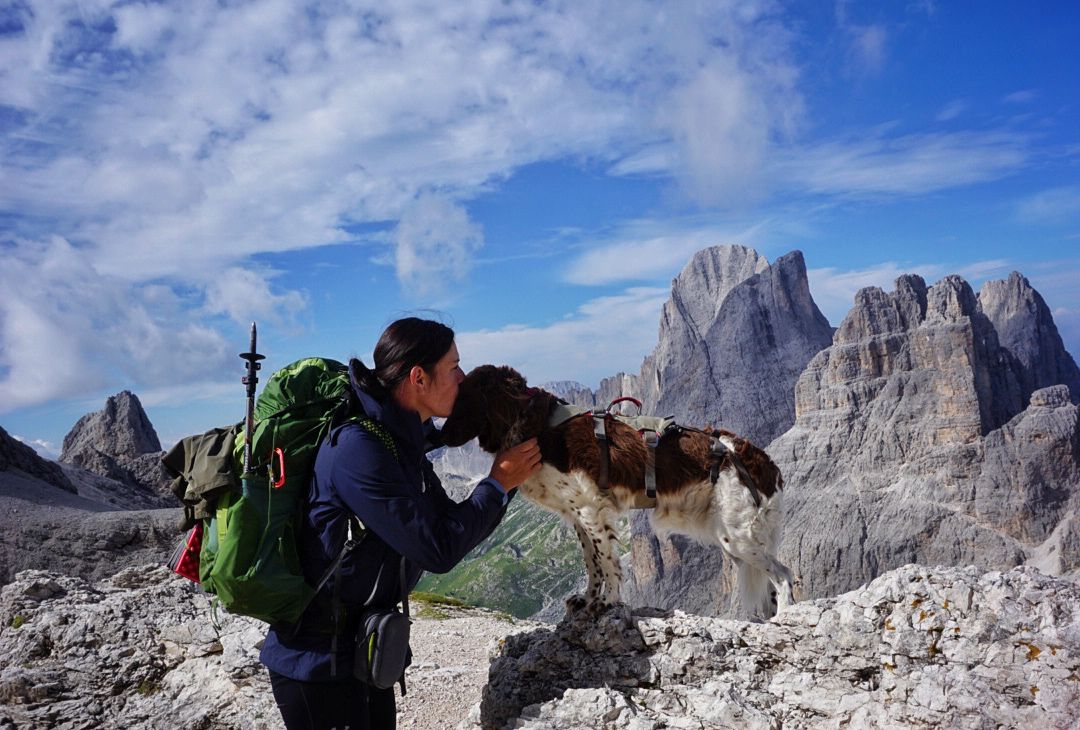
The extra-large Dolomites round – an out-of-this-world hiking adventure
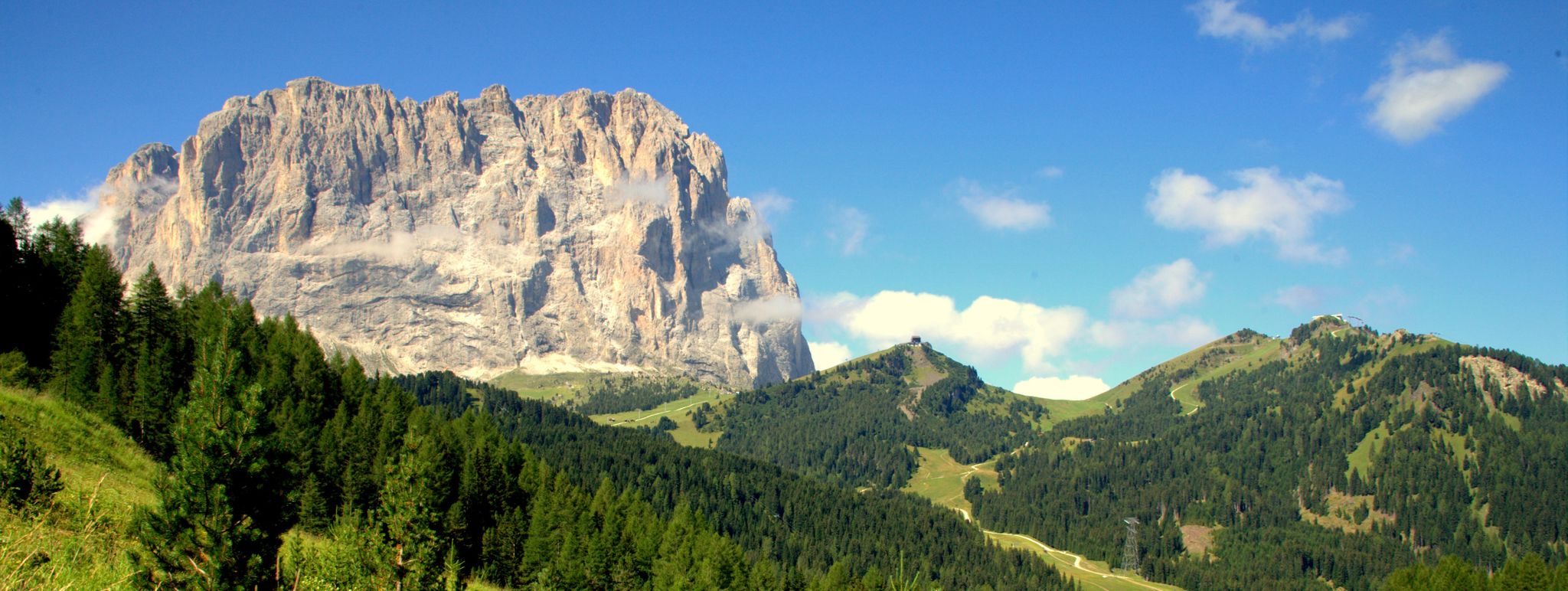
Via Venezia Alpina – hiking across the Alps to the Adriatic Sea
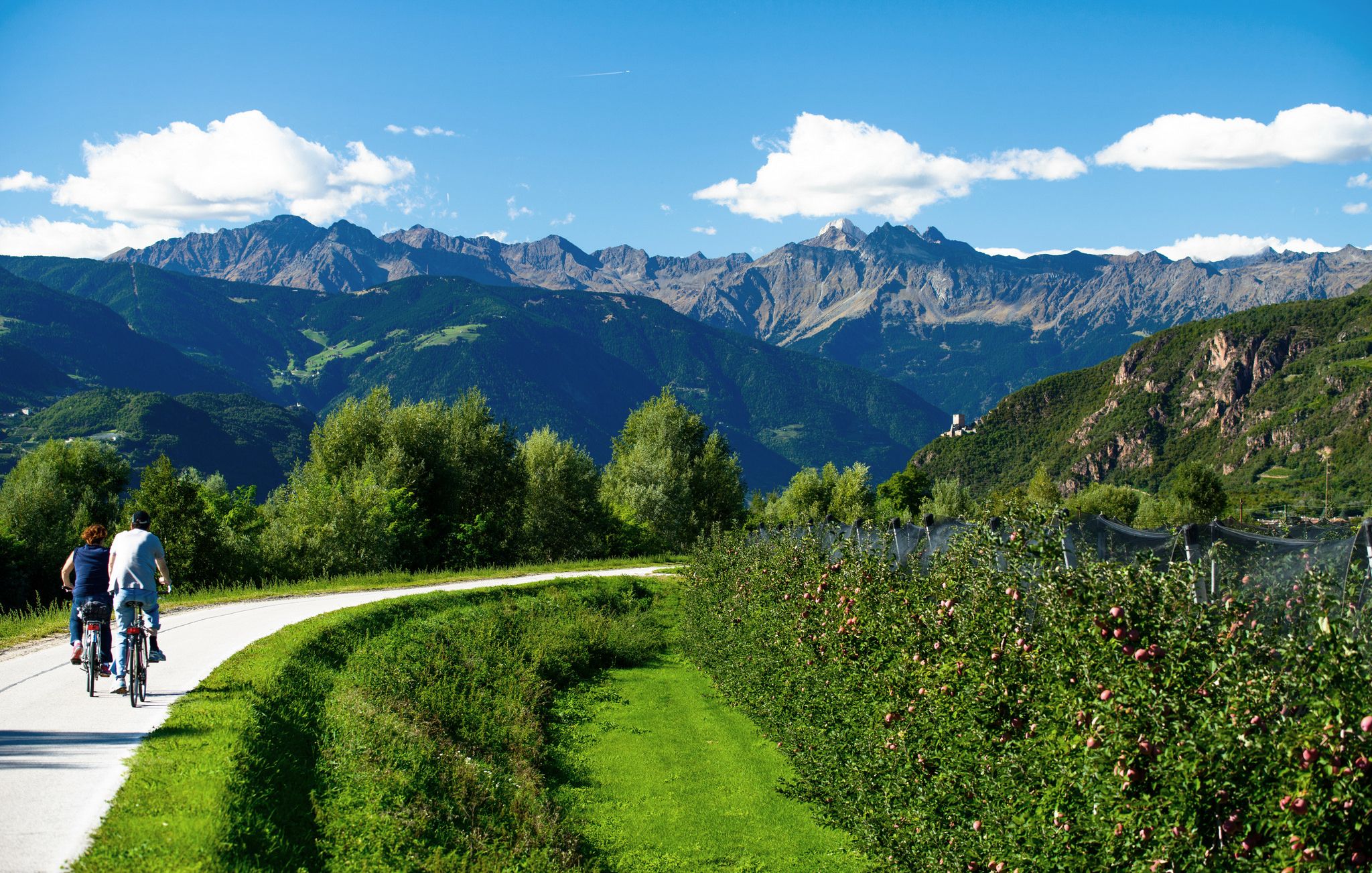
Adige Valley Cycle Path – Through South Tyrol
The "Dream Path" hiking trail – From Munich to Venice in 28 stages
Other adventures in Trentino


Tips from the Community

Great waterfall in a grotto with a beautiful botanical garden on the way up. Everything very well maintained. Rain protection is highly recommended in the grotto. Offered rain capes for 3,- EUR are good and can also be used for further hikes in the rain ☔️.
0
0

The strategic position of Corno Battisti was the source of bloody battles for its possession during the Great War. To this end, it was equipped with numerous tunnels dug into the rock, with three separate entrances and numerous firing positions. The tunnels can be accessed with great caution, with a torch and preferably a via ferrata kit. Currently (2025), the upper entrance is closed.
0
0

Be sure to take a rain cape with you for the waterfall otherwise you will have to pay 3€
0
0

The flowering plants on the terrace are also lovingly tended, making it a pleasant place to spend time. Sand lizards can also be observed here.
1
0

Two grottos, one above the other, feature a waterfall cascading down, creating a fine mist that creates interesting and colorful images. Many flowers and plants have been planted along the path up.
0
0

The via ferratas on Cima Rocca are easy to do and lead through historic trenches and long tunnels through the mountain. An experience following historical traces with fantastic views of Riva, the Ledro Valley, and Lake Garda.
0
0

Il Corno Battisti, an isolated rocky spur of the Pasubio Group, sheer above Vallarsa, offers a spectacular panorama of the long valley and the surrounding mountains: Pasubio, Sengio Alto, Carega, Monte Zugna. Precisely because of its strategic position, it was fiercely contested during the First World War: the possibility of controlling all troop and supply movements in the valley from above made the Corno a crucial point to occupy and defend at all costs... it was indeed nicknamed 'the eye of the Pasubio' or 'the spy of Vallarsa'. At the beginning of the conflict, it was a garrison of the Italian army, but with the Strafexpedition in 1916, it was occupied by the Austro-Hungarians. The Italians, unable to recapture it, dug a mine gallery from below to pierce the Corno and blow up the summit; the imperialists in turn dug a counter-mine gallery from above. Everything was ready for detonation, but a daring raid by a few commandos allowed the summit to be recaptured by the Royal Army, which held it until the end of the war. In 1916, near the summit, the Austro-Hungarians captured the irredentists Cesare Battisti and Fabio Filzi, who were immediately taken to Trento and hanged at the Castello del Buonconsiglio as traitors: for this reason, the summit, known at the time as 'Corno della Vallarsa', was renamed 'Corno Battisti' after the war. The Austro-Hungarian observatory survives on the summit. The bowels of the Corno, on the other hand, are excavated by a surprising labyrinth of dark and damp tunnels with steep steps: they are passable, but to reach them from the summit, one must go around the spur following a narrow, steep path; furthermore, to complete the loop of the tunnels, one must face a short, equipped and exposed section, and descend a metal ladder of about fifteen meters which is by no means trivial (EE). https://it.wikipedia.org/wiki/Monte_Corno_Battisti https://www.esercito.difesa.it/storia/pagine/monte-corno.aspx
3
0

The prices for drinks and panini sandwiches are really fair. The toilets are clean and free. The outdoor seating/picnic area has a nice view. You can order your drinks etc. in the souvenir shop (self-service)
8
0
Frequently Asked Questions
Which caves in Trentino are suitable for families?
For a family-friendly experience, the Waterfall and Grotto at Parco Grotta Cascata Varone is an excellent choice. It features an impressive waterfall and is enhanced with scenic lighting and artificial walkways, making it easy to explore. The Grotte Castello Tesino also offers guided tours and is explicitly open for tourist visits, providing helmets and lamps for visitors.
Are there caves in Trentino with historical significance?
Yes, Trentino offers several historically significant sites. The Statuary Stone Quarries of Vastrè are ancient oolite stone quarries that showcase the region's historical craftsmanship. You can also explore the Busoni Tunnels and Artillery Positions, which are former World War I tunnels offering panoramic views of the Adige valley. Helmets are provided, but bringing a torch is advisable.
What kind of geological features can I expect to see in Trentino's caves?
Trentino's caves display diverse geological formations. The Varone Waterfall and Grotto features a powerful waterfall cascading through various caves. The Calgeron Cave, popular among speleologists, boasts extensive horizontal galleries, ponds, siphons, underground rivers, and suggestive concretions like a wide calcite basin, stalactites, and stalagmites. The Grotte Castello Tesino are karstic caves, sculpted by water into a fairytale landscape rich in stalactites, stalagmites, and arabesques.
Can I visit caves in Trentino during winter?
While some caves might have restricted access, the Grotte Castello Tesino maintain a constant temperature of about 8 degrees Celsius year-round, making them a viable option for winter visits. For more challenging exploration, the deeper parts of Calgeron Cave are reserved for expert potholers, particularly in winter, due to conditions.
What should I wear when exploring caves in Trentino?
When visiting the Varone Waterfall and Grotto, a rain jacket is highly recommended due to the spray from the waterfall. For the Busoni Tunnels, bringing a torch is advisable as they are not lit. If you plan to visit the Grotte Castello Tesino, helmets and lamps are provided for guided tours. Generally, comfortable shoes with good grip and layers of clothing are recommended as cave temperatures can be cool and damp.
Are there opportunities for speleology or beginner caving in Trentino?
Trentino offers options for both beginners and experts. The initial 2-kilometer stretch of Calgeron Cave is accessible year-round, offering a glimpse into speleology. However, its deeper parts are reserved for expert potholers with specialized equipment. The Bigonda Cave, the widest cave in Trentino, is challenging and prone to sudden flooding, thus it can only be visited by experts guided by the Gruppo Grotte Selva.
What outdoor activities can I do near the caves in Trentino?
Trentino is an excellent region for outdoor activities. Near many cave sites, you can find various cycling and mountain biking routes. For cycling enthusiasts, explore options like the 'Tour of Alto Garda for the Limarò Canyon' or 'The lakes of Levico and Caldonazzo' as part of Cycling in Trentino. Road cyclists can enjoy routes such as the 'Garda Sarca Ring' or 'Mendola Pass and Val di Non' from Road Cycling Routes in Trentino. Mountain bikers have trails like 'Riva del Garda - Lake Ledro MTB Route' or 'Tremalzo Big Tour' available in MTB Trails in Trentino.
What do visitors find most impressive about Trentino's caves?
Visitors are often impressed by the diverse experiences offered, from the powerful natural spectacle of the Varone Waterfall and Grotto to the historical insights provided by the ancient Statuary Stone Quarries of Vastrè and the World War I Busoni Tunnels. The unique geological formations, the adventurous paths like the Cave Trail with its bizarre rock formations, and the well-preserved historical sites are frequently highlighted.
Are there any unique or unusual cave experiences in Trentino?
Beyond typical cave exploration, Trentino offers unique experiences. The Lourdes Grotto of Molina di Ledro is a significant Marian pilgrimage site, offering a devotional experience within a rock cave setting. The Statuary Stone Quarries of Vastrè provide a unique glimpse into historical craftsmanship, where 'statuary stone' was extracted for significant architectural elements.
Which caves in Trentino are explicitly open for tourist visits with guides?
The Grotte Castello Tesino are the only caves in Trentino explicitly open for tourist visits. They are karstic caves offering guided tours by reservation, where visitors are provided with helmets and lamps to explore the stunning stalactites, stalagmites, and arabesques.
Are there any caves in Trentino that are not suitable for general tourists?
Yes, some caves are better suited for experienced speleologists. The deeper parts of Calgeron Cave require specialized equipment and expertise, especially in winter. The Bigonda Cave, while impressive in size, is challenging to explore and prone to sudden flooding, making it accessible only to experts guided by the Gruppo Grotte Selva.
Are there caves in Trentino that feature waterfalls?
Yes, the Waterfall and Grotto at Parco Grotta Cascata Varone is renowned for its impressive waterfall, which cascades through various caves over approximately one hundred meters. It's a well-maintained and accessible attraction, though a rain jacket is recommended due to the spray.
Most popular routes in Trentino
Most popular attractions in Trentino

Get inspired with the komoot mobile app


Didn’t find what you were looking for?
Discover more caves in Trentino region by region:
Explore more
Extend your search for the best caves by checking out these guides of the top ones in Trentino:
