Top 20 Castles in the Waldviertel
Best castles in the Waldviertel are found across a region characterized by its granite and gneiss formations, dense forests, and river valleys. This area in Lower Austria offers a rich historical landscape with more than 20 castles and ruins. These structures range from medieval fortresses to Renaissance palaces, often situated on strategic cliffs or river bends. The Waldviertel's natural setting provides a backdrop for exploring centuries of history and architectural evolution.
Best castles in the Waldviertel
- The most popular castles…
Last updated: August 16, 2026
Dürnstein Castle Ruins
Highlight • Castle
Translated by Google •
Tip by

Rosenburg Castle
Highlight • Castle
Translated by Google •
Tip by

Sign up now to discover places like this
Get recommendations on the best single tracks, peaks, & plenty of other exciting outdoor places.
Sign up for free
Hinterhaus Castle Ruins
Highlight • Castle
Translated by Google •
Tip by

Gobelsburg Castle
Highlight • Castle
Translated by Google •
Tip by

Grafenegg Castle
Highlight • Castle
The castle is rich in historical evidence and its origins date back to 1435. From then on, it underwent several metamorphoses over the centuries until it finally became …
Translated by Google •
Tip by

Ruins of Kollmitz Castle
Highlight • Castle
Translated by Google •
Tip by

Weitra Castle
Highlight • Castle
Translated by Google •
Tip by

Kronsegg Castle Ruins
Highlight • Castle
de.wikipedia.org/wiki/Burgruine_Kronsegg
Translated by Google •
Tip by

Senftenberg Castle Ruins
Highlight • Castle
Translated by Google •
Tip by

Lichtenfels Castle Ruins
Highlight • Castle
Translated by Google •
Tip by

Sign up for free to discover even more castles in the Waldviertel.
Sign up for free
Already have an account?
Start today with a free account
Your next adventure awaits.
Login or Signup
Popular around Waldviertel
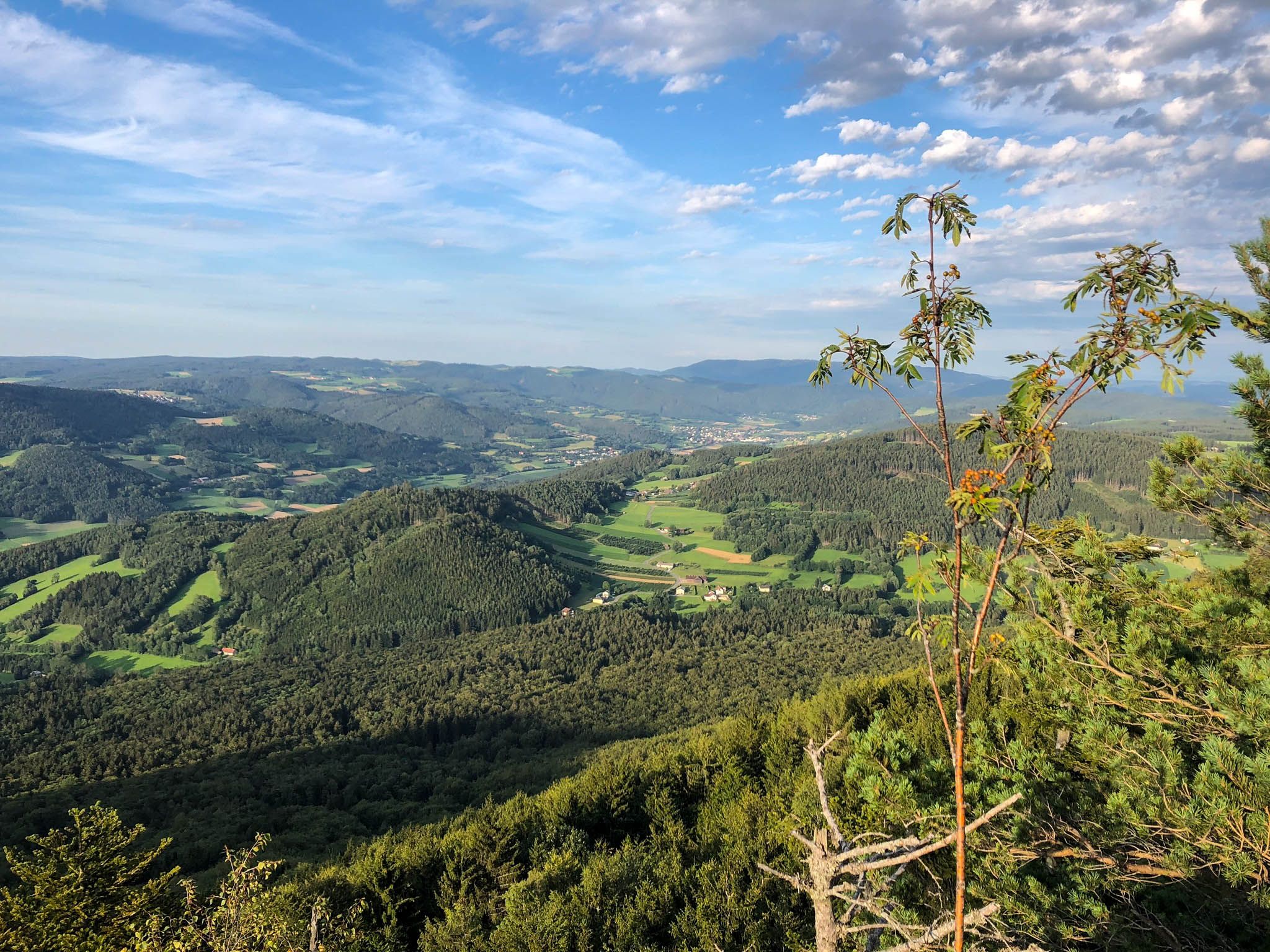
Ysper-Weitental circular hiking trail – Unwind in Austria
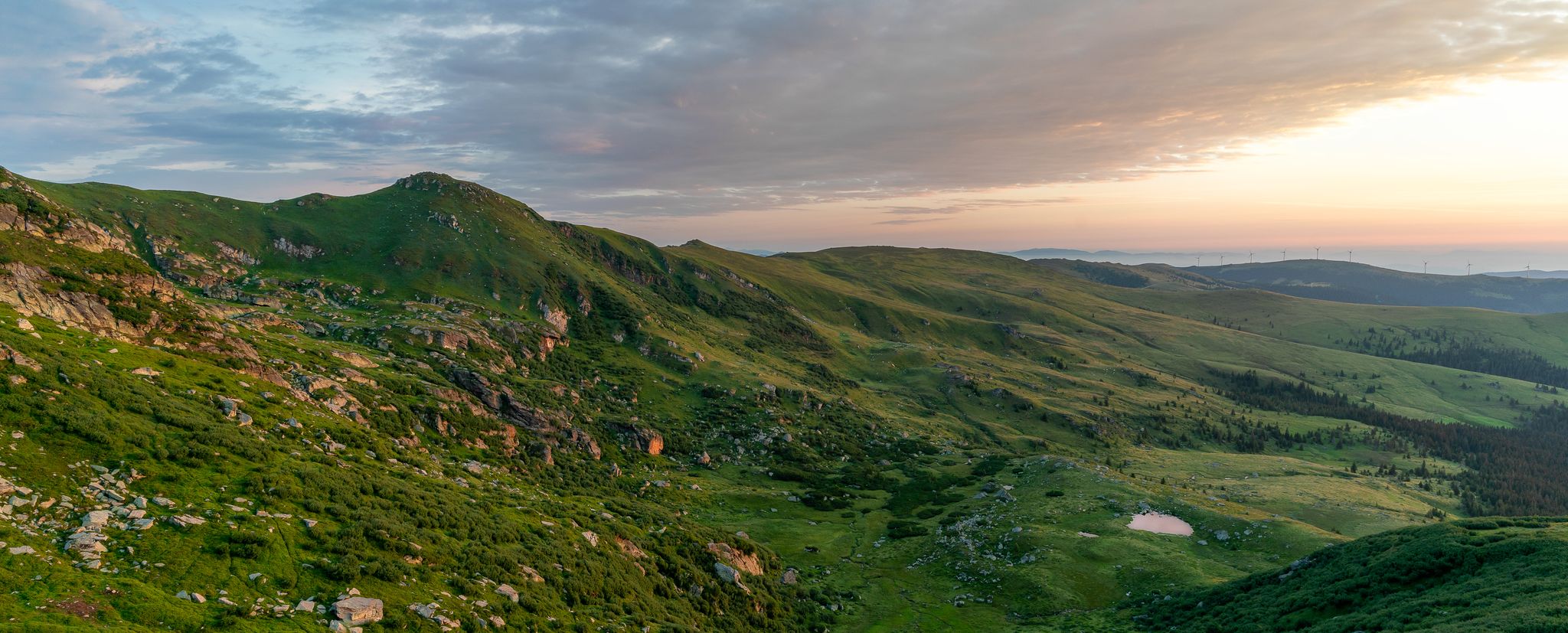
North-South Trail through Austria – Small country, big paths!
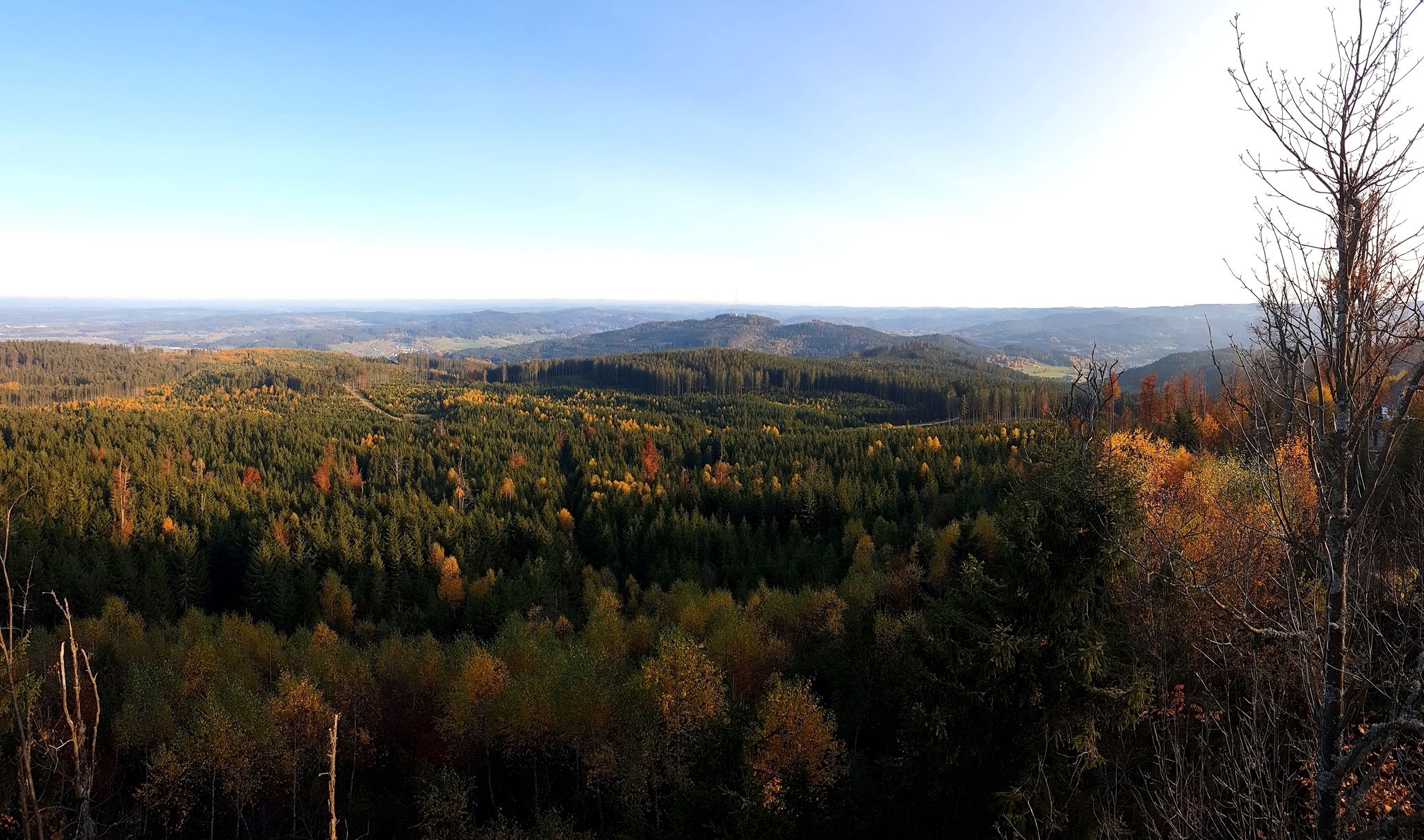
Nordwaldkamm trail – Hiking between the Czech Republic and Austria
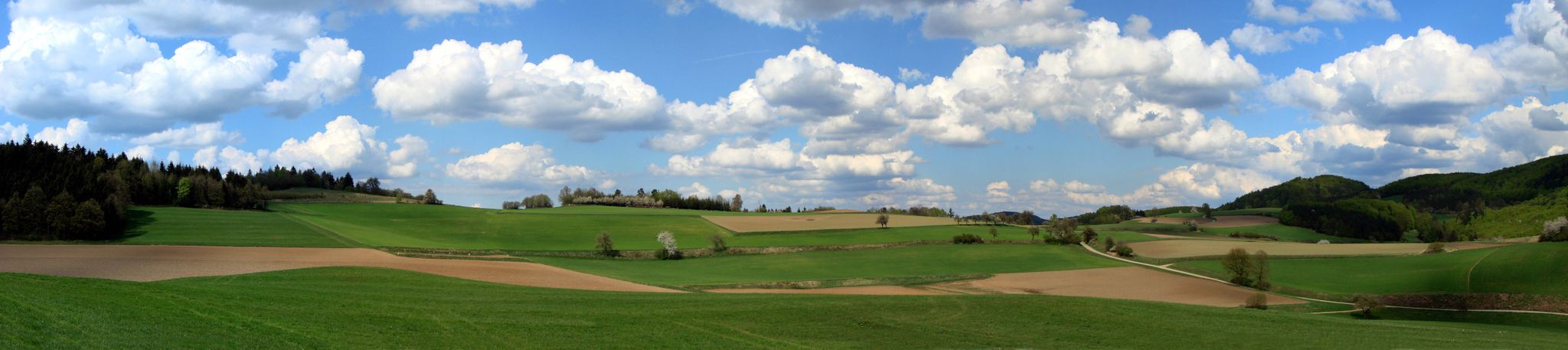
The Path of Life — A (spiritual) hike through northeastern Austria
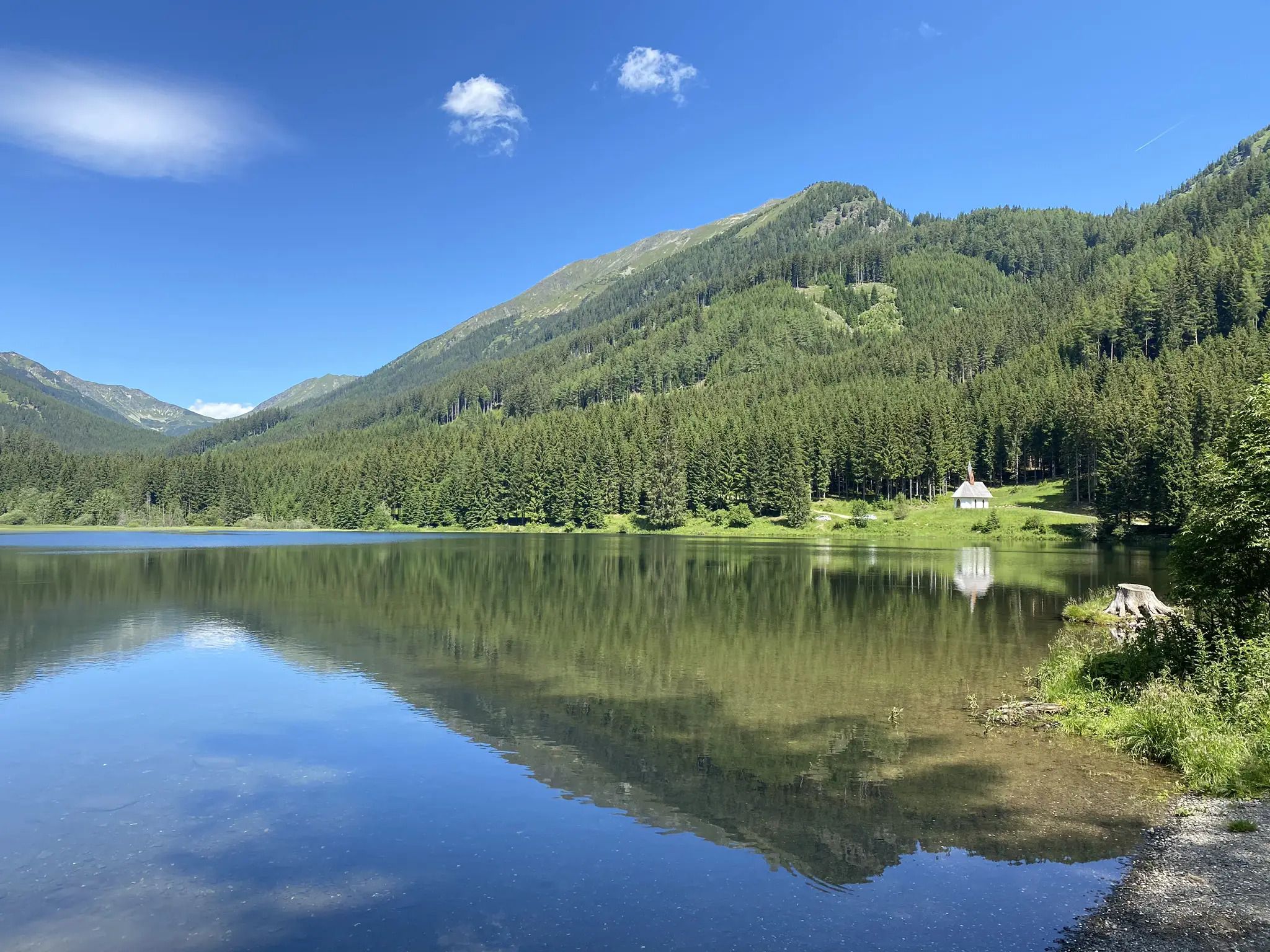
Eisenwurzen Trail – Hiking through Austria from north to south
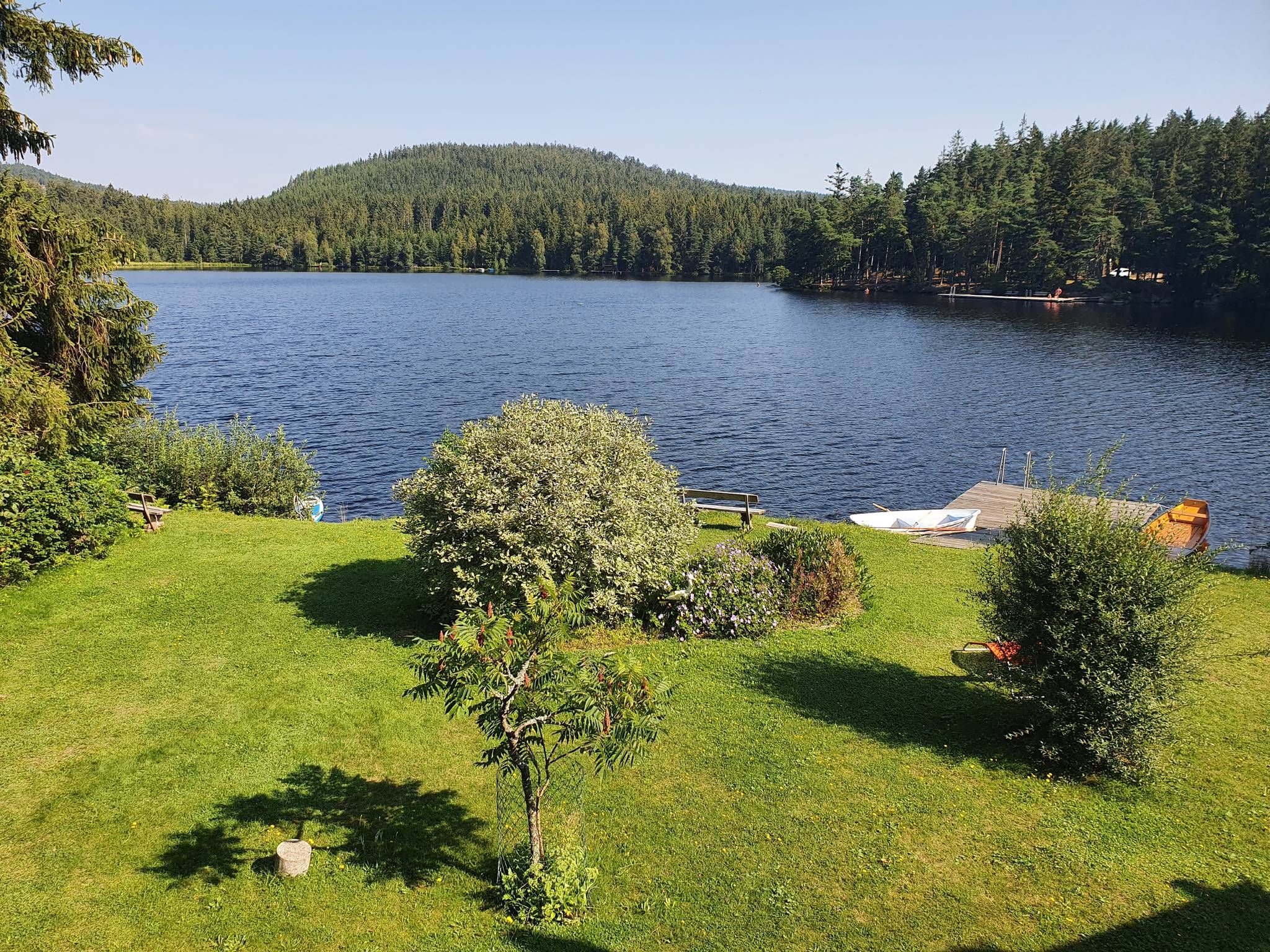
Kremstal Trail — Hiking along rivers through Lower Austria
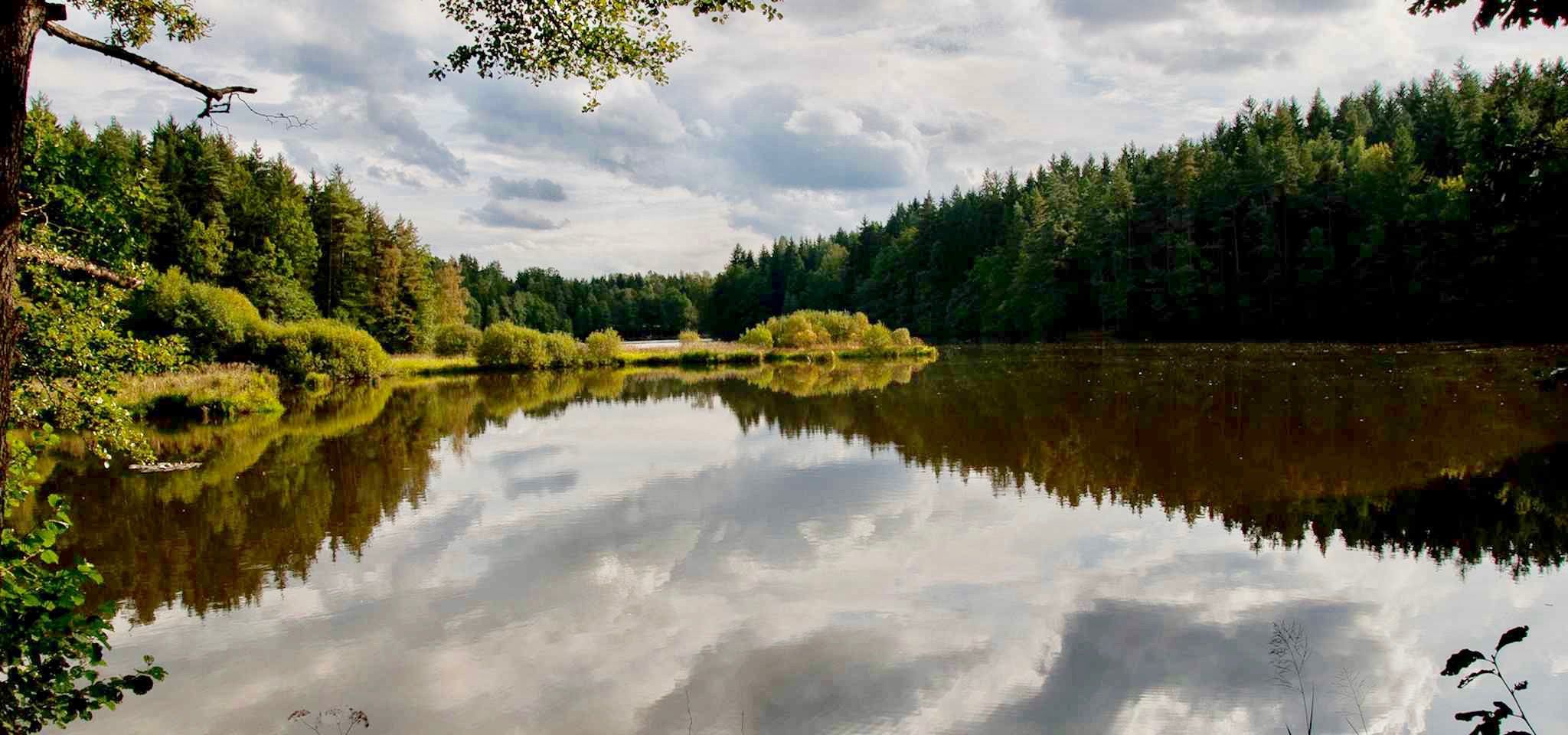
Where history meets nature at its finest – trekking along the river Lainsitz
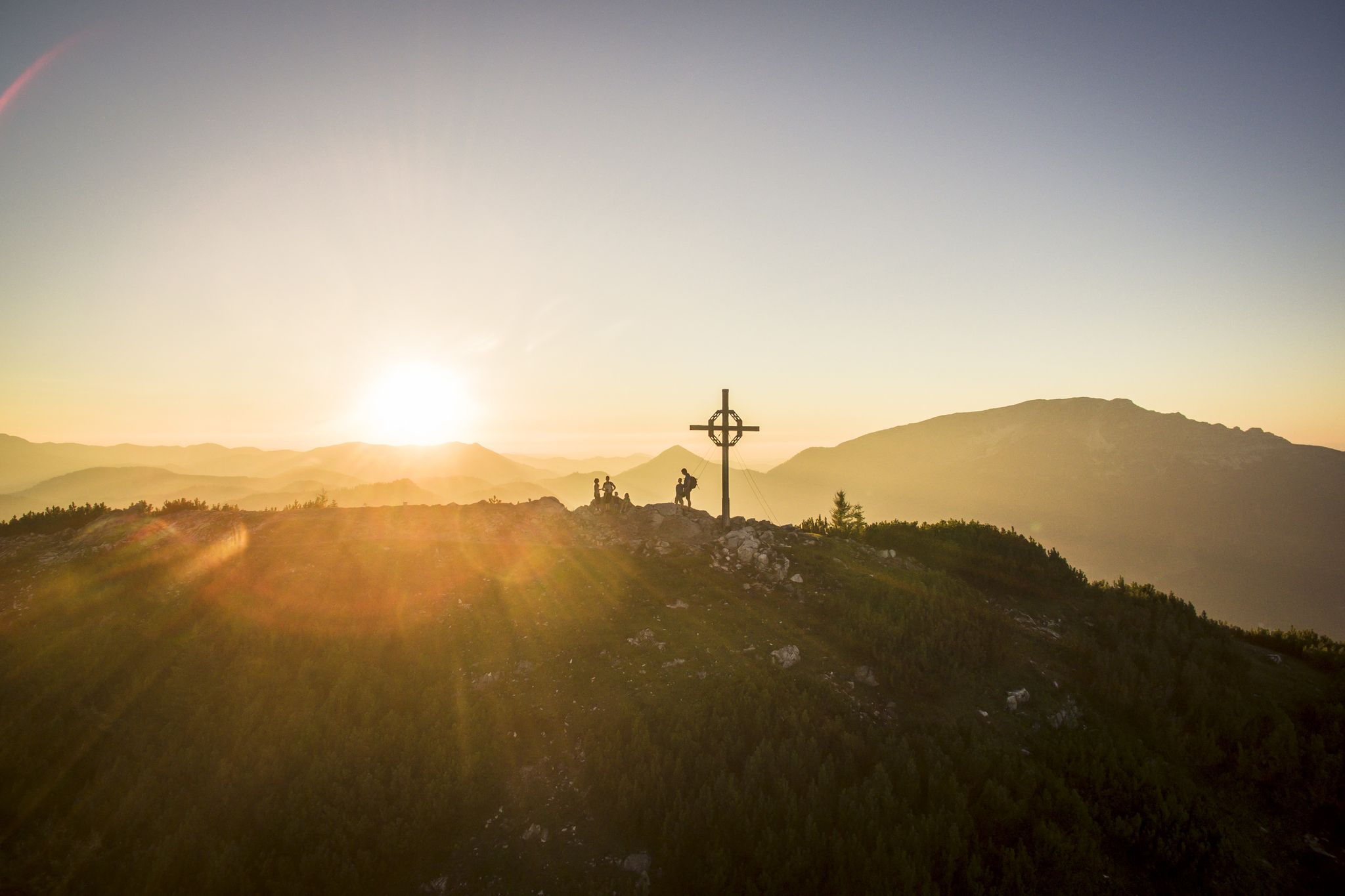
Hiking with a view – certified hiking villages in Lower Austria
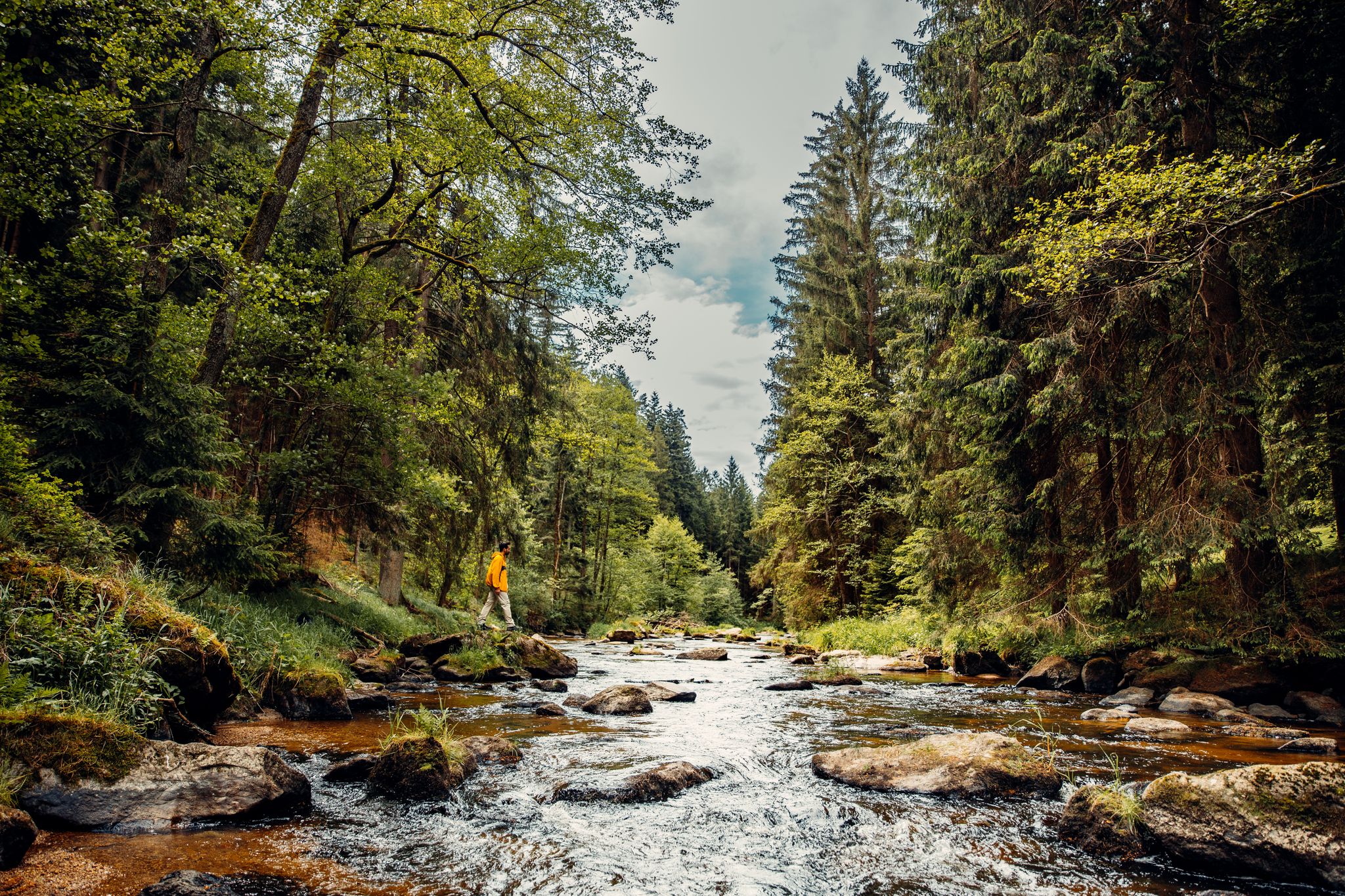
Cliffs, a gorge and vineyards – day hikes in the Waldviertel
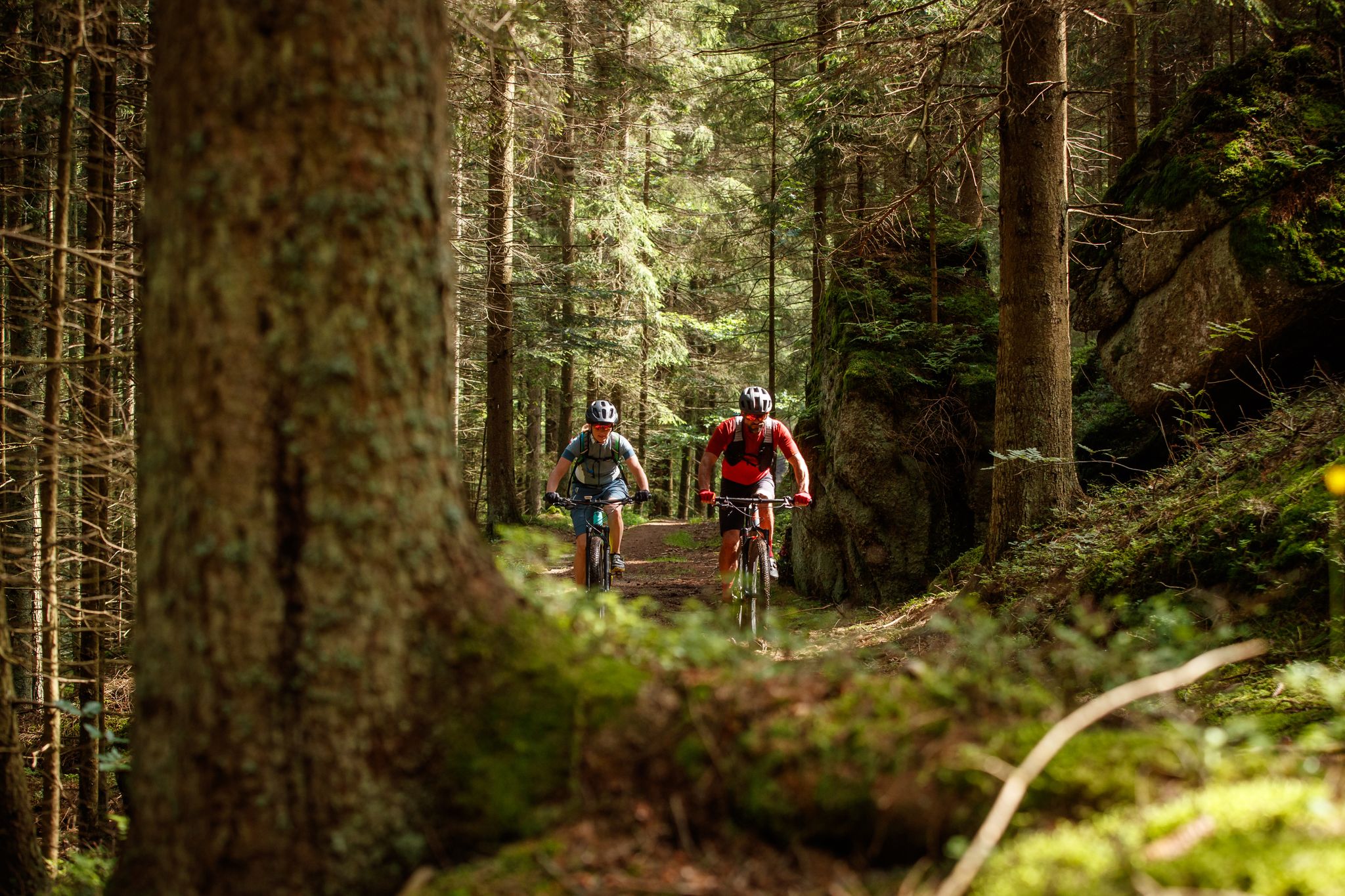
Between bizarre rocks and pristine forests – MTB in the Waldviertel
Other adventures in the Waldviertel


Tips from the Community

The castle was probably built in the 12th or early 13th century and was owned by the Diocese of Passau from the 13th century onwards. In the following centuries, it changed owners several times and was at times a Brandenburg enclave in Austria. After damage in the Thirty Years' War, the castle lost its importance and fell into disrepair. Since 1928, it has been owned by the municipality of Langenlois and was restored at the end of the 20th century.
0
0
From the 15th century onwards, Lichtenfels changed hands frequently until the castle came to Rastenberg in 1628. As the new owners moved their seat of power to Rastenberg, the slow decay of Lichtenfels began in 1774. In 1790, the Freiherrn von Bartenstein, who owned Rastenberg and Lichtenfels, sold the majority of the castle's roof to Stift Zwettl. The reason for this was the roof tax introduced by Emperor Joseph II, which was calculated based on the size of the roof areas. Numerous noble families throughout the country had their cold and uninhabitable castles de-roofed at that time to save taxes. In 1804, the last inhabitant left Lichtenfels castle, which has been owned by the Thurn-Valsassina family together with Rastenberg since 1872. The Romanesque chapel, formerly dedicated to the Apostle Paul, was a destination for small pilgrimages for a long time; the last one took place in 1960 from Friedersbach. Lichtenfels castle ruins can be visited all year round (at your own risk).
0
0
On a peninsula in the Ottenstein reservoir, the Lichtenfels castle ruins rise picturesquely. Before the creation of the reservoir (1954-1957) and the construction of the federal road B38 with the bridge completed in 1957, the Lichtenfels castle, first mentioned in 1248, stood lonely on a rocky ridge high above the Kamp river. In the 13th century, an important ministerial family resided here, initially bearing the nickname „Tursen“, deriving from Rauheneck castle near Baden, and towards the end of this century took the name „Lichtenfels“. Under their rule were numerous surrounding places, such as Friedersbach, for example. During the Hussite invasions of 1427/28, Lichtenfels served as a storage place for the archives and treasures of the Zwettl Abbey.
0
0

Wonderful castle with impressive grounds.
1
0

a great ruin where you can discover a lot and imagine the complex very well
1
0
The old chapel of the castle ruins
1
0
Great view from the front tower
1
0
Great view and view of the castle complex
1
0
Frequently Asked Questions
Which castles in the Waldviertel are particularly family-friendly?
For families, Rosenburg Castle is a great choice, famous for its falconry demonstrations during the summer months. Grafenegg Castle and Gobelsburg Castle are also noted as family-friendly destinations, offering various activities and grounds to explore.
Which castles offer the most scenic viewpoints in the Waldviertel?
Many castles in the Waldviertel boast impressive views. Dürnstein Castle Ruins offers breathtaking panoramas of the Danube and Wachau valley. Rosenburg Castle provides stunning vistas over the Kamp River valley, while Hardegg Castle overlooks the Thayatal National Park. The Ruins of Kollmitz Castle also offer wonderful views of the Thaya river landscape.
What are some historically significant castles or ruins in the Waldviertel?
The Waldviertel is rich in history. Dürnstein Castle Ruins is famous as the prison of King Richard the Lionheart. Rappottenstein Castle is a well-preserved medieval fortress with impressive defenses, Renaissance frescoes, and Gothic vaults. Hardegg Castle, one of Lower Austria's largest fortifications, offers insights into medieval life with its Knights' Hall and dungeon. The Ruins of Kollmitz Castle are among the largest medieval castle ruins in Lower Austria, built to defend against Bohemia.
Are there any castles in the Waldviertel that are particularly known for their architecture?
Yes, several castles stand out for their architectural beauty. Rappottenstein Castle is a prime example of medieval architecture, featuring five forecourts, eight gates, and three-story arcades with sgraffito. Rosenburg Castle is considered one of Austria's most beautiful Renaissance castles, known for its tournament field. Weitra Castle is a magnificent Renaissance palace with Baroque gables and arcades adorned with lion heads and stylized swords in its inner courtyard.
What is the best time of year to visit the castles in the Waldviertel?
The best time to visit the castles in the Waldviertel is generally from spring to autumn. Many castles, like Hardegg and Rappottenstein, have extended opening hours during the summer months (July and August) and are open on weekends in spring and autumn. The pleasant weather allows for comfortable exploration of castle grounds and nearby natural attractions. Some castles, like Rappottenstein, are only accessible via guided tours during specific seasons.
Can I find hiking trails near the castles in the Waldviertel?
Absolutely. The Waldviertel region offers numerous hiking opportunities near its castles. For instance, you can find mountain hikes around Dürnstein Castle Ruins. There are also waterfall hikes in the Waldviertel, such as those around the Lohnbach Waterfall, which can be combined with castle visits. You can explore more options in the Mountain Hikes in the Waldviertel guide.
Are there cycling routes that pass by castles in the Waldviertel?
Yes, the Waldviertel is excellent for cycling. You can find road cycling routes that take you past historical sites like the Ruins of Senftenberg Castle. Routes often combine scenic landscapes with cultural landmarks. For detailed routes, refer to the Road Cycling Routes in the Waldviertel guide.
What kind of natural attractions can I find near the castles?
The castles are often nestled within beautiful natural settings. Hardegg Castle is a central point for exploring the Thayatal National Park. Rosenburg Castle is situated within the Naturpark Kamptal nature reserve. Ottenstein Castle is dramatically perched above the Kamp River, offering picturesque scenery. Many castle ruins, like Kollmitz, are located on rocks surrounded by rivers, providing stunning natural backdrops.
Are there any castles in the Waldviertel that are less crowded?
While popular castles like Rosenburg attract many visitors, some ruins or less centrally located castles might offer a quieter experience. The Hinterhaus Castle Ruins and Kronsegg Castle Ruins are examples of historical sites that might provide a more tranquil visit, allowing for a deeper appreciation of their historical context without large crowds.
Where can I find accommodation near the castles in the Waldviertel?
Accommodation options vary by location. For instance, near Ottenstein Castle, there is a hotel available for overnight stays. Many towns and villages throughout the Waldviertel, such as Dürnstein, Zwettl, and Weitra, offer guesthouses, hotels, and other lodging options suitable for visitors exploring the nearby castles. It's advisable to check local listings for specific castle locations.
Are there any castles in the Waldviertel that offer insights into local crafts or industries?
Weitra Castle, recognized as the highest point in Austria's oldest brewing town, houses a fascinating exhibition on the region's brewing history in its museum. This provides a unique insight into a significant local industry alongside its rich historical narrative.
What do visitors enjoy most about the castles in the Waldviertel?
Visitors frequently praise the breathtaking views from castles like Dürnstein Castle Ruins, often describing them as indescribable. The historical significance and the opportunity to delve into the past are also highly valued. Many appreciate the well-preserved nature of some castles, like Rappottenstein, and the unique experiences offered, such as the falconry shows at Rosenburg Castle. The combination of history, architecture, and natural beauty is a recurring highlight.
Most popular routes in the Waldviertel
Most popular attractions in the Waldviertel

Get inspired with the komoot mobile app


Didn’t find what you were looking for?
Explore Waldviertel’s best castles region by region:
Explore more
Looking for the best castles somewhere else? Discover other guides in the Waldviertel:
