Top 20 Natural Monuments in the Waldviertel
Best natural monuments in the Waldviertel are characterized by mystical landscapes, unique rock formations, and diverse natural parks. This region in Lower Austria features rolling hills, dense forests, and numerous bodies of water. Visitors can explore a variety of geological wonders and protected areas. The Waldviertel offers a range of natural attractions for outdoor enthusiasts.
Best natural monuments in the Waldviertel
- The most popular natural monuments is Dürnstein Pulpit, a viewpoint offering expansive views over the Wachau Valley. This…
Last updated: October 13, 2026
High Rock
Highlight • Climb
Translated by Google •
Tip by

Dürnstein Pulpit
Highlight • Viewpoint
Translated by Google •
Tip by

Sign up now to discover places like this
Get recommendations on the best single tracks, peaks, & plenty of other exciting outdoor places.
Giant Sequoias of Paudorf
Highlight • Forest
Translated by Google •
Tip by

Lohnbach Waterfall
Highlight • Waterfall
Between Pretrobruck and Grub in the valley, the Lohnbach overcomes …
Translated by Google •
Tip by

Nebelstein Hut
Highlight • Mountain Hut
Translated by Google •
Tip by

Blockheide Observation Tower
Highlight • Viewpoint
Translated by Google •
Tip by

Wachau Nose Sculpture
Highlight • Monument
Translated by Google •
Tip by

Franzosendenkmal (French Monument), Dürnstein
Highlight • Monument
Translated by Google •
Tip by

Tausendeimerberg
Highlight • Viewpoint
Translated by Google •
Tip by

Hirschwand Summit
Highlight • Summit
Translated by Google •
Tip by
Sign up for free to discover even more natural monuments in the Waldviertel.
Already have an account?
Start today with a free account
Your next adventure awaits.
Popular around Waldviertel
Ysper-Weitental circular hiking trail – Unwind in Austria
North-South Trail through Austria – Small country, big paths!
Nordwaldkamm trail – Hiking between the Czech Republic and Austria
The Path of Life — A (spiritual) hike through northeastern Austria
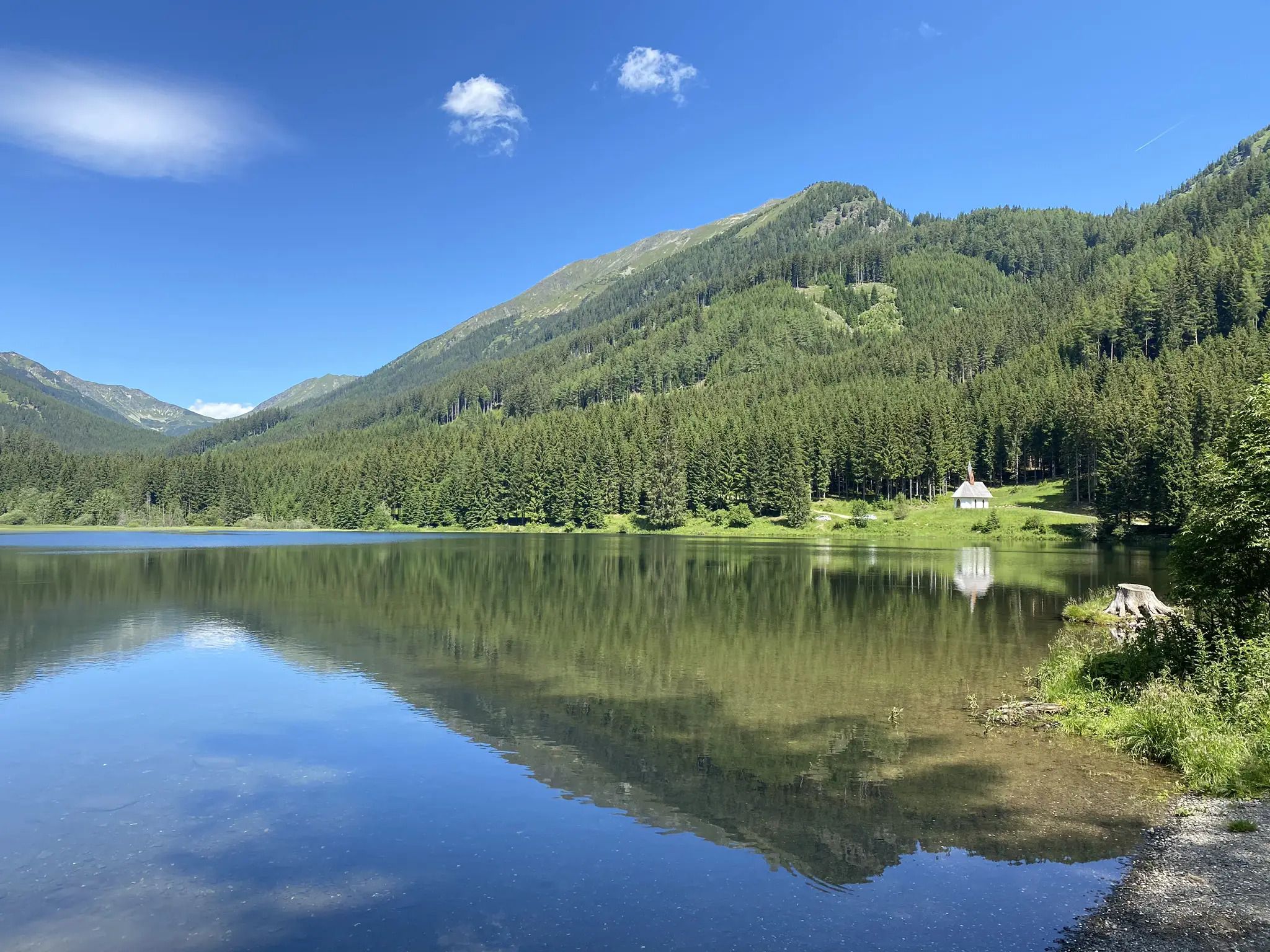
Eisenwurzen Trail – Hiking through Austria from north to south
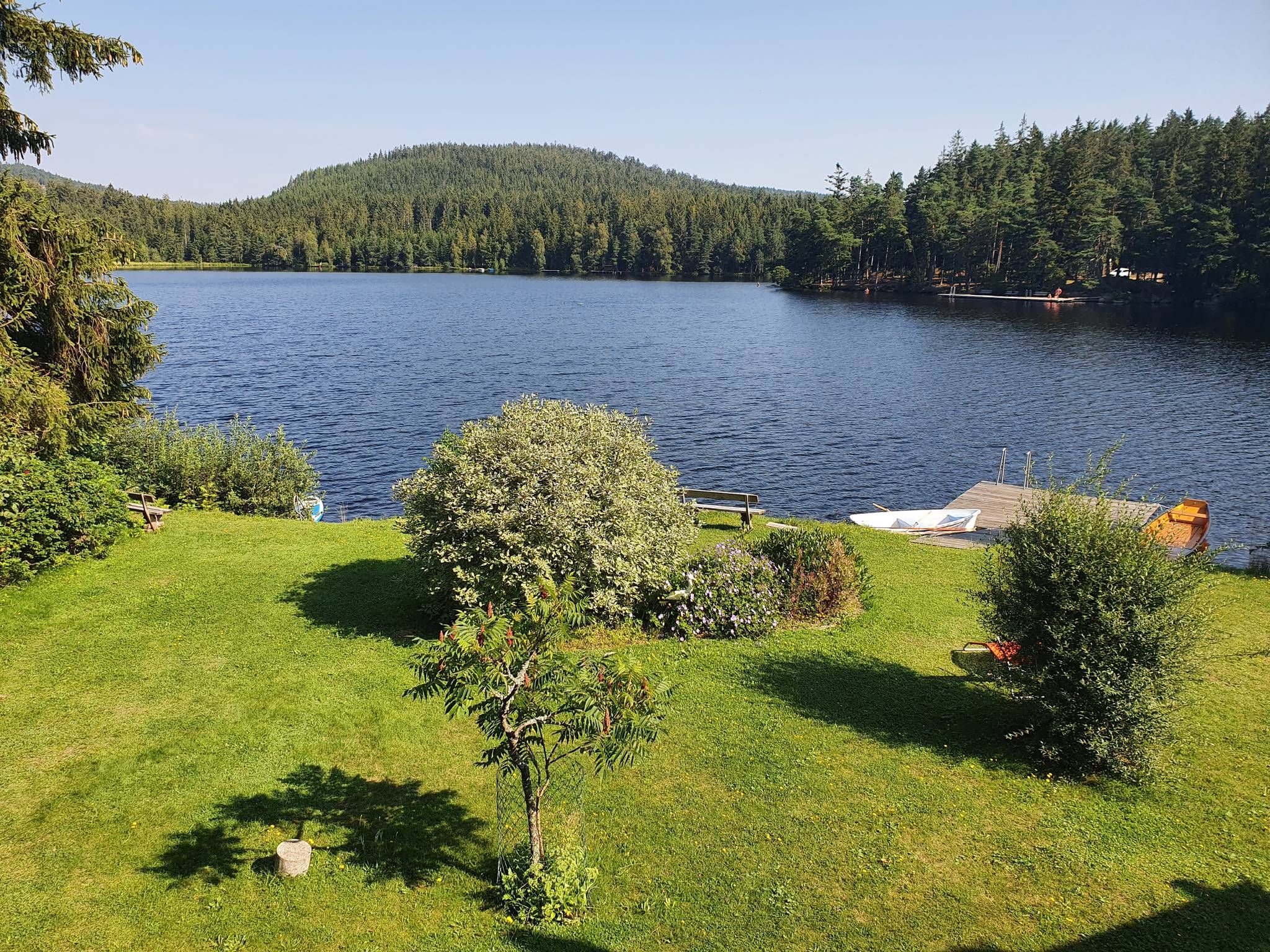
Kremstal Trail — Hiking along rivers through Lower Austria
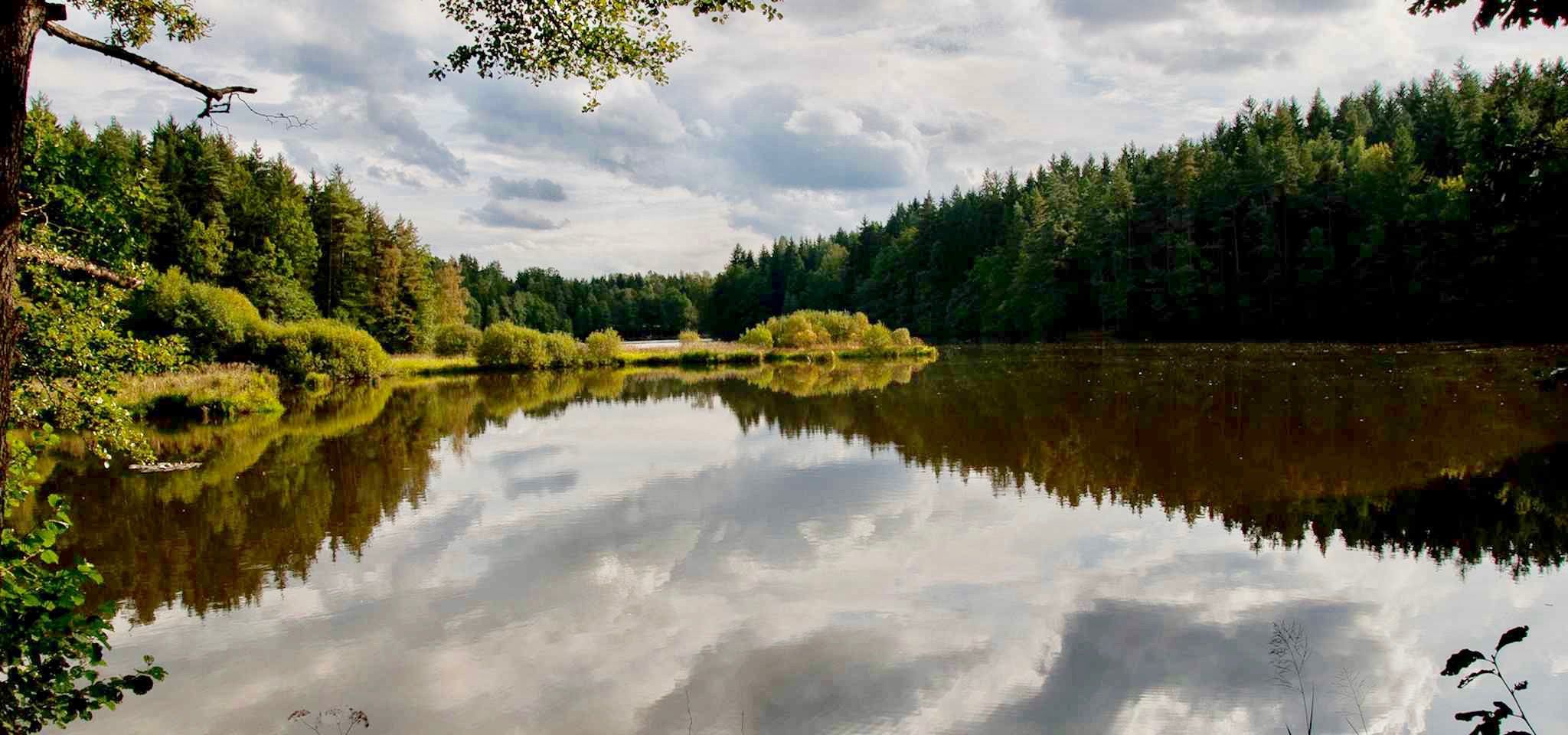
Where history meets nature at its finest – trekking along the river Lainsitz
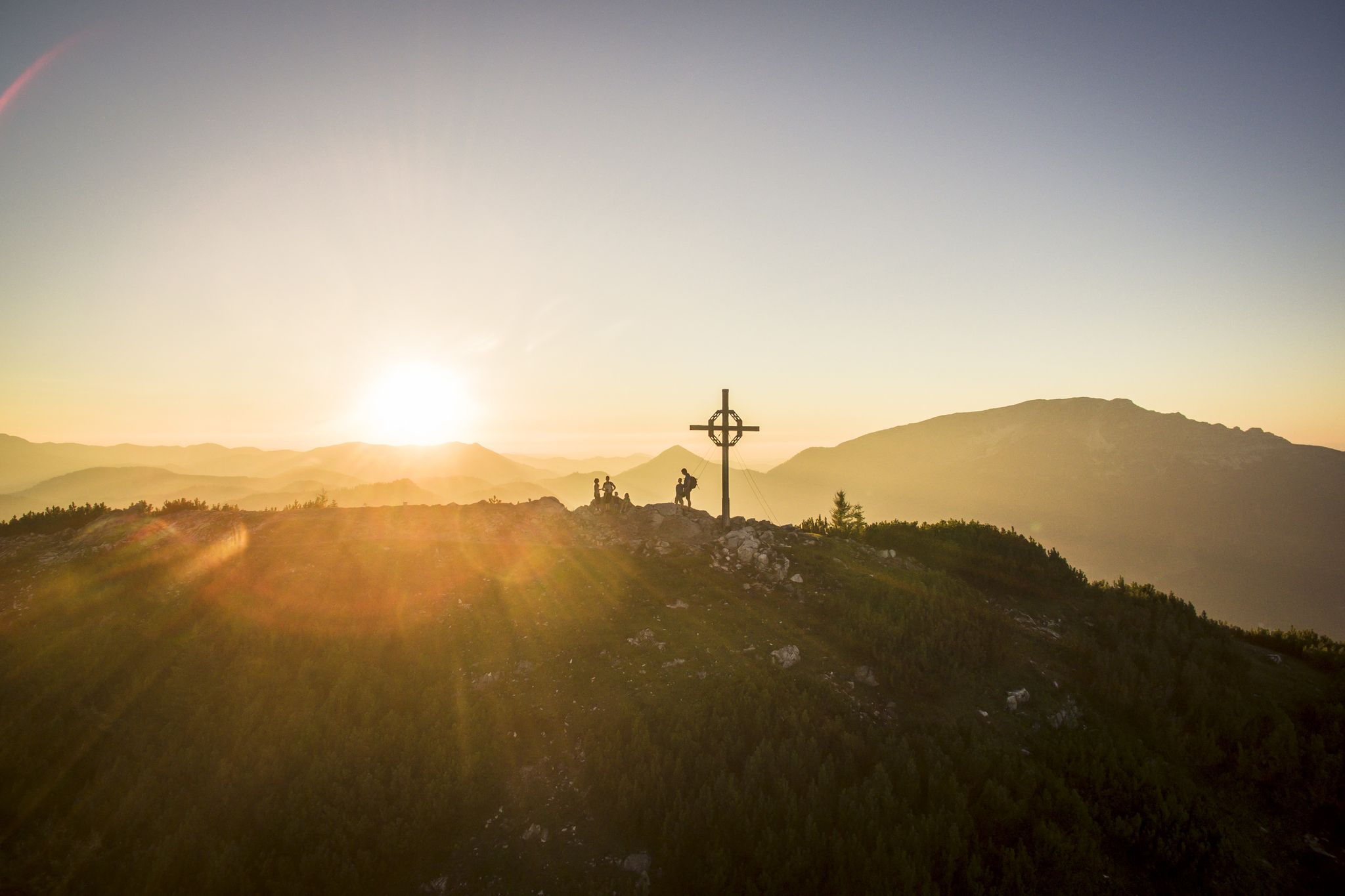
Hiking with a view – certified hiking villages in Lower Austria
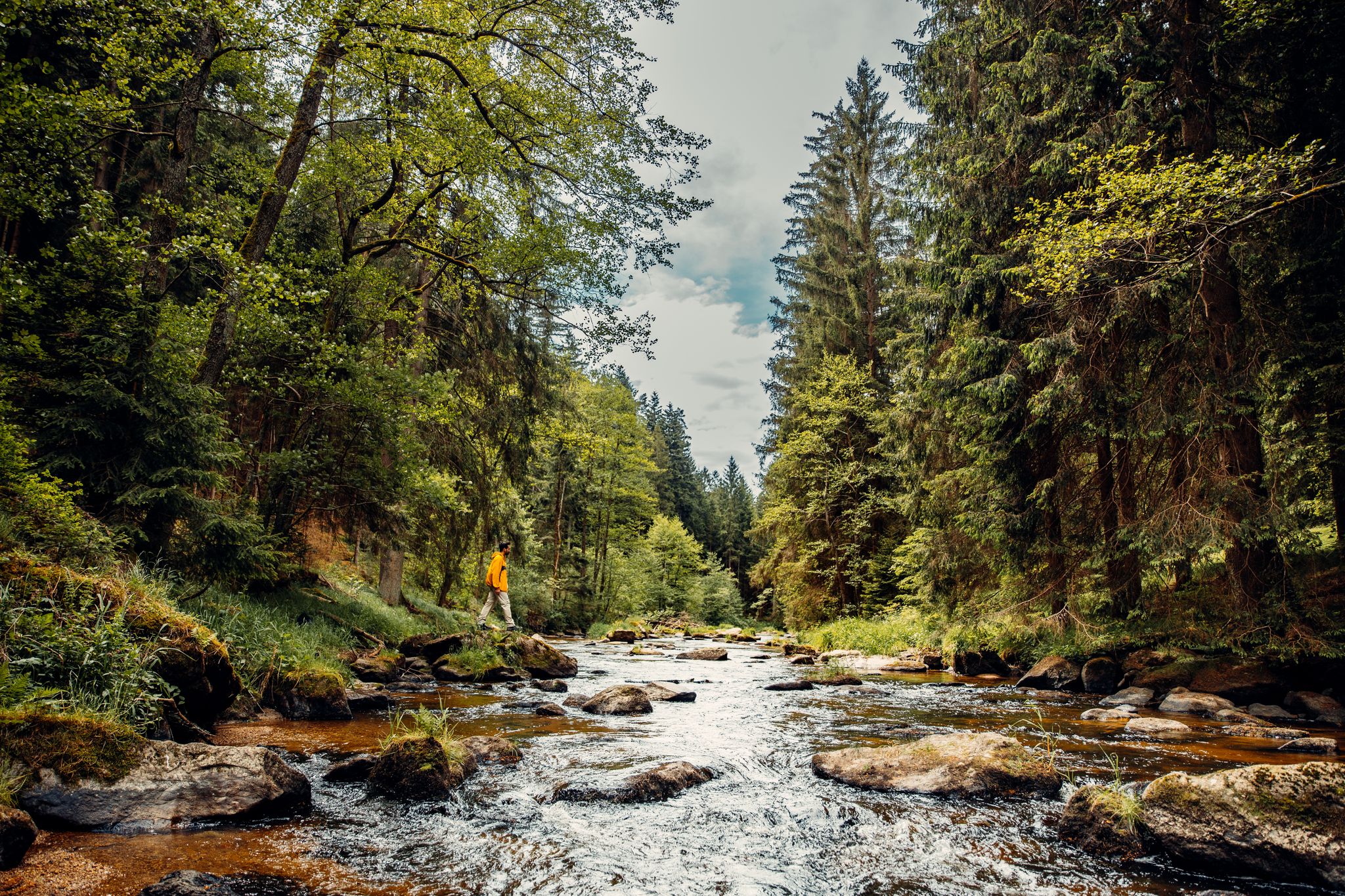
Cliffs, a gorge and vineyards – day hikes in the Waldviertel
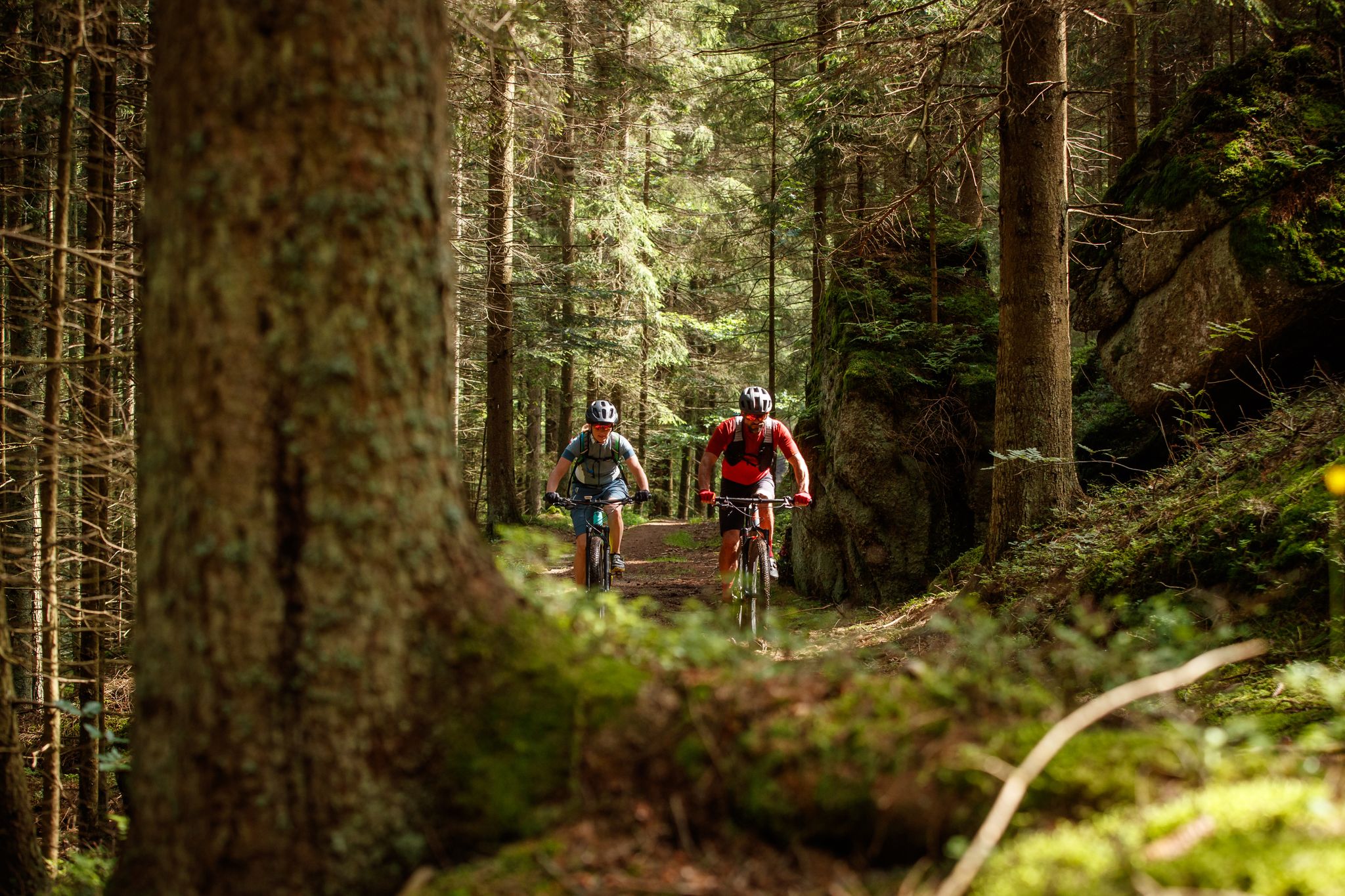
Between bizarre rocks and pristine forests – MTB in the Waldviertel
Other adventures in the Waldviertel


Tips from the Community

very beautiful view into the Spitzergraben, to the Hinterhaus ruin and the Danube valley
0
0

A stunning viewpoint with an ascent and descent for experienced hikers! Fantastic views over the Wachau Valley from a height of 712 meters.
9
0
The expansive view from the Dürnstein Pulpit is absolutely breathtakingly beautiful. Highly recommended!
8
0

A beautiful memorial place in the middle of the forest.
4
0
The giant sequoias can be found in the middle of the Dunkelsteinerwald. It is also a very nice resting place.
5
0

The Hirschwand, or rather the Hirschwandsteig, is well secured with ropes and footholds, but you should still be sure-footed and free from shingles if you want to enjoy the view here.
4
0
Ascent only for experienced climbers! Or rather, the descent. Getting up the via ferrata, secured with ladders and ropes, is manageable, but going down can be a bit tricky if you're not very experienced with climbing. The view, however, is breathtaking!
7
1

Even if you don't want to climb the last few meters, the detour to the Hirschwand is worth it. At the Hirschwand crossing you have to go right and continue a little further to the Hirschwand.
1
1
Frequently Asked Questions
What unique geological formations can I discover in the Waldviertel?
The Waldviertel is renowned for its fascinating geological features. You can explore the Giant Sequoias of Paudorf, a forest planted over 140 years ago with impressive North American giant sequoias. Another highlight is the Lohnbach Waterfall, where the Lohnbach tributary cascades down an 8-meter height difference in several stages. The region is also famous for its 'wobbly stones' (Wackelsteine) and granite formations, particularly in the Blockheide-Gmünd-Eibenstein Nature Park, which features formations like the 'Christophorusstein' and 'Teufelsbett'.
Are there family-friendly natural monuments in the Waldviertel?
Yes, several natural monuments in the Waldviertel are perfect for families. The Giant Sequoias of Paudorf offer an impressive nature trail. The Heidenreichsteiner Moor Park features a moor nature trail, a large playground, and a natural pond for swimming. The Blockheide-Gmünd-Eibenstein Nature Park has a huge playground and an observation tower, while the Nordwald Nature Park provides child-friendly hiking trails, animal enclosures, and a natural playground. Geras Nature Park also includes a petting zoo and a bat nature trail.
What are the best natural parks to visit in the Waldviertel?
The Waldviertel boasts several impressive nature parks. The Heidenreichsteiner Moor Park is Austria's smallest nature park, known for its unique moorland and the 'Hanging Stone.' Thayatal National Park offers dramatic river valleys and rich biodiversity along the Austrian-Czech border. The Blockheide-Gmünd-Eibenstein Nature Park is famous for its legendary stone giants and wobbly stones. Nordwald Nature Park has a Nordic-Scandinavian character with dense forests and bizarre rock formations, while Geras Nature Park allows observation of native wild animals and features idyllic pond landscapes. Kamptal-Schönberg Nature Park is defined by the Kamp river landscape, vineyards, and forests.
Where can I find the most scenic viewpoints among the natural monuments?
For breathtaking views, the Dürnstein Pulpit is considered one of the most beautiful vantage points in the Danube Valley, offering expansive views over the Wachau. The High Rock also provides a wonderful panorama of the Wachau and surrounding landscapes. Additionally, the observation tower in the Blockheide-Gmünd-Eibenstein Nature Park and the Schwarzenberg observation tower in Nordwald Nature Park offer magnificent panoramic views.
Are there hiking opportunities near the natural monuments in the Waldviertel?
Absolutely! The Waldviertel offers numerous hiking opportunities. For example, you can reach the Wackelstein in Amaliendorf via an 11-kilometer circular hiking trail through the Haslauer Moor or a shorter 4.7-kilometer path. Heidenreichsteiner Moor Park features a 2.7 km moorland trail and a 3.7 km forest trail. Thayatal National Park has scenic trails with breathtaking views of the river gorge. For more extensive options, explore the Running Trails in the Waldviertel guide, which includes routes near many natural attractions.
What kind of wildlife can I expect to see in the Waldviertel's natural monuments?
The natural monuments and parks in the Waldviertel are rich in biodiversity. Thayatal National Park is home to over 1,300 plant species and numerous animal species, including rare and endangered ones like the wildcat, European otter, and black stork. Heidenreichsteiner Moor Park features rare carnivorous plants like sundew. Geras Nature Park offers a chance to observe native and formerly native wild animals, including lynx, red and fallow deer, and donkeys in a petting zoo.
Can I find places to eat or stay overnight near the natural monuments?
Yes, some natural monuments offer facilities for visitors. The Nebelstein Hut, located near the summit, is a rustic and cozy hut popular with hikers, offering food, drinks, and overnight stays. While specific cafes are not always directly adjacent to every monument, many nature parks, like Heidenreichsteiner Moor Park, have visitor centers or nearby towns with dining options. The Kamptal-Schönberg Nature Park even has an old smithy with a vinotheque where you can taste local wines.
What activities are available for cyclists near the natural monuments?
The Waldviertel provides excellent opportunities for cyclists. You can find various routes for mountain biking and gravel biking. For detailed trails, check out the MTB Trails in the Waldviertel guide or the Gravel biking in the Waldviertel guide, which feature routes that often pass through or near the region's natural beauty spots.
Are the natural monuments in the Waldviertel generally accessible by car, and is parking available?
Many natural monuments and nature parks in the Waldviertel are well-equipped for visitors arriving by car. For instance, the Wackelstein in Amaliendorf is a popular excursion destination with paths leading to it. Nature parks like Heidenreichsteiner Moor Park, Blockheide-Gmünd-Eibenstein, Nordwald, Geras, and Kamptal-Schönberg typically have designated parking areas or are easily reachable by car, serving as starting points for exploration. The Nebelstein Hut also allows driving almost to the hut, with a short uphill walk.
What is the best time of year to visit the natural monuments in the Waldviertel?
The Waldviertel's natural monuments offer unique experiences throughout the year. Spring and autumn are ideal for hiking and enjoying the changing colors of the forests and moorlands. Summer is perfect for activities like swimming in the natural pond at Heidenreichsteiner Moor Park or attending the Wackelstein Festival in July. Even in winter, with proper equipment, some destinations like the Lohnbach Waterfall can be a beautiful sight, especially after snowfall.
What historical or cultural significance do some of the natural monuments hold?
Many natural monuments in the Waldviertel are steeped in history and legend. The Wackelstein in Amaliendorf, millions of years old, is surrounded by tales of the devil and is believed to have been used by Celts as oracles or sacrificial bowls. Thayatal National Park also features historical sites like the Kaja ruin within its protected landscape. While primarily natural, these sites often intertwine with local folklore and past human activity, adding a cultural layer to their natural beauty.
Most popular routes in the Waldviertel
Most popular attractions in the Waldviertel

Get inspired with the komoot mobile app


Didn’t find what you were looking for?
Find even more amazing natural monuments in the Waldviertel by checking out the top Highlights region by region:
Explore more
Extend your search for the best caves by checking out these guides of the top ones in the Waldviertel:
