Top 20 Castles in the Ore Mountains
Best castles in the Ore Mountains offer a journey through centuries of history and architecture. This region, known for its rich past, features a collection of historic castles and palaces, many situated in scenic valleys like the Zschopau and Flöha. The landscape is characterized by its elevated terrain, providing imposing locations for these structures. Visitors can explore more than 20 castles, each providing insights into the area's cultural heritage.
Best castles in the Ore Mountains
- The most popular castles is…
Last updated: July 6, 2026
Wolkenstein Castle
Highlight • Castle
Translated by Google •
Tip by

Klaffenbach Water Castle
Highlight • Castle
Translated by Google •
Tip by

Sign up now to discover places like this
Get recommendations on the best single tracks, peaks, & plenty of other exciting outdoor places.
Sign up for free
Ruins of Tharandt Castle
Highlight • Castle
Translated by Google •
Tip by

Augustusburg Castle
Highlight • Castle
Translated by Google •
Tip by

Stein Castle, Hartenstein
Highlight • Castle
Translated by Google •
Tip by

Baroque Garden at Weesenstein Castle
Highlight • Natural Monument
Translated by Google •
Tip by

Scharfenstein Castle
Highlight • Castle
Translated by Google •
Tip by

Ruins of Isenburg Castle
Highlight • Castle
Translated by Google •
Tip by

Ruins of Königsmühle (Králův Mlýn)
Highlight • Historical Site
Translated by Google •
Tip by

Schwarzenberg Castle
Highlight • Castle
Translated by Google •
Tip by

Sign up for free to discover even more castles in the Ore Mountains.
Sign up for free
Already have an account?
Start today with a free account
Your next adventure awaits.
Login or Signup
Popular around Ore Mountains

Let it flow! Cross-country skiing in the Ore Mountains
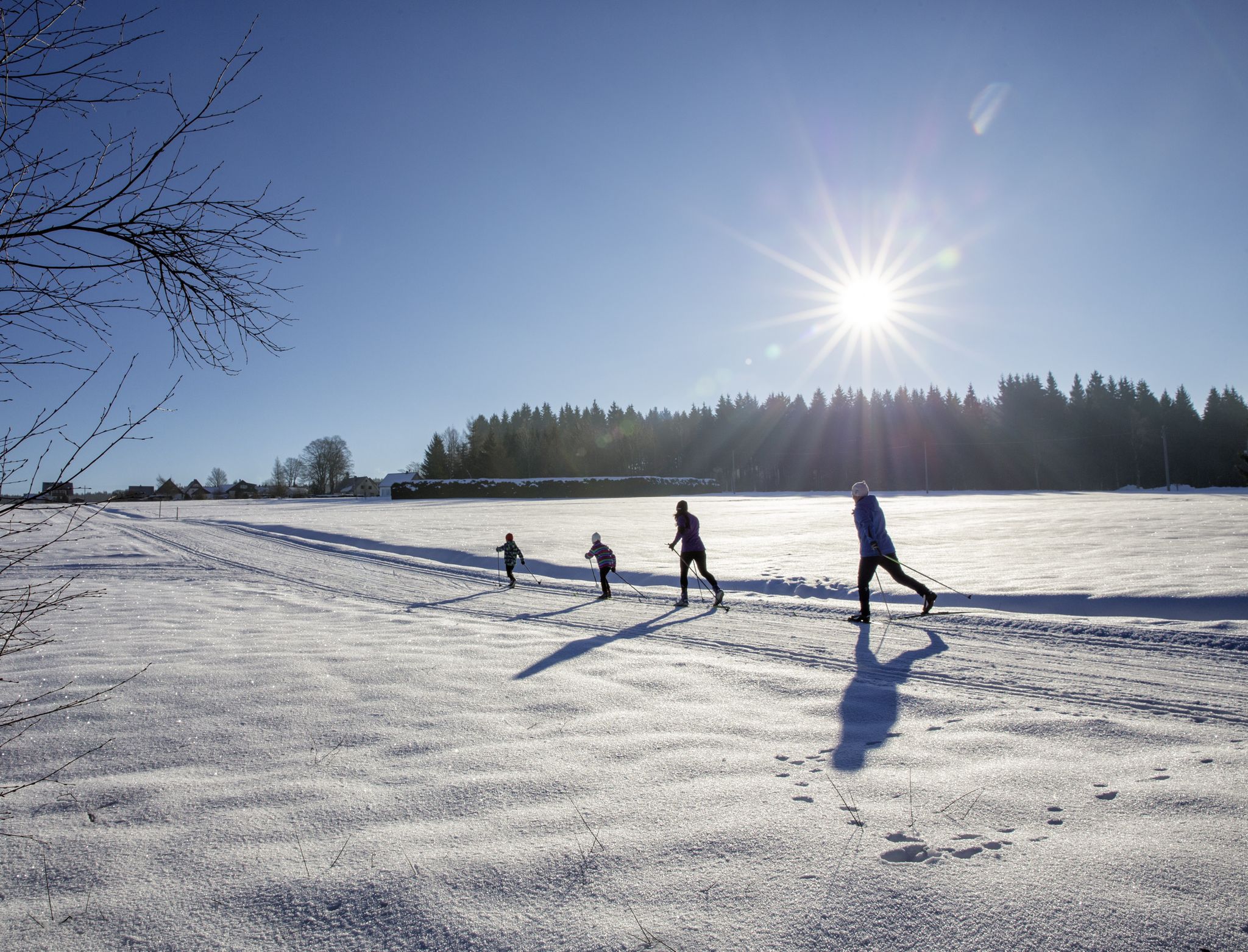
A snowy paradise – winter hiking and cross-country skiing in Germany’s Vogtland
Triathlon around Germany
Kammweg Erzgebirge – Border adventure along the Ridgeway

The Stoneman Trail in the Ore Mountains
Ore Mountains — between forests and elevation
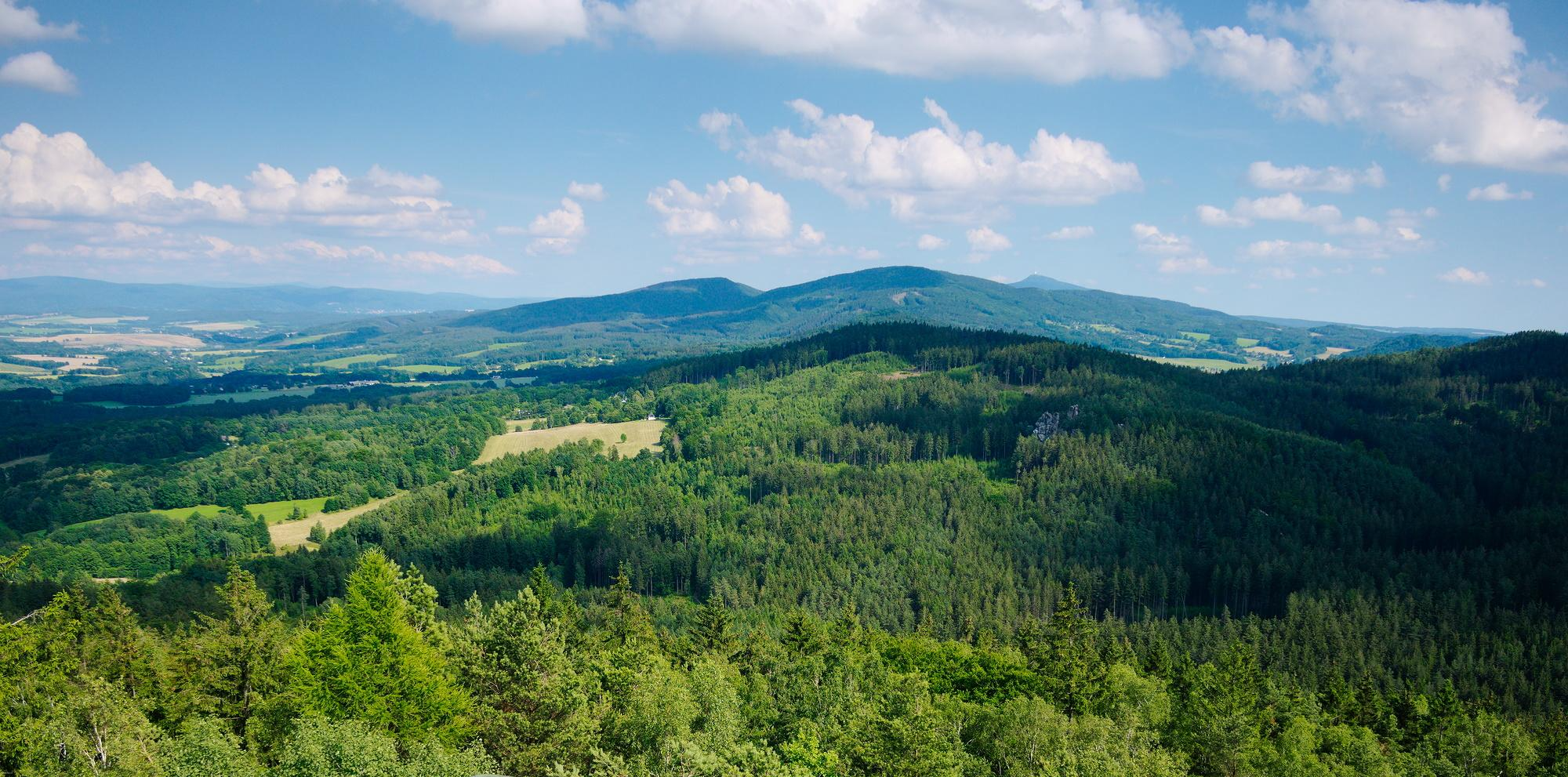
The National Natural Landscapes in Saxony
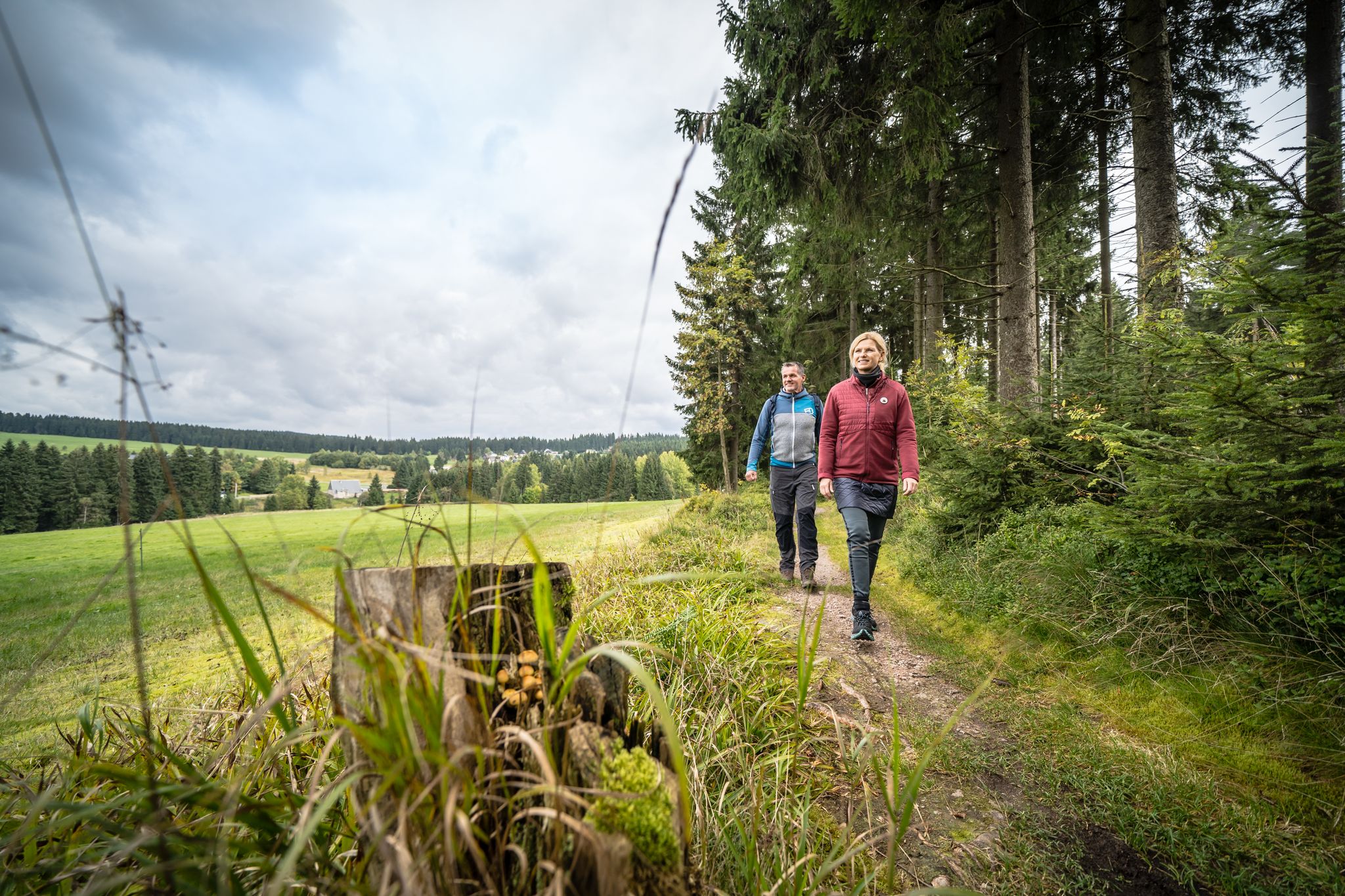
Hiking with heart in the Ore Mountains
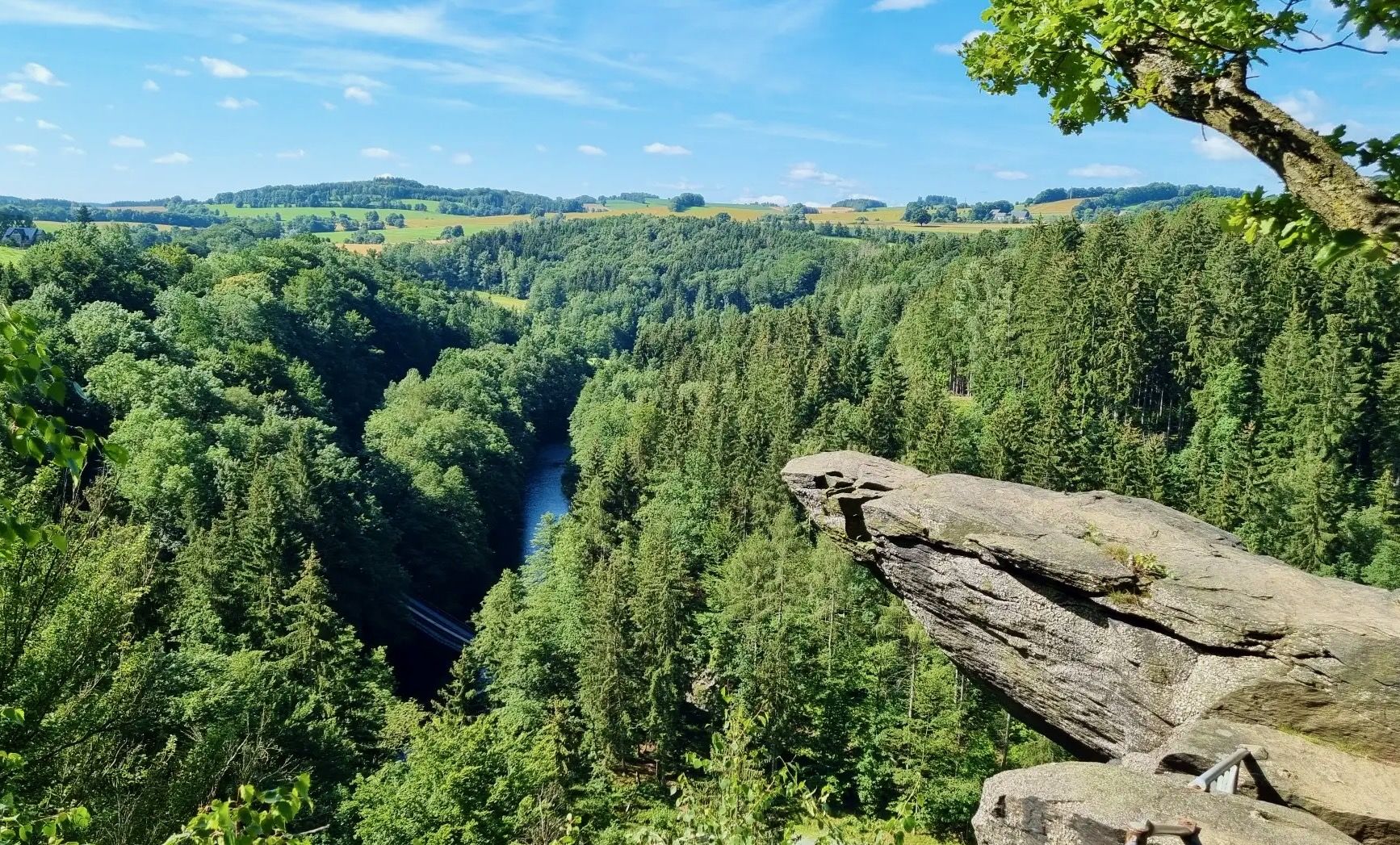
From Fichtelberg to Mulde - The Zschopautal Hiking Trail
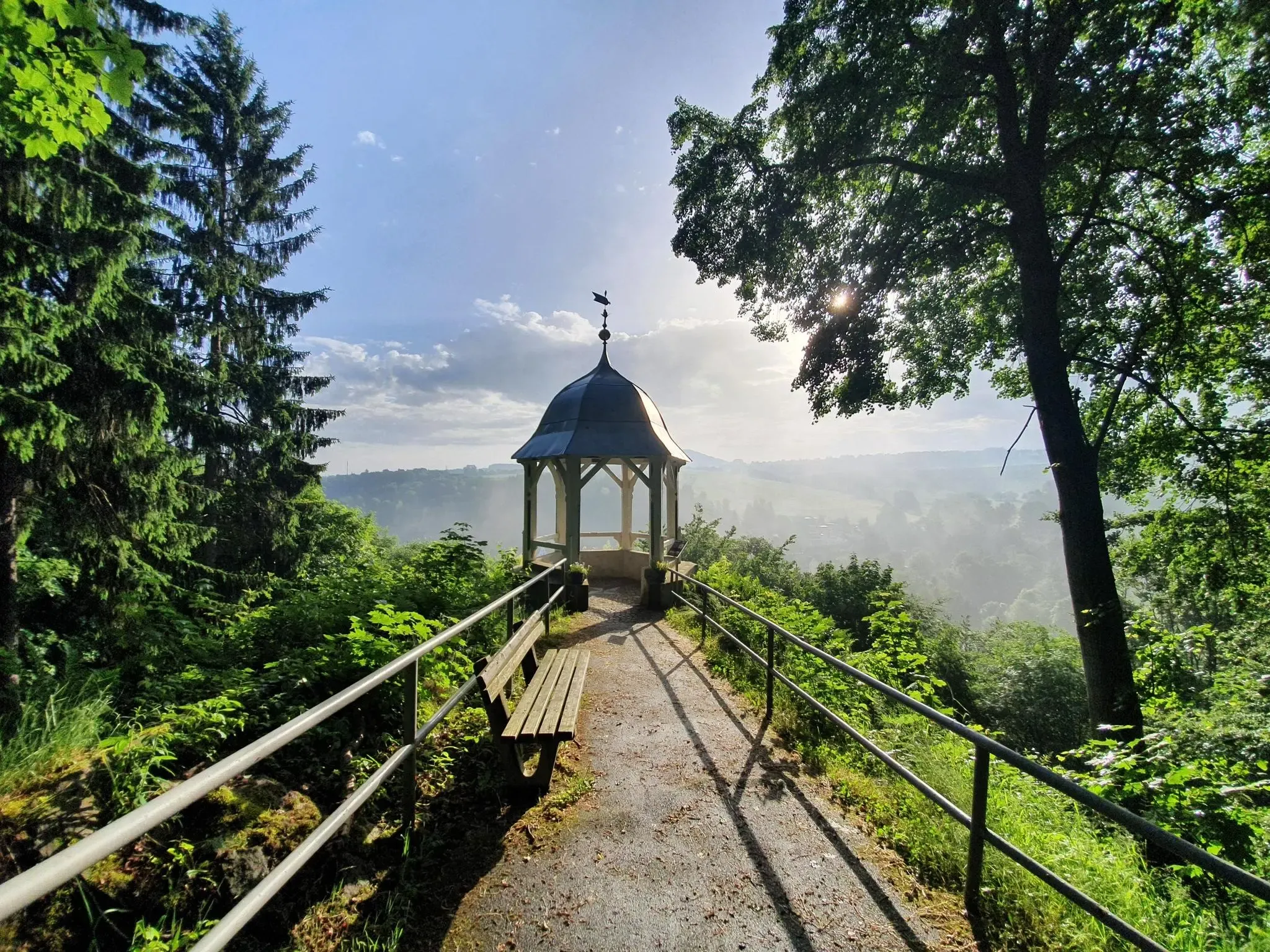
#GoFurther – discover the views of Germany!
Other adventures in the Ore Mountains


Tips from the Community

The park invites you to take a stroll and offers beautiful views of the Müglitz Valley.
7
1
The castle park is designed in the French style and forms a beautiful contrast to the wooded surroundings.
7
0

The abandoned settlement of Königsmühle (Königův Mlýn) is only one and a half kilometers from the village of Háj (Stolzenhain), but is shielded by a hill between them. Until their expulsion in the fall of 1946, 57 Sudeten Germans lived here in six houses, five of which were used as homes for the Fohrmann, Siegel, Giebert, Pöschl, and Siegel families. The sixth building was the mill. Grain from Bohemia was milled in Königsmühle, and the flour was then transported further to Saxony. This trade route (also for ore and timber) has sunk into the landscape about three meters deep due to centuries of heavy wagon traffic. After the end of the war, the ethnic German population was expelled from Czechoslovakia; approximately three million people were forced to flee, and around 3,000 communities, villages, and hamlets disappeared. Königsmühle is one of the few sites that can serve as a memorial to this aftermath of World War II. At the initiative of Czech cultural scientist and photographer Petr Mikšíček, the DoKrajin association has conserved the remains of the buildings, created informative display panels, and decorated the grounds with land art. The decline of Königsmühle has been halted, and the memory of its former residents is now kept alive.
21
5

Wolkenstein Castle is a high medieval castle that was first mentioned in documents in the 13th century. The town and castle stand on gneiss rocks 80 meters above the Zschopau valley. Wolkenstein owes its existence to the "Berggeschrei" (the cries of the mountain), that is, the discovery of the ore deposits. The settlement and ore mining is older than that of Annaberg-Buchholz.
28
2

great corner, always worth a trip
3
0

History The first mention can be found in a document from 1103. The history of the village is directly related to the Lords of Isenburg. Around 1100, Reinbold and Gerlach built the Isenburg in the area of a manor of the Fulda Abbey as the ancestral castle of the Lords of Isenburg. Soon after the castle was built, the first residents settled in the valley and built their houses around the castle hill. Isenburg was a castle village and had special rights such as the status of a free town. However, a town was never founded, as the location of the town did not offer any opportunities for expansion. At the beginning of the 14th century, Isenburg was fortified. The fortifications, which extended over a large area around the castle and valley, not only protected the town, but also served as an advanced security point for the castle. The town fortifications consisted of a wall with four gates. Two gates - the "Alte Porz" and the "Schildpforte"
5
0

The museum provides information about the history of Hartenstein Castle and County. Exciting exhibits tell of the Saxon prince robbery. In addition to an extensive weapons collection, you can discover knightly armor, legal antiquities, hunting trophies, and exhibits on life and everyday life in the region.
9
0
Hartstein family, a pompous castle with a museum.
10
0
Frequently Asked Questions
What historical significance do the castles in the Ore Mountains hold?
The castles in the Ore Mountains offer a deep dive into centuries of history, from medieval fortresses to Renaissance palaces and baroque ensembles. For example, Augustusburg Castle, known as the "Crown of the Ore Mountains," was built as a hunting and pleasure palace in the 16th century. Schwarzenberg Castle dates back to the 12th century as a defensive structure, later converted into an electoral hunting lodge. Purschenstein Castle, one of Saxony's oldest, dates to the 12th century and historically flanked the old salt road.
Are there family-friendly castles in the Ore Mountains?
Yes, many castles in the Ore Mountains are great for families. Klaffenbach Water Castle offers a large playground for children. Augustusburg Castle provides themed tours and offerings specifically for children, alongside its museums. Burg Scharfenstein features a museum with traditional Ore Mountain folk art, including nutcrackers and toys, which can be engaging for younger visitors.
Which castles offer scenic views or natural attractions?
Augustusburg Castle, perched on a 516-meter-high quartz porphyry cone, offers fantastic panoramic views from its observation tower. Schloss Lichtenwalde is celebrated for its baroque garden with 335 historical fountains and stunning views into the Zschopau valley. Burg Scharfenstein also provides scenic views from its impressive position above the Zschopau valley. Purschenstein Castle includes a beautiful park with idyllic natural ponds.
What kind of museums or unique collections can I find in these castles?
The castles house diverse collections. Augustusburg Castle boasts one of Europe's most significant motorcycle museums, along with a hunting animal and ornithological museum. Schloss Lichtenwalde's Treasure Chamber Museum features exhibits from various cultures, including porcelain from China and Japan, and one of Germany's largest collections of silhouettes. Burg Scharfenstein showcases a significant collection of Ore Mountain folk art, such as nutcrackers and incense smokers.
Are there hiking trails near the castles in the Ore Mountains?
Yes, the region offers numerous hiking opportunities. The popular Erzgebirge-Vogtland ridge trail runs through the park of Purschenstein Castle, making it appealing to hikers. You can find many routes for easy hikes in the Ore Mountains, including circular trails and nature paths. Explore more options on the Easy hikes in the Ore Mountains guide.
What outdoor activities can I do near the castles?
Beyond exploring the castles, the Ore Mountains provide excellent opportunities for outdoor activities. You can enjoy gravel biking on routes like 'From Klingenthal via Markneukirchen through the Vogtland' or 'View of Frauenstein Castle – Shelter at Marktsteig loop from Holzhau.' For runners, there are trails around reservoirs such as the Eibenstock Reservoir. Discover more on the Gravel biking in the Ore Mountains guide and the Running Trails in the Ore Mountains guide.
Can I stay overnight in any of the castles?
Yes, you can. Purschenstein Castle has been meticulously restored and now operates as a 4-star castle hotel, allowing guests to experience its grandeur firsthand. Augustusburg Castle also includes a youth hostel, offering a unique overnight stay option.
What is the best time to visit the castles in the Ore Mountains?
While castles can be visited year-round, spring is particularly magical for places like Schloss Lichtenwalde, where the baroque garden comes alive with 'a symphony of rustling leaves, bubbling fountains, and fragrant flowers.' The region's natural beauty is enhanced during warmer months, making it ideal for exploring castle grounds and nearby trails.
Are there any castle ruins to explore in the Ore Mountains?
Yes, the Ore Mountains are home to several fascinating castle ruins. You can visit the Ruins of Tharandt Castle or the Ruins of Isenburg Castle, which are well-preserved and offer a glimpse into their past. Lauenstein Castle, a 13th-century site near Altenberg, also allows visitors to explore its ruins.
Which castles are part of a larger network or cultural initiative?
Schloss Lichtenwalde is part of "Die Sehenswerten Drei" (The Worthwhile Three), a network of castles and palaces that also includes Augustusburg and Scharfenstein. This network highlights some of the region's most significant historical sites.
What do visitors enjoy most about the castles in the Ore Mountains?
Visitors frequently appreciate the blend of history, architecture, and natural beauty. Many enjoy the panoramic views from castles like Augustusburg Castle, the unique museums such as the motorcycle collection, and the family-friendly amenities. The idyllic settings, like the moated Klaffenbach Water Castle, are also highly praised.
Most popular routes in the Ore Mountains
Most popular attractions in the Ore Mountains

Get inspired with the komoot mobile app


Explore more
Looking for the best castles somewhere else? Discover other guides in the Ore Mountains:
