The 20 Most Amazing Peaks in the Ore Mountains
Best mountain peaks in the Ore Mountains are characterized by their diverse elevations and rich geological history, forming a natural border region. The landscape features rolling hills, dense forests, and prominent summits that offer expansive views. This area is known for its mining heritage and traditional craftsmanship, which are often intertwined with its natural attractions. The region provides numerous opportunities for outdoor activities, including various types of mountain walks.
Best mountain peaks in the Ore Mountains
- The most popular mountain…
Last updated: June 23, 2026
Fichtelberghaus Restaurant & Hotel
Highlight • Restaurant
Translated by Google •
Tip by

Kaisernstein Legends and Myths Information Board
Highlight • Monument
Translated by Google •
Tip by

Sign up now to discover places like this
Get recommendations on the best single tracks, peaks, & plenty of other exciting outdoor places.
Sign up for free
Auersberg Summit and Observation Tower
Highlight • Summit
Translated by Google •
Tip by

Fichtelberg Peace Bell
Highlight • Monument
Translated by Google •
Tip by

Kohlhaukuppe Summit Hut and Observation Tower
Highlight • Mountain Hut
Translated by Google •
Tip by

Bärenstein Summit and Observation Tower
Highlight • Summit
Translated by Google •
Tip by

Kahleberg Summit
Highlight • Summit
Translated by Google •
Tip by

Schwartenberg Summit and Schwartenberg Hut
Highlight • Summit
Translated by Google •
Tip by

Fichtelberg
Highlight • Summit
Translated by Google •
Tip by

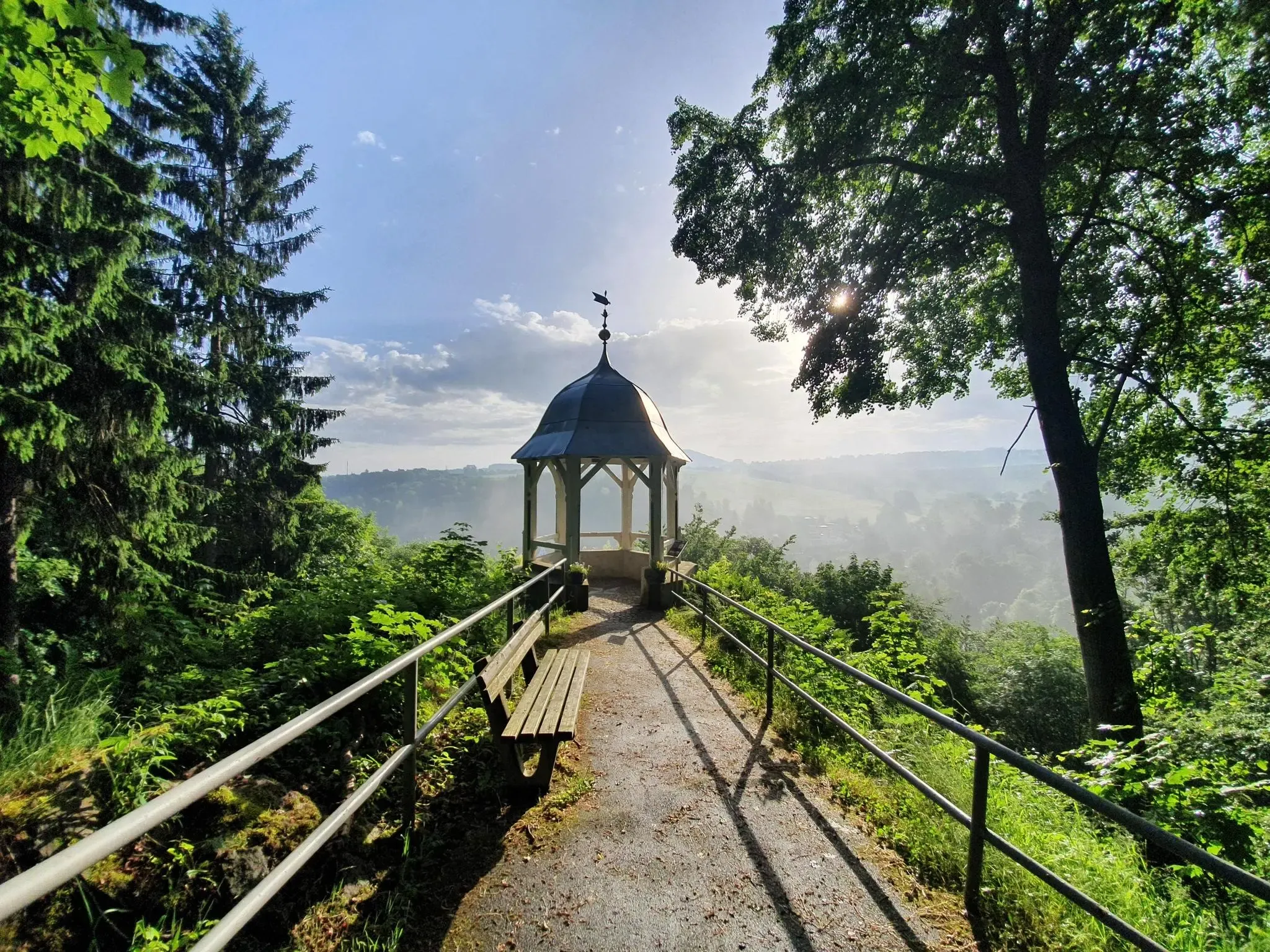
Viewpoint on the Kahleberg
Highlight • Viewpoint
Translated by Google •
Tip by

Sign up for free to discover even more peaks in the Ore Mountains.
Sign up for free
Already have an account?
Start today with a free account
Your next adventure awaits.
Login or Signup
Popular around Ore Mountains
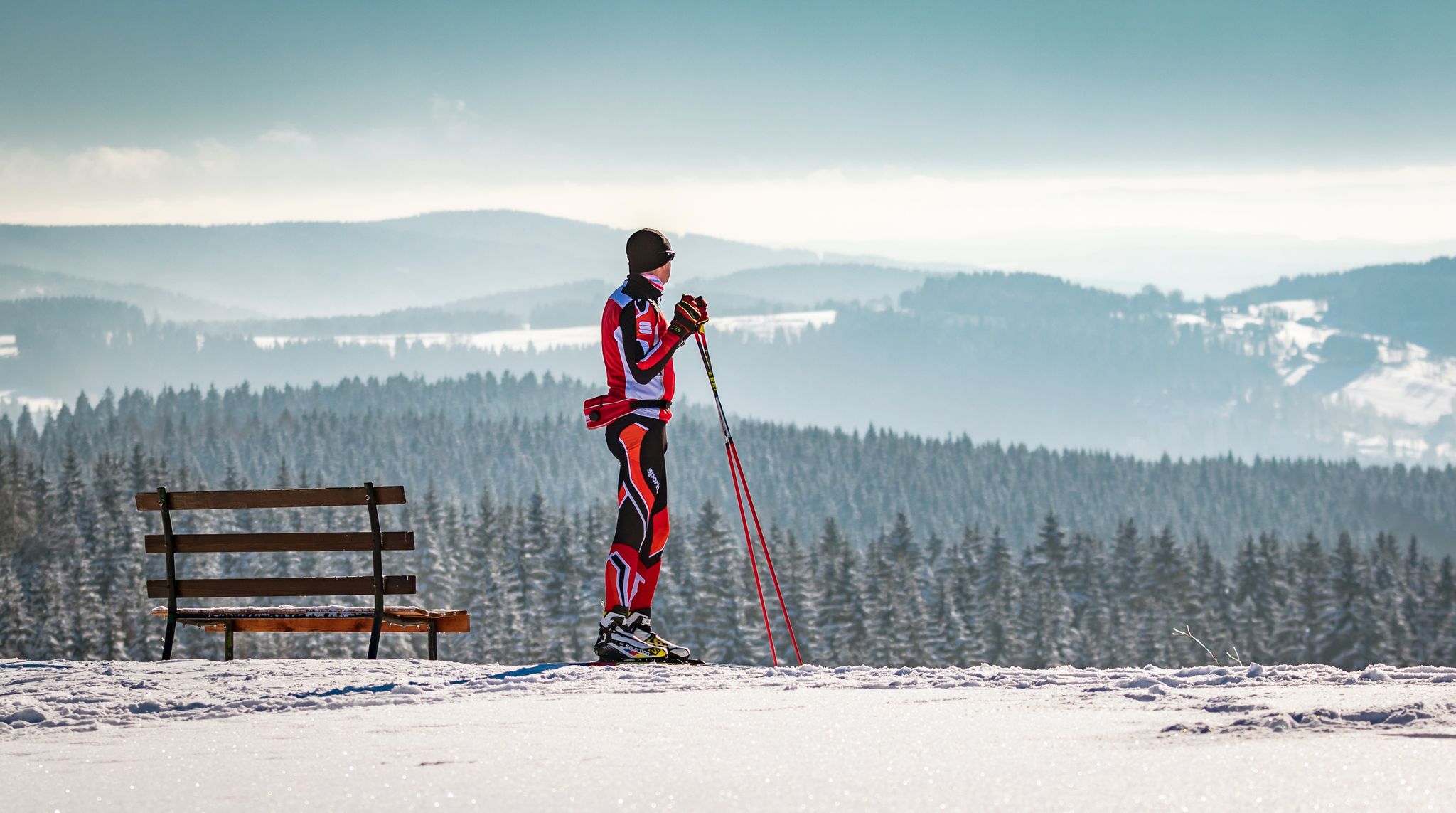
Let it flow! Cross-country skiing in the Ore Mountains
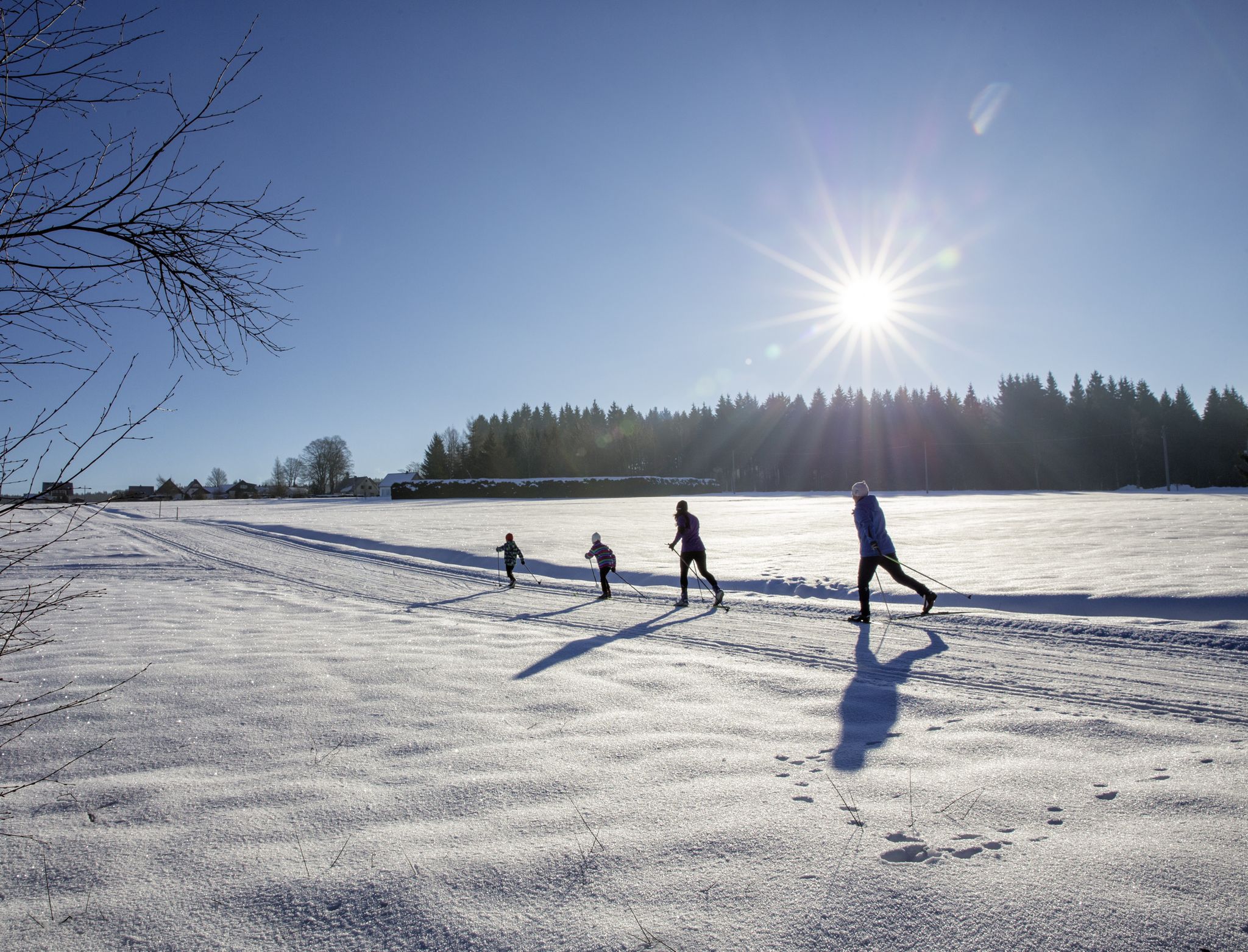
A snowy paradise – winter hiking and cross-country skiing in Germany’s Vogtland
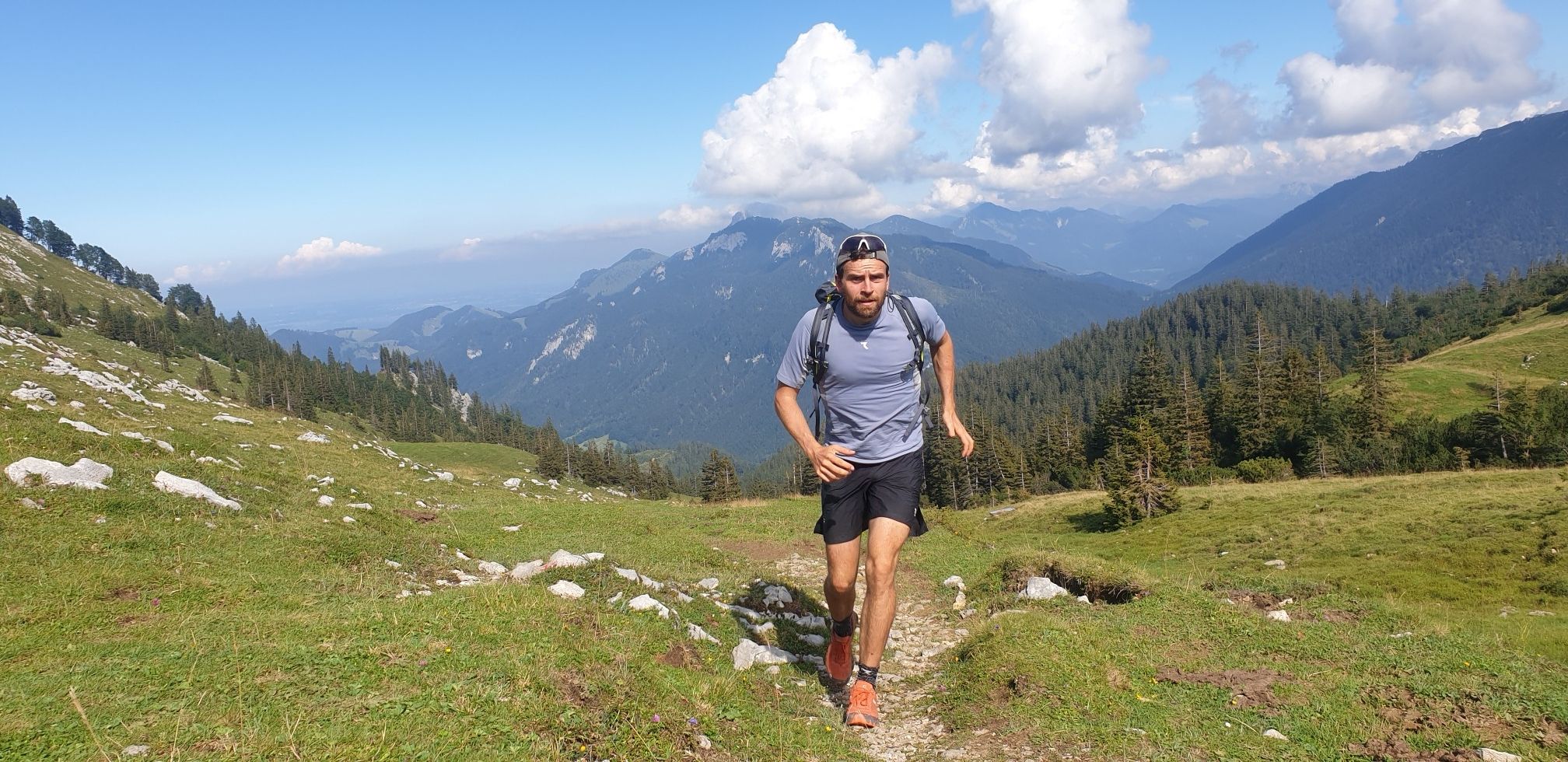
Triathlon around Germany
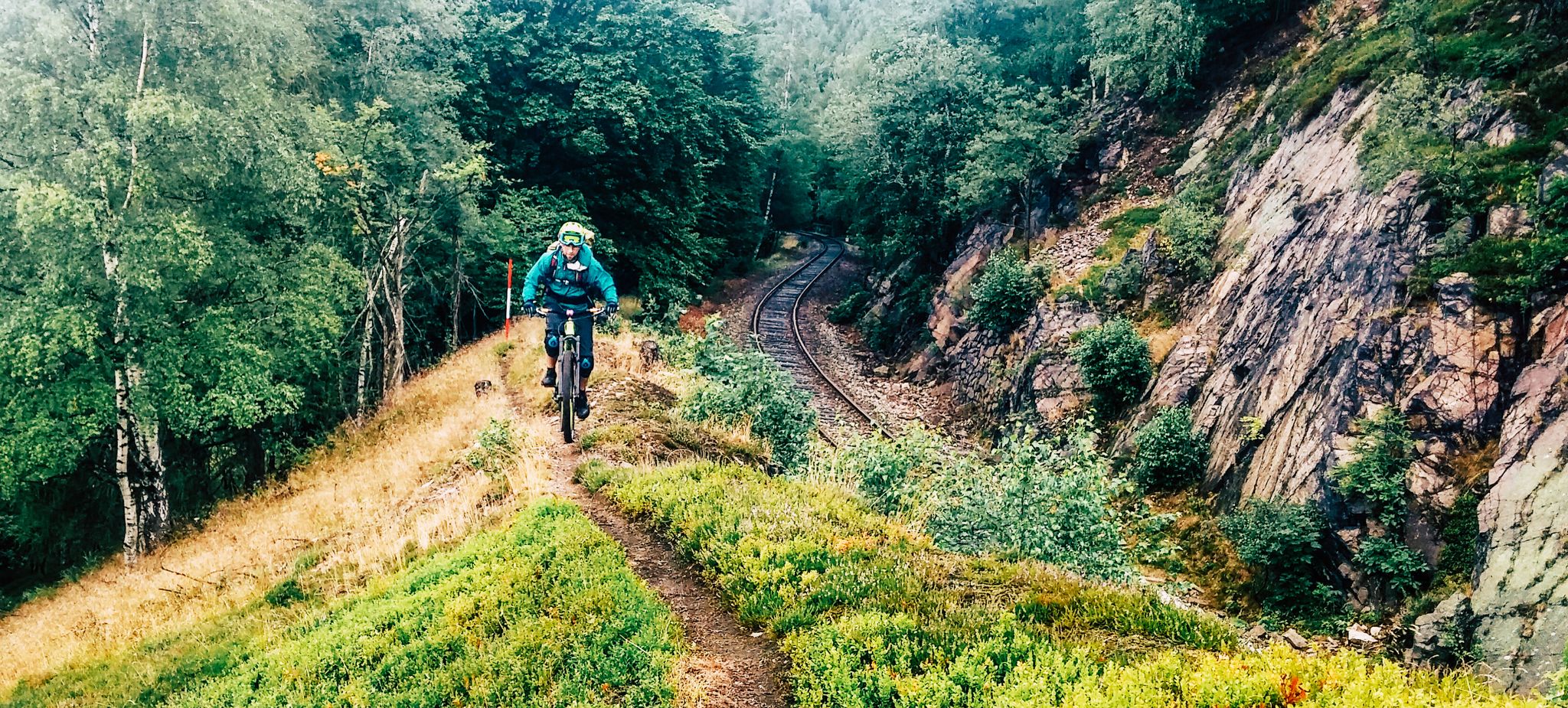
Kammweg Erzgebirge – Border adventure along the Ridgeway

The Stoneman Trail in the Ore Mountains
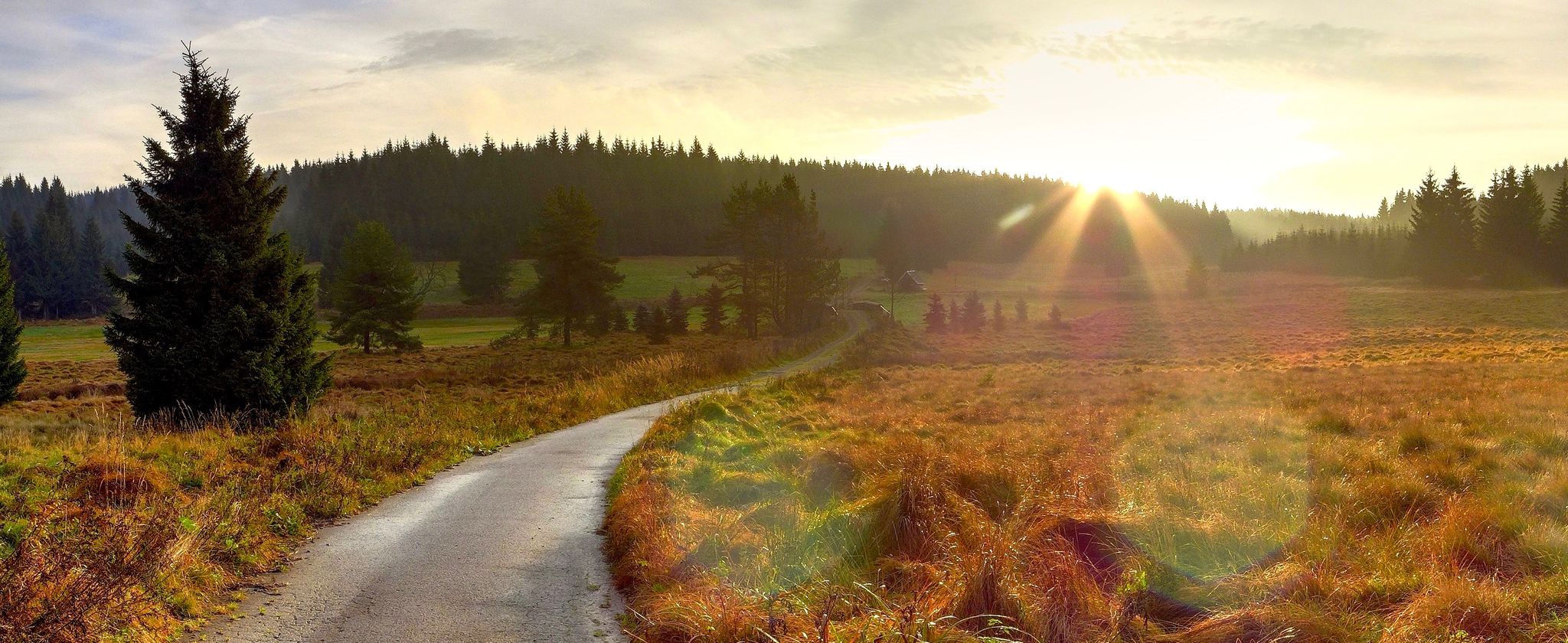
Ore Mountains — between forests and elevation
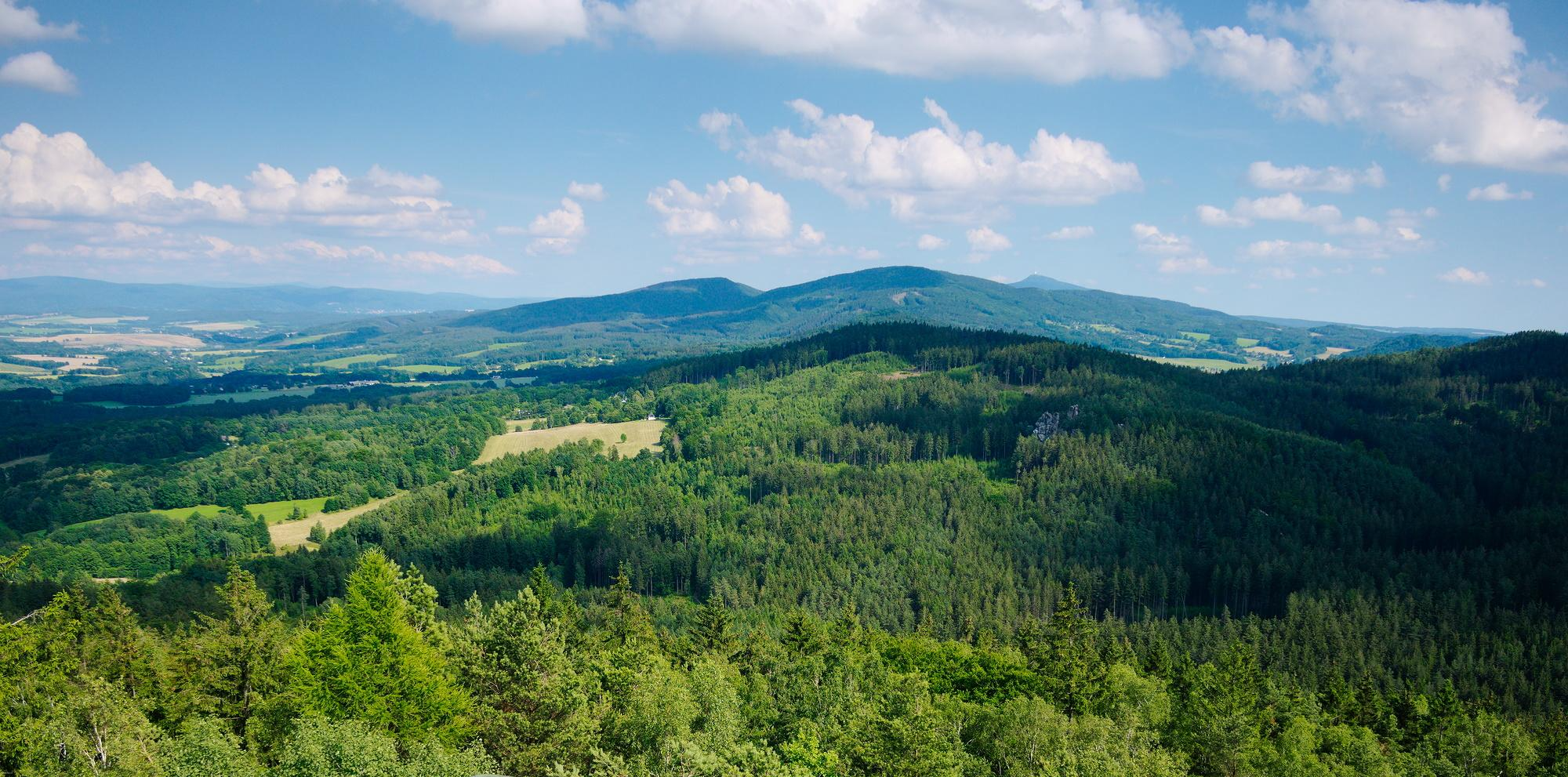
The National Natural Landscapes in Saxony
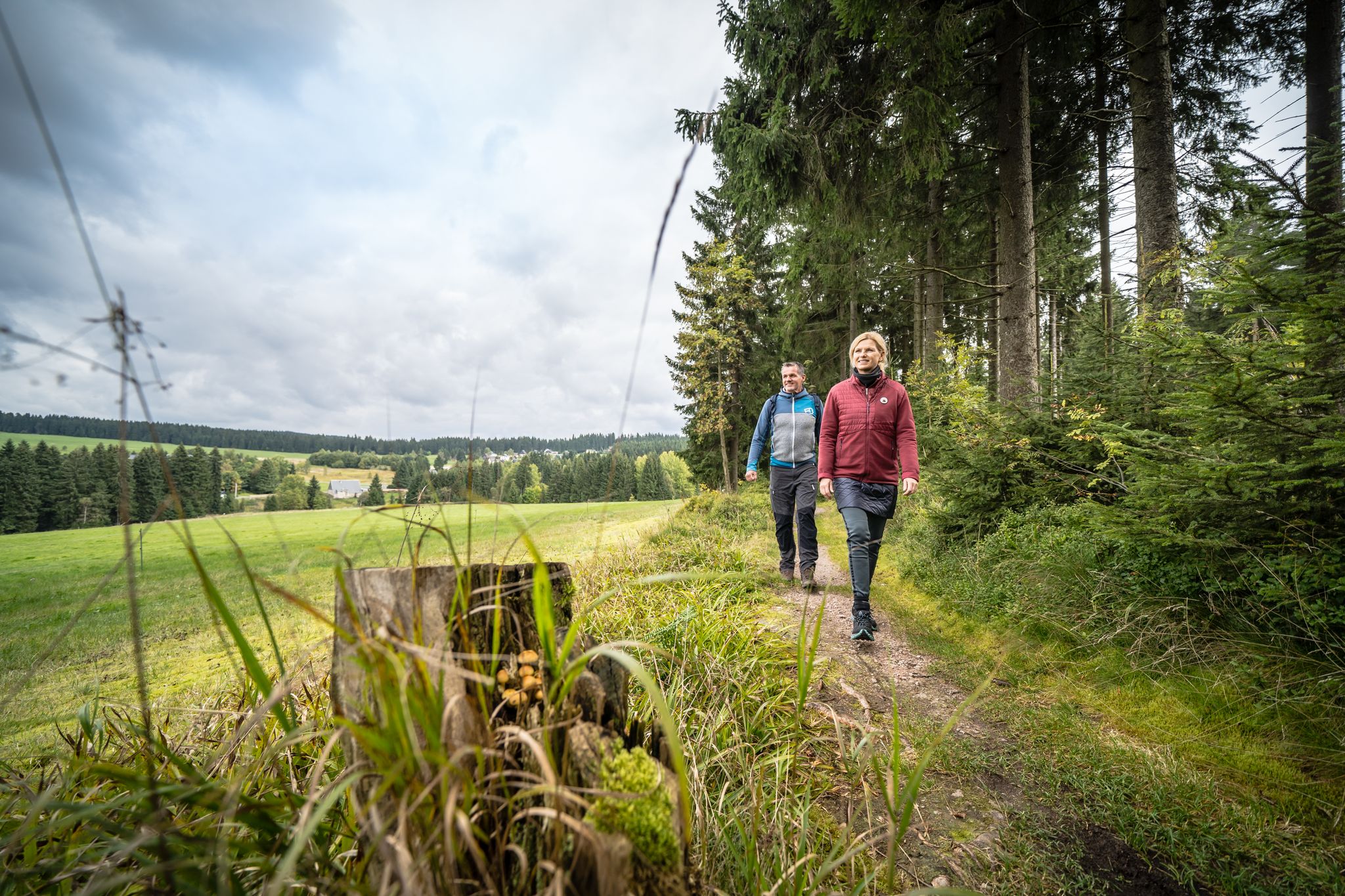
Hiking with heart in the Ore Mountains
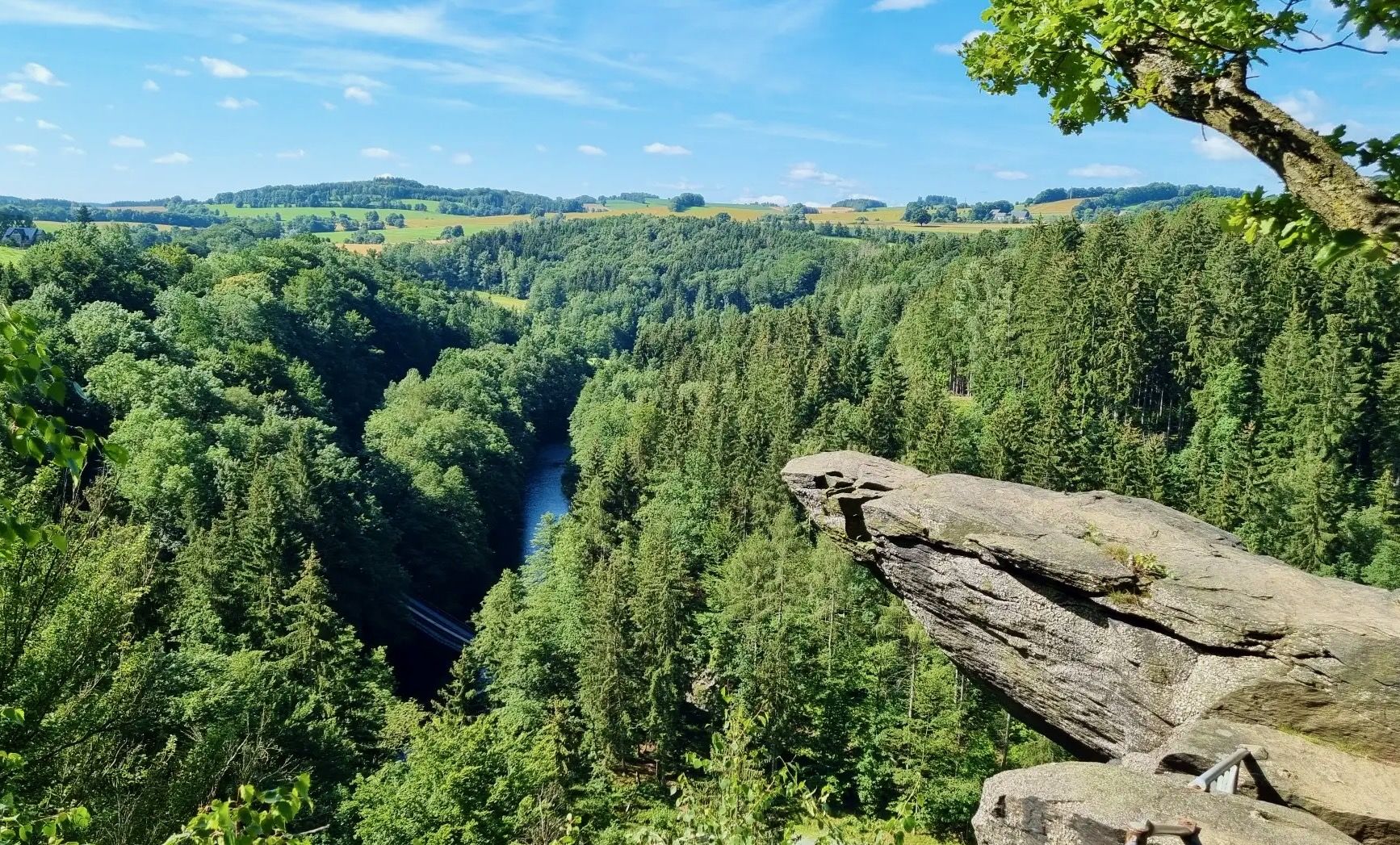
From Fichtelberg to Mulde - The Zschopautal Hiking Trail
#GoFurther – discover the views of Germany!
Other adventures in the Ore Mountains


Tips from the Community

From Kahleberg, you have a great view of the Galgenteiche ponds. There's also a snack bar and some seating. The last stretch to Kahleberg is very rocky.
1
0

The Fichtelberg near Oberwiesenthal in the Erzgebirge district is, at 1214.79 m above sea level, the highest mountain in Saxony. It was also the highest mountain in East Germany (GDR). Together with the nearby Klínovec (Keilberg; 1243.7 m above sea level) on the Czech side, it forms the most important winter sports center in the Erzgebirge. Source and further information: https://de.m.wikipedia.org/wiki/Fichtelberg_(Erzgebirge)
3
0

In 1903, a mountain hut belonging to the Erzgebirge Association on the summit of Bärenstein formed the nucleus of today's guesthouse and hotel with an observation tower. Ten years later, the hut was expanded into a lodging house. After reunification, the mountain house, now run again as a family business, was reconstructed and reopened in 1992, and renovated again in 2021. The mountain hotel, located at an altitude of 898 meters, offers 22 rustic rooms and, as a special attraction, a 27-meter-high observation tower. On September 11, 1944, the tower was damaged during the air battle over the Ore Mountains ("Black Monday"). Bullet holes can still be seen in the spiral staircase.
15
0
The large peace bell on the Fichtelberg had to remain silent for six months in 2024. Stone throwing in May 2022 had so badly damaged the bell that its sound suffered. It was decided to stop ringing it and replace it with a new one. The old bell rang for the last time on Easter Monday 2024. Just in time for the mountain service on German Unity Day on October 3, the new bell was officially rung for the first time in the fall of 2024. The idea of using a peace bell to commemorate the peaceful revolution of 1989 in the GDR and German reunification in 1990 came from watchman Gerd Schlesinger and night watchman Jörg Eller from the Ore Mountains town of Schwarzenberg. The bell was also intended to be heard in neighboring Czechia and thus ring for a united Europe. The cast steel bell, already ninety years old at the time, was rung for the first time in 2010. The new bell was cast in Innsbruck by the Grassmayr company. At 2,700 kilograms, it is about 1,100 kilograms heavier than the old bell.
17
1


According to the map, the actual summit of Kahleberg is on the hiking trail, surrounded by large fir trees. You can't see anything. You have to leave the trail and head towards the slope, where you'll have a beautiful view of the wide open countryside.
1
0


The Fichtelberg near Oberwiesenthal in the Erzgebirge district is, at 1214.79 m above sea level, the highest mountain in Saxony. It was also the highest mountain in East Germany (GDR). Together with the nearby Klínovec (Keilberg; 1243.7 m above sea level) on the Czech side, it forms the most important winter sports center in the Erzgebirge. Source and further information: https://de.m.wikipedia.org/wiki/Fichtelberg_(Erzgebirge)
3
2
Frequently Asked Questions
What are some of the most popular mountain peaks to visit in the Ore Mountains?
Visitors frequently enjoy Schwartenberg Summit and Schwartenberg Hut for its expansive views and refreshment options. Other popular choices include Auersberg Summit and Observation Tower, known for its monument and views of the Eibenstock and Sosa dams, and Bärenstein Summit and Observation Tower, offering views towards Fichtelberg and Klínovec.
Are there family-friendly mountain peaks or walks in the Ore Mountains?
Yes, many peaks in the Ore Mountains are suitable for families. Highlights like Auersberg Summit and Observation Tower and Schwartenberg Summit and Schwartenberg Hut are noted as family-friendly, often featuring facilities like restaurants or playgrounds. The region offers numerous easy hikes, such as the 'Circular route Unterbecken Markersbach - Nature Pure' or the 'Nature trail in the Bürgerwald forest', which are great for all ages. You can find more options in the Easy hikes in the Ore Mountains guide.
What kind of natural features and viewpoints can I expect to see from the peaks?
The peaks in the Ore Mountains offer diverse natural features and scenic viewpoints. From Kahleberg Summit, you can enjoy enchanting views of the Dresden Elbe Valley, the Elbe Sandstone Mountains, and even the Bohemian low mountain range. Katzenstein Lookout provides stunning vistas into the Schwarzwassertal and along rugged rock formations. Many peaks, like Fichtelberg, are natural monuments themselves, surrounded by dense forests.
What historical or man-made monuments can be found on the mountain peaks?
Several peaks feature historical or man-made monuments. The Auersberg Summit and Observation Tower is a notable man-made monument. The Fichtelberg Peace Bell is another significant historical site. The observation tower on Bärenstein Summit, originally built in 1903, has a rich history, including damage during WWII, with bullet holes still visible in its spiral staircase.
What outdoor activities can I do near the mountain peaks in the Ore Mountains?
The Ore Mountains offer a wide range of outdoor activities. You can explore numerous hiking trails, from easy walks to more challenging routes. For cyclists, there are extensive MTB trails and touring bicycle routes. Examples include the 'Black Raven in the Trailcenter Rabenberg' for mountain biking or the 'Cycle tour "Grünes Reiterlein"' for touring. Find more options in the Easy hikes in the Ore Mountains, MTB Trails in the Ore Mountains, and Cycling in the Ore Mountains guides.
Are there places to eat or stay overnight near the mountain peaks?
Yes, many peaks in the Ore Mountains offer facilities for refreshments and sometimes accommodation. For example, the Fichtelberghaus is a hut with restaurant facilities. The Schwartenberg Summit and Schwartenberg Hut provides opportunities for refreshments. The Berghotel Bärenstein, located at Bärenstein Summit, offers rooms and a restaurant, making it a popular excursion destination.
What is the best time of year to hike the mountain peaks in the Ore Mountains?
The Ore Mountains are beautiful year-round, but the best time depends on your preferred activity. Summer offers lush green landscapes and pleasant temperatures for hiking and cycling. Autumn brings vibrant foliage, making it a picturesque time for walks. Winter transforms the region into a snowy wonderland, ideal for winter hiking or cross-country skiing, though specific gear is recommended.
What do visitors enjoy most about the mountain peaks in the Ore Mountains?
Visitors frequently praise the stunning panoramic views, especially from observation towers like those on Auersberg and Bärenstein. The opportunity to combine hiking with historical exploration, such as at the Fichtelberg Peace Bell, is also highly valued. Many appreciate the well-maintained trails and the presence of huts and restaurants for refreshments, like the Schwartenbergbaude, which enhance the overall experience.
Are there easy hiking trails suitable for beginners near the peaks?
Absolutely. The Ore Mountains offer several easy hiking trails perfect for beginners. Routes like the 'Circular route Unterbecken Markersbach - Nature Pure' and the 'Nature trail in the Bürgerwald forest' are designed with lower difficulty, making them accessible. These trails often wind through forests and offer gentle ascents. For more details, refer to the Easy hikes in the Ore Mountains guide.
Can I find circular walks around the mountain peaks?
Yes, the region features many circular walks that allow you to explore the peaks and return to your starting point. These routes often incorporate viewpoints, huts, or other points of interest. For example, the 'Sosa Reservoir – Sosa Dam loop from Sosa' is an easy circular route. You can discover more options by exploring the various hiking guides available for the Ore Mountains.
What is the highest peak in the Ore Mountains?
The highest peak in the German part of the Ore Mountains is Fichtelberg, standing at 1,215 meters (3,986 feet) above sea level. It is a prominent landmark and a popular destination for hikers and winter sports enthusiasts.
Are there any hidden gem hikes or less crowded peaks to explore?
While popular peaks attract many visitors, the Ore Mountains also offer quieter trails and less-known spots. Exploring areas slightly off the main routes can lead to serene forest paths and secluded viewpoints. For instance, the Kahleberg Summit, while offering great views, can provide a more tranquil experience with its beautiful forest paths.
Most popular routes in the Ore Mountains
Most popular attractions in the Ore Mountains

Get inspired with the komoot mobile app


Explore more
See even more amazing summits in the Ore Mountains with these guides:
