Attractions and Places To See in Lower Austria - Top 20
Best attractions and places to see in Lower Austria include a diverse range of historical landmarks, natural features, and cultural sites. This region, surrounding Vienna, is characterized by the Danube River, the Wachau Valley, and mountainous areas like Schneeberg. Visitors can explore ancient Roman sites, Baroque abbeys, and picturesque vineyards. The landscape offers opportunities for cycling, hiking, and discovering traditional wine culture.
Best attractions and places to see in Lower Austria
- The most popular attractions is Dürnstein Castle Ruins, a castle that was built in the 12th century above the town of Dürnstein. It is famous as the place where Richard the Lionheart was imprisoned.
- Another must-see spot is Wachau Vineyards Route, a cycle way that leads directly through the vineyards with moderate climbs. It offers a scenic cycling experience through terraced vineyards.
- Visitors also love Troppberg Observation Tower, a viewpoint offering great views in all directions. It provides panoramic views of the surrounding landscape.
- Lower Austria is known for historical sites, natural parks, and extensive cycling routes. The region offers a variety of attractions to see and explore, from ancient ruins to modern viewpoints.
- The attractions in Lower Austria are appreciated by the komoot community, with more than 9600 highlights, over 300 photos, and more than 1700 upvotes.
Last updated: October 10, 2026
Tulln Danube River Promenade
Highlight • Viewpoint
Translated by Google •
Tip by

Spitz on the Danube
Highlight • Settlement
The narrow alleys and old houses in Renaissance and Baroque style convey a journey back in time to the Middle Ages. The noteworthy town hall square is a central meeting point with charming pubs and shops. Hinterhaus Castle ruin, a medieval castle ruin, towers above the village and offers spectacular views of the Wachau.
Spitz is idyllically situated between the Danube and the famous vineyards of the Wachau, offering one of the most beautiful backdrops in the region. The village is perfectly suited as a destination or stopover for a bike tour. The place combines nature, history, and enjoyment in a unique way.
Showing Translation
Tip by

Sign up now to discover places like this
Get recommendations on the best single tracks, peaks, & plenty of other exciting outdoor places.
Melk Abbey
Highlight • Religious Site
Translated by Google •
Tip by

Wachau Vineyards Route
Highlight • Cycleway
For me, one of the most beautiful, if not the most beautiful, sections of this route through the Wachau. 🚴🏻♂️👌 A region with a rich and fascinating history. Simply a great tour, a relaxed bike ride while taking in the beautiful views and amazing perspectives. Highly recommended!
Translated by Google •
Tip by
Northern tip of the Danube Island
Highlight • Viewpoint
Translated by Google •
Tip by
Nibelungen Monument
Highlight • Monument
Translated by Google •
Tip by
Habsburgwarte on the Hermannskogel
Highlight • Monument
Translated by Google •
Tip by

Danube Cycle Path Along the Danube
Highlight • Cycleway
Translated by Google •
Tip by

Inlet structure at the northern end of the Donauinsel (Danube Island)
Highlight • Structure
Translated by Google •
Tip by
Troppberg Observation Tower
Highlight • Viewpoint
Translated by Google •
Tip by

Sign up for free to discover even more attractions in Lower Austria.
Already have an account?
Start today with a free account
Your next adventure awaits.
Popular around Lower Austria
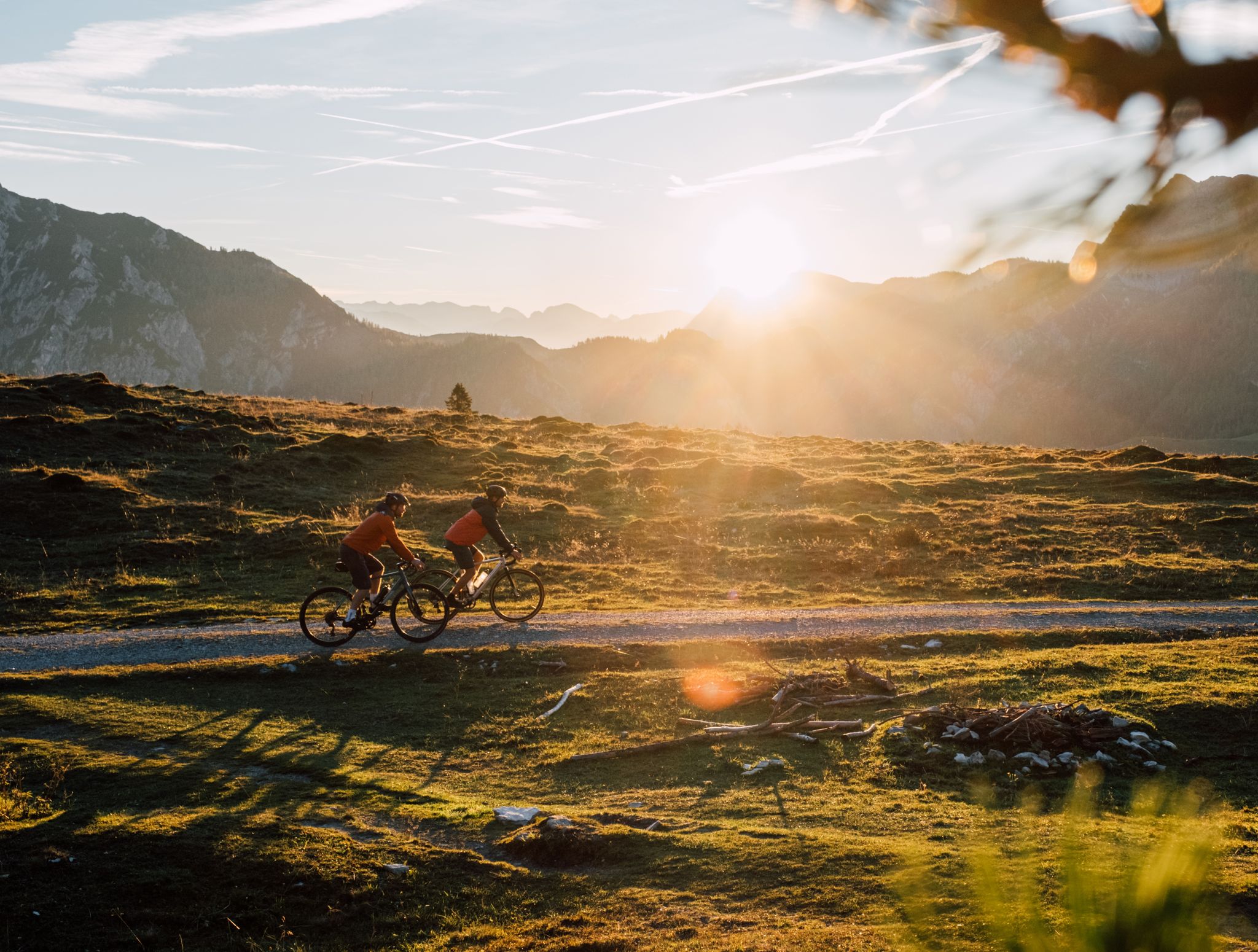
Beyond the pavement – explore Austria's wild nature on a gravel bike
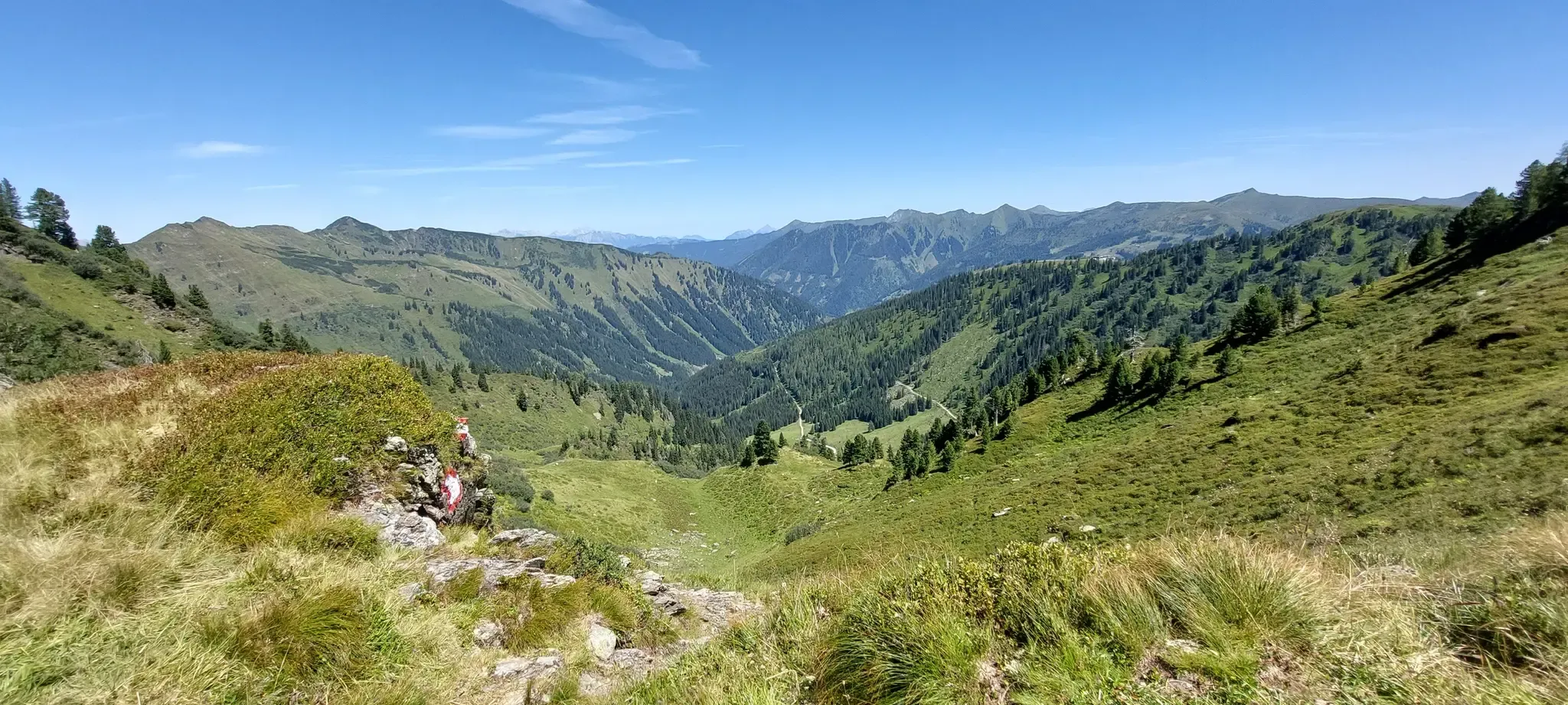
Central Alps Trail Eastern Section – Discover Austria
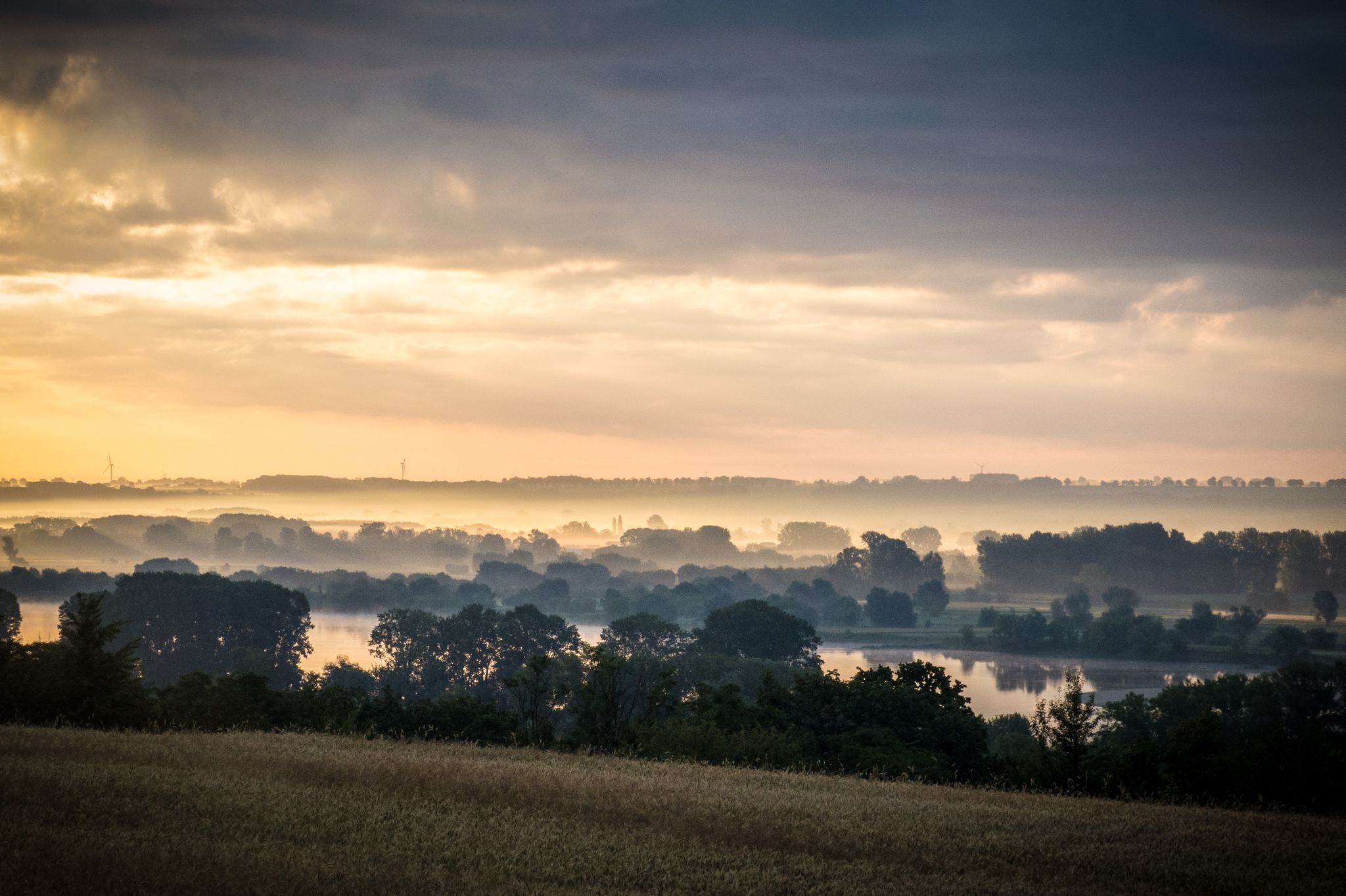
EuroVelo 9 – The Amber Route from the Baltic to Adriatic Sea
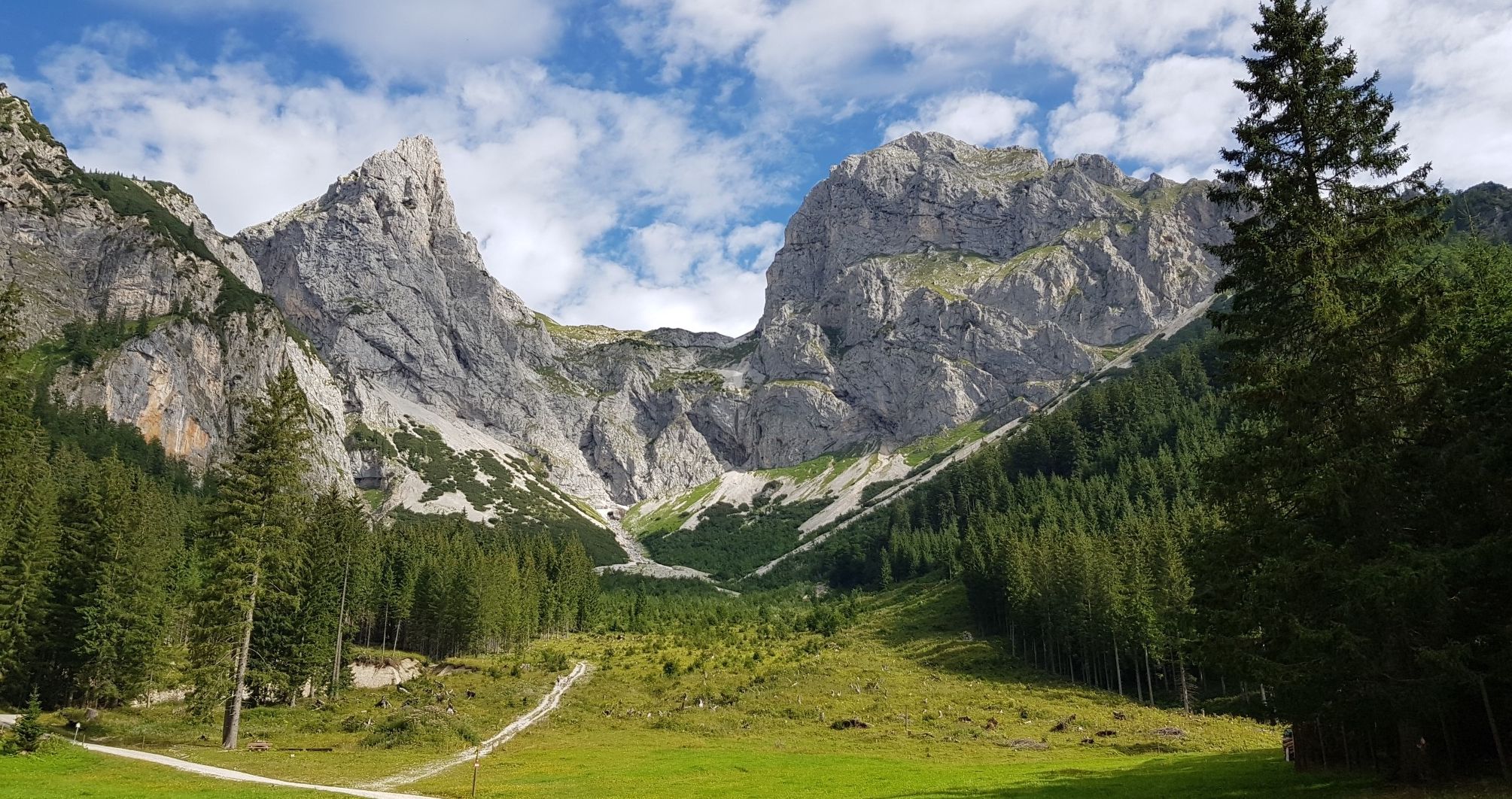
North Alpine Trail 01 – Hike across Austria in 49 days
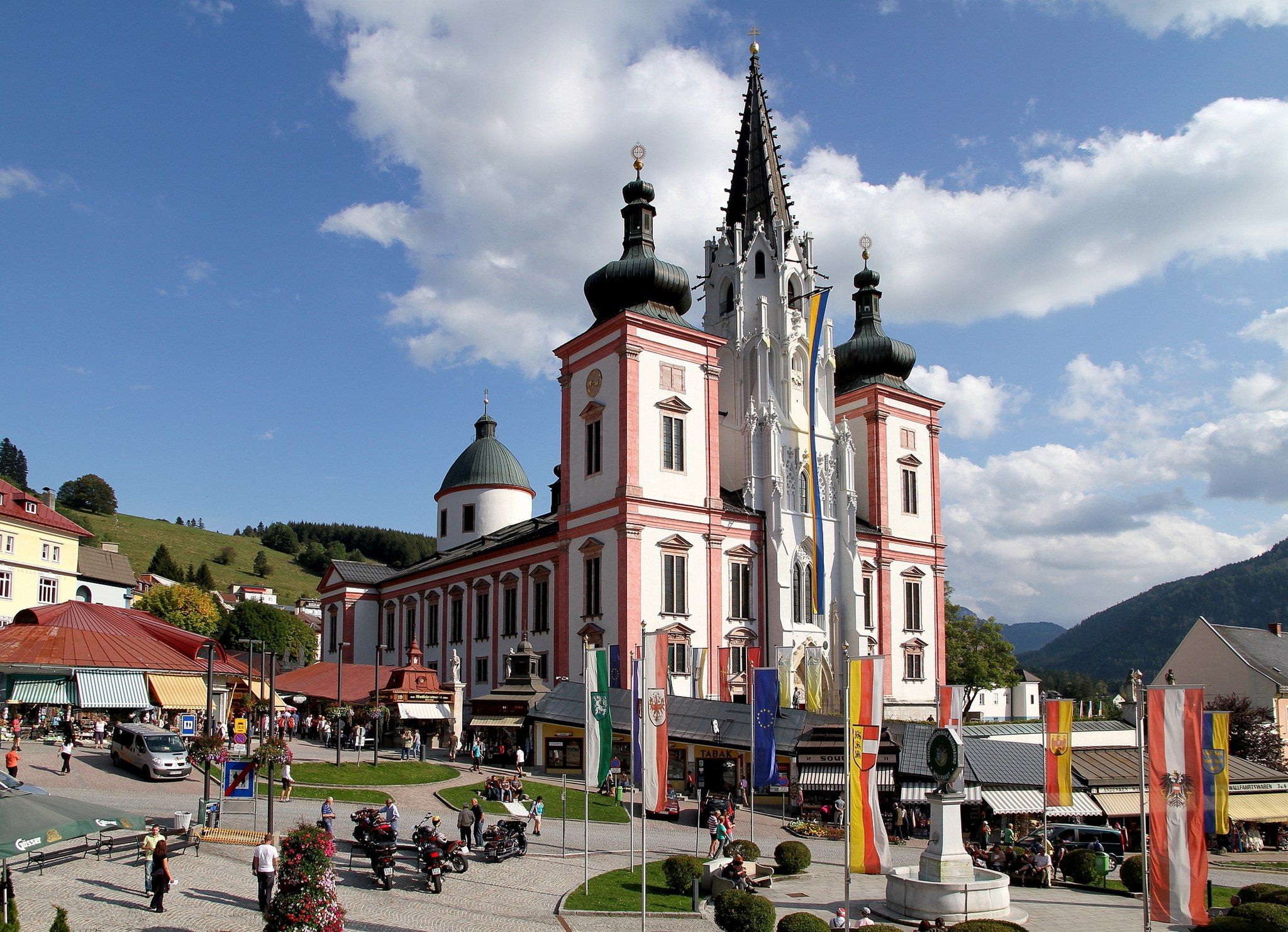
Wiener Wallfahrerweg 06 – A pilgrimage through Lower Austria
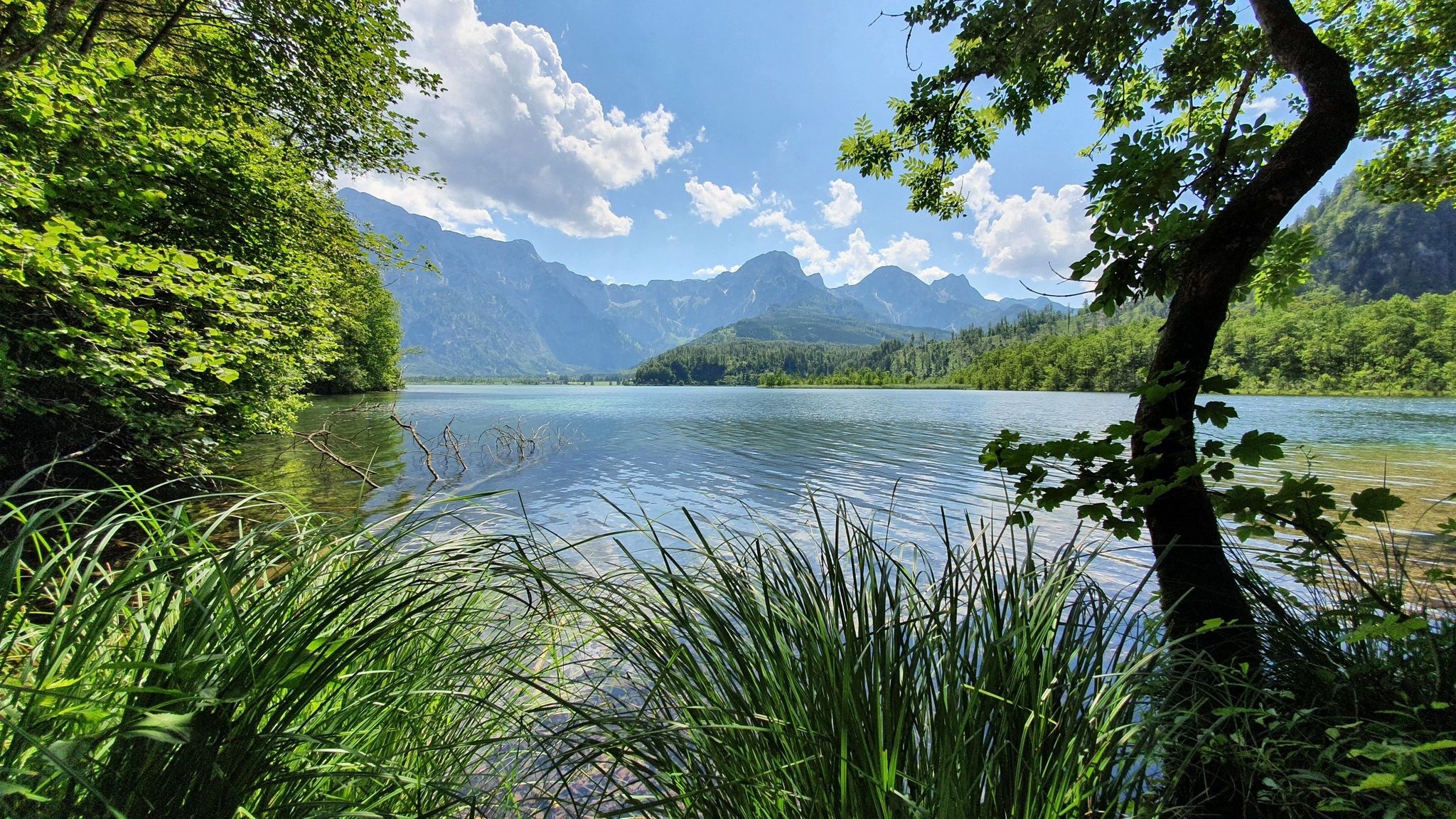
Voralpenweg 04 – From Vienna to Bad Reichenhall
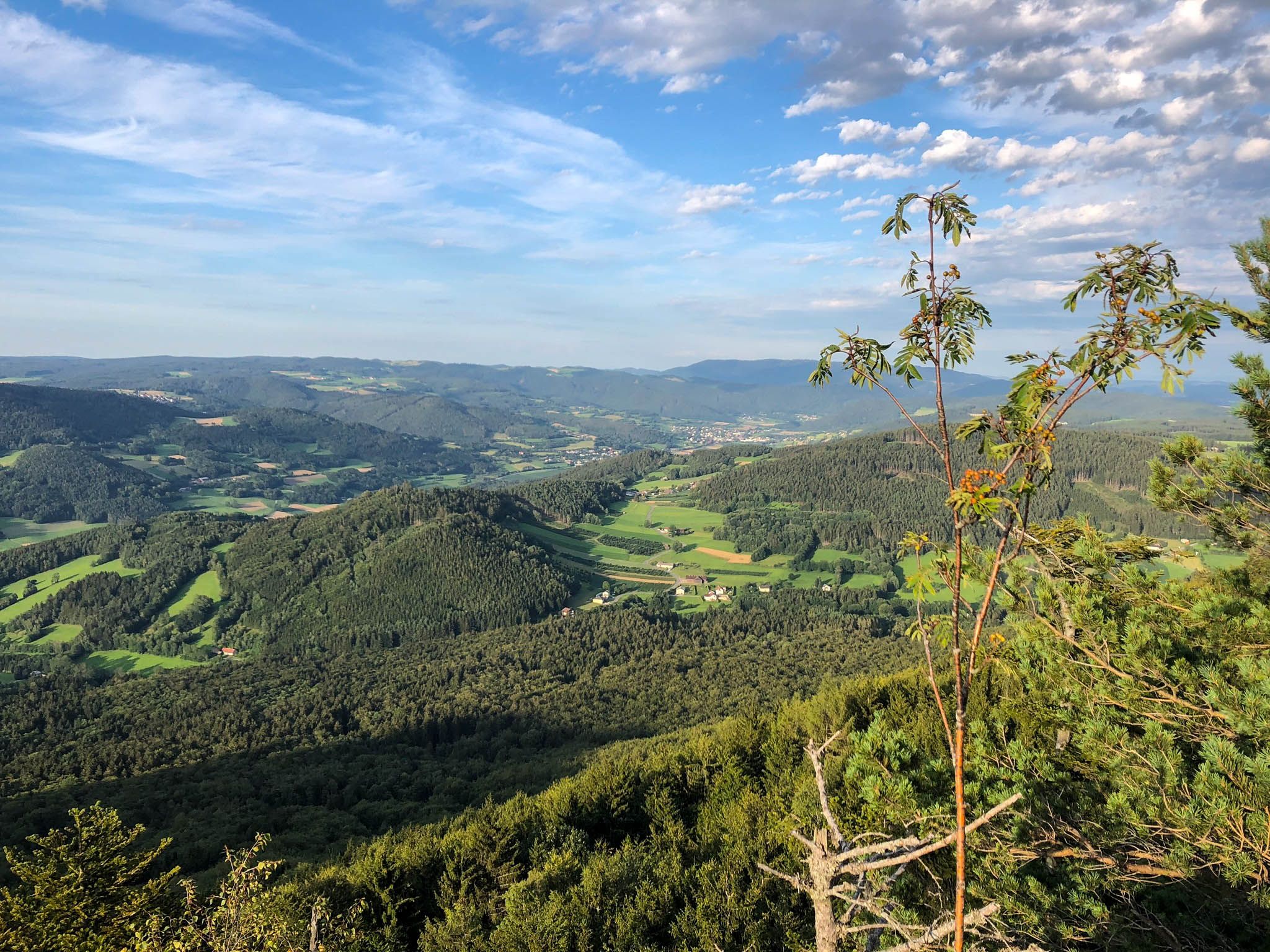
Ysper-Weitental circular hiking trail – Unwind in Austria
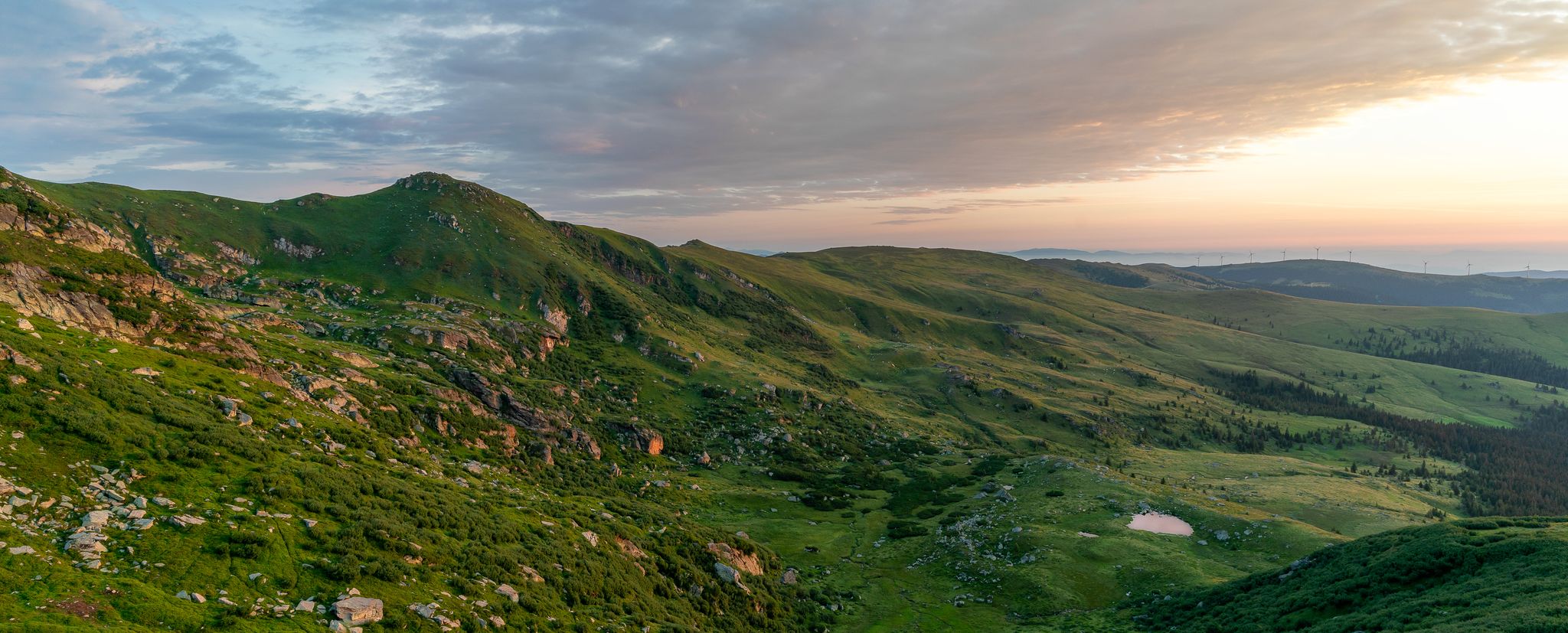
North-South Trail through Austria – Small country, big paths!
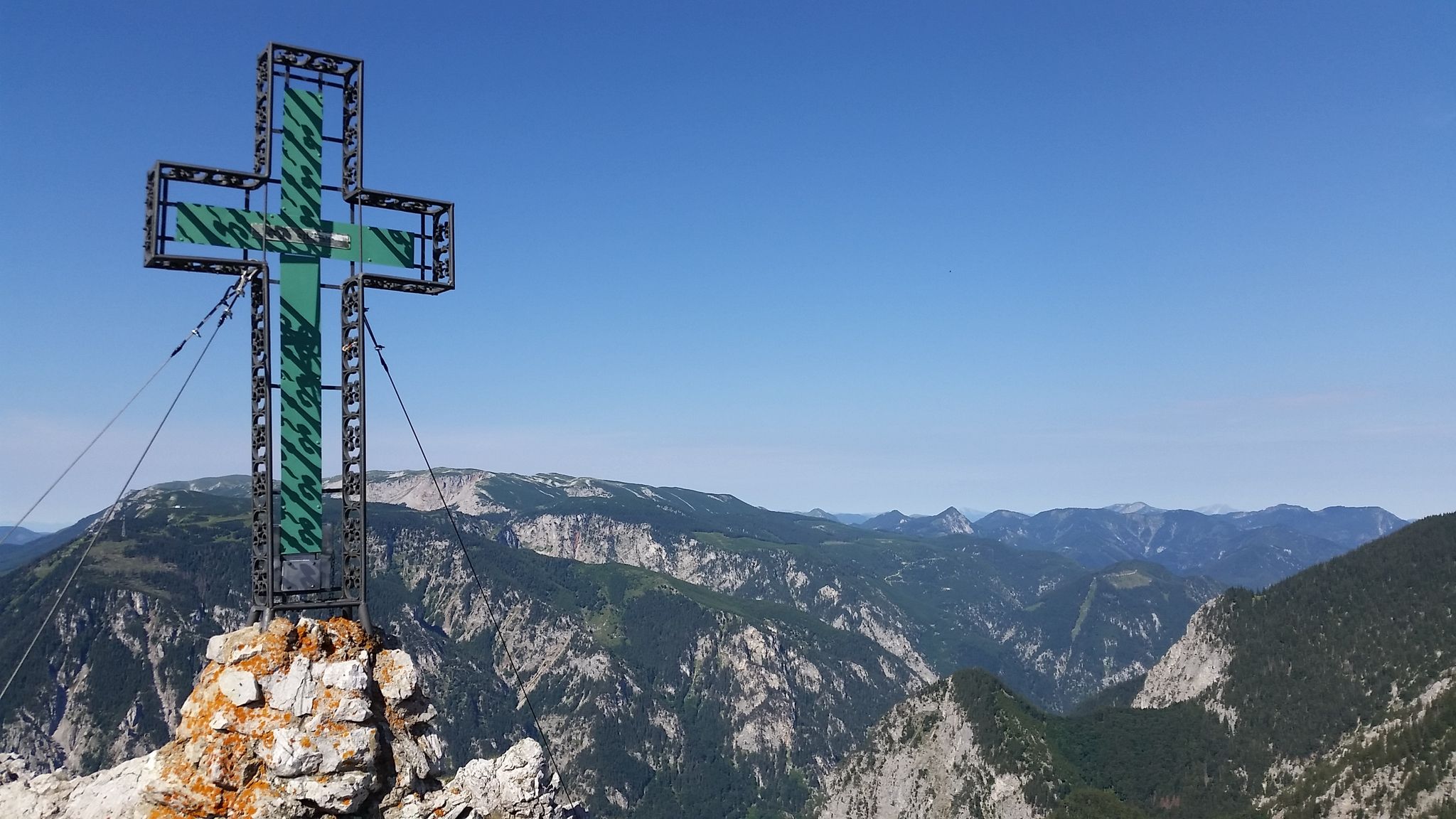
Viennese Alpenbogen – Lower Austria's most beautiful peaks
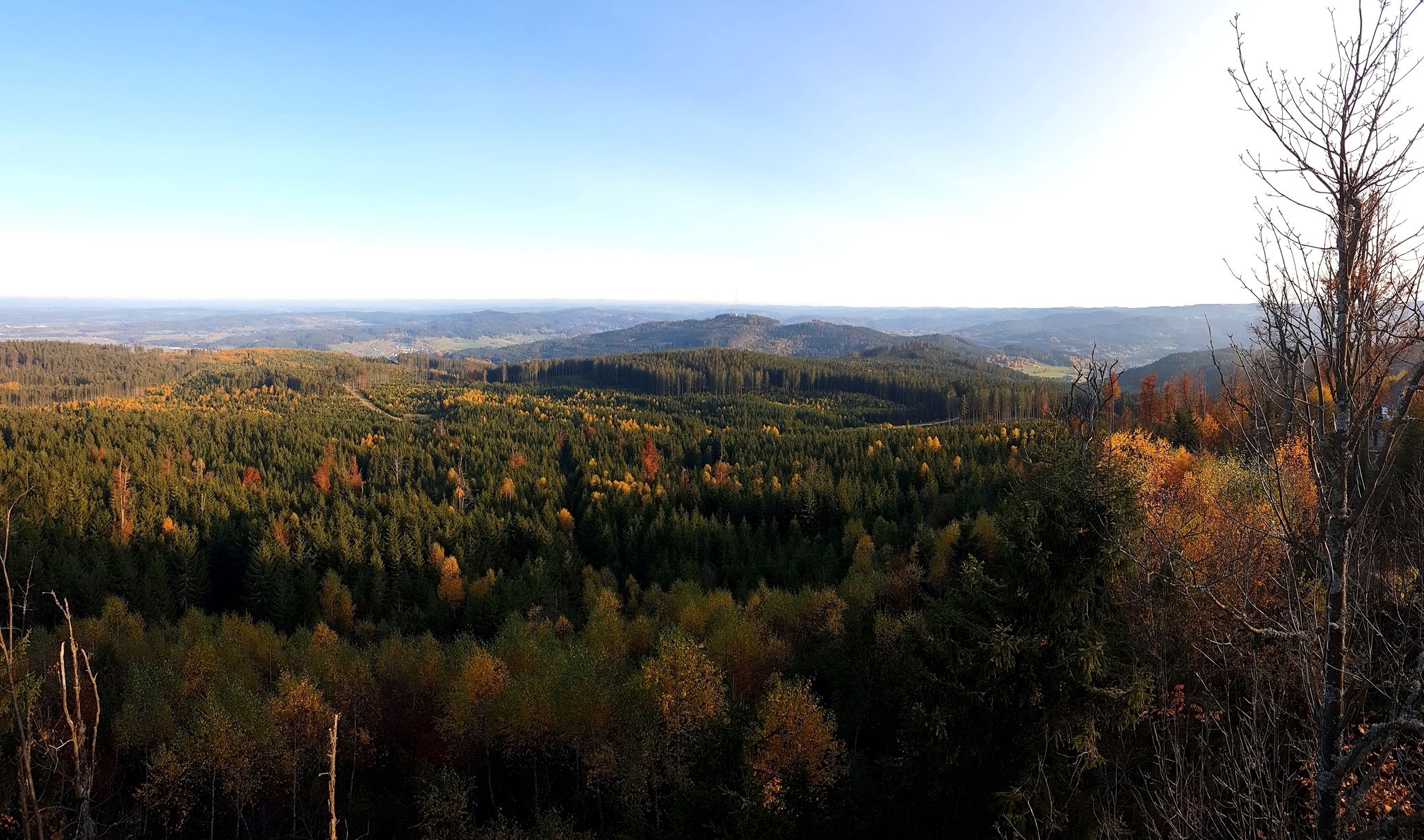
Nordwaldkamm trail – Hiking between the Czech Republic and Austria
Other adventures in Lower Austria


Tips from the Community

Very relaxed ride along the Danube!
0
0

Top route super beautiful nature
0
0

The Wachau vineyards near Weißenkirchen extend above the Danube and characterize the landscape along the Danube Cycle Path. From here, sweeping views of the terraced vineyards and the surrounding hills open up. The route is mostly flat and well-maintained, allowing cyclists to easily explore the wine-growing landscape. Wineries along the way invite you to sample the wines, and the combination of nature, culture, and viticulture makes the tour particularly attractive for cyclists.
3
0
The cycling tour from Weißenkirchen to Dürnstein leads through the picturesque vineyards of the Wachau region, offering magnificent views of the Danube and the terraced vineyards. Along the way, you pass charming wine villages, small cellar lanes, and numerous wineries that invite you to take a short break or enjoy a wine tasting. The route perfectly combines nature, culture, and culinary delights, showcasing the historic landscape with its baroque churches, castle ruins, and verdant hills in all its diversity.
2
0


Danube Island North Tip - always good for a trip
2
0


Along the vineyards, a beautiful panorama
3
1
Frequently Asked Questions
What historical landmarks should I visit in Lower Austria?
Lower Austria is rich in history. Don't miss the impressive Melk Abbey, a magnificent Baroque Benedictine abbey and UNESCO World Heritage Site. The Dürnstein Castle Ruins are also a must-see, famous as the place where Richard the Lionheart was imprisoned. Other notable historical sites include Schloss Hof, a grand Baroque palace, and the ancient Roman city of Carnuntum with its striking Heidentor.
Where can I find the best natural attractions and scenic views in Lower Austria?
For breathtaking natural beauty, explore the UNESCO World Heritage Wachau Valley, known for its terraced vineyards and picturesque Danube scenery. The Ötscher-Tormäuer Nature Park, often called the 'Grand Canyon of Austria,' offers spectacular gorges and waterfalls. You can also enjoy panoramic views from the Troppberg Observation Tower or the Habsburgwarte on the Hermannskogel.
Are there family-friendly attractions in Lower Austria?
Yes, many attractions in Lower Austria are suitable for families. The Tulln Danube River Promenade offers a pleasant stroll, and the historic town of Spitz on the Danube is charming for all ages. The Melk Abbey and Troppberg Observation Tower are also noted as family-friendly in the komoot community. Additionally, the Schneeberg Railway offers an exciting journey to the summit of Lower Austria's highest mountain.
What cycling routes are recommended in Lower Austria?
Lower Austria is a cyclist's paradise. The Wachau Vineyards Route offers a scenic experience directly through terraced vineyards with moderate climbs. The famous Danube Cycle Path also runs through the region, allowing you to explore riverside areas and stop at traditional Heuriger. For more options, check out the 'Cycling in Lower Austria' guide, which includes routes like the 'Donau-Schatz-Tour' and the 'Weinviertel DAC Cycling Tour' at komoot.com/guide/616/cycling-in-lower-austria.
Where can I go hiking to see waterfalls in Lower Austria?
Lower Austria offers beautiful waterfall hikes. The Ötscher-Tormäuer Nature Park features stunning waterfalls and gorges. You can find specific routes in the 'Waterfall hikes in Lower Austria' guide, such as 'Waterfall – Mamauwiese Puchberg am Schneeberg' and 'To Sebastian Waterfall – Rax and Schneeberggruppe'. Explore these routes and more at komoot.com/guide/3517790/waterfall-hikes-in-lower-austria.
What cultural experiences can I have in Lower Austria?
Immerse yourself in Lower Austria's culture by visiting the traditional Wine Cellar Lanes, especially in the Weinviertel region, which are recognized as an intangible cultural heritage. Explore the Baroque old town of St. Pölten, the provincial capital, or the historic charm of Krems an der Donau, a center of wine culture. The Art Mile Krems also offers insights into art, history, and science.
What is the best time to visit Lower Austria for outdoor activities?
The spring and autumn months are ideal for hiking and cycling, with pleasant temperatures and beautiful scenery, especially during the grape harvest season (September-October) when Weinherbst celebrations are in full swing. Summer is great for activities around Lunz am See, Lower Austria's only natural lake, and for exploring the Vienna Woods. Winter offers opportunities for skiing and mountaineering on Schneeberg.
Are there any wheelchair-accessible attractions in Lower Austria?
Yes, some attractions in Lower Austria are wheelchair accessible. The Steiner Gate in Krems, a significant historical monument, is noted as wheelchair accessible. When planning your visit, it's always recommended to check specific accessibility details for other sites.
What are some unique experiences related to wine in Lower Austria?
Lower Austria is renowned for its wine culture, particularly in the Wachau Valley, famous for Grüner Veltliner and Riesling. A unique experience is visiting the traditional Heuriger (new wine taverns) where you can taste local wines and cuisine. The grape harvest season in September-October is particularly vibrant with Weinherbst celebrations, offering a deep dive into the region's winemaking traditions.
What do visitors enjoy most about the attractions in Lower Austria?
Visitors frequently praise the stunning views, rich history, and diverse natural landscapes. The komoot community highlights the breathtaking beauty from places like Dürnstein Castle Ruins and the scenic experience of cycling the Wachau Vineyards Route. The tranquil towns like Spitz on the Danube, combining nature, history, and enjoyment, are also highly appreciated.
Can I find challenging hiking trails in Lower Austria?
Yes, Lower Austria offers trails for various difficulty levels, including challenging climbs. The Ötscher-Tormäuer Nature Park, with its deep gorges, provides more demanding routes. For example, the 'Ötschergräben Gorge – Lassing case loop from Josefsberg' and 'Hike between Mitterbach and Wienerbruck through gorges and over high ground' are listed as difficult in the 'Waterfall hikes in Lower Austria' guide at komoot.com/guide/3517790/waterfall-hikes-in-lower-austria.
Are there any hidden natural gems to explore in Lower Austria?
Beyond the well-known sites, the Thayatal National Park offers a wild and romantic landscape of dense deciduous forests, providing a habitat for shy animals like the European wildcat. Lunz am See, Lower Austria's only natural lake in the Ybbstal Alps, is another serene beauty, perfect for swimming, kayaking, and hiking away from the main tourist paths.
Most popular routes in Lower Austria
Most popular attractions in Lower Austria

Get inspired with the komoot mobile app


Didn’t find what you were looking for?
Are you keen on exploring more awesome places nearby? Browse our guides:
Explore more
Still not found the Highlight you’re looking for? See guides of the top attractions in other regions:
