Top 20 Castles in Brandenburg
Best castles in Brandenburg offer a journey through diverse architectural styles and historical periods. This state in northeastern Germany is characterized by its extensive forests, lakes, and rivers, providing a scenic backdrop for its numerous historical sites. Brandenburg's landscape features flat plains and rolling hills, making it suitable for various outdoor activities. The region holds significant cultural importance, with many castles and palaces reflecting centuries of Prussian history and European events.
Best castles in Brandenburg
- The most popular castles is…
Last updated: October 9, 2026
Great Spreewald Harbor, Lübbenau
Highlight • Rest Area
Food and drink are also available everywhere.
Translated by Google •
Tip by

Sanssouci Palace
Highlight • Castle
Translated by Google •
Tip by

Sign up now to discover places like this
Get recommendations on the best single tracks, peaks, & plenty of other exciting outdoor places.
Lübben
Highlight • Castle
Translated by Google •
Tip by

Dammsmühle Castle
Highlight • Castle
Translated by Google •
Tip by

New Palace and Colonnades, Sanssouci Park
Highlight • Castle
Showing Translation
Tip by

Marble Palace
Highlight • Castle
Translated by Google •
Tip by

Rheinsberg Palace
Highlight • Castle
Translated by Google •
Tip by

Lübbenau Castle
Highlight • Castle
Translated by Google •
Tip by

Diedersdorf Castle
Highlight • Castle
schlossdiedersdorf.de
Showing Translation
Tip by
Sacrow Palace
Highlight • Castle
The castle has emerged from a former mansion of …
Translated by Google •
Tip by

Sign up for free to discover even more castles in Brandenburg.
Already have an account?
Start today with a free account
Your next adventure awaits.
Popular around Brandenburg
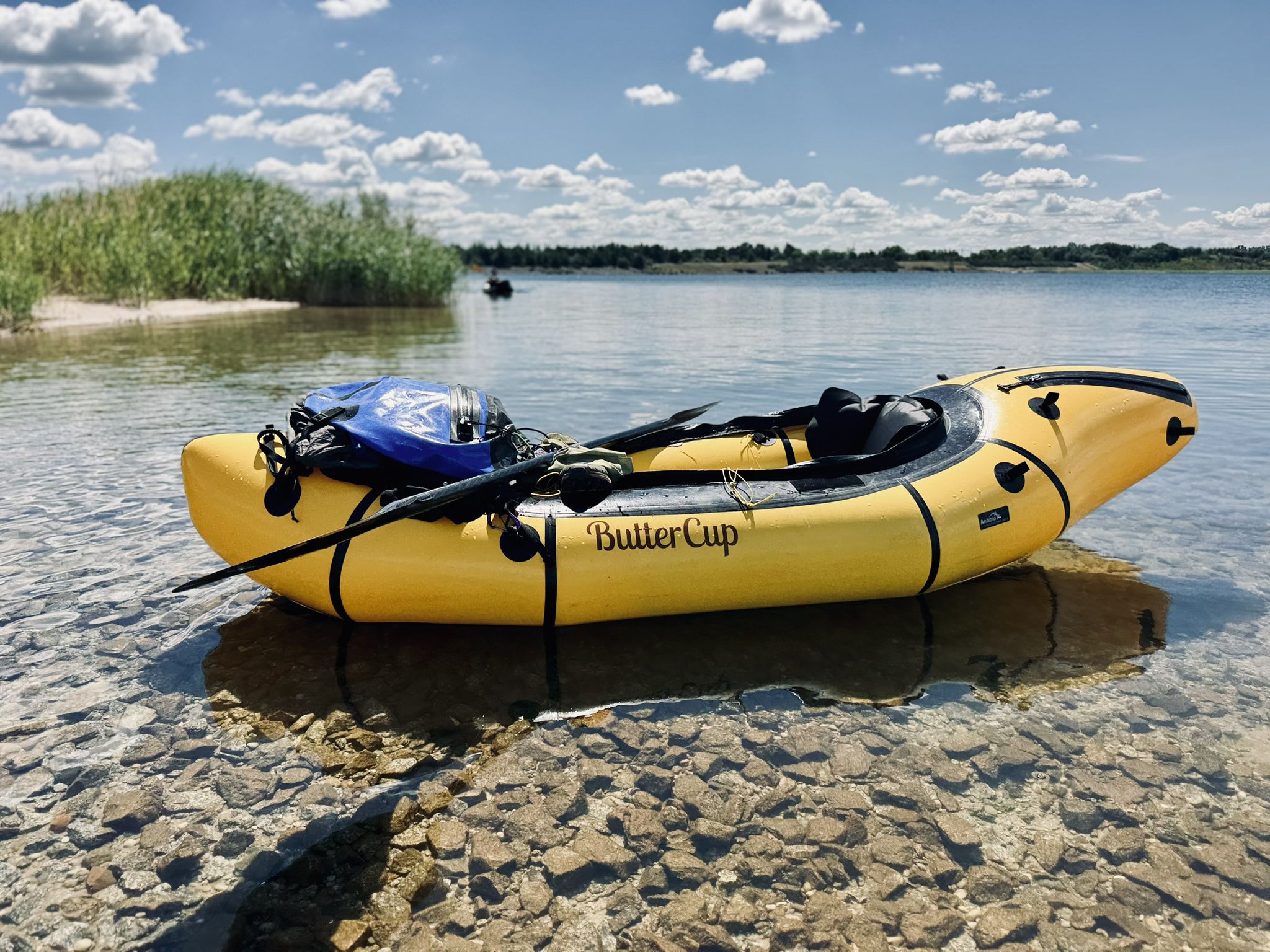
Paddling Paradise Lusatian Lake District – Five Lakes, One Network
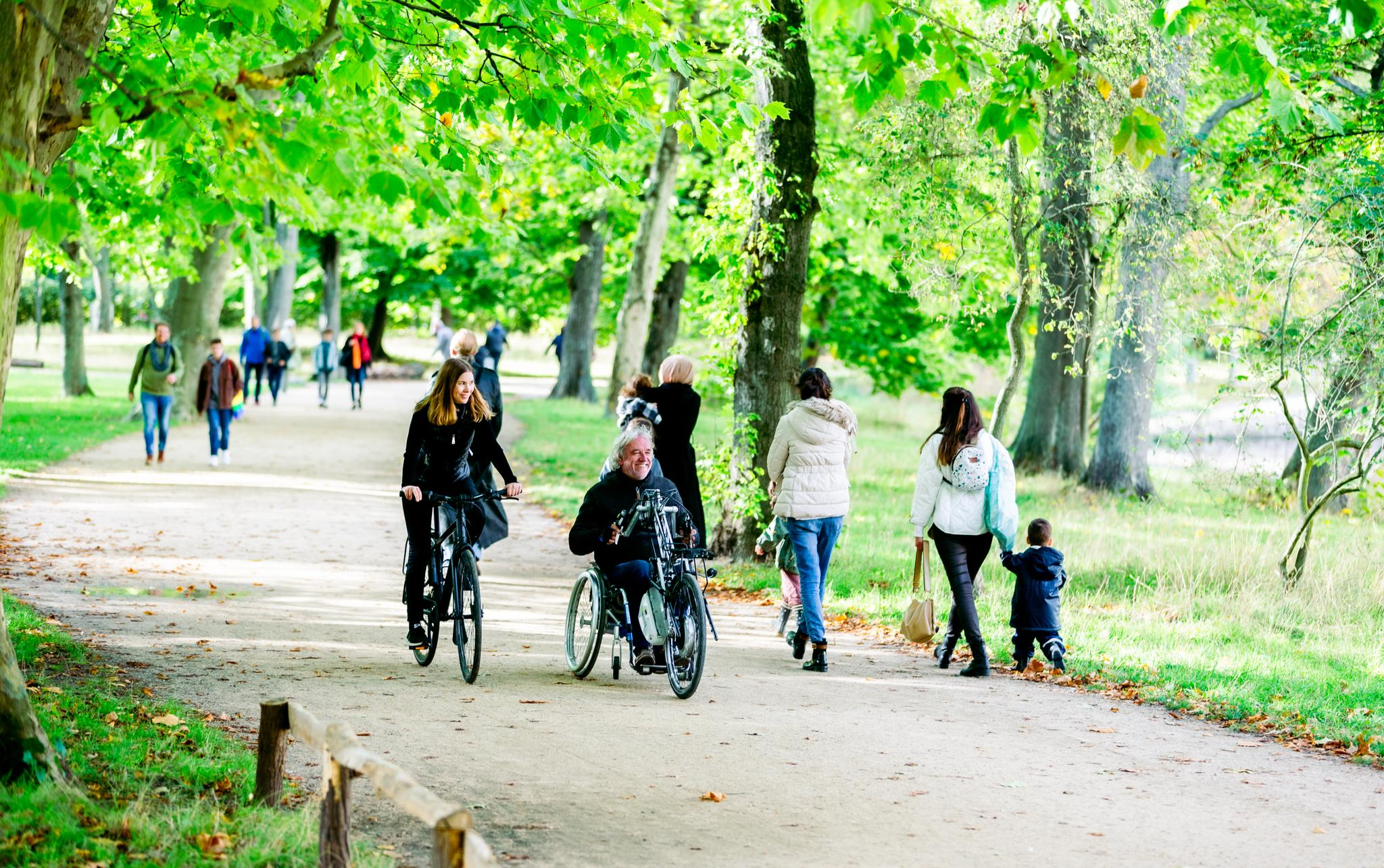
On relaxed paths through the capital – handcycling Berlin
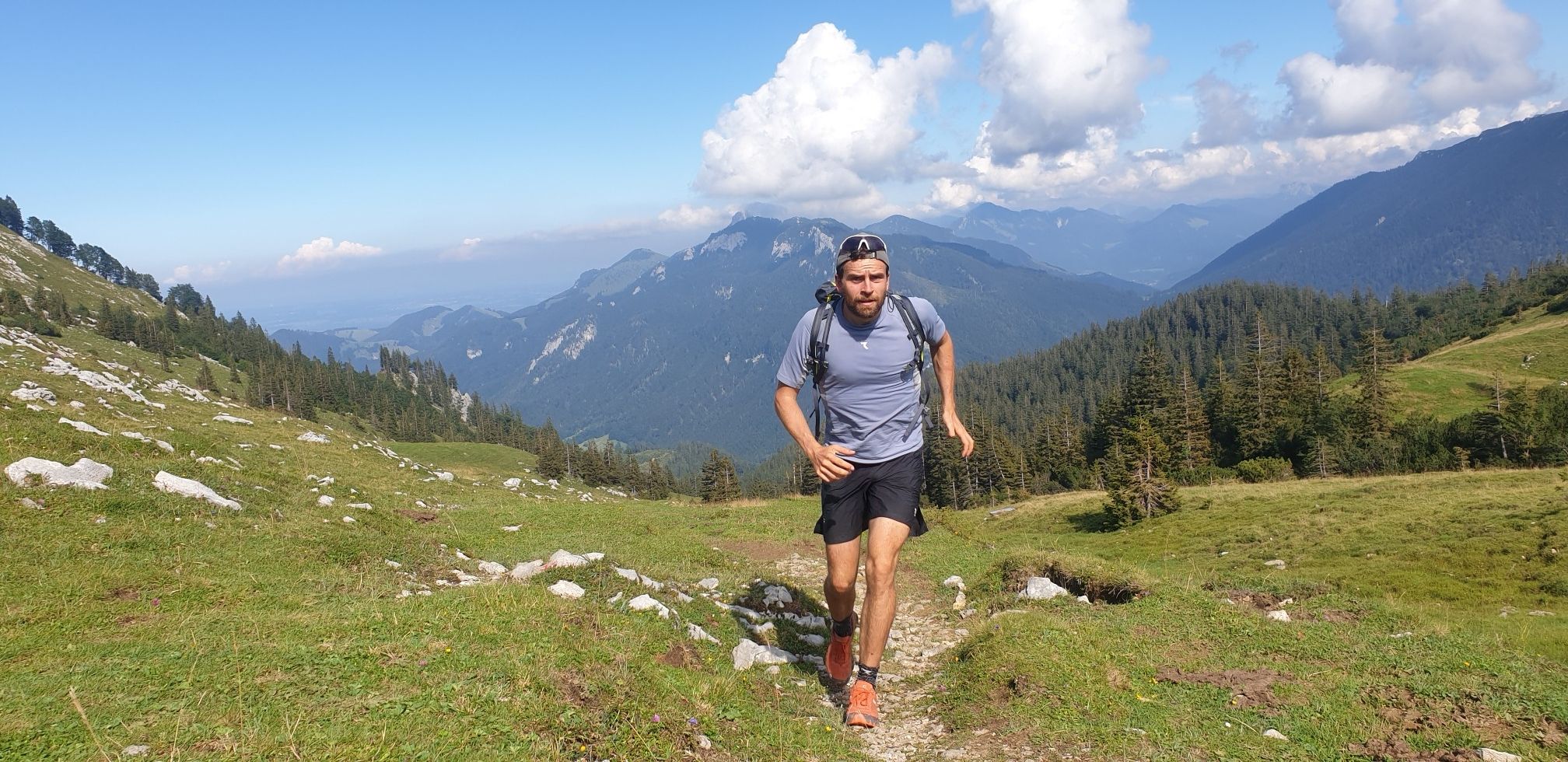
Triathlon around Germany
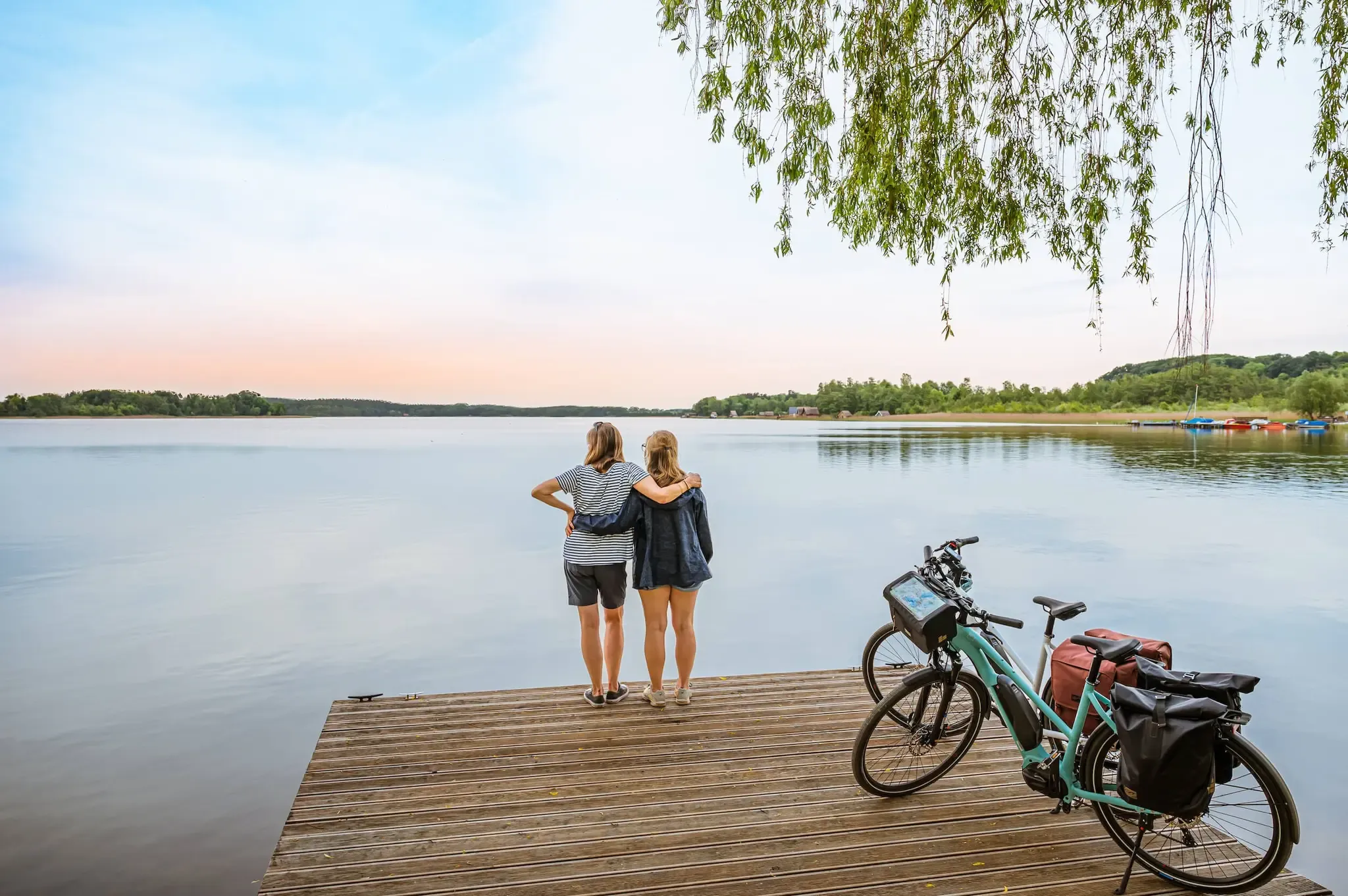
The long distance bicycle route Berlin-Copenhagen
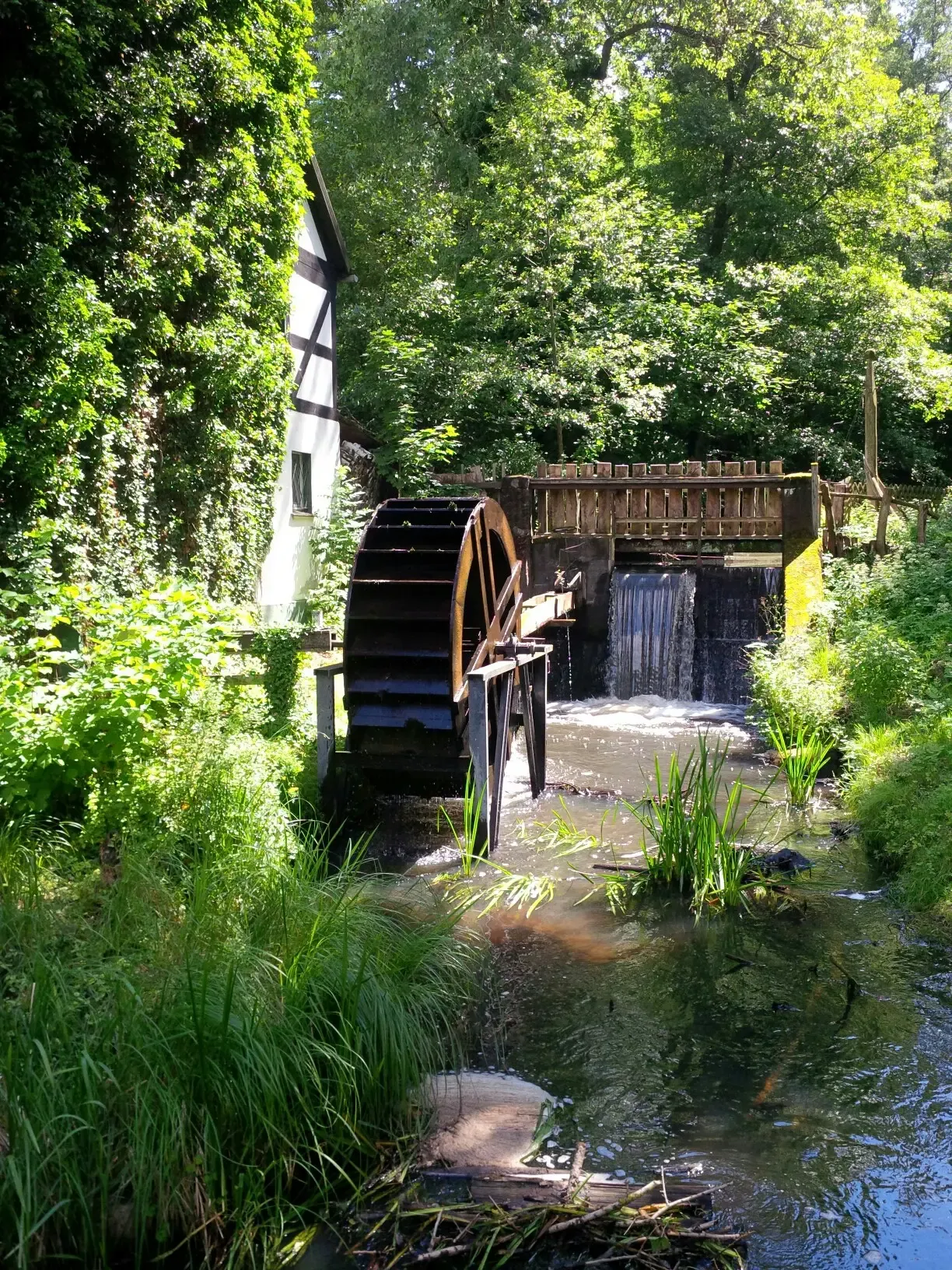
Mill Hiking Trail – The Schlaubetal hiking paradise
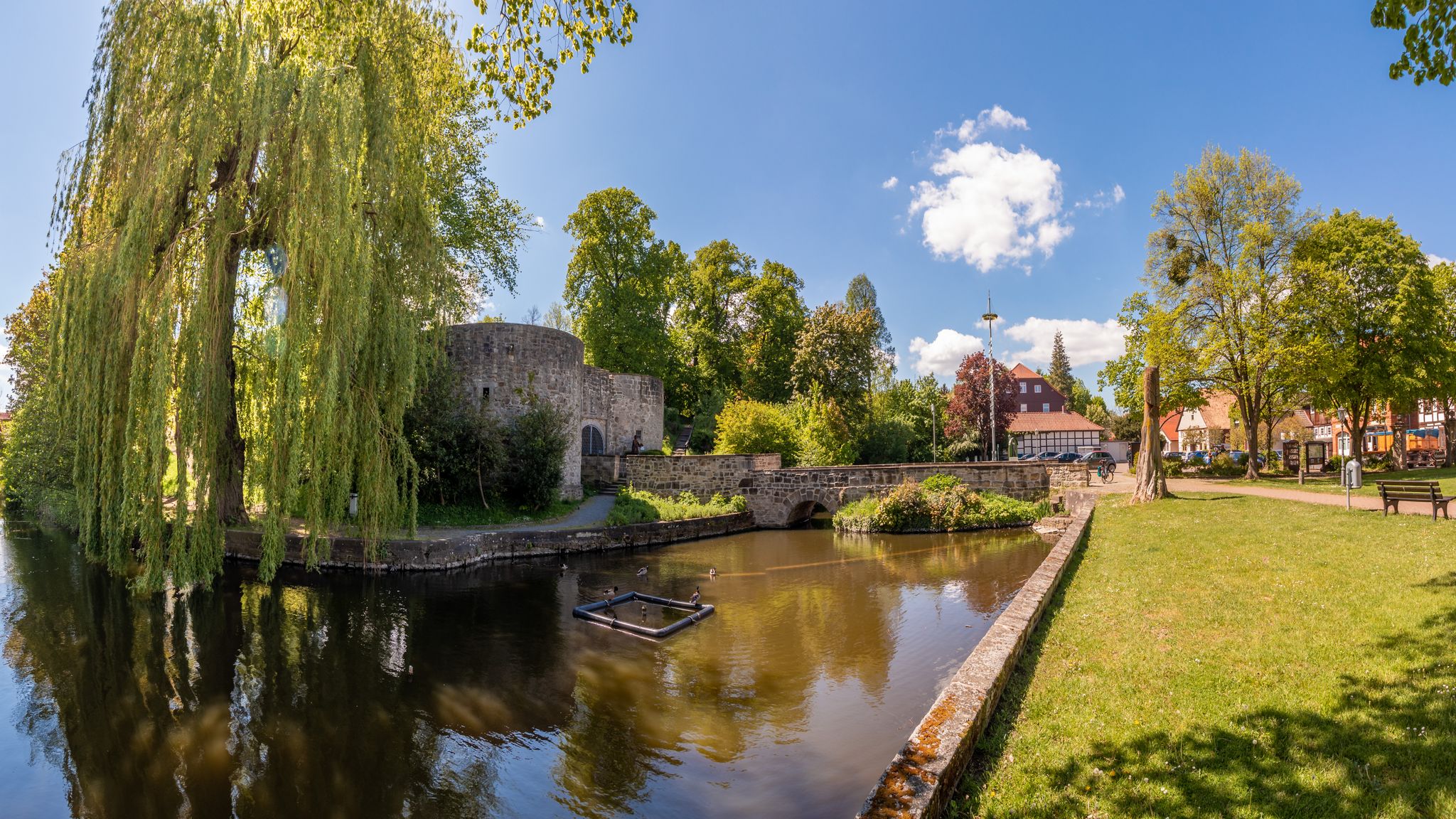
Berlin-Hameln Cycle Route – From West to East
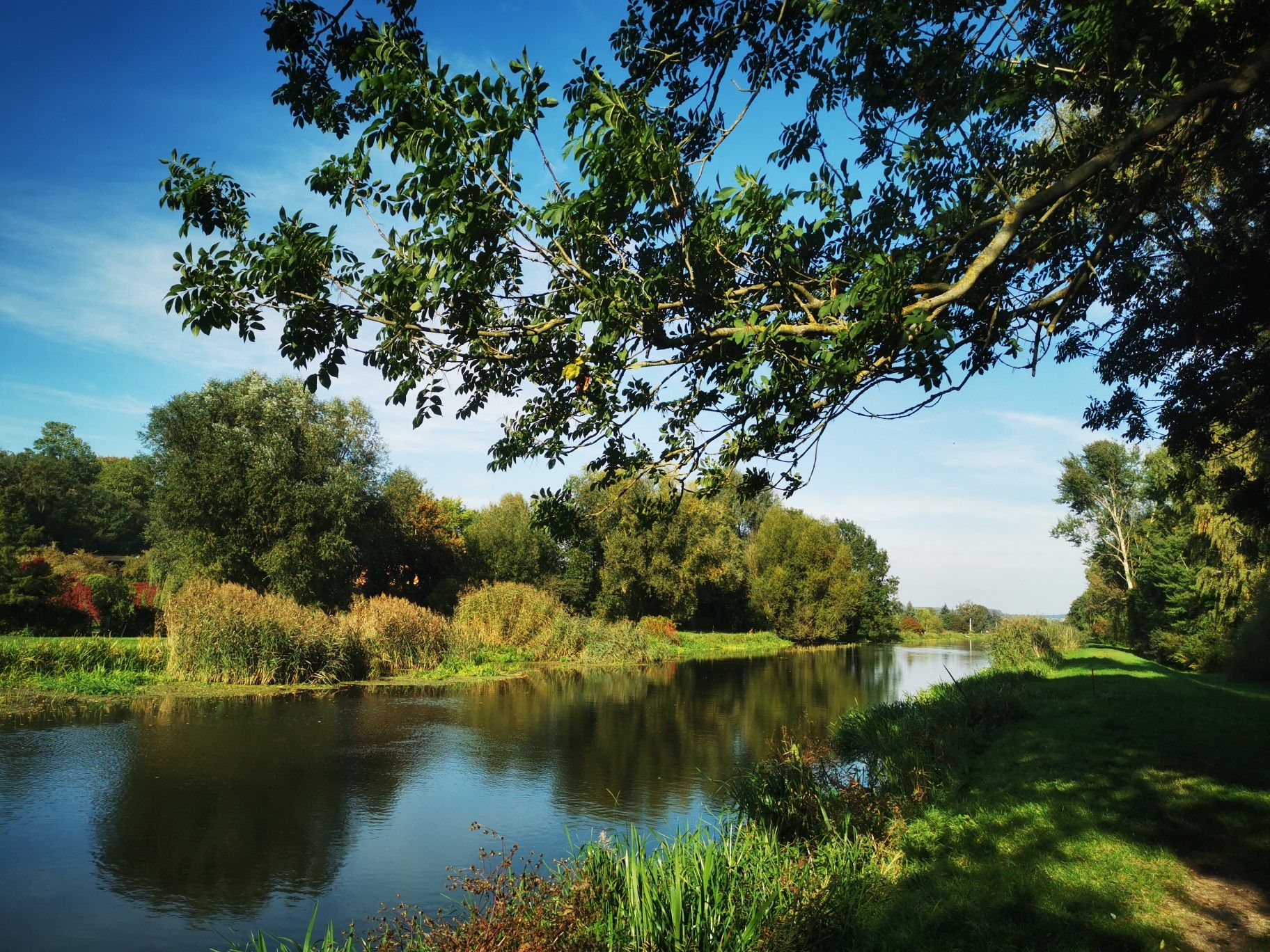
Hike around Germany's Schorfheide – 7 stages through Brandenburg's forest

Around the World in 80 Days
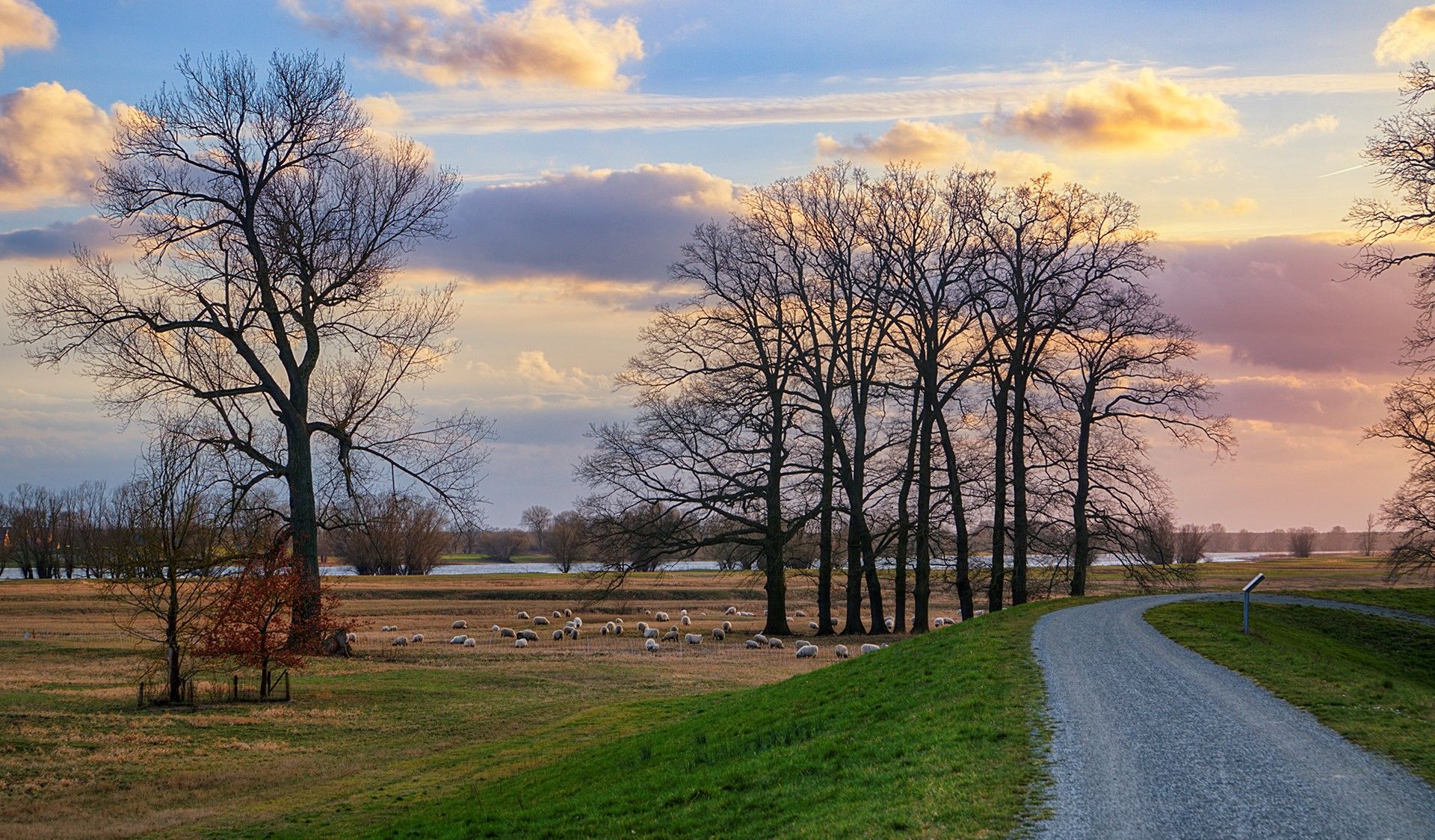
Tour Brandenburg – Cycle around Berlin in 18 stages
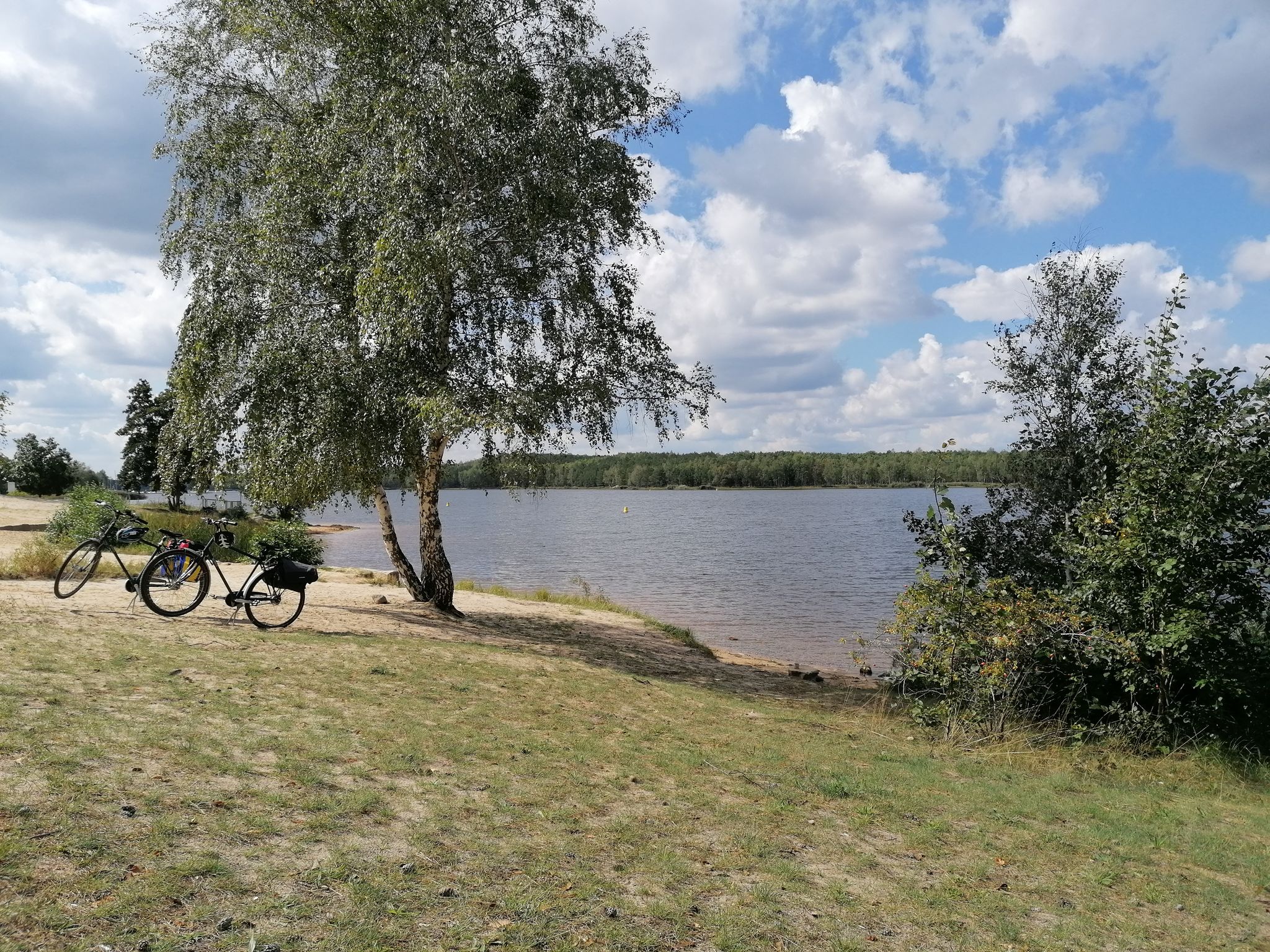
Cycling from Dresden to Berlin – lakes, nature and Sorbian culture
Other adventures in Brandenburg


Tips from the Community

Beautifully situated on the water. It's definitely worth taking a look at the complex from the outside.
7
0

Really beautiful, with lots of nature around and cool design
2
0

is now used as a hotel and is one of the architectural monuments in Lübbenau
11
0

The Marble Palace is romantically situated on a terraced complex directly on the lake shore in the New Garden. King Friedrich Wilhelm II had the building clad in Silesian marble built as a summer residence between 1787 and 1793. Its architect Carl von Gontard created the first and only Prussian royal palace in the style of early classicism. The king, who was artistically inclined and associated with the ideas of the Rosicrucians, used the palace and garden as a private retreat. The vestibule made entirely of different colored marble, the grotto hall located directly on the water and the impressive concert hall are the highlights of the early classical rooms of the castle, most of which are still in their original form. https://www.spsg.de/schloesser-gaerten/objekt/marmorpalais/
3
0

Due to the unusual floor plan, there are new views from all sides
10
0

Sanssouci Palace Sanssouci (from French sans souci 'without worry') is an ensemble of palaces and gardens in the former residential city of Potsdam. From 1747 to 1918 it served as the summer residence of the Prussian kings and German emperors. From 1745, Sanssouci Palace, the Picture Gallery, the New Chambers and the New Palace were built in the style of Frederician Rococo by Knobelsdorff, Unger and Gontard on behalf of and based on the ideas of Frederick II. From 1825, Schinkel, Stüler and Persius built the Charlottenhof Palace, the Roman Baths, the Church of Peace and the Orangery Palace in the classicist style on behalf of and based on the ideas of Friedrich Wilhelm IV. Lenné transformed the approximately 300 hectare Sanssouci Park with the historic mill, the Chinese House, the Dragon House and the Belvedere from a French architectural garden into an English landscape garden. The ensemble managed by the Prussian Palaces and Gardens Foundation Berlin-Brandenburg has been a UNESCO World Heritage Site since 1990. Sanssouci is also called the Prussian Versailles because of its art-historical importance. Text/Source: Wikipedia https://de.wikipedia.org/wiki/Sanssouci
23
6
Marble Palace The Marble Palace in the New Garden in Potsdam was the summer palace of King Frederick William II of Prussia. The architects Carl von Gontard, Carl Gotthard Langhans and Michael Philipp Boumann built it in the early classicist style between 1787 and 1793 and 1797 in an English park designed by Johann August Eyserbeck close to the banks of the river. The “new house” was the private life of the musically gifted man Reserved for the king. With this new building, the nephew and successor of Frederick the Great, who remained childless, distanced himself spatially and architecturally from his little-loved uncle, who preferred rococo forms with Palladian echoes throughout his life. At the same time, however, it is the stylistic continuation of a pleasure palace (of the baroque Maison de plainsance type) into the new age of classicism, similar to the slightly earlier Wörlitz.Heiligen Sees Castle. Text/Source: Wikipedia https://de.wikipedia.org/wiki/Marmorpalais
16
3

Located in the middle of a beautiful park, in which there are some other buildings worth seeing, the "Ohne Sorge" castle is certainly the main attraction of Potsdam - and that's saying something with the multitude of castles and historic buildings
14
1
Frequently Asked Questions
What are some of the most historically significant castles in Brandenburg?
Brandenburg is rich in historical castles. Sanssouci Palace, a UNESCO World Heritage site, was the summer residence of King Frederick the Great. Cecilienhof Palace is renowned as the venue for the Potsdam Conference in 1945. Spandau Citadel, though technically in Berlin, is a well-preserved Renaissance fortress with parts dating back to the 13th century. Burg Eisenhardt in Bad Belzig also boasts over 1,000 years of history.
Are there family-friendly castles to visit in Brandenburg?
Yes, many castles in Brandenburg are family-friendly. For example, Sanssouci Palace and its expansive park offer plenty of space for children to explore. Cecilienhof Palace and Babelsberg Palace are also listed as family-friendly. The Spandau Citadel hosts various cultural events and exhibitions that can be engaging for families.
What natural features can I expect to see near Brandenburg's castles?
Many castles are set amidst beautiful natural landscapes. Sanssouci Palace is surrounded by the magnificent Sanssouci Park with terraced vineyards and fountains. Cecilienhof Palace is located within the New Garden, and the Marble Palace is beautifully situated on the Holy See. Burg Eisenhardt is nestled in the Hoher Fläming Nature Park, offering panoramic views from its keep.
What outdoor activities can I do near these castles?
Brandenburg's landscape is ideal for various outdoor activities. You can find numerous road cycling routes, such as the 'Havel Canal loop from Beetzsee' or the 'Sacrow-Kladow Road – Havelchaussee loop from Babelsberg'. For gravel biking, explore routes like the 'Döberitzer Heide Loop from Potsdam'. There are also easy hiking trails, including the 'Wurlsee circular trail' or the 'Green Beech Leaf Trail'. You can find more details on these routes in our guides for Road Cycling, Gravel Biking, and Easy Hikes in Brandenburg.
What is the best time to visit castles in Brandenburg?
The summer months are particularly beautiful for visiting, especially for enjoying the vineyard terraces and expansive parks at places like Sanssouci Palace. However, to avoid crowds, it's recommended to visit early in the morning or during the evening hours. The region's castles offer unique experiences year-round, with winter providing a different, often quieter, atmosphere.
Are there cafes or restaurants near the castles?
Yes, many castles and their surrounding areas offer amenities. For instance, the Great Spreewald Harbor in Lübbenau, near Lübbenau Castle, has various food options including the highly recommended 'Fischers Fritz' for fish rolls. Little Palace Babelsberg and Diedersdorf Castle also feature cafes or restaurants.
How long should I plan for a visit to Sanssouci Palace?
A visit to Sanssouci Palace and its park can easily take several hours. An audio-guided tour of the palace itself is worthwhile, and a long stroll through the extensive Sanssouci Park, which includes other buildings like the New Palace, is highly recommended. Plan at least half a day to fully appreciate the palace and its grounds.
Can I reach Brandenburg's castles by public transport?
Many of Brandenburg's major castles, especially those in Potsdam like Sanssouci Palace and Cecilienhof Palace, are well-connected by public transport from Berlin and within Potsdam. For more remote castles, public transport options might be less frequent, so checking local schedules in advance is advisable.
What do visitors enjoy most about Brandenburg's castles?
Visitors frequently appreciate the diverse architectural styles, from Rococo palaces like Sanssouci Palace to English country house-style castles such as Cecilienhof Palace, and Renaissance fortresses like Spandau Citadel. The rich history, beautiful parklands, and the opportunity to step back in time to pivotal moments like the Potsdam Conference are also highly valued.
Are there any lesser-known castles worth exploring in Brandenburg?
While Sanssouci Palace and Cecilienhof Palace are widely known, other notable castles include Dammsmühle Castle and Diedersdorf Castle. Burg Eisenhardt in Bad Belzig, with its medieval fortifications and local history museum, also offers a compelling journey through time away from the most popular sites.
Can I find castles that offer insights into specific historical periods?
Absolutely. Sanssouci Palace provides a glimpse into the Rococo era and the life of Frederick the Great. Cecilienhof Palace is a direct link to post-World War II history and the Potsdam Conference. Babelsberg Palace showcases Tudor-style architecture and was the summer residence of Emperor Wilhelm I. Spandau Citadel is a prime example of 16th-century Renaissance fortress architecture.
Are there castles in Brandenburg that are particularly good for viewpoints?
Yes, several castles offer excellent viewpoints. From the 28-meter-high Bergfried (keep) of Burg Eisenhardt, you can enjoy panoramic views of the Hoher Fläming Nature Park. The grounds of Sanssouci Palace and Marble Palace also provide scenic vistas over their respective parks and waterways.
Most popular routes in Brandenburg
Most popular attractions in Brandenburg

Get inspired with the komoot mobile app


Didn’t find what you were looking for?
Explore Brandenburg’s best castles region by region:
Explore more
Looking for the best castles somewhere else? Discover other guides in Brandenburg:
