The 20 Most Amazing Peaks in Brandenburg
Mountain peaks in Brandenburg, while generally low-lying hills, offer diverse natural landscapes and recreational opportunities. The region features notable elevations that provide scenic views and historical significance. These areas are characterized by rolling hills, forests, and open spaces, making them suitable for various outdoor activities. Brandenburg's terrain provides accessible hiking trails and viewpoints across its districts.
Best mountain peaks in Brandenburg
- The most popular mountain peaks is Götzer Berg Observation Tower, a viewpoint that offers a beautiful view and is always worth a visit. This 44-meter-high tower stands atop the 108-meter-high Götzer "Berg" and provides a 26-meter-high observation deck.
- Another must-see spot is Wietkiekenberg Lookout Tower, a viewpoint. Visitors can expect an excellent panoramic view of the landscape from a height of almost 125 meters, with the tower open all year round.
- Visitors also love Belvedere on the Pfingstberg, a man_made_monument. This palace offers a unique view of Potsdam and the surrounding cultural landscape, extending as far as Berlin.
- Brandenburg is known for summits, viewpoints, and historical sites. The region offers a variety of mountain peaks to see and explore, ranging from natural elevations to man-made structures providing panoramic vistas.
- The mountain peaks in Brandenburg are appreciated by the komoot community. With more than 1000 upvotes and over 800 photos, these highlights are popular among visitors.
Last updated: October 10, 2026
Kranichsberg Observation Tower
Highlight • Viewpoint
Information on opening hours and prices can be found here: woltersdorf-schleuse.de/seite/130419/aussichtsturm.html.
Translated by Google •
Tip by

Hagelberg
Highlight • Summit
Translated by Google •
Tip by

Sign up now to discover places like this
Get recommendations on the best single tracks, peaks, & plenty of other exciting outdoor places.
Belvedere on the Pfingstberg
Highlight • Monument
The opening times of the Belvedere:
April to October: daily 10 a.m. to 6 p.m.
March and November: Saturdays and Sundays 10 a.m. to 4 p.m.
Translated by Google •
Tip by

Kutschenberg – Highest point in Brandenburg
Highlight • Summit
The last climb from the ski hut is quite steep. So be sure to put on proper shoes!
Translated by Google •
Tip by

Finkenberg Observation Tower, Döberitzer Heide
Highlight • Viewpoint
Sounds silly, but the tower is not for the faint of heart or for people with vertigo. Due to the special construction, the tower fluctuates when it is windy.
Translated by Google •
Tip by
Löwendorf Hill Observation Tower
Highlight • Viewpoint
Translated by Google •
Tip by
Wietkiekenberg Lookout Tower
Highlight • Viewpoint
Translated by Google •
Tip by

Götzer Berg Observation Tower
Highlight • Viewpoint
The Havel Cycle Path runs directly at the foot of Götzer Berg, and the paths to the tower are signposted from various directions. The approach is somewhat arduous, but you are rewarded with breathtaking views.
A top highlight and a definite recommendation from me.
ak-brandenburg.de/content/aussichtsturm-g%C3%B6tzer-berge
Translated by Google •
Tip by

View of the villages
Highlight • Viewpoint
Translated by Google •
Tip by
Belvedere on the Klausberg
Highlight • Monument
The structure, which burned out during the final days of the war in 1945, was restored in the 1990s. In addition to the exterior, the interior was also largely repaired. For example, the upper hall impresses again today with its stucco marble, oak parquet flooring, and the reconstructed ceiling painting in the dome.
museumsportal-berlin.de/de/museen/belvedere-auf-dem-klausberg
Showing Translation
Tip by
Sign up for free to discover even more peaks in Brandenburg.
Already have an account?
Start today with a free account
Your next adventure awaits.
Popular around Brandenburg
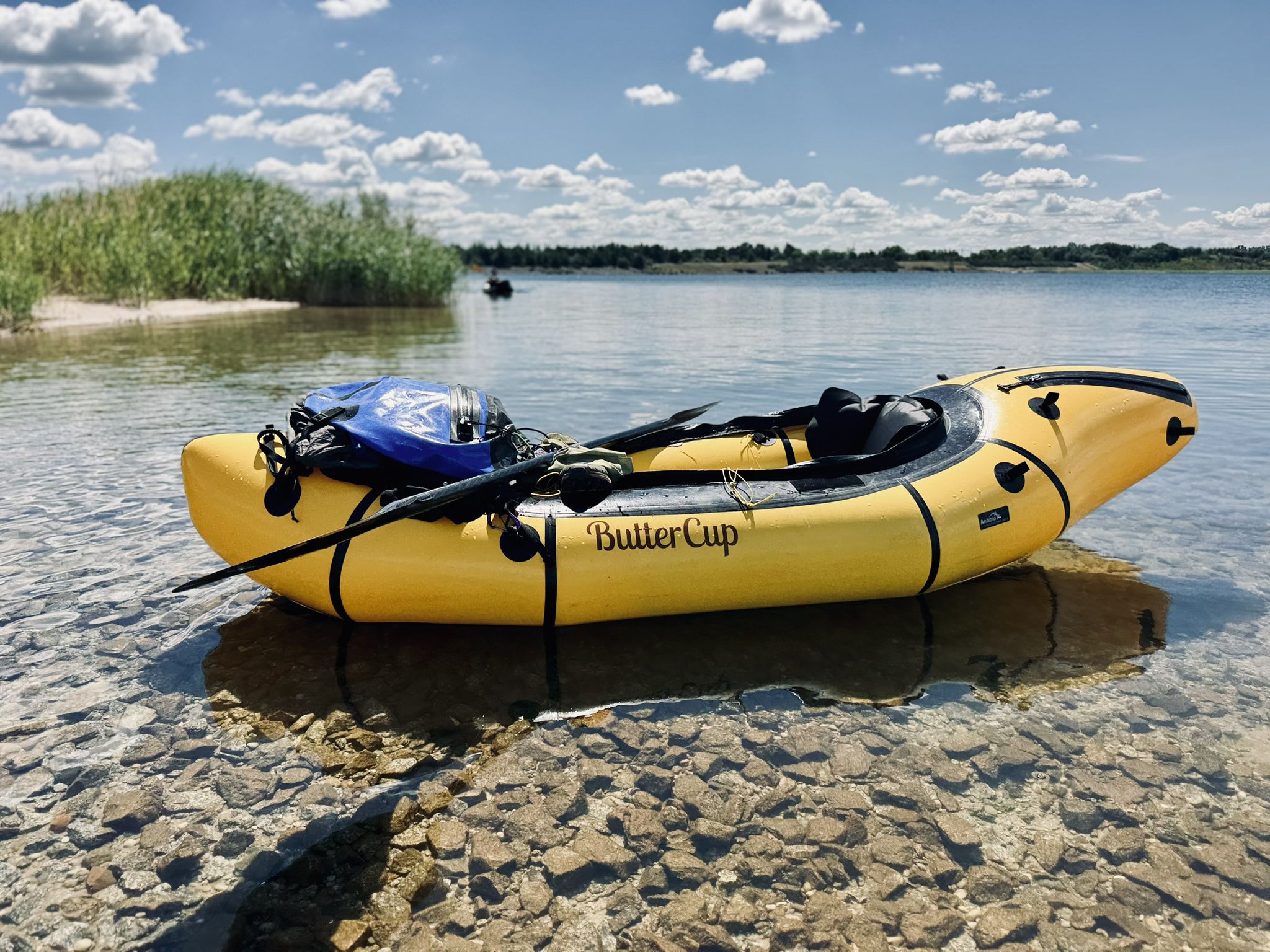
Paddling Paradise Lusatian Lake District – Five Lakes, One Network
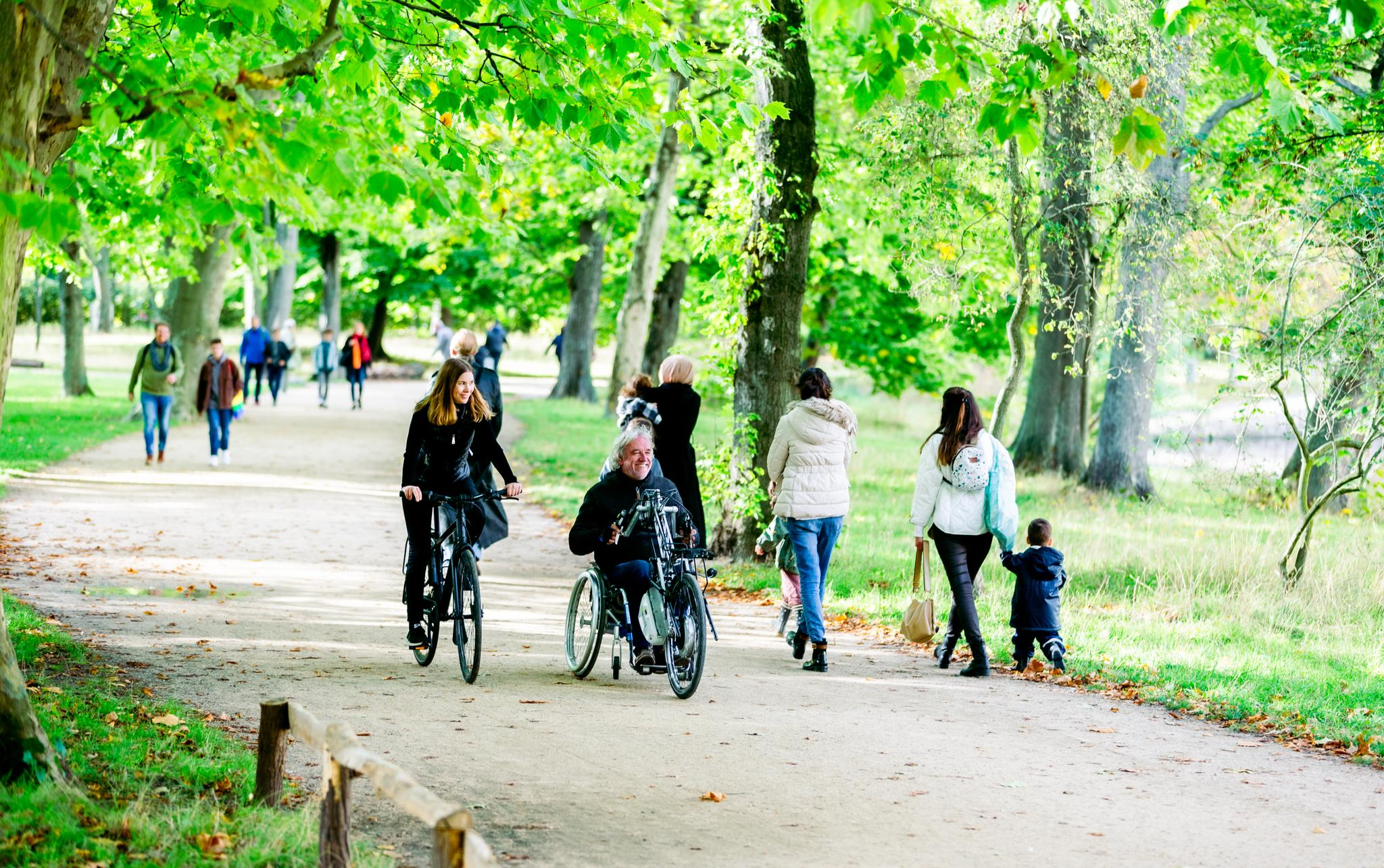
On relaxed paths through the capital – handcycling Berlin
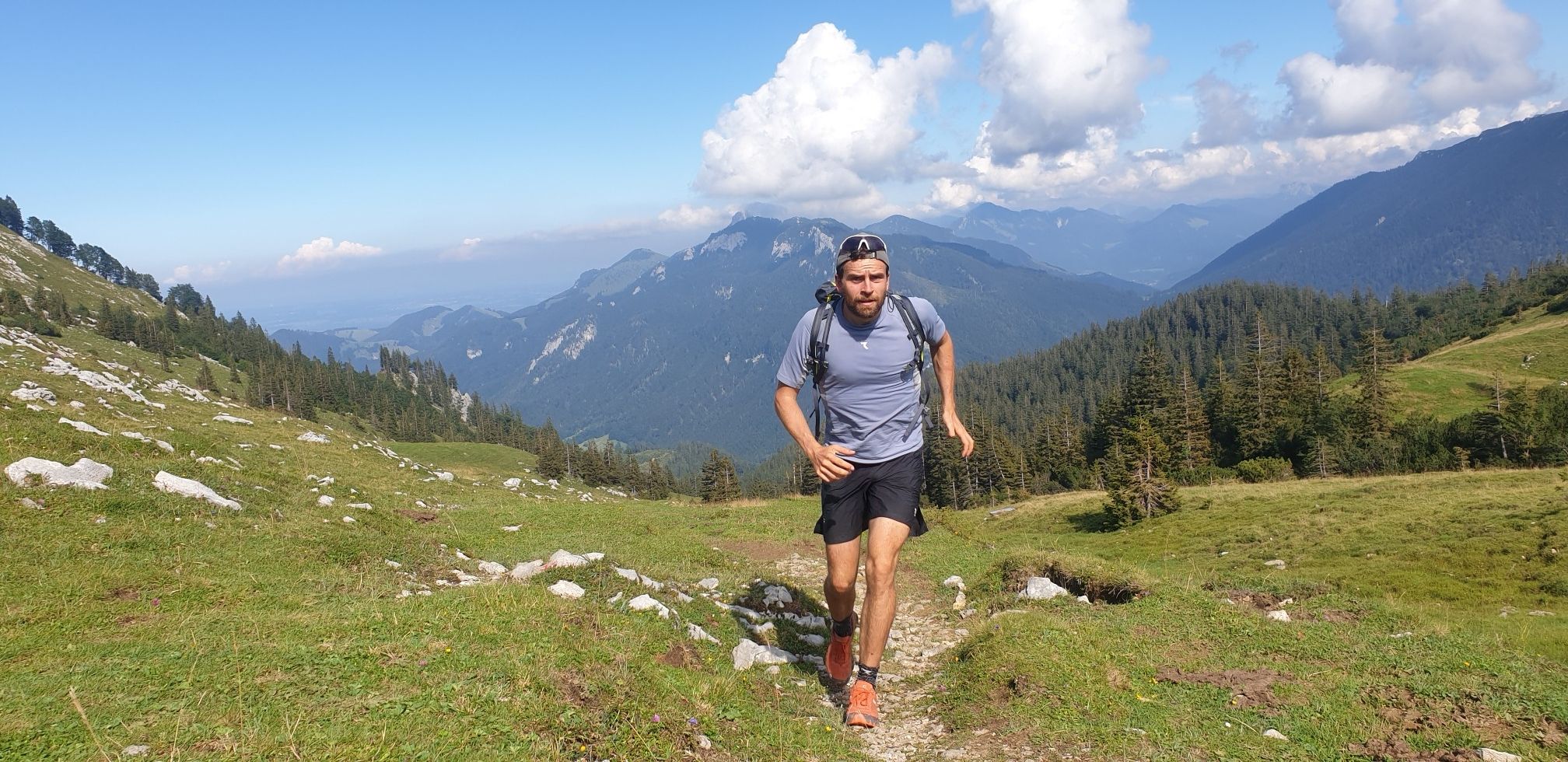
Triathlon around Germany
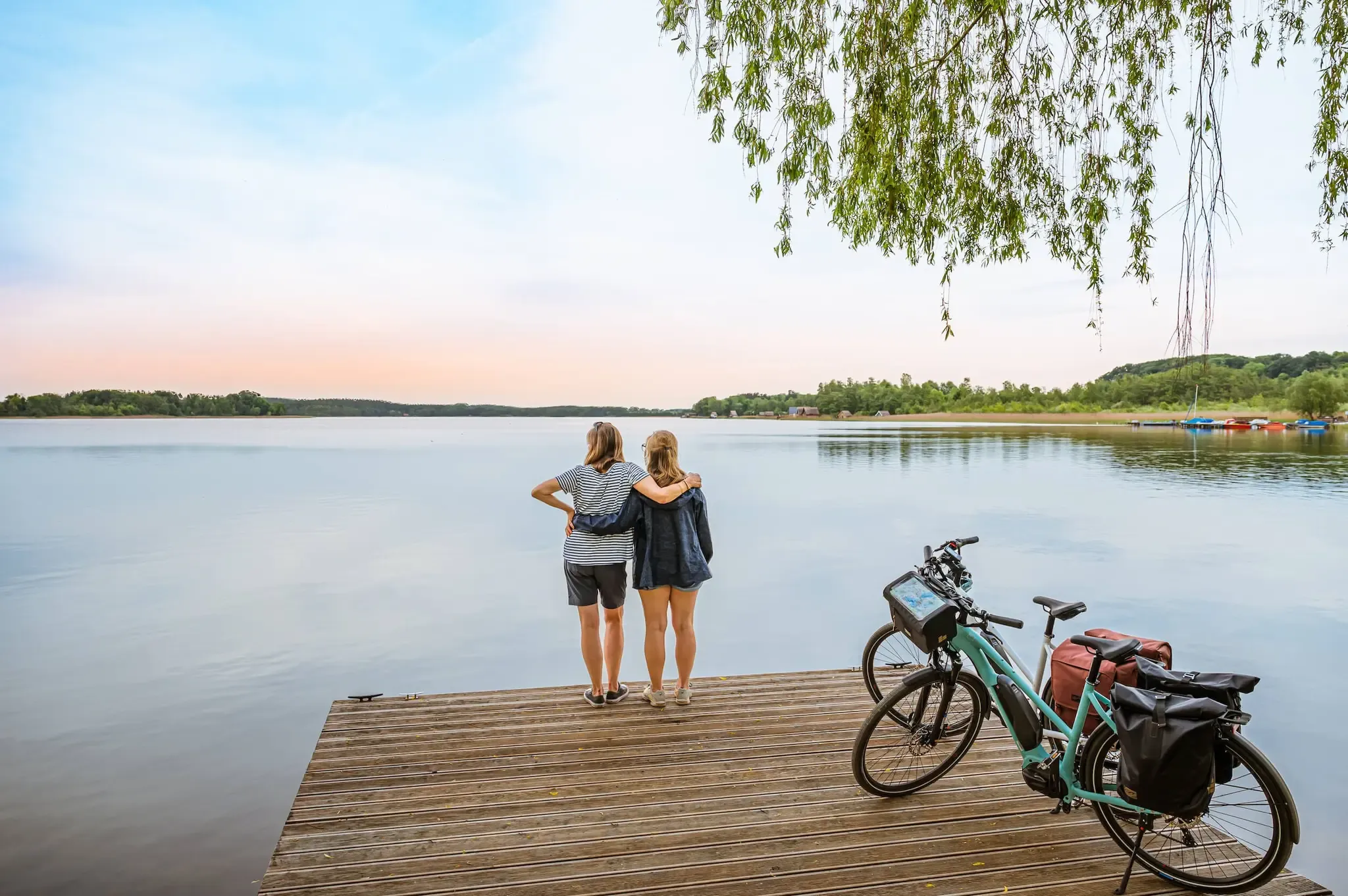
The long distance bicycle route Berlin-Copenhagen
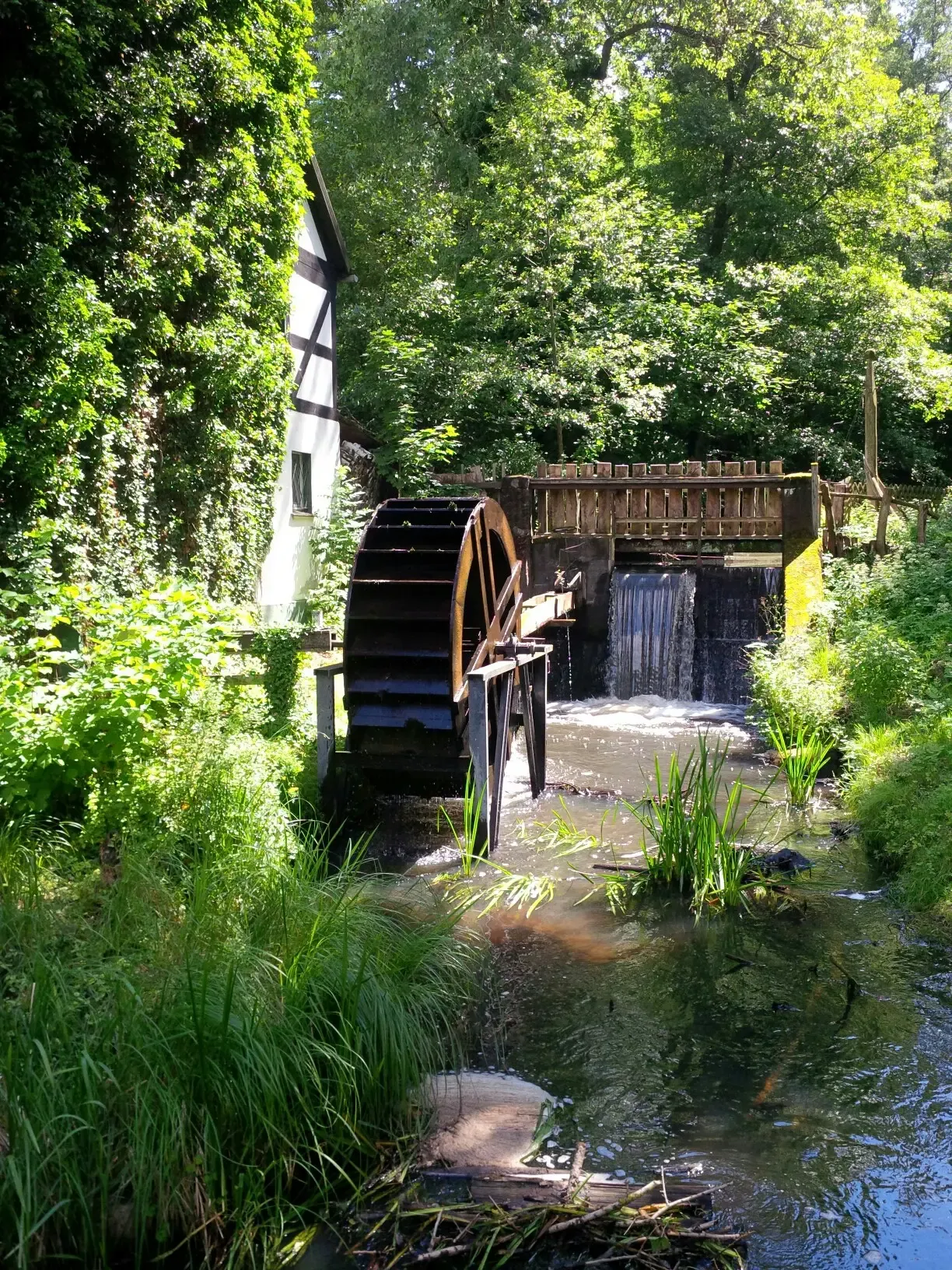
Mill Hiking Trail – The Schlaubetal hiking paradise
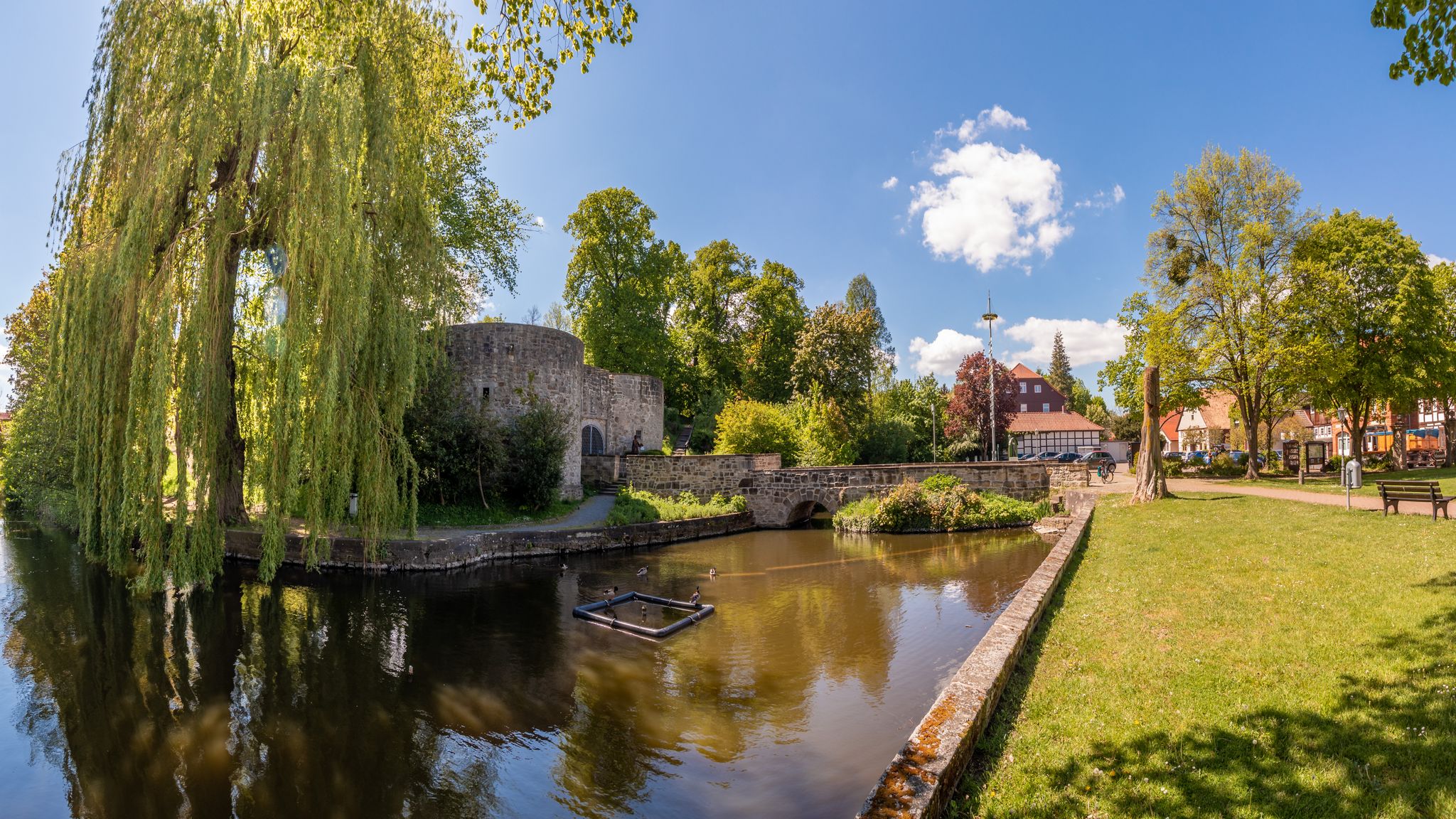
Berlin-Hameln Cycle Route – From West to East
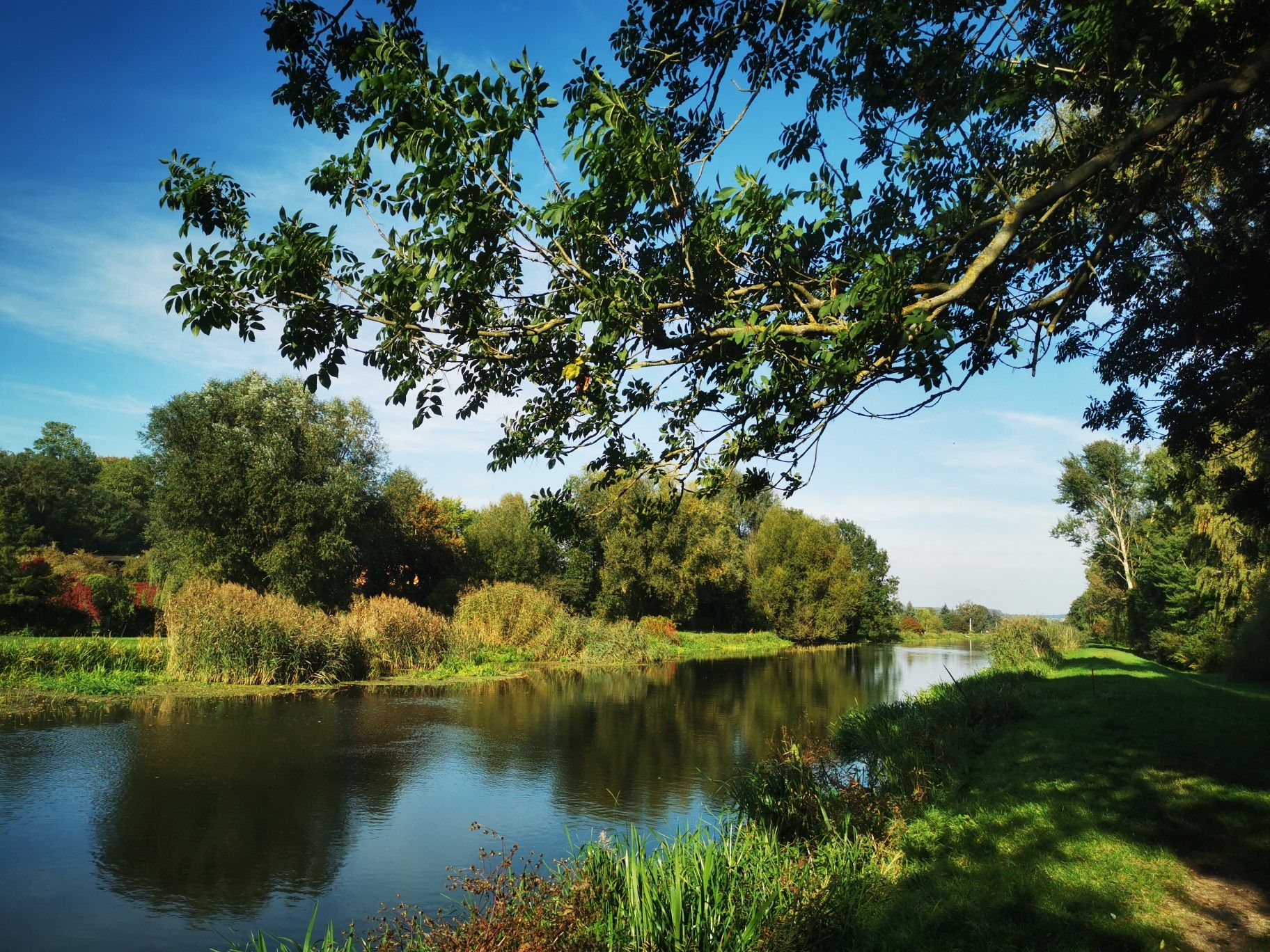
Hike around Germany's Schorfheide – 7 stages through Brandenburg's forest
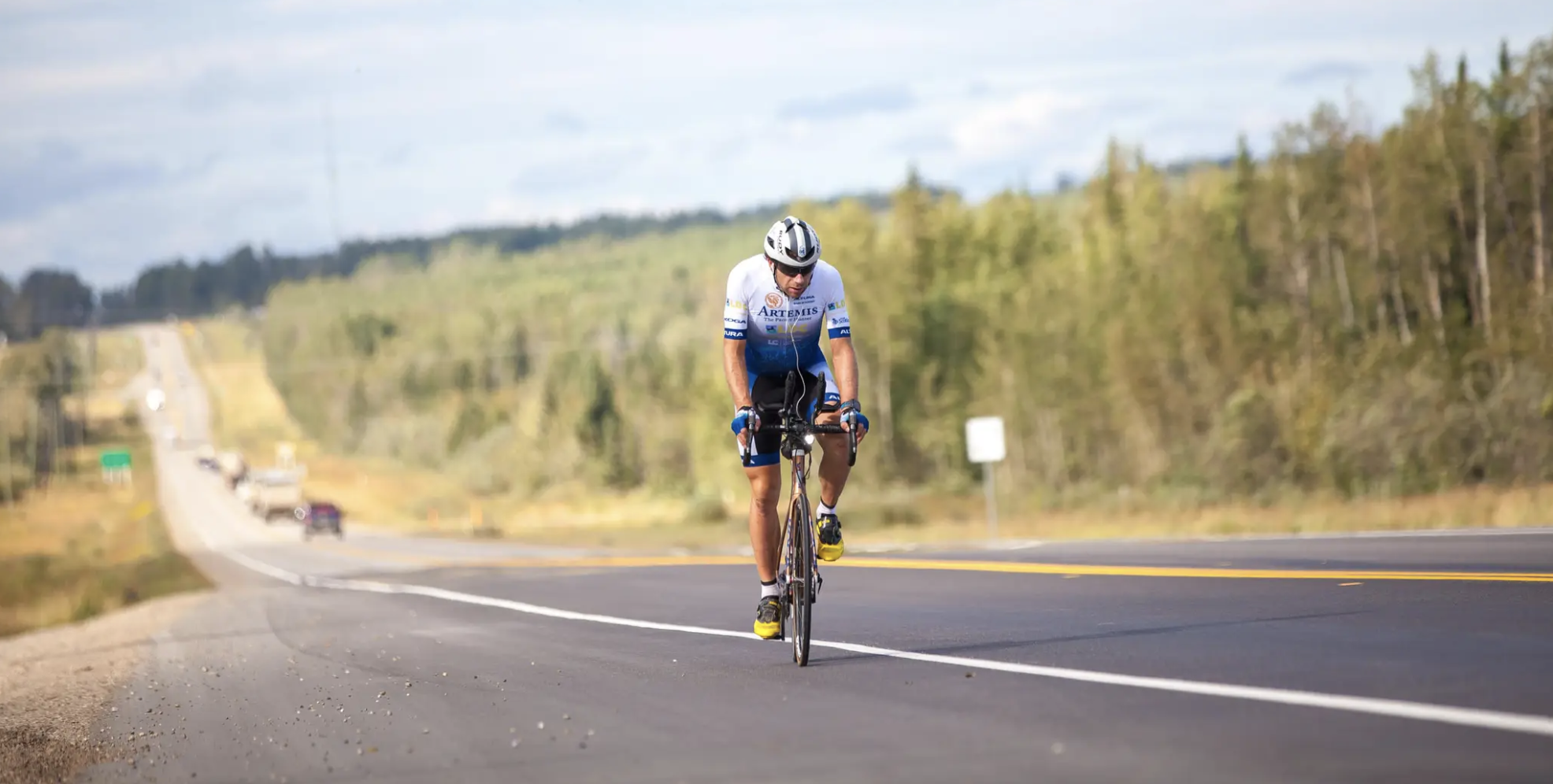
Around the World in 80 Days
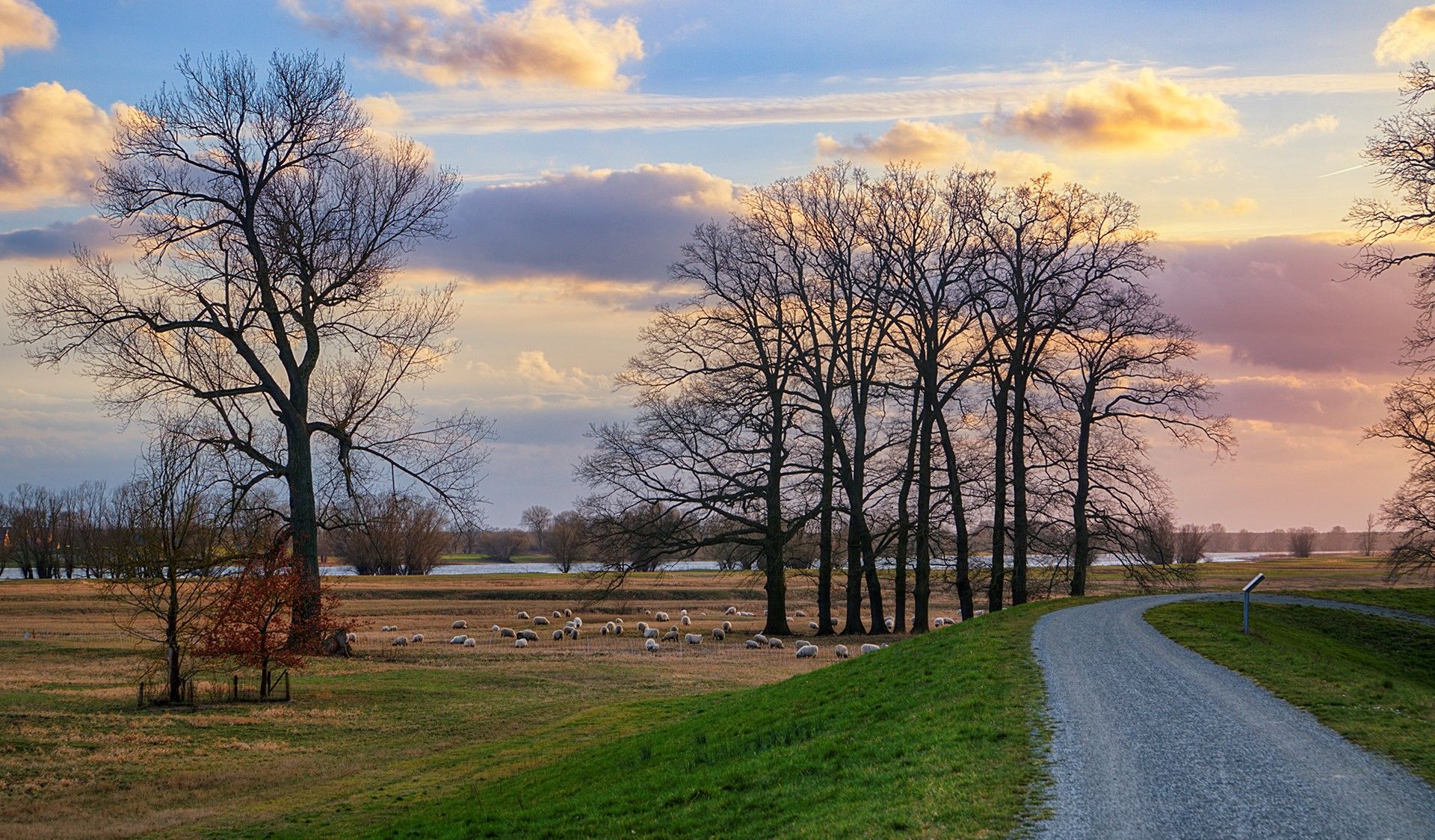
Tour Brandenburg – Cycle around Berlin in 18 stages
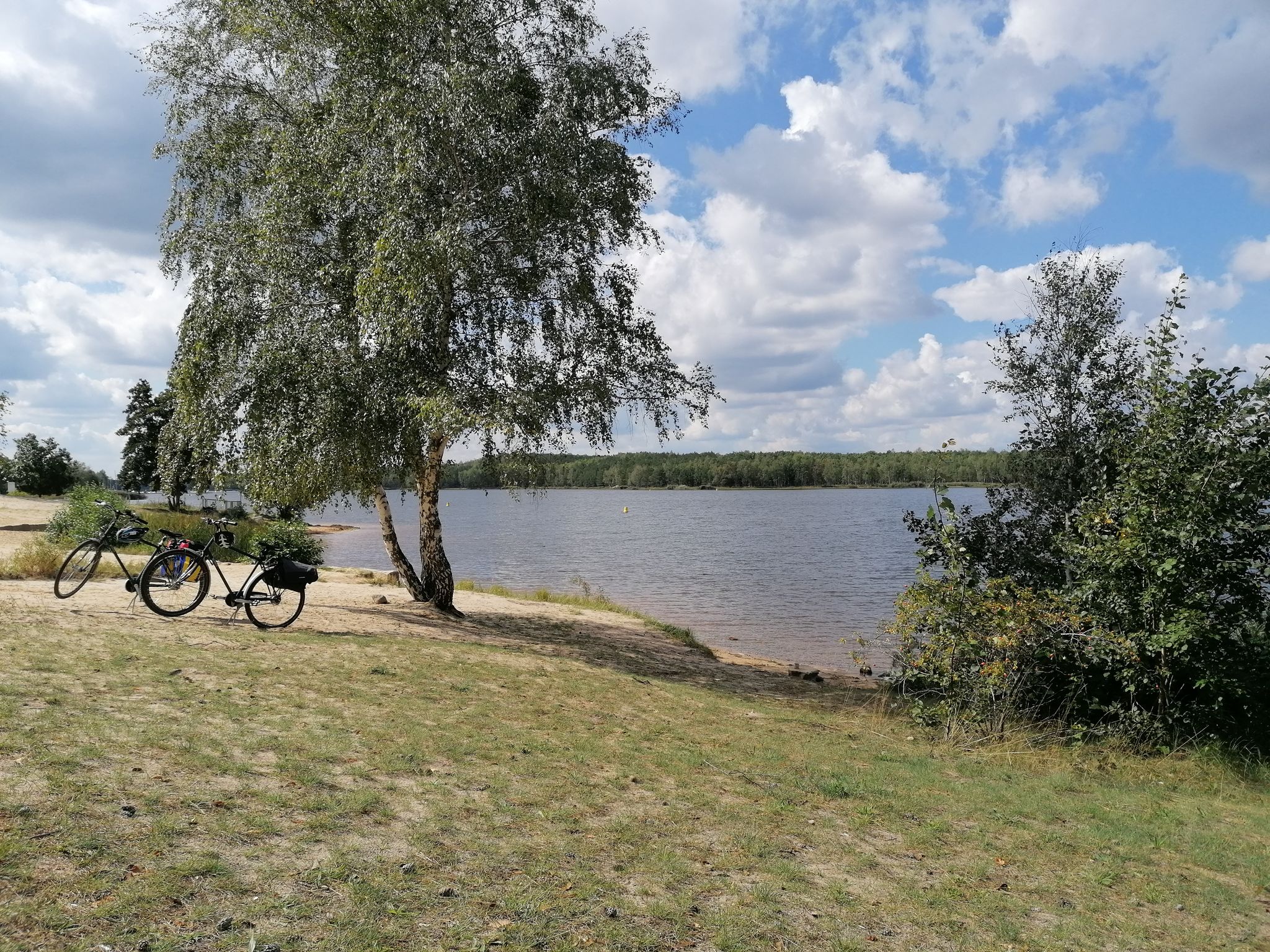
Cycling from Dresden to Berlin – lakes, nature and Sorbian culture
Other adventures in Brandenburg


Tips from the Community

easy to climb even for the inexperienced, no special equipment is required
3
0

a stele adorns the highest peak of Brandenburg
3
0
The short walk to the observation tower is absolutely worthwhile.
4
0

With good visibility, you can see the airport on one side and the TV tower on the other.
1
0

Because of the beautiful view over Potsdam and the surrounding area as far as Berlin, Friedrich Wilhelm IV had the Belvedere built on the Pfingstberg according to his own plans. The Italian-influenced building was carried out from 1847 by Ludwig Persius, Friedrich Stüler and Ludwig Ferdinand Hesse. Originally planned as a large observation palace complex with open staircases and water features, the Belvedere was completed in 1863 in a much smaller form. After 1945, the building fell into disrepair. The Belvedere on the Pfingstberg has been fully accessible to visitors again since the end of June 2003. In recent years, the east tower, the eastern and northern colonnade and the east arcade of the Belvedere have been extensively reconstructed. Today, tens of thousands of visitors a year enjoy "Potsdam's most beautiful view" from the palace towers in the UNESCO World Heritage Site, over 100 metres above sea level 😊...
4
0

You can only get to the mountain on foot or by bike. Hiking routes there are signposted from Ferch. The observation tower is open around the clock.
7
0

"Belvedere" means "beautiful view". From the Klausberg there are charming views across Sanssouci Park to the hilly landscape with many lakes and the city of Potsdam. The two-storey rotunda with two balconies and a dome crowned by the will of Frederick the Great was modeled on an attempt to reconstruct Emperor Nero's imperial palace in Rome.
17
0
Frequently Asked Questions
What are the highest points in Brandenburg?
While Brandenburg is generally flat, its highest points are hills. The Kutschenberg, at 201 meters, is recognized as the highest point entirely within Brandenburg. The Heidehöhe, at 201.4 meters, is considered the highest point in Brandenburg, though its actual summit lies just across the border in Saxony. The Hagelberg, at 200.2 meters, is also notable for its prominence and historical significance.
Are there family-friendly hiking options among Brandenburg's peaks?
Yes, many of Brandenburg's hills offer family-friendly hiking. For example, the ascent to the summit of Kutschenberg is generally considered suitable for families, with only a short section near the ski hut being steeper. Many observation towers, like the Götzer Berg Observation Tower and Wietkiekenberg Lookout Tower, are also popular destinations for families.
What kind of views can I expect from Brandenburg's peaks?
Brandenburg's peaks, often topped with observation towers, offer excellent panoramic views over the surrounding flat landscapes, forests, and lakes. From the Götzer Berg Observation Tower, you can enjoy breathtaking vistas, and on clear days, the Belvedere on the Pfingstberg offers unique views of Potsdam and the cultural landscape extending to Berlin. The Rauener Berge also feature an observation tower with views that can reach the Berlin TV Tower on clear days.
What historical sites are associated with Brandenburg's hills?
Several hills in Brandenburg have historical significance. The Hagelberg is notable as the site of the 'piston battle' in 1813, where Prussian forces defeated the French. The Belvedere on the Pfingstberg is a historic palace offering views and is part of the Potsdam Palaces and Gardens ensemble. The Kranichsberg Observation Tower is a historical structure that houses an exhibition on the development of German film.
What natural features can I discover around Brandenburg's peaks?
The hills of Brandenburg are often surrounded by diverse natural landscapes. The Kutschenberg is located in the densely wooded Kmehlener Berge, a landscape formed during the last Ice Age. The Hagelberg is part of the Hoher Fläming Nature Park, known for its rolling hills and deep forests. The Rauener Berge are famous for the Markgrafensteine, the largest glacial erratics discovered in Brandenburg, and are a popular spot for mushroom picking.
Are there opportunities for outdoor activities near these mountain peaks?
Yes, the areas around Brandenburg's peaks offer various outdoor activities. You can find numerous hiking and biking trails, especially in regions like the Hoher Fläming Nature Park, which encompasses the Hagelberg and Golmberg. For more specific routes, you can explore options like those found in the Mountain Hikes in Brandenburg guide, or discover cycling routes in the Gravel biking in Brandenburg and Road Cycling Routes in Brandenburg guides.
When is the best time to visit Brandenburg's peaks?
The best time to visit depends on your preferred activities. Spring, especially April, is beautiful when daffodils bloom on the flat hilltop of the Hagelberg. Summer offers pleasant conditions for hiking and enjoying the views. In winter, areas like the Kmehlener Berge near Kutschenberg are popular for winter sports like sledding and skiing. Observation towers like the Wietkiekenberg Lookout Tower are open all year round.
What do visitors enjoy most about Brandenburg's mountain peaks?
Visitors particularly enjoy the panoramic views from the various observation towers and elevated points. The Götzer Berg Observation Tower is highly praised for its beautiful views and stunning sunsets. The combination of accessible trails, natural beauty, and historical significance also makes these locations popular for day trips and outdoor recreation.
Are there any unique seasonal attractions on Brandenburg's hills?
Yes, seasonal attractions add to the charm of Brandenburg's hills. In April, the flat hilltop of the Hagelberg is known for its blooming daffodils, creating a picturesque landscape. During winter, the Kmehlener Berge, where Kutschenberg is located, become a popular spot for sledding and skiing, offering a different kind of outdoor experience.
Can I find parking facilities near the hiking areas of Brandenburg's peaks?
Yes, many of Brandenburg's hills and their associated hiking trails are accessible by car, with parking available for hikers. For instance, the Kutschenberg is easily accessible with parking options nearby, making it convenient for visitors to start their ascent.
What are some other notable viewpoints in Brandenburg?
Beyond the highest points, Brandenburg offers several other excellent viewpoints. The Kranichsberg Observation Tower provides fantastic views over the Flakensee and Müggelsee. The Finkenberg Observation Tower in Döberitzer Heide and the Löwendorf Hill Observation Tower also offer expansive views of the surrounding landscapes.
Most popular routes in Brandenburg
Most popular attractions in Brandenburg

Get inspired with the komoot mobile app


Didn’t find what you were looking for?
Discover Brandenburg’s best peaks and summits by region:
Explore more
See even more amazing summits in Brandenburg with these guides:
