Top 20 Caves in Bavaria
Best caves in Bavaria offer a diverse underground world with geological formations and historical insights. The region features numerous caves, from dripstone marvels to ancient dwelling sites. Bavaria's natural landscape provides a setting for exploring these unique subterranean environments. Many caves showcase significant geological features and archaeological finds.
Best caves in Bavaria
- The most popular caves include Gustav Adolf Cave, a cave located in the Schwarzach Gorge. This site is noted for its historical association with King Gustav Adolf…
Last updated: October 9, 2026
Rißloch Waterfalls
Highlight • Waterfall
Translated by Google •
Tip by

View of Happurger See from Hohler Fels
Highlight • Viewpoint
Translated by Google •
Tip by

Sign up now to discover places like this
Get recommendations on the best single tracks, peaks, & plenty of other exciting outdoor places.
Karl's Cave
Highlight • Cave
Translated by Google •
Tip by

Gustav Adolf Cave
Highlight • Cave
Translated by Google •
Tip by

Oswald Cave
Highlight • Cave
Translated by Google •
Tip by

Nusshardt Summit and Rock Formations
Highlight • Summit
Translated by Google •
Tip by

Quackenschloss
Highlight • Cave
Translated by Google •
Tip by

View of Hohler Fels and the Happurg Reservoir
Highlight • Viewpoint
Translated by Google •
Tip by
Low Tunnel in Almbach Gorge
Highlight • Structure
Translated by Google •
Tip by

Riesenburg Collapse Cave
Highlight • Cave
Translated by Google •
Tip by

Sign up for free to discover even more caves in Bavaria.
Already have an account?
Start today with a free account
Your next adventure awaits.
Popular around Bavaria

Triathlon 360 – my journey around the world
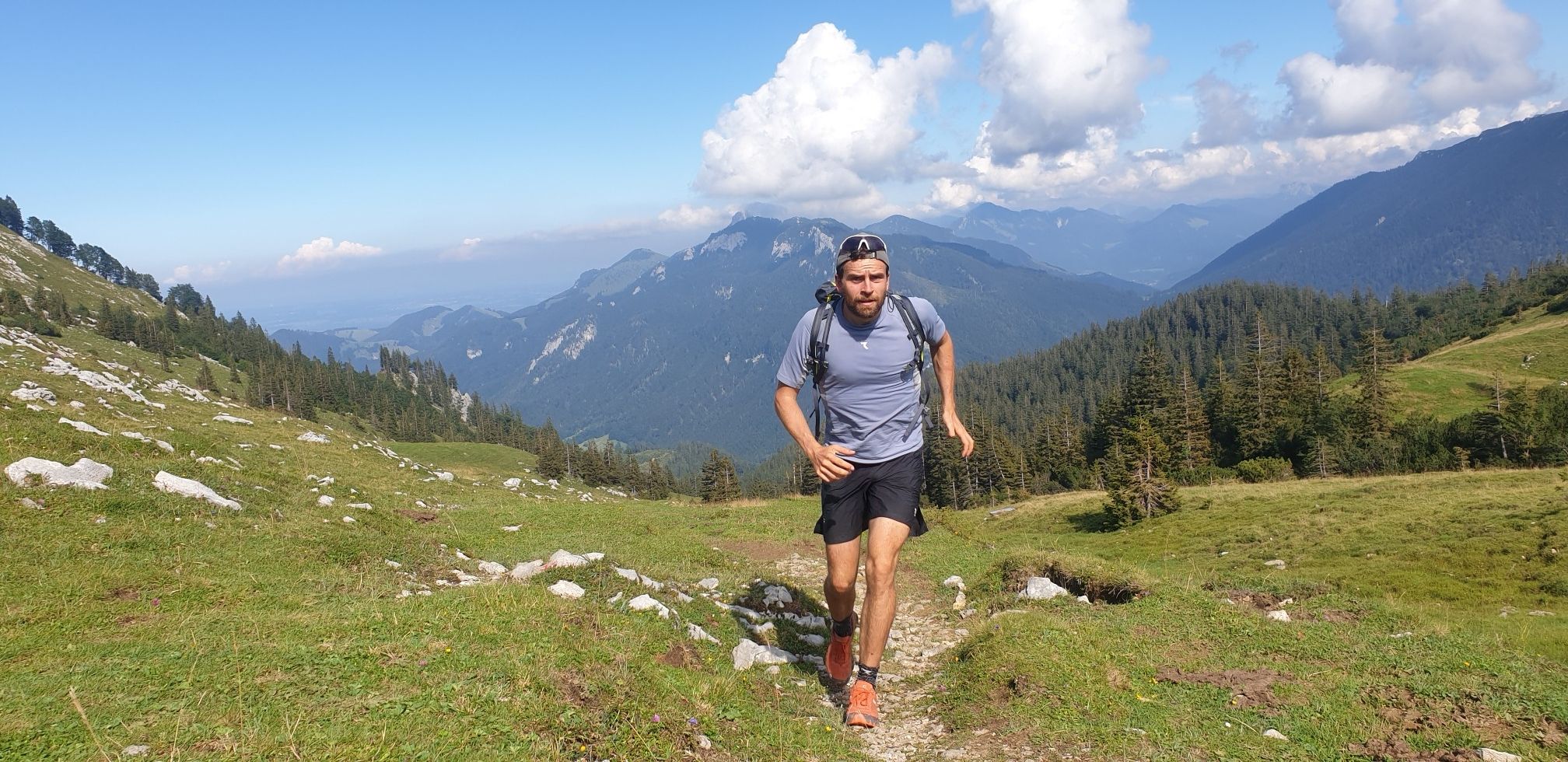
Triathlon around Germany
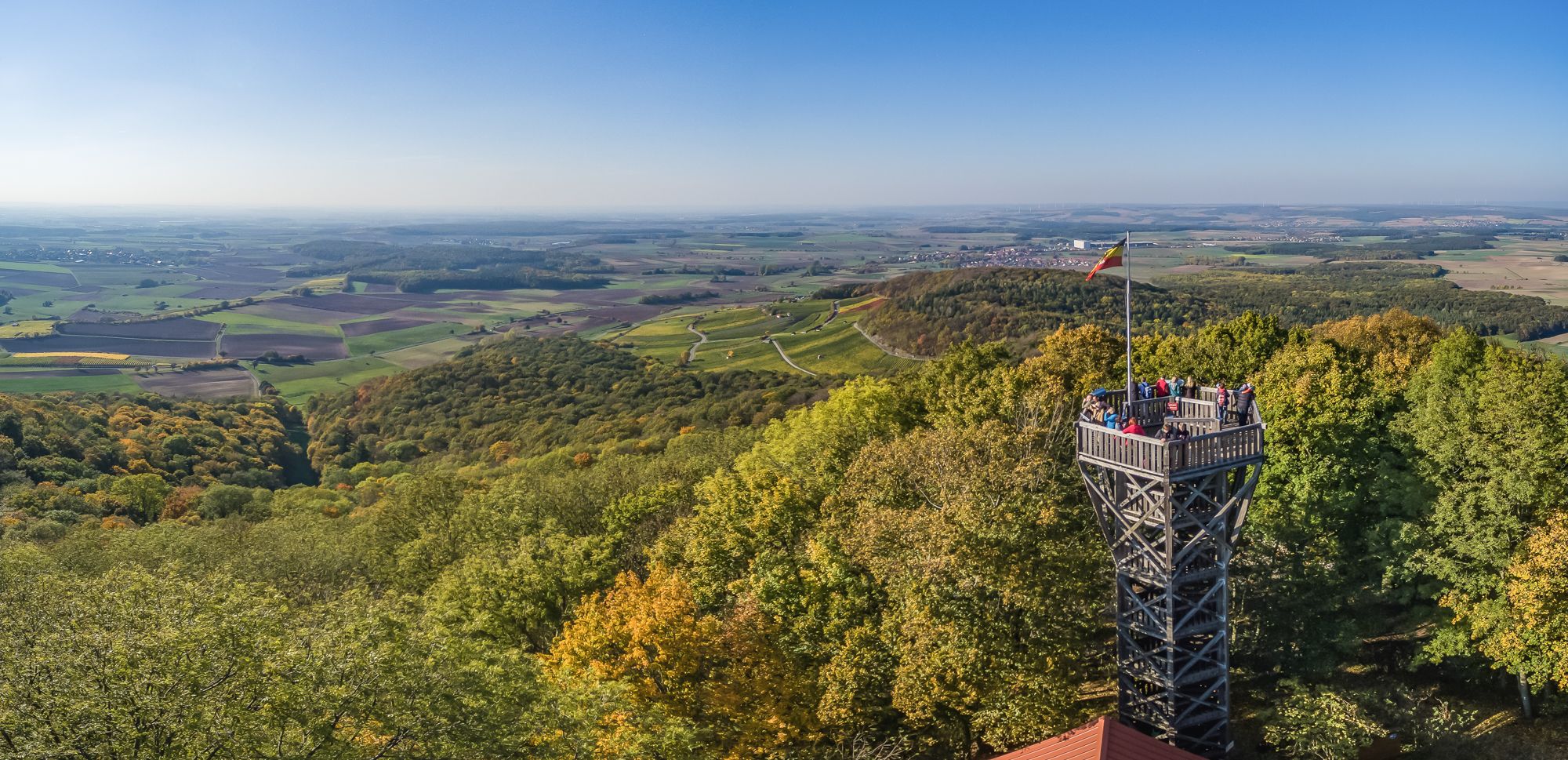
Steigerwald panorama trail — 9 days
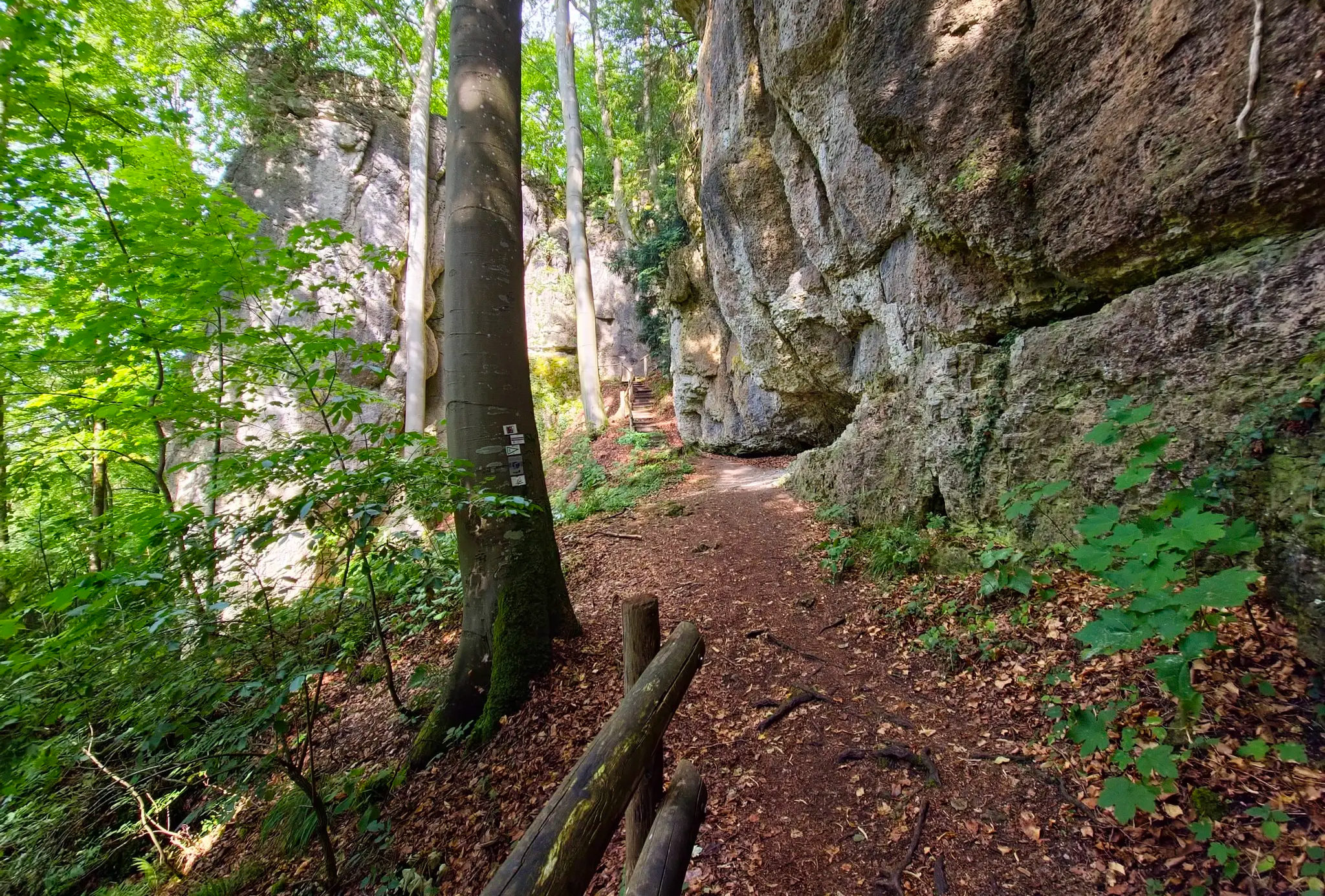
Ultratrail Fränkische Schweiz – 2 Days Burgen, Wälder, Trails
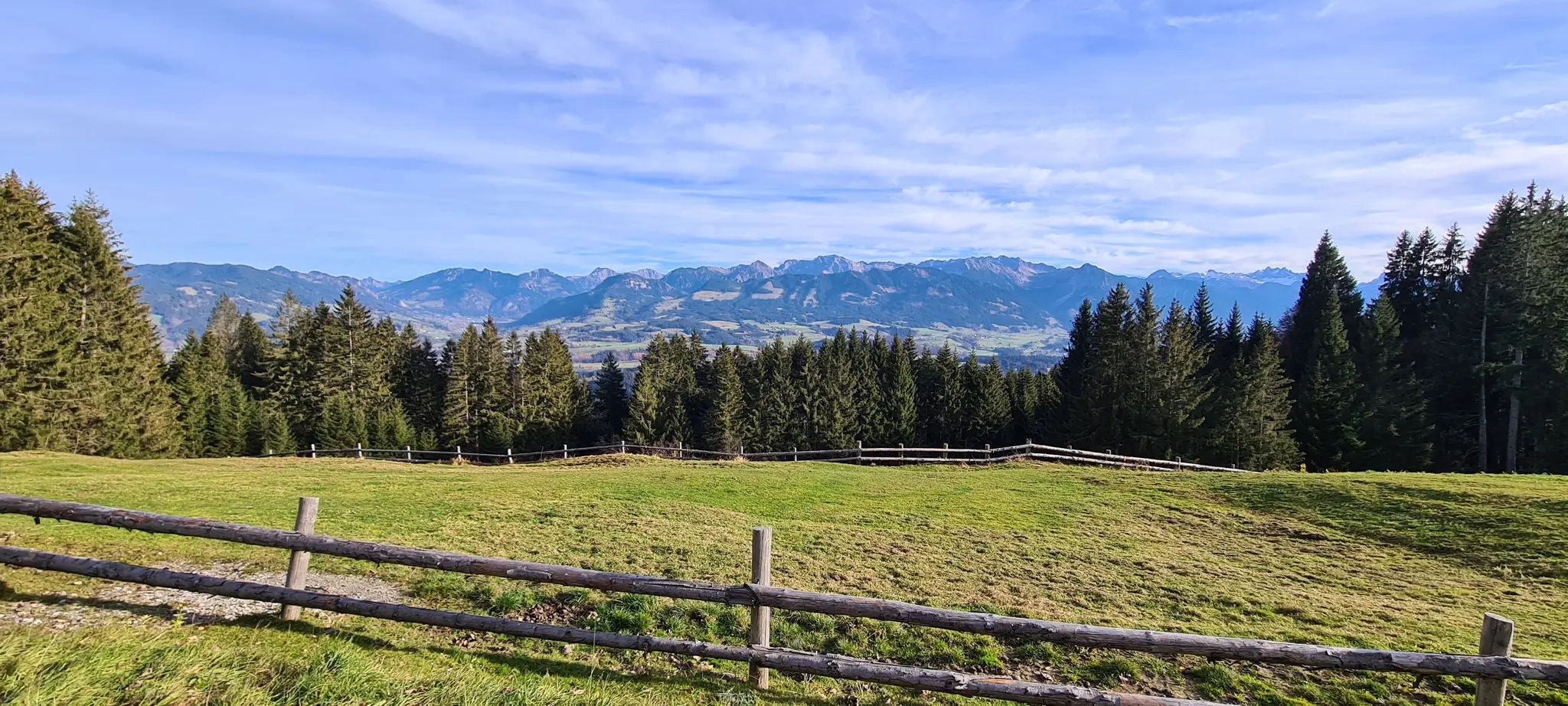
Allgäu Panorama Marathon – Ultra: Two Days Trailrunning-Adventure
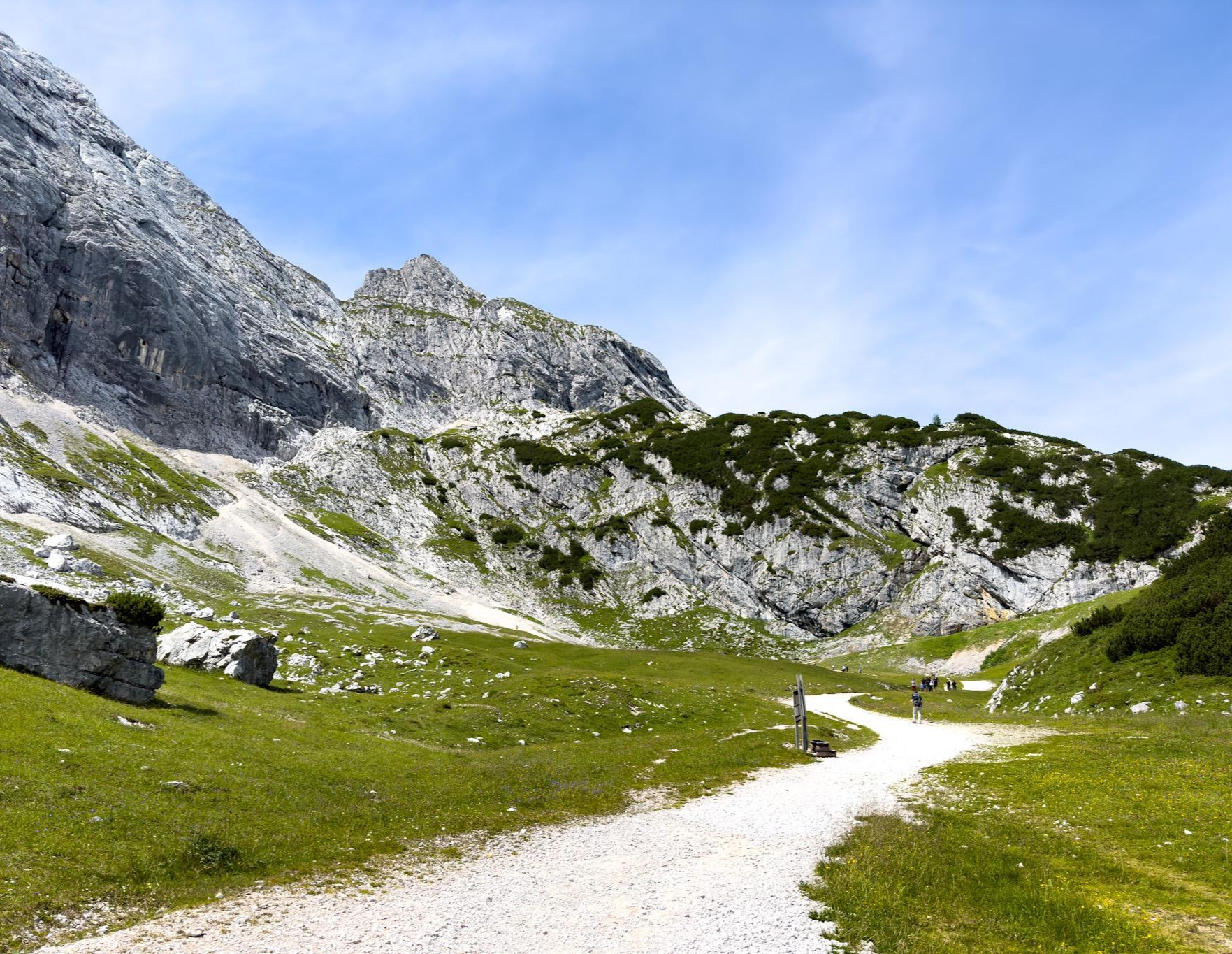
Zugspitz Ultratrail – experience Germany's highest mountain over 3 days
Nuremberg to Erfurt – Discover the German countryside by bike
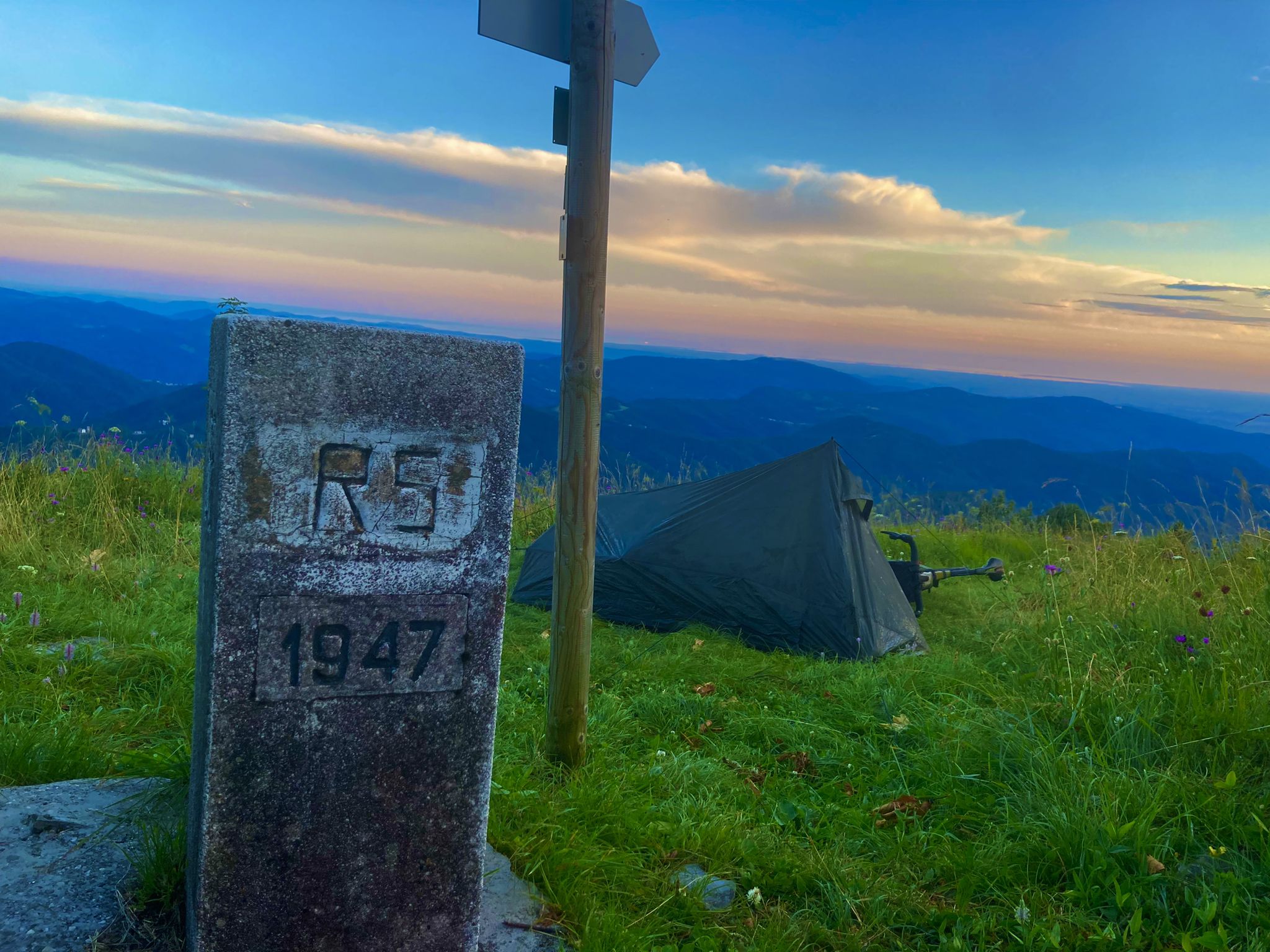
From Bavaria to the Adriatic - My Bikepacking Adventure to Croatia 2023
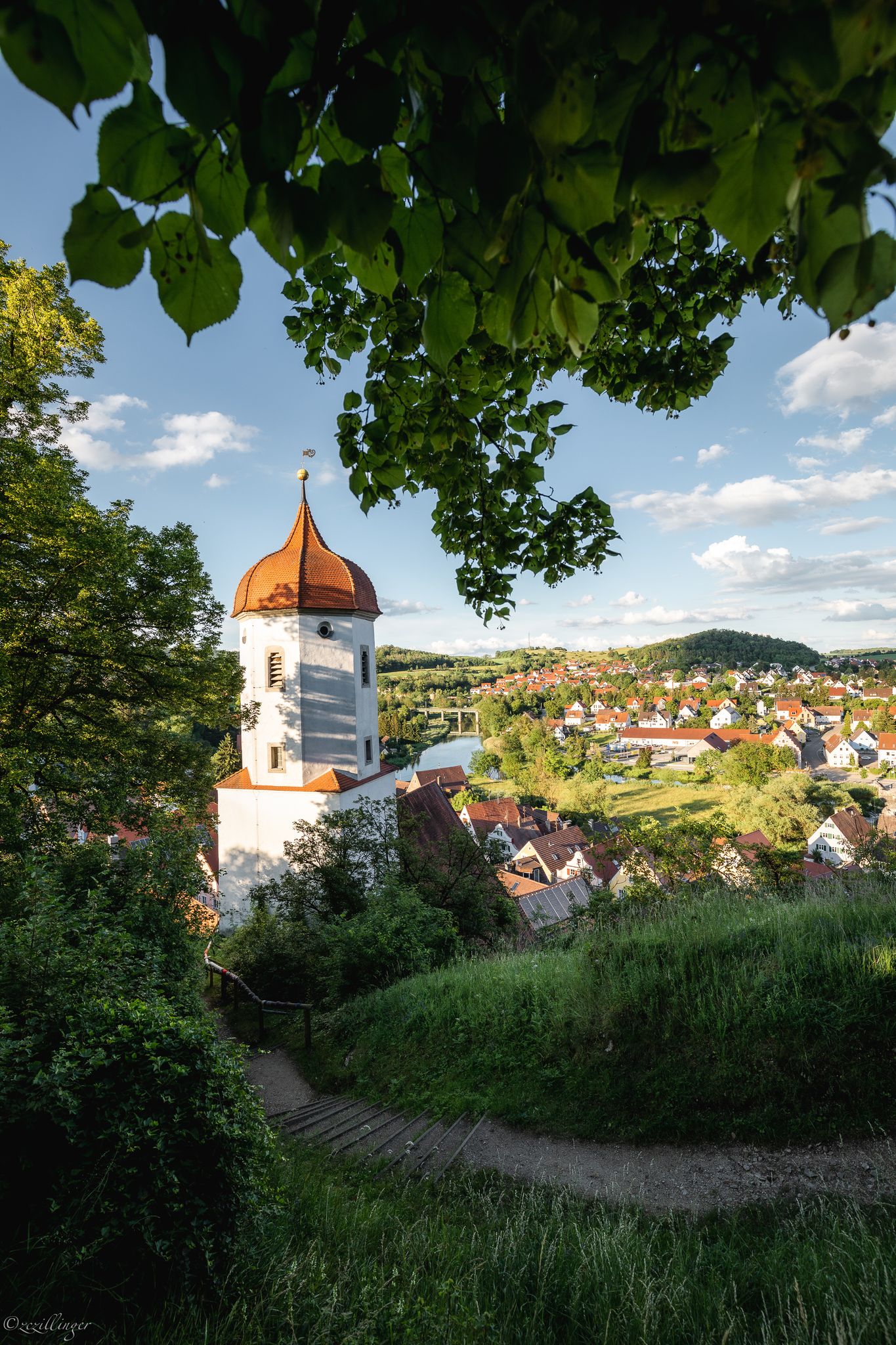
Augsburger Jakobsweg – Through Bavarian-Swabia
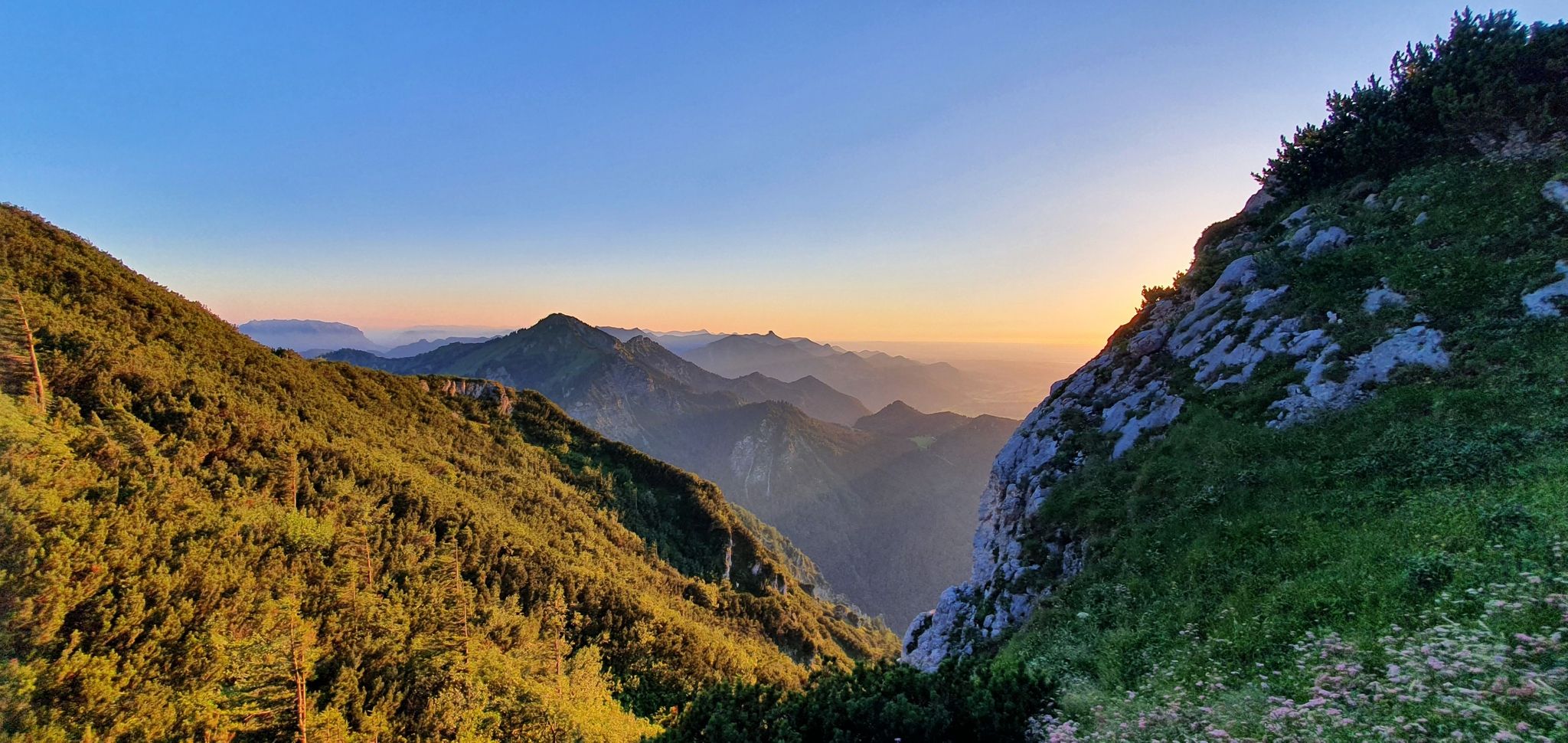
The SalzAlpenSteig – On the tracks of white gold
Other adventures in Bavaria


Tips from the Community

Very nice hike on partly narrow paths, this time via the Braunlehen route (red hike even if it is still marked as blue in the gorge!!)
4
0

Beautiful gorge, very good paths with good security. However, good shoes, enough to drink in high heat. Sure-footedness and a head for heights are required. Good condition, as it is sometimes very steep up and down.
5
0

The sandstone cave in the Schwarzachklamm got its name from the Swedish king Gustav Adolf, who is said to have attended a sermon given by the Nuremberg pastor Cornelius Mareius there in 1632 after a battle victory in the Thirty Years' War. It is the largest of the erosive washes in the Schwarzach Gorge. https://urlaub.nuernberger-land.de/detail/id=6220ae58f24f424775ea02b6
14
0

The Almbachklamm is particularly long. There are many lattice floor steel bridges over the creek with magnificent views. There are also plenty of opportunities to put your feet in the water and relax away from it all and enjoy the spectacle of nature. A special plus is the possibility to extend the hike through the gorge with a circular hike over the Hammerstielwand.
11
2

Tall people have to bend down here; fortunately the tunnel is not particularly long and after a few meters you can walk upright again.
5
1

The Quackenschloss is a passage cave about 18 meters long. It is the remains of a very old and high-lying cave system. The rock wall has a patchy appearance due to the weathering of individual shells. The cave probably gets its name from this rock composition. The type of stone with holes in it (smokewacke) is called quacke here. The oblique oval shape of the cave is determined by two longitudinal fissures and two diagonally sloping bank joints. Two larger fissures cross the passage. One portal is about 7 meters wide and 2.5 meters high, the other, divided by a rock pillar, is about 9 meters wide and 5 meters high. The cave is registered as C 4 in the Franconian Alb Cave Register (HFA). It has been designated by the Bavarian State Office for the Environment as an important geotope (474R060)[1] and as a natural monument (ND-04580). The cave, which is easily accessible via hiking trails, is one of the most frequently visited destinations in the Franconian Jura, also because of its scenic location. There is a sport climbing area next to the cave. Source: Wikipedia
19
0

The Quackenschloss is a cave ruin, the remains of which belong to a very high (505 meters) and therefore very old cave system. The rock grotto, which is about three meters high and six meters wide, is open on two sides and can be safely entered from the east side. In the gallery cave, which takes its name from the enclosed fossils, the so-called Quacken, the remains of a 17-meter-long cave system can be explored.
17
0

A small steep path leads to the roof of the Quakenschloss. Great view from above.
14
0
Frequently Asked Questions
What are some of the most impressive show caves to visit in Bavaria?
Bavaria offers several spectacular show caves. The Gustav Adolf Cave is notable for its historical association and location in the Schwarzach Gorge. Another highlight is the König-Otto-Tropfsteinhöhle, renowned for its magnificent stalactites, stalagmites, and unique stalagnates. The Teufelshöhle near Pottenstein is also a famous show cave with dramatic entrances and enormous chambers.
Are there any family-friendly caves in Bavaria?
Yes, several caves in Bavaria are suitable for families. Karl's Cave is listed as family-friendly. The Teufelshöhle in Pottenstein is also considered family-friendly, offering guided tours with creative lighting and music. The Sturmannshöhle in Allgäu provides an accessible path through its million-year-old crevice cave, making it a good option for families.
Which caves in Bavaria have significant historical or archaeological importance?
Bavaria's caves hold rich history. The Oswald Cave is a historical site. The Großes Schulerloch near Essing served as a dwelling for Neanderthals. The Klausenhöhlen in Lower Bavaria are significant archaeological sites, with excavations revealing tools from various Paleolithic periods and even a Homo sapiens skeleton dating back 18,000 years.
What kind of unique geological formations can I expect to see in Bavarian caves?
Bavarian caves showcase diverse geological formations. The König-Otto-Tropfsteinhöhle features stalactites, stalagmites, and stalagnates, along with water-filled sinter pools. The Teufelshöhle is known for its vast chambers, while Sophienhöhle displays fantastic stalactites in various colors. The Maximilian Grotto boasts Germany's largest stalactite, and the Großes Schulerloch is famous for its 'water pot' stalagmite.
Are there any caves in Bavaria that offer unique experiences beyond typical tours?
Yes, some caves offer special experiences. Sophienhöhle, for example, hosts concerts in its entrance chamber during summer and has a therapy center in a side gallery utilizing the cave air for respiratory ailments. The National Park Center Falkenstein features a barrier-free replica of a Stone Age cave with accurate cave paintings and an exhibition, offering an educational journey back to the Paleolithic era.
What outdoor activities can I do near the caves in Bavaria?
Many caves are situated in regions ideal for outdoor activities. Near various caves, you can find excellent opportunities for mountain biking, road cycling, and hiking. For instance, you can explore MTB Trails in Bavaria, enjoy Road Cycling Routes in Bavaria, or take on Easy hikes in Bavaria, including routes like the Eibsee Loop Trail or the Malerwinkel circuit.
What do visitors enjoy most about exploring caves in Bavaria?
Visitors frequently appreciate the stunning natural beauty and the sense of discovery. Many highlight the impressive geological formations, such as the stalactites and stalagmites, and the unique atmosphere inside the caves. The historical and archaeological significance of sites like the Großes Schulerloch and Klausenhöhlen also captivates visitors, offering a glimpse into ancient human history.
Are there any caves in Bavaria that are easily accessible or suitable for those with limited mobility?
While many natural caves involve some walking and uneven terrain, the Stone Age Cave Replica at the National Park Center Falkenstein is designed to be barrier-free, offering an accessible educational experience. For natural caves, it's best to check individual cave websites for specific accessibility information, as conditions can vary greatly.
What should I wear when visiting caves in Bavaria?
Cave temperatures are consistently cool, typically around 8-10°C (46-50°F), regardless of the outside weather. It's advisable to wear warm clothing, such as a jacket or sweater, even in summer. Comfortable, sturdy shoes with good grip are also recommended, as paths can be damp or uneven.
Can I visit Bavarian caves during winter?
Some show caves in Bavaria close during the colder months due to hibernation periods for bats or for maintenance. However, others may remain open or have specific winter operating hours. It's essential to check the official websites of individual caves like the König-Otto-Tropfsteinhöhle or Teufelshöhle for their specific winter opening schedules before planning your visit.
Are there any caves in Bavaria that are dog-friendly?
Generally, most show caves do not permit dogs inside for safety and preservation reasons. However, some outdoor areas or trails leading to cave entrances might be dog-friendly. For example, the Schwarzachklamm, where the Gustav Adolf Cave is located, has specific rules regarding dogs. Always verify the dog policy directly with the specific cave attraction you plan to visit.
How long do typical cave tours in Bavaria last?
The duration of cave tours varies depending on the size and type of the cave. For example, guided tours through the Teufelshöhle typically cover about 800 meters of passage and can last around 45-60 minutes. The Sturmannshöhle offers a tour path just under 300 meters long. It's best to check the specific tour lengths on the individual cave's website when planning your visit.
Most popular routes in Bavaria
Most popular attractions in Bavaria

Get inspired with the komoot mobile app


Didn’t find what you were looking for?
Discover more caves in Bavaria region by region:
Explore more
Extend your search for the best caves by checking out these guides of the top ones in Bavaria:
