Top 20 Castles in Saxony-Anhalt
Best castles in Saxony-Anhalt are found throughout a state rich in history and culture, offering a glimpse into Germany's heritage. The region features diverse landscapes, from the Harz Mountains to the Saale-Unstrut valley, providing varied settings for these historical structures. Many castles are part of the Romanesque Road, showcasing significant architectural styles. These sites contribute to the cultural and historical identity of central Germany.
Best castles in Saxony-Anhalt
- The most popular castle is Wernigerode Castle, a castle that was…
Last updated: October 10, 2026
Wernigerode Castle
Highlight • Castle
Translated by Google •
Tip by

Regenstein Castle and Fortress
Highlight • Castle
Translated by Google •
Tip by

Sign up now to discover places like this
Get recommendations on the best single tracks, peaks, & plenty of other exciting outdoor places.
View of Wernigerode Castle from the Agnesberg
Highlight • Viewpoint
Translated by Google •
Tip by

Neogothic castle gate at Sieglitzer Berg
Highlight • Monument
Translated by Google •
Tip by

Ducal Vineyard below Neuenburg Castle
Highlight • Structure
High above the wine-growing town of Freyburg lies Neuenburg, the sister castle of Wartburg, founded around 1090 by the Thuringian Count Ludwig the Springer. The first mighty …
Translated by Google •
Tip by

Falkenstein Castle
Highlight • Castle
Translated by Google •
Tip by

Lauenburg Castle Ruins (HWN 187)
Highlight • Castle
Translated by Google •
Tip by
Royal castle ruins (HWN 41)
Highlight • Castle
Translated by Google •
Tip by

View of Treseburg from the Weißer Hirsch (HWN 67)
Highlight • Viewpoint
Translated by Google •
Tip by

Stecklenburg Castle Ruins
Highlight • Castle
Translated by Google •
Tip by

Sign up for free to discover even more castles in Saxony-Anhalt.
Already have an account?
Start today with a free account
Your next adventure awaits.
Popular around Saxony-Anhalt
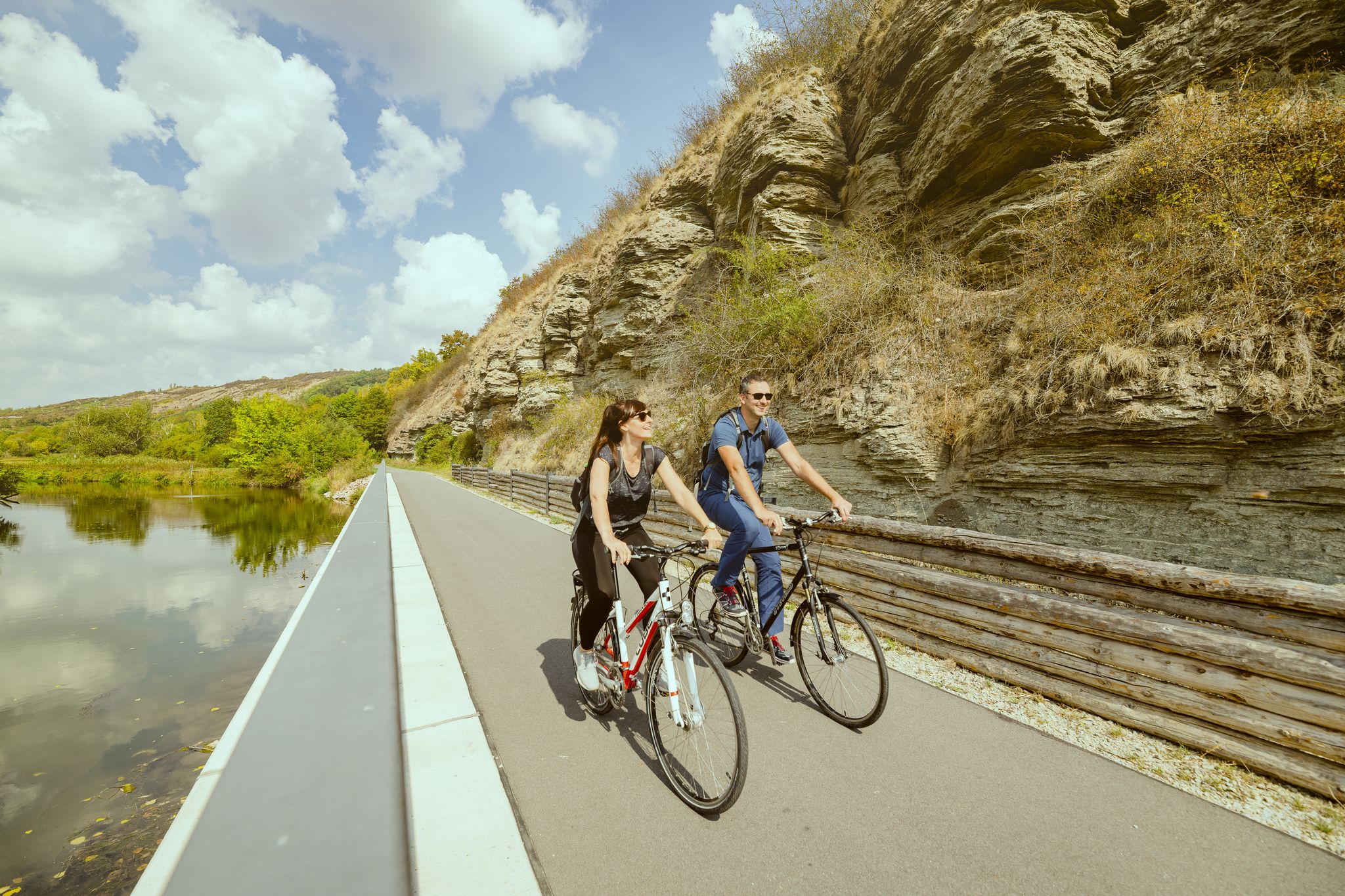
Unstrut Cycle Path – from the source in Eichsfeld to the River Saale
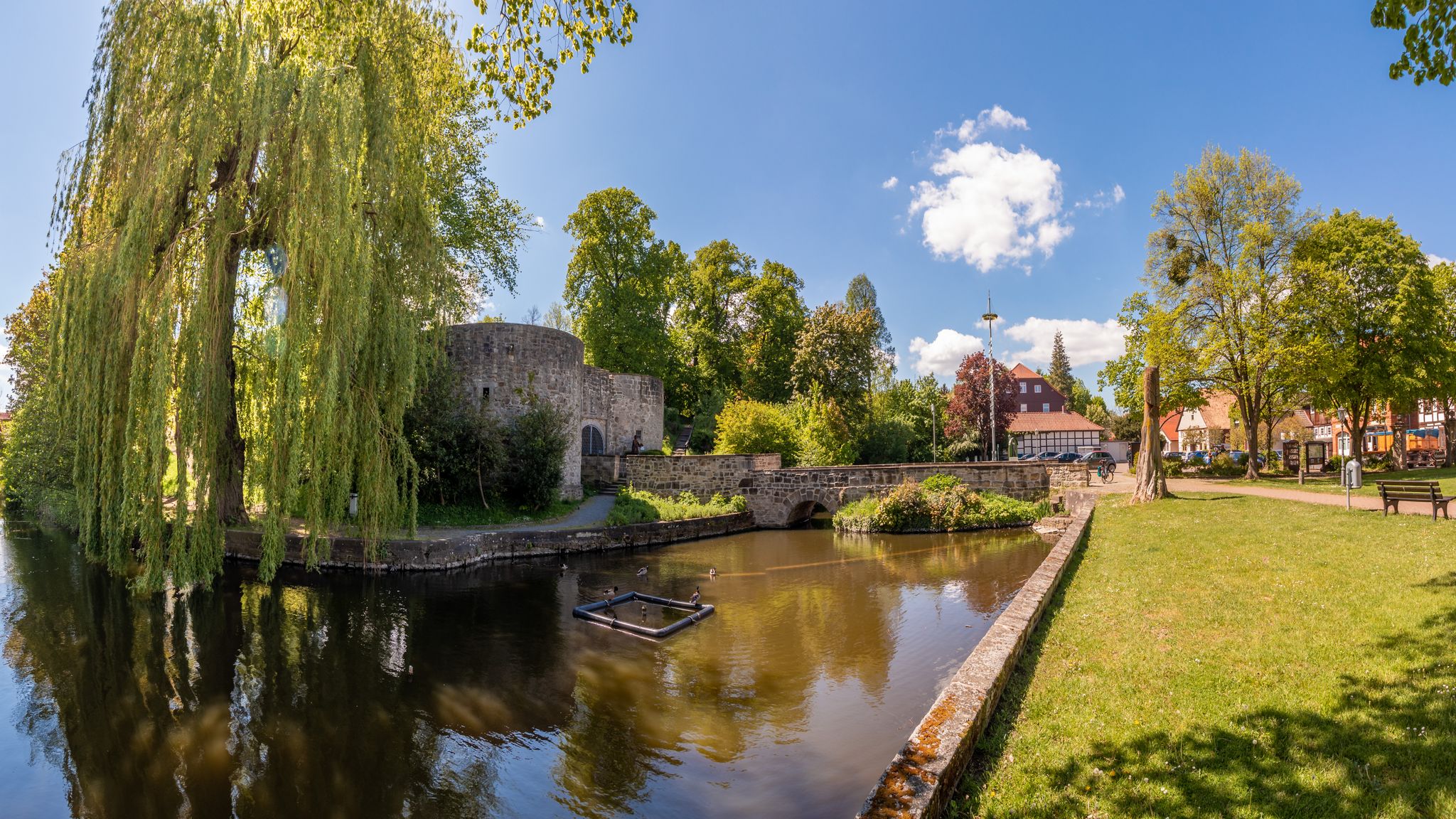
Berlin-Hameln Cycle Route – From West to East
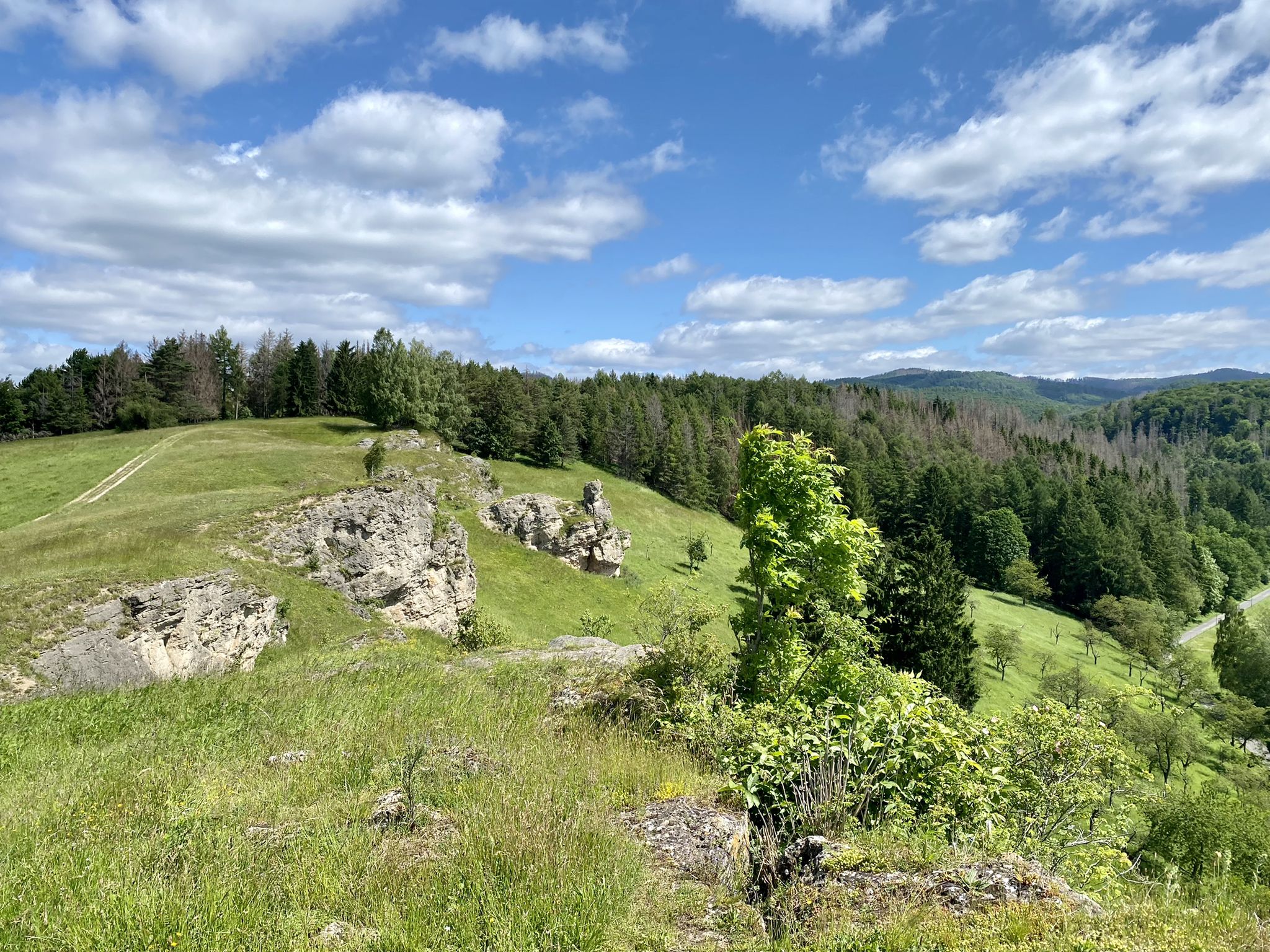
Karst Trail in Germany's Southern Harz Mountains – Where Water Meets Limestone
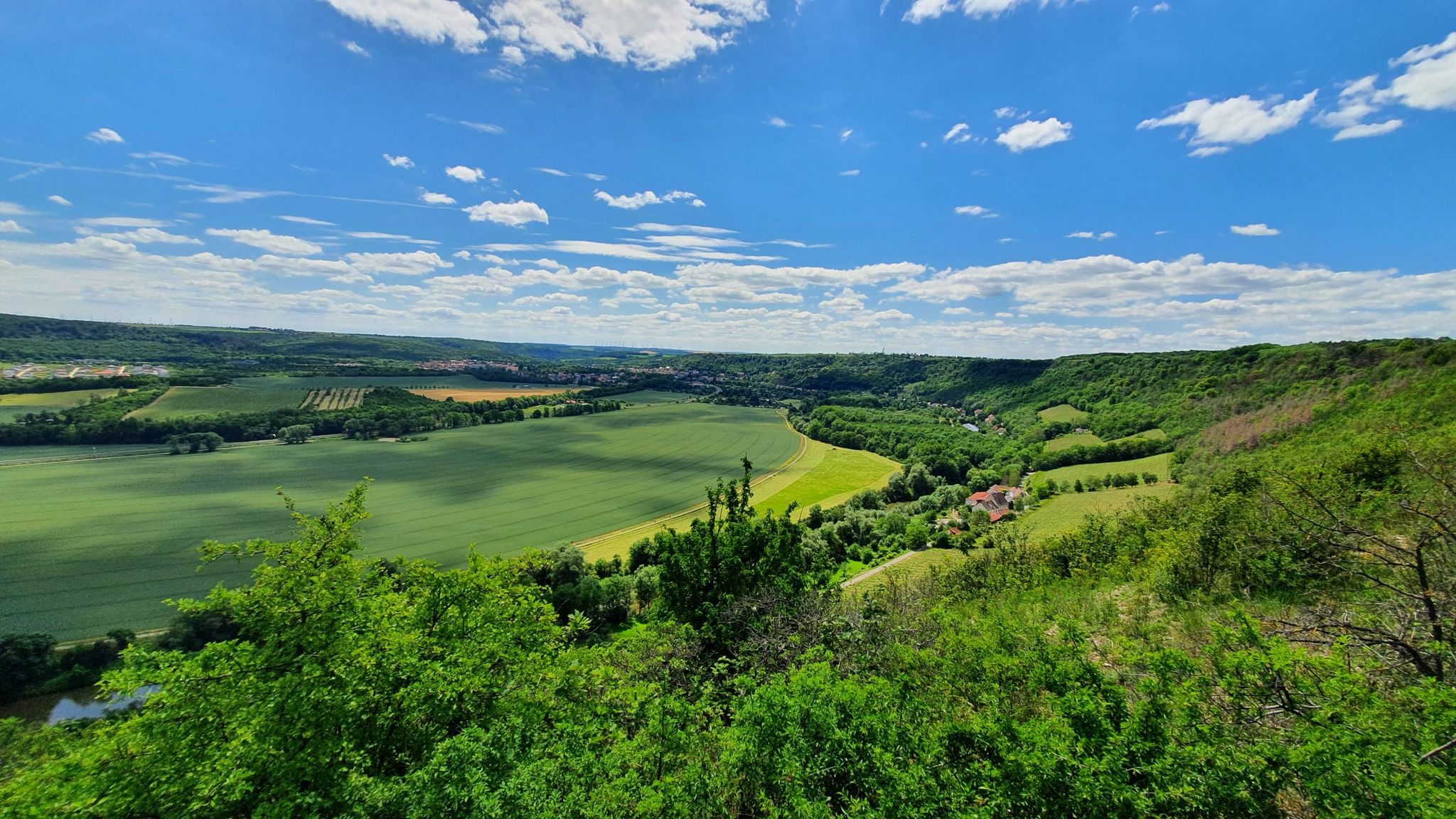
Feengrotten Kyffhäuserweg – Hike Germany's trail
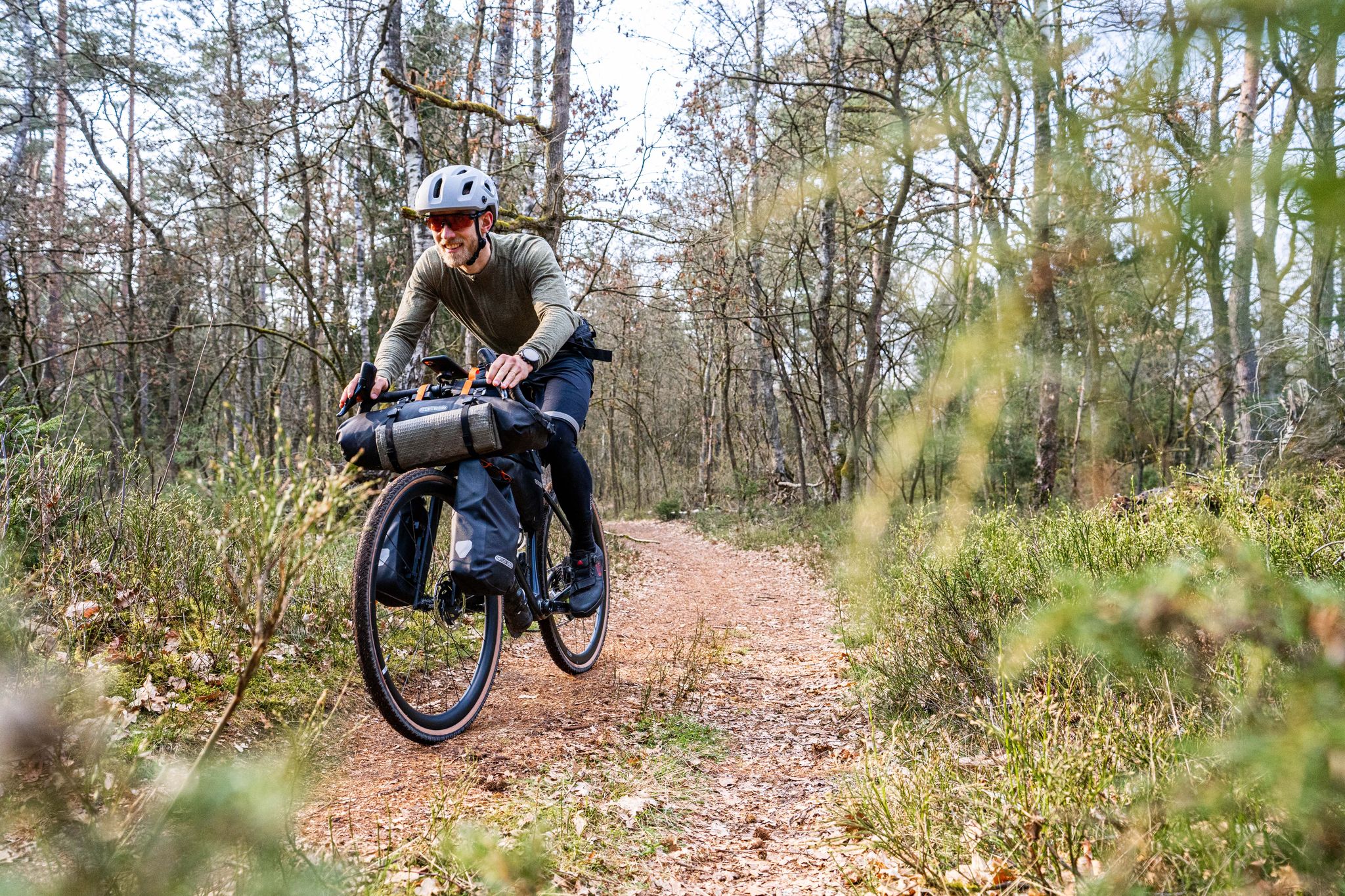
Gravel bikepacking from Hamburg to Munich
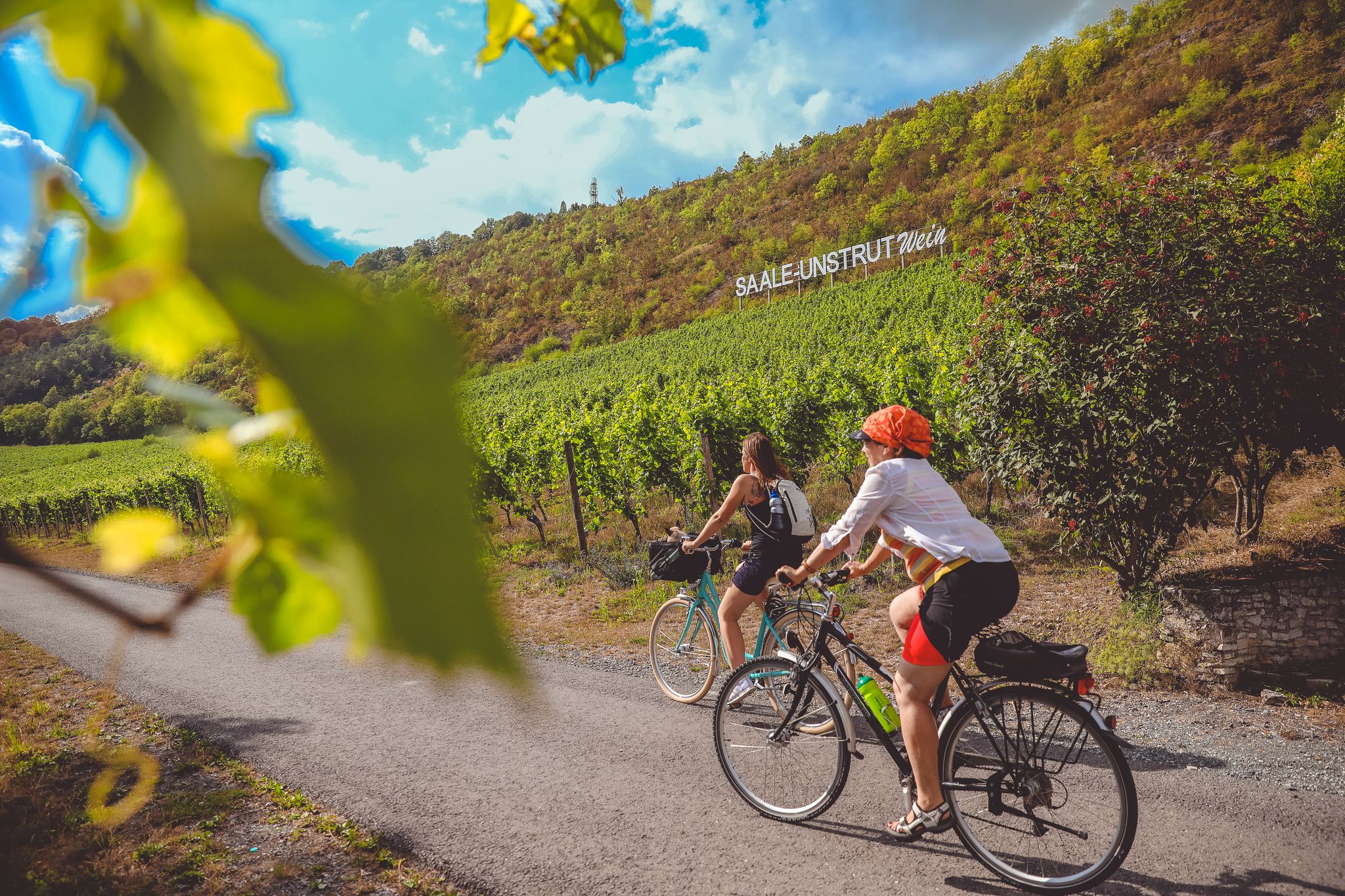
Saale Cycle Path part 2 – culture and nature along the river
The Harz-Rundweg – once around the low mountain range in the Harz foreland
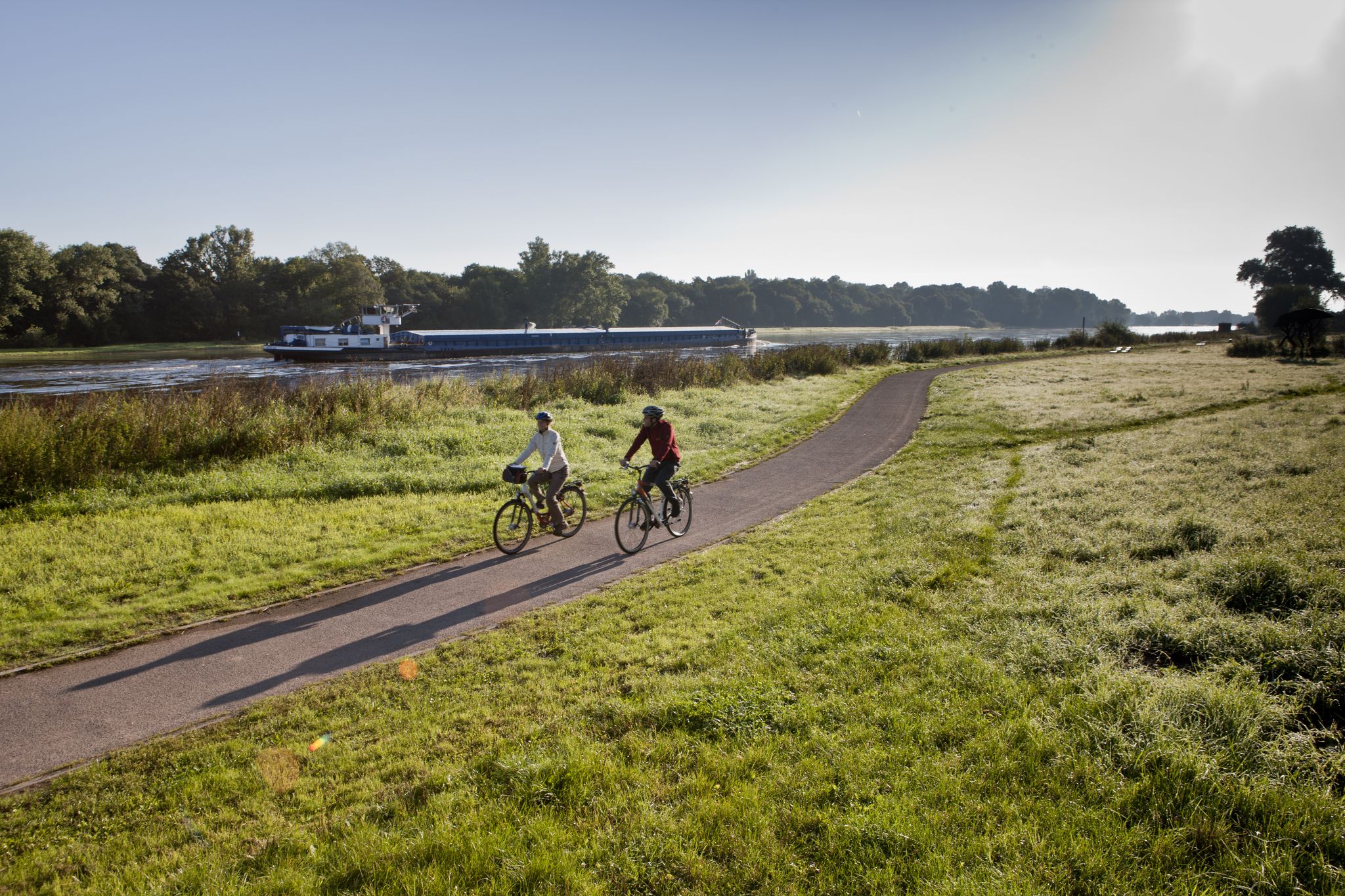
Elbe Cycle Route – Ride through Saxony-Anhalt
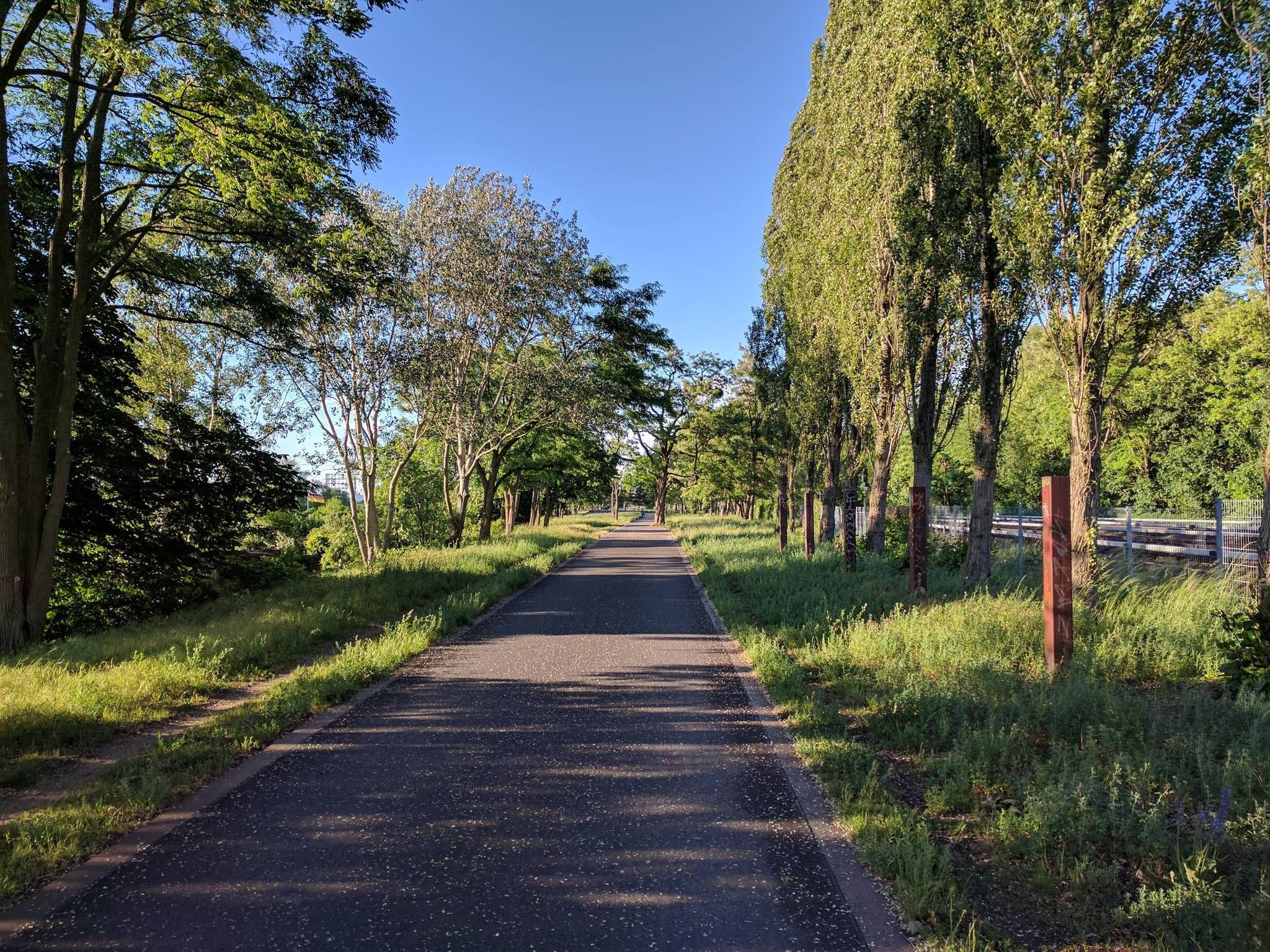
The Berlin Leipzig cycle path – Through the East in five stages
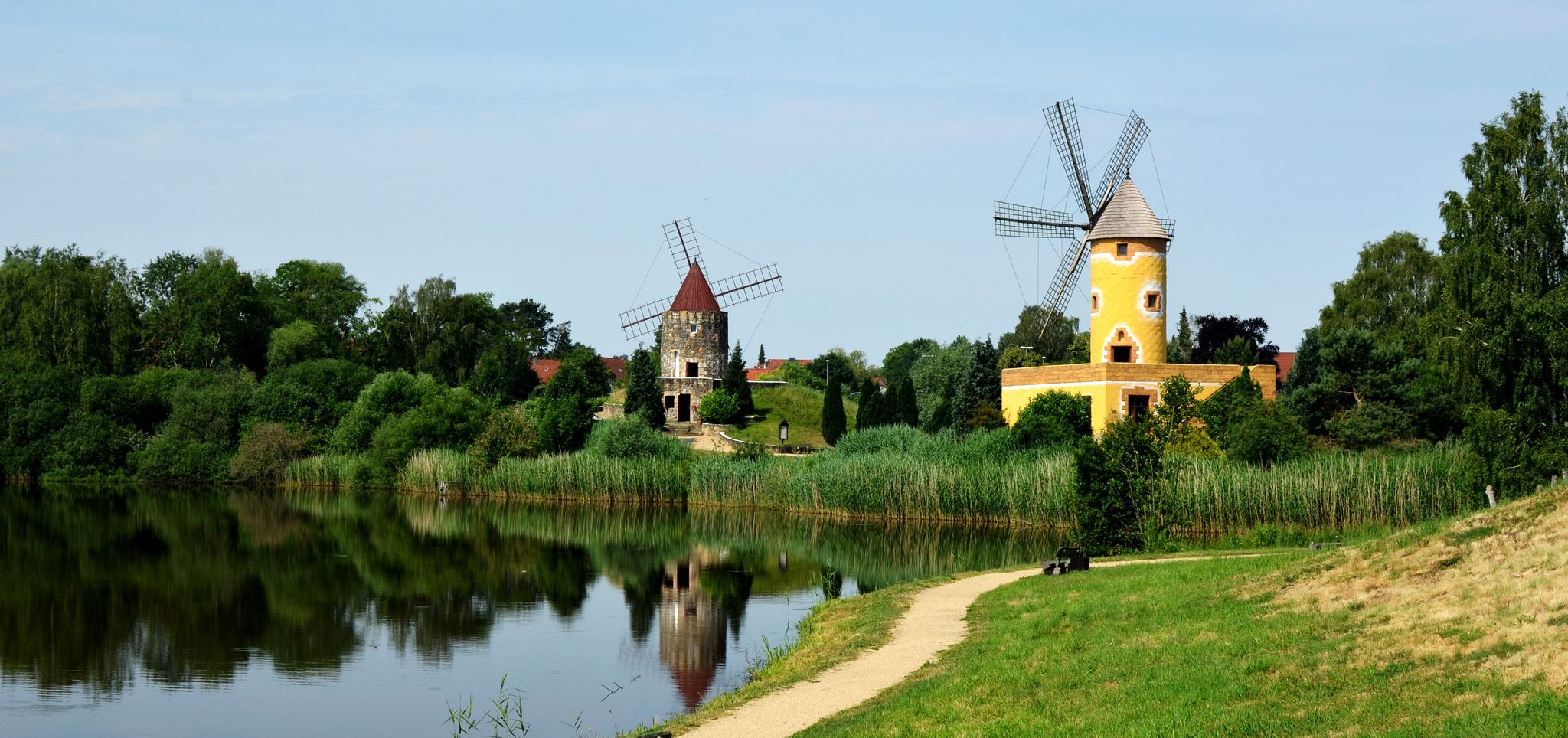
Aller Cycle Path – In 6 stages
Other adventures in Saxony-Anhalt


Tips from the Community

Here is the stamp location 187 Lauenburg.
15
1
A beautiful viewpoint and a good place for a rest.
11
1
The remains of the Stecklenburg ruins.
12
1

The two-part castle complex was built in the third quarter of the 11th century as an imperial castle under Henry IV and was first mentioned in documents in 1164. The construction of the outer and main castle probably took up to ten years. The purpose of the complex, which had a total length of more than 350 m, was to protect Quedlinburg and the nearby military roads. In 1180 it was conquered by Frederick I (Barbarossa) during military conflicts. In 1273 the castle was acquired by the Counts of Regenstein, which led to a power struggle between the Bishop of Halberstadt and the Counts of Regenstein. Bishop Albrecht II alone is said to have visited the castle nine times between 1326 and 1351. In 1351 the castle complex came into the possession of the bishops, who then gave the castle back to the Counts of Regenstein as a fief. From 1479 onwards the Quedlinburg Abbey was the fiefholder of the castle. Other owners of the castle were the Dukes Ernst of Saxe-Gotha-Altenburg and Albrecht of Saxe-Coburg, and from 1740 also King Frederick II of Prussia. The Prussian state later bought the castle for demolition. It then became the property of the city of Quedlinburg and in 1887 it became state property again. Source: Wikipedia
7
0
Wernigerode Castle took on its current form at the end of the 19th century and became a leading building of North German historicism. Today it houses a much-visited museum. Source: Wikipedia
9
0
Wernigerode Castle in Wernigerode, Saxony-Anhalt, took on its current form at the end of the 19th century and became a model building of North German historicism. Today it houses a much-visited museum. Source: Wikipedia
9
0
THE photo motif of the castle and one of the most beautiful stamp points of the Harz hiking badge.
12
0
Frequently Asked Questions
Which castles in Saxony-Anhalt are particularly rich in history?
Saxony-Anhalt boasts several castles with deep historical roots. Wernigerode Castle, originally a 12th-century fortress, offers insights into opulent German nobility. Quedlinburg Castle, part of a UNESCO World Heritage site, features the Romanesque Collegiate Church with tombs of early German royalty. Falkenstein Castle provides a vivid impression of medieval life, while Querfurt Castle is one of Germany's largest and best-preserved medieval fortresses. Bernburg Castle also offers a vast historical journey through its diverse museum.
Are there family-friendly castles in Saxony-Anhalt?
Yes, several castles in Saxony-Anhalt are great for families. Falkenstein Castle hosts seasonal knight and castle festivals and has a resident falconer. Regenstein Castle and Fortress, largely worked into sandstone, offers a unique experience for explorers of all ages with its many caves. Wernigerode Castle has also served as a film set for children's movies, adding to its appeal for younger visitors.
What are the best castles for panoramic views in Saxony-Anhalt?
For breathtaking views, consider Wernigerode Castle, which offers panoramic vistas of Wernigerode and the Harz Mountains. Regenstein Castle and Fortress provides a fantastic all-round view, especially of the Harz foothills. From the tower of Falkenstein Castle, you can overlook the Selke Valley. Neuenburg Castle's 'Dicker Wilhelm' keep also offers expansive views of the Unstrut valley, and Querfurt Castle has a lookout tower with panoramic views.
What outdoor activities can I do near the castles in Saxony-Anhalt?
The region around Saxony-Anhalt's castles is excellent for outdoor activities. You can find numerous hiking opportunities, including easy hikes like 'The Grenzland open-air museum near Sorge' or 'Naturpark "Unteres Saaletal"'. For cycling enthusiasts, there are MTB trails such as 'W10 Summit tour - Harz National Park' and gravel biking routes like 'Gravelloop in the forest on the Elb-Havel Canal'. You can explore more routes in the Easy hikes in Saxony-Anhalt, MTB Trails in Saxony-Anhalt, and Gravel biking in Saxony-Anhalt guides.
Are there specific hiking trails around castles in the Harz Mountains?
Yes, the Harz Mountains offer excellent hiking opportunities around its castles. You can combine a visit to Wernigerode Castle with a short hike to the Agnesberg for a beautiful view. Falkenstein Castle is situated above the Selketal, offering scenic walks. The area around Regenstein Castle and Fortress also allows for short hikes, for example, combining it with the Regensteinmühle and sand caves.
What is the best time to visit the castles in Saxony-Anhalt?
The best time to visit castles in Saxony-Anhalt generally depends on your preferences. Spring and autumn offer pleasant temperatures for exploring and fewer crowds, with beautiful foliage in autumn. Summer provides longer daylight hours and often hosts various castle festivals and outdoor events. While some castles may have reduced hours or closures, visiting in winter can offer a unique, often snowy, and atmospheric experience, especially around the holidays.
Which castles are part of the Romanesque Road in Saxony-Anhalt?
Several castles in Saxony-Anhalt are integral parts of the Romanesque Road, showcasing significant architectural styles. Quedlinburg Castle and its Collegiate Church are prime examples of Romanesque architecture. Giebichenstein Castle, situated on a rock above the Saale, is also part of this historic route. Goseck Castle, originally a Benedictine monastery, features excellent Salian architecture in its church crypt and choir, aligning with the Romanesque heritage.
Are there cafes or restaurants available at or near the castles?
Many castles in Saxony-Anhalt offer dining options or have facilities nearby. Wernigerode Castle has a museum shop in its historical wine cellar, and the town itself offers various options. Falkenstein Castle includes a restaurant. The old town surrounding Quedlinburg Castle is known for its charming cafes and restaurants. Querfurt Castle also has restaurants nearby, and Giebichenstein Castle is close to cafes in Halle (Saale).
How accessible are the castles by public transport?
Public transport access varies by castle. Wernigerode Castle is easily accessible from the town of Wernigerode, which is well-connected by train. Quedlinburg is also a well-connected town. For castles in more rural areas like Falkenstein or Querfurt, access might require a combination of public transport and a shorter walk or local bus. It's advisable to check specific routes and schedules for each castle you plan to visit.
What makes Quedlinburg Castle unique compared to other castles in the region?
Quedlinburg Castle stands out as part of a UNESCO World Heritage site, inseparable from the medieval charm of Quedlinburg town. Its Romanesque Collegiate Church of St. Servatius houses the crypt of the first German royal couple, Henry I and Mathilde. The castle complex, combined with the town's over 1,300 half-timbered houses, offers an exceptional example of a well-preserved medieval European town, providing a unique historical and architectural experience.
Which castles are located near Halle (Saale)?
If you're near Halle (Saale), Giebichenstein Castle is a prominent option. Situated on a rock above the Saale, it's not only historically significant but also houses the Burg Giebichenstein University of Art and Design Halle, blending heritage with contemporary creativity. While the upper castle is a ruin, the lower castle is largely preserved, with accessible gate tower and vaulted cellar.
Are there any castles that have been used as film sets?
Yes, some castles in Saxony-Anhalt have captured the attention of filmmakers. Wernigerode Castle has been a popular location for children's movies and series. Querfurt Castle, with its impressive size and well-preserved medieval features, has also frequently served as a film set for historical dramas, bringing its ancient walls to life on screen.
Most popular routes in Saxony-Anhalt
Most popular attractions in Saxony-Anhalt

Get inspired with the komoot mobile app


Didn’t find what you were looking for?
Explore Saxony-Anhalt’s best castles region by region:
Explore more
Looking for the best castles somewhere else? Discover other guides in Saxony-Anhalt:
