Top 20 Natural Monuments in Saxony-Anhalt
Best natural monuments in Saxony-Anhalt offer diverse landscapes, from rugged mountains to tranquil river floodplains, each with distinct features. The region features significant gypsum karst landscapes, extensive forest nature reserves, and unique geological formations. These areas provide refuge for numerous species and offer insights into geological history and prehistoric ecosystems. Saxony-Anhalt's commitment to preserving its natural heritage allows visitors to connect with diverse and significant ecosystems.
Best natural monuments in Saxony-Anhalt
- The most popular natural monuments is Hamburger Wappen (Devil's…
Last updated: August 20, 2026
Brocken Summit
Highlight • Summit
Translated by Google •
Tip by

Eckerlochstieg Trail
Highlight (Segment) • Trail
Translated by Google •
Tip by

Sign up now to discover places like this
Get recommendations on the best single tracks, peaks, & plenty of other exciting outdoor places.
Sign up for free
Lower Ilse Falls
Highlight • Waterfall
Translated by Google •
Tip by

Großvaterfelsen
Highlight • Natural Monument
Translated by Google •
Tip by

Upper Ilse Falls
Highlight • Waterfall
Translated by Google •
Tip by

Eckerlochstieg Trail
Highlight (Segment) • Trail
Translated by Google •
Tip by

Hamburger Wappen (Devil's Wall)
Highlight • Natural Monument
Translated by Google •
Tip by

Ilsestein (HWN 030)
Highlight • Viewpoint
Stamp point of the Harzer hiking pin and on weekends there is also a summit beer.
Translated by Google •
Tip by

Bodetal Viewpoint
Highlight • Viewpoint
Translated by Google •
Tip by

Bodekessel
Highlight • Gorge
Translated by Google •
Tip by

Sign up for free to discover even more natural monuments in Saxony-Anhalt.
Sign up for free
Already have an account?
Start today with a free account
Your next adventure awaits.
Login or Signup
Popular around Saxony-Anhalt
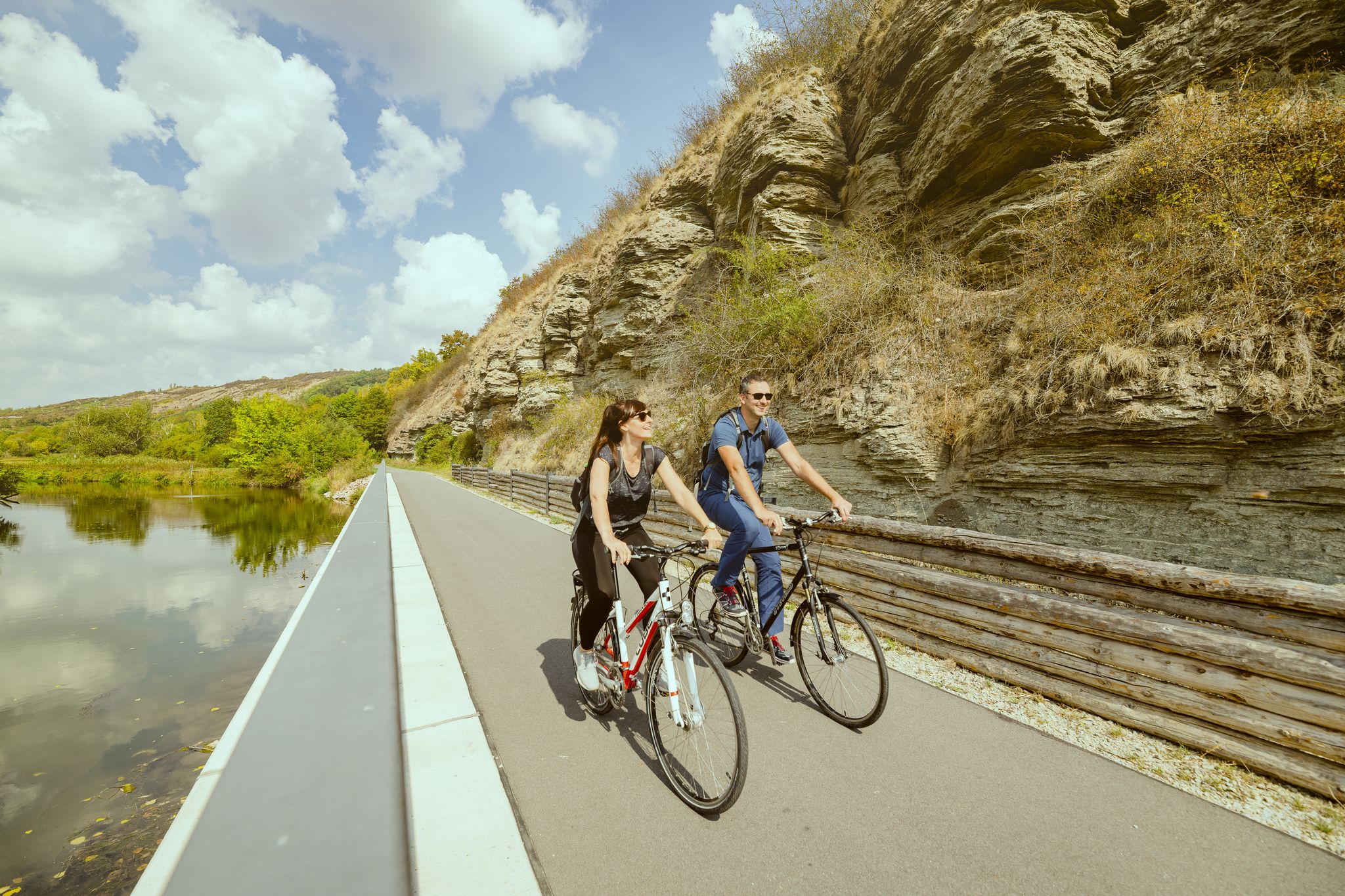
Unstrut Cycle Path – from the source in Eichsfeld to the River Saale
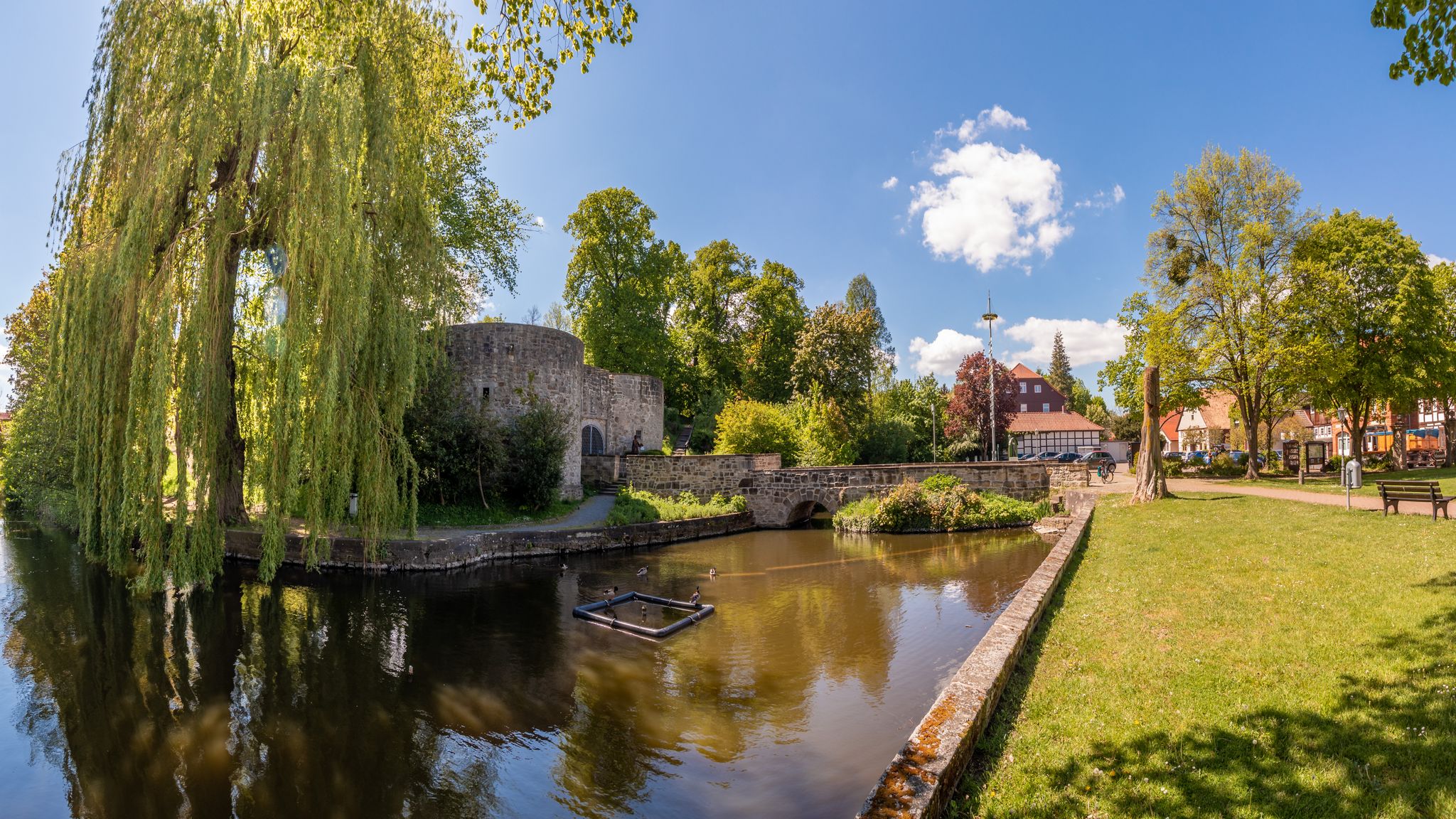
Berlin-Hameln Cycle Route – From West to East
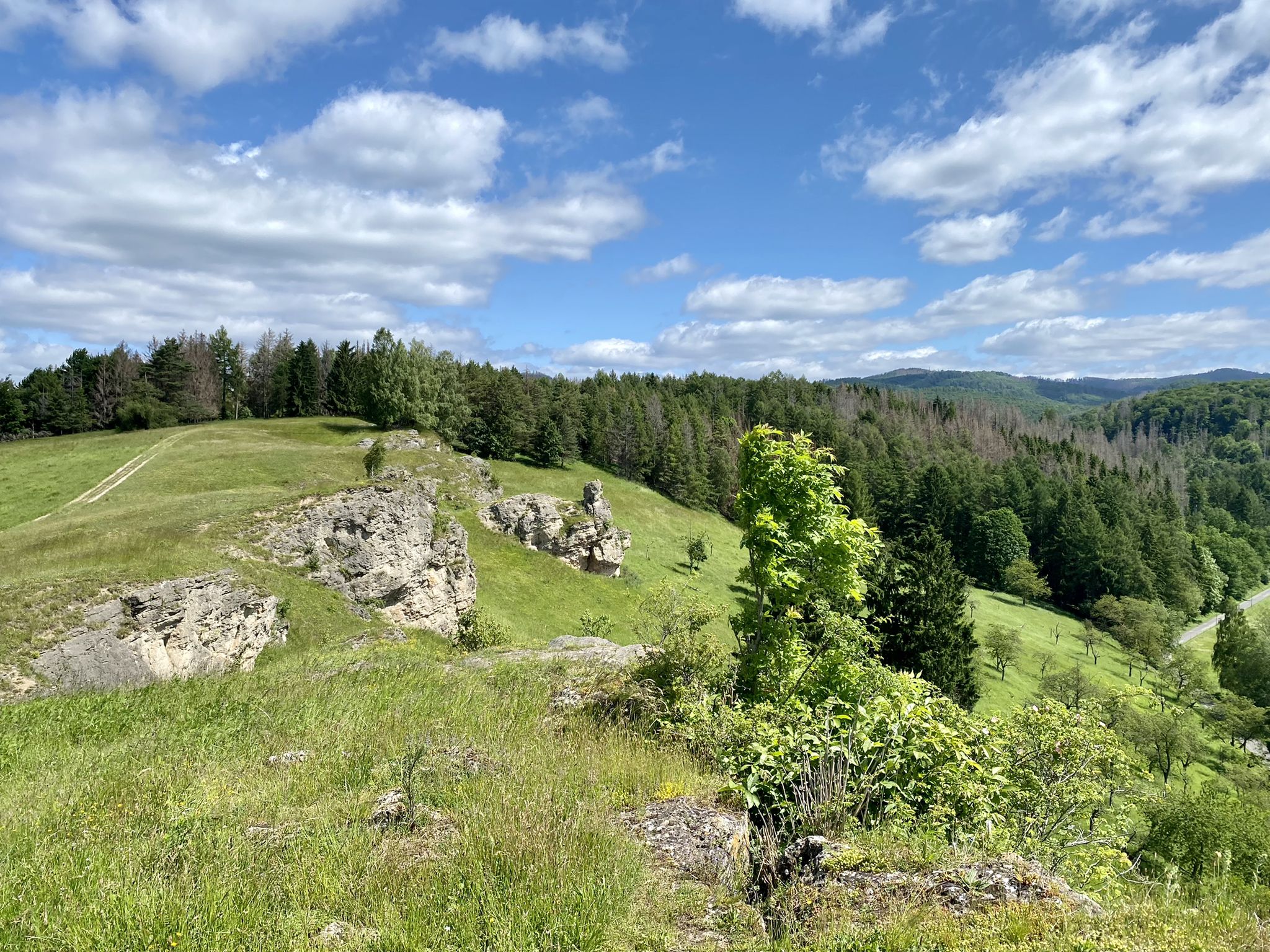
Karst Trail in Germany's Southern Harz Mountains – Where Water Meets Limestone
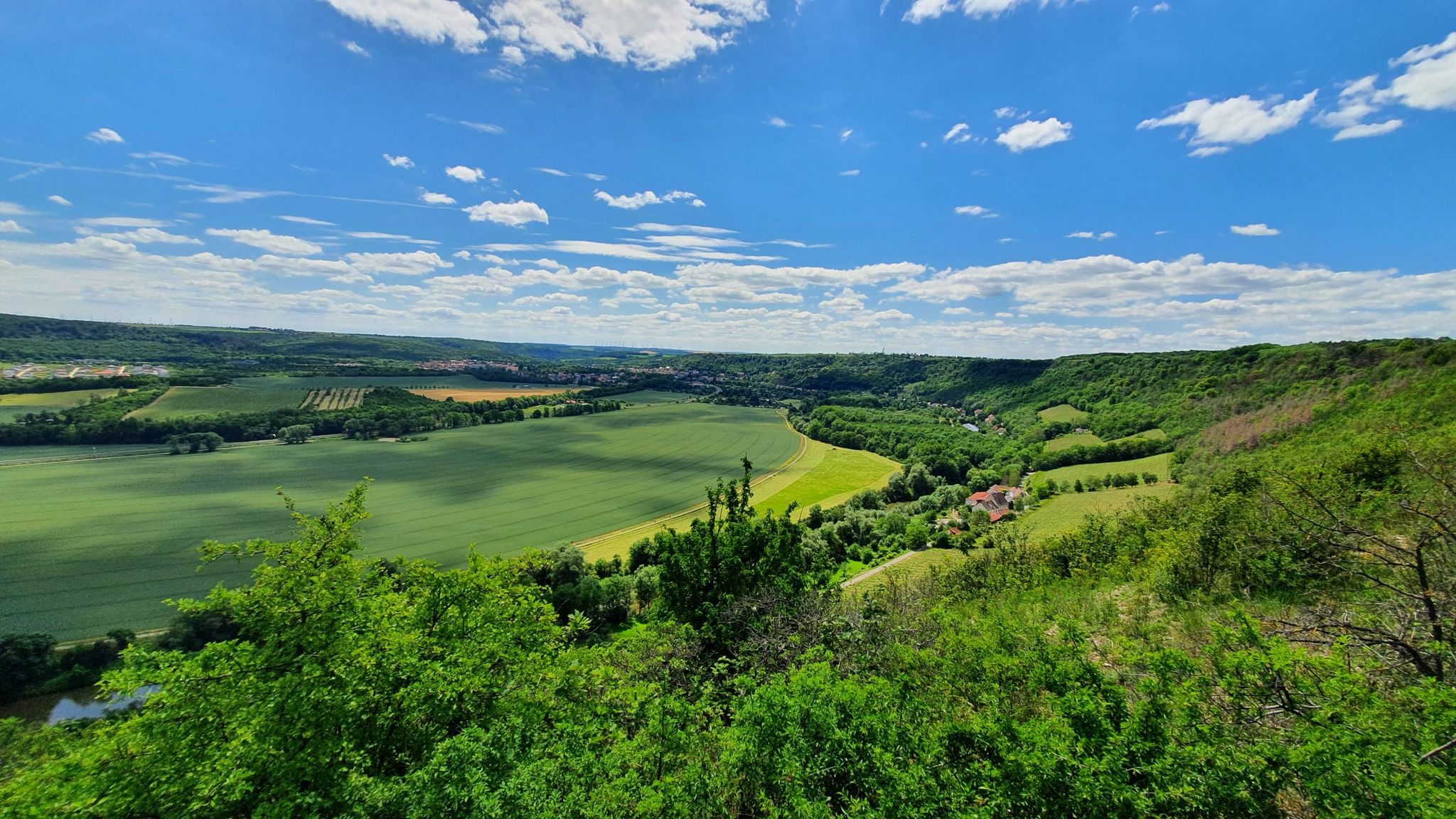
Feengrotten Kyffhäuserweg – Hike Germany's trail
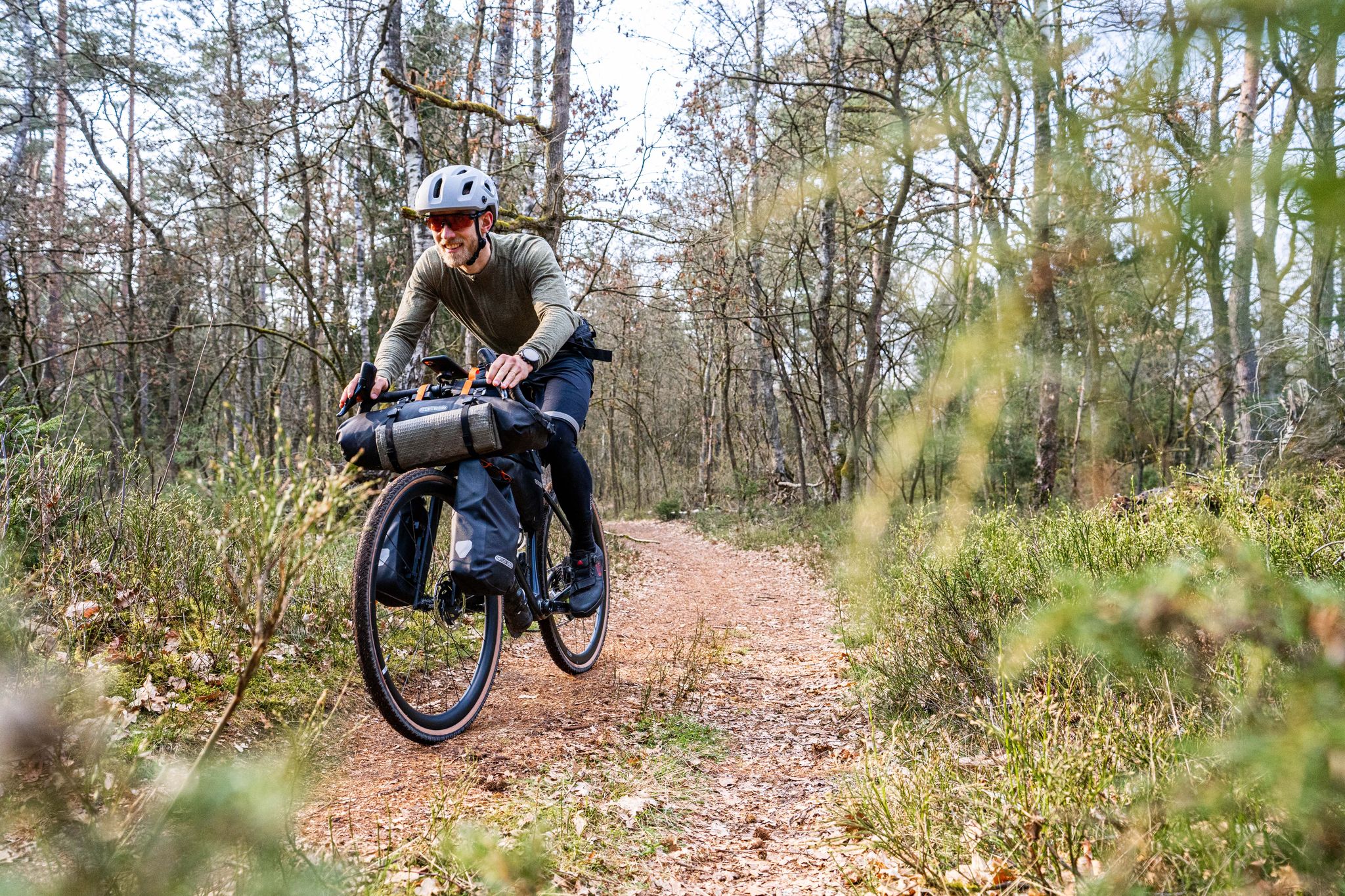
Gravel bikepacking from Hamburg to Munich
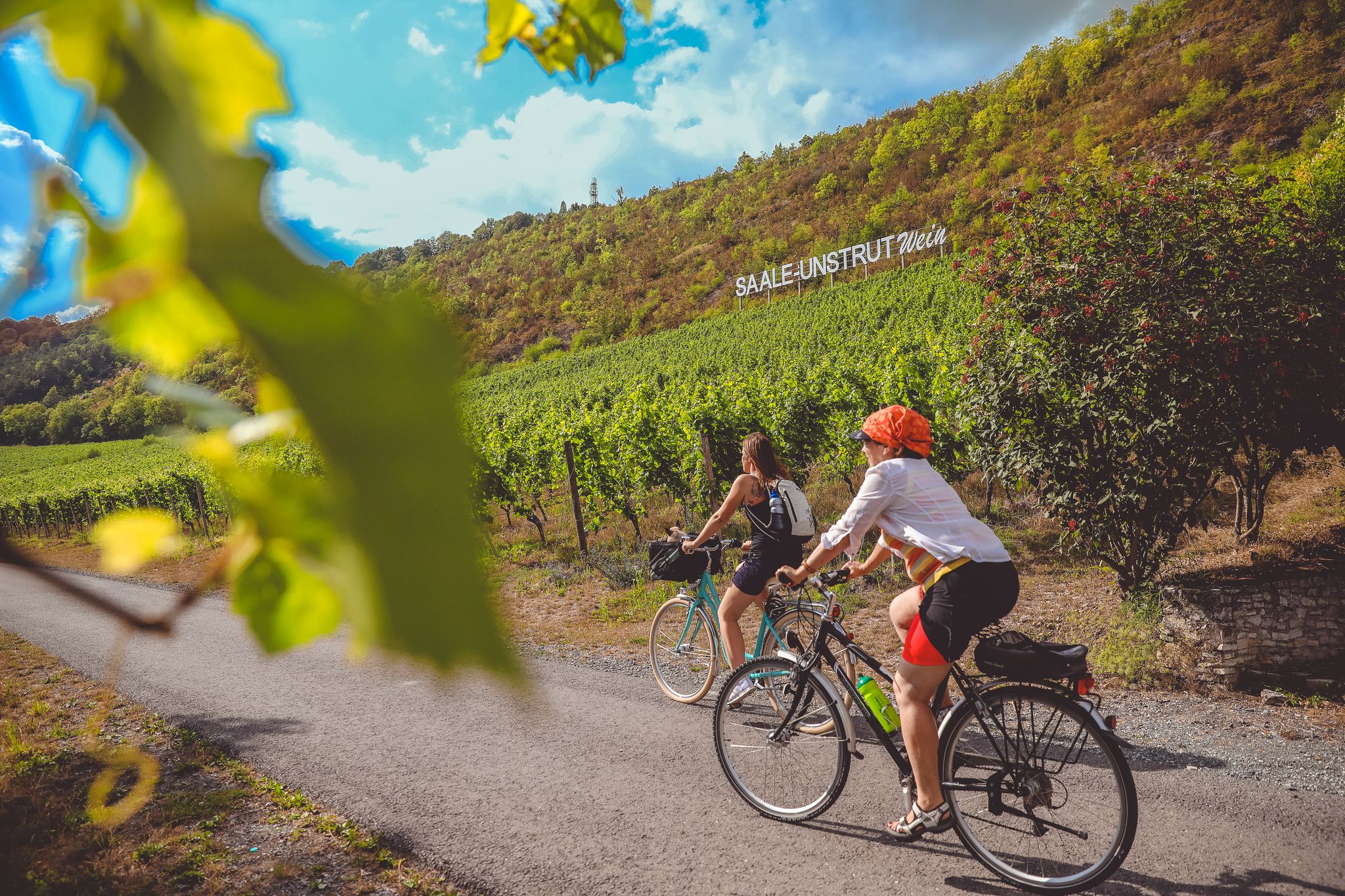
Saale Cycle Path part 2 – culture and nature along the river
The Harz-Rundweg – once around the low mountain range in the Harz foreland
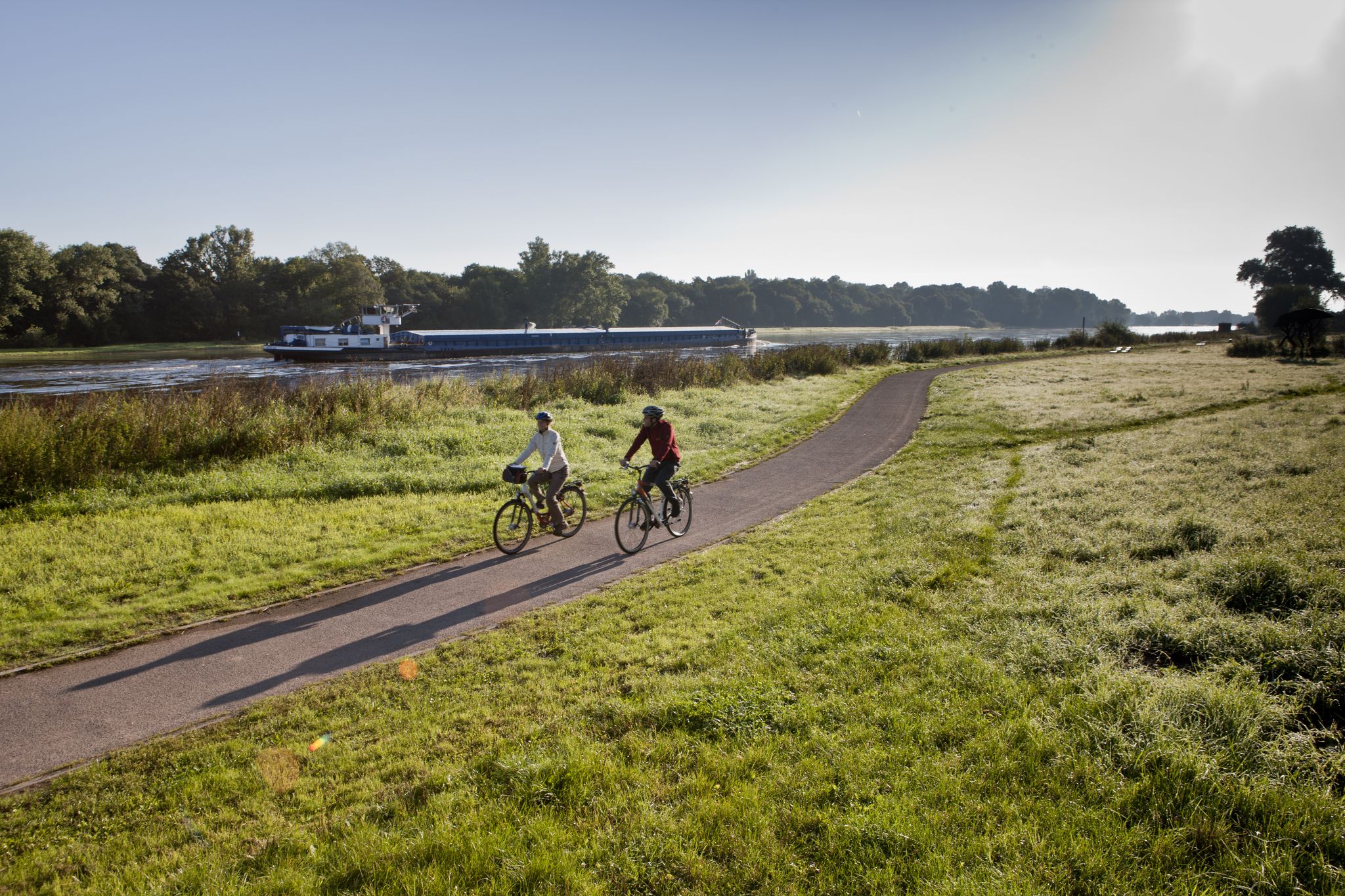
Elbe Cycle Route – Ride through Saxony-Anhalt
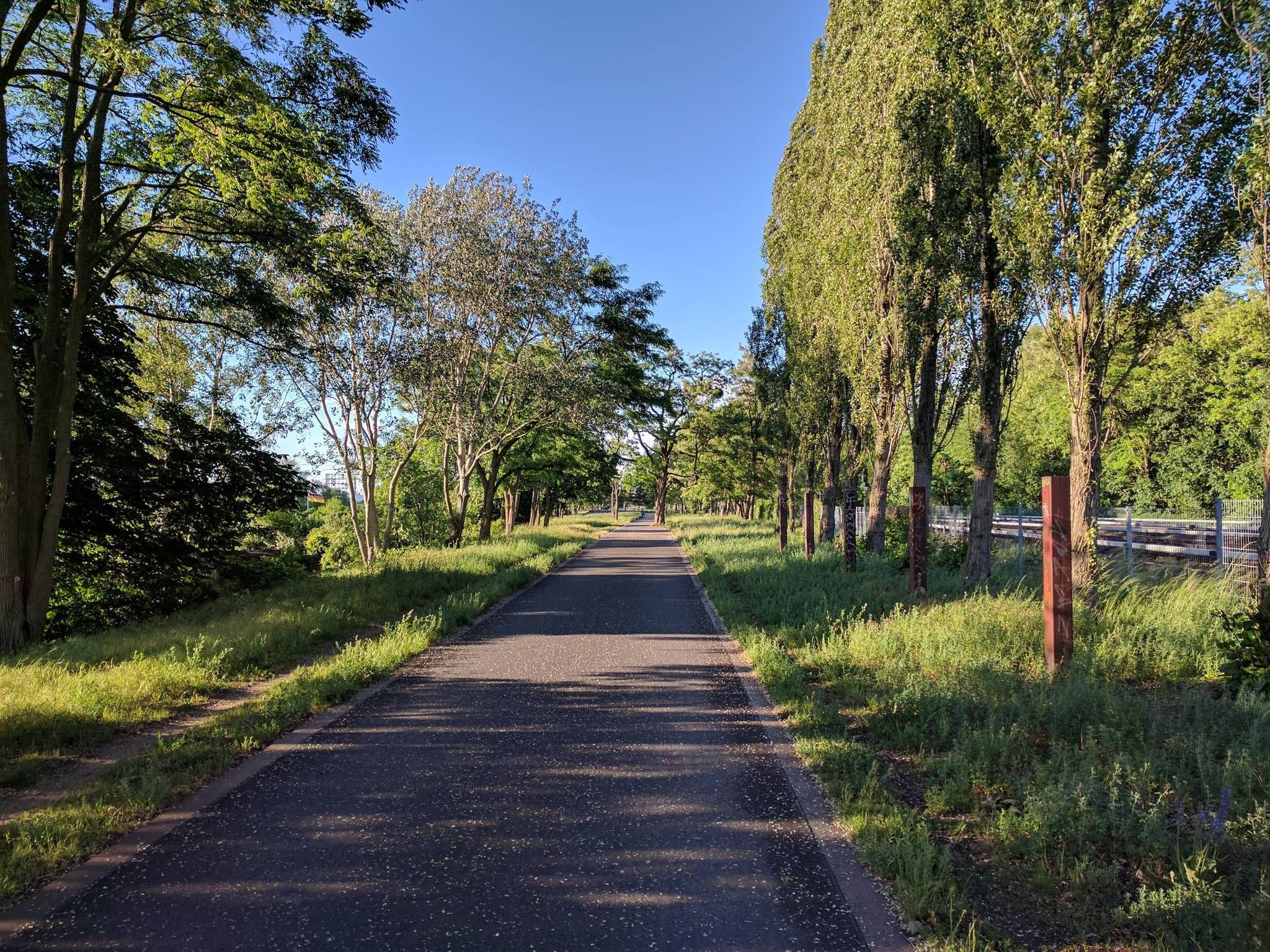
The Berlin Leipzig cycle path – Through the East in five stages
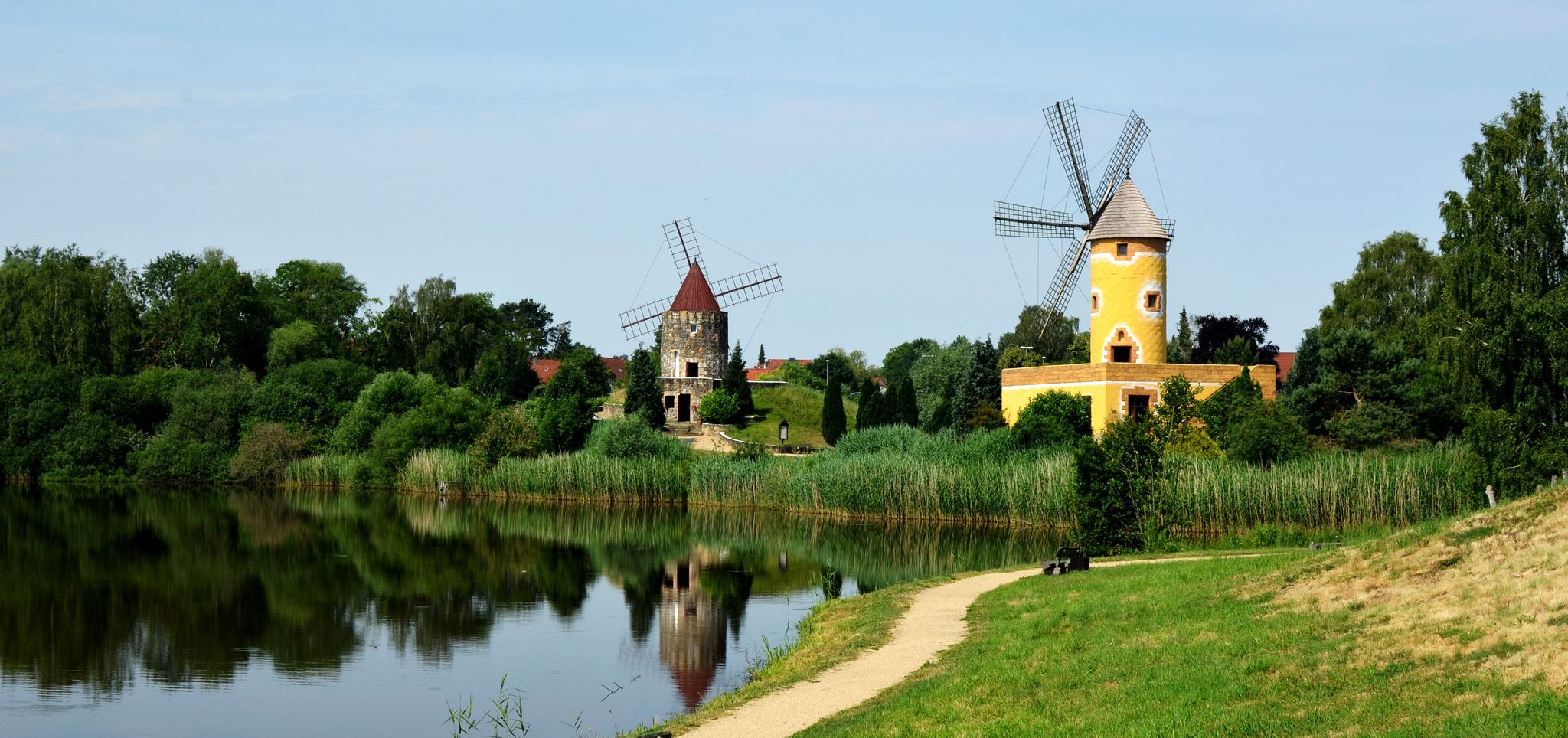
Aller Cycle Path – In 6 stages
Other adventures in Saxony-Anhalt


Tips from the Community

Simply stunningly beautiful
7
0

Who dares to climb the rocks?
7
0
Sturdy shoes and sure-footedness are required. Very nice, but also somewhat challenging, tour. 😁
13
1

The water of the wild Ilse flows loudly down the valley over a multitude of small and large cascade-like natural waterfalls. Over the millennia, nature has created a truly impressive, interconnected attraction of rock and water. You can always discover beautiful views and enjoy nature at various rest areas.
6
0

Very scenic path to hike on the Brocken, but only recommended with sturdy shoes and a certain level of fitness.
12
0

The Eckerlochstieg is a challenging natural trail to the Brocken. Many stones have to be conquered, so sturdy shoes are advisable. Also interesting for children, as there are small and varied climbing opportunities over the stones.
12
1

A nice hiking experience, more for advanced
15
0

Appropriate footwear should be worn in winter and when the weather is thawing.
11
0
Frequently Asked Questions
What kind of hiking trails can I find among Saxony-Anhalt's natural monuments?
Saxony-Anhalt offers a diverse range of hiking trails. You can find challenging ascents like the Eckerlochstieg Trail leading to the Brocken Summit, which requires sturdy shoes and good physical condition. There are also scenic routes through river valleys, such as those near the Lower Ilse Falls, and paths along unique rock formations like the Devil's Wall, including the Hamburger Wappen. For a comprehensive overview of hiking options, you can explore guides like Mountain Hikes in Saxony-Anhalt.
Are there family-friendly natural monuments suitable for children?
Yes, several natural monuments are great for families. The Lower Ilse Falls, for instance, offers a picturesque forest setting where children can enjoy the cascading river. The Drömling Biosphere Reserve provides observation towers and nature farms, making it an engaging experience for all ages. Additionally, the Großvaterfelsen at the Devil's Wall is described as a 'climbing paradise for children,' though some sections may require adult supervision.
What outdoor activities are available near these natural monuments besides hiking?
Beyond hiking, you can enjoy various outdoor activities. The Middle Elbe Biosphere Reserve is ideal for exploring by bike or canoe along its riverside trails. The Drömling Biosphere Reserve offers guided tours and observation points for wildlife viewing. For cycling enthusiasts, there are numerous routes, including those found in guides like Gravel biking in Saxony-Anhalt and MTB Trails in Saxony-Anhalt.
What makes the Harz National Park a significant natural monument in Saxony-Anhalt?
The Harz National Park is one of Germany's largest forest nature reserves, covering 250 square kilometers. It's home to the 1,141-meter-high Brocken Summit, offering magnificent views above the tree line. The park protects over 10,000 species of animals, plants, and fungi, including rare and endangered species, and features inspiring natural spectacles like the Ilse Falls.
Where can I explore unique geological formations in Saxony-Anhalt?
Saxony-Anhalt boasts several sites with unique geological formations. The South Harz Karst Landscape Biosphere Reserve features one of Europe's most significant gypsum karst landscapes with sinkholes, dolines, and Germany's largest gypsum cave, Heimkehle. The National Geopark Harz showcases rugged granite cliffs and deep valleys, while the Lower Saale Valley Nature Park reveals ancient rocks and Ice Age deposits along the Saale River.
Are there natural monuments with historical significance?
Yes, the region offers natural monuments intertwined with history. The Green Belt, stretching 343 kilometers through Saxony-Anhalt, follows the former inner-German border. It's now a national natural monument and a vital biodiversity hotspot, with hiking trails along former patrol paths passing old border installations and memorials. Additionally, the Ilsestein is a viewpoint with historical significance.
What is the best time to visit the natural monuments in Saxony-Anhalt?
The best time to visit depends on your preferred activity. Spring and autumn offer pleasant temperatures for hiking and exploring the diverse landscapes. Summer is ideal for water-based activities in areas like the Middle Elbe Biosphere Reserve. For the Brocken Summit, clear days are best for views, though it can be foggy for much of the year, and winter hikes are possible but require appropriate gear due to extreme weather conditions.
Can I find impressive waterfalls among the natural monuments?
Absolutely. The Ilse River in the Harz National Park is famous for its cascades. You can visit the Lower Ilse Falls and the Upper Ilse Falls, which offer picturesque natural spectacles as the river tumbles over rock formations. The Bodekessel also features impressive water features within a gorge.
Where can I learn about prehistoric life and fossils in Saxony-Anhalt?
The Geiseltal Fossil Deposit, located south of Halle, is an internationally important site for exceptionally well-preserved fossils from the Middle Eocene period. It provides crucial insights into mammal evolution and prehistoric ecosystems, with unique preservation of plants, insects, and vertebrates. You can find more information about this significant paleontological site on Wikipedia.
Are there natural monuments that offer panoramic viewpoints?
Many natural monuments in Saxony-Anhalt provide excellent viewpoints. The Brocken Summit offers magnificent views above the tree line on clear days. The Großvaterfelsen at the Devil's Wall rewards climbers with a splendid view of Blankenburg. Other notable viewpoints include the Bodetal Viewpoint and the Ilsestein.
What is unique about the South Harz Karst Landscape Biosphere Reserve?
The South Harz Karst Landscape Biosphere Reserve is recognized as one of Europe's most significant gypsum karst landscapes. Over millions of years, water has sculpted a distinct topography featuring sinkholes, dolines, and ponors. It is also home to Germany's largest gypsum cave, Heimkehle. A 230-kilometer karst hiking trail allows visitors to explore its varied nature, from serene forests to species-rich meadows and imposing rock formations.
What kind of wildlife can I expect to see in Saxony-Anhalt's natural monuments?
Saxony-Anhalt's natural monuments are rich in biodiversity. The Harz National Park provides refuge for over 10,000 species. The Middle Elbe Biosphere Reserve is home to beavers, sea eagles, and various rare river valley plants. The Drömling Biosphere Reserve is a crucial resting and breeding ground for cranes, storks, white-tailed eagles, and over 400 endangered species, making it an excellent spot for wildlife observation.
Most popular routes in Saxony-Anhalt
Most popular attractions in Saxony-Anhalt

Get inspired with the komoot mobile app


Didn’t find what you were looking for?
Find even more amazing natural monuments in Saxony-Anhalt by checking out the top Highlights region by region:
Explore more
Extend your search for the best caves by checking out these guides of the top ones in Saxony-Anhalt:
