Attractions and Places To See in Schleswig-Holstein - Top 20
Best attractions and places to see in Schleswig-Holstein include a diverse range of landscapes, from the North Sea and Baltic Sea coasts to inland lakes and historic towns. This northernmost German state is characterized by its maritime influence, offering numerous opportunities for outdoor activities and exploration. The region features a mix of natural monuments, coastal areas, and cultural sites, making it a destination for various interests.
Best attractions and places to see in Schleswig-Holstein
- The most popular attractions is Brodtener Cliffs, a gorge that offers a natural spectacle. It is a nature reserve that can be admired from a distance.
- Another must-see spot is Lister shifting dunes, a natural monument. Guests have a view of the dune landscape, which is a protected area.
- Visitors also love Arnis — Germany's smallest town, a settlement known for its sweet main street and church. It is notable for its small population and area.
- Schleswig-Holstein is known for its coastal attractions, historical sites, and natural monuments. The region offers a variety of attractions to see and explore, from harbors and beaches to unique towns and natural landscapes.
- The attractions in Schleswig-Holstein are appreciated by the komoot community, with more than 4800 upvotes and over 1100 photos shared by visitors.
Last updated: October 9, 2026
Niendorf Harbour
Highlight • Structure
Translated by Google •
Tip by

Neustadt in Holstein Harbour
Highlight • Settlement
Translated by Google •
Tip by

Sign up now to discover places like this
Get recommendations on the best single tracks, peaks, & plenty of other exciting outdoor places.
Kappeln Bascule Bridge
Highlight • Bridge
Translated by Google •
Tip by

Brodtener Cliffs
Highlight • Gorge
Translated by Google •
Tip by

Arnis — Germany's smallest town
Highlight • Settlement
Showing Translation
Tip by

Haffkrug beach
Highlight • Beach
Translated by Google •
Tip by

Lister shifting dunes
Highlight • Natural Monument
Translated by Google •
Tip by

Priwall–Travemünde Ferry
Highlight • Rest Area
Translated by Google •
Tip by

Rantum Basin Dyke Trail
Highlight (Segment) • Trail
Translated by Google •
Tip by

Cycle Path Along Burger See
Highlight (Segment) • Cycleway
Translated by Google •
Tip by

Sign up for free to discover even more attractions in Schleswig-Holstein.
Already have an account?
Start today with a free account
Your next adventure awaits.
Popular around Schleswig-Holstein
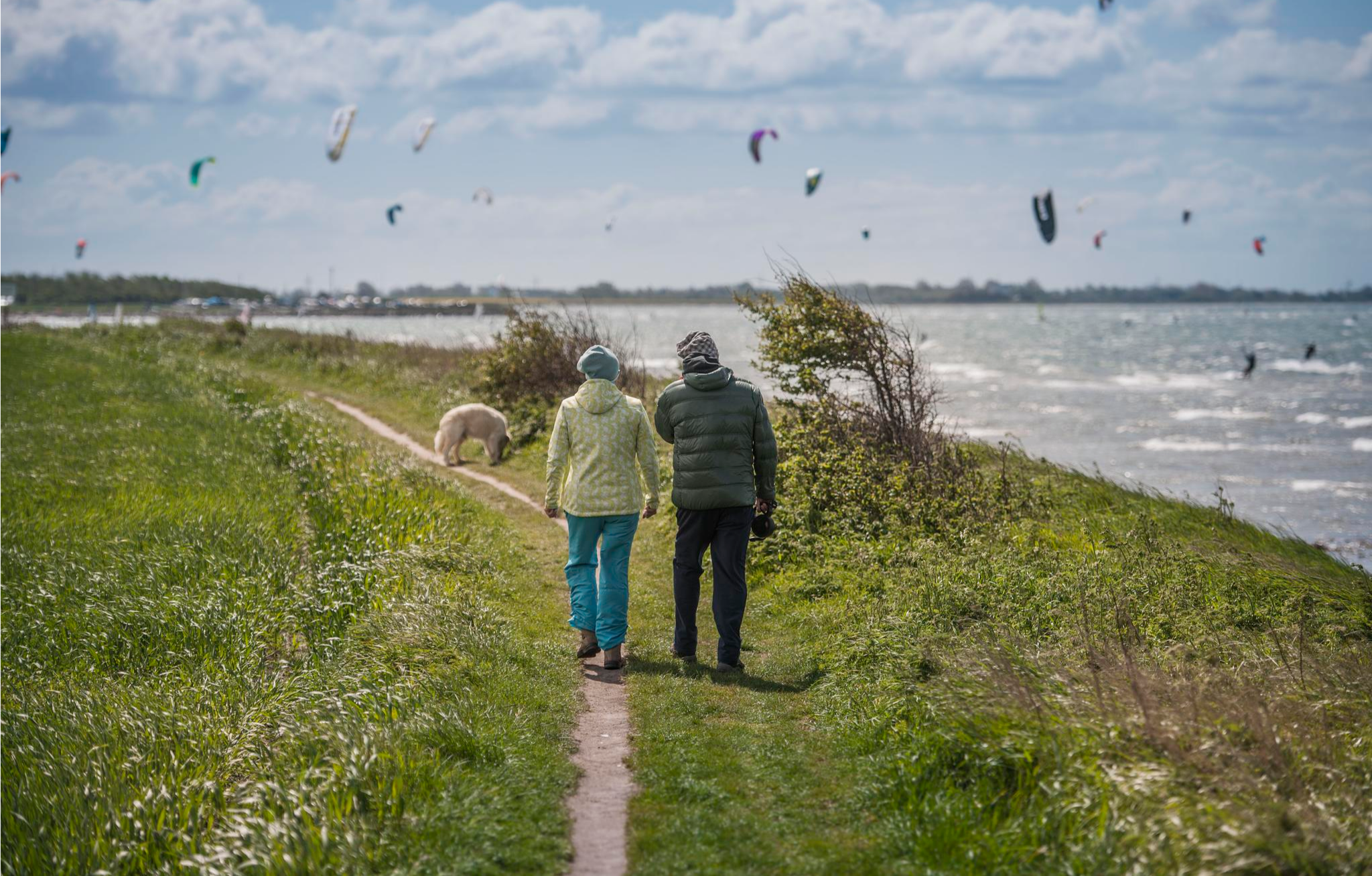
Autumn walks on Fehmarn – between coast and culture
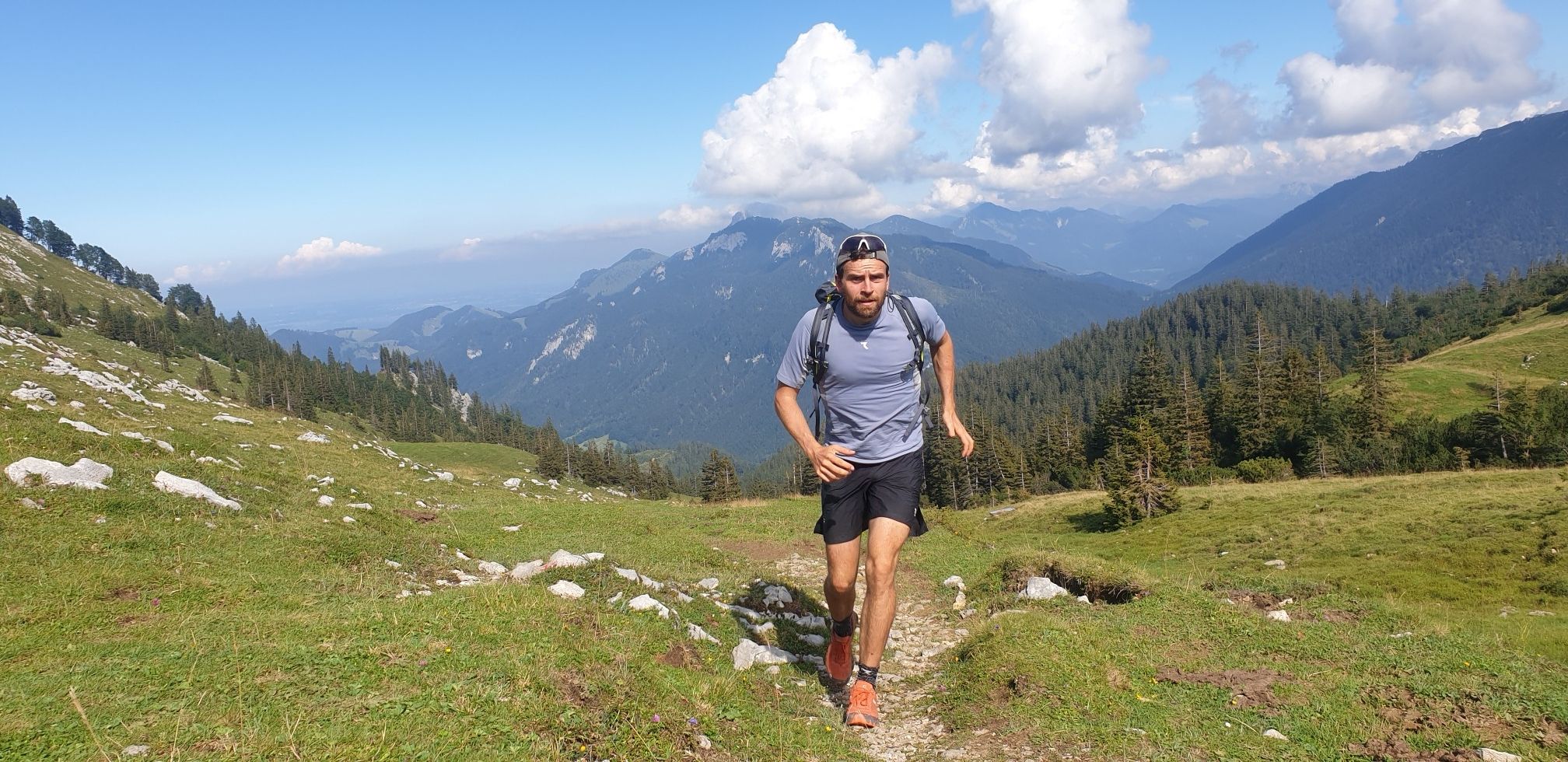
Triathlon around Germany
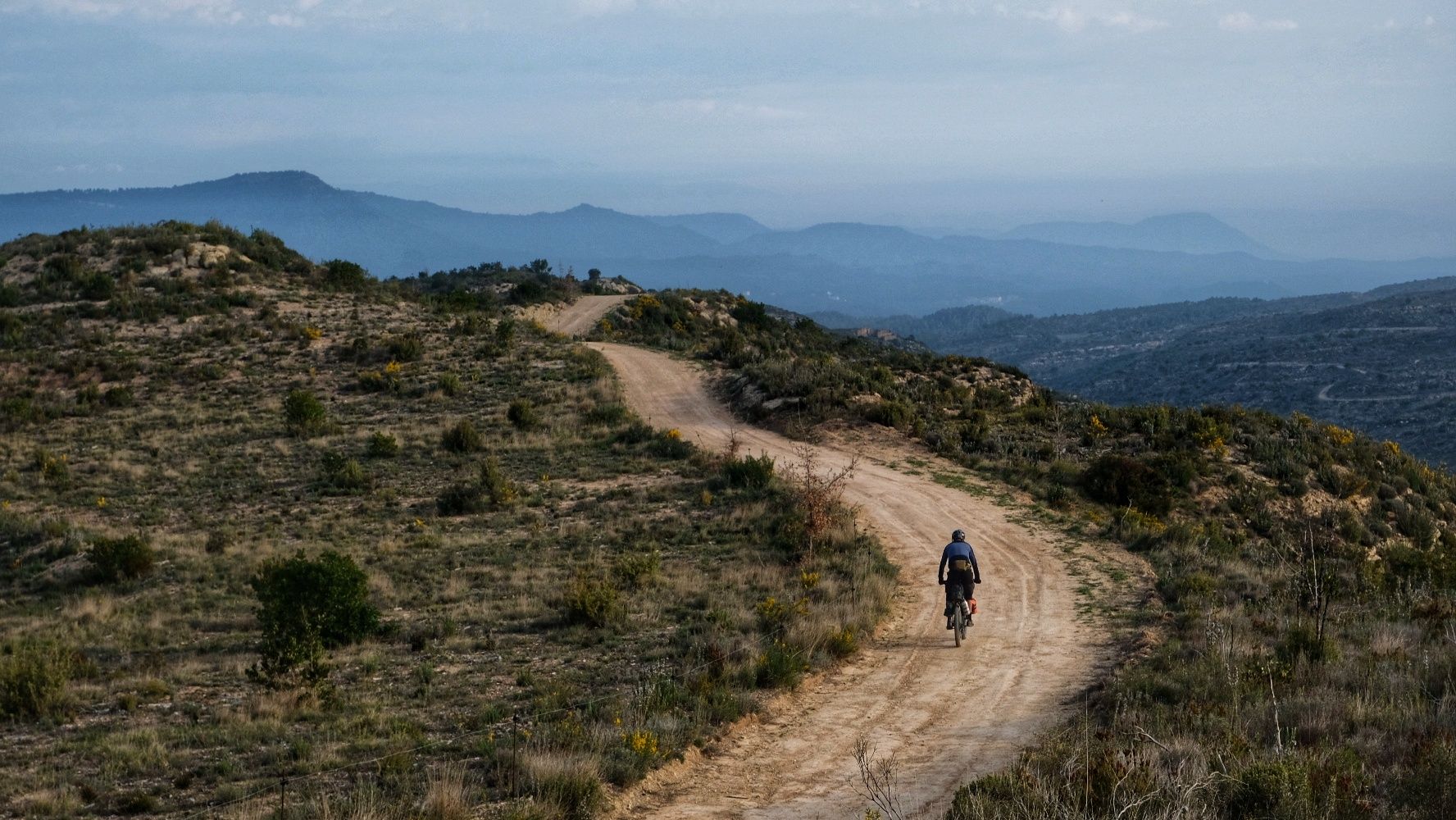
European Divide Trail — 7,600 km across the continent
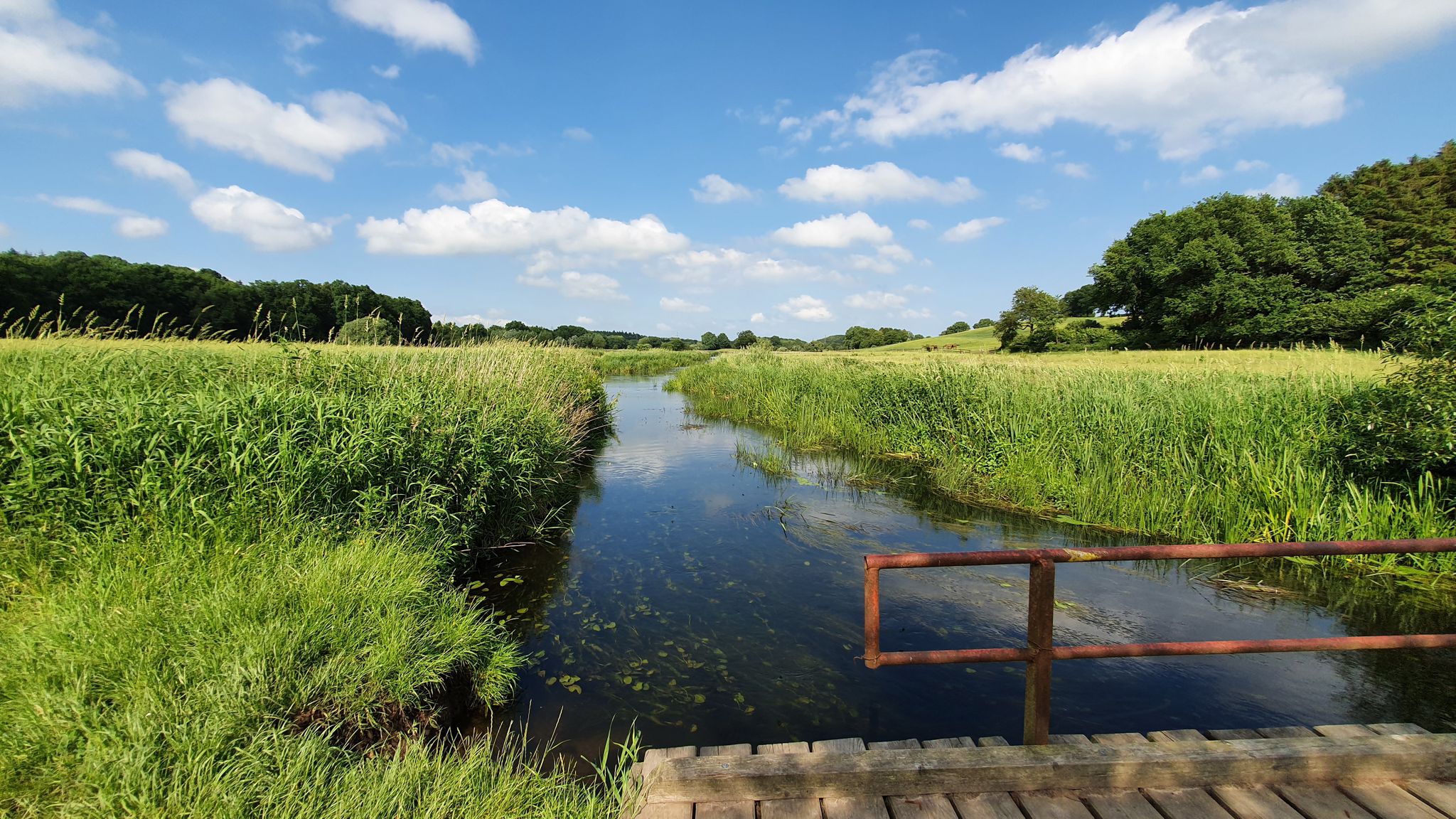
North-Baltic Sea Hiking Trail – Between the Seas
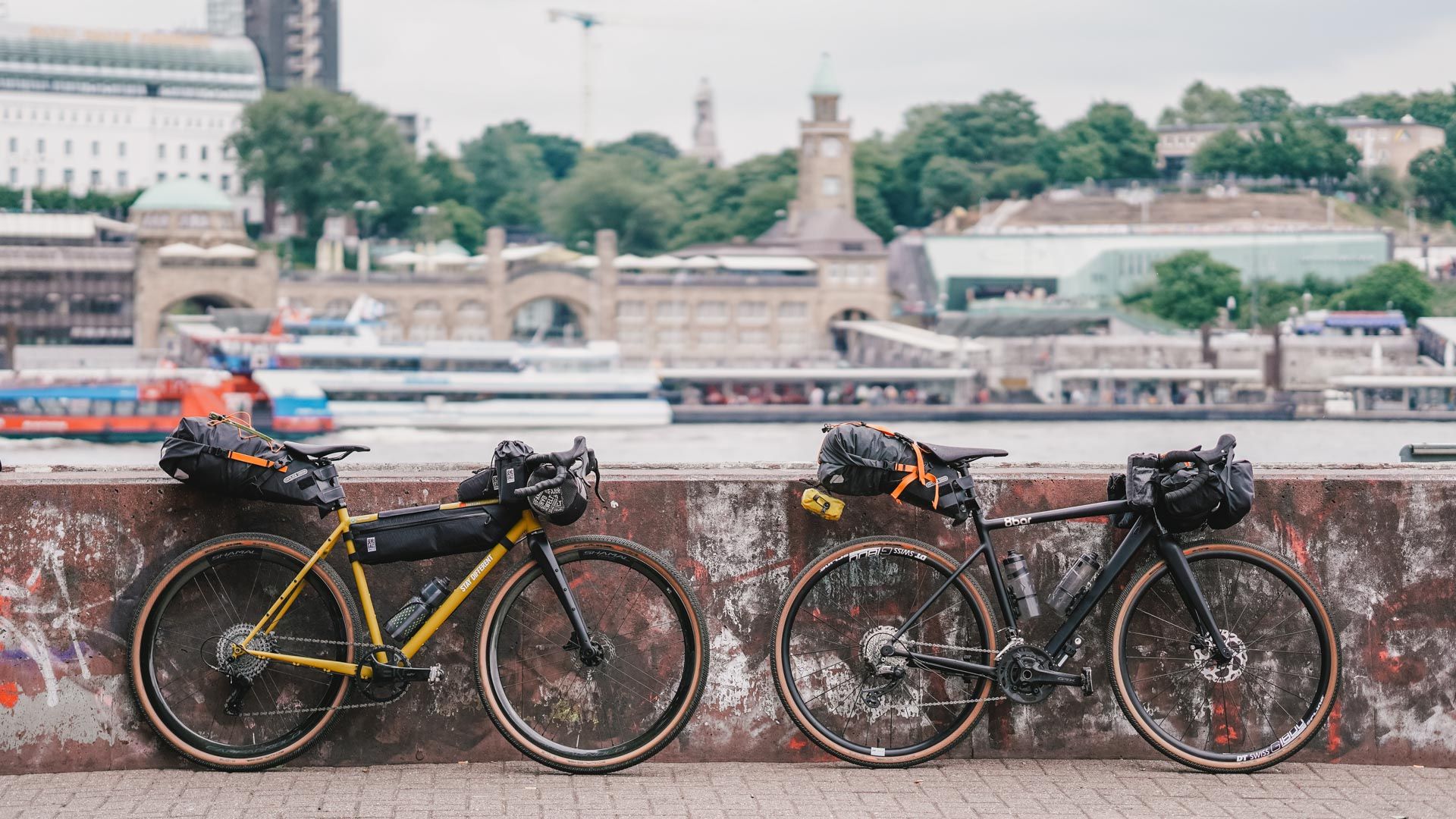
North Sea Deluxe — bikepacking with Radelmädchen
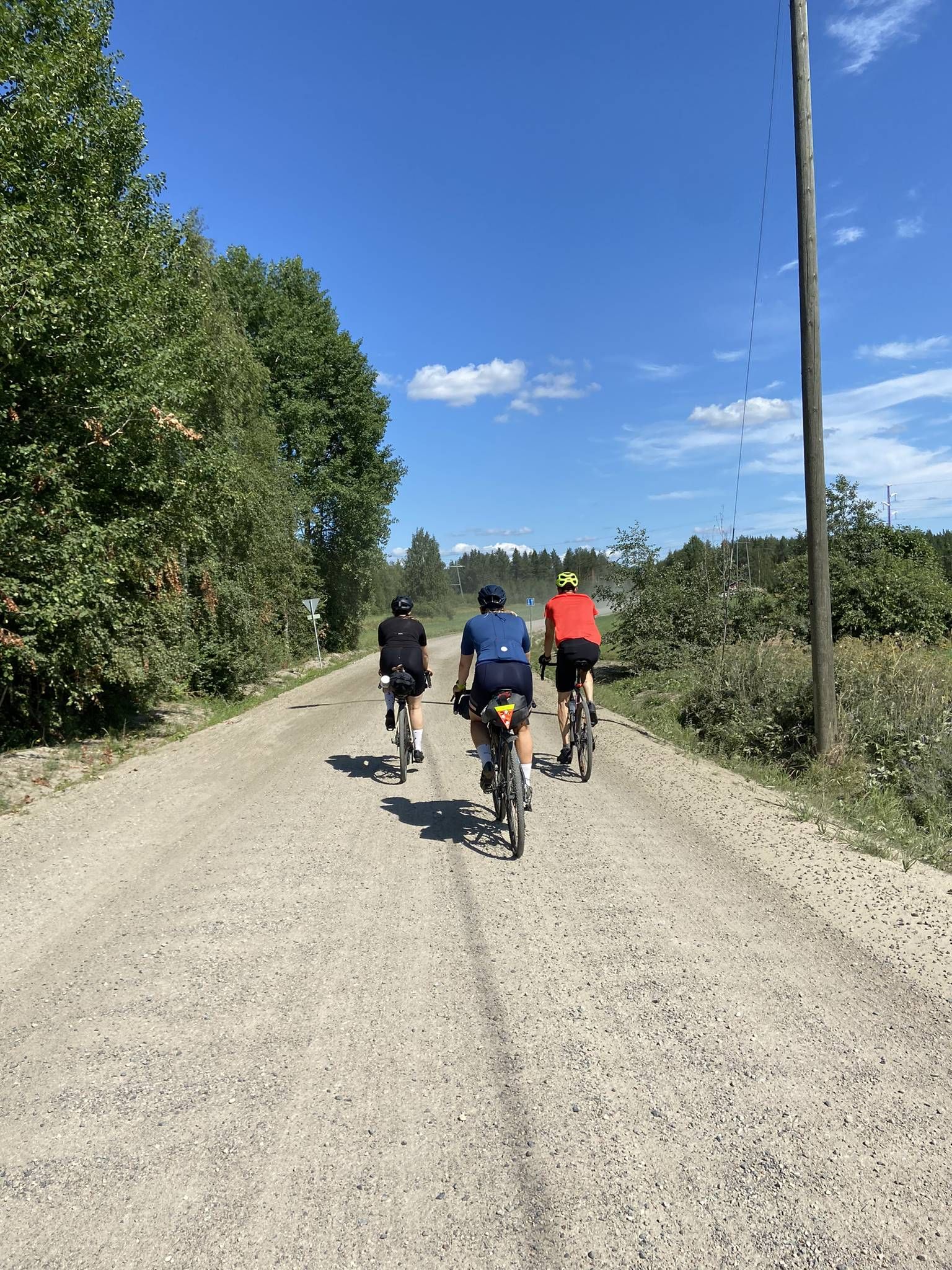
Naples to North Cape — Two friends, one purpose and many scoops of ice-cream
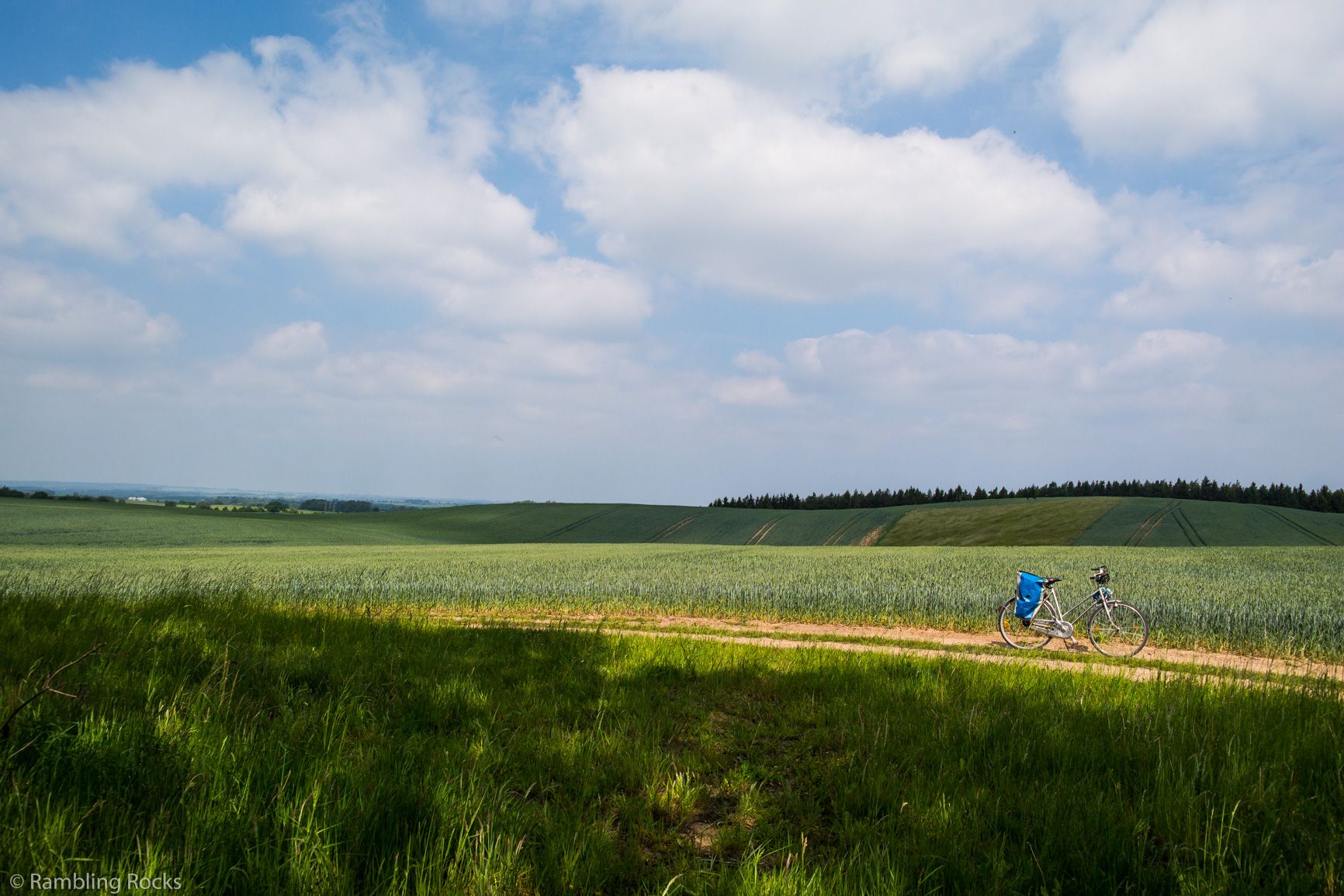
The Hanseatic Way – Cycling across North Germany to Poland, follow the cog!
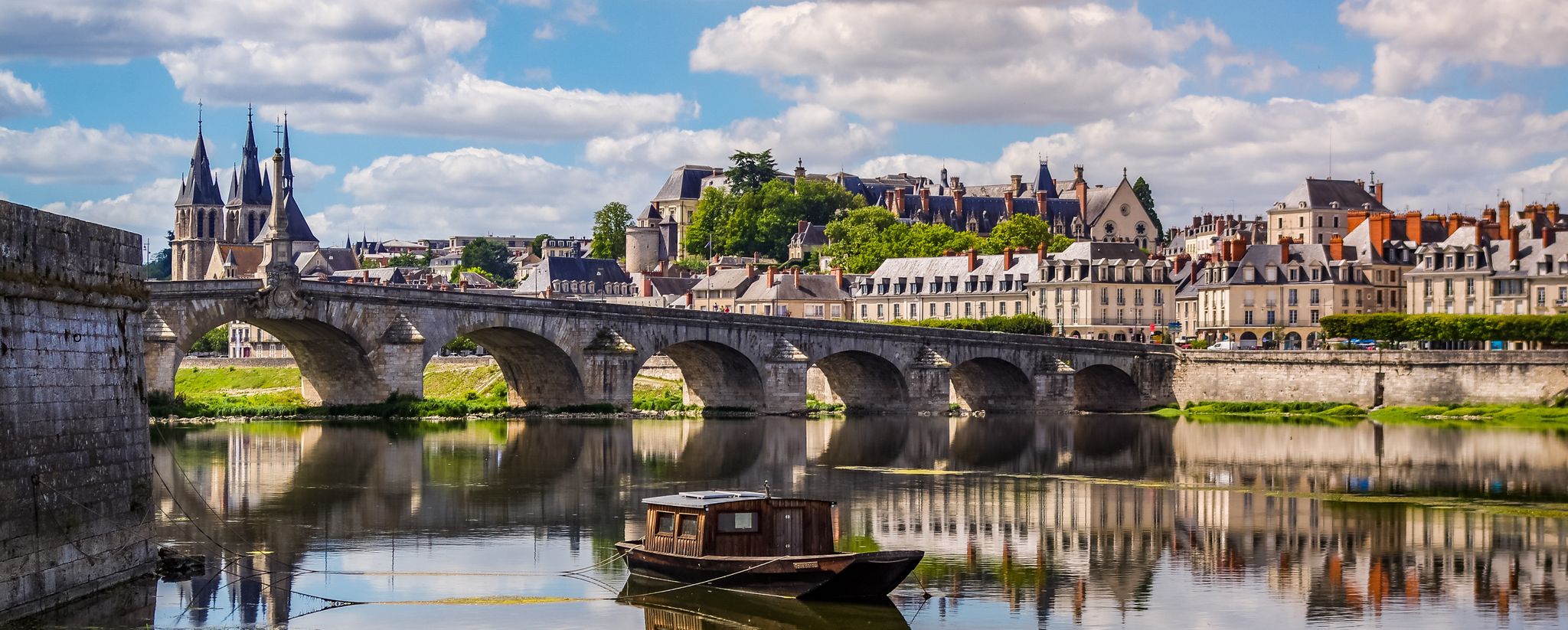
EuroVelo 3 – A cycling pilgrimage from Norway to France
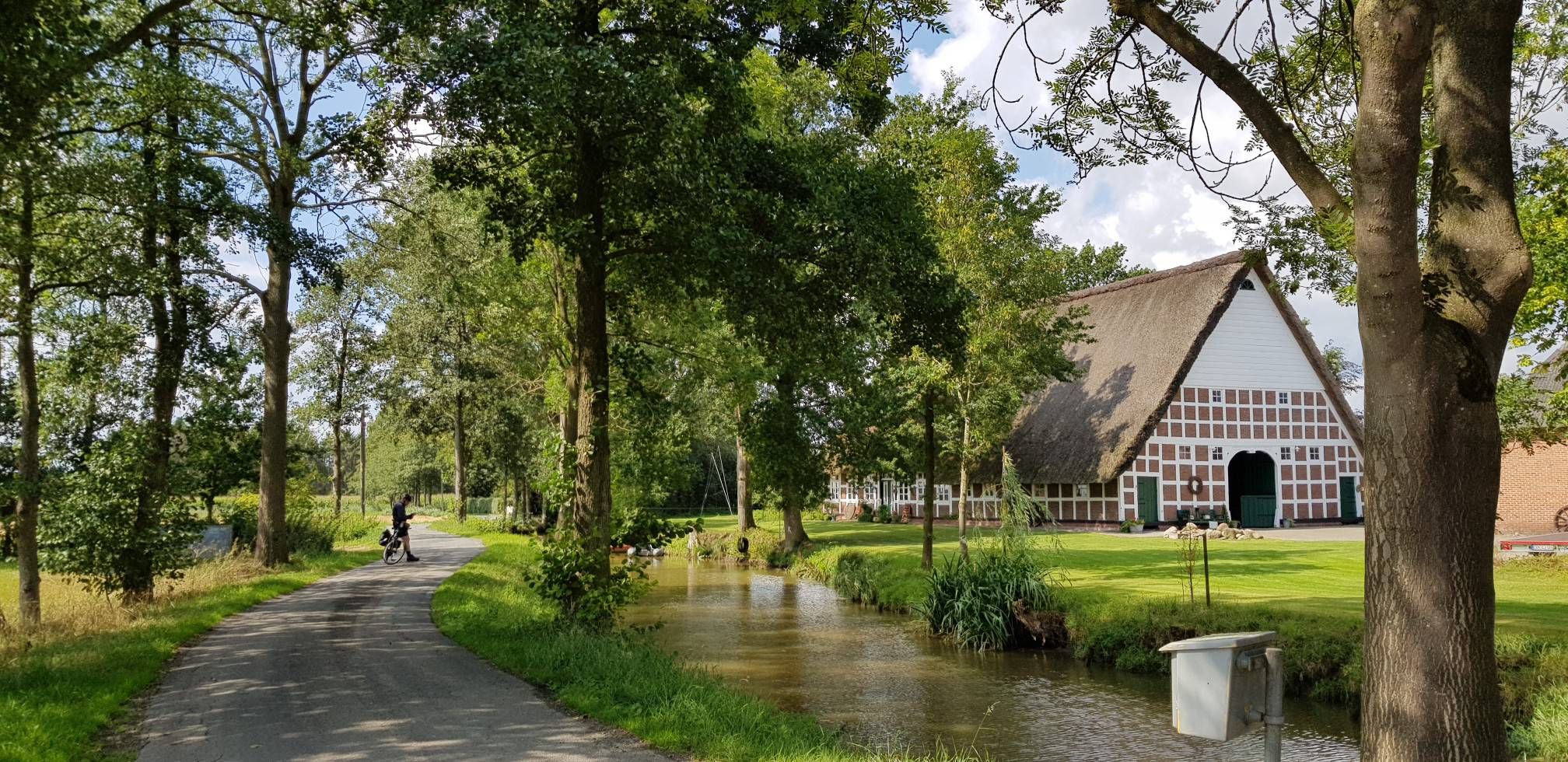
The Monks' Trail – From Bremen to the Baltic Sea
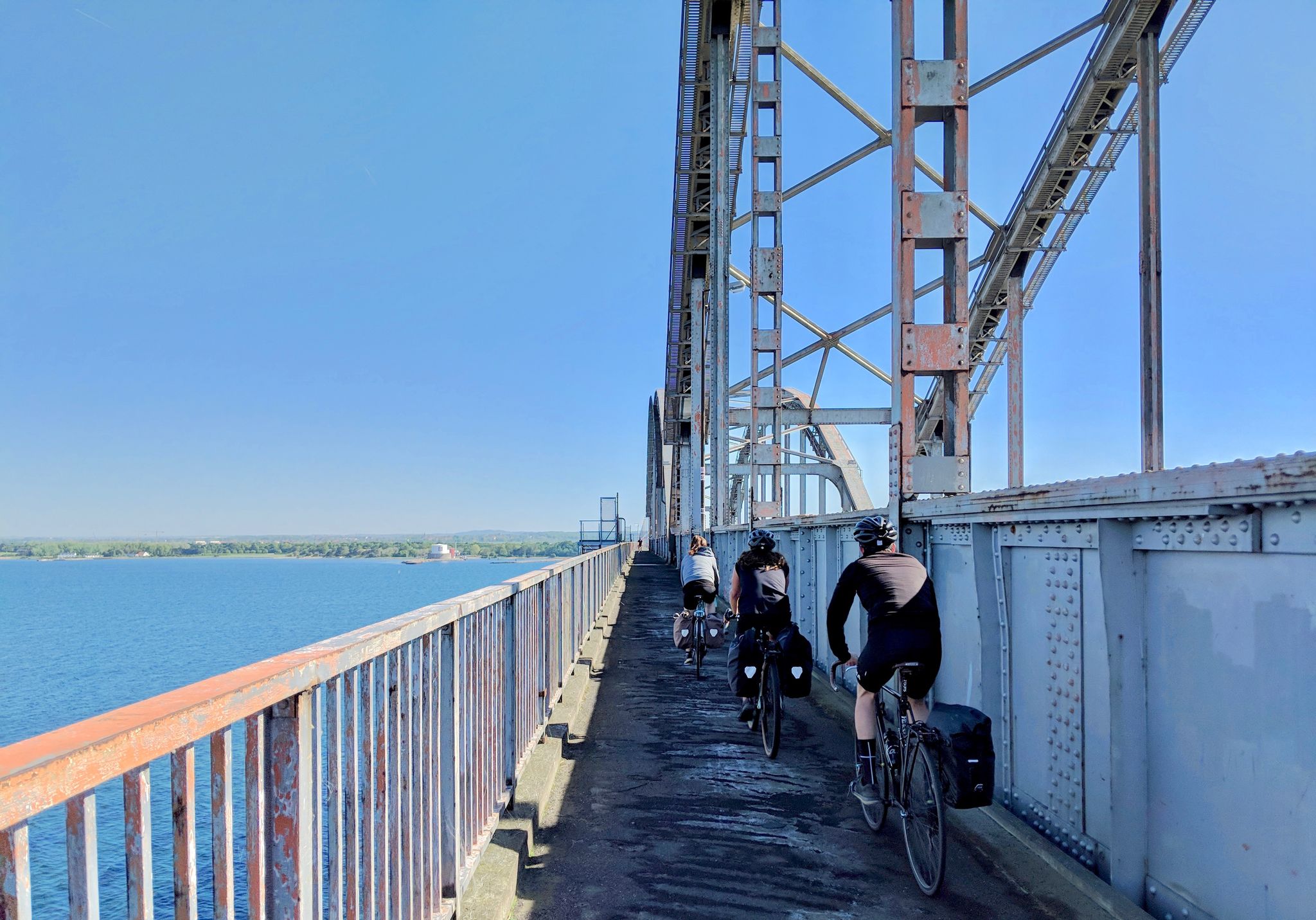
Cycling from Hamburg to Copenhagen – salty air included
Other adventures in Schleswig-Holstein


Tips from the Community

The cycle paths are great and you always have a great view of the waters.
4
0

Beautiful cycle path along the water.
4
0

Haffkrug, probably the oldest seaside resort in the Bay of Lübeck, used to be a fishing village - and you can still see that today. Since the 1970s it has been a seaside health resort that has retained the pleasant calm of the fishermen. In the middle of a rural idyll, this Baltic Sea resort lies on a white powder sand beach and on the promenade you will find small stone sea creatures between thatched pavilions that remind you of the origins of the place.
8
0

Very nice cycle path directly along the coast over a small dike.
4
0

Beautiful, great bike path, right along the water. Either from Wulfen to Burgstakken or vice versa.
4
0

A great cycle path, but it should not be used by inexperienced cyclists. We saw some cyclists finishing their ride in strong winds and pushing their bikes. But for safe cyclists 👍🏼
5
1

The wandering dune is the absolute highlight in List on Sylt. From the road that leads to the town, you get an exclusive insight into the beautiful nature and the largest continuous shifting dune area in Europe. The shifting dunes reach an impressive height of 30 meters.
21
2

One of the best things about Haffkrug Beach is that you can get there by bike. It's a great way to experience the beauty of the Baltic Sea coast while getting some exercise. There are plenty of opportunities for recreational activities. You can swim, sunbathe, play volleyball, take a walk, or simply enjoy the view. For those seeking a bit of adventure, the beach also offers opportunities for surfing, kitesurfing, or sailing. For those looking for a bit of fine dining, there are numerous restaurants and snack bars in the area, offering fresh fish dishes and delicious ice cream. Overall, cycling to Haffkrug Beach is a great way to spend a relaxing day by the sea. Whether you want to exercise, relax, or simply enjoy the beauty of nature, everyone will find what they're looking for here.
8
2
Frequently Asked Questions
Are there family-friendly attractions in Schleswig-Holstein?
Yes, Schleswig-Holstein offers many family-friendly attractions. Coastal areas like Haffkrug beach are popular, as are harbors such as Neustadt in Holstein Harbour and Niendorf Harbour. Natural sites like the Lister shifting dunes and the Brodtener Cliffs also welcome families, offering scenic views and space for exploration.
What natural landscapes and monuments can I explore in Schleswig-Holstein?
The region is rich in natural beauty. You can visit the impressive Brodtener Cliffs, a nature reserve offering spectacular views of the Baltic Sea. Another unique natural monument is the Lister shifting dunes, where you can observe a dynamic dune landscape. The Rantum Basin Dyke Trail provides views of a lake and natural surroundings.
Can I find historical sites or cultural attractions in Schleswig-Holstein?
Absolutely. Schleswig-Holstein features several historical and cultural points of interest. Arnis — Germany's smallest town, is known for its charming main street and church, offering a glimpse into a unique settlement. The Eider Barrage (Eider-Sperrwerk) is a significant man-made monument, crucial for storm surge protection, with an interesting history.
Are there wheelchair-accessible attractions in Schleswig-Holstein?
Yes, several attractions in Schleswig-Holstein are designed to be wheelchair-accessible. The Kappeln Bascule Bridge and the Eider Barrage (Eider-Sperrwerk) are examples of structures that offer accessibility. Additionally, the Priwall–Travemünde Ferry is also wheelchair-friendly, providing easy passage across the water.
What cycling opportunities are available near attractions in Schleswig-Holstein?
Schleswig-Holstein offers diverse cycling routes, often near attractions. You can find road cycling routes like the 'Rantum - Hörnum Cycle Path' or the 'Rantum Basin Dike Path' which take you through scenic coastal areas. For more options, explore the Road Cycling Routes in Schleswig-Holstein guide.
Are there hiking trails to explore near the attractions?
Yes, there are numerous hiking opportunities. You can find easy hikes around lakes like 'Rund um den Kleinen Schlierensee' or 'Salemer See and Pipersee loop'. Coastal walks, such as the 'Cliffs of Heligoland' or 'Visiting the giant of Ulsnis', are also popular. For more detailed information, refer to the Easy hikes in Schleswig-Holstein guide.
What do visitors particularly enjoy about the attractions in Schleswig-Holstein?
Visitors frequently praise the natural spectacle of sites like the Lister shifting dunes and the scenic views from the Brodtener Cliffs. The charm of small towns like Arnis, with its romantic streets and church, is also highly appreciated. The engineering marvel of the Eider Barrage also draws interest for its scale and purpose.
When is the best time to visit attractions in Schleswig-Holstein, especially during winter?
The peak season for visiting Schleswig-Holstein is generally from late spring to early autumn (May to September) when the weather is mild and ideal for outdoor activities and coastal visits. However, many attractions, especially towns, harbors, and some natural sites, remain accessible and offer a unique, quieter charm during the winter months. Coastal walks can be particularly invigorating in colder weather.
What are some easy attractions in Schleswig-Holstein suitable for a day trip?
For an easy day trip, consider visiting Arnis — Germany's smallest town, which is compact and charming. Coastal towns with their harbors like Neustadt in Holstein Harbour or Niendorf Harbour are also great for a relaxed day out. The Eider Barrage is another accessible option that combines engineering interest with scenic views.
Are attractions in Schleswig-Holstein generally dog-friendly?
Many outdoor attractions in Schleswig-Holstein, especially beaches during off-season, walking trails, and natural areas like the Brodtener Cliffs, are dog-friendly. However, it's always advisable to check specific regulations for nature reserves or indoor venues. Dogs are generally welcome on a leash in public spaces and many coastal paths.
Are there cafes or facilities available near the main attractions?
Yes, many popular attractions in Schleswig-Holstein have cafes, restaurants, or other facilities nearby. Harbors like Neustadt in Holstein Harbour and Niendorf Harbour are well-equipped with dining options. Even natural sites often have small kiosks or cafes within a short distance, especially in tourist-frequented areas.
How can I reach attractions in Schleswig-Holstein using public transport?
Schleswig-Holstein has a regional public transport network, including trains and buses, connecting many towns and attractions. Major cities like Kiel and Lübeck serve as hubs. For coastal areas, local bus services often connect train stations to popular spots. The Priwall–Travemünde Ferry is an example of public transport that also serves as an attraction.
Most popular routes in Schleswig-Holstein
Most popular attractions in Schleswig-Holstein

Get inspired with the komoot mobile app


Didn’t find what you were looking for?
Are you keen on exploring more awesome places nearby? Browse our guides:
Explore more
Still not found the Highlight you’re looking for? See guides of the top attractions in other regions:
