Top 20 Waterfalls in Tyrol
Best waterfalls in Tyrol are found across its alpine landscapes, offering diverse natural spectacles. This region, encompassing both Austrian Tyrol and South Tyrol in Italy, features a variety of cascades. From powerful glacial flows to serene falls within nature parks, Tyrol provides numerous opportunities to experience water features. The area's geology and mountainous terrain contribute to the formation of many impressive waterfalls.
Best waterfalls in Tyrol
- The most popular waterfalls is Wolf Gorge, a gorge that features a roaring mountain stream and emerald green water. This natural jewel is pleasantly cool on hot summer days and offers a great hiking experience.
- Another must-see spot is Waterfalls on the Gaisalmsteig Trail, a waterfall trail. Visitors can expect a route that varies from extensive to very narrow, with rooty sections and small protrusions to the lake, making for an absolute experience.
- Visitors also love Dalfazer Waterfall, a waterfall that plunges over 60 meters. Especially after the snowmelt in early summer, this is an impressive nature experience with a great view from a wooden viewing platform.
- Tyrol is known for its glacial waterfalls, gorge waterfalls, and free-falling cascades. The region offers a variety of waterfalls to see and explore, from those accessible via easy walks to those requiring more challenging hikes.
- The waterfalls in Tyrol are appreciated by the komoot community, with over 4200 upvotes and more than 5100 photos shared.
Last updated: September 26, 2026
Leutasch Ghost Gorge
Highlight (Segment) • Gorge
Translated by Google •
Tip by

Waterfalls on the Gaisalmsteig Trail
Highlight • Waterfall
Translated by Google •
Tip by

Sign up now to discover places like this
Get recommendations on the best single tracks, peaks, & plenty of other exciting outdoor places.
Grießbach Waterfall
Highlight • Waterfall
Translated by Google •
Tip by

Wolf Gorge
Highlight • Gorge
Open: May to October
Admission: adults 6 euros, children aged 6 to 14 2 euros (discount with Silvercard).
Translated by Google •
Tip by

Leutaschklamm Waterfall Trail
Highlight (Segment) • Gorge
Translated by Google •
Tip by

Dalfazer Waterfall
Highlight • Waterfall
From a wooden viewing platform you have a great view of the waterfall. Adrenalin junkies climb the via ferrata right next to the waterfall through the rock face.
Translated by Google •
Tip by

Reichenbach Gorge
Highlight (Segment) • Gorge
Translated by Google •
Tip by
Rosengarten Gorge
Highlight (Segment) • Gorge
Translated by Google •
Tip by

Veil Waterfall
Highlight • Waterfall
Translated by Google •
Tip by

Stuibenfall Viewing Platform
Highlight • Viewpoint
Translated by Google •
Tip by
Sign up for free to discover even more waterfalls in Tyrol.
Already have an account?
Start today with a free account
Your next adventure awaits.
Popular around Tyrol
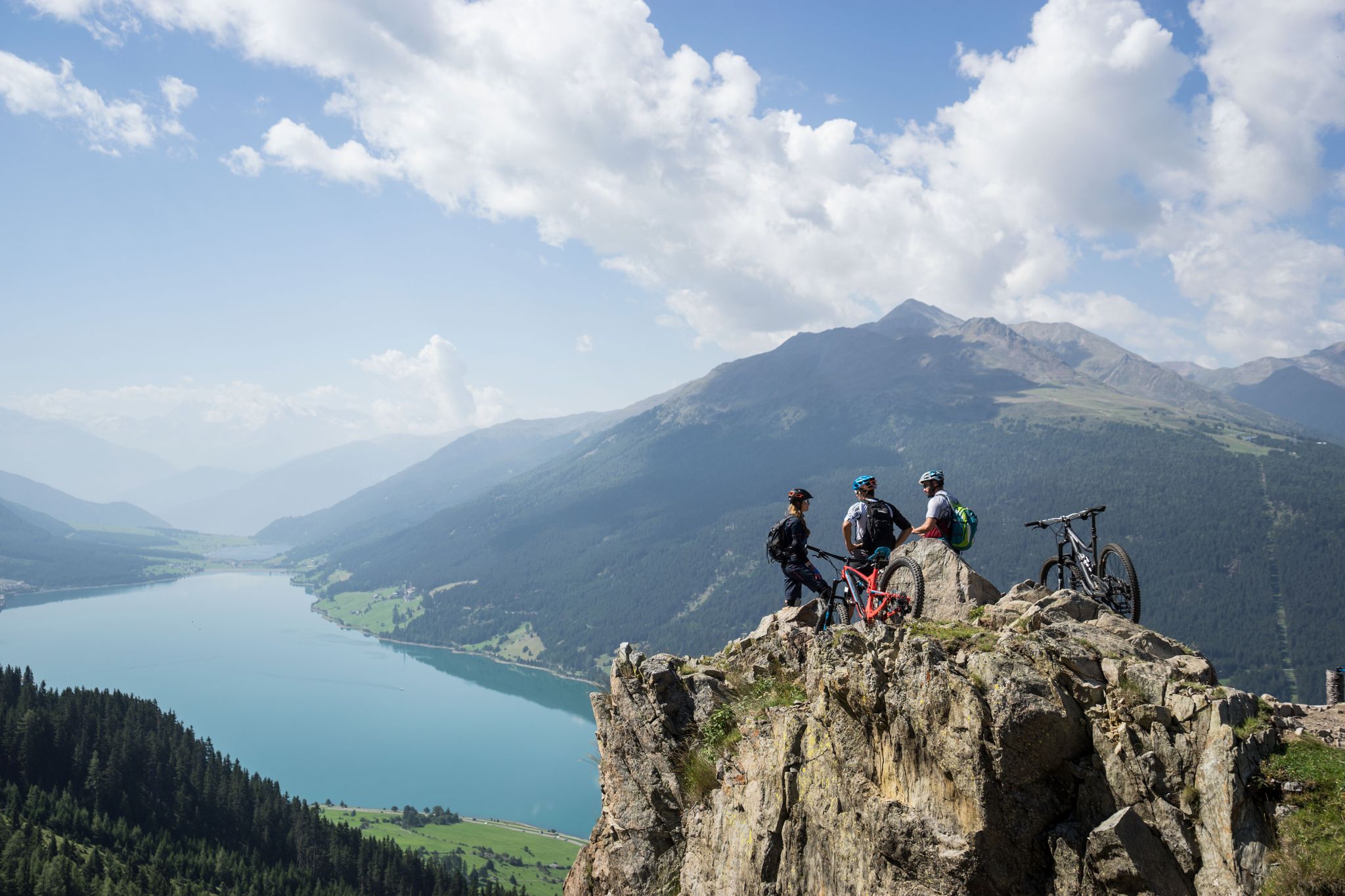
High into the Tyrolean mountain world – mountain biking in Tyrol
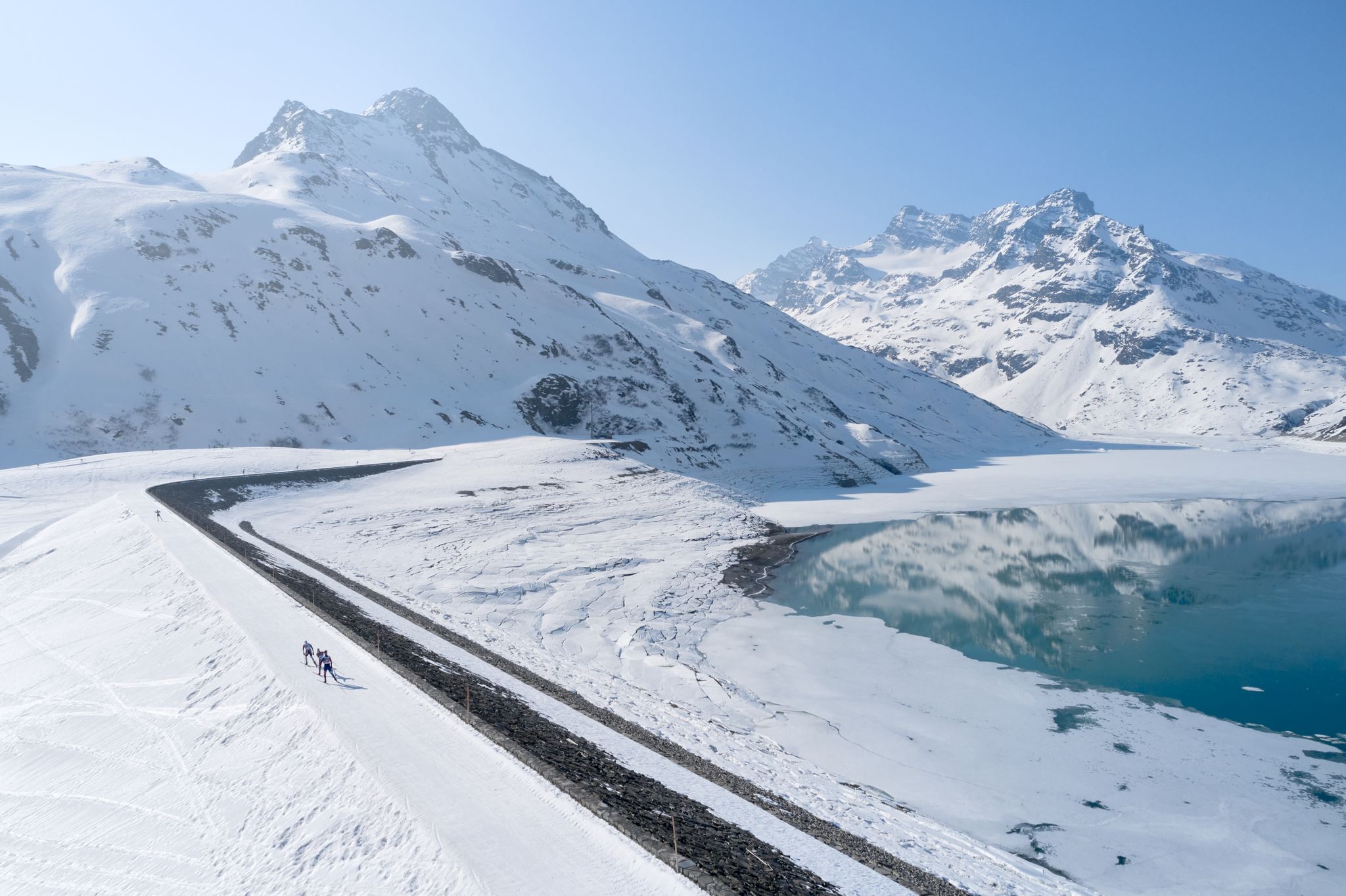
Relaxed cross-country skiing in Austria’s Ischgl- & Galtür region
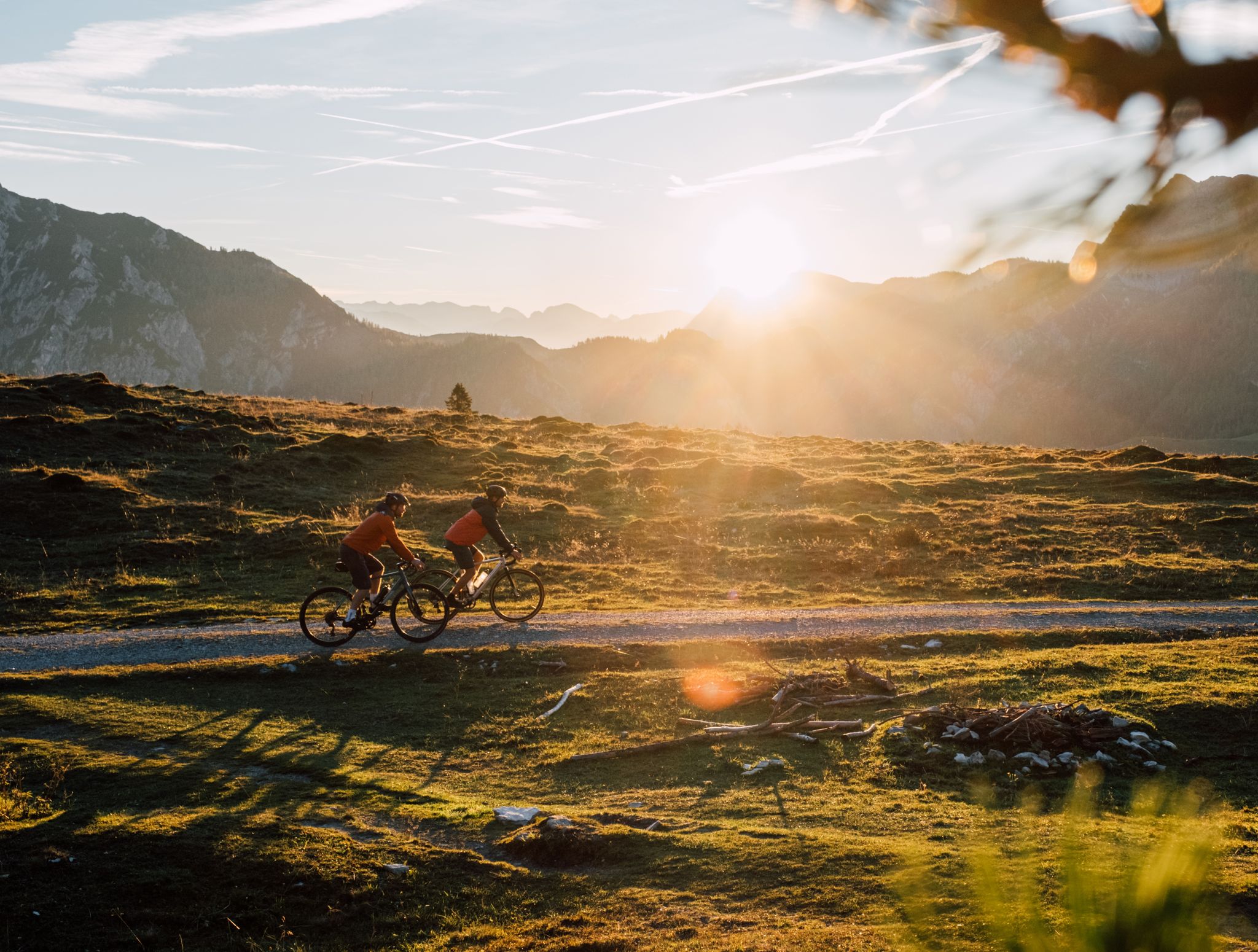
Beyond the pavement – explore Austria's wild nature on a gravel bike
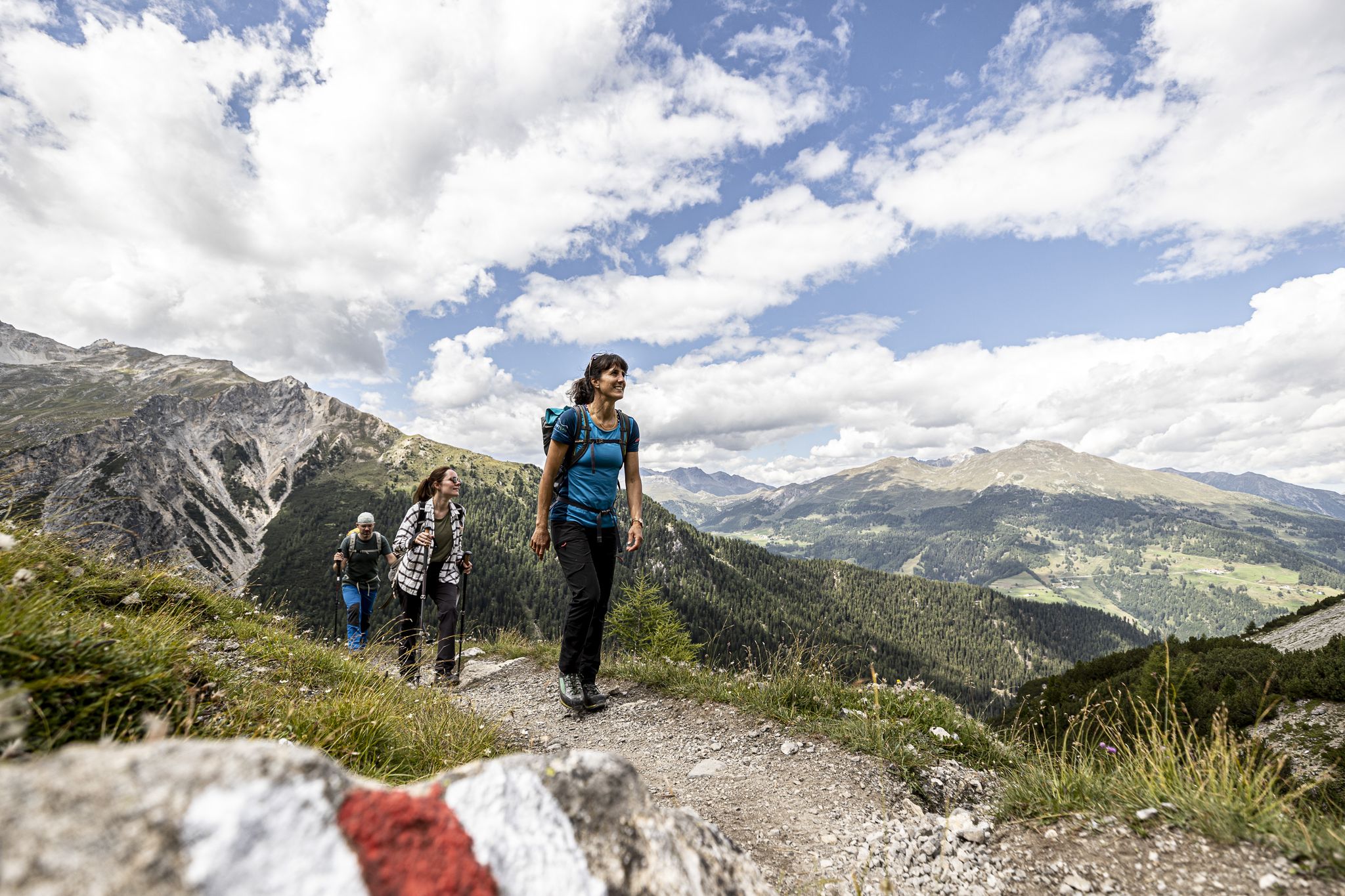
Biking, running, hiking – Pure Alpine Trails
Glide and enjoy – cross-country skiing in the Tyrolean Zugspitz Arena
#Winterlove — 14 tips for your winter adventure in Austria
Winter magic at Lake Achen in Austria – a paradise for cross-country skiers
World class ski trails – cross-country winter in Austria’s Seefeld
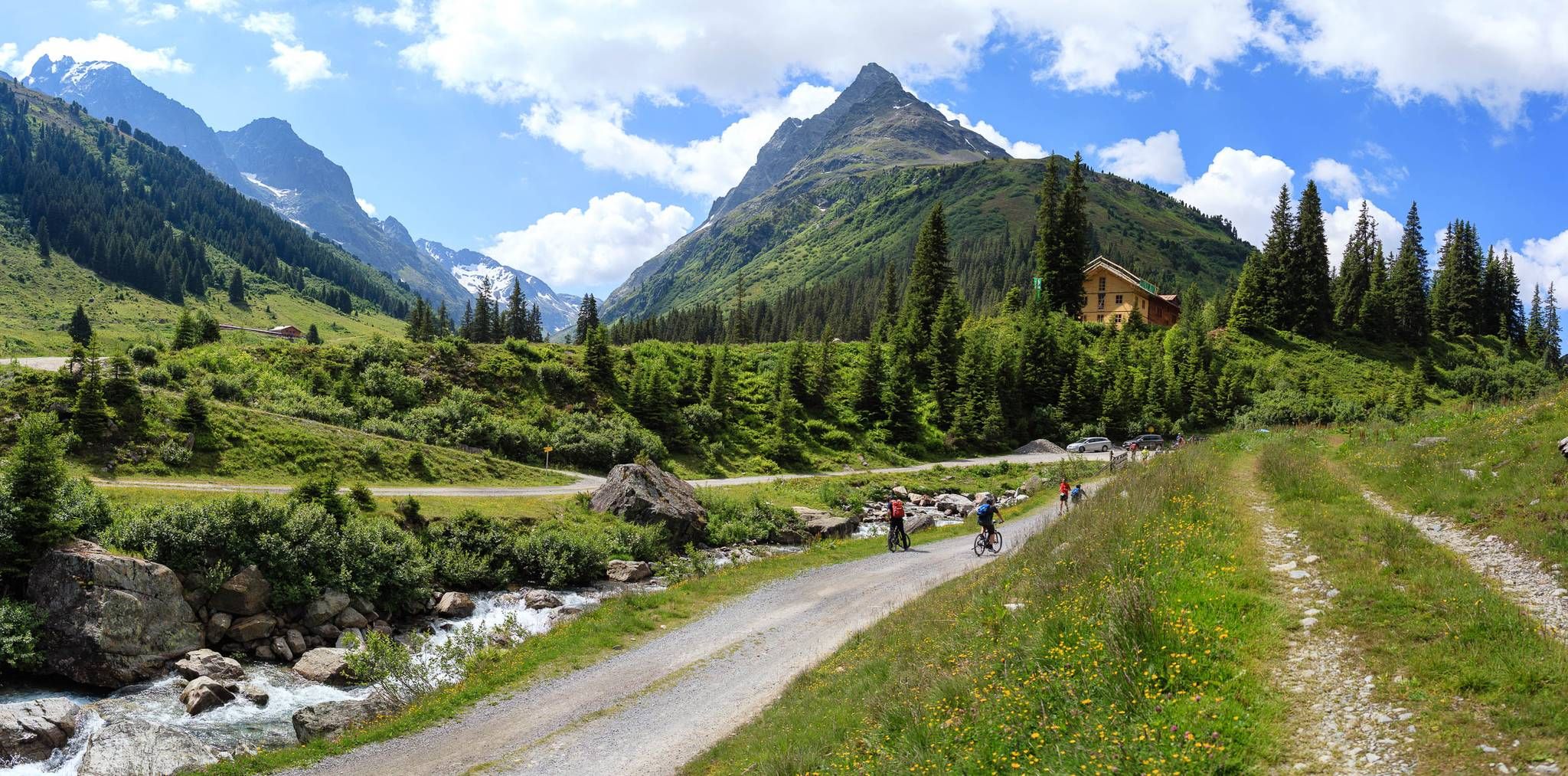
Komoot Pioneers discover St. Anton am Arlberg
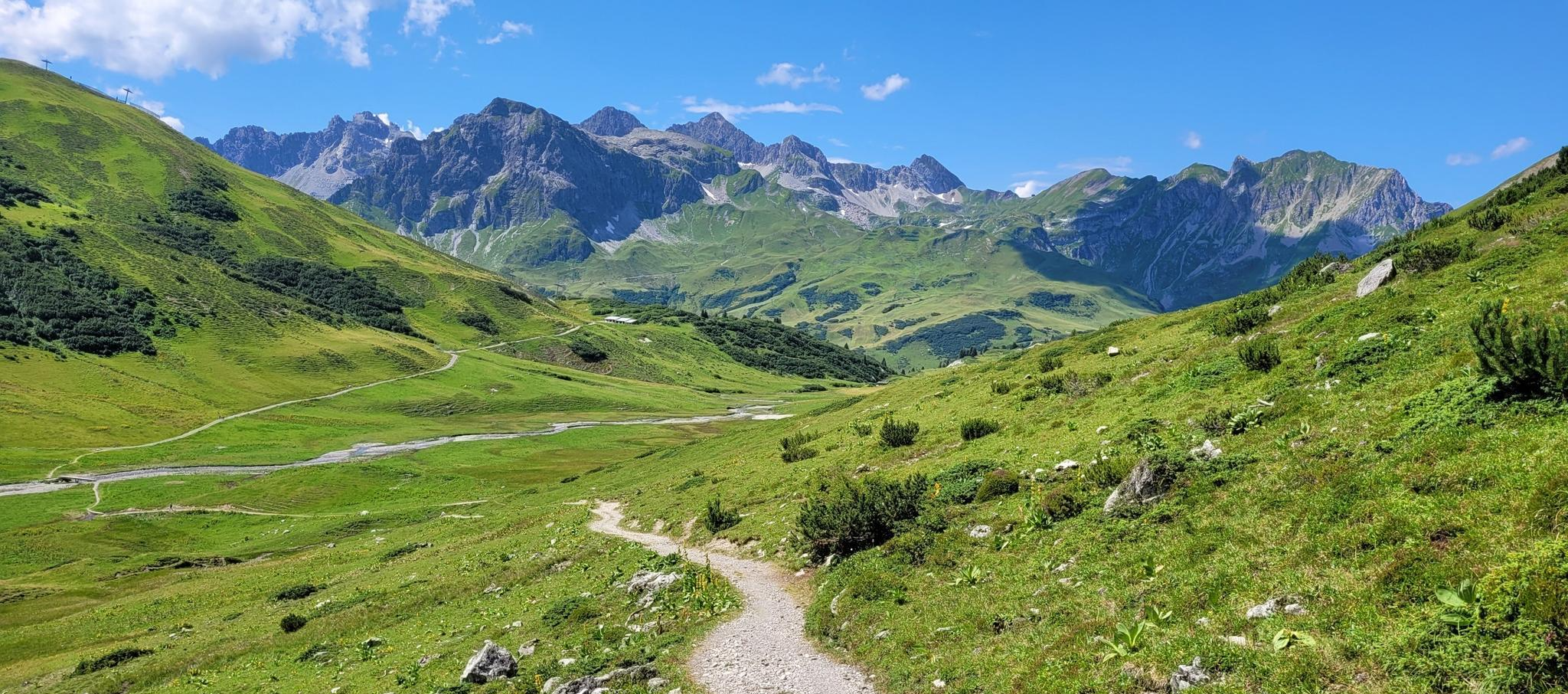
The RUN2 from Lech to Ischgl – Transalpine Run for beginners
Other adventures in Tyrol


Tips from the Community

Impressive waterfall in great surroundings
8
0

The Dalfazer waterfall is by far the highest waterfall on Lake Achensee. The water plunges over 60 meters into the depths. This is an impressive natural experience, especially after the snow melts in early summer. You have a great view of the waterfall from a wooden viewing platform. The via ferrata is to the right of the waterfall.
21
2
The Dalfazer Waterfall Via Ferrata is a scenically impressive via ferrata right next to the Dalfazer Waterfall. A short, interesting training tour, but the long D passage is quite challenging. Recommended in combination with a family hiking trip, where the experienced via ferrata hiker briefly branches off to the via ferrata and continues the hike at the exit. Via ferrata set and helmet are absolutely necessary.
21
1

At this point you pass under a waterfall, protected by a wooden roof.
5
0

Sturdy footwear is recommended
6
1
Pure nature and wildly romantic
7
0
Wildly romantic and natural
7
2

It could get wet at this point, but depending on the weather it can be a great refreshment😂
4
0
Frequently Asked Questions
What are some of the most popular waterfall trails in Tyrol?
Tyrol offers several popular waterfall trails. The Wolf Gorge is a true natural jewel with a roaring mountain stream and emerald green water, offering a great hiking experience. Another highly recommended route is the Waterfalls on the Gaisalmsteig Trail, which features varied terrain and stunning lake views. The Dalfazer Waterfall also draws visitors, especially after snowmelt, with its impressive 60-meter drop and a wooden viewing platform.
Are there family-friendly waterfalls or trails in Tyrol?
Yes, Tyrol has several family-friendly options. The Leutasch Ghost Gorge is categorized as family-friendly and offers a unique experience. In Austrian Tyrol, the Stuibenfall near Umhausen is accessible via a trail suitable for children, and the Grawa Waterfall is part of the family-friendly WildeWasserWeg trail in the Stubai Valley. The Fragsburg Waterfall in South Tyrol is also the destination of a short, family-friendly hike.
What is the best time of year to visit the waterfalls in Tyrol?
The best time to visit Tyrol's waterfalls is generally from late spring to early autumn. During snowmelt, typically May to July, waterfalls like the Parcines Waterfall and Dalfazer Waterfall are at their most powerful and impressive. After heavy rains, many cascades also show increased volume. Some gorges, like the Wolf Gorge, are open from May to October.
What kind of natural features can I expect to see around Tyrol's waterfalls?
Beyond the waterfalls themselves, you can expect to see diverse natural features. Many waterfalls are set within gorges, such as the Rosengarten Gorge, featuring vertical rock walls, mosses, and ferns. You'll encounter powerful glacial rivers, like the Isel river at Umbal Falls, and unique geological formations, such as the white marble gorge at Stanghe Waterfalls. Alpine landscapes, forests, and panoramic views are common backdrops.
Are there any waterfalls in Tyrol that are particularly impressive due to their height or width?
Absolutely. The Stuibenfall in Austrian Tyrol is the highest waterfall in Tyrol, with a drop of 159 meters. The Grawa Waterfall in the Stubai Valley is notable as the widest waterfall in the Eastern Alps, measuring 85 meters across. In South Tyrol, the Parcines Waterfall is considered the largest, plunging 97 to 100 meters, and the Fragsburg Waterfall holds the title for South Tyrol's highest free-falling cascade at 135 meters.
What outdoor activities can I do near the waterfalls in Tyrol?
Many waterfalls are integrated into hiking trails, offering excellent opportunities for walking and trekking. For more active pursuits, you can find various outdoor activities nearby. For instance, you can explore running trails in Tyrol, including the 'Klammgeist Run' which is a moderate 9 km route. There are also easy hikes in Tyrol, such as 'Kundler Klamm – Hiking in the Alpbach Valley'. For mountain biking enthusiasts, MTB trails in Tyrol like the 'Gaistal - Seebensee Trail' are also available.
Are there any waterfalls in Tyrol that offer unique viewing experiences or infrastructure?
Yes, several waterfalls provide unique ways to experience them. The Stuibenfall features a newly built trail with spiral steps, viewing platforms, and an 80-meter-long suspension bridge, including the Stuiben Power Bridge. The Grawa Waterfall has a large viewing platform with wooden loungers. Umbal Falls are part of a 'Nature Power Trail' with platforms built high above the gorge and close to the water, offering impressive perspectives.
Can I find any historical or cultural sites near the waterfalls?
While the focus is on natural beauty, some areas offer cultural connections. Near the Stuibenfall, you can visit the Ötzi-Dorf (Ötzi Village). The Riva Waterfalls in South Tyrol are accompanied by a 'St. Francis' Path' with meditation spots, leading to the Chapel of Franz and Klara. The Rosengarten Gorge is also noted for its geological significance, reflecting millions of years of earth's history, and nearby Imst has historical connections.
Are there any challenging hikes or via ferratas associated with Tyrol's waterfalls?
For those seeking a challenge, the Dalfazer Waterfall offers a via ferrata right next to the waterfall, suitable for experienced climbers. The Reichenbach Gorge is also categorized as challenging. The Stanghe Waterfalls in South Tyrol involve walks up steep stairs and narrow bridges, described as an adventure.
What do visitors enjoy most about the waterfalls in Tyrol?
Visitors frequently praise the impressive natural spectacle and the refreshing atmosphere. Many appreciate the well-maintained trails and viewing platforms that allow for close-up experiences. The sheer power of the water, especially after snowmelt, is often highlighted as an 'impressive nature experience.' The cool temperatures within gorges, like the Wolf Gorge, are also a welcome feature on hot summer days.
Are there any waterfalls in Tyrol that are less crowded or considered hidden gems?
While the guide focuses on prominent waterfalls, exploring areas slightly off the main tourist routes can lead to less crowded experiences. The Umbal Falls, located within the Hohe Tauern National Park in East Tyrol, offer a powerful natural experience in a significant national park setting, which might feel less crowded than more central locations. The Tux Waterfall Trail in Zillertal, featuring Kesselfall and Schraubenfall, offers a varied hike through natural stone bridges and gorges, providing a more immersive, less-trafficked experience.
What should I wear when hiking to waterfalls in Tyrol?
When hiking to waterfalls in Tyrol, sturdy shoes are essential, especially for trails that can be narrow, rooty, or close to steep drops, as noted for the Waterfalls on the Gaisalmsteig Trail. Layers of clothing are advisable, as temperatures can vary, and you might encounter spray from the falls. A waterproof jacket can be useful. For challenging routes or via ferratas, appropriate safety gear like a helmet and via ferrata set is absolutely necessary.
Most popular routes in Tyrol
Most popular attractions in Tyrol

Get inspired with the komoot mobile app


Didn’t find what you were looking for?
Looking for more great places nearby? See even more amazing waterfalls in Tyrol with these guides per region:
Explore more
Happy to travel a little further afield? Then browse these guides for the best waterfalls in Tyrol:
