Top 20 Castles in Denmark
Best castles in Denmark offer a journey through the country's rich history and architectural heritage. Denmark features a diverse landscape, from coastal fortifications to inland royal residences. These historical sites are often set amidst scenic surroundings, including lakes, forests, and urban parks. The country's castles provide insights into centuries of Danish monarchy and strategic defense.
Best castles in Denmark
- The most popular castles is Hammershus Castle Ruins, a castle that represents one of the largest contiguous castle ruin complexes in Northern Europe. It is located on a cliff 74 meters above sea level and is surrounded by a 750 meter long ring wall.
- Another must-see spot is Amalienborg Palace Square, a historical site consisting of four palaces. This site is known for its royal connections, with Queen Margrethe using one of the palaces during winter months.
- Visitors also love Kastellet Fortress, a historical site shaped like a five-pointed star with bastions. It is one of the best-preserved fortifications in Copenhagen and houses military installations, a church, and a windmill.
- Denmark is known for its Renaissance castles, medieval ruins, and royal palaces. These structures offer a blend of historical architecture, cultural museums, and extensive gardens to explore.
- The castles in Denmark are appreciated by the komoot community, with more than 150 highlights, over 1450 photos, and more than 2150 upvotes.
Last updated: October 9, 2026
Amalienborg Palace Square
Highlight • Historical Site
Tip by

Rose Garden at Rosenborg Castle
Highlight • Natural Monument
Translated by Google •
Tip by

Sign up now to discover places like this
Get recommendations on the best single tracks, peaks, & plenty of other exciting outdoor places.
Kastellet (The Copenhagen Citadel)
Highlight • Historical Site
Although the Kastellet is still used by the Danish military, it now primarily serves as a destination for excursions and a local recreation area. It is located in the northeast of the city not far from Østerport station and is served by bus lines 15, 19, 26, and 1A.
Admission is free; the Kastellet is open daily from 6 a.m. until sunset. The grounds include a natural park, which is also extensively used by the residents of Copenhagen and is home to numerous animals.
Two smaller museums are also located within the complex. A military ceremony for the changing of the guard takes place daily at 12 p.m. In the summer, concerts with military music are held at 2 p.m., which are also worth attending.
Showing Translation
Tip by

Hammershus Castle Ruins
Highlight • Castle
Translated by Google •
Tip by

Christiansborg Palace
Highlight • Castle
The current building was built between 1906 and 1937 in the neo-baroque style. The palace is roughly divided into two halves. The southern half is used by the Danish Parliament, the northern half is reserved for the Royal Family, the Supreme Court and the Prime Minister's Office.
Translated by Google •
Tip by

Kalø Castle Ruins
Highlight • Castle
At the end of Denmark's longest medieval road, which was built at the same time as Kalø Castle, you can certainly get an idea of life back then below the castle walls. It was King Erik Menved (1274-1319) who had the fortress built in 1313 after crushing a Jutland peasant uprising.
The construction was very modern with, for example, a flanking tower - the first of its kind in Denmark - which forms a kind of side wing close to the main tower. Kalø Castle was imposing and virtually impregnable.
In reality, however, the fortress was intended to keep the internal enemies in check:
Peasants, led by influential people from society.
It was also the peasants who built the fortress under duress.
visitdjursland.de/de/kalo-slotsruin-djursland-ostjuetland-gdk605879
Showing Translation
Tip by
Nordborg Castle
Highlight • Castle
Translated by Google •
Tip by

Augustenborg Palace
Highlight • Castle
To fully appreciate the grandeur of this estate, one must begin at the eastern end of Slotsallé. This is the start of the 1.5 km long axis of symmetry, which leads through the palace courtyard, through the garden hall, the park, and along the linden avenue, which leads to the fjord at the edge of the forest.
In the northern wing of the palace is the palace church, which is a beautiful example of a princely chapel. Today, the palace church serves as a parish church.
The palace was a psychiatric hospital for more than 80 years,
but in 2015 the hospital moved to Aabenraa, and today the palace houses the Danish Agricultural Agency, which carried out a comprehensive renovation
of the main building.
In the gatehouse of the palace, you will find a mini-museum that provides a good insight into the history of the ducal family.
The exhibition is open daily and admission is free.
augustenborg.dk/touristeninfo-de
Showing Translation
Tip by
Gråsten Palace
Highlight • Castle
Translated by Google •
Tip by

The Hermitage Palace
Highlight • Castle
The Hermitage is Christian VI's hunting lodge, and it is surrounded by UNESCO landscape.
The Hermitage Castle can be visited on a tour on June 1st-31st. August and in the fall holidays. From April to October, groups can book private tours.
Enjoy.
Tip by

Sign up for free to discover even more castles in Denmark.
Already have an account?
Start today with a free account
Your next adventure awaits.
Popular around Denmark
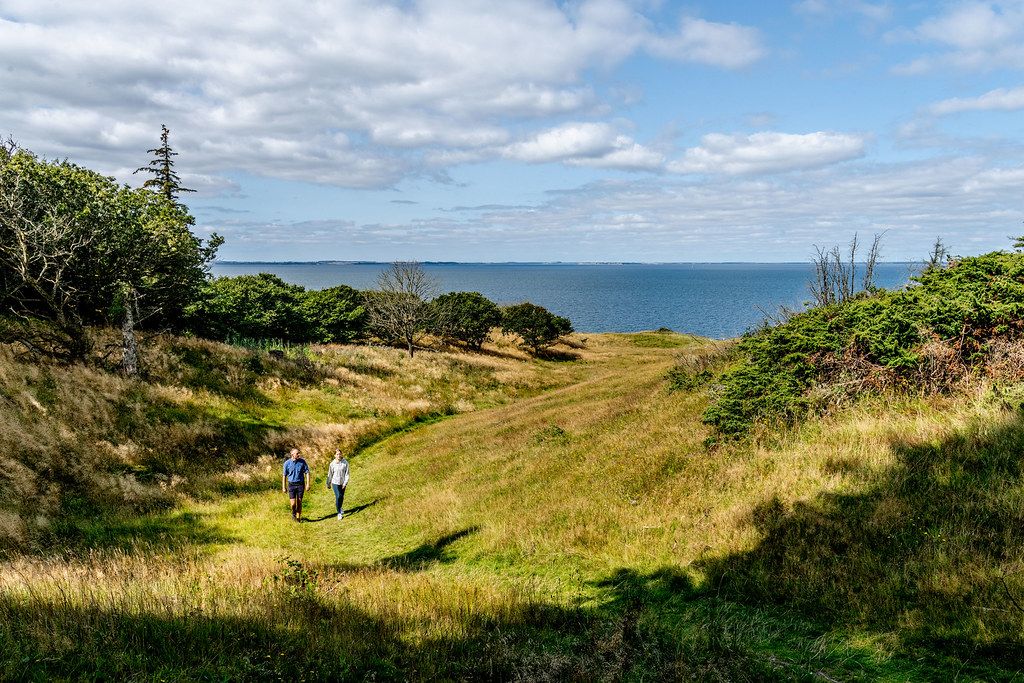
Fjords, heathland and vast coastline – hiking and cycling in Himmerland
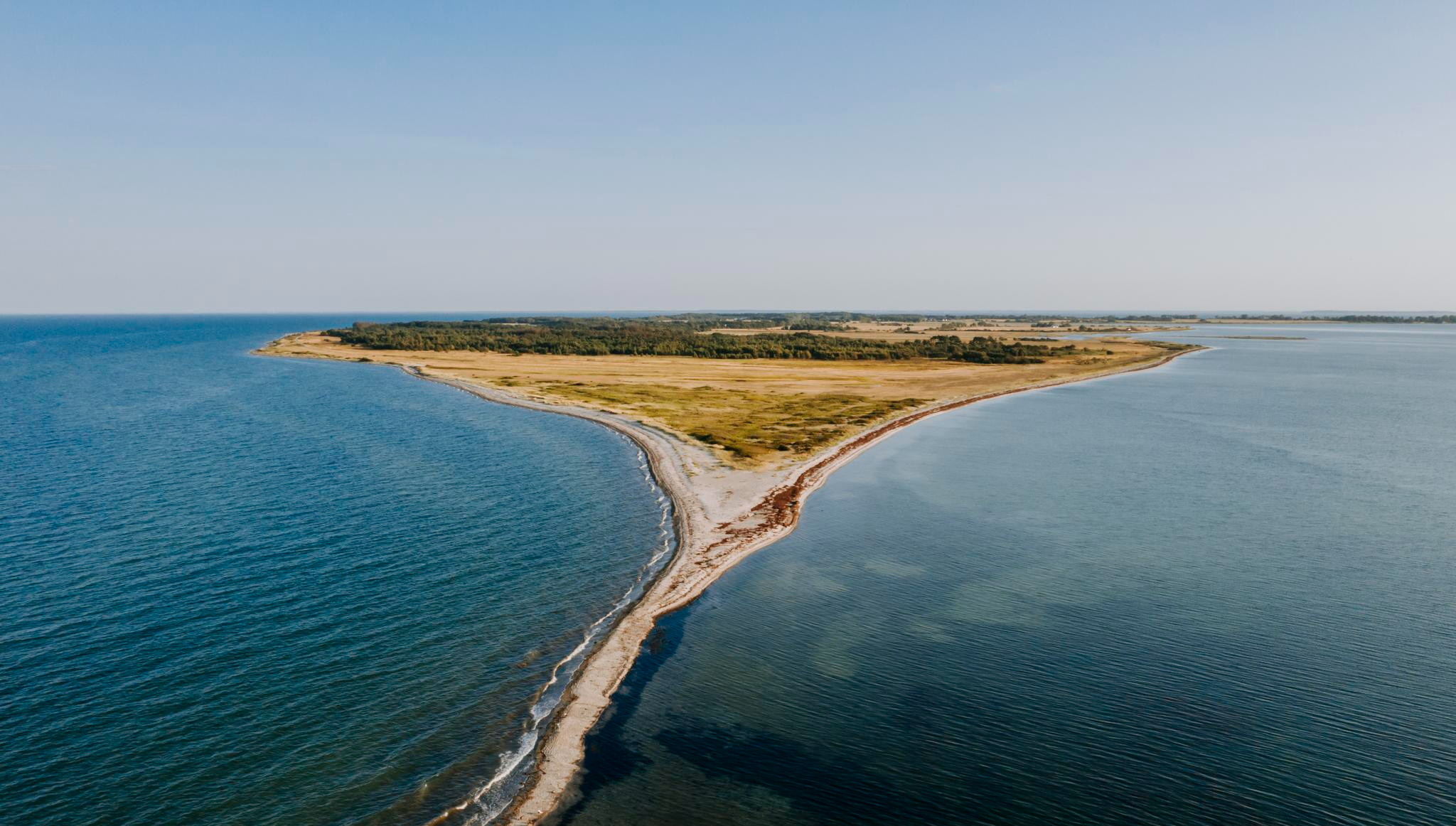
Small islands, great views – hiking and cycling in East Jutland
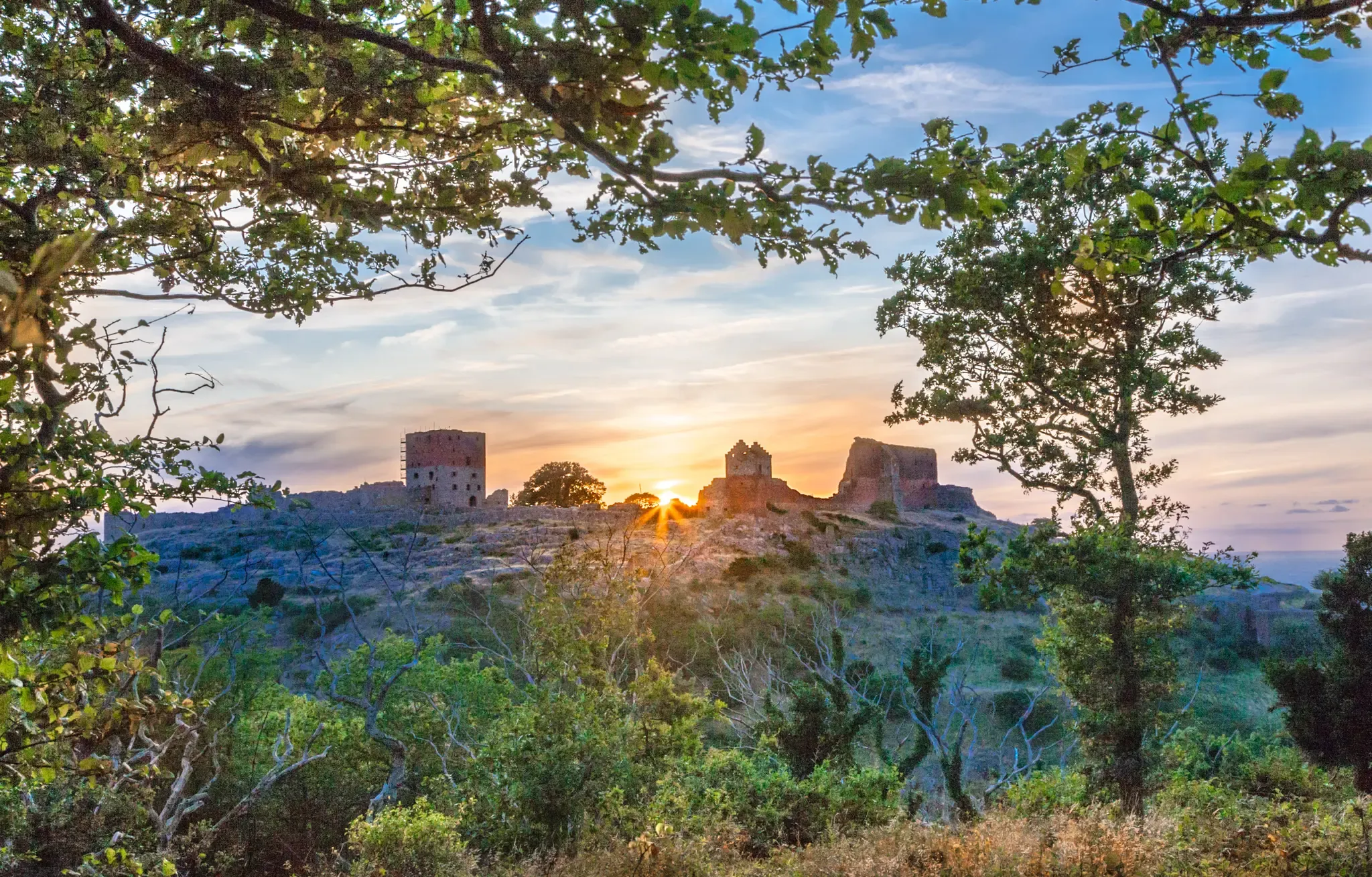
The best of both worlds – cycling and hiking on Bornholm
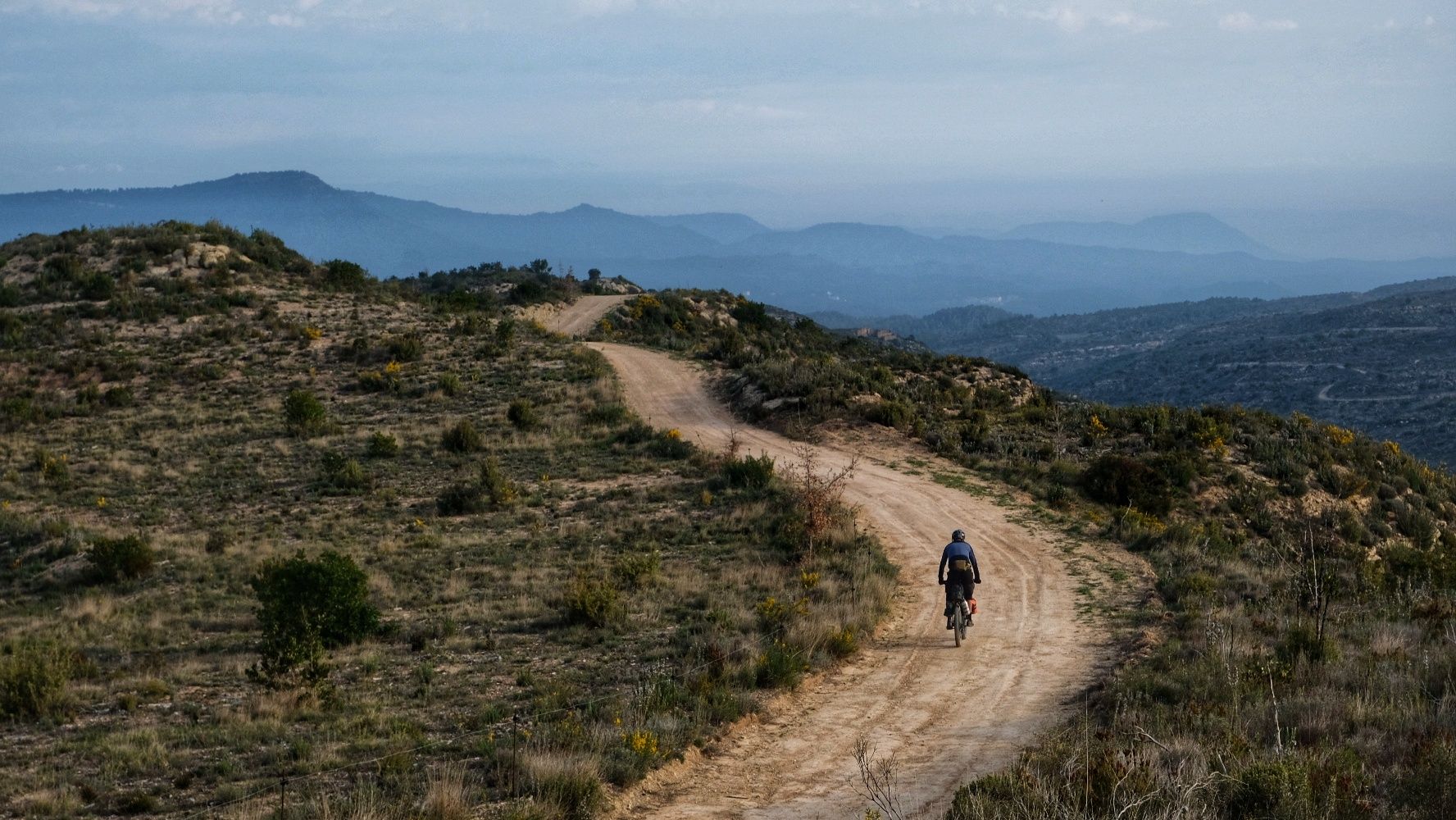
European Divide Trail — 7,600 km across the continent
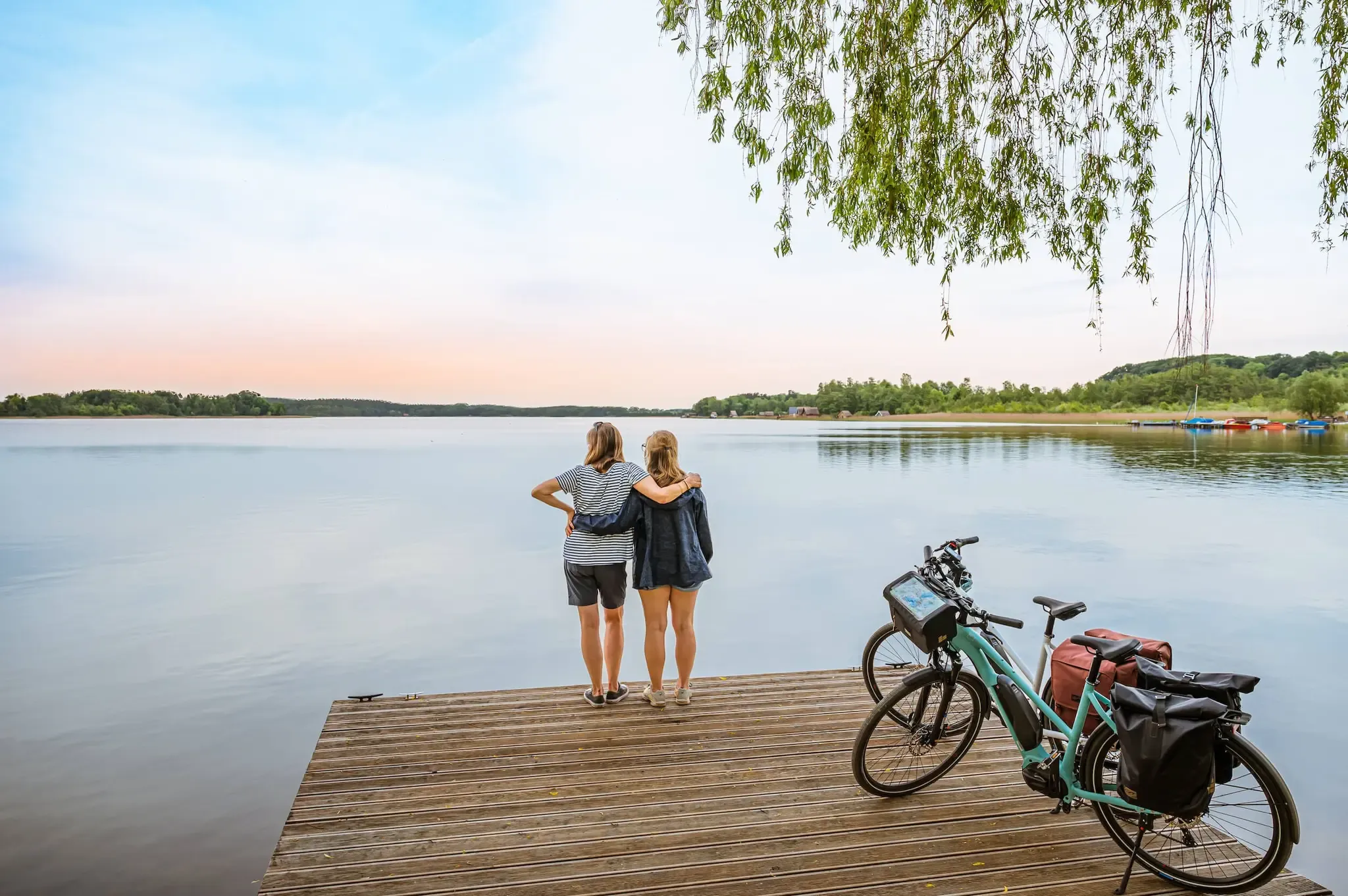
The long distance bicycle route Berlin-Copenhagen
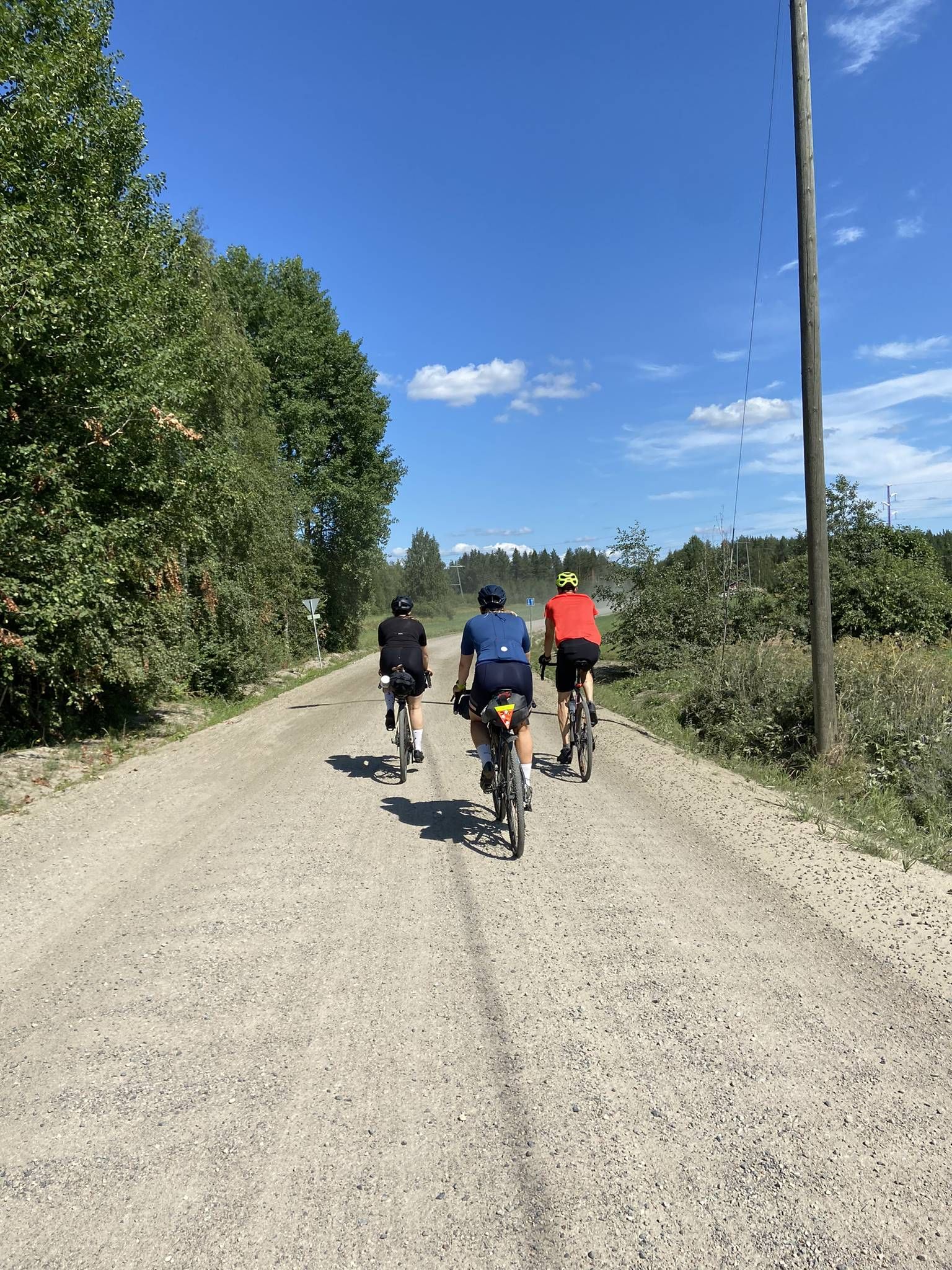
Naples to North Cape — Two friends, one purpose and many scoops of ice-cream
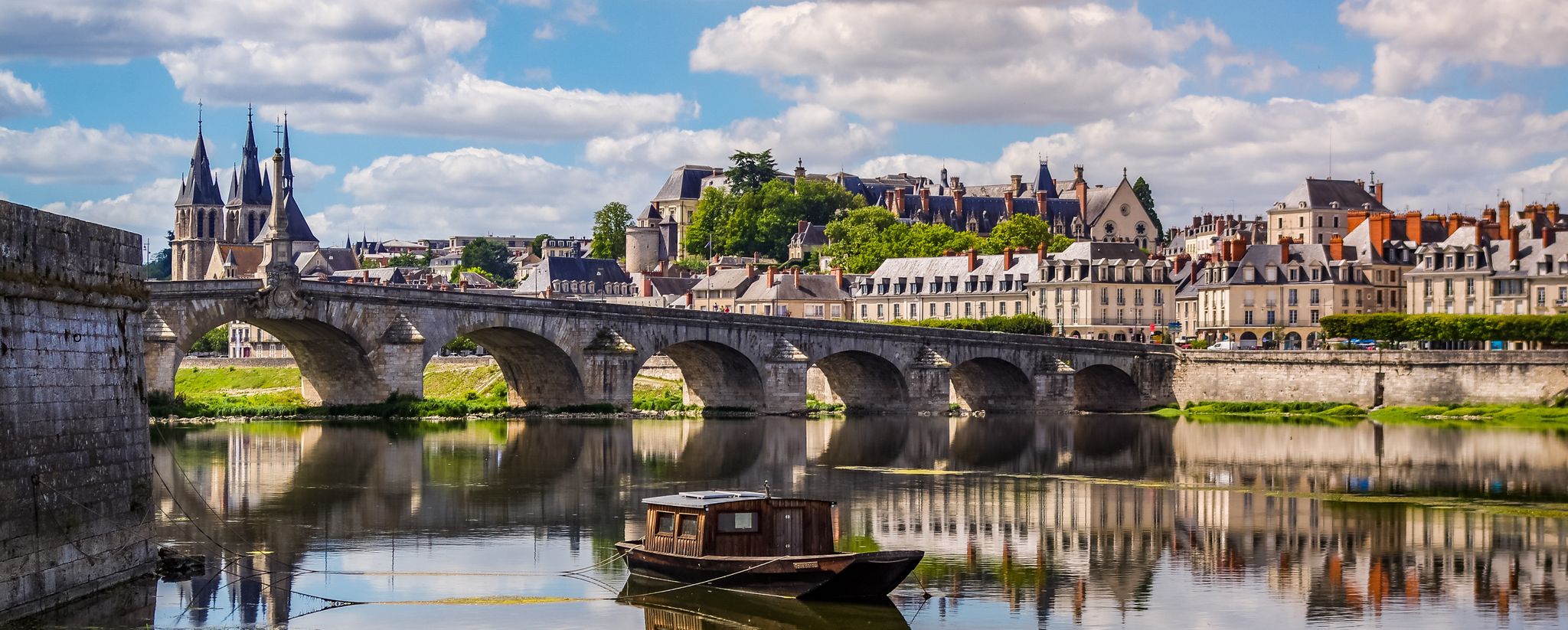
EuroVelo 3 – A cycling pilgrimage from Norway to France
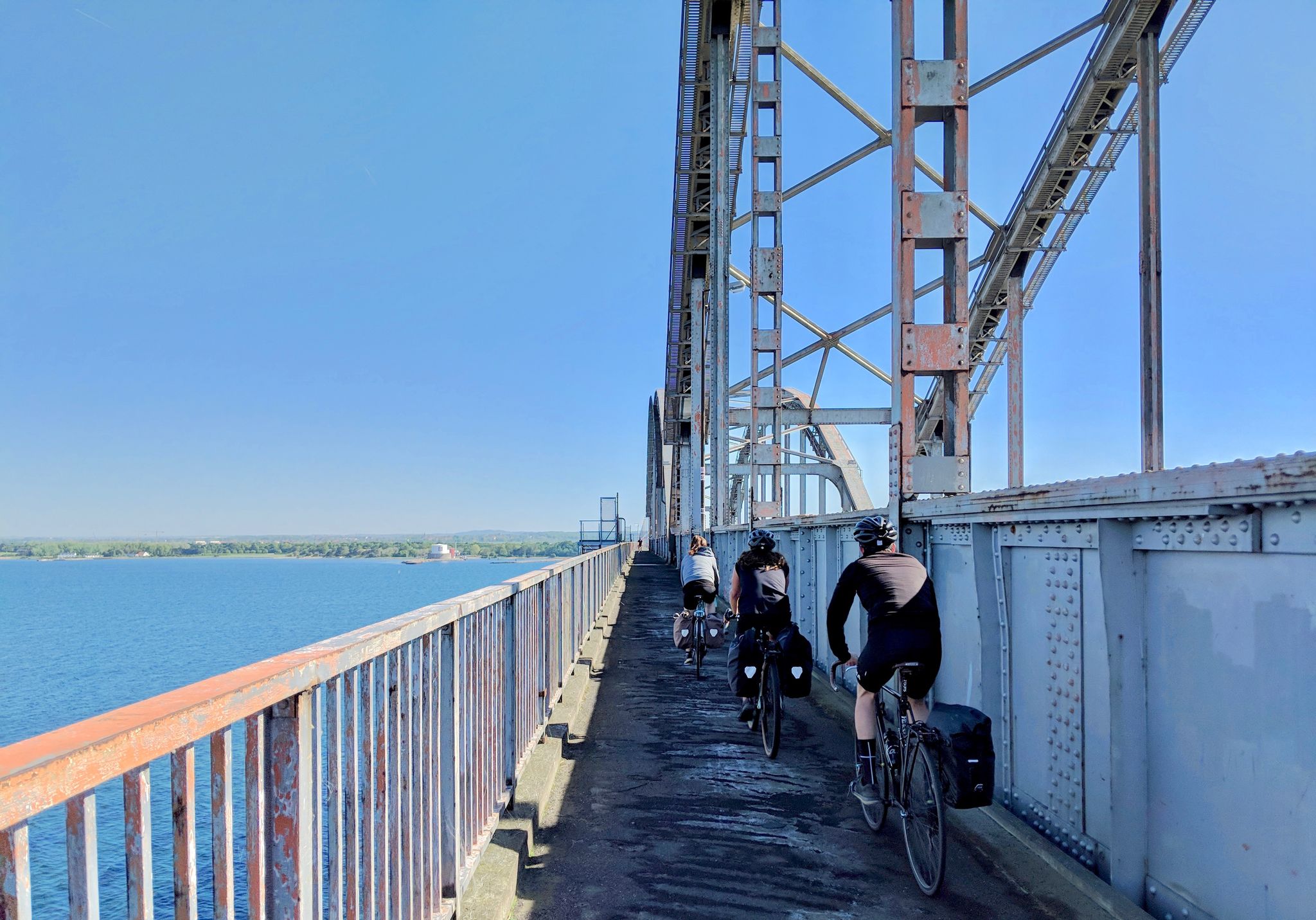
Cycling from Hamburg to Copenhagen – salty air included
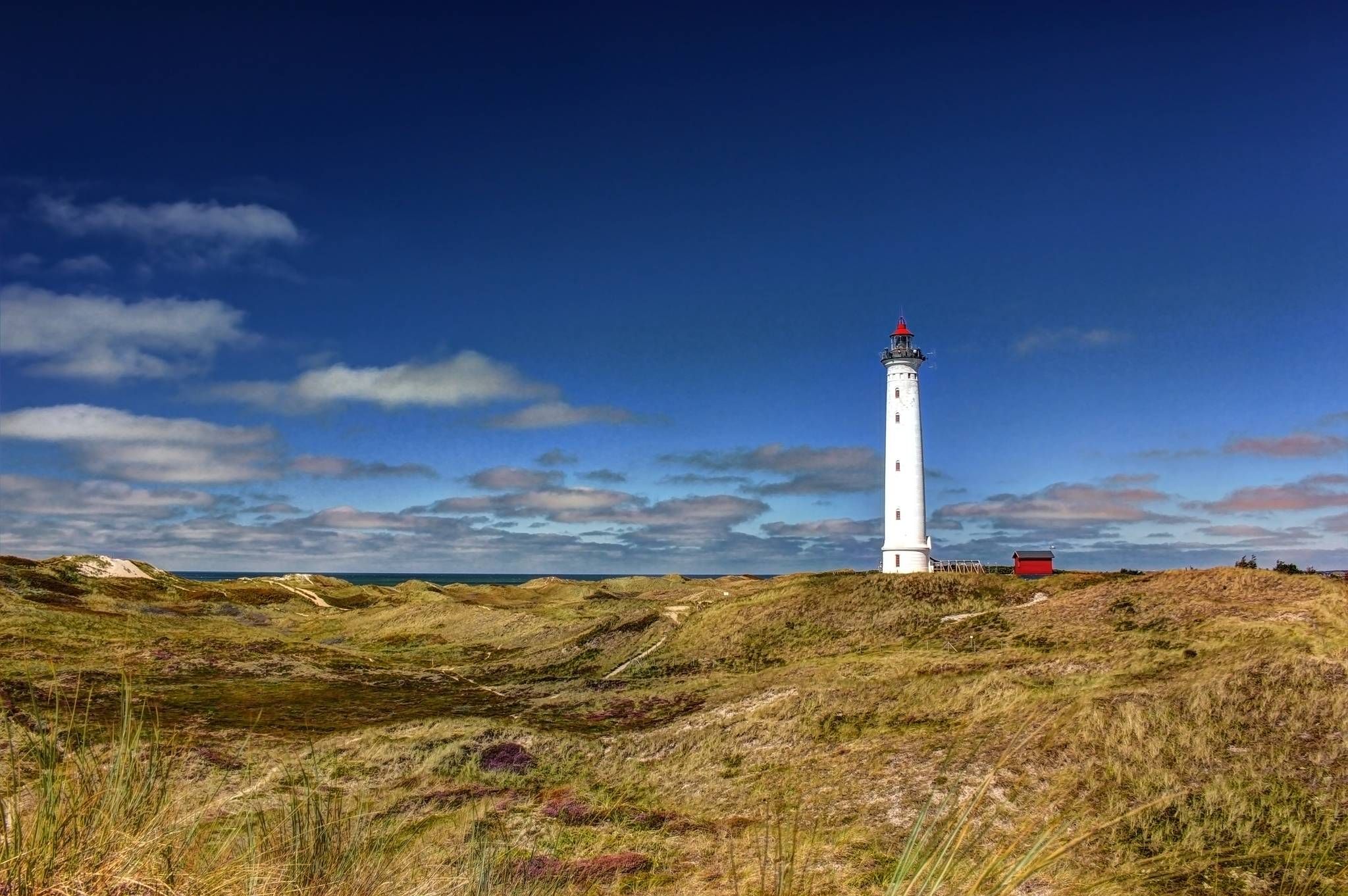
The North Sea Coast Cycle Route – Denmark
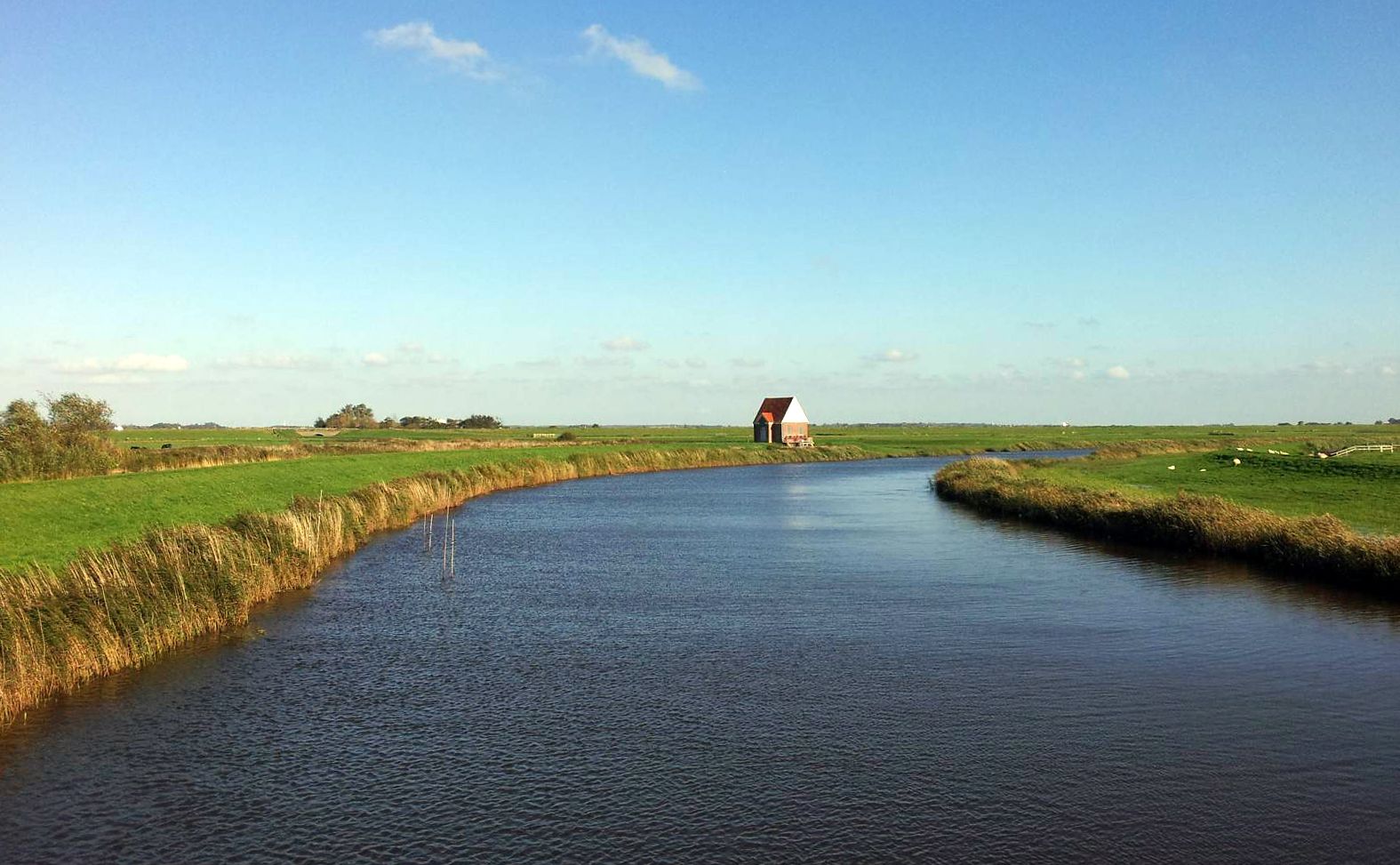
Border Route — in 3 days from the North Sea to the Baltic Sea
Other adventures in Denmark


Tips from the Community

A castle, parliament, government, and court building on the island of Slotsholmen in the Danish capital Copenhagen. The Neo-Baroque three-winged complex was built between 1907 and 1928 on behalf of Frederick VIII according to the design by Thorvald Jørgensen.
0
0

The detour to the ruin is very worthwhile 👍 The internal staircase with its balconies has been interestingly designed. The view is also beautiful, great motifs were created.
2
0

The castle ruins are the ultimate tourist attraction on the island of Bornholm. We were lucky that it was quieter there during the off-season. The view from the ruins is very beautiful, and the hiking trails surrounding them are also not to be missed.
4
0

A lovely café with delicious cappuccino and cake. In the village, beautiful old houses, but otherwise, more like—well, a place!
0
0

Make a point to explore Hammershus Castle, the largest medieval fortress in Northern Europe. These impressive ruins sit above the Bornholm Coastal Path and are well worth the detour. Offering you breathtaking views of the sea and the surrounding landscape as you walk through the remains of the old walls and towers, you can almost imagine the castle in its prime. It served as a symbol of power and was a key part of the island's history. The panoramic vistas from here are perfect for a moment of quiet reflection.
3
0


The castle itself cannot be visited, but the castle park and the castle church are freely accessible
2
2

Frequently Asked Questions
Which castles in Denmark are particularly family-friendly?
Many Danish castles offer activities suitable for families. For instance, Amalienborg Palace Square in Copenhagen is known for its royal connections and the changing of the guard, which can be exciting for children. Egeskov Castle on Funen is a standout, providing a full-day experience with 17 themed gardens, a tree-top adventure course, and multiple museums, including vintage cars and a dollhouse, making it ideal for all ages.
What are some castles known for their historical significance or unique architecture?
Denmark boasts several castles with deep historical roots and impressive architecture. Kronborg Castle, a UNESCO World Heritage site, is famous as 'Hamlet's Castle' and showcases 16th-century Renaissance architecture with opulent chambers and underground casemates. Frederiksborg Castle is considered the largest Renaissance complex in Scandinavia, set on three islets with magnificent Baroque gardens. Koldinghus, dating back to the 13th century, offers a unique blend of historical preservation and modern architectural elements after its restoration.
Are there castles in Denmark with beautiful gardens or natural surroundings?
Absolutely. Frederiksborg Castle is surrounded by stunning Baroque and romantic landscaped gardens, perfect for leisurely strolls. Rosenborg Castle in Copenhagen is nestled within the King's Garden (Kongens Have), Denmark's oldest royal garden, offering a popular urban retreat. Egeskov Castle is renowned for its award-winning park with 17 themed gardens. You can also find the Rose Garden at Rosenborg Castle, a beautiful natural monument within the city.
What kind of outdoor activities can I do near Danish castles?
Many castles are situated in areas offering great opportunities for outdoor activities. For example, near castles in Denmark, you can find various running trails, including routes like 'The Harbour Circle in Copenhagen' or the 'Furesø circuit'. There are also numerous hiking options, such as the 'Rytterknægten Ekkodalen (Echo Valley)' or 'Bornholm Coastal Landscape' routes. You can explore more options for running trails, waterfall hikes, and easy hikes in Denmark.
What is the best time of year to visit castles in Denmark?
The best time to visit Danish castles generally depends on your preferences. Spring and summer (May to August) offer pleasant weather for exploring gardens and outdoor areas, with longer daylight hours. Many castles also host special events and festivals during these months. Autumn (September to October) provides beautiful foliage, while winter visits can offer a unique, quieter experience, especially around Christmas markets, though some attractions might have reduced hours. Always check specific castle opening times before your visit.
Are there any castles in Denmark that are less known but worth visiting?
While many castles are popular, some offer a more tranquil experience. Nordborg Castle, for instance, is a charming castle with historical significance. Augustenborg Palace also offers a glimpse into Danish history away from the main tourist crowds. These can provide a more intimate exploration of Denmark's heritage.
Can I find cafes or restaurants near Danish castles?
Yes, many popular castles have cafes or restaurants on-site or in their immediate vicinity. For example, Christiansborg Palace houses a restaurant in its tower. Larger castles like Egeskov and Frederiksborg often have dining options to cater to visitors. In urban settings like Copenhagen, castles such as Rosenborg are surrounded by numerous cafes and eateries.
What kind of views or viewpoints can I expect at Danish castles?
Danish castles often offer spectacular views. Kronborg Castle provides impressive vistas of the Øresund strait, with Sweden visible across the water. Hammershus Castle Ruins, located on a cliff 74 meters above sea level, offers panoramic views of the sea and surrounding landscape. Kastellet Fortress, with its star shape, allows for walks along its walls with nice views of the harbor.
How can I get to castles in Denmark using public transport?
Many major castles are accessible via public transport. For example, Kronborg Castle in Helsingør is easily reachable by train from Copenhagen. Kastellet Fortress in Copenhagen is served by several bus lines. For castles further afield, a combination of train and local bus services is often available. It's always recommended to check local public transport websites for the most current routes and schedules to your chosen destination.
Are there castles in Denmark that are still actively used by the Royal Family?
Yes, several castles and palaces in Denmark are still in royal use. Amalienborg Palace Square is the main residence of the Danish Royal Family, known for its daily changing of the guard ceremony. Queen Margrethe uses one of the palaces at Amalienborg during winter months. Fredensborg Palace is also frequently used by the Danish Regent. Gråsten Palace is another royal residence.
What makes Christiansborg Palace unique among Danish castles?
Christiansborg Palace in Copenhagen is unique because it is the only building in the world that simultaneously houses the legislative (Danish Parliament), executive (Prime Minister's Office), and judiciary (Danish Supreme Court). While originally a royal castle, it now serves as a central hub for Danish democracy, alongside still housing royal reception rooms. Visitors can also climb its tower for free and explore exhibitions, including ruins dating back to the start of Copenhagen.
Most popular routes in Denmark
Most popular attractions in Denmark

Get inspired with the komoot mobile app


Didn’t find what you were looking for?
Explore Denmark’s best castles region by region:
Explore more
Looking for the best castles somewhere else? Discover other guides in Denmark:
