Top 20 Castles in France
Castles in France offer a glimpse into the country's history, featuring diverse architectural styles from medieval fortresses to Renaissance palaces. These historical sites are often set within varied landscapes, including river valleys, rocky outcrops, and extensive parklands. Many châteaux showcase elaborate interiors and well-maintained grounds. They represent significant cultural landmarks across different regions of France.
Best castles in France
- The most popular castles is Saint-Ulrich Castle, a castle that is the largest and best preserved of the three castles…
Last updated: October 9, 2026
Wegelnburg Castle Ruins
Highlight • Castle
Translated by Google •
Tip by

Saint-Ulrich Castle
Highlight • Castle
Translated by Google •
Tip by

Sign up now to discover places like this
Get recommendations on the best single tracks, peaks, & plenty of other exciting outdoor places.
Hohenbourg Castle
Highlight • Viewpoint
Translated by Google •
Tip by

Château du Loewenstein
Highlight • Historical Site
A very beautiful ruin with a wonderful view from both platforms.
Translated by Google •
Tip by

Girsberg Castle
Highlight • Castle
Translated by Google •
Tip by

Fleckenstein Castle
Highlight • Castle
Translated by Google •
Tip by

Haut-Ribeaupierre Castle
Highlight • Castle
Translated by Google •
Tip by
Chambord Castle
Highlight • Castle
Translated by Google •
Tip by

Mont Saint-Michel
Highlight • Religious Site
Translated by Google •
Tip by

Besucherzentrum Burg Fleckenstein
Highlight • Castle
Translated by Google •
Tip by

Sign up for free to discover even more castles in France.
Already have an account?
Start today with a free account
Your next adventure awaits.
Popular around France
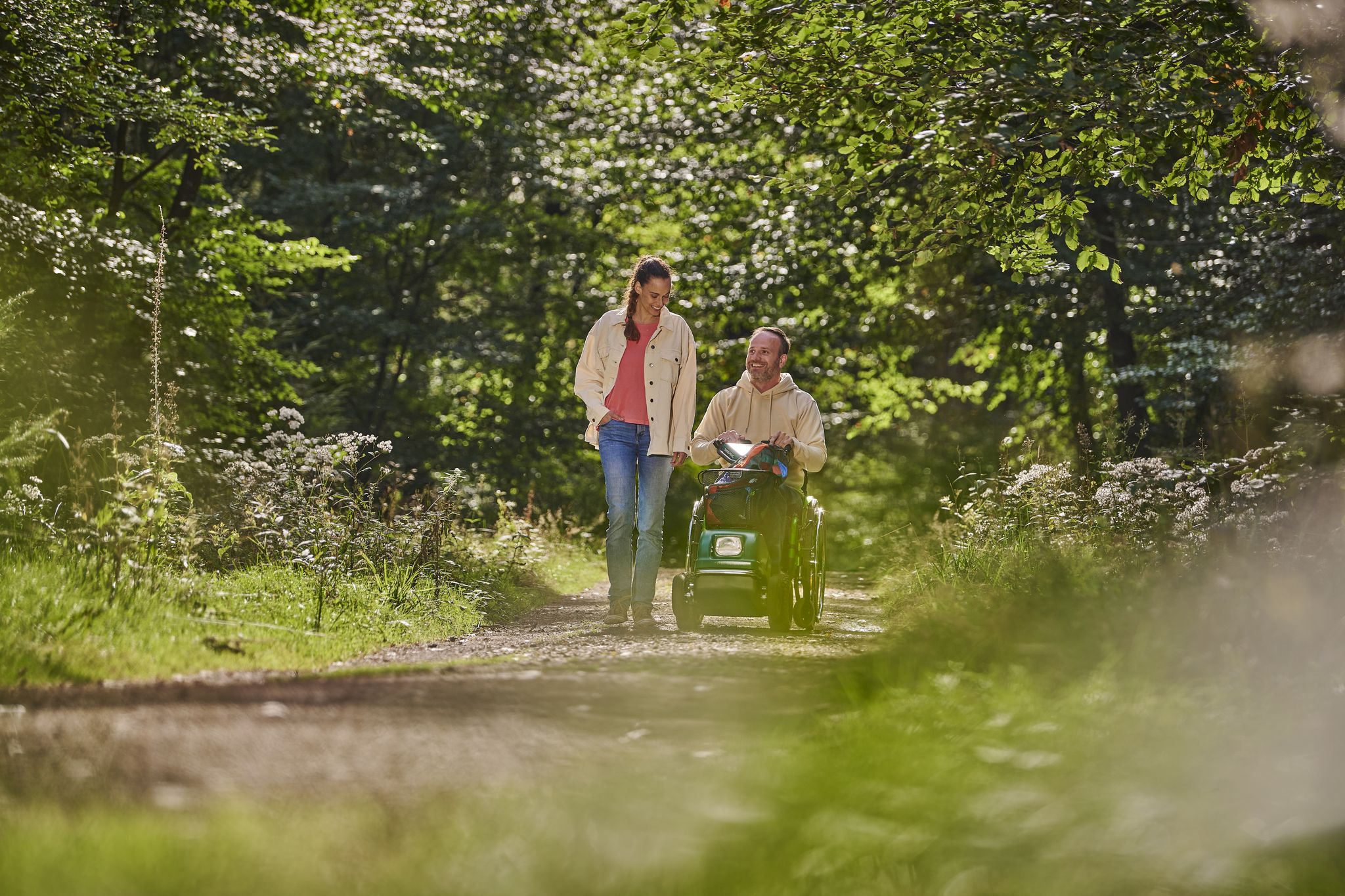
Outdoors – Nature experiences for everyone

Triathlon 360 – my journey around the world
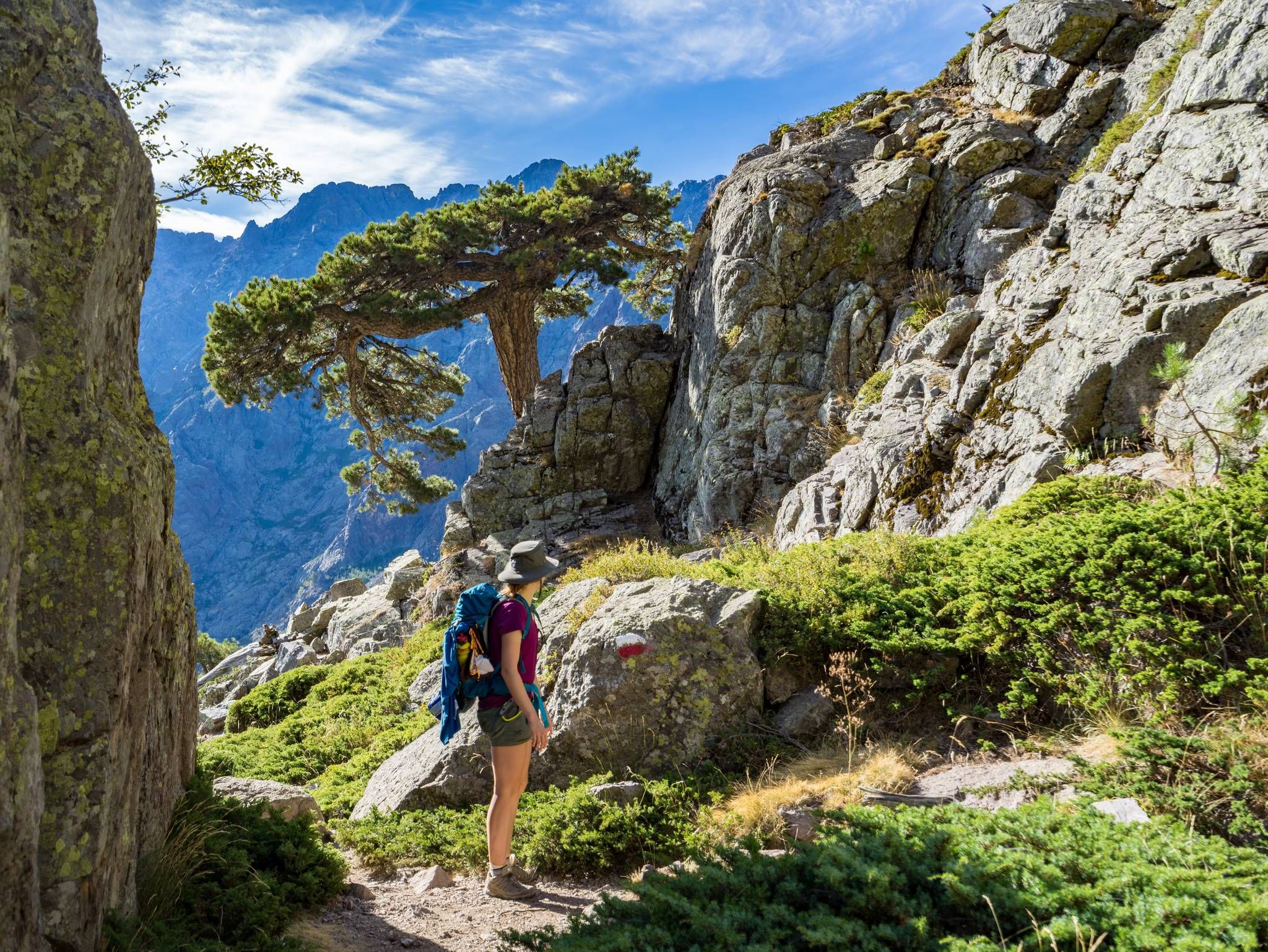
GR20 – Europe's toughest long-distance hiking trail through Corsica
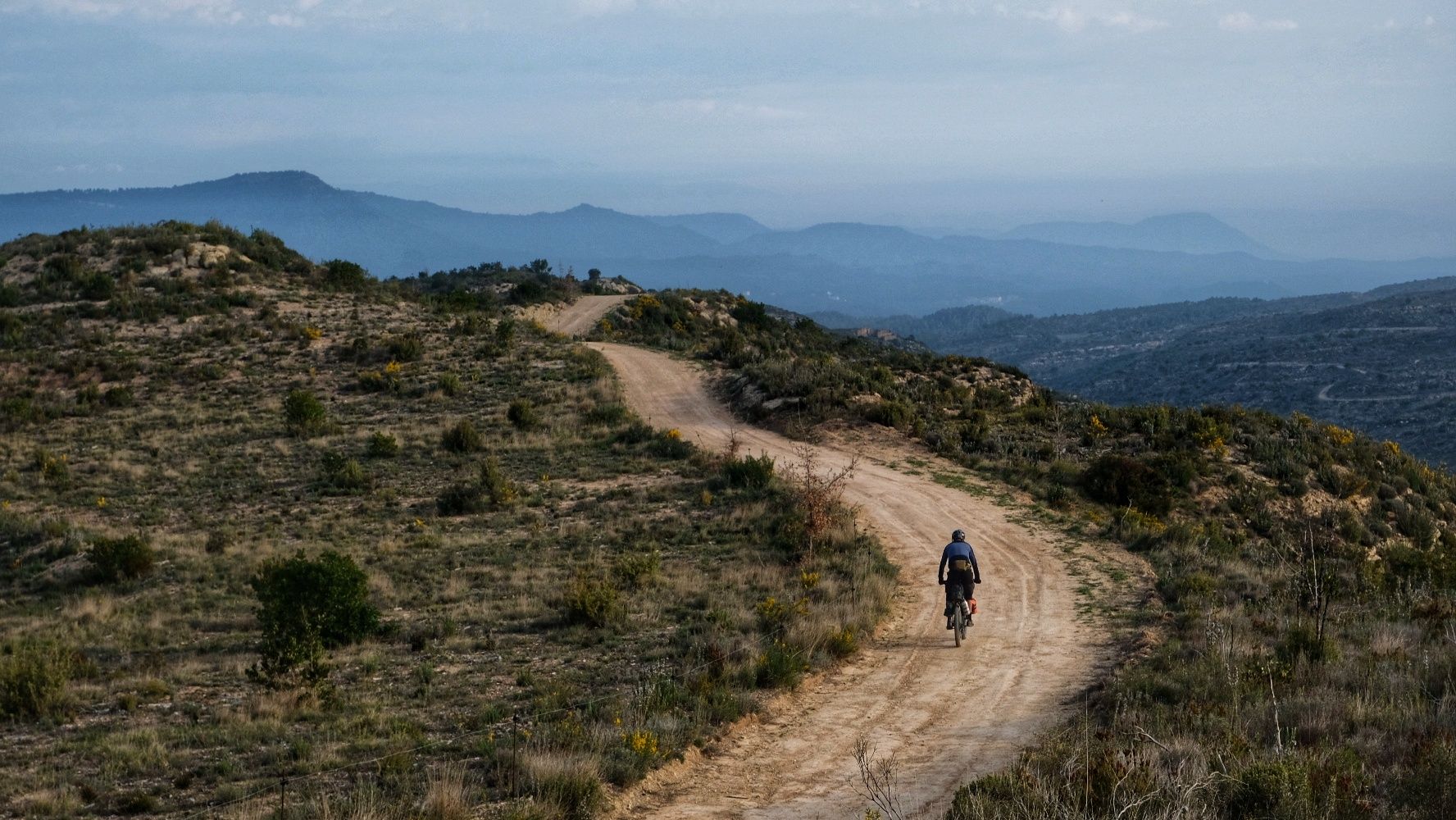
European Divide Trail — 7,600 km across the continent
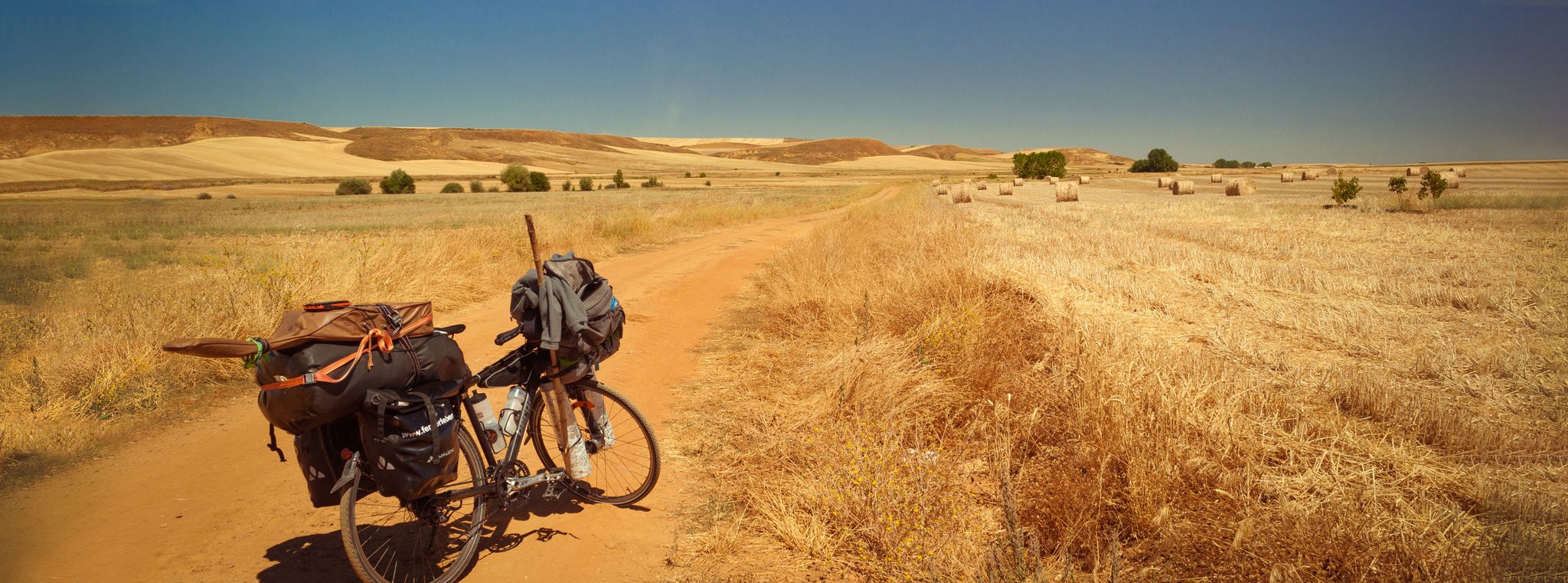
Camino Francés and Camino Finisterre – Cycling pilgrimages in Spain
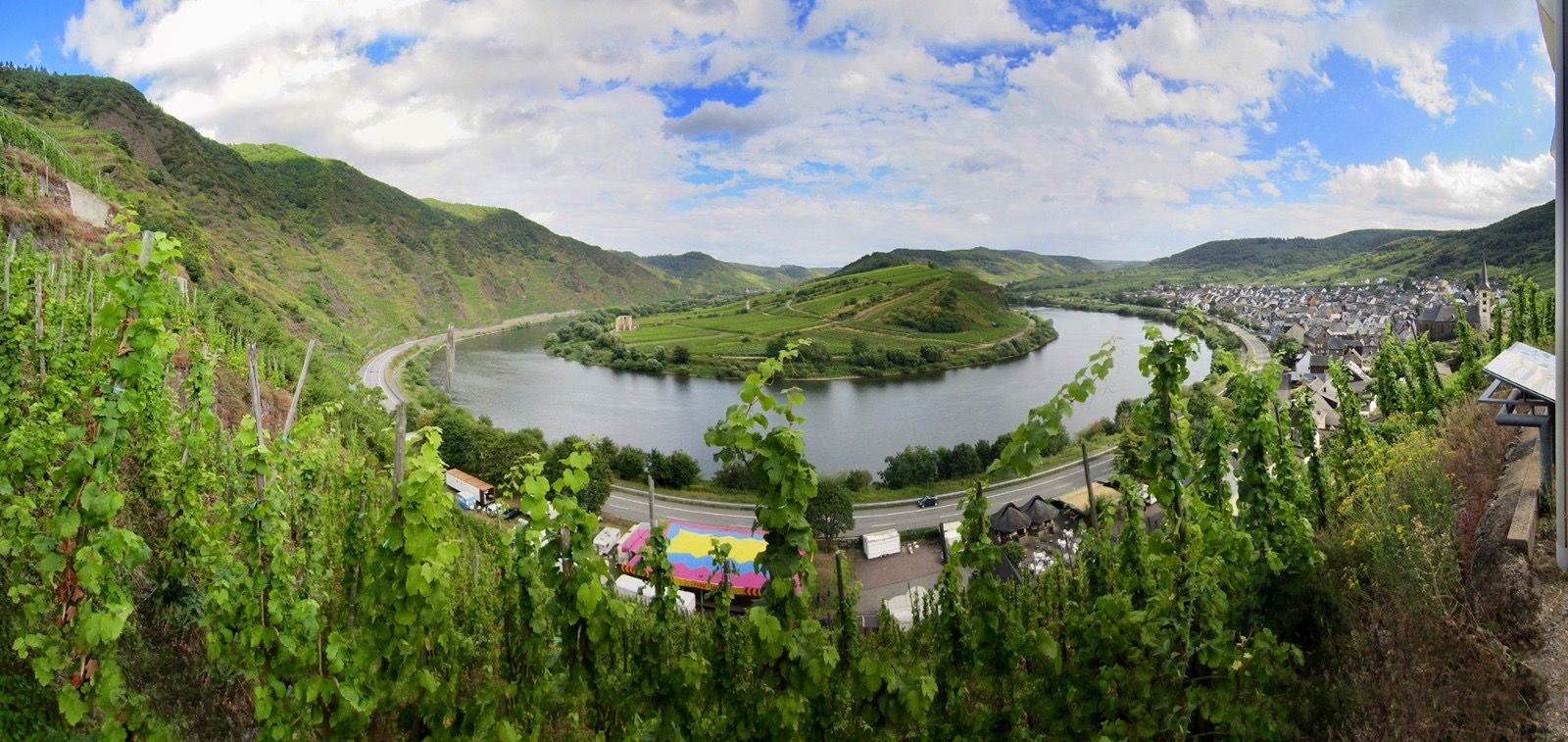
The Moselle cycle path — from the Vosges to the Rhine in 18 stages
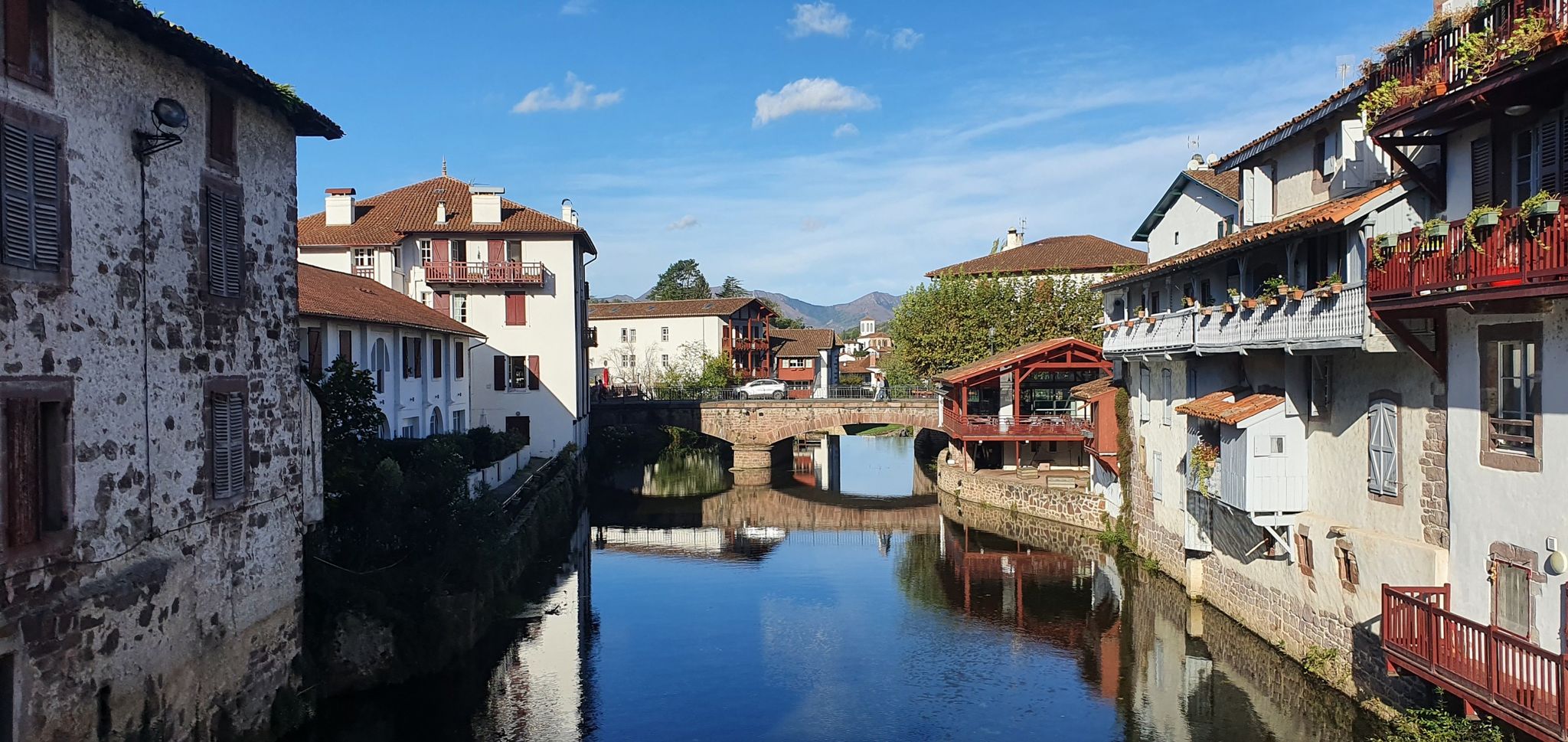
GR 65 Way of Saint James of Compostela — Via Gebennensis and Via Podiensis
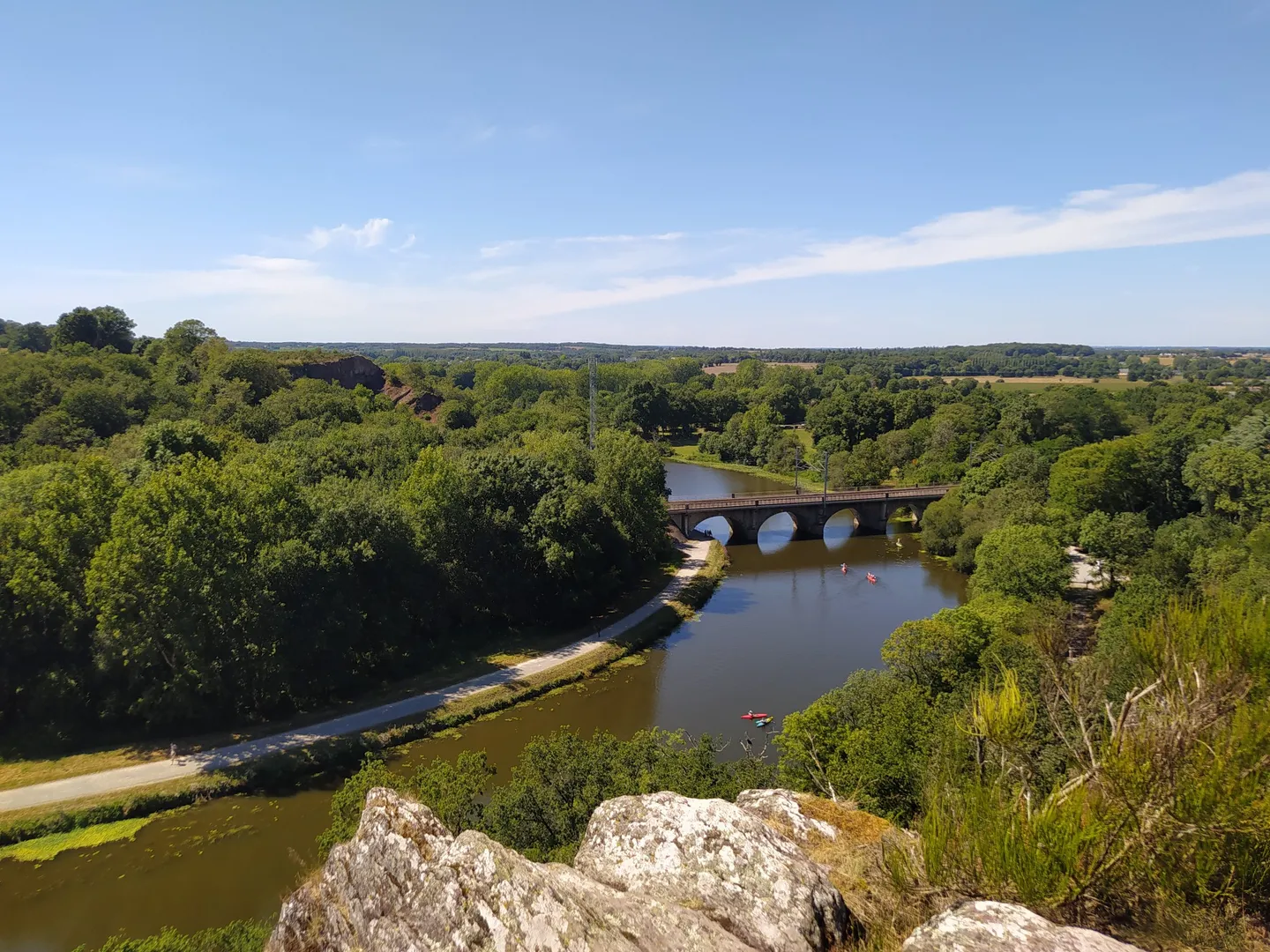
The GR 39 — On the historical traces of Brittany
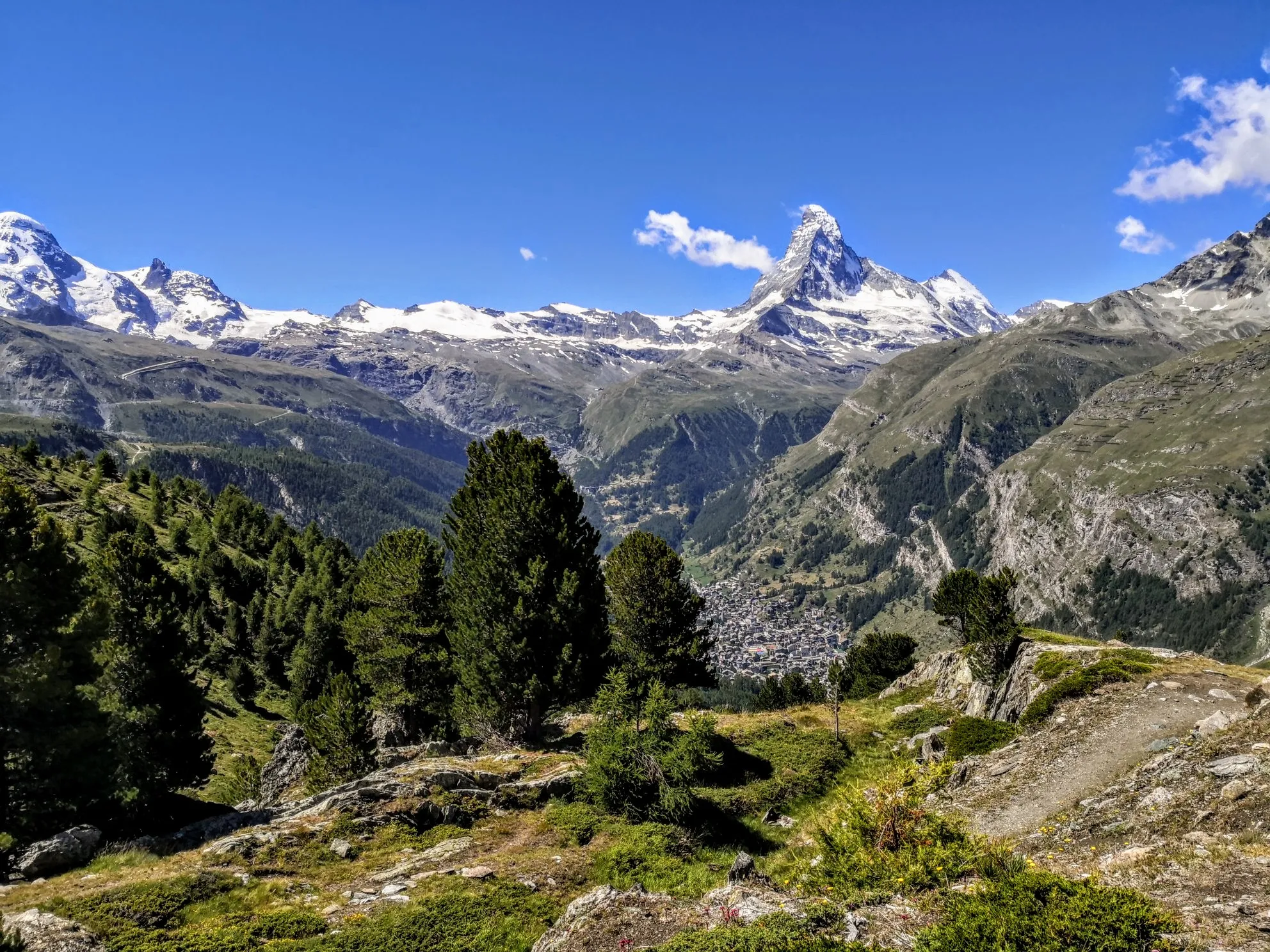
Walker's Haute Route – The ultimate alpine adventure
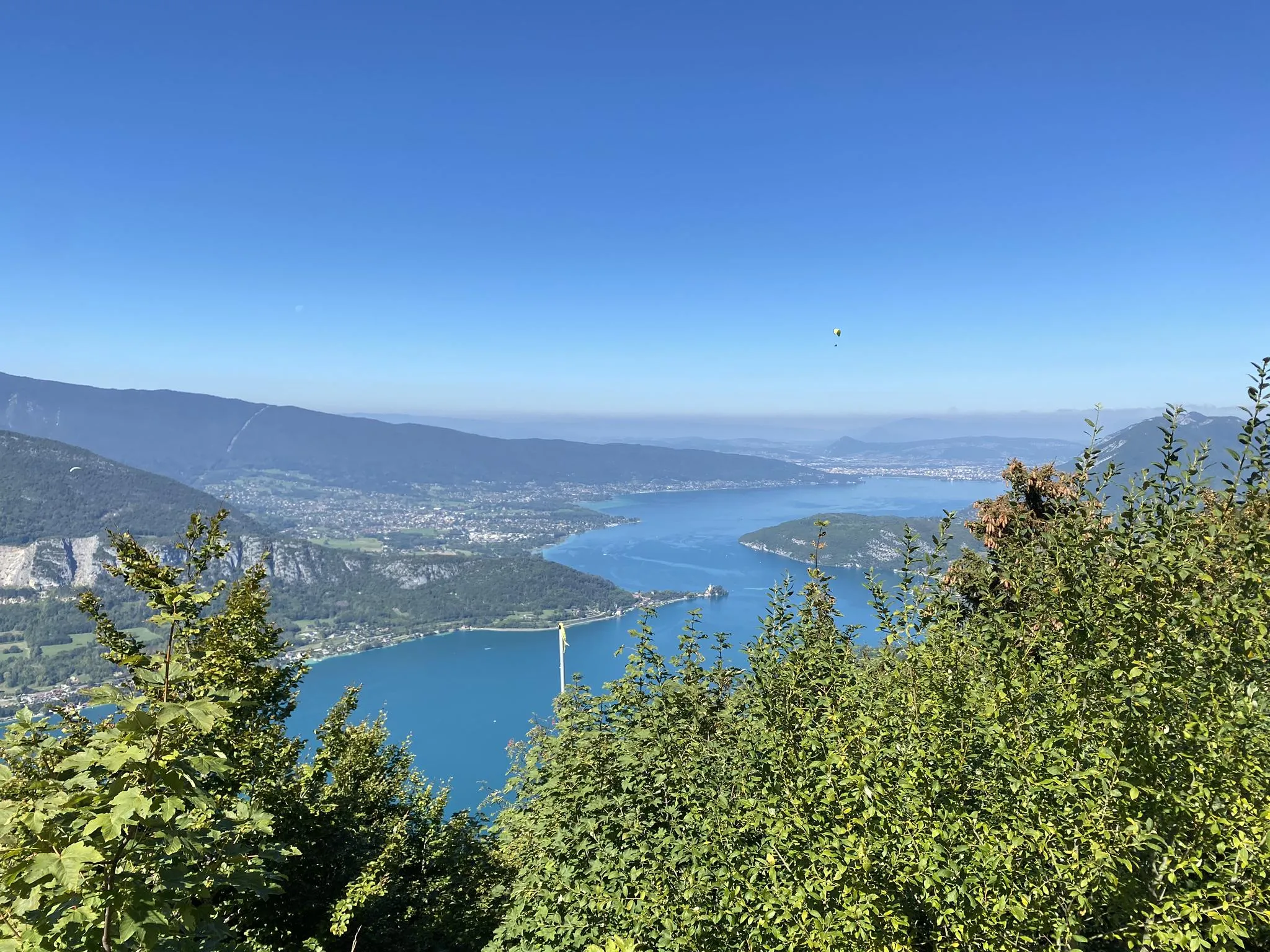
MaxiRace - The complete tour of Lake Annecy
Other adventures in France


Tips from the Community

The large wall at the rear of the ruins has been reinforced. The keep is also now dilapidated. To prevent anyone from climbing the tower, the lower staircase has been removed.
7
1
Saunt Ulric Castle is the largest of the three ruins. It is currently undergoing partial renovation. A small section is cordoned off, and caution is advised in other areas. However, the keep is accessible.
6
0

The castle of Haut-Ribeaupierre (Hohrappoltstein) was probably built during the turmoil of the Interregnum around the mid-13th century. It served as an outpost at a time when the King of France was planning to invade Alsace. Later, it served as an observation tower for early warning of forest fires. The entire castle complex is dominated by an imposing circular keep, which offers a magnificent view of the Alsatian plain and the surrounding mountain ridges.
6
1

Ulrichsburg is the most impressive and best-preserved of the three castles. It was built on the rocky promontory around the mid-13th century. Until the 15th century, it was the residence of the Rappoltstein family and therefore has little military significance. Remains still visible today include: - the square keep and the main building (12th century), - the knights' hall and the large residential tower (13th century), - the barbican in front of the entrance and the outer wall (14th century), - the Chapel of Saint Ulrich (15th century). Girsberg Castle, built around 1250 opposite Ulrichsburg, was intended to strengthen its defenses.
6
0

Quite well preserved castle with a beautiful view of Fleckenstein Castle and, in the other direction, of Wegelnburg.
9
4

Among the four ruins that dominate Ribeauvillé, Saint Ulrich seems undoubtedly one of the most fascinating castle complexes in the Haute- Alsace. It used to control the strategic road that connected the Alsace plain with the upper Lièpvre valley. Witness to the power of the lords of Ribeaupierre, it was their main residence until its final abandonment in the 16th century. It has different architectural styles: Romanesque parts are combined with Gothic and even Renaissance elements. Not far away, Girsberg Castle was built in the 13th century to house a new branch of the Ribeaupierre family: the house is still clearly visible there. Haut-Ribeaupierre was certainly built during the troubled period of the Great Interregnum, around the middle of the 13th century. on the site of a first castle, probably from the 10th century: it will serve as an advance post during the planned invasion of Alsace by the King of France, and then as a watchtower intended to prevent forest fires. The entire building is dominated by an imposing circular keep that offers beautiful views of the Alsace plain and the adjacent mountain ridges. A fourth castle was recently discovered under Saint Ulrich. Source: https://www.chateauxfortsalsace.com/fr/chateau/le-chateau-du-girsberg/
5
0

Beautiful castle ruins, the view of the vineyards and the Rhine plain is gigantic. The climb is very varied, but not without its challenges! There are a few short rocky passages that can be slippery, especially when wet, and may need to be managed with the help of your hands. Good footwear is definitely recommended.
8
1

This magnificent castle complex is omnipresent… can be visited for a 5,-
19
2
Frequently Asked Questions
Which castles offer the most impressive views?
Many castles in France are situated to provide stunning vistas. For example, Hohenbourg Castle offers beautiful views of Fleckenstein Castle and Wegelnburg. Similarly, Saint-Ulrich Castle provides a fantastic perspective of the plain and the town of Ribeauvillé. The fortified city of Carcassonne also offers panoramic views from its ramparts.
Are there family-friendly castles to visit in France?
Yes, several castles cater to families. Chambord Castle is known for being family-friendly, allowing visitors to explore its interior, roof, and vast park, partly accessible by bike. Fleckenstein Castle and Mont Saint-Michel are also popular choices for families, offering engaging experiences for all ages.
What kind of outdoor activities can I do near French castles?
Many castles are located in regions ideal for outdoor activities. For instance, near castles in France, you can find excellent cycling opportunities. Consider exploring routes like the 'Tour of Lake Annecy' or the 'Mont Ventoux Loop' for road cycling. For gravel biking, there are options such as the 'Via del Sale Loop'. You can find more details on these and other routes in the Cycling in France and Gravel biking in France guides.
Which castles are best for history enthusiasts?
France's castles are steeped in history. The Palace of Versailles, a symbol of French royalty, offers a deep dive into 17th-century grandeur. The medieval military architecture of Cité de Carcassonne is one of the best-preserved fortresses globally. In the Loire Valley, Chambord Castle and Château de Chenonceau showcase Renaissance artistry and significant historical events, often shaped by influential figures.
What is the best time of year to visit French châteaux?
The spring (April-May) and autumn (September-October) generally offer pleasant weather for visiting French châteaux, with fewer crowds than the peak summer months. The gardens of châteaux like Villandry and Chenonceau are particularly beautiful in spring and summer. Some castles, such as Chambord Castle, are open all year round, allowing for winter visits, though some outdoor features might be less vibrant.
Are there any castles known for their gardens?
Absolutely. The Château de Villandry is world-renowned for its magnificent Renaissance gardens, considered among the best in Europe, featuring ornate parterres, a water garden, and a meticulously recreated Renaissance kitchen garden. The Palace of Versailles also boasts vast, impeccably manicured gardens, while Château de Chenonceau is famous for its spectacular landscape gardens, including those designed by Catherine de' Medici.
Do I need to book tickets in advance for French castles?
For popular castles like the Palace of Versailles, Château de Chenonceau, or Chambord Castle, especially during peak season or holidays, it is highly recommended to book tickets in advance online. This helps avoid long queues and ensures entry, as some sites may have capacity limits.
Which castles are notable for their unique architecture?
France offers a diverse range of architectural styles. Chambord Castle is a masterpiece of French Renaissance architecture, known for its distinctive double-helix staircase and silver witch-hat turrets. Château de Chenonceau is unique for spanning the River Cher with its five-arched bridge. The Cité de Carcassonne is an outstanding example of medieval military architecture with its double ring of ramparts.
Can I find less-known or 'hidden gem' castles in France?
While many famous castles attract large crowds, France has numerous lesser-known but equally captivating sites. For example, the Wegelnburg Castle Ruins and Haut-Ribeaupierre Castle offer a more rugged and adventurous experience, providing historical insights and beautiful views without the same level of tourist traffic as the more prominent châteaux.
What are some of the most impressive medieval fortresses?
The Cité de Carcassonne stands out as one of the best-preserved medieval fortresses globally, with its extensive ramparts and 52 towers. In Alsace, castles like Saint-Ulrich Castle, Girsberg Castle, and Fleckenstein Castle represent formidable medieval strongholds, often built on rocky outcrops and offering a glimpse into centuries of defensive architecture.
Are there castles that inspired famous works?
Yes, Château de Cheverny is famously known as the inspiration for Marlinspike Hall in Hergé's *The Adventures of Tintin*. Its elegant classical architecture and well-preserved interiors offer a unique connection to this beloved comic series.
What is special about the castles in the Loire Valley?
The Loire Valley is renowned for its concentration of magnificent châteaux, showcasing a blend of medieval and Renaissance architectural styles. Castles like Chambord Castle, Château de Chenonceau, and Château de Villandry are prime examples, each offering unique features from grand scale and intricate design to stunning gardens and rich historical narratives.
What do visitors enjoy most about French castles?
Visitors frequently appreciate the historical depth, diverse architecture, and stunning natural settings of French castles. Many enjoy exploring the well-preserved ruins, the panoramic views from castle vantage points, and the immersive experience of stepping back in time. The komoot community has shared over 2200 photos and given more than 1500 upvotes to various castle highlights, reflecting widespread enjoyment.
Most popular routes in France
Most popular attractions in France

Get inspired with the komoot mobile app


Didn’t find what you were looking for?
Explore France’s best castles region by region:
Explore more
Looking for the best castles somewhere else? Discover other guides in France:
