Top 20 Caves in France
Caves in France offer glimpses into geological formations and ancient history. The country is home to an extraordinary array of subterranean marvels, many renowned for unique features and prehistoric art. These sites provide insights into early human artistry and geological processes. Visitors can explore a variety of cave types across different regions.
Best caves in France
- The most popular caves include Porte d'Aval Arch (Étretat), a natural monument that offers views of the village, cliffs, and sea. It is one of the most visited and impressive natural arches in the area.
- Another must-see spot is La Roque-Gageac, a settlement known for its location at the foot of a towering cliff along the Dordogne. Visitors can explore the village, its charming streets, and the castle, with a cave aspect integrated into the cliffside.
- Visitors also love Tuves Bridge and Cave, a bridge and cave system. It offers an opportunity to explore aquatic marine waters and caves, providing a chance to cool off under waterfalls.
- France is known for prehistoric art caves, geological formation caves, and sea caves. These sites offer a variety of experiences, from viewing ancient artwork to exploring vast underground chambers.
- The caves in France are appreciated by the komoot community, with more than 1000 upvotes and over 500 photos shared by users.
Last updated: October 9, 2026
Porte d'Aval Arch (Étretat)
Highlight • Natural Monument
Translated by Google •
Tip by

Resting places at the top of the "Hollow Rock"
Highlight • Cave
Translated by Google •
Tip by

Sign up now to discover places like this
Get recommendations on the best single tracks, peaks, & plenty of other exciting outdoor places.
Souzay-Champigny troglodyte site
Highlight • Monument
But watch out for the ribs, short but intense!
Translated by Google •
Tip by

Tuves Bridge and Cave
Highlight • Bridge
Translated by Google •
Tip by

La Roque-Gageac
Highlight • Settlement
Translated by Google •
Tip by

Galtz Monument
Highlight • Monument
"Situé à 730m ce monument du Christ, étendant ses bras protecteurs au dessus de l'Alsace, open and panorama exceptionnel du haut de la tour."
Translated by Google •
Tip by

Saint Mary Magdalene Grotto
Highlight • Cave
It is a place of contemplation frequented since the 5th century by the kings of France and simple pilgrims. It is one of the most sacred and ancient places of pilgrimage in France.
Translated by Google •
Tip by
Mariastein Monastery
Highlight • Religious Site
Translated by Google •
Tip by

Grotte de Balduin
Highlight • Cave
Translated by Google •
Tip by

Notre-Dame des Auzils Chapel
Highlight • Religious Site
Translated by Google •
Tip by

Sign up for free to discover even more caves in France.
Already have an account?
Start today with a free account
Your next adventure awaits.
Popular around France
Outdoors – Nature experiences for everyone

Triathlon 360 – my journey around the world
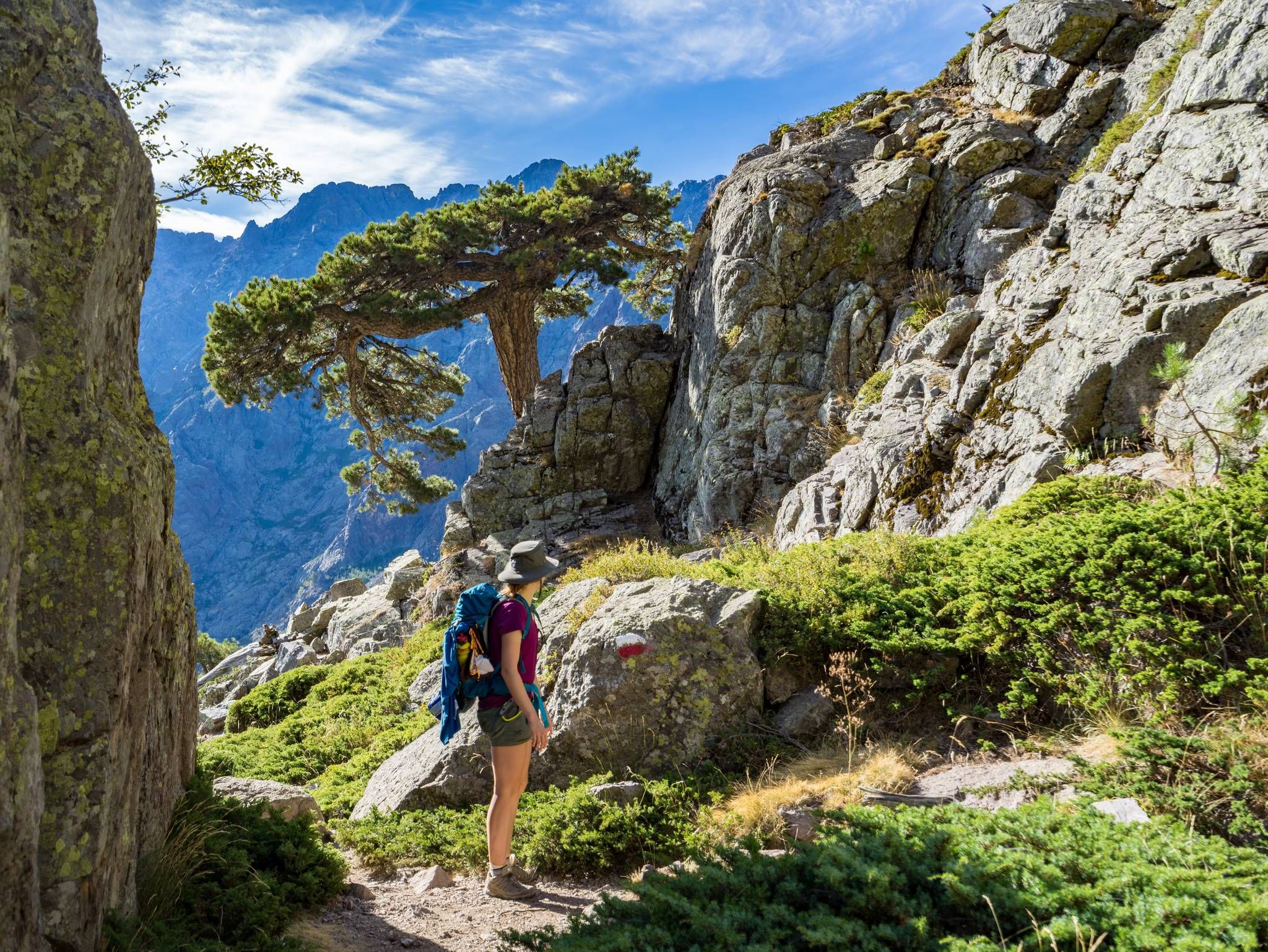
GR20 – Europe's toughest long-distance hiking trail through Corsica
European Divide Trail — 7,600 km across the continent
Camino Francés and Camino Finisterre – Cycling pilgrimages in Spain
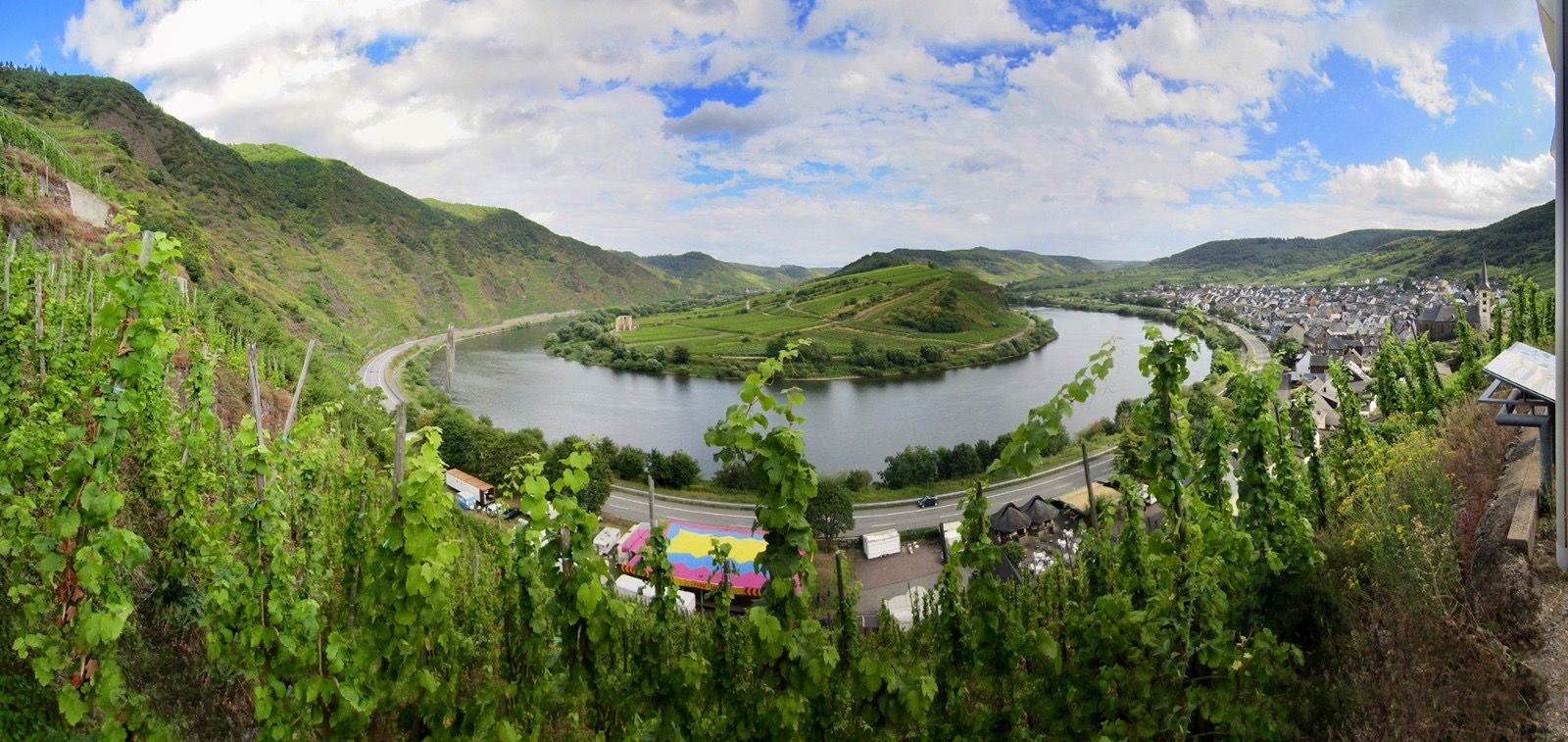
The Moselle cycle path — from the Vosges to the Rhine in 18 stages
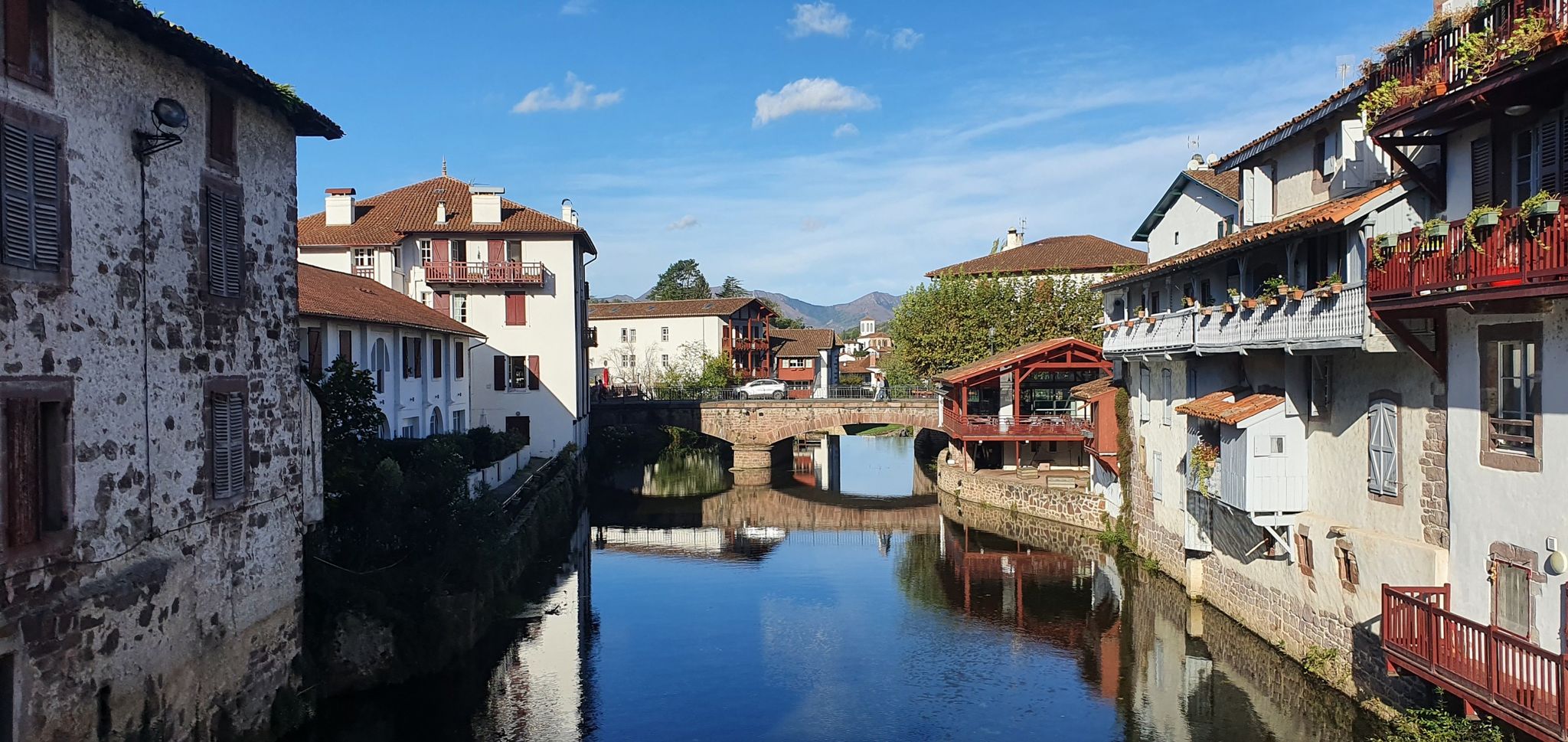
GR 65 Way of Saint James of Compostela — Via Gebennensis and Via Podiensis
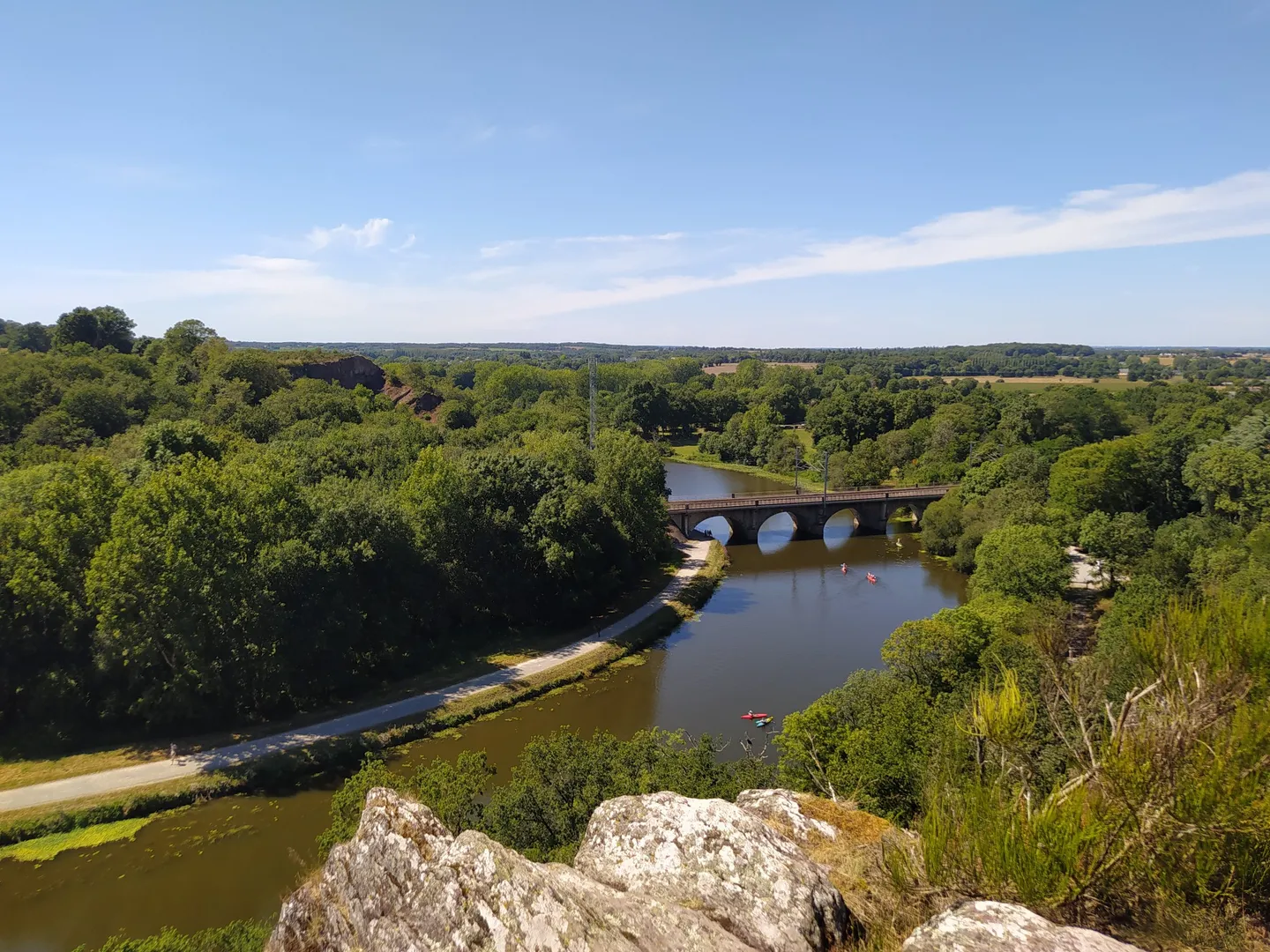
The GR 39 — On the historical traces of Brittany
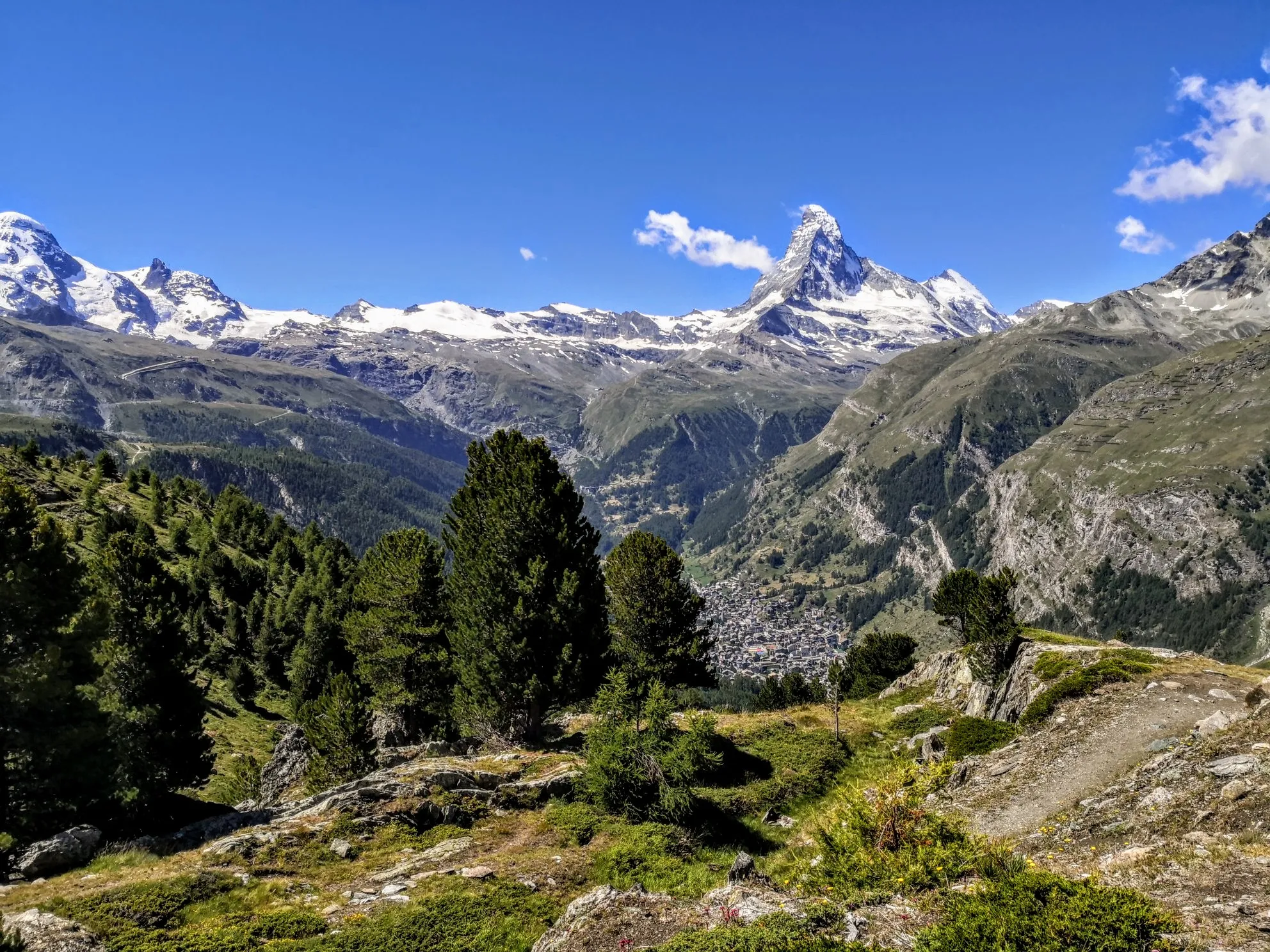
Walker's Haute Route – The ultimate alpine adventure
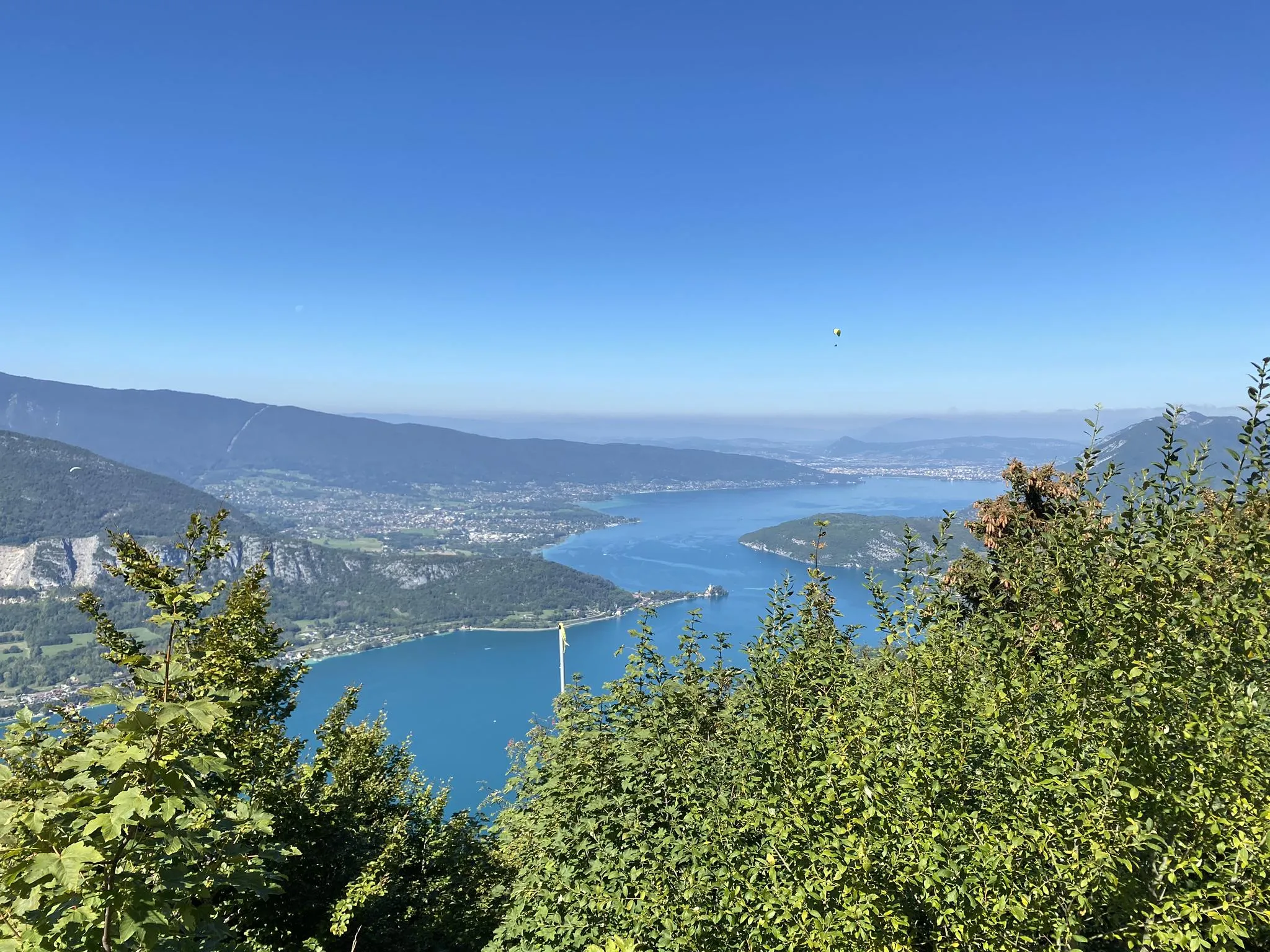
MaxiRace - The complete tour of Lake Annecy
Other adventures in France


Tips from the Community

Impressive caves, which were probably inhabited in the past.
0
0

Route worth the detour
0
0

Before reaching Notre-Dame-des-Auzils, the path crosses an amazing alley of marine cenotaphs: monuments erected for fishermen and sailors lost at sea... some of whose bodies were never found.
2
0

Since 1926, the monastery church has borne the papal title of honor of a Basilica minor. Originally built in the late Gothic style, the interior was redesigned several times and furnished and painted in the Neo-Baroque style between 1900 and 1934. The mighty high altar at the end of the choir, a gift from the French King Louis XIV, was consecrated in 1680.
4
0

Many painters, including Monet, have immortalized these natural beauties.
5
0

Beautiful spot with a historic bridge. It's a bit of a hike to get there and back up. Beautiful pebble beach.
2
0

place of silence, peace and reconnection between nature and the church
0
0

Frequently Asked Questions
Which caves in France are famous for prehistoric art?
France is home to several caves renowned for their ancient art. While the original Lascaux and Chauvet caves are closed to the public, their spectacular replicas, Lascaux IV and Caverne du Pont d'Arc, offer immersive experiences. For a chance to see authentic Paleolithic art in its original setting, consider visiting Grotte de Font-de-Gaume, Grotte de Niaux, or Les Combarelles, though access is often limited and requires advance booking. Rouffignac Cave also offers an electric train tour to view its extensive collection of mammoth drawings.
What are some caves known for unique geological formations or experiences?
Many French caves showcase stunning geological features. The Tuves Bridge and Cave offers a chance to explore aquatic marine waters and cool off under waterfalls. Gouffre de Padirac features an underground river explored by boat, surrounded by giant stalactites. Grotte des Demoiselles is known for its immense, cathedral-like main room and magnificent formations. Grottes de Bétharram provides a unique three-level exploration by foot, boat, and train. Aven d'Orgnac and Grotte de Saint-Marcel d'Ardèche boast awe-inspiring stalactite and stalagmite formations, with the latter still actively forming.
Are there family-friendly caves to visit in France?
Yes, several caves in France are suitable for families. The Tuves Bridge and Cave is described as an easy hike with clear water, perfect for children. La Roque-Gageac, a village built into a cliffside, offers boat trips on the Dordogne and charming streets to explore. Grottes de Bétharram's multi-modal tour (foot, boat, train) is also highly engaging for all ages. Many replica caves, like Lascaux IV and Caverne du Pont d'Arc, are designed to be accessible and educational for families.
What kind of historical sites can be found near caves in France?
Beyond prehistoric art, many caves are close to other historical sites. The La Roque-Gageac settlement itself is a historical site with a castle. The Souzay-Champigny troglodyte site offers insights into ancient human dwellings. The Saint Mary Magdalene Grotto is a sacred pilgrimage site frequented since the 5th century. Additionally, the region of Dordogne, home to many prehistoric art caves, is often referred to as the 'world capital of prehistory' due to its rich archaeological heritage.
What outdoor activities can I do near caves in France?
Many caves are situated in regions perfect for outdoor adventures. You can find various routes for activities like gravel biking, mountain biking, and hiking. For example, you can explore gravel biking routes in France, including challenging loops like the Via del Sale. If you prefer mountain biking, check out MTB trails in France, such as the Lac de Pierre-Percée. For a more relaxed experience, there are numerous easy hikes in France, like the Tour of Cap d'Antibes or the Customs Officers' Path to Mont Saint-Michel.
What do visitors enjoy most about the caves in France?
Visitors frequently appreciate the breathtaking views and unique natural formations. For instance, the Porte d'Aval Arch (Étretat) offers stunning vistas of the village, cliffs, and sea. The Tuves Bridge and Cave is loved for its clear waters and the fun of walking under waterfalls. The historical and artistic significance of sites like La Roque-Gageac and the prehistoric art caves also leave a lasting impression, offering a profound connection to ancient times.
Are there any caves in France that are less crowded or considered hidden gems?
While many famous caves attract large crowds, some offer a more intimate experience. Grotte du Grand Roc is celebrated for its remarkably tiny and delicate crystalline formations, offering a different kind of geological beauty compared to larger, more imposing caves. For authentic prehistoric art, Grotte de Font-de-Gaume and Les Combarelles have very limited daily access to preserve the art, making visits more exclusive and profound. Rouffignac Cave, explored by electric train, also provides a unique way to see extensive art without the same level of foot traffic as some other sites.
What is the best time of year to visit caves in France?
Many caves maintain a constant cool temperature year-round, making them a pleasant escape from summer heat or a unique destination during cooler months. For caves with limited access, like Grotte de Font-de-Gaume, booking well in advance is essential regardless of the season. Popular sites can be crowded during peak tourist season (summer), so visiting during spring or autumn might offer a more relaxed experience. Always check specific cave opening hours, as some may have seasonal closures.
What should I wear when visiting caves in France?
Even on a warm day, the temperature inside caves remains consistently cool, often around 12-14°C (54-57°F). It's advisable to bring a light jacket or sweater. Comfortable, closed-toe shoes with good grip are also recommended, as cave floors can be uneven and damp. If your visit includes boat rides or waterfalls, consider waterproof outerwear or quick-drying clothing.
Are there caves in France that are accessible by public transport?
While many caves, especially those in rural areas, are best reached by car, some popular sites may have public transport options or shuttle services from nearby towns. For instance, the village of La Roque-Gageac is accessible and offers various activities. It's always best to check the official website of the specific cave you plan to visit for detailed information on how to get there, including public transport links and parking facilities.
Can I find caves with impressive dimensions in France?
Absolutely. France boasts several caves known for their sheer size and grandeur. The Grotte des Demoiselles, for example, features a main chamber that is 52 meters high and 120 meters long, creating a truly cathedral-like experience. Gouffre Géant de Cabrespine is another notable example, with an immense chamber and extensive tunnel systems that appeal to those interested in large-scale subterranean exploration.
Most popular routes in France
Most popular attractions in France

Get inspired with the komoot mobile app


Didn’t find what you were looking for?
Discover more caves in France region by region:
Explore more
Extend your search for the best caves by checking out these guides of the top ones in France:
