Top 20 Lakes in the Netherlands
Best lakes in the Netherlands are often a result of extensive land reclamation and flood protection efforts, creating diverse aquatic environments. The country's intricate waterways feature both large freshwater lakes and tranquil nature reserves. These bodies of water play a crucial role in Dutch water management and provide habitats for various wildlife. They also offer numerous recreational opportunities across different regions.
Best lakes in the Netherlands
- The most popular lakes is The Zwin Nature Reserve, a natural monument that features a slufter, a beach plain behind dunes with an open connection to the sea. This area is characterized by its tidal nature, creating a unique biotope of silt and salt marshes.
- Another must-see spot is View of the North Sea and the Veerse Meer from the Veerse Gatdam, a viewpoint and man-made monument. This location offers a car-free cycle path with views of the North Sea and the Veerse Meer, which was created by the Delta Works and is popular for windsurfing.
- Visitors also love Maasplassen, a lake system created by gravel extraction. This vast network of lakes, ponds, and canals in Limburg spans approximately 3,000 hectares, providing a setting for activities like waterskiing and diving.
- Netherlands is known for large freshwater lakes, nature reserves, and interconnected lake systems. These include major water sports hubs like the IJsselmeer and Markermeer, as well as tranquil areas such as Reindersmeer and Tjeukemeer.
- The lakes in the Netherlands are appreciated by the komoot community, with more than 2300 highlights and over 3600 upvotes.
Last updated: October 9, 2026
View of the North Sea and the Veerse Meer from the Veerse Gatdam
Highlight • Viewpoint
Translated by Google •
Tip by

Vroongronden Nature Reserve
Highlight • Natural
Translated by Google •
Tip by

Sign up now to discover places like this
Get recommendations on the best single tracks, peaks, & plenty of other exciting outdoor places.
Oosterschelde National Park
Highlight • Natural Monument
The mudflats and sandbanks that are submerged at high tide, dry up again at low tide. The Oosterschelde is a unique area because of this tidal nature: a dynamic world.
Translated by Google •
Tip by

Reindersmeer (Reinders Lake)
Highlight • Lake
Translated by Google •
Tip by

The Zwin Nature Reserve
Highlight • Natural Monument
The Zwin is a slufter: a beach plain behind the dunes that is in open connection with the sea. Directly behind the gully mouth lies a sandy beach, further inward lie dunes and salt marshes. Behind the row of dunes lie two small polders, the Kievittepolder and the Oudelandsepolder.
Translated by Google •
Tip by

Oosterschelde National Park
Highlight (Segment) • Natural Monument
Translated by Google •
Tip by

Maasplassen
Highlight • Lake
Translated by Google •
Tip by

Zuid-Kennemerland National Park
Highlight • Natural
Translated by Google •
Tip by

Vroonweg Gravel Path
Highlight (Segment) • Trail
Translated by Google •
Tip by

Utopia Bird Sanctuary
Highlight • Viewpoint
Translated by Google •
Tip by

Sign up for free to discover even more lakes in the Netherlands.
Already have an account?
Start today with a free account
Your next adventure awaits.
Popular around Netherlands

Bedtime Adventure Stories for Grown Ups
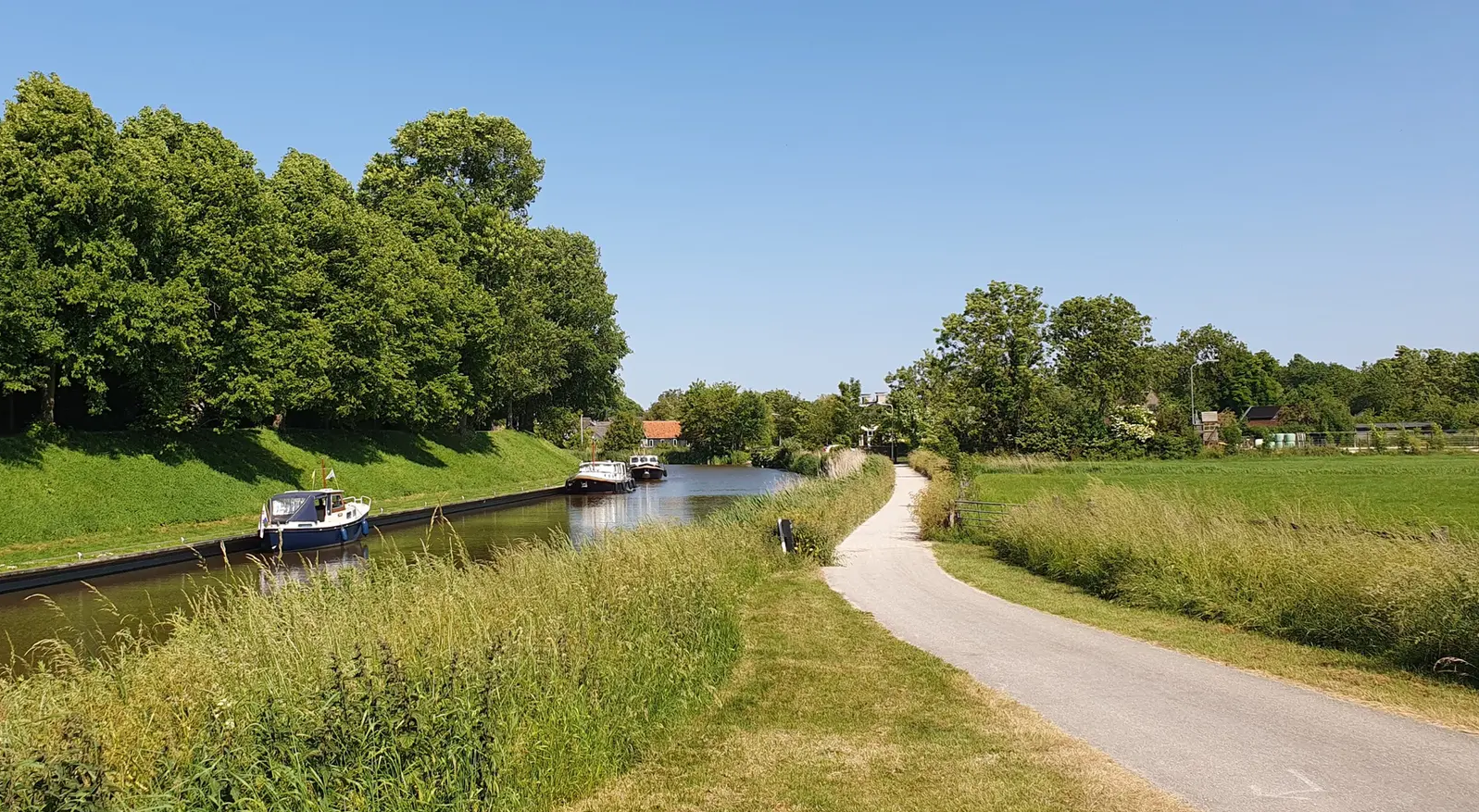
Elfstedenpad – Along polders, terpen and eleven Frisian cities
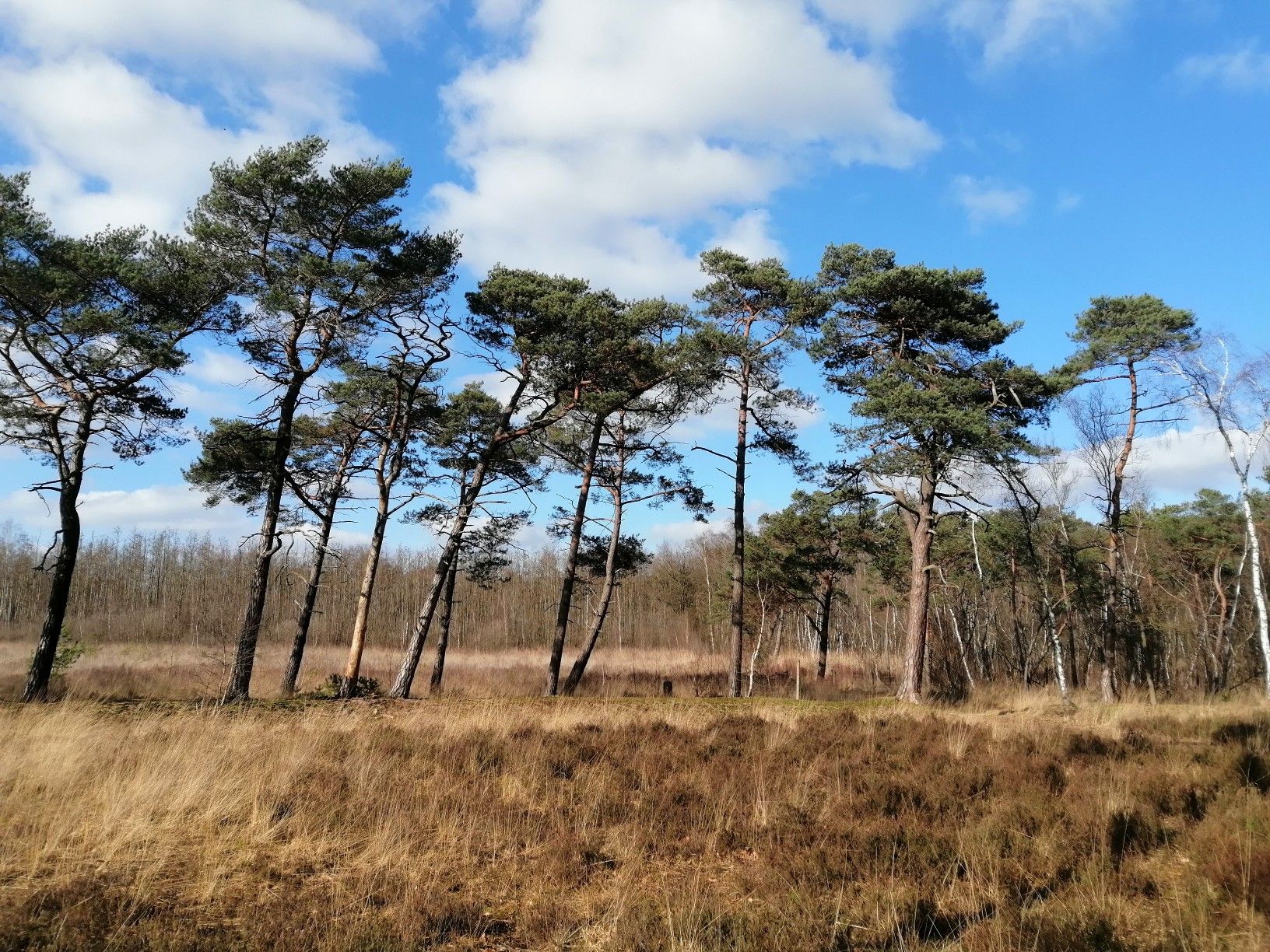
From Flanders to the Ardennes — GR 5 in Belgium
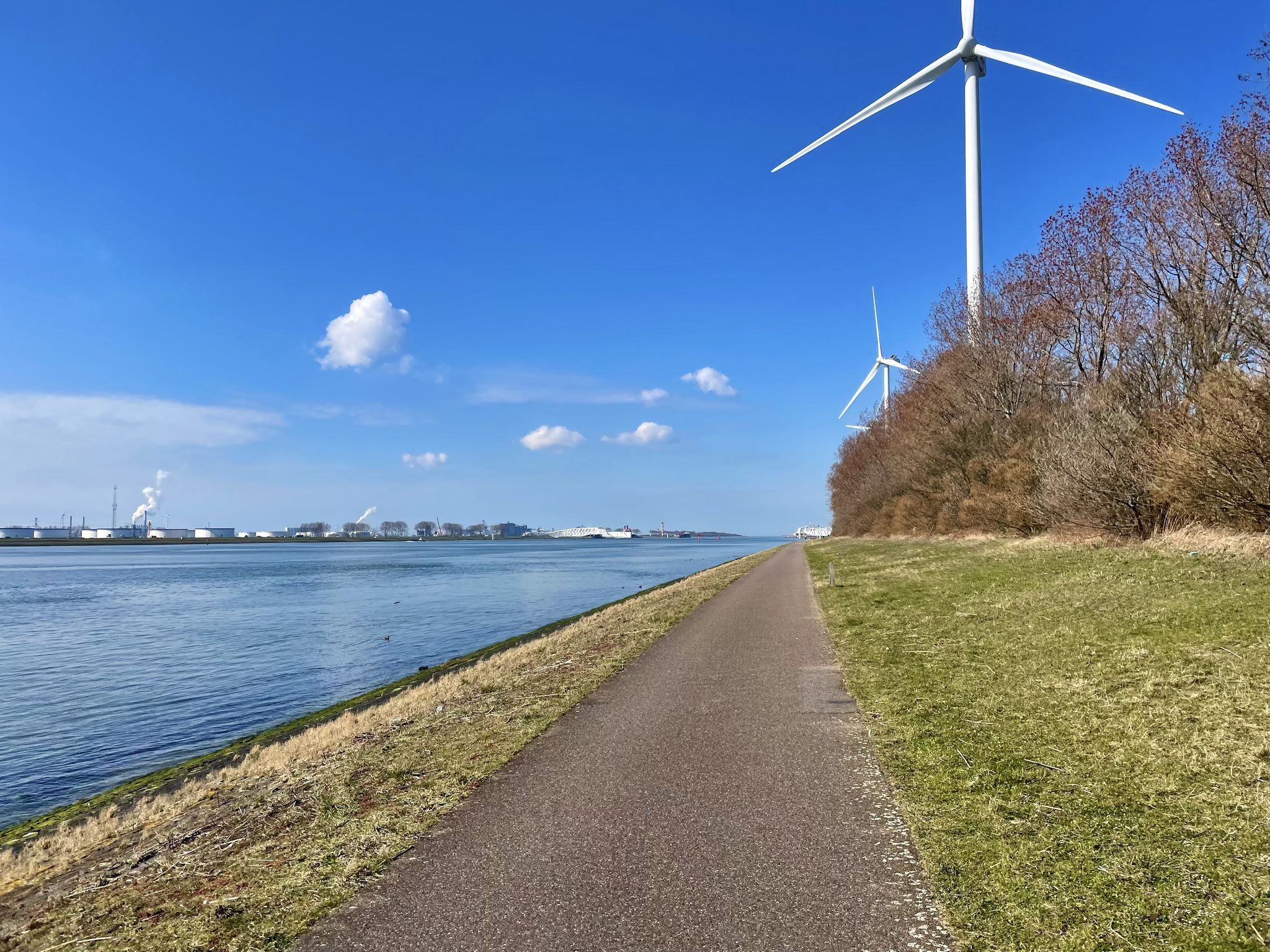
The Meuse Cycle Route - Follow the Meuse from the hills to the harbor
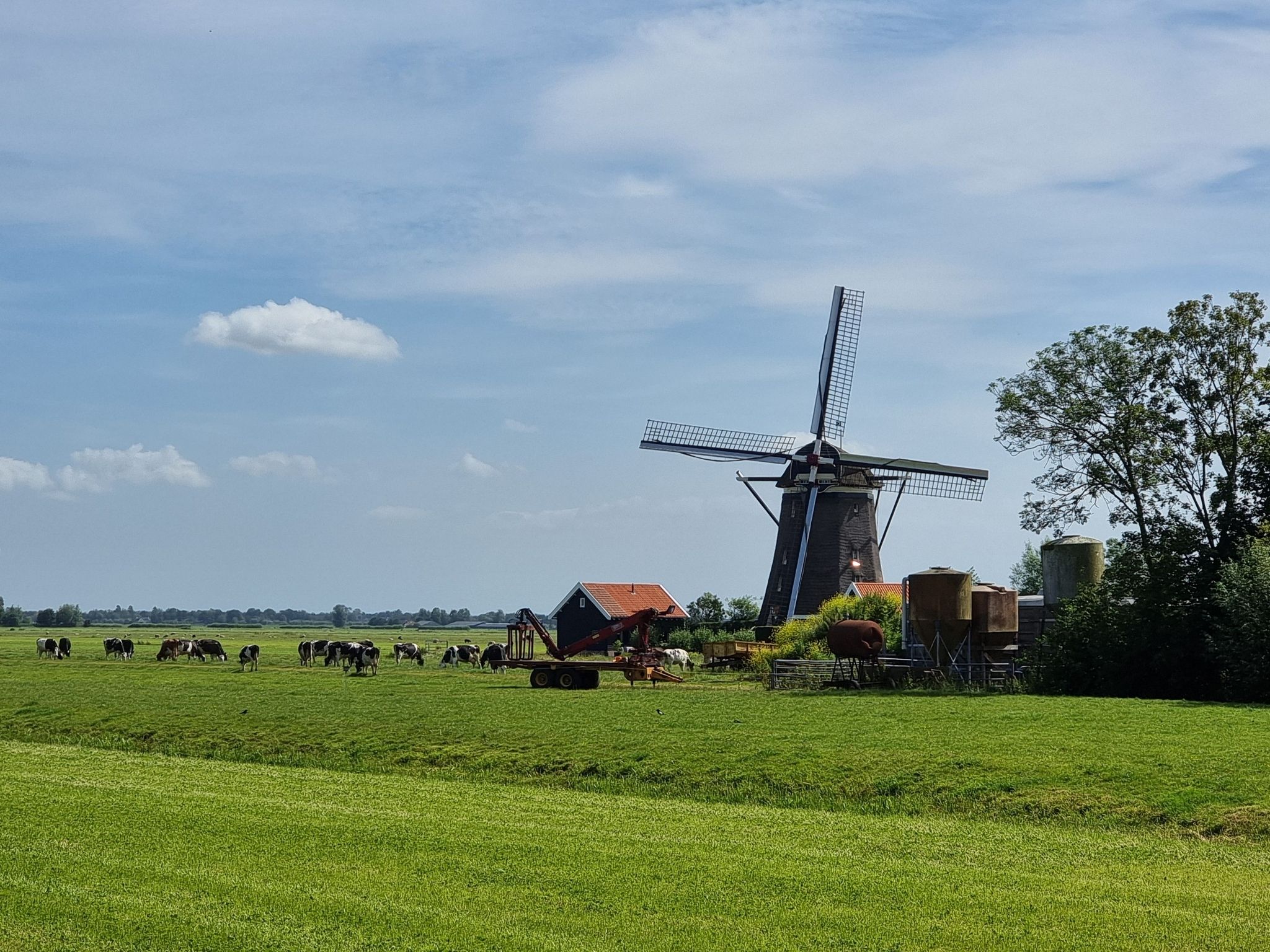
Pilgrim Trail (LAW 7-1) - Through idyllic villages and vast polders
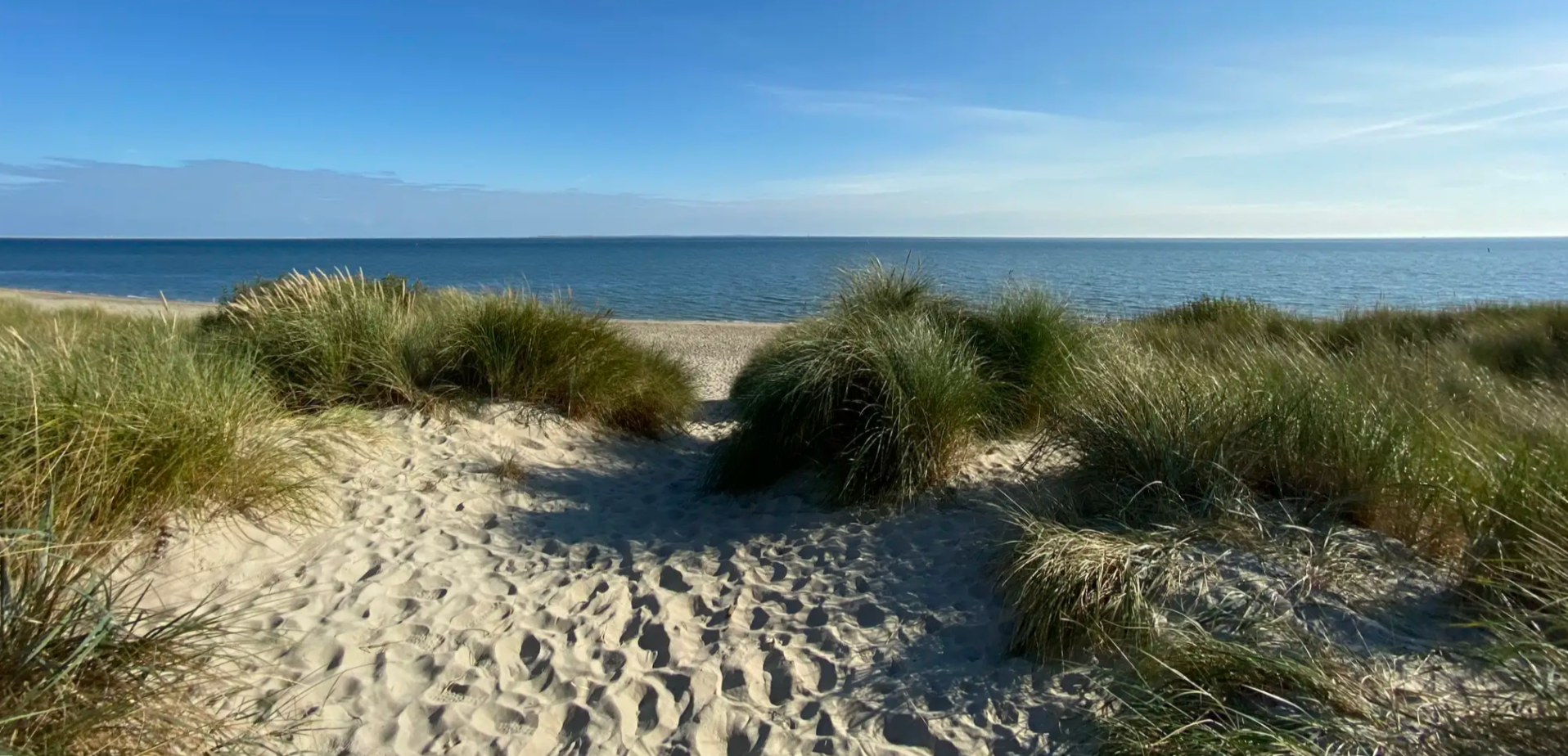
Regional Trail WaddenWalking (SP 04) - Hiking across the Wadden Sea.
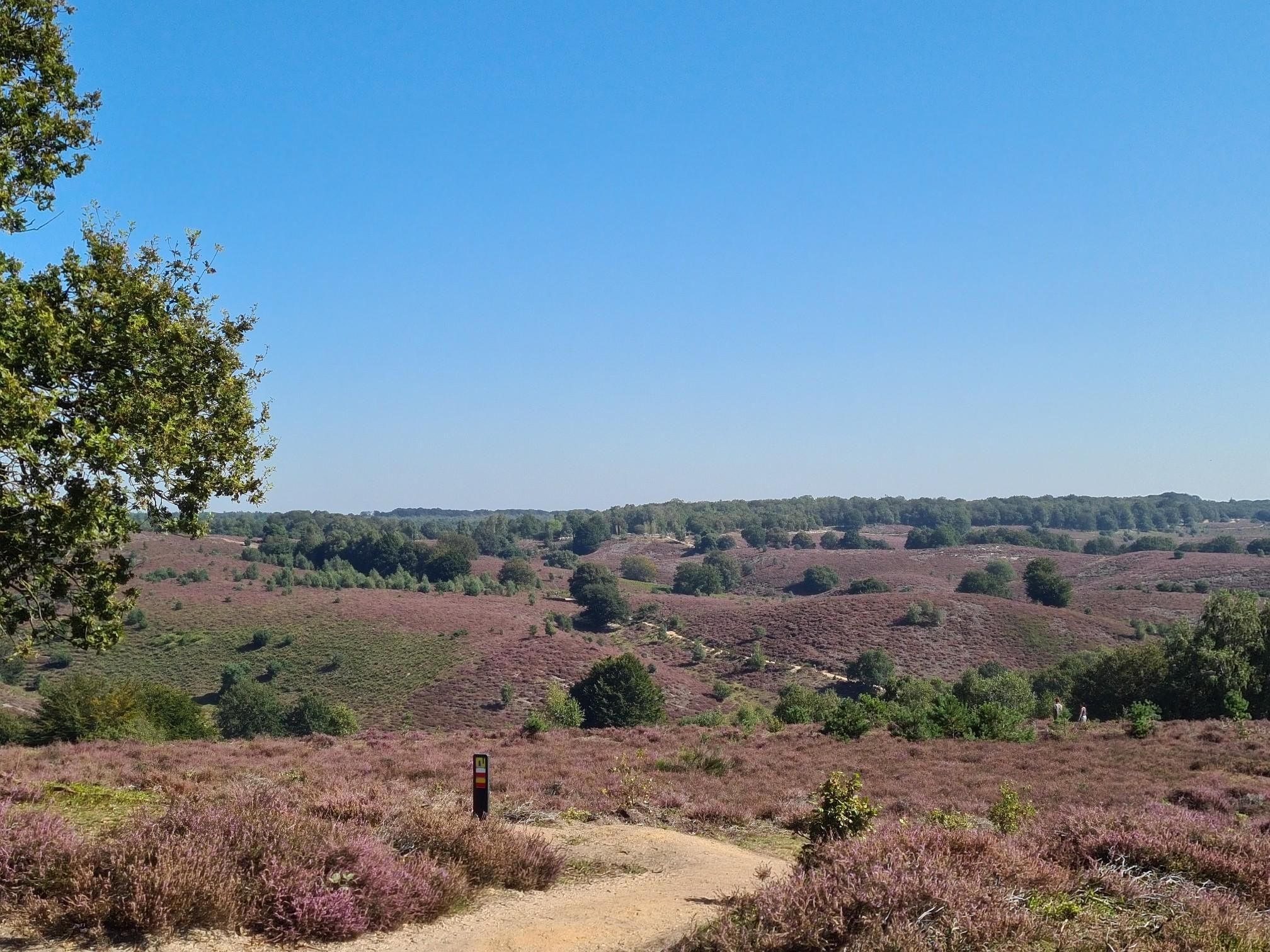
Veluwe Zwerfpad – 21 days of roaming through protected nature
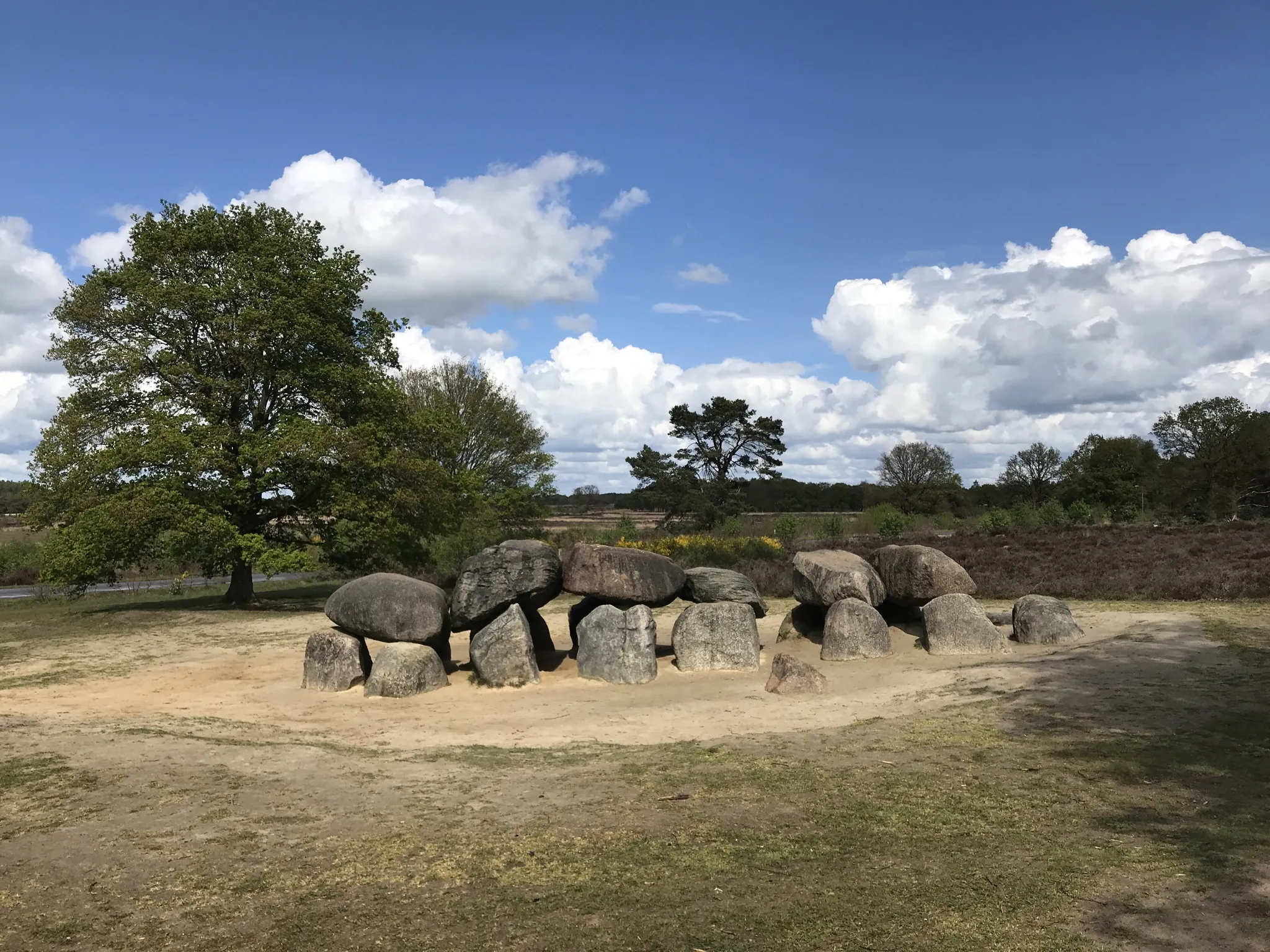
Tour of Drenthe – In 6 days through the primitive province
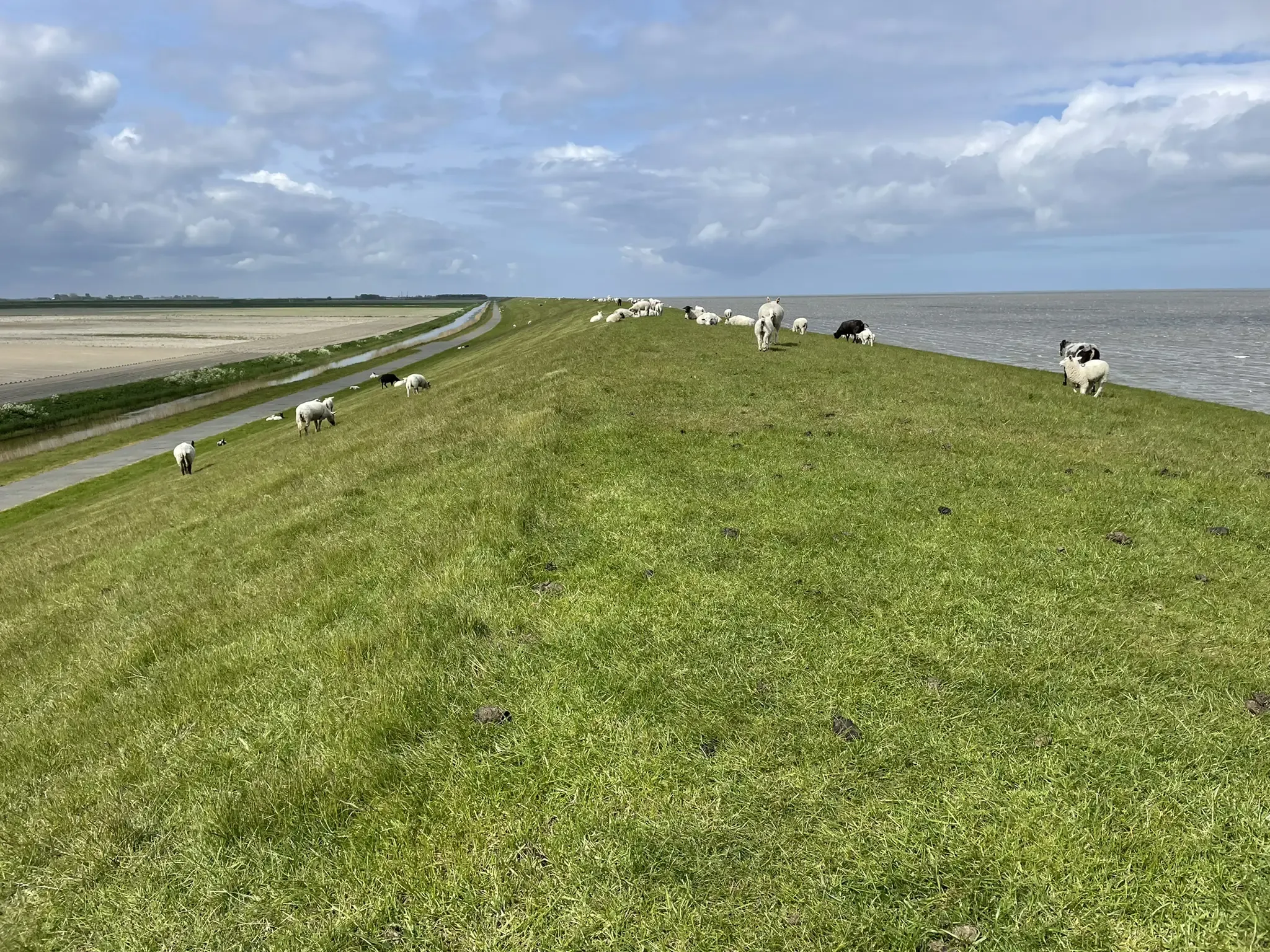
Tour of Groningen – 350 kilometers around the province
Liberation Divide | Straight through North Brabant
Other adventures in the Netherlands


Tips from the Community

Endless beaches, great views, beautiful bike path.
1
0

The cycle path above the dike is raised - logically - so you have a great view of the sea.
4
1

The national park is a true paradise for anyone who enjoys being active outdoors due to its extensive network of hiking trails and very beautiful routes for cyclists. I give it the absolute best rating🏅
1
0

In the 13th and 14th centuries, this sea arm - ’t Zwyn - was an important waterway to Bruges. This waterway was created after the sea had penetrated the land around the beginning of the Christian era. The cities of Bruges, Damme and Sluis were located on the Zwin and became flourishing trading centres. But the channel became increasingly shallow and eventually unnavigable. That is why the Zwin was later largely poldered. Nature then took over here. Source: https://www.hetzeeuwselandschap.nl/natuurgebieden/het-zwin
6
1

The Veersedam, or Veersegatdam, was built in 1961 at the mouth of the Veerse Gat to protect parts of Walcheren, Noord-Beveland, and Zuid-Beveland from a potential new disaster. The construction of the dam, which was intended to connect Walcheren with Noord-Beveland, was not easy. The Veerse Gat was larger than the Zandkreek, and a strong current occurred at every high tide. More than 70 million m3 of water flowed through the mouth at both low and high tide. If the hole were closed with the same caissons as at the Zandkreek Dam, the current would eventually become too strong (the smaller the hole to be closed, the greater the current, as the same amount of water is forced through a smaller opening). The solution was the so-called "pass caissons," which, unlike the unit caissons of the Zandkreek Dam, were open. The section where the dam was to be built was first raised by spraying sand, and then a "sill" of stones was placed on which the caissons could stand firmly. The caissons were then placed one by one into the 320-meter-wide hole. At the time of installation, the caissons were still open, allowing water to flow freely, and only when the flow was minimal were the gates in the caissons lowered. Since the Zandkreek was already closed, a new lake, the Veerse Meer, was created. Much would change in this lake, especially as the saltwater slowly became brackish. Source: https://www.hollandlandofwater.com/de/veerse-gatdam/
7
0

Pure nature, accompanied by sheep while cycling
1
0

The Zwin, whether it is Belgian or Dutch, does not matter, it is a beautiful nature reserve. The Zwin is a slufter: a beach plain behind the dunes that is in open connection with the sea. Directly behind the gully mouth lies a sandy beach, further inward lie dunes and salt marshes. Behind the row of dunes lie two small polders, the Kievittepolder and the Oudelandsepolder.
11
0

A wonderful place in sunny weather.
22
3
Frequently Asked Questions
What are some of the most popular lakes in the Netherlands for visitors?
The Netherlands offers a variety of popular lakes. For water sports enthusiasts, the IJsselmeer and Markermeer are major hubs. The Loosdrechtse Plassen, often called the 'Lake District of the Netherlands,' is also very popular for sailing and exploring. For nature and tranquility, the Reindersmeer, known for its clear blue water, is a favorite, as are the Maasplassen, a vast network of lakes created by gravel extraction.
What is the best time to visit the lakes in the Netherlands?
The best time to visit depends on your preferred activities. Summer (June to August) is ideal for water sports, swimming, and enjoying lakeside cafes. Spring (April to May) and autumn (September to October) offer pleasant temperatures for hiking and cycling, with beautiful natural scenery. In winter, some lakes may freeze over, offering opportunities for ice skating, though this is less common with climate change.
What makes the lakes in the Netherlands unique?
Many Dutch lakes are unique because they are artificial, resulting from extensive land reclamation and flood protection efforts, such as the transformation of the Zuiderzee into the IJsselmeer and Markermeer. This history has created diverse aquatic environments, from bustling water sports centers to tranquil nature reserves, all playing a crucial role in water management and providing habitats for wildlife.
Are there family-friendly lakes in the Netherlands?
Yes, many lakes in the Netherlands are well-suited for families. The Zwin Nature Reserve, Veerse Meer, Maasplassen, Oosterschelde National Park, and Reindersmeer are all highlighted as family-friendly. These areas often feature shallow swimming areas, sandy beaches, and opportunities for easy walks or cycling.
What natural features can I expect to see around the Dutch lakes?
You can expect to see a variety of natural features. Many lakes are surrounded by diverse landscapes, including dunes, forests, and grasslands, such as in the Vroongronden Nature Reserve and Zuid-Kennemerland National Park. Coastal lakes like the Zwin Nature Reserve feature unique tidal environments with silt and salt marshes, while others like the Reindersmeer are known for their clear waters and surrounding heather.
What outdoor activities can I do near the lakes in the Netherlands?
The lakes in the Netherlands offer a wide range of outdoor activities. You can enjoy water sports like sailing, windsurfing, kitesurfing, and kayaking on larger lakes such as the IJsselmeer, Markermeer, and Loosdrechtse Plassen. Many areas also provide excellent opportunities for hiking, cycling, and mountain biking. For more detailed routes, you can explore options like hiking trails or MTB trails in the Netherlands.
Are there hiking trails near the lakes in the Netherlands?
Yes, numerous hiking trails are available near the lakes. Areas like the Vroongronden Nature Reserve and Zuid-Kennemerland National Park offer beautiful routes through dunes and forests. The Reindersmeer is an ideal starting point for walks through De Maasduinen National Park. You can find various options, including easy lake walks and more challenging routes, by checking out hiking guides for the Netherlands.
Which lakes are good for wildlife spotting?
Many lakes are excellent for wildlife spotting, especially birds. The IJsselmeer and Markermeer are significant habitats for various bird species. The Zwin Nature Reserve is known for its unique biotope supporting a wide variety of birds. Tjeukemeer is also a haven for water and meadow birds, and the Oosterschelde National Park, with its tidal nature, is home to diverse marine life and birds.
Can I find cafes or restaurants near the lakes?
Yes, many lakesides in the Netherlands feature charming cafes and restaurants. Historic towns along the IJsselmeer like Volendam and Enkhuizen offer waterfront dining. The Loosdrechtse Plassen are also surrounded by villages with waterfront establishments. For example, at Zuid-Kennemerland National Park, you can find places to eat and drink at Parnassia on the coast.
Are there accessible paths around the lakes for all visitors?
While specific accessibility details vary by location, many popular lake areas offer well-maintained paths suitable for a wider range of visitors. For instance, the Veerse Gatdam provides a beautiful wide car-free cycle path with views of the North Sea and the Veerse Meer. Many national parks and nature reserves also strive to offer accessible routes, though it's always best to check specific location details.
What are the Maasplassen known for?
The Maasplassen, located in Limburg, are known as a vast network of lakes, ponds, and canals created by gravel extraction. Spanning approximately 3,000 hectares, they offer clear blue water and lush banks, making them a popular setting for various water activities, including waterskiing, wakeboarding, and diving.
Where can I find a lake with a view of the North Sea?
You can find a stunning view of both the North Sea and a lake from the Veerse Gatdam. This location offers a car-free cycle path where you can see the North Sea on one side and the Veerse Meer, a lake created by the Delta Works, on the other. It's a popular spot, especially for windsurfers.
Most popular routes in the Netherlands
Most popular attractions in the Netherlands

Get inspired with the komoot mobile app


Didn’t find what you were looking for?
Find the best lakes in the Netherlands per region:
Explore more
Still not found your perfect lake in the Netherlands? Check out the guides of these regions to see even more beautiful places.
