Top 20 Natural Monuments in the Netherlands
Best natural monuments in the Netherlands showcase a diverse landscape shaped by geological history, water, and human influence. This country features expansive wetlands, shifting sand dunes, and ancient forests. From the largest tidal flats system in the world to the highest point in the mainland, the Netherlands offers varied natural experiences. These areas provide opportunities to explore unique ecosystems and significant geographical formations.
Best natural monuments in the Netherlands
- The most popular natural monuments is Cycle path through the Dunes…
Last updated: October 13, 2026
Schoorl Sand Dunes
Highlight • Natural Monument
Translated by Google •
Tip by

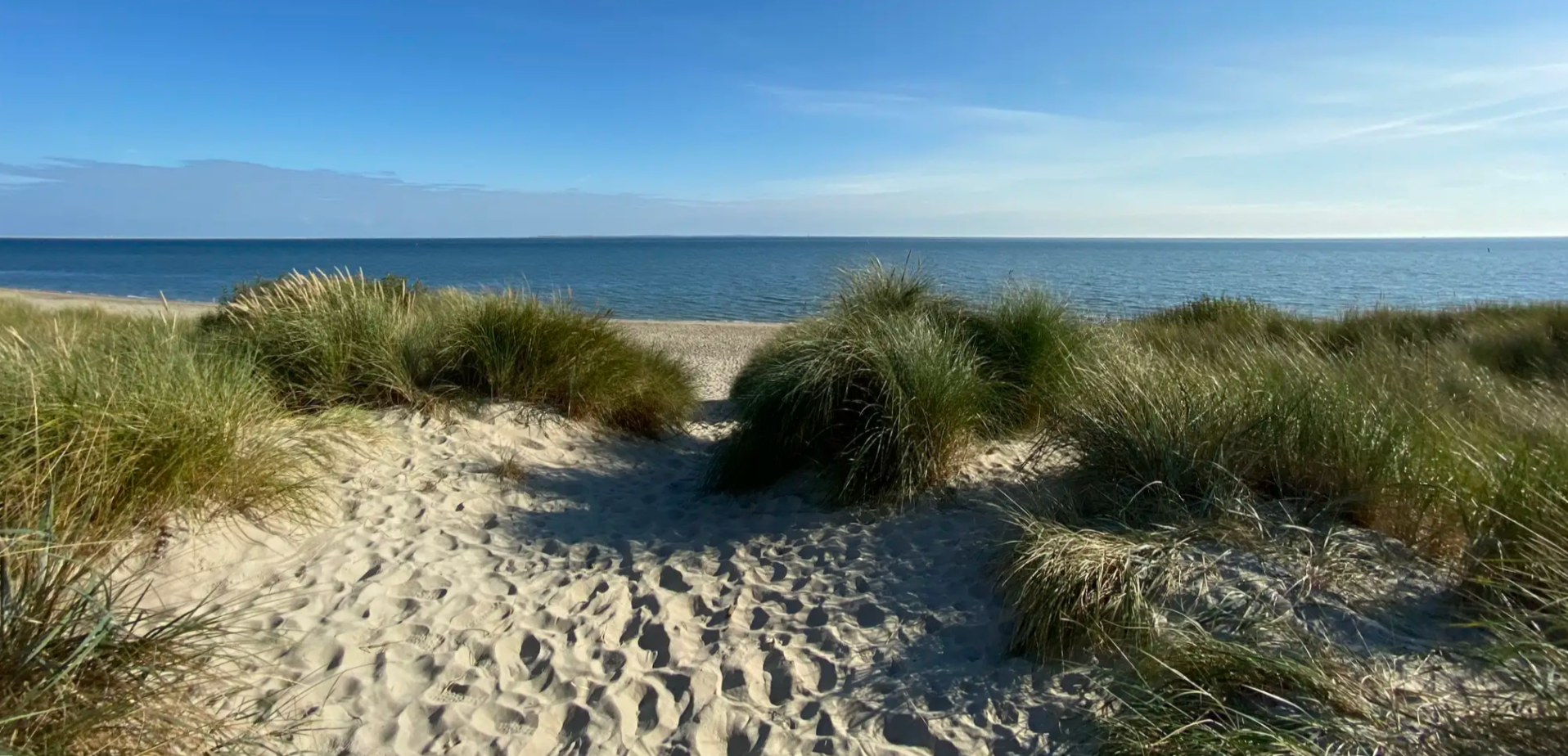
Cycle path through the Dunes of Texel
Highlight (Segment) • Cycleway
Translated by Google •
Tip by

Sign up now to discover places like this
Get recommendations on the best single tracks, peaks, & plenty of other exciting outdoor places.
Schoorl Dunes Nature Reserve
Highlight • Natural Monument
Translated by Google •
Tip by

Vaalserberg Three-Country Point
Highlight • Monument
Translated by Google •
Tip by

View of Texel Lighthouse
Highlight • Viewpoint
Translated by Google •
Tip by

Dune trail with grazing cows and horses, Noordhollands Duinreservaat
Highlight (Segment) • Natural
Translated by Google •
Tip by
Oosterschelde National Park
Highlight • Natural Monument
Translated by Google •
Tip by

Dunes of Den Helder–Callantsoog
Highlight (Segment) • Natural
Translated by Google •
Tip by
Brouwersdam
Highlight (Segment) • Structure
Translated by Google •
Tip by
Reindersmeer (Reinders Lake)
Highlight • Lake
Translated by Google •
Tip by

Sign up for free to discover even more natural monuments in the Netherlands.
Already have an account?
Start today with a free account
Your next adventure awaits.
Popular around Netherlands

Bedtime Adventure Stories for Grown Ups
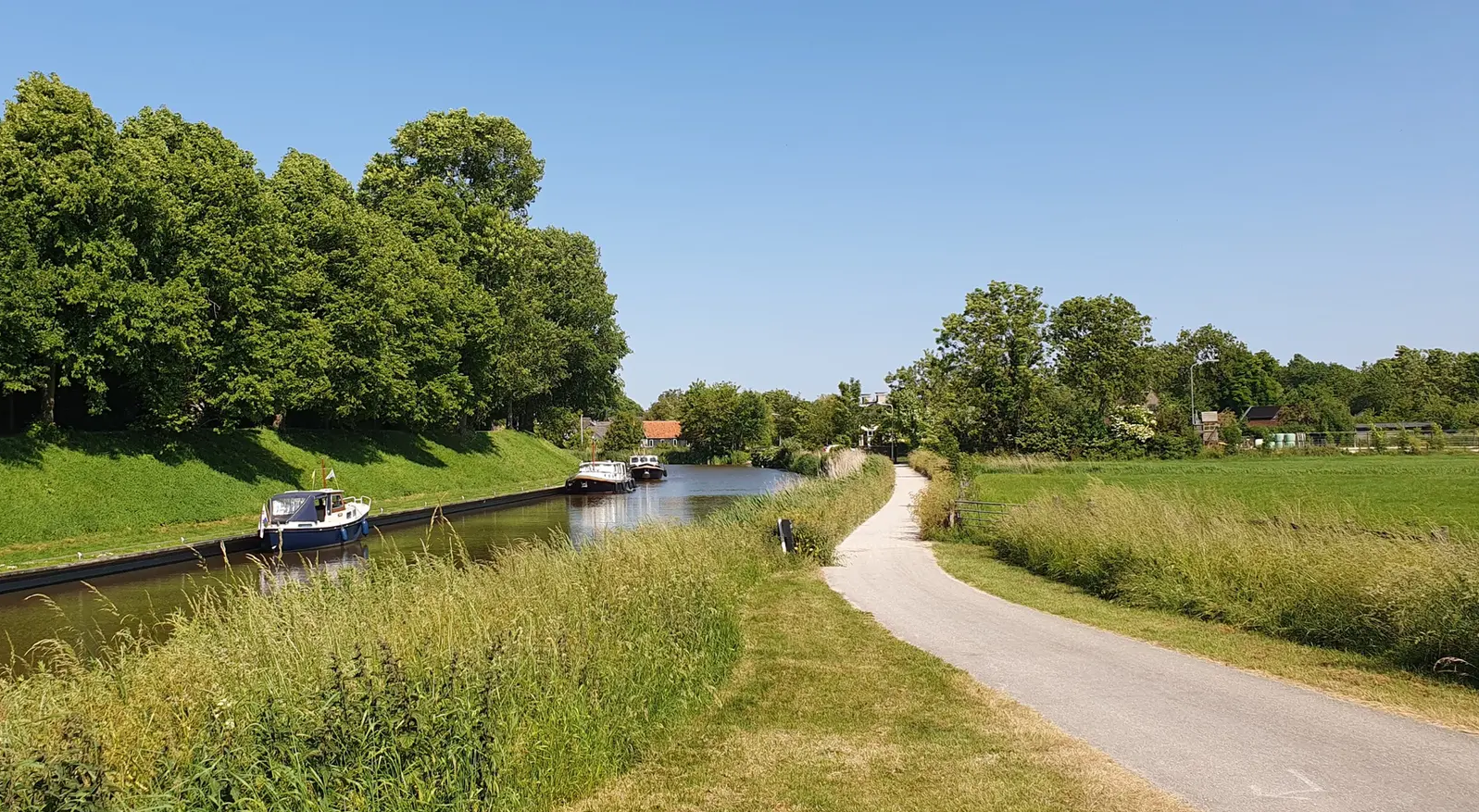
Elfstedenpad – Along polders, terpen and eleven Frisian cities
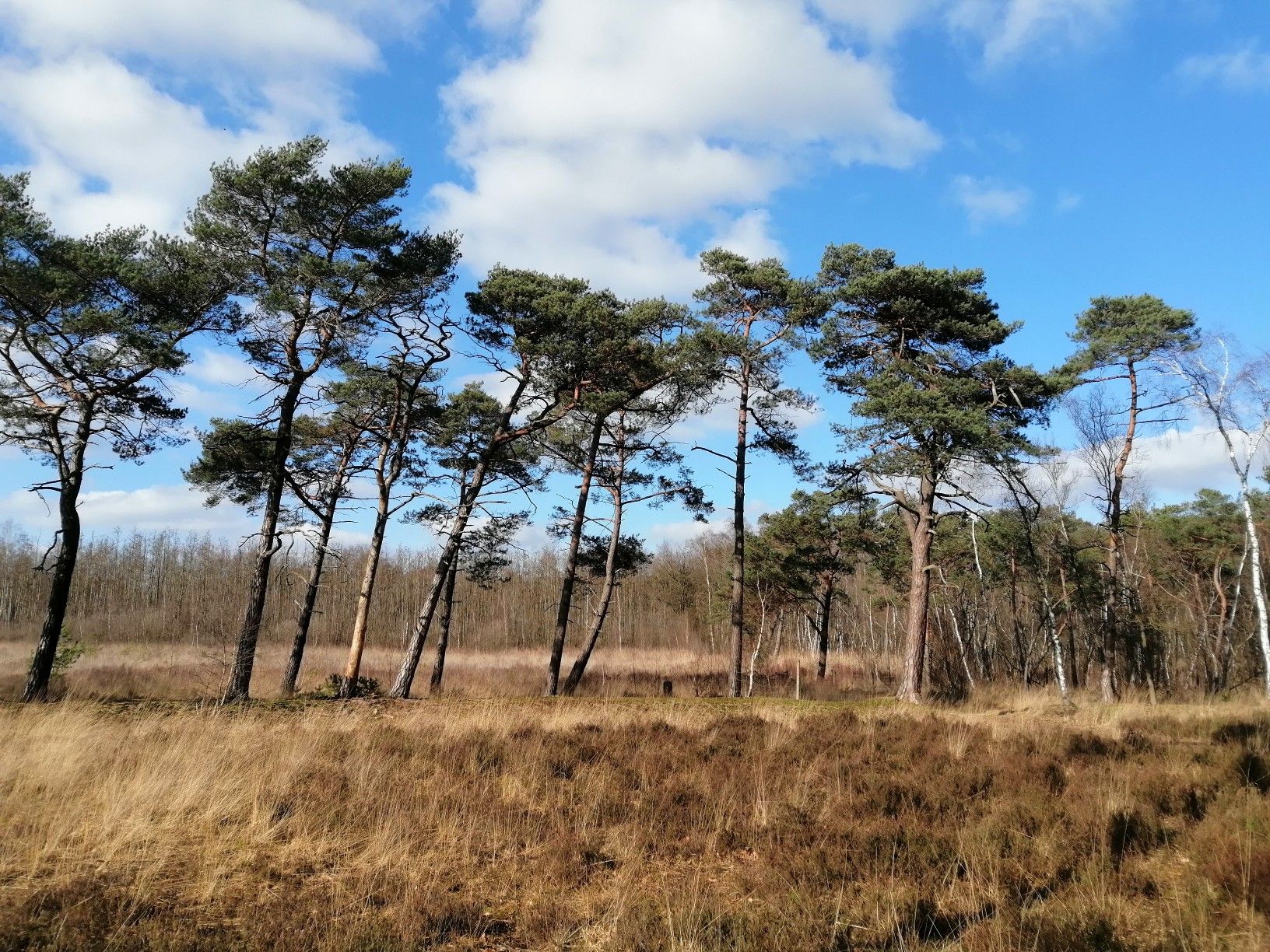
From Flanders to the Ardennes — GR 5 in Belgium
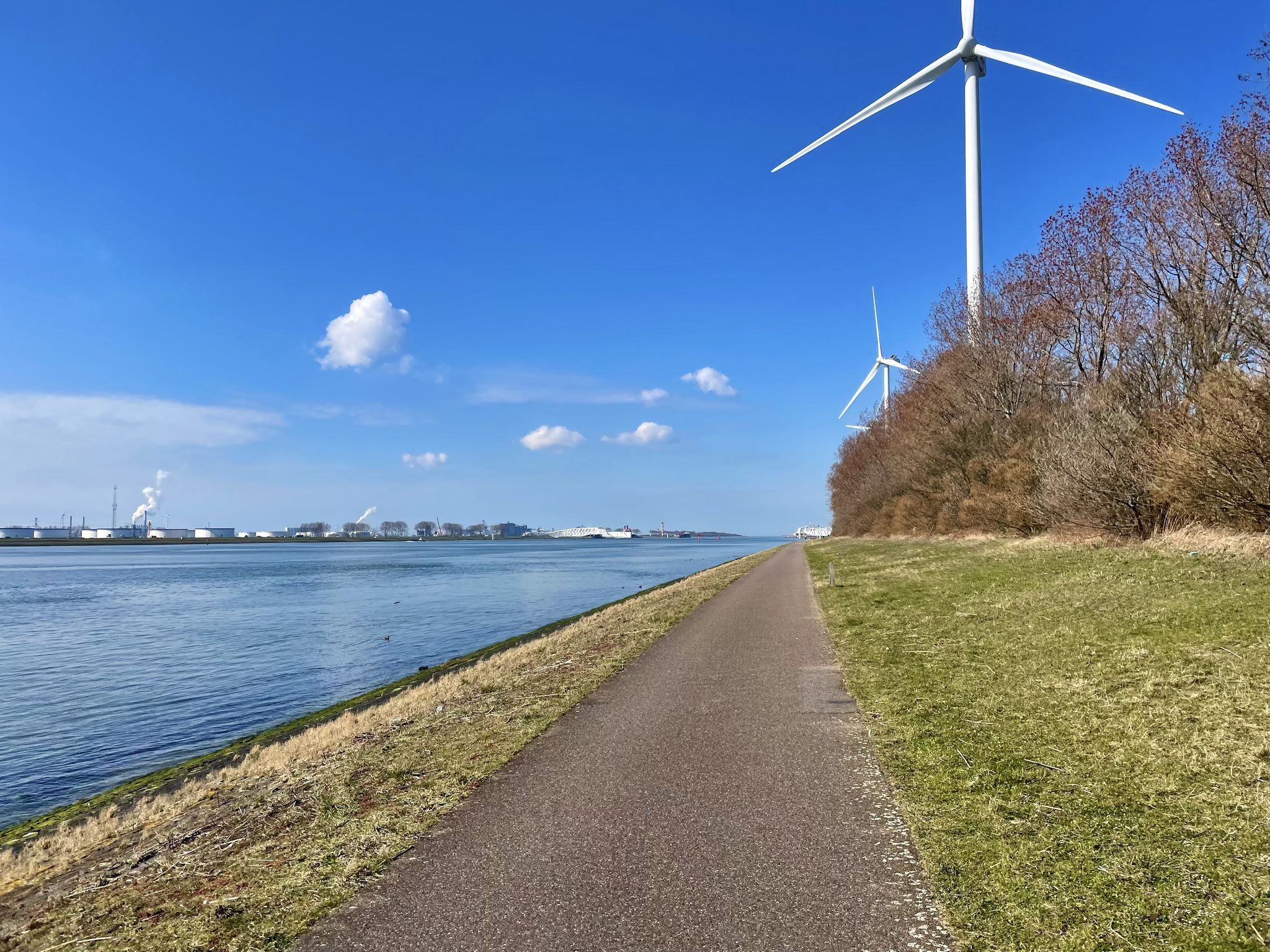
The Meuse Cycle Route - Follow the Meuse from the hills to the harbor
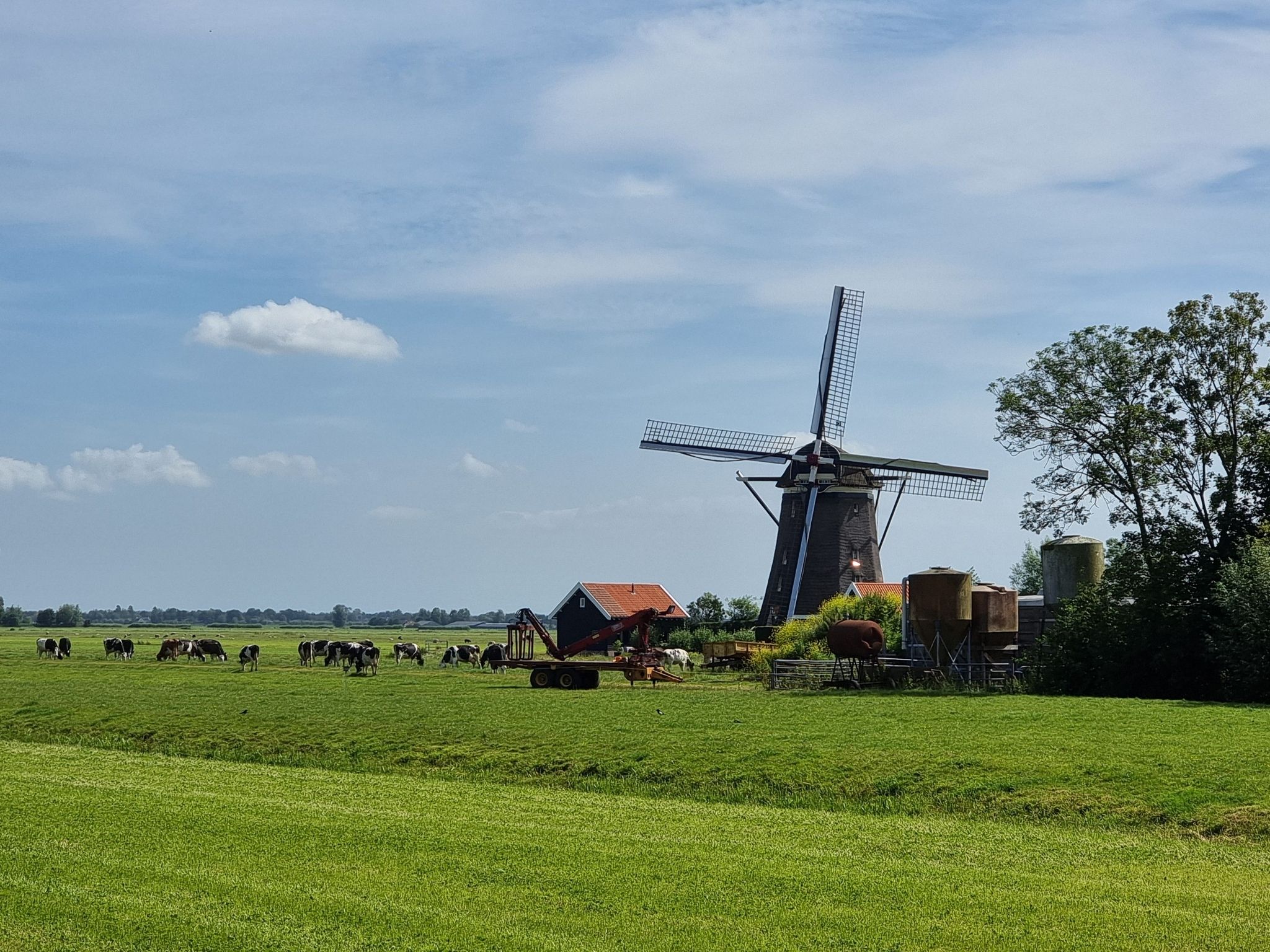
Pilgrim Trail (LAW 7-1) - Through idyllic villages and vast polders
Regional Trail WaddenWalking (SP 04) - Hiking across the Wadden Sea.
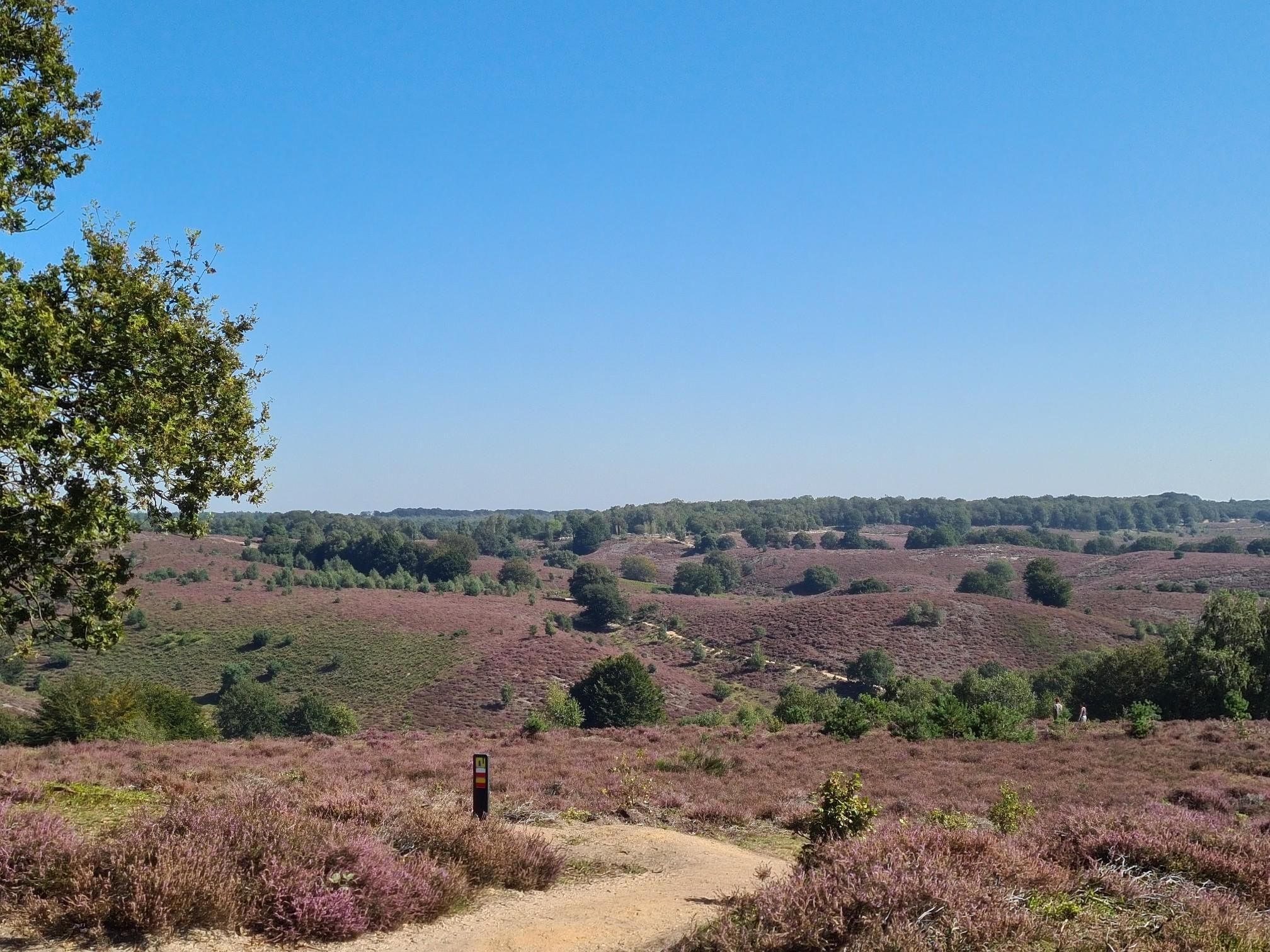
Veluwe Zwerfpad – 21 days of roaming through protected nature
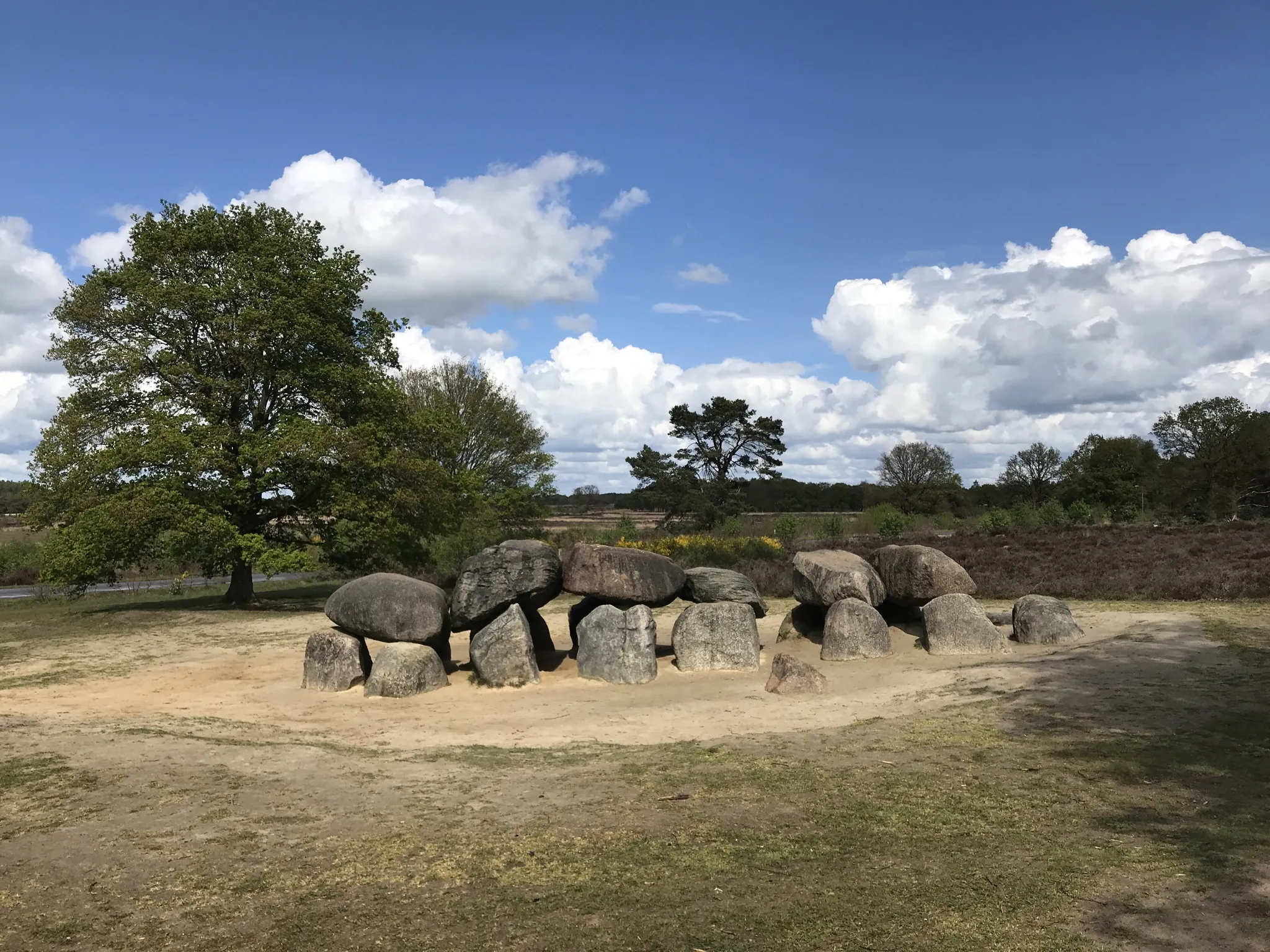
Tour of Drenthe – In 6 days through the primitive province
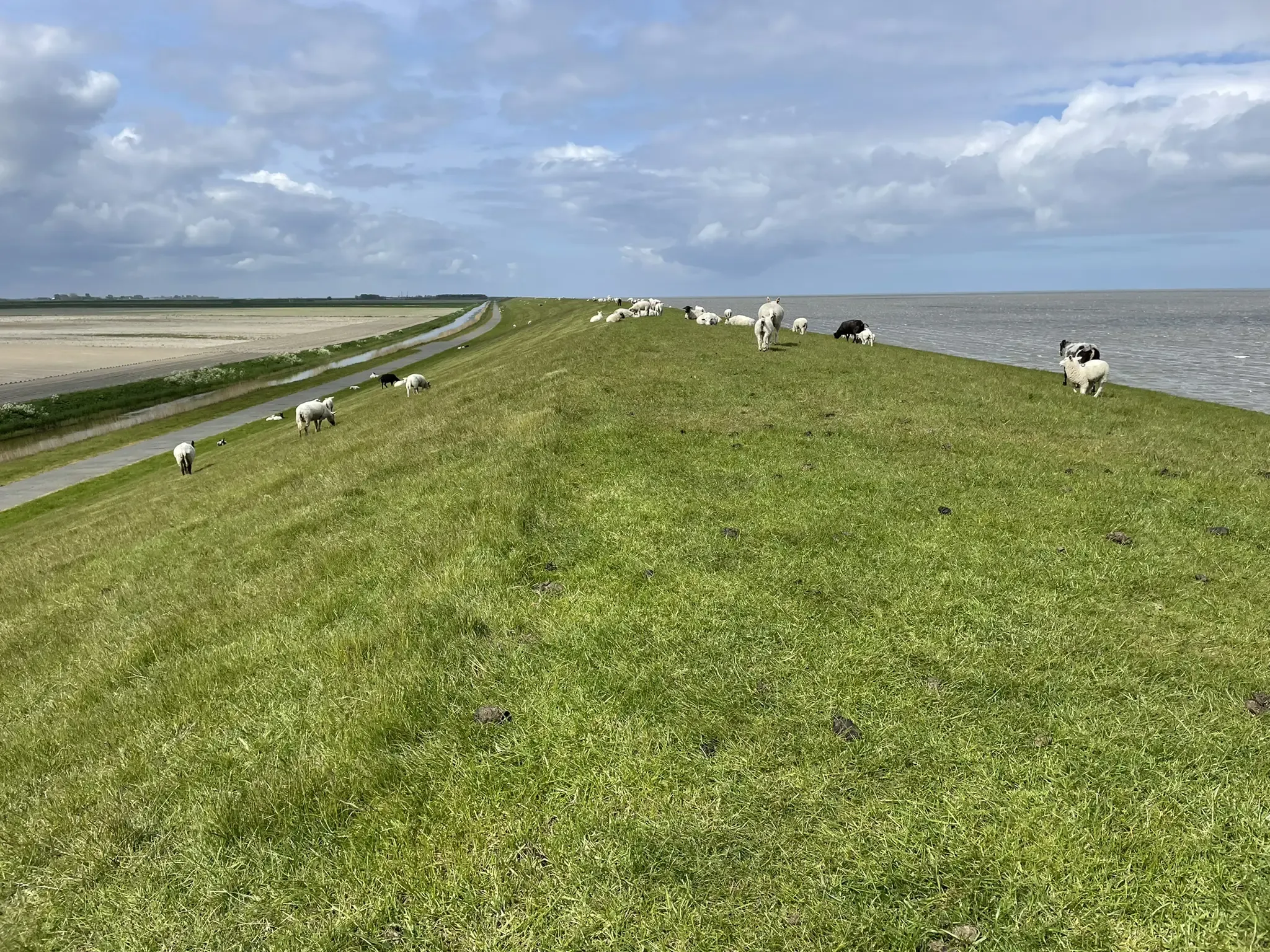
Tour of Groningen – 350 kilometers around the province
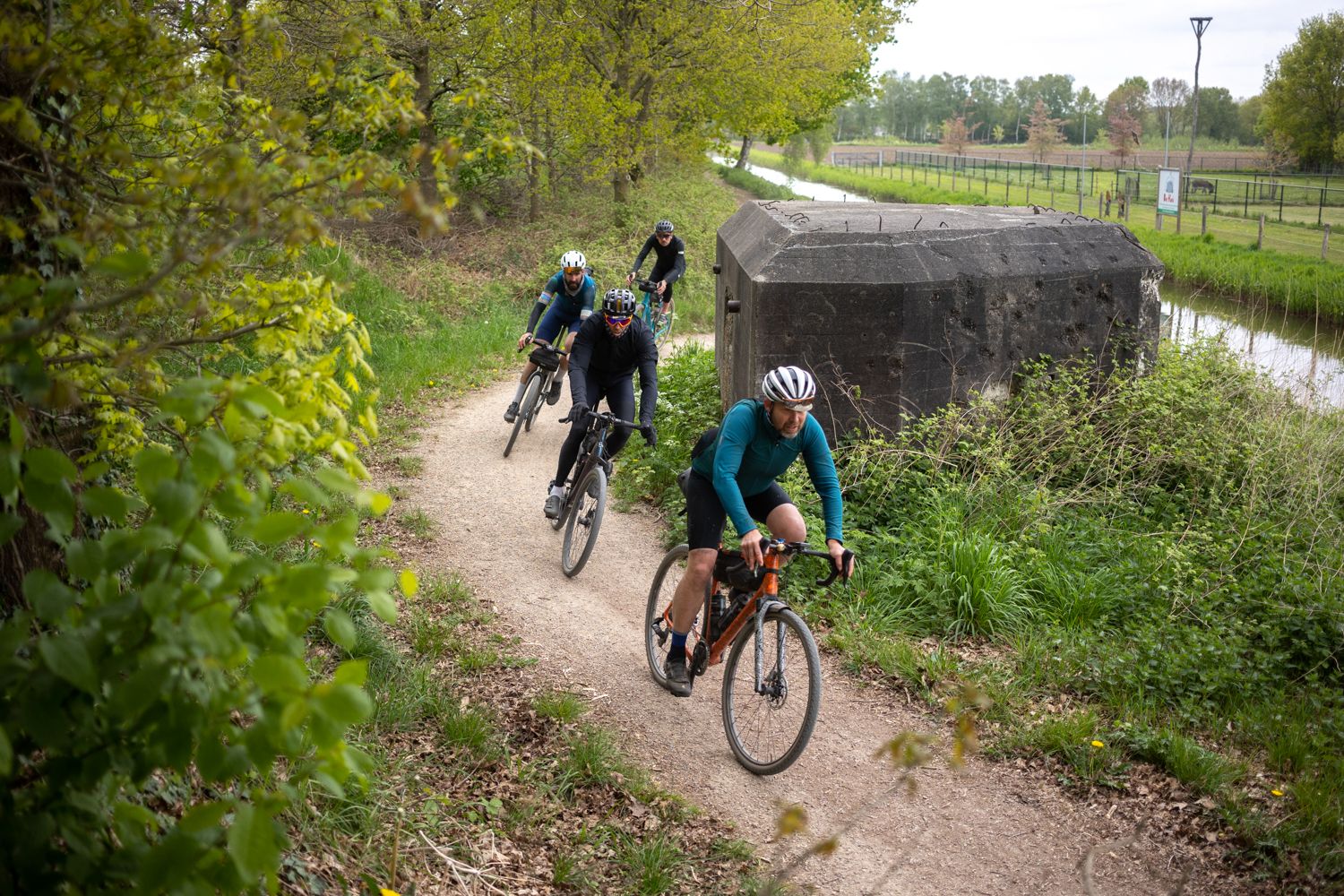
Liberation Divide | Straight through North Brabant
Other adventures in the Netherlands


Tips from the Community

Beautiful landscape, really beautiful 🤩
2
1

Great cycle paths and very beautiful scenery ✌🏻🇳🇱
2
0

Beautiful cycle paths lead through the nature-protected dunes of Texel.
4
0
The Texel lighthouse is 47 m high and has 118 steps. It is located on the north side and is the landmark of the island.
6
0


Pure nature, accompanied by sheep while cycling
1
0

A wonderful place in sunny weather.
22
3

A detour to the dunes and sandy paths is also worth it. However, rather unsuitable by bike. Here you can only push your bike.
10
0
Frequently Asked Questions
What unique natural landscapes can I explore in the Netherlands?
The Netherlands offers a surprising variety of natural landscapes. You can experience the vast tidal flats and islands of the Wadden Sea, a UNESCO World Heritage site, or the expansive freshwater wetlands of De Biesbosch National Park. For a desert-like experience, visit the shifting sands of Schoorl Sand Dunes or the Loonse en Drunense Duinen, often called the 'Brabantse Sahara'. The country also features ancient forests, heathlands, and even hills exceeding 50 meters in the Utrechtse Heuvelrug National Park.
Are there opportunities for wildlife spotting in the natural monuments?
Yes, many natural monuments are excellent for wildlife spotting. The Wadden Sea is a haven for migratory birds and seals. De Biesbosch National Park is known for its large beaver population. In Hoge Veluwe National Park, you might encounter red deer, wild boars, and mouflon, while the Utrechtse Heuvelrug National Park is home to roe deer, foxes, badgers, and the rare European pine marten. The Zwin Nature Reserve also supports a rich diversity of marine life and birds.
What outdoor activities are available near the natural monuments?
You can enjoy a wide range of outdoor activities. Hiking is popular, with trails like 'Cape Forests' and 'On safari in Planken Wambuis nature reserve' offering diverse experiences. Cycling is also a favorite, with routes such as the Cycle path through the Dunes of Texel. For more adventurous cyclists, there are MTB trails like 'Veluwezoom Blue MTB Main Route'. Water-based activities like boating and canoeing are ideal in De Biesbosch National Park, and unique 'mudflat hiking' tours are available in the Wadden Sea. You can find more routes in the Hiking in the Netherlands, MTB Trails in the Netherlands, and Road Cycling Routes in the Netherlands guides.
Are there family-friendly natural monuments in the Netherlands?
Many natural monuments in the Netherlands are suitable for families. Highlights like Cycle path through the Dunes of Texel and Vaalserberg Three-Country Point are specifically tagged as family-friendly. The Hoge Veluwe National Park offers free bicycle sharing and a museum, making it engaging for all ages. The Wadden Sea islands provide pristine beaches, and De Biesbosch National Park is great for boat trips, which children often enjoy.
What is the best time of year to visit the natural monuments in the Netherlands?
The best time to visit depends on your interests. Spring (April-May) is ideal for birdwatching, especially in areas like Alde Feanen National Park, and for seeing blooming landscapes. Summer (June-August) is perfect for cycling, hiking, and enjoying the beaches of the Wadden Islands. Autumn (September-October) offers beautiful foliage in forested parks like Hoge Veluwe and Utrechtse Heuvelrug, and is a good time for spotting red deer. Even winter can be scenic, with unique frosty landscapes, though some facilities might have reduced hours.
Can I go cycling in the natural monuments?
Yes, cycling is a fantastic way to explore many natural monuments. Hoge Veluwe National Park provides free bicycles and over 40 kilometers of trails. The Cycle path through the Dunes of Texel is a popular route, and the Schoorl Sand Dunes also feature bike paths. The Loonse en Drunense Duinen National Park is also well-suited for cycling. You can find more cycling routes in the Road Cycling Routes in the Netherlands guide.
Are there historical or cultural sites within or near the natural monuments?
Yes, some natural monuments blend nature with culture and history. Hoge Veluwe National Park houses the renowned Kröller-Müller Museum, featuring a significant collection of Van Gogh paintings and a sculpture park. The Utrechtse Heuvelrug National Park area boasts various castles and estates. Additionally, Vaalserberg Three-Country Point is a unique geographical and historical site where the borders of the Netherlands, Belgium, and Germany meet, complete with an observation tower.
How difficult are the trails and walks around Dutch natural monuments?
The difficulty of trails varies greatly. Many natural monuments offer easy, well-maintained paths suitable for leisurely walks, such as those found in the dunes or around lakes like Reindersmeer. However, more challenging routes exist, particularly in areas with varied terrain like the Utrechtse Heuvelrug National Park or some parts of Hoge Veluwe. For example, the 'Cape Forests' hiking route is rated as moderate. Always check specific trail descriptions for difficulty ratings before you go.
Are any natural monuments in the Netherlands wheelchair accessible?
While not all areas are fully accessible due to natural terrain like sand dunes or wetlands, many national parks and natural monuments offer accessible paths and facilities. It's advisable to check the specific park's official website for detailed information on wheelchair-friendly routes, accessible viewpoints, and facilities before your visit. Some visitor centers and main paths are often designed to be accessible.
What are some lesser-known or 'hidden gem' natural monuments worth visiting?
Beyond the most famous sites, consider exploring Alde Feanen National Park in Friesland, an extensive fenland region resulting from peat excavations, rich in plant and bird species. The Oosterschelde National Park, the largest national park in the Netherlands, offers a dynamic saltwater environment with unique marine life, providing a different tidal experience than the Wadden Sea. These offer unique insights into the country's diverse ecosystems.
Are there cafes, pubs, or accommodation options near the natural monuments?
Yes, most popular natural monuments and national parks have facilities nearby. For instance, Vaalserberg Three-Country Point has an 'amusement park' area with restaurants. Many parks, especially those closer to towns, offer visitor centers with cafes, and you'll find various accommodation options ranging from campsites to hotels in surrounding villages and towns. It's always a good idea to check local listings for specific amenities near your chosen destination.
How can I reach the natural monuments using public transport?
Public transport access varies by location. Larger national parks like Hoge Veluwe and Utrechtse Heuvelrug are generally well-connected by bus routes from nearby train stations. Some more remote areas, such as parts of the Wadden Sea coast or De Biesbosch, might require a combination of train and bus, or even a ferry to reach islands. Planning your journey in advance using public transport planners is recommended to ensure smooth access.
Most popular routes in the Netherlands
Most popular attractions in the Netherlands

Get inspired with the komoot mobile app


Didn’t find what you were looking for?
Find even more amazing natural monuments in the Netherlands by checking out the top Highlights region by region:
Explore more
Extend your search for the best caves by checking out these guides of the top ones in the Netherlands:
