Top 20 Caves in the Netherlands
Caves in the Netherlands are primarily located in the Limburg region, particularly near Maastricht and Valkenburg. These sites are predominantly man-made underground passages and quarries, formed from centuries of marlstone and limestone extraction. They offer a unique blend of historical significance, cultural insights, and geological interest. These underground systems have served various purposes, including mining, shelter, and the preservation of art.
Best caves in the Netherlands
- The most popular caves is Strooberggroeve (Bemelen Caves), a cave that features beautiful gravel roads along the rocks of the Bemelerberg. This site is known for its marl caves and is part of a scenic area with yellow limestone formations.
- Another must-see spot is Château Neercanne, a castle with historic caves repurposed as wine cellars. Visitors can experience culinary offerings within a unique subterranean setting.
- Visitors also love Strooberg Quarry, a natural monument featuring marl caves in the Bemelerberg. This area is a protected habitat with yellow limestone rising high into the air.
- The Netherlands is known for its marl caves, limestone quarries, and prehistoric rock shelters. These sites offer a variety of underground environments to explore, from extensive tunnel systems to historical dwellings.
- The caves in the Netherlands are appreciated by the komoot community, with more than 1000 upvotes and over 750 photos shared across more than 70 highlights.
Last updated: October 4, 2026
Château Neercanne
Highlight • Castle
Translated by Google •
Tip by

Strooberg Quarry
Highlight • Cave
The green, sloping Bemelerberg has a marl wall on one side like on a postcard. Here the yellow limestone rises high into the air and forms a protected habitat for birds of prey who like to nest there. On top of the mountain is one of the most popular benches in all of South Limburg.
Around the hill are barren chalk grasslands that look anything but barren. 'Poor' soil is exactly what wild orchids like, for example. Rare species are given space here by the grazing of the Mergellandschaap, one of the few sheep that can defy the steep slopes.
Translated by Google •
Tip by

Sign up now to discover places like this
Get recommendations on the best single tracks, peaks, & plenty of other exciting outdoor places.
Geulhemmerberg Climb and Cave Dwellings
Highlight (Segment) • Climb
Translated by Google •
Tip by

Terborgh Castle
Highlight • Castle
Translated by Google •
Tip by

Bemelerberg Cave
Highlight • Cave
In the Middle Ages, not everyone was allowed to plant hedges. That is why small farmers made fences by means of a construction of posts, stuck planks in wickerwork of twigs. They called that a tuyn tuen or tuun The word tuin comes from it. Such a dead hedge, took up little space and could be easily moved. The disadvantage was that a lot of wood was needed, also for annual repairs
Old craft
Tuynen (gardens, tuunen, tunen) is an almost lost craft. Fortunately, a few elderly hedge weavers were able to pass on their knowledge to the members of the Vogelwerkgroep Bemelen. Thanks to this expertise, old tools such as klamatsch and picker could also be remade. If you look closely, you will see vertical sticks of (pruning) wood on both sides of the existing hedge. These are connected horizontally with 'binders' (long thicker sticks). All of this is pulled together. Together with the existing hedge, this becomes a barrier that no sheep or chicken can get through. Braided hedges, hedgerows and wooded banks are very important for the quality of the landscape and nature. The Tuynheggen are therefore real cultural heritage.
Birds such as willow warbler, yellowhammer and wren use the hedge to shelter and build nests in.
Native plants, including bittersweet, also grow there.
The classic Tuynheg here was created in 2002. The maintenance, gardens or tuunge is on the programme of the Bemelen Bird Working Group every spring. In this way, the knowledge of the craft is preserved.
More information or help?
Bemelen Bird Working Group E-mail: ha.brouwer36@ziggo.nl
Translated by Google •
Tip by

Däölkesberg Abri (Limestone Rock Shelter)
Highlight • Cave
Translated by Google •
Tip by

Rijckholt Prehistoric Flint Mine
Highlight • Historical Site
Translated by Google •
Tip by

Strooberggroeve (Bemelen Caves)
Highlight • Cave
Translated by Google •
Tip by

Hiding place
Highlight • Historical Site
Source: tracesofwar.nl and Gemeentediever.nl
Translated by Google •
Tip by

Castle cave
Highlight • Cave
Translated by Google •
Tip by

Sign up for free to discover even more caves in the Netherlands.
Already have an account?
Start today with a free account
Your next adventure awaits.
Popular around Netherlands

Bedtime Adventure Stories for Grown Ups
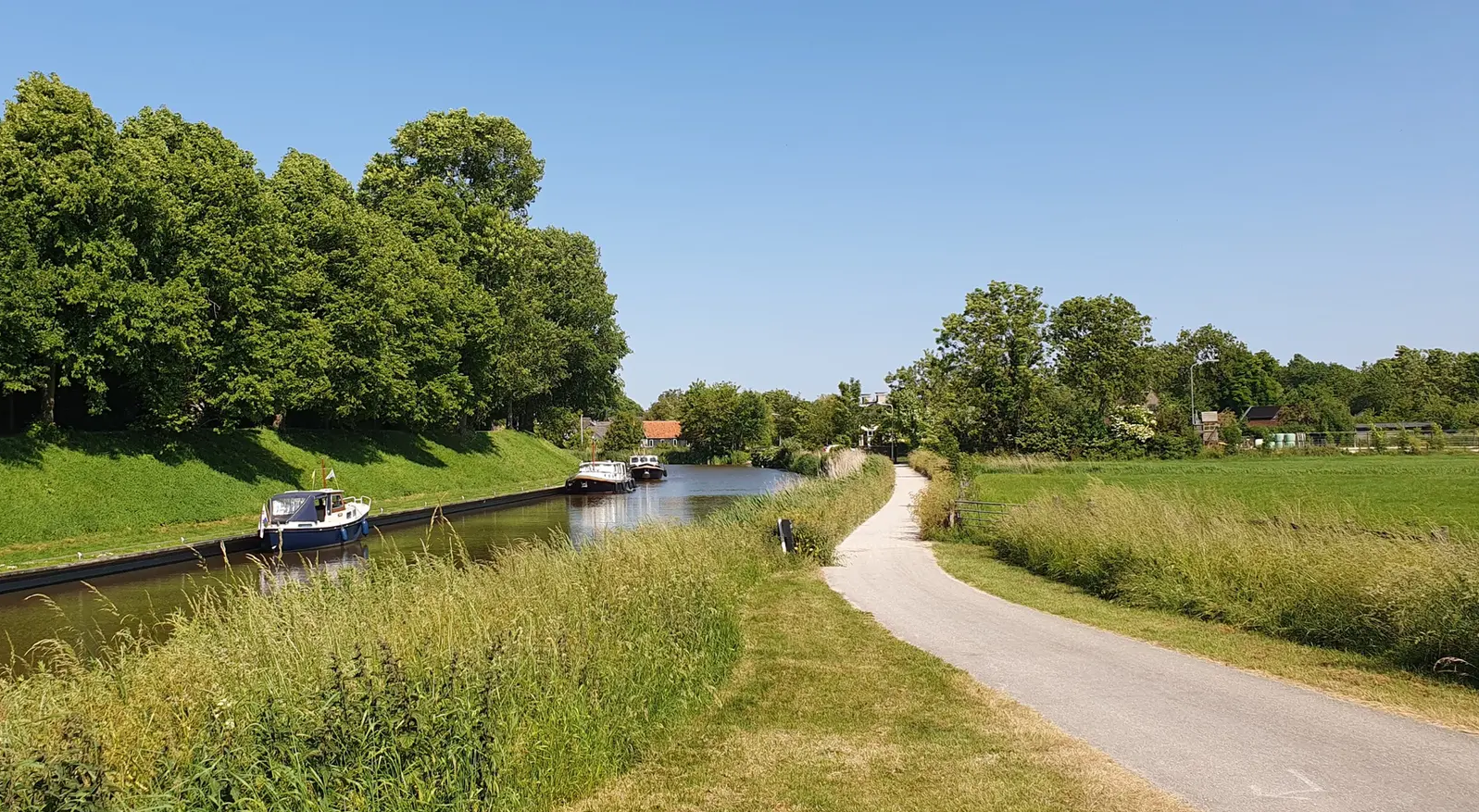
Elfstedenpad – Along polders, terpen and eleven Frisian cities
From Flanders to the Ardennes — GR 5 in Belgium
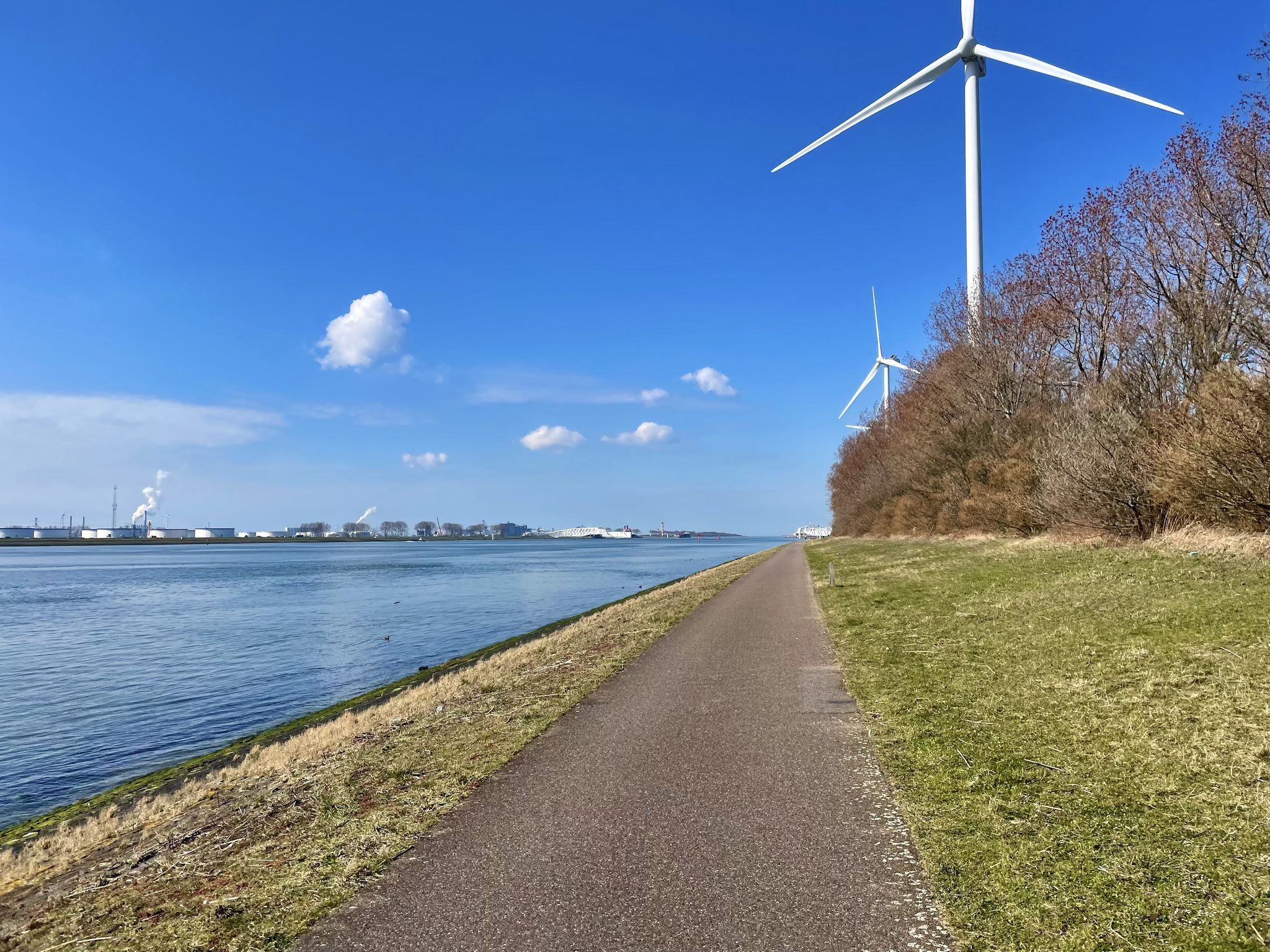
The Meuse Cycle Route - Follow the Meuse from the hills to the harbor
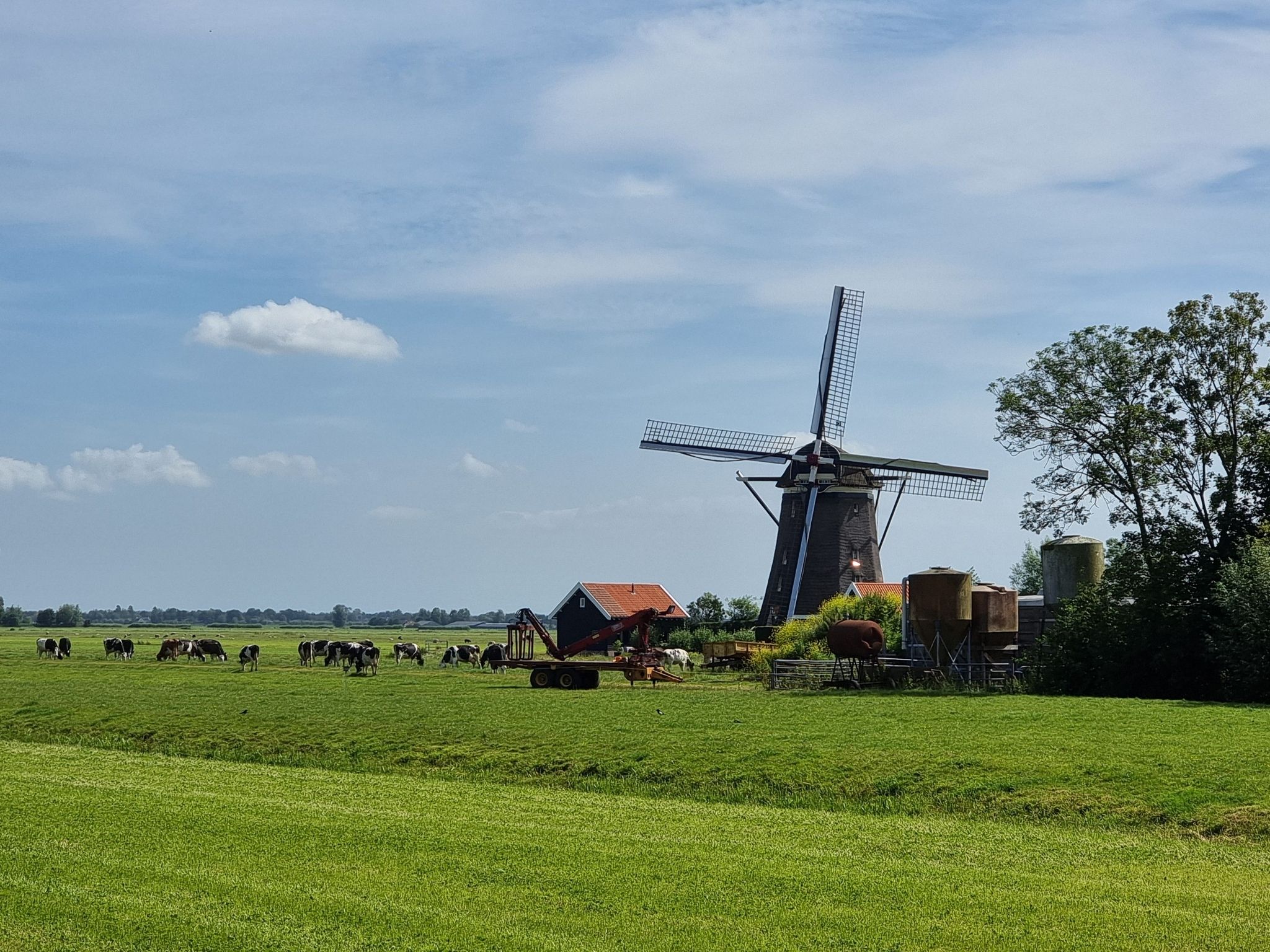
Pilgrim Trail (LAW 7-1) - Through idyllic villages and vast polders
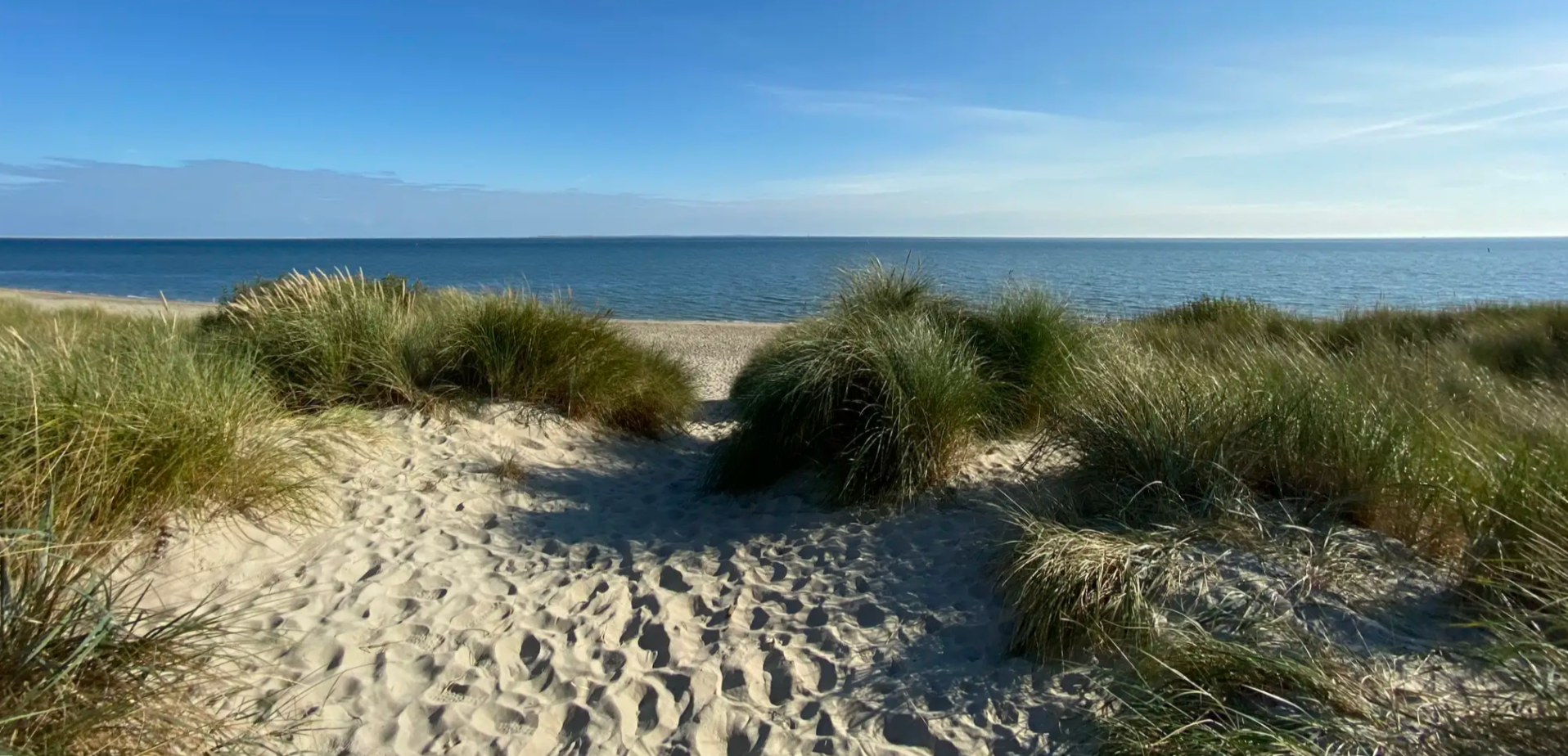
Regional Trail WaddenWalking (SP 04) - Hiking across the Wadden Sea.
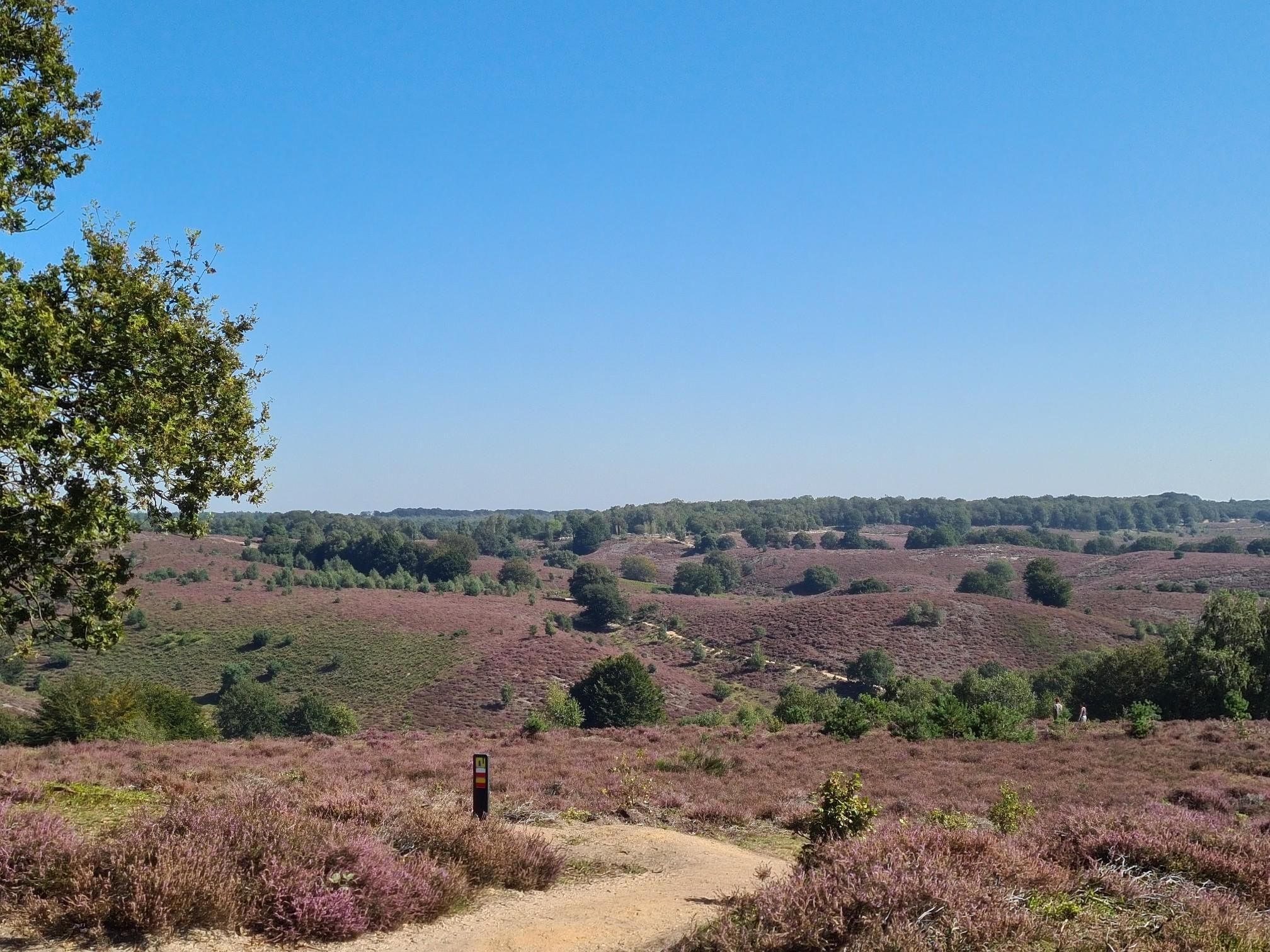
Veluwe Zwerfpad – 21 days of roaming through protected nature
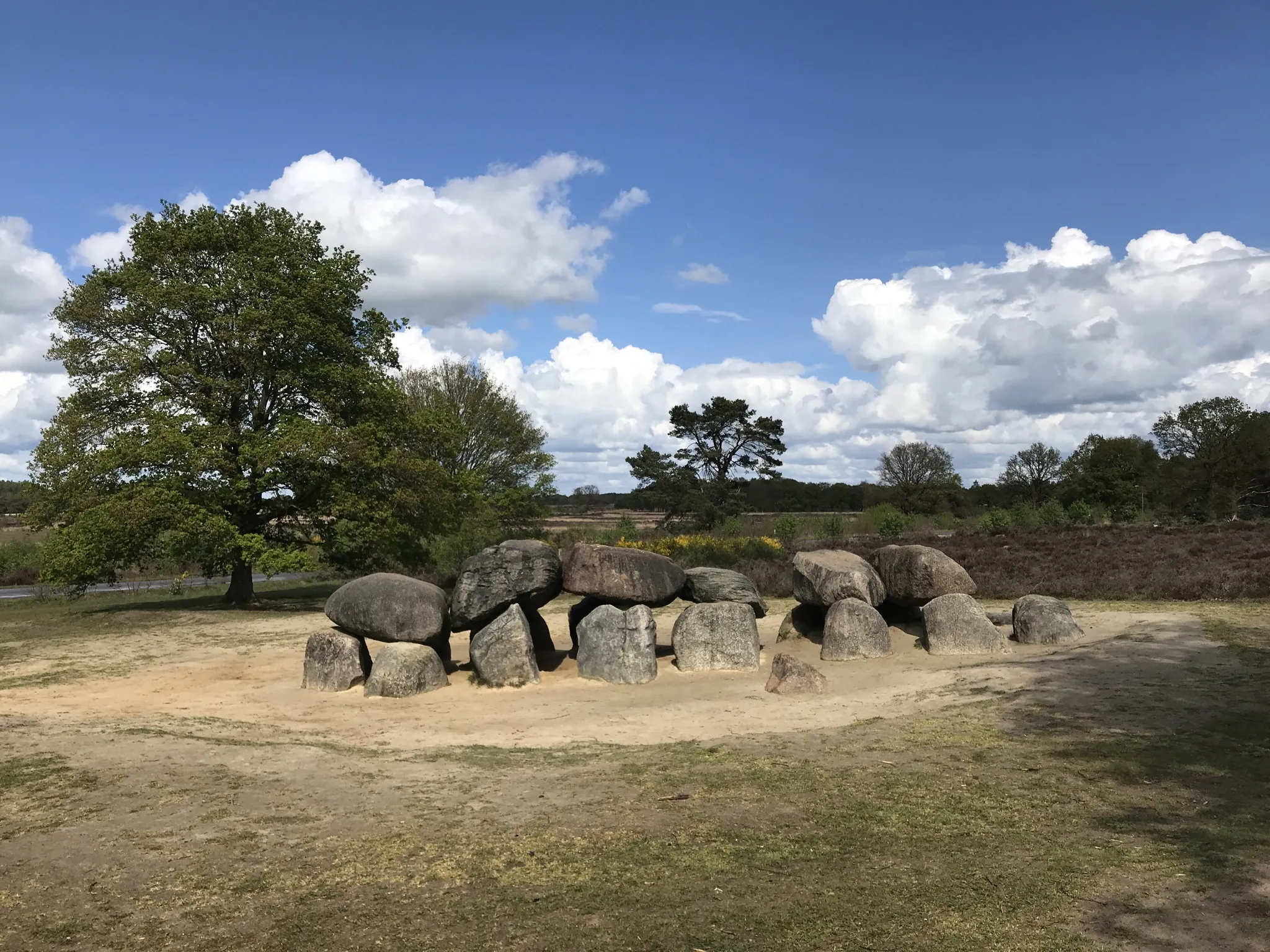
Tour of Drenthe – In 6 days through the primitive province
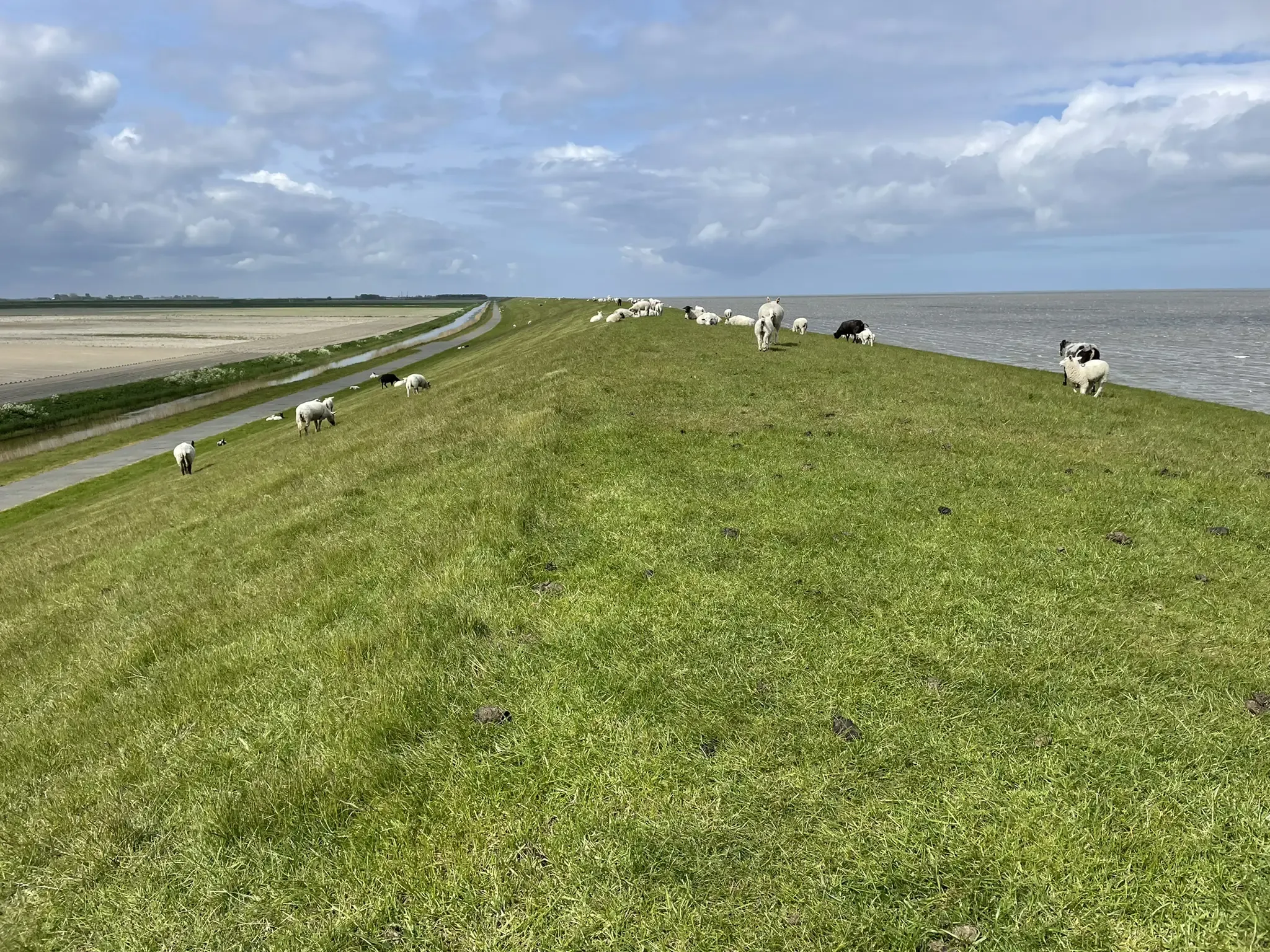
Tour of Groningen – 350 kilometers around the province
Liberation Divide | Straight through North Brabant
Other adventures in the Netherlands


Tips from the Community

Beautiful view of the caves.
0
0

The Neercanne castle is built on the original site of Roman fortifications whose caves still exist and are used as a wine cellar. In the hall, the original staircase with a railing on wide columns is still present. Weapon trophies are depicted in relief on the ceiling. Currently, the castle is used as a hotel and restaurant. The restaurant has been awarded one star by the Michelin Guide.
5
0


we tried to return to Maastricht using the Arriva bus. However, it was a small bus and only 3 seats were available. My friends walked.
1
0

The Castle Cave is a unique place where history, architecture, and nature converge. Often located near or beneath a castle, such as in South Limburg or other historic regions, a castle cave served various purposes: from storing wine or provisions to sheltering or serving as a decorative garden feature within the castle grounds' landscaping. The cave is usually situated in a wooded area or on a slope, where natural rock formations and limestone structures create an impressive backdrop. Winding paths, hills, and viewpoints often surround the cave, making it a haven for hikers and a haven of discovery.
0
0

Here you have a view of old marl quarries. You can see a marl wall with meadows, cows, or sheep.
1
0

Info about these caves: https://nl.wikipedia.org/wiki/Strooberggroeve
1
0
The Strooberggroeve is a Limburg marl quarry in the Dutch municipality of Eijsden-Margraten. The underground quarry is located north of Bemelen under the Bemelerberg on the north side of the mouth of the dry valley Koelbosgrub in the Meuse valley. The quarry is located on the western edge of the Plateau of Margraten in the transition to the Meuse valley. At this point, the plateau drops steeply for a few meters. https://nl.wikipedia.org/wiki/Strooberggroeve
3
0
Frequently Asked Questions
What types of caves can I explore in the Netherlands?
The Netherlands primarily features man-made underground passages and quarries, carved from marlstone and limestone, especially in the Limburg region. These include extensive tunnel systems like the Sint Pietersberg Caves near Maastricht, historical quarries in Valkenburg, and even prehistoric rock shelters such as the Däölkesberg Abri.
Where are the main cave areas located in the Netherlands?
The most significant cave systems in the Netherlands are concentrated in the Limburg province, particularly around the cities of Maastricht and Valkenburg. This region's geology, rich in marl and limestone, allowed for centuries of quarrying, creating the extensive underground networks seen today.
Are there any family-friendly caves to visit?
Yes, many of the cave systems in Limburg are suitable for families. Guided tours in places like the Sint Pietersberg Caves (North and Zonneberg) and the Valkenburg caves offer engaging experiences for all ages, often highlighting historical drawings and stories. The Trichterberggroeve Limestone Quarry is also noted as family-friendly.
What historical significance do the Dutch caves hold?
The caves in the Netherlands are rich in history. The Sint Pietersberg Caves, for instance, were used for centuries for marl extraction, as air-raid shelters during WWII, and even as a hiding place for famous artworks like Rembrandt's *The Night Watch*. Other sites, like the Däölkesberg Abri, are significant archaeological sites with evidence of prehistoric human activity.
Can I find unique cultural experiences within the caves?
Absolutely. The Valkenburg caves, such as the Velvet Cave and Municipal Cave, are famous for hosting festive underground Christmas markets, transforming the tunnels into a magical setting. Additionally, Château Neercanne features historic caves repurposed as wine cellars, offering a unique culinary experience in a subterranean environment.
What natural features can I expect to see around the caves?
Beyond the underground passages, the areas surrounding the caves often feature unique natural landscapes. For example, the Strooberg Quarry and Strooberggroeve (Bemelen Caves) are part of scenic areas with yellow limestone formations and chalk grasslands, providing habitats for diverse flora and fauna.
Are there guided tours available for the caves?
Yes, guided tours are highly recommended and often essential for exploring the larger cave systems like Sint Pietersberg (North Caves and Zonneberg Caves) and the Valkenburg caves. These tours provide fascinating insights into their geological formation, historical uses, and the unique art and inscriptions found within.
What outdoor activities can I do near the caves in the Netherlands?
The Limburg region offers various outdoor activities. You can find numerous hiking trails, including easy hikes and more challenging routes. For example, you can explore routes from the Easy hikes in the Netherlands guide or find running trails from the Running Trails in the Netherlands guide. The area around the Bemelerberg, near the Strooberggroeve, is also popular for gravel biking.
What do visitors enjoy most about the caves in the Netherlands?
Visitors frequently appreciate the unique blend of history, culture, and natural beauty. The historical narratives, such as the caves' roles in wartime or as art repositories, are particularly captivating. The cool, dark passages offer a distinct atmosphere, and the artistic elements like charcoal drawings and carvings add to the experience.
Is there a specific time of year that is best to visit the caves?
The caves maintain a relatively constant cool temperature year-round, making them a comfortable visit in both summer and winter. The Valkenburg caves are particularly popular during the winter months when they host their renowned underground Christmas markets, creating a unique festive atmosphere.
Are there any caves that showcase prehistoric history?
Yes, the Däölkesberg Abri (Limestone Rock Shelter) in South Limburg is a significant site. It is considered the only known prehistoric rock shelter in the Netherlands, where archaeological investigations have uncovered flint tools, indicating its use by early inhabitants.
Can I see any cave dwellings or historical living spaces?
Yes, at the Geulhemmerberg Climb and Cave Dwellings, you can still observe old rock dwellings on the left side of the road at the start of the climb. These were historically used by blockbreakers, offering a glimpse into past subterranean living.
Most popular routes in the Netherlands
Most popular attractions in the Netherlands

Get inspired with the komoot mobile app


Didn’t find what you were looking for?
Discover more caves in the Netherlands region by region:
Explore more
Extend your search for the best caves by checking out these guides of the top ones in the Netherlands:
