Top 20 Gorges in the Netherlands
Canyons in the Netherlands are not naturally occurring in the traditional sense, as the country is largely flat and low-lying. However, the southern province of Limburg features geological formations that are colloquially referred to as gorges, ravines, or valleys. These areas provide unique natural and historical points of interest, often characterized by exposed marl formations, dry valleys, or former quarries. Visitors can explore steep limestone walls and diverse natural landscapes, offering insights into the region's geological past.
Best canyons in…
Last updated: October 4, 2026
Marl Cliff along the Geul
Highlight • Gorge
Translated by Google •
Tip by

Savelsbos Gravel Pit
Highlight • Natural Monument
Translated by Google •
Tip by

Sign up now to discover places like this
Get recommendations on the best single tracks, peaks, & plenty of other exciting outdoor places.
Blom Quarry
Highlight • Gorge
Translated by Google •
Tip by
Gerendal Valley
Highlight (Segment) • Gorge
The Gerendal is mainly an asymmetrical dry valley …
Translated by Google •
Tip by

Strooberggroeve (Bemelen Caves)
Highlight • Cave
Translated by Google •
Tip by

Heelsumsebeek Ravines, Veluwe
Highlight • Gorge
Translated by Google •
Tip by

Louisedal
Highlight • Historical Site
Translated by Google •
Tip by

Lourdes Grotto, Banholt
Highlight • Religious Site
Translated by Google •
Tip by

Horstergrub Dry Valley
Highlight • Gorge
Translated by Google •
Tip by

View of the Curfsgroeve quarry at Kuil van Curfs
Highlight • Viewpoint
Translated by Google •
Tip by

Sign up for free to discover even more gorges in the Netherlands.
Already have an account?
Start today with a free account
Your next adventure awaits.
Popular around Netherlands

Bedtime Adventure Stories for Grown Ups
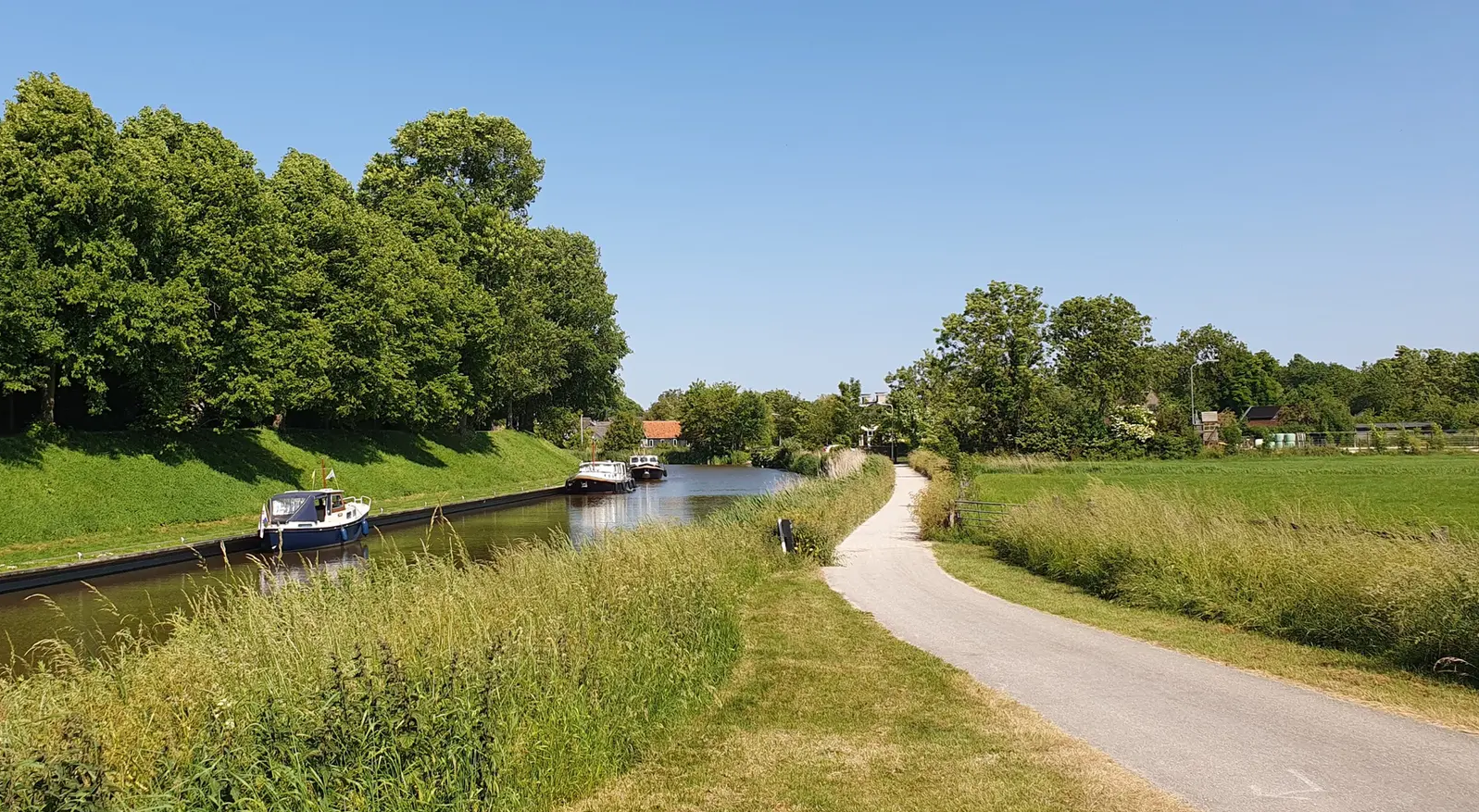
Elfstedenpad – Along polders, terpen and eleven Frisian cities
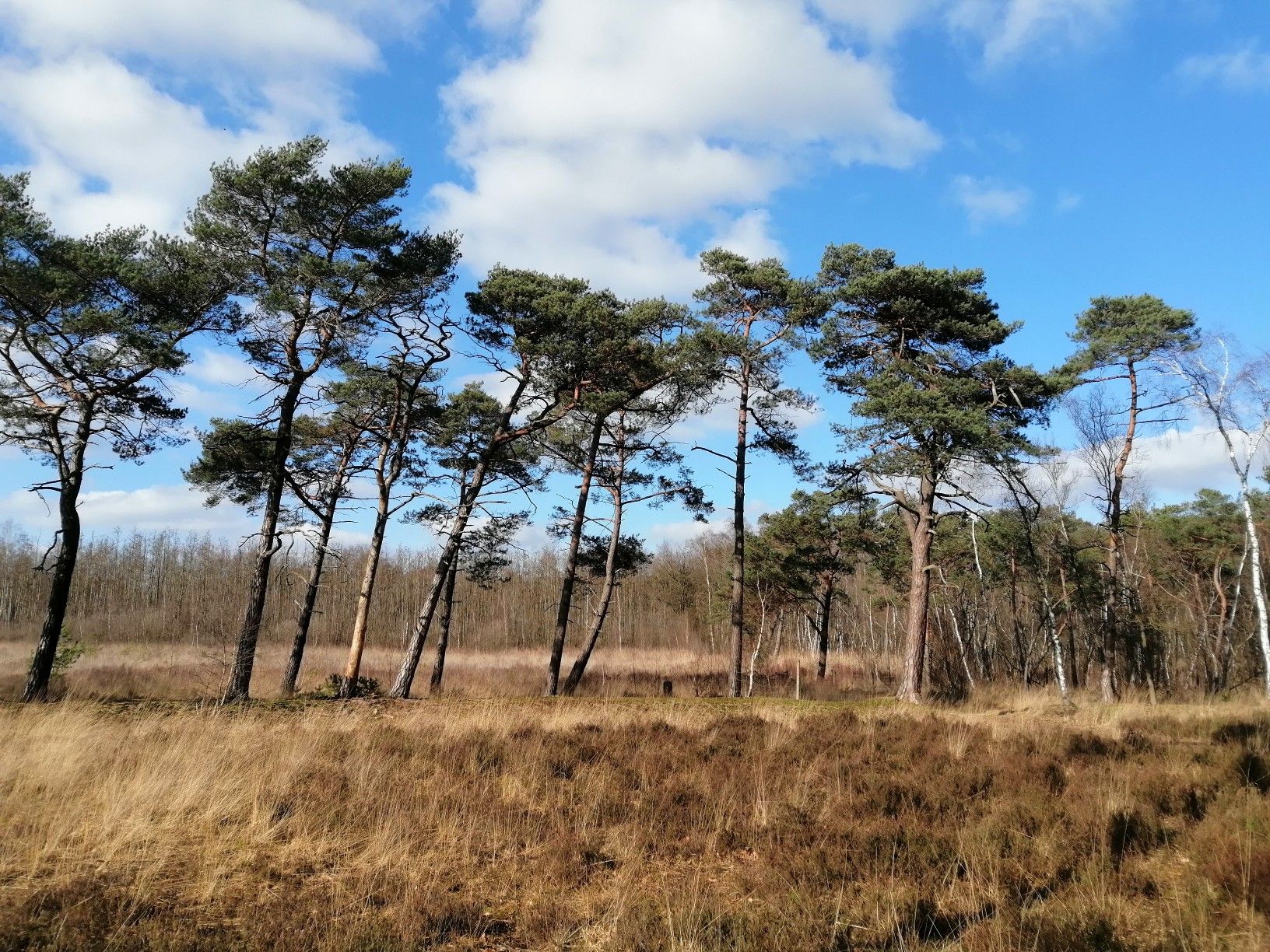
From Flanders to the Ardennes — GR 5 in Belgium
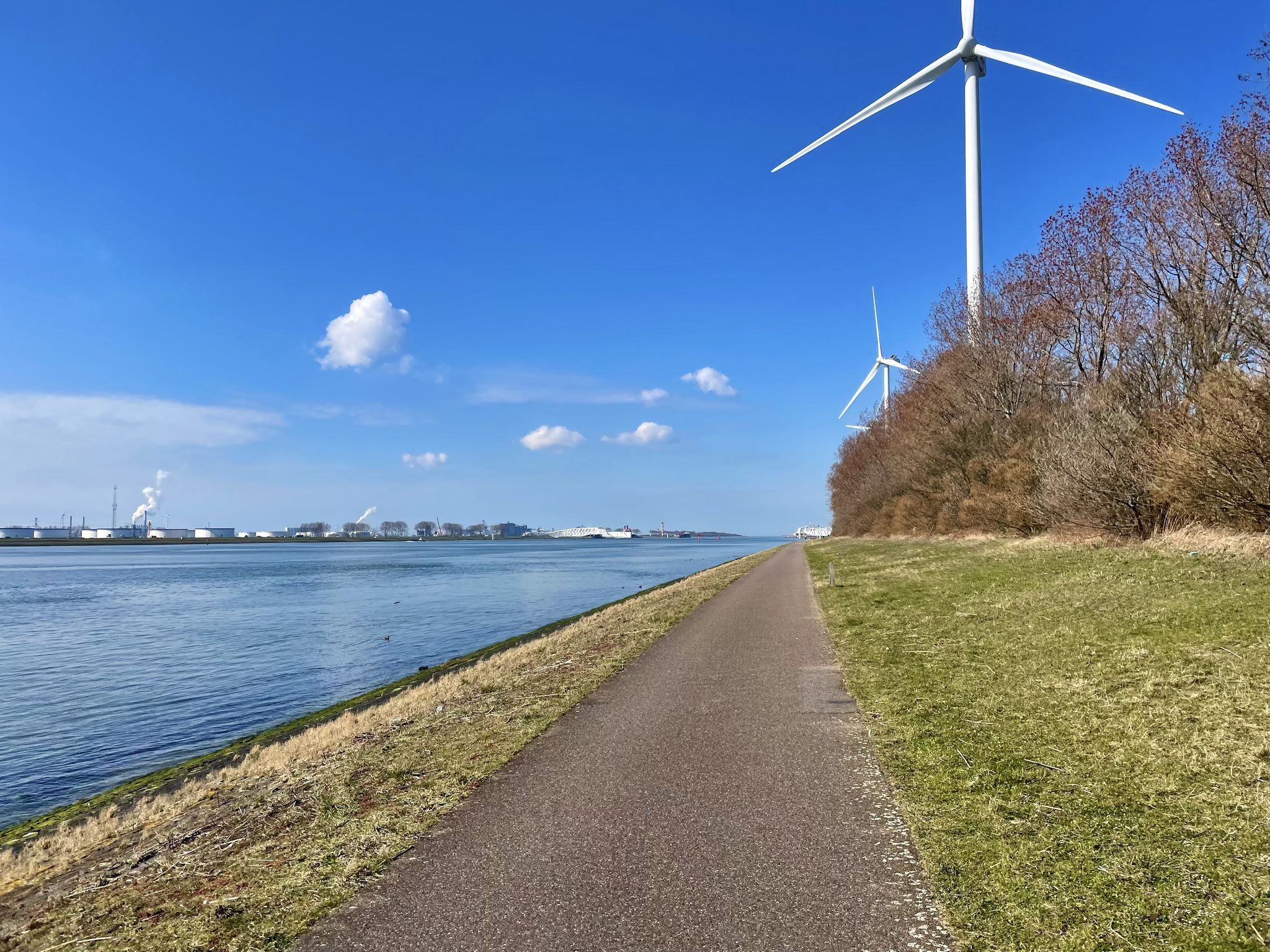
The Meuse Cycle Route - Follow the Meuse from the hills to the harbor
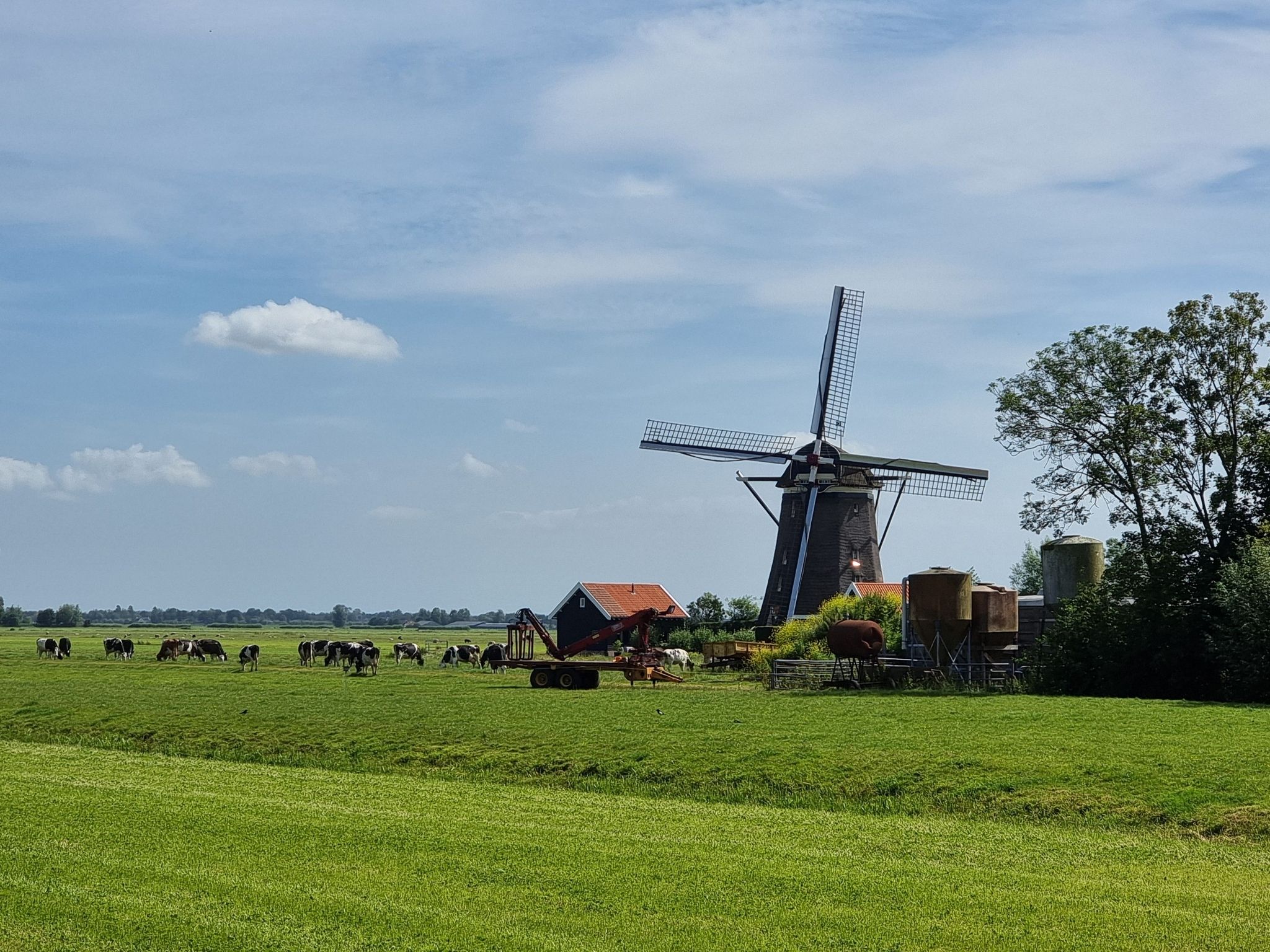
Pilgrim Trail (LAW 7-1) - Through idyllic villages and vast polders
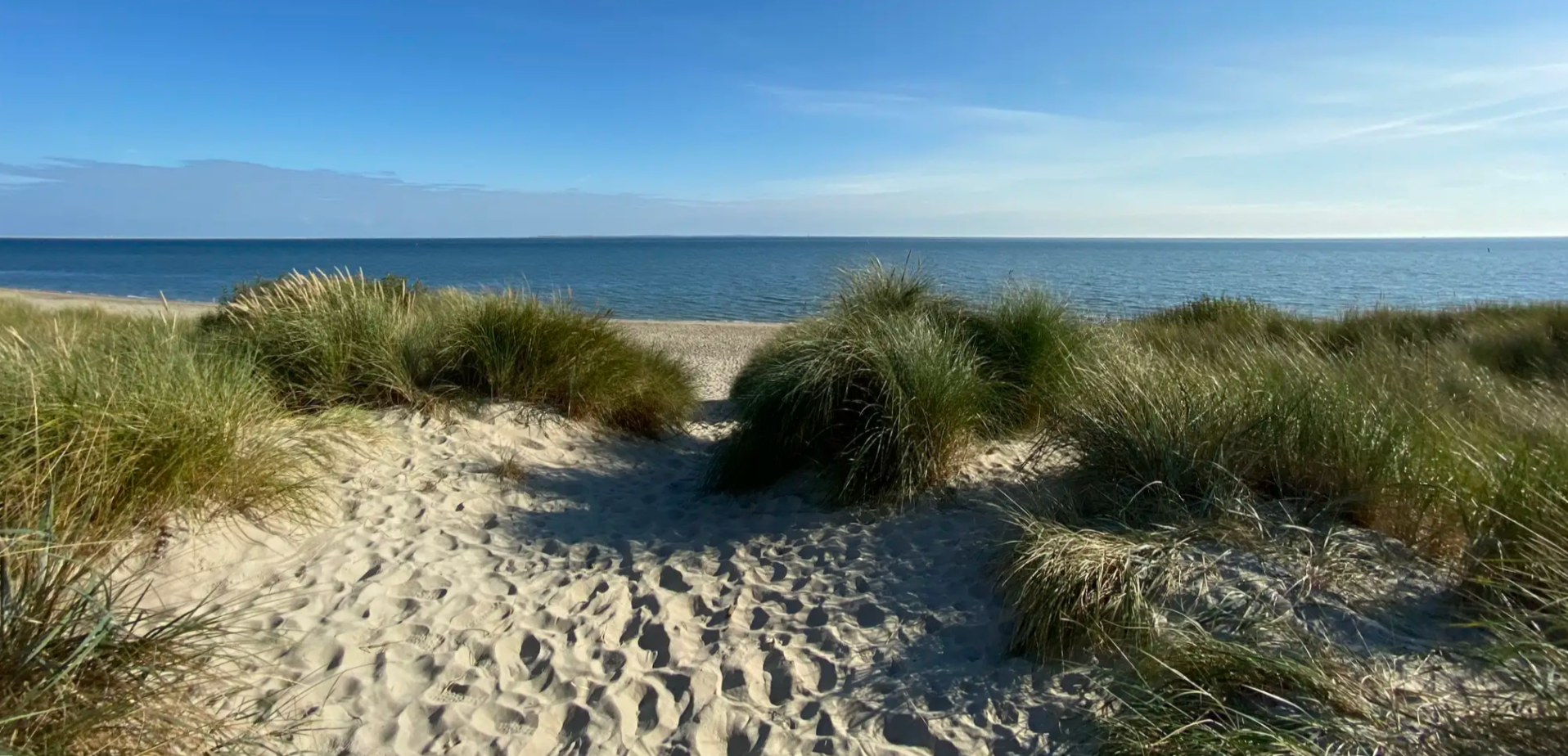
Regional Trail WaddenWalking (SP 04) - Hiking across the Wadden Sea.
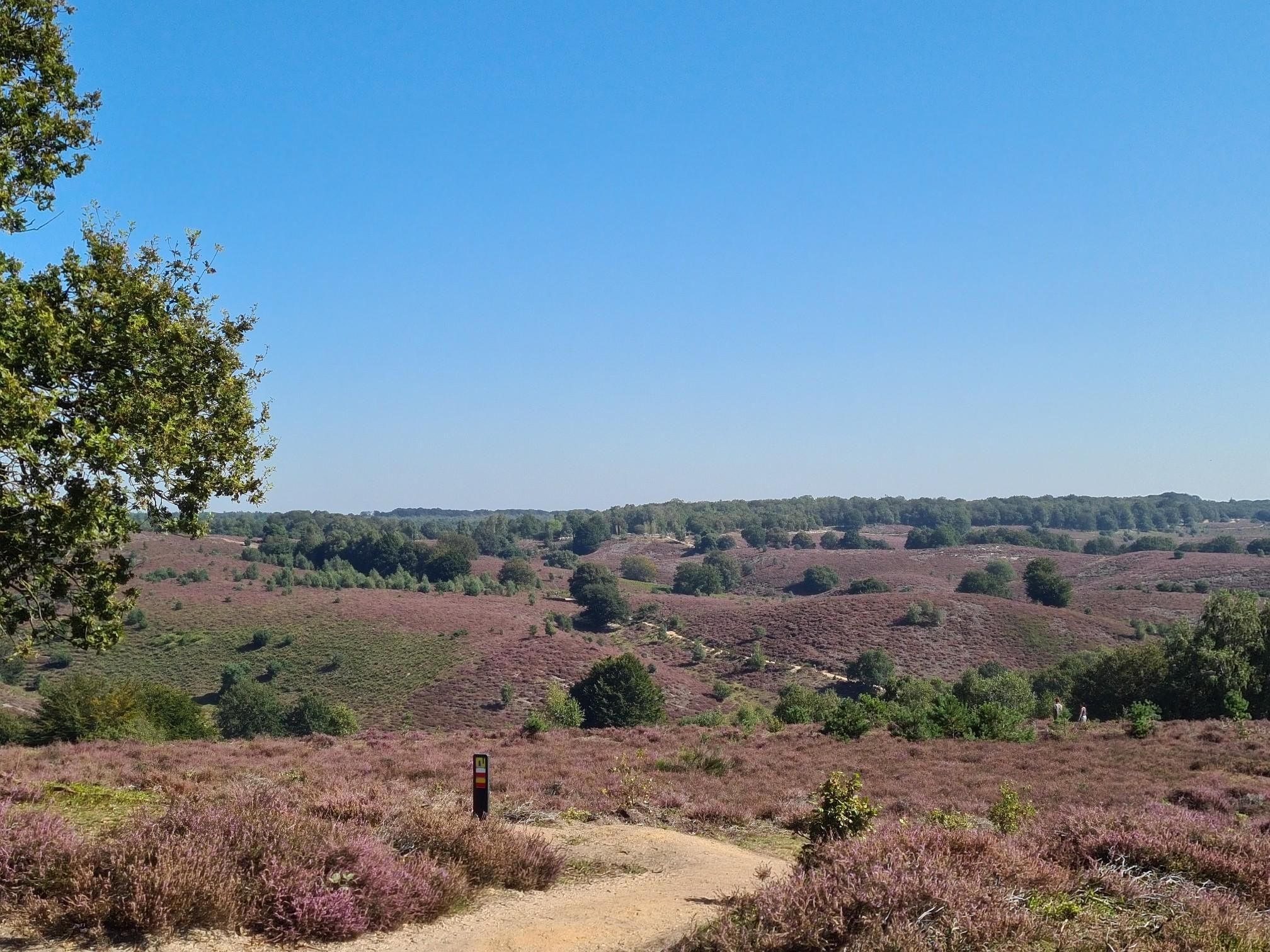
Veluwe Zwerfpad – 21 days of roaming through protected nature
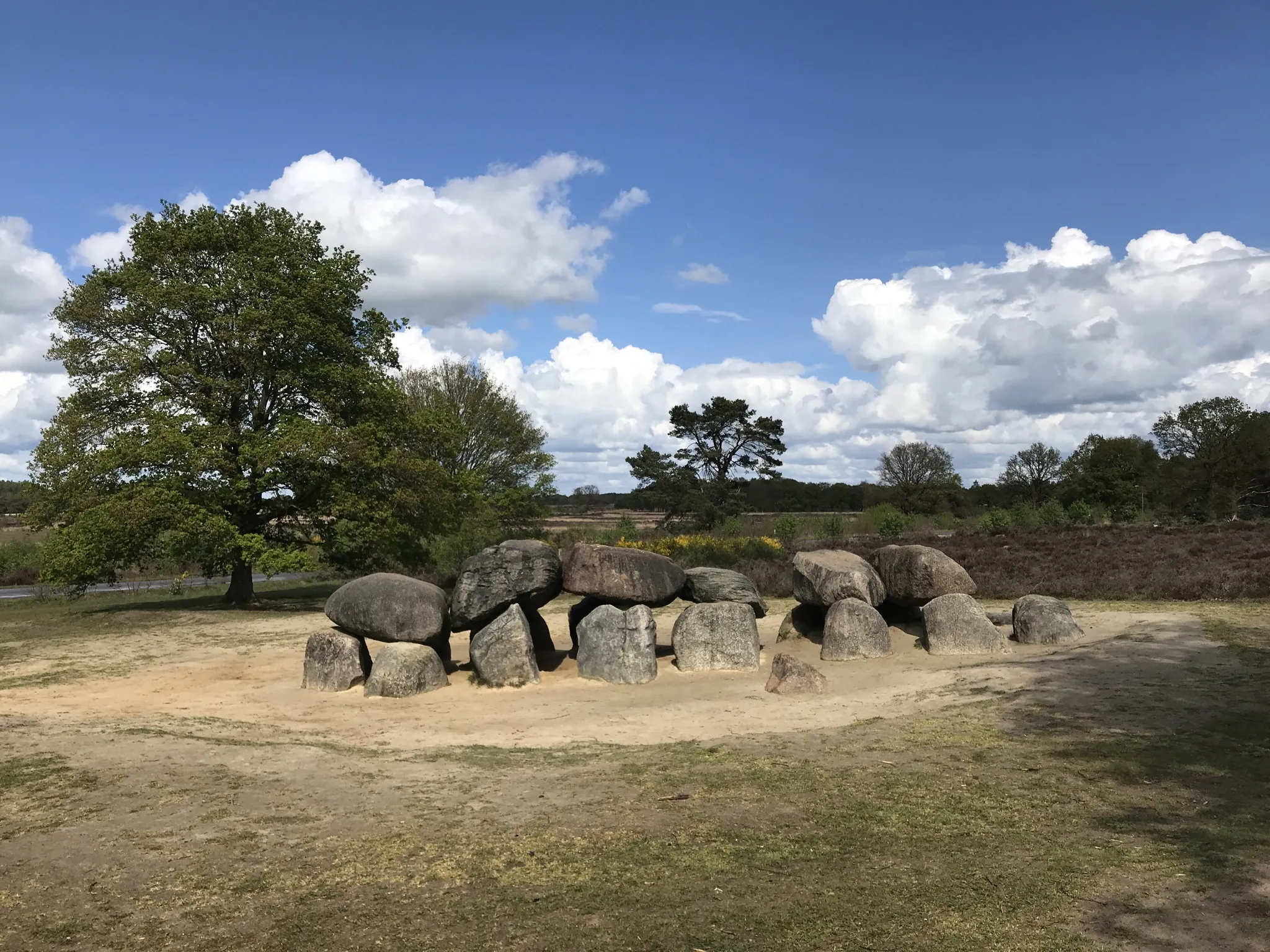
Tour of Drenthe – In 6 days through the primitive province
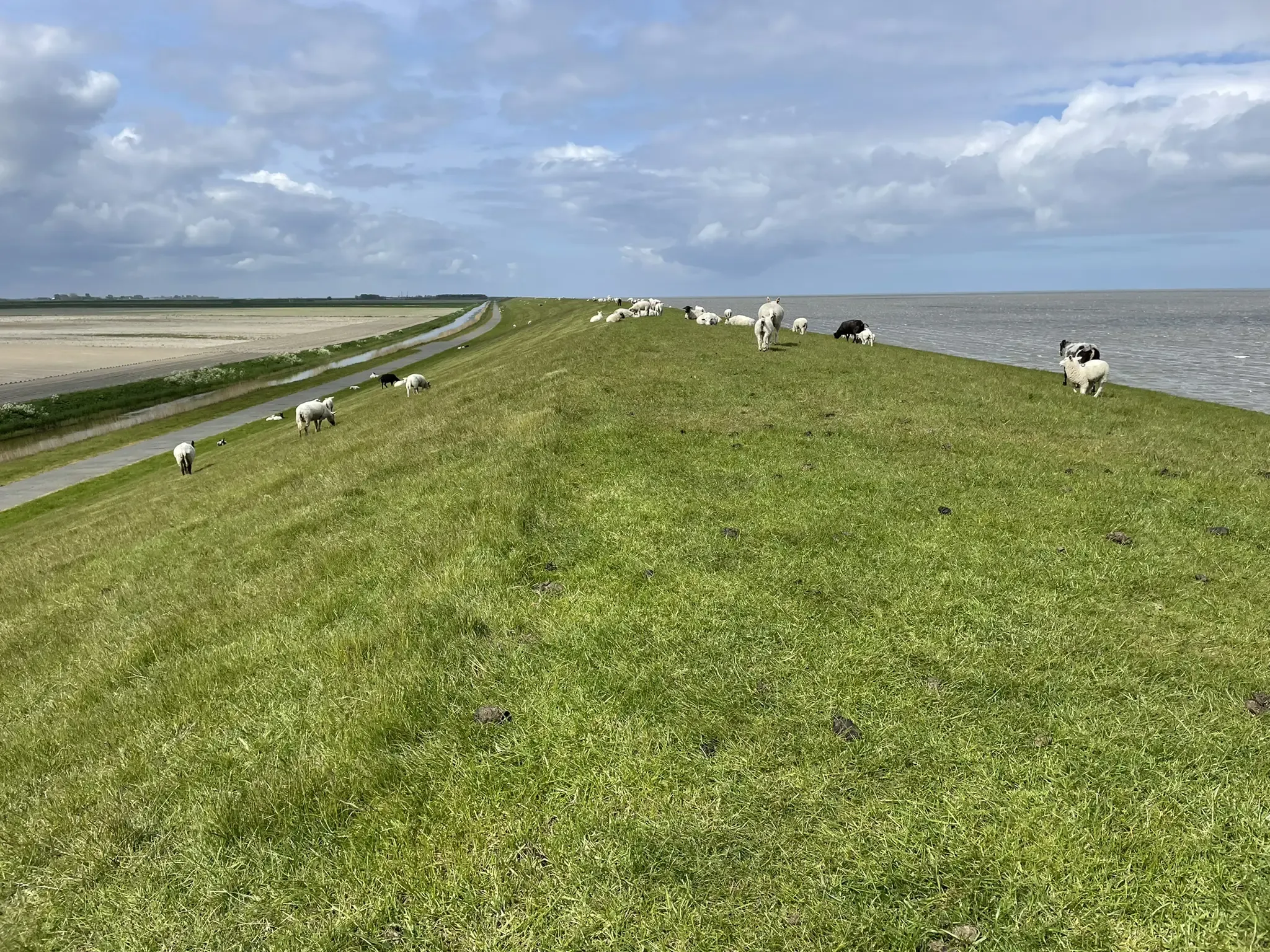
Tour of Groningen – 350 kilometers around the province
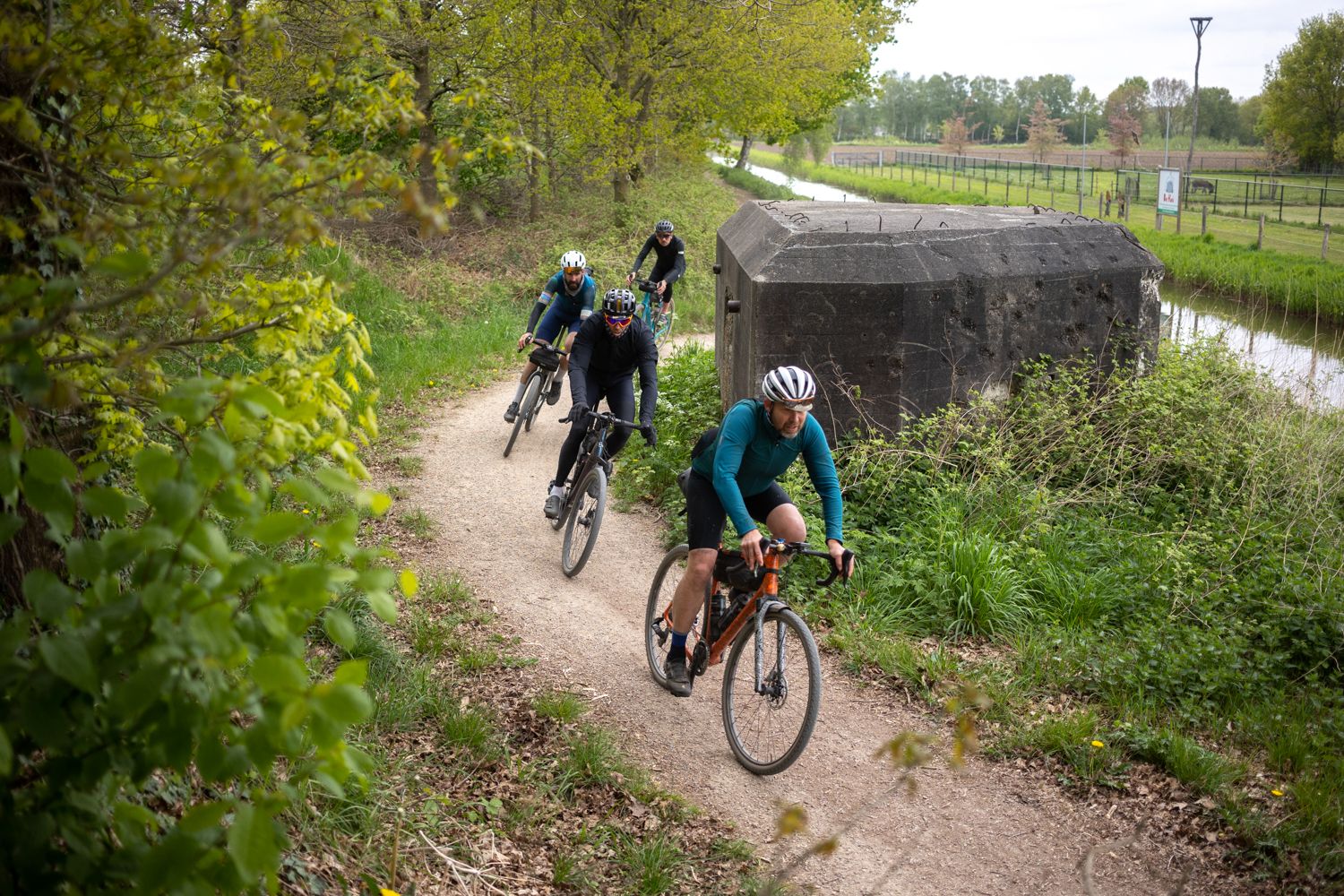
Liberation Divide | Straight through North Brabant
Other adventures in the Netherlands


Tips from the Community

Along the road is the entrance to quarry Blom, as a hiker you have to go through the flap gate to enter the area
0
0

The Curfsgroeve or Groeve Staal is an open-pit mine near Geulhem. This Limburg marl quarry is located on the edge of the Geuldal in the Dutch municipality of Valkenburg aan de Geul in South Limburg. The quarry is located west of Geulhem on the northwest side of the Plateau of Margraten in the transition to the Maasdal. The total area of the quarry is 40.6 hectares, the deep open-pit section has an area of approximately 25 hectares. The quarry is about 40 meters deep. The quarry was owned by the Ankerpoort company, which extracted marl there until 2009. Since then, the quarry has been owned by the province of Limburg, which has placed the quarry under the management of Het Limburgs Landschap. Source/info: https://nl.wikipedia.org/wiki/Curfsgroeve
2
0

Beautiful view of the caves.
0
0

Along the rippling Geul River, an impressive marlstone wall rises, a silent witness to Limburg's underground landscape. These calcareous rocks were used for centuries for construction and crafts and now offer a fascinating sight for hikers and nature lovers. The wall forms a natural boundary along the water and, in some places, harbors small caves and niches where flora and fauna have found a home. The contrast of the white marl against the green foliage and the glistening water of the Geul makes this a particularly photogenic and tranquil spot during your walk.
0
0

Beautiful part of the walk along the Geul
0
0

Info about these caves: https://nl.wikipedia.org/wiki/Strooberggroeve
1
0

In today's heat, the goats had fled to the shade of the pit.
1
0

When the path that has been running between slopes and sloping forest on one side and the Geul on the other side suddenly starts to rise a bit, you know what is coming: part of the marl crops out and offers you a glimpse of what you can discover if you take one of the paths away from the Geul: quarries and marl.
6
0
Frequently Asked Questions
How are "canyons" defined or understood in the Netherlands?
The Netherlands, being largely flat and low-lying, does not have traditional canyons formed by significant geological uplift. Instead, the term often refers to unique geological formations like exposed marl cliffs, dry valleys, ravines, or former quarries, primarily found in the southern province of Limburg and areas like the Veluwe. These sites offer similar experiences of dramatic geological features and varied terrain.
Where can I find these "canyon-like" geological formations in the Netherlands?
The most prominent region for these formations is the southern province of Limburg. Here you'll find exposed marl cliffs, limestone quarries, and dry valleys. The Veluwe also features ravines, offering diverse natural landscapes.
What kind of geological features can I expect to see in these areas?
You can expect to see exposed marl formations, steep limestone walls, and geological 'organ pipes' in former quarries. Areas like the Marl Cliff along the Geul showcase visible marl on the surface, while sites like Trichterberggroeve Limestone Quarry reveal the region's past as a Cretaceous sea.
Are there historical sites associated with these formations?
Yes, some of these geological areas have historical significance. For example, Louisedal is a historical site believed to be a Roman aqueduct, with visible earthworks. Former quarries like Trichterberggroeve Limestone Quarry and Blom Quarry also tell a story of past mining activities.
What are some popular gorges or ravines to visit in the Netherlands?
Highly appreciated spots include the Marl Cliff along the Geul, known for its narrow path along marl walls. The Heelsumsebeek Ravines, Veluwe offer varied terrain for exploration, and the Horstergrub Dry Valley provides a peaceful walking experience through beautiful fields.
Are these areas suitable for families?
Many of these geological sites and their surrounding trails are suitable for families. Locations like the Trichterberggroeve Limestone Quarry are marked as family-friendly. The varied landscapes and historical elements can make for an engaging outing for all ages.
What outdoor activities can I do near these geological sites?
You can enjoy various outdoor activities. Many areas are excellent for hiking, with trails ranging from easy to intermediate. Gravel biking is also popular, especially around sites like Strooberggroeve (Bemelen Caves). For more options, explore guides for easy hikes, gravel biking, or road cycling in the Netherlands.
Are there specific hiking opportunities in these areas?
Yes, these regions offer numerous hiking opportunities. The Marl Cliff along the Geul features a beautiful footpath, and former quarries like Blom Quarry have been transformed into nature reserves with trails. The Heelsumsebeek Ravines, Veluwe are also popular for hiking. You can find more hiking routes in the easy hikes in the Netherlands guide.
What is the best time of year to visit these areas?
These geological sites can be visited year-round. Spring and autumn offer pleasant temperatures for hiking and exploring, with vibrant foliage or blooming wildflowers. Summer is also popular, though some trails might be busier. Winter provides a unique, serene experience, especially in forested areas like the Veluwe.
What do visitors appreciate most about these unique natural areas?
Visitors often highlight the unique geological insights, the peaceful natural environments, and the blend of natural beauty with historical significance. The diverse landscapes, from steep marl walls to tranquil dry valleys, and the opportunity to explore former mining sites now reclaimed by nature, are frequently praised.
Are there any unique natural monuments to explore?
Absolutely. The Trichterberggroeve Limestone Quarry is designated as a 'Geological Monument' due to its steep limestone walls and unique formations. The Marl Cliff at the Kasteel Oost Quarry also offers significant geological and historical interest.
Can I bring my dog to trails in these areas?
Many natural areas in the Netherlands are dog-friendly, often requiring dogs to be on a leash to protect wildlife. Specific sites like Strooberggroeve (Bemelen Caves) are noted as being popular with dog walkers. Always check local signage for specific rules and regulations regarding pets.
Most popular routes in the Netherlands
Most popular attractions in the Netherlands

Get inspired with the komoot mobile app


Didn’t find what you were looking for?
Want to see even more gorges? See the best ones in the Netherlands region by region:
Explore more
Already discovered everything in this region? See additional gorges in the Netherlands for your next adventure:
