Top 20 Natural Monuments in Switzerland
Best natural monuments in Switzerland showcase a diverse landscape of mountains, lakes, and unique geological formations. The country features towering waterfalls, ancient rock formations, and pristine alpine lakes. These sites highlight Switzerland's varied and dramatic natural environment. Visitors can explore a range of natural wonders, from glacial valleys to impressive rock cirques.
Best natural monuments in Switzerland
- The most popular natural monuments is Lake Oeschinen, a lake surrounded by two- and three-thousand-meter peaks. It is considered one of the most beautiful lakes in the Alps.
- Another must-see spot is Creux du Van, a canyon. This horseshoe-shaped rock amphitheater was formed by erosion and offers panoramic views.
- Visitors also love Seealpsee, a beautiful mountain lake in the middle of the Alpstein. It features bright green sparkling water and free-roaming cows.
- Switzerland is known for its alpine lakes, dramatic canyons, and majestic mountain summits. These sites offer a variety of natural monuments to see and explore.
- The natural monuments in Switzerland are appreciated by the komoot community, with more than 2000 upvotes and nearly 2000 photos shared.
Last updated: October 13, 2026
Aescher-Wildkirchli Mountain Inn
Highlight • Mountain Hut
Translated by Google •
Tip by

Lake Oeschinen
Highlight • Lake
Translated by Google •
Tip by

Sign up now to discover places like this
Get recommendations on the best single tracks, peaks, & plenty of other exciting outdoor places.
Seealpsee
Highlight • Lake
Translated by Google •
Tip by
Rhine Falls
Highlight • Waterfall
Access to the northern bank is free. There is an entrance fee on the southern bank.
Showing Translation
Tip by

Rigi Kulm summit
Highlight • Viewpoint
Showing Translation
Tip by

Hoher Kasten Summit
Highlight • Summit
Accordingly, you are rarely alone here.
Translated by Google •
Tip by

Creux du Van
Highlight (Segment) • Canyon
Translated by Google •
Tip by

Säntis Summit (2,502 m)
Highlight • Summit
Translated by Google •
Tip by

Fählensee
Highlight • Lake
Translated by Google •
Tip by

Grosser Mythen Summit
Highlight • Summit
Translated by Google •
Tip by
Sign up for free to discover even more natural monuments in Switzerland.
Already have an account?
Start today with a free account
Your next adventure awaits.
Popular around Switzerland
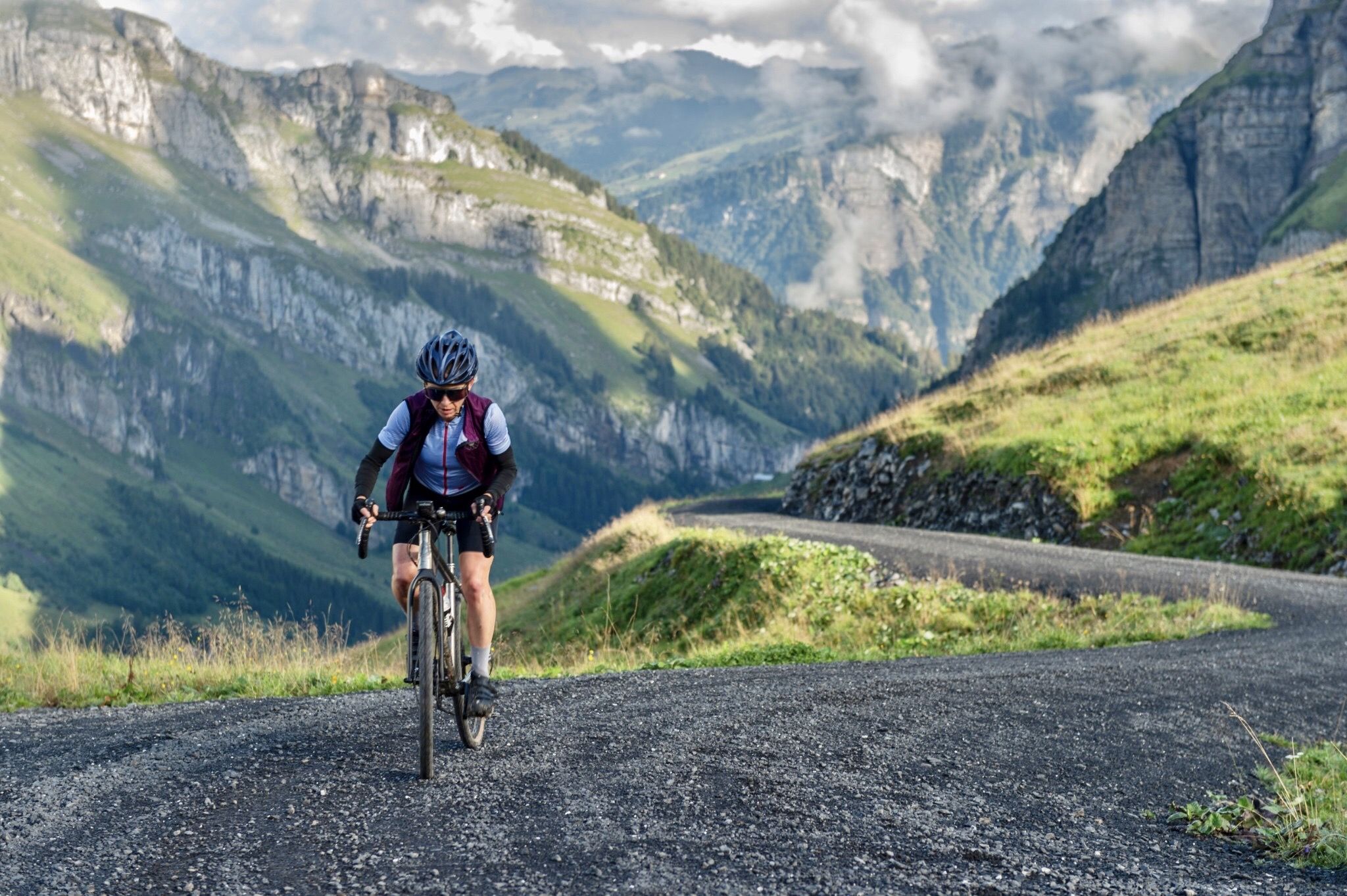
A summer of backdoor adventures in the Voralpen
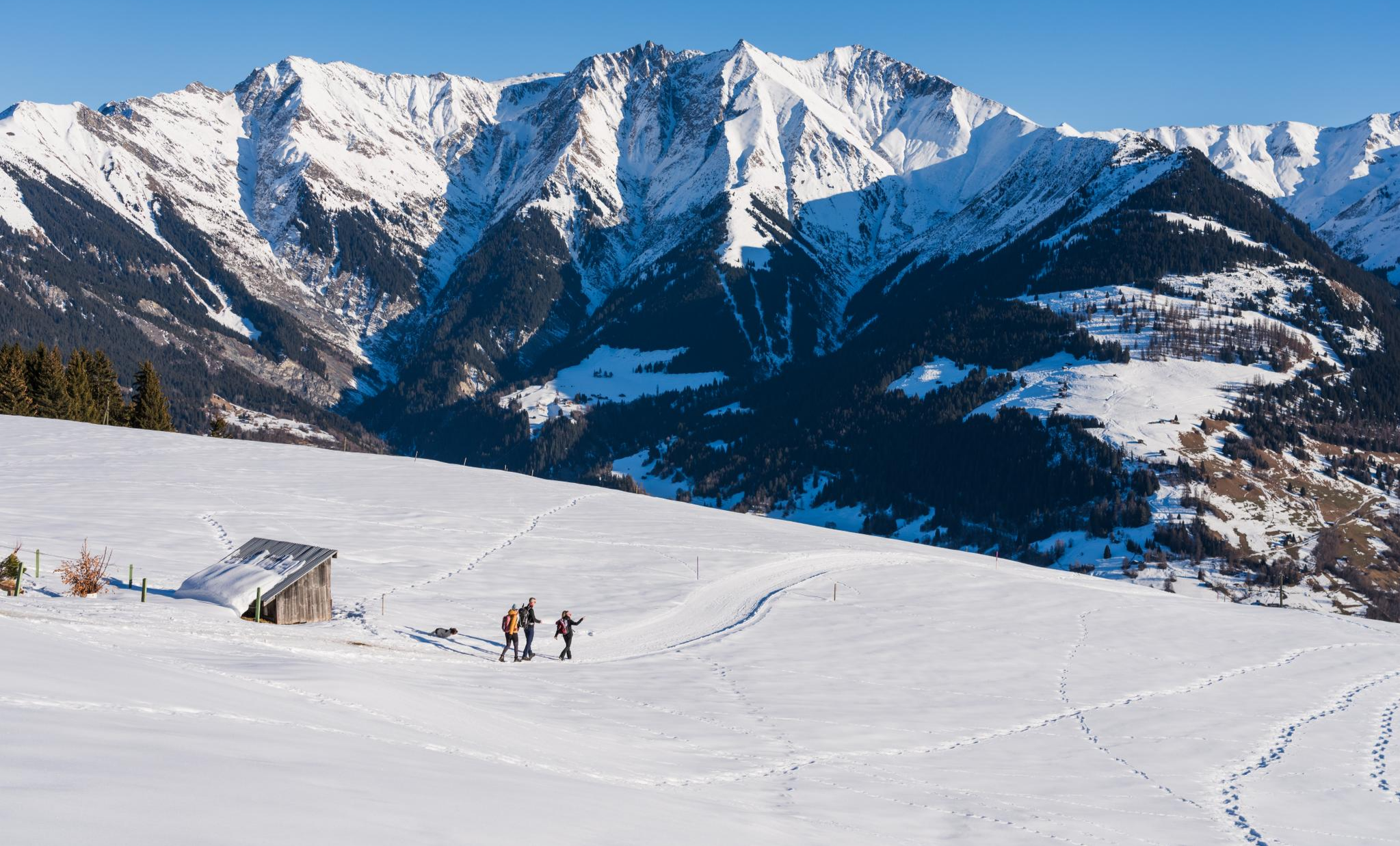
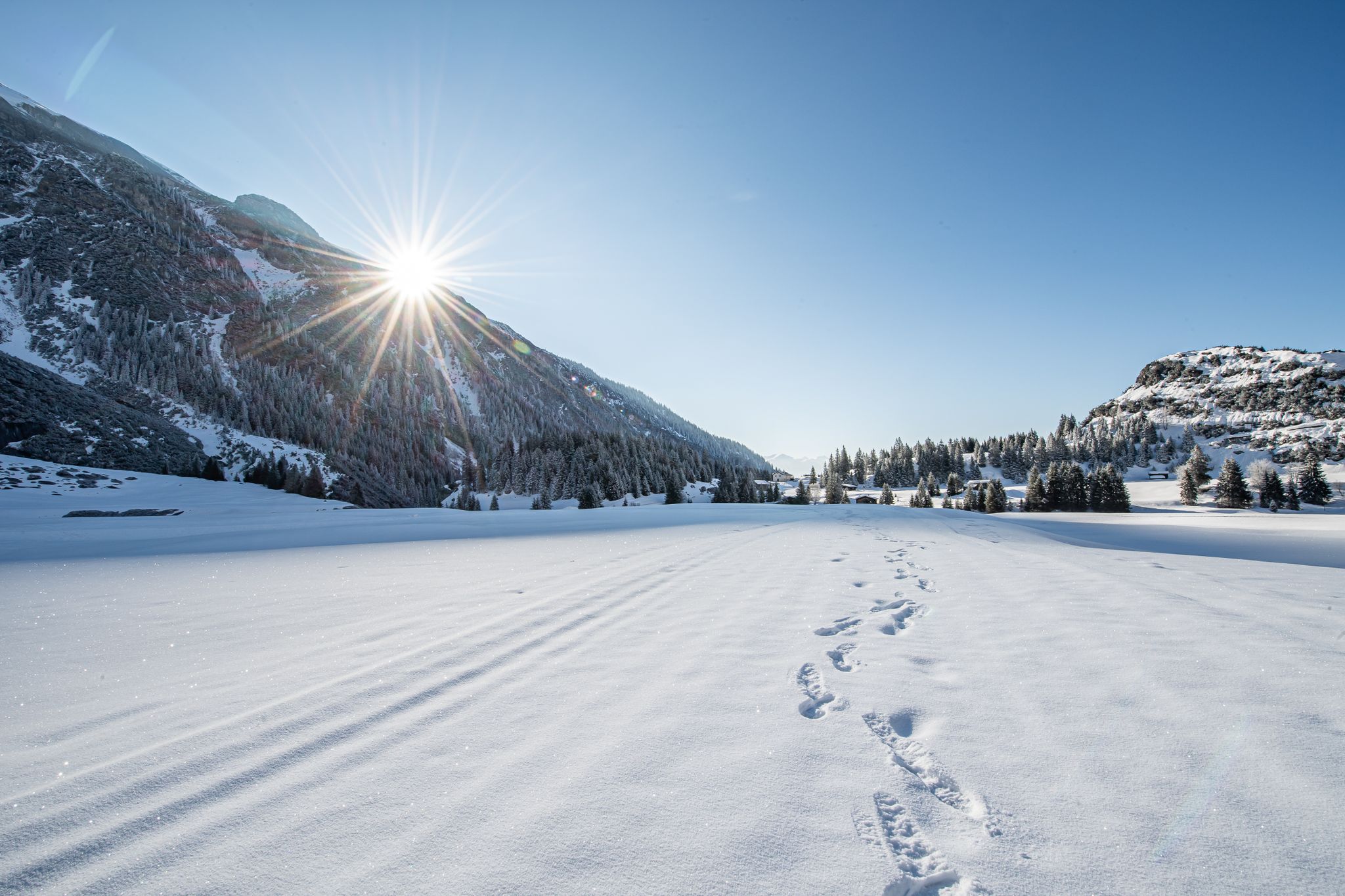
Winter Magic in the Surselva – peace, space and pure nature
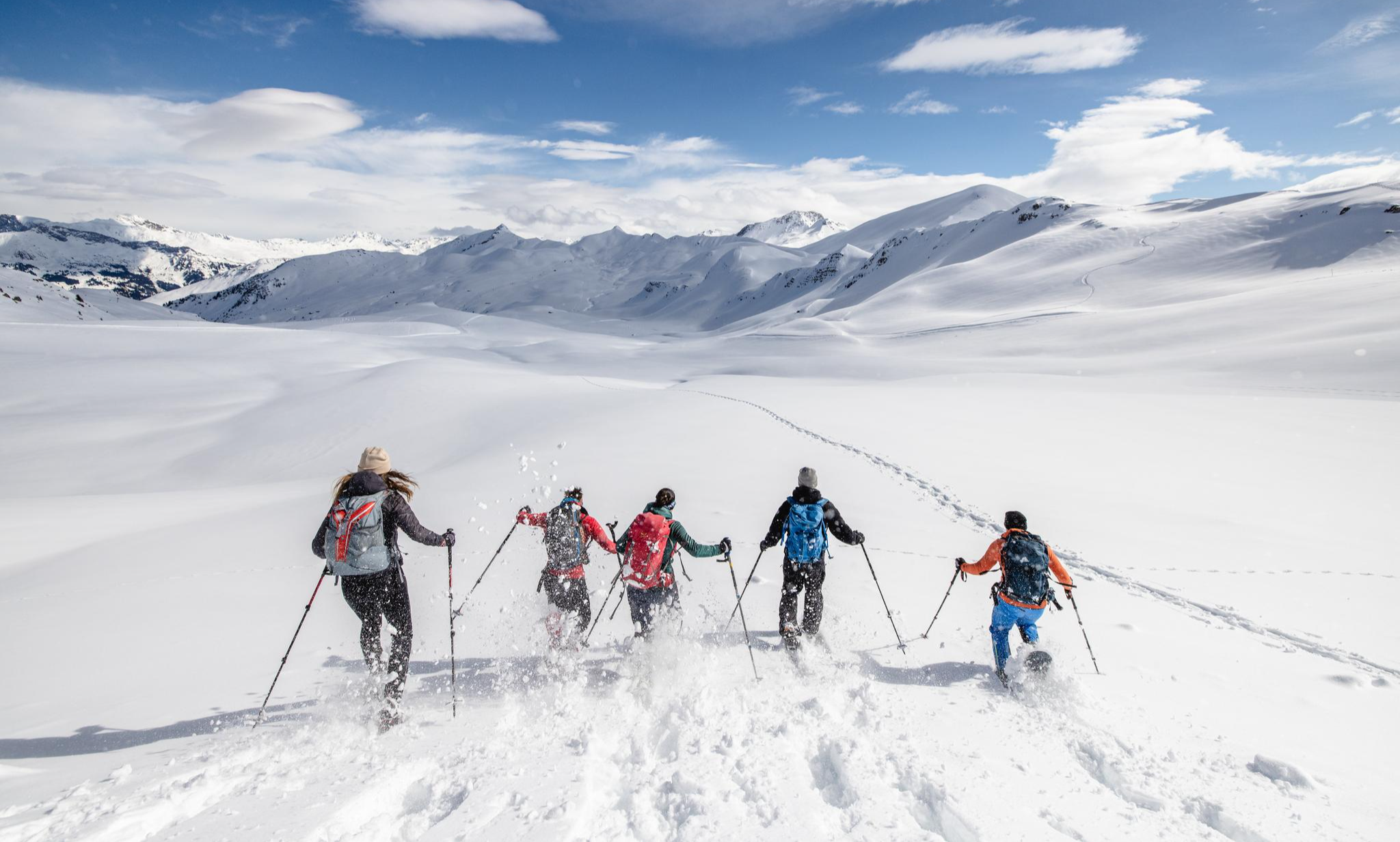
Snowy fun and hut cuisine – Winter Adventures in the Prättigau
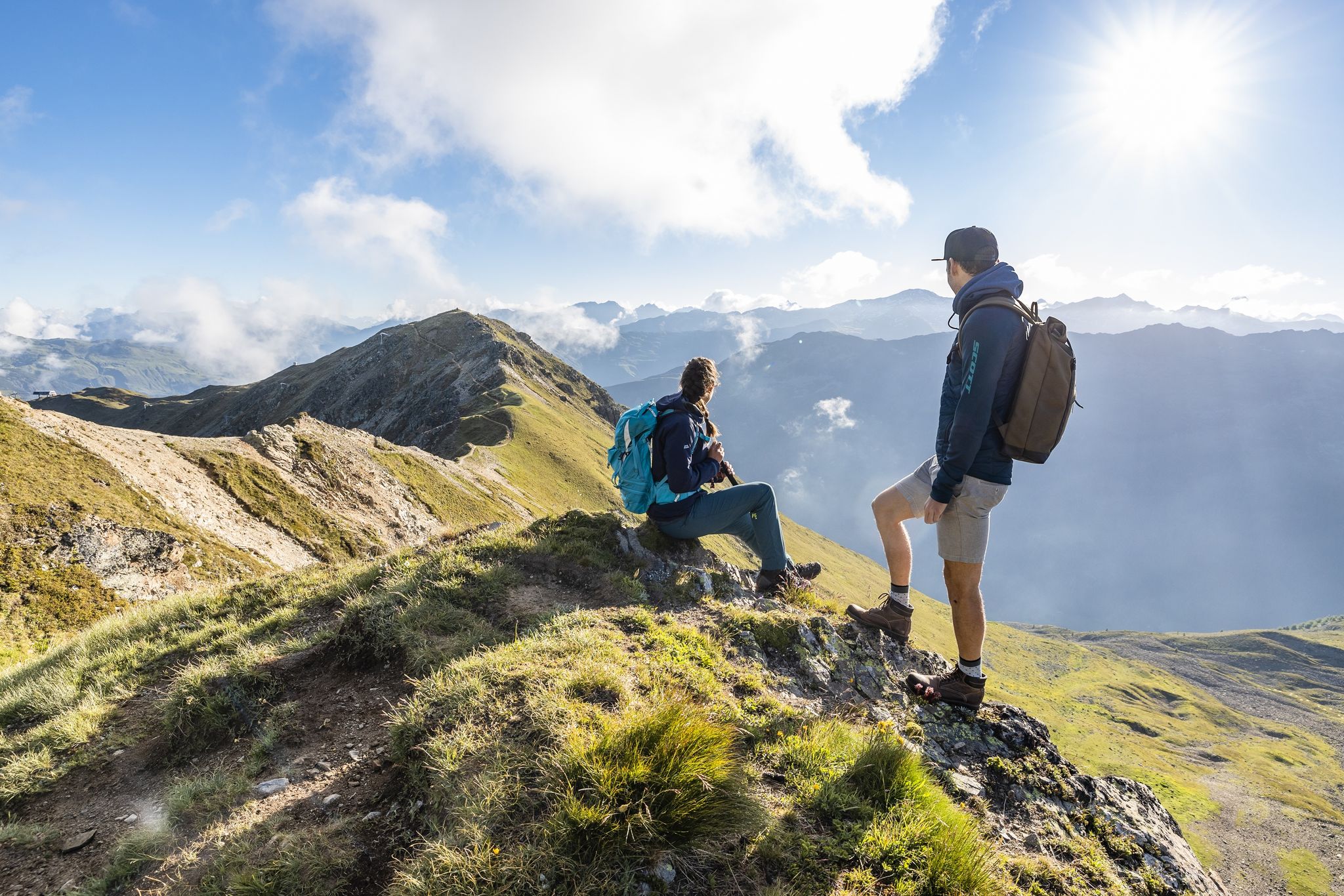
Summit joy on the mountain peaks of Davos Klosters
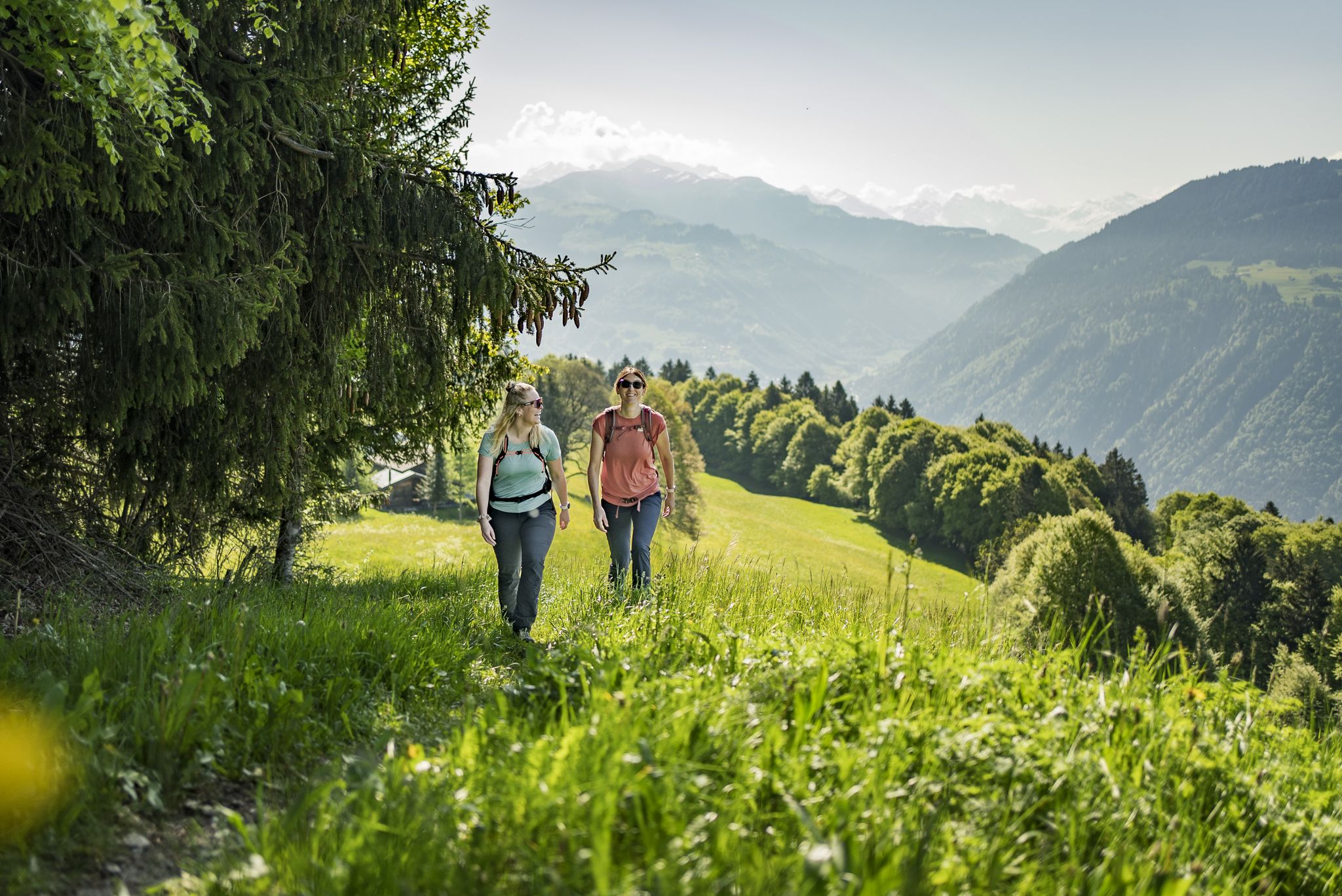
Step into the hiking season – spring routes in Graubünden
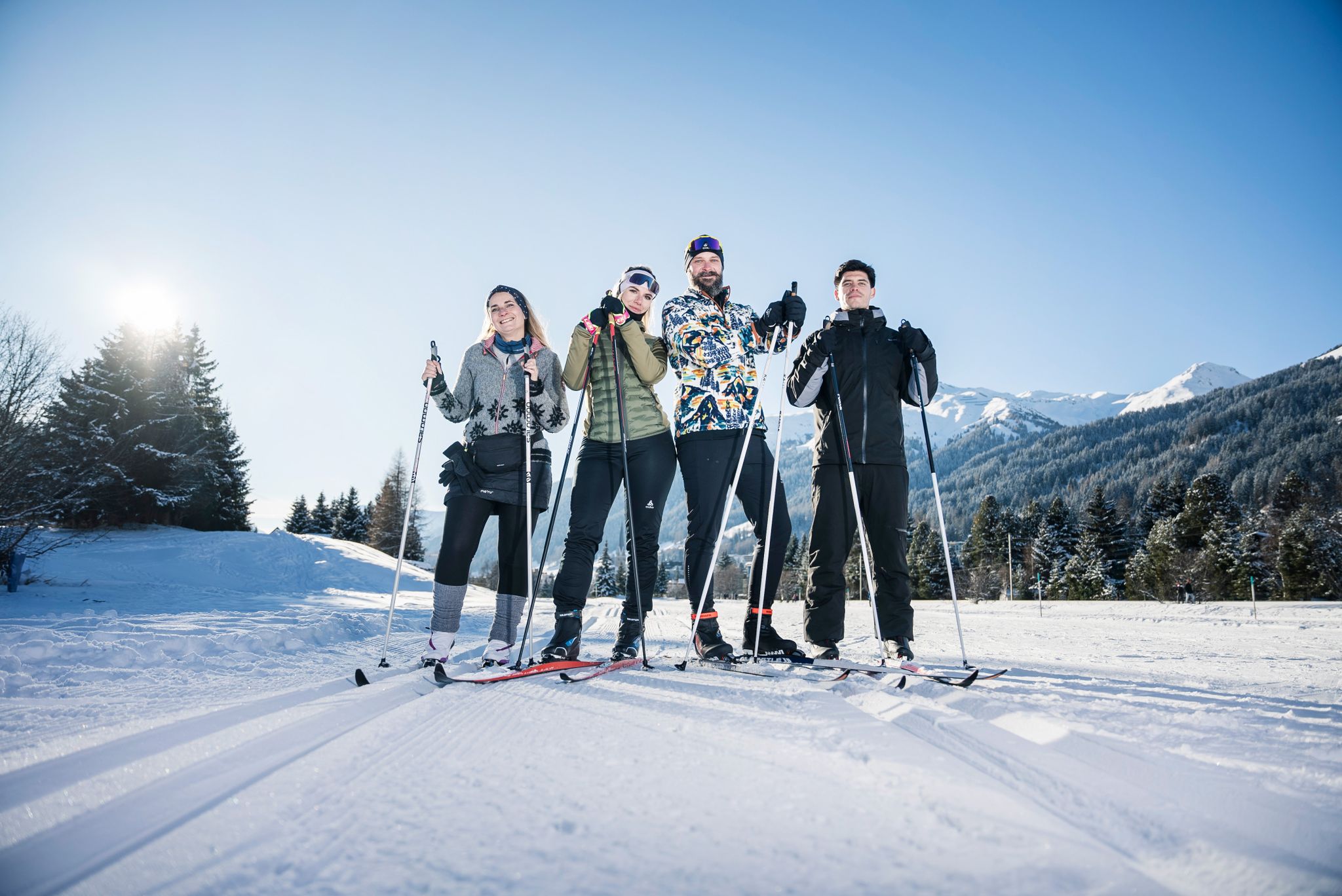
«Everyone runs long»: Cross-country ski trail tips from Graubünden
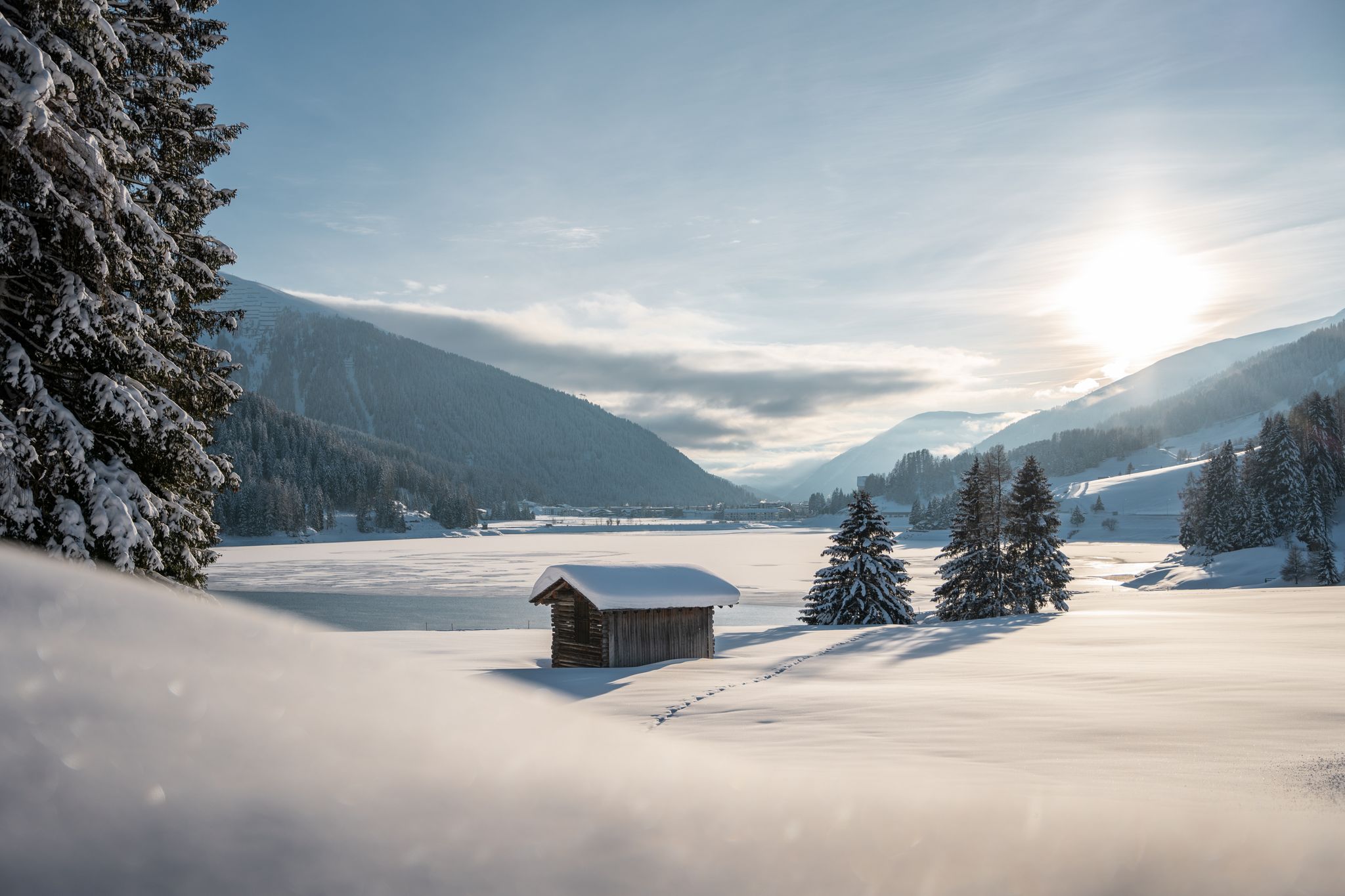
In the snow paradise – winter hiking in Davos Klosters
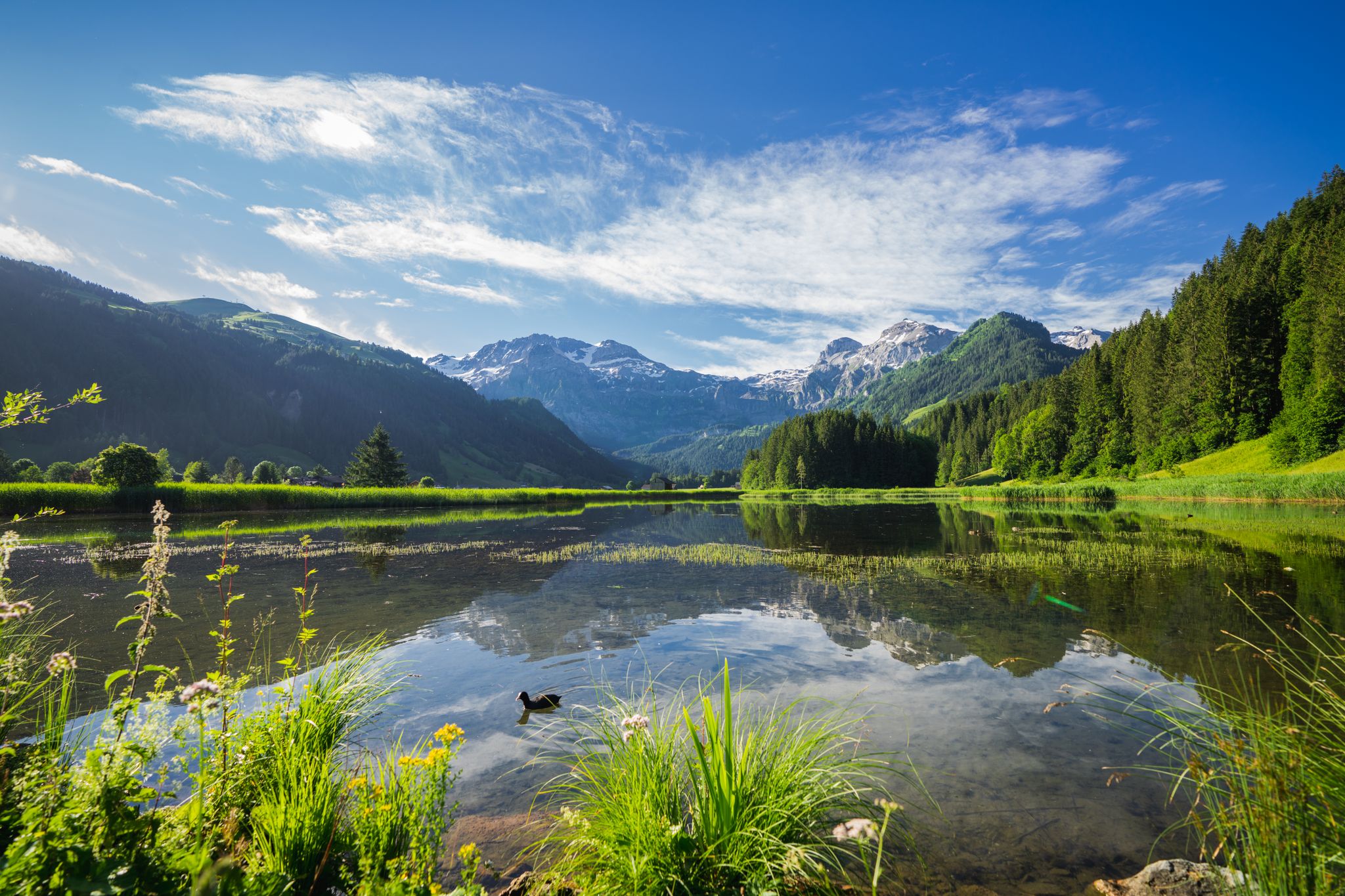
Alpine flowers and lunar craters – hiking in the Bernese Oberland
Indulgence to the power of two – culinary delights and winter hiking in Flims Laax
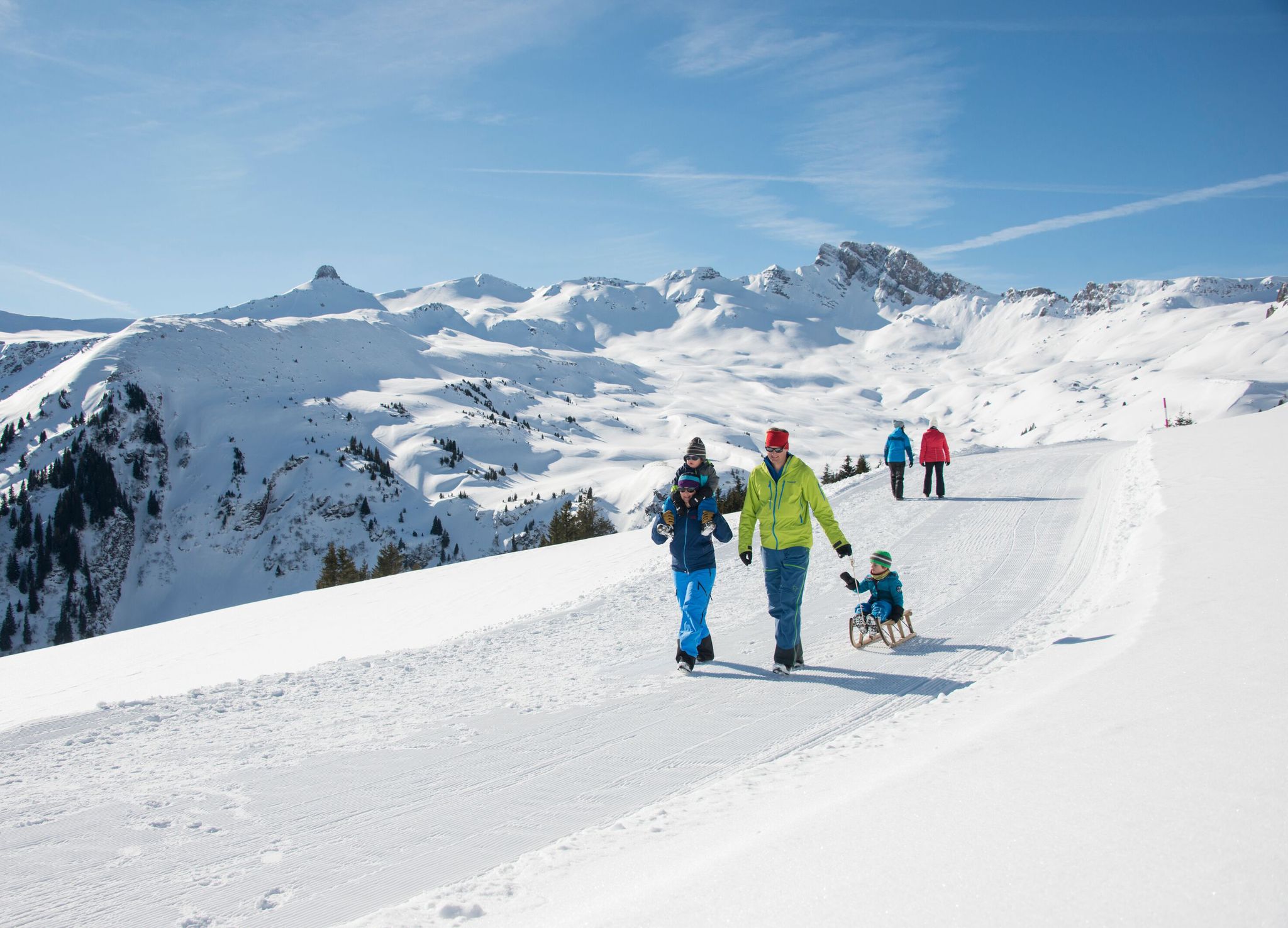
Family-friendly winter hikes in Eastern Switzerland
Other adventures in Switzerland


Tips from the Community

Our mountain guesthouse has seen many a proud face after the steep climb. The guesthouse, in its current form, has existed since 1860, making it one of the oldest mountain inns in Switzerland. Pastor Ulmann was the first hermit to live in the hermitage in the Wildkirchli in 1658. More than 20 men followed his example until 1853, shaping the history of the Wildkirchli as hermits and first hosts. Since then, this mystical place has fascinated generations. Stories are told of little wild people who are said to have once lived in the Wildkirchli caves and come to the aid of the herdsmen. The Aescher inspires poets and artists to create new works. Bones of cave bears and stone tools bear witness to the cave as an ancient shelter. Source: https://aescher.ch/
14
1
Very beautiful mountain lake at 1447 m above sea level, which, like the Sämtiser and Seealpsee, is part of the Alpstein. Ideal for cooling off after a hike. When there is no wind, the mountains are beautifully reflected in the water.
5
0

Hoher Kasten – TOP OF APPENZELL On the Hoher Kasten, the Swiss lookout mountain, the mountains are at your feet. The Hoher Kasten cable car takes you from Brülisau to 1,794 meters above sea level in eight minutes, where unique views of six countries await you. You can experience the 360° panorama not only on the barrier-free European circular route, but also in the only revolving restaurant in Eastern Switzerland – culinary delights included. The Alpine Garden, the plant paradise on the summit, also leaves a lasting impression. Or do you want to discover the most beautiful hiking trails in the Alpstein from the Hoher Kasten? Text / Source: Hoher Kasten revolving restaurant, and cable car AG, Dorf 22, 9058 Brülisau https://www.hoherkasten.ch/
17
3
Hoher Kasten revolving restaurant Just sit down and enjoy "rondom". In the only revolving restaurant in Eastern Switzerland on the Hoher Kasten, guests experience a limitless, changing 360° view. While the view stretches from the impressive backdrop of the Alpstein, across the lovely Appenzellerland to the expanse of Lake Constance, we spoil you with seasonal and regional specialties. The revolving restaurant is open daily from April to February during the cable car's operating hours and is easily accessible by lift for guests with limited mobility. Text / Source: Appenzellerland Tourismus AI, Hauptgasse 38, CH-9050 Appenzell https://www.appenzell.ch/de/alpstein/berggasthaeuser/drehrestaurant-hoher-kasten.html
14
2
Walk up and enjoy the 360° view twice.
8
2

At 2,502 meters, the Säntis is the highest mountain in the Alpstein Mountains. The Säntis lies on the border between the cantons of Appenzell Innerrhoden, Aargau, and St. Gallen. The mountains are composed of limestone and marl. The cable car takes hikers from Schwägalp up the mountain. Even in June, snow lies here and temperatures are icy. From the Säntis, you can enjoy a panoramic view of the Alpstein Mountains, the Appenzellerland, Lake Lucerne, and Lake Constance.
7
0

Always worth a visit ☝🏻whatever the weather
4
0

Actually a nice tour - until you get to the top of the building, because this clearly disturbs the view. The all-round view on the summit is good again, only often a bit crowded.
5
0
Frequently Asked Questions
What are some of the most popular natural monuments in Switzerland?
Switzerland boasts many stunning natural monuments. Among the most popular are Lake Oeschinen, known for its deep-blue waters surrounded by towering peaks, and the majestic Rhine Falls, Europe's largest waterfall. Visitors also frequently seek out Seealpsee, a beautiful mountain lake in the Alpstein region.
Are there family-friendly natural monuments in Switzerland?
Yes, many natural monuments in Switzerland are suitable for families. Lake Oeschinen is a great option, offering relatively easy access and boat rentals. The Rhine Falls also provide various viewing platforms and boat rides that are enjoyable for all ages. Additionally, the Aare Gorge near Meiringen offers a well-maintained, accessible path through its narrow rock formations.
What outdoor activities can I do near Switzerland's natural monuments?
The areas around Switzerland's natural monuments offer a wide range of outdoor activities. You can find numerous hiking opportunities, from easy strolls to challenging alpine treks. For example, there are many easy hikes in Switzerland, including scenic trails around lakes and glaciers. Mountain biking and gravel biking are also popular, with guides like Gravel biking in Switzerland and MTB Trails in Switzerland providing route ideas.
Which natural monuments showcase unique geological formations?
Switzerland is rich in unique geological formations. The Creux du Van, a massive horseshoe-shaped rock amphitheater, is a prime example of glacial and erosional forces. The Ruinaulta, often called the 'Swiss Grand Canyon,' is another dramatic river gorge carved through limestone cliffs. For a deep dive into tectonic forces, the Glarus Thrust is a UNESCO World Heritage Site where ancient rock layers sit atop much younger ones, illustrating immense geological shifts.
What is the best season to visit Switzerland's natural monuments?
The best season largely depends on the specific monument and desired activities. Summer (June to September) is ideal for hiking, swimming in alpine lakes like Oeschinensee, and enjoying lush landscapes. Spring (April to May) offers blooming wildflowers and fewer crowds, while autumn (October) provides stunning fall foliage. Some lower-altitude sites like the Rhine Falls or Aare Gorge are accessible year-round, though winter conditions can affect access to higher alpine areas.
Are any natural monuments in Switzerland open in winter?
Many natural monuments remain accessible or offer unique experiences in winter. The Rhine Falls are impressive year-round, often surrounded by snow and ice in colder months. Lower-altitude gorges like the Aare Gorge might have limited access or specific winter paths. Higher alpine areas, while often covered in snow, become popular for winter sports, and some viewpoints, like those overlooking the Matterhorn or Aletsch Glacier, can be reached via cable car or train.
How can I reach Switzerland's natural monuments by public transport?
Switzerland has an excellent public transport network, making many natural monuments accessible by train, bus, or cable car. For instance, Lake Oeschinen can be reached via a cable car from Kandersteg, which is served by train. The Lauterbrunnen Valley, home to numerous waterfalls, is easily accessible by train. Planning your journey using the Swiss Federal Railways (SBB) website or app is highly recommended for detailed connections.
Are there less crowded natural monuments in Switzerland?
While popular sites can get busy, especially on weekends and during peak season, you can find less crowded options. Consider visiting during the shoulder seasons (spring or late autumn) or on weekdays. Exploring lesser-known trails in the Swiss National Park or visiting the Fählensee, a beautiful mountain lake in Appenzell, can offer a more tranquil experience away from the main tourist hubs.
What kind of wildlife can I expect to see at Switzerland's natural monuments?
Switzerland's diverse natural monuments are home to a variety of wildlife. At the Creux du Van, you might spot ibex, chamois, and marmots. The Swiss National Park is a haven for wildlife, including ibexes, chamois, marmots, bearded vultures, and golden eagles. In alpine regions, keep an eye out for various bird species and smaller mammals. Remember to observe wildlife from a distance and avoid disturbing their natural habitats.
What should I wear when hiking near Swiss natural monuments?
When hiking near Swiss natural monuments, it's essential to dress in layers, as weather conditions can change rapidly, especially in mountainous areas. Sturdy, waterproof hiking boots with good ankle support are crucial. Bring rain gear (jacket and pants), even on sunny days. Depending on the season and altitude, include warm layers, a hat, gloves, and sun protection (sunscreen, sunglasses, hat). Always check the local weather forecast before heading out.
Can I bring my dog to Switzerland's natural monuments?
Many natural monuments and hiking trails in Switzerland are dog-friendly, but rules can vary. It's generally advisable to keep dogs on a leash, especially in nature reserves, near livestock, or in crowded areas. Some cable cars or public transport might require dogs to wear a muzzle or pay a small fee. Always check specific regulations for the monument or park you plan to visit, such as the Swiss National Park which has strict rules regarding dogs to protect wildlife.
What makes the Aletsch Glacier a significant natural monument?
The Aletsch Glacier is significant as the longest glacier in the Alps and a UNESCO World Heritage Site. It's a monumental example of glacial power, offering impressive ice formations and providing valuable insights into glacial dynamics and climate change. Its sheer size and the dramatic landscapes it has carved make it a truly awe-inspiring natural wonder, best viewed from vantage points like Eggishorn.
Most popular routes in Switzerland
Most popular attractions in Switzerland

Get inspired with the komoot mobile app


Didn’t find what you were looking for?
Find even more amazing natural monuments in Switzerland by checking out the top Highlights region by region:
Explore more
Extend your search for the best caves by checking out these guides of the top ones in Switzerland:
