Top 20 Castles at the Baltic Sea
Best castles at the Baltic Sea are found across a region rich in history and diverse landscapes. This area, encompassing coastal stretches and islands, features a variety of architectural marvels from medieval fortresses to opulent palaces. These structures offer insights into the region's past, including its strategic importance and cultural heritage. The Baltic Sea's natural setting provides a scenic backdrop for exploring these historical sites.
Best castles at the Baltic Sea
- The most popular castles is Mellenthin Water Castle, a castle built between 1575 and 1596. It houses a hotel, a brewery, and a coffee roastery, and hosts various medieval festivals during summer months.
- Another must-see spot is Glücksburg Castle, a moated castle considered one of the most important residential castles in Northern Germany. Visitors can explore the castle and enjoy new perspectives from the well-developed hiking and cycling path around the Schloßsee.
- Visitors also love Spyker Castle, a three-story plastered brick building from the 16th century with four round corner towers. It is considered the oldest secular building on the Baltic Sea island of Rügen and now operates as a hotel.
- The Baltic Sea is known for its medieval fortresses, opulent palaces, and moated castles. Visitors can explore a variety of castles, from 13th-century ruins to well-preserved 18th-century residences.
- The castles at the Baltic Sea are appreciated by the komoot community, with more than 2500 upvotes and over 1700 photos shared by visitors.
Last updated: October 9, 2026
Mellenthin Water Castle
Highlight • Castle
Not far from the castle, in the village center, is the old church with very old graves (unfortunately, some of them belonging to small children!). The two ancient oak trees on the grounds are particularly remarkable!
One of the oak trees is listed as a natural monument and was estimated to be 670 years old in 2017!
Translated by Google •
Tip by

Granitz Hunting Lodge
Highlight • Castle
The castle was once a residence for princely guests during the hunting season. Today it is a very popular destination for young and old. With over 250,000 visitors a year, it is the most visited castle in Mecklenburg-Western Pomerania.
Translated by Google •
Tip by

Sign up now to discover places like this
Get recommendations on the best single tracks, peaks, & plenty of other exciting outdoor places.
Spyker Castle
Highlight • Castle
Translated by Google •
Tip by

Glücksburg Castle
Highlight • Castle
Translated by Google •
Tip by

Feston Avenue at Bothmer Castle
Highlight • Historical Site
Translated by Google •
Tip by
Sign up for free to discover even more castles at the Baltic Sea.
Already have an account?
Start today with a free account
Your next adventure awaits.
Popular around Baltic Sea
Autumn walks on Fehmarn – between coast and culture
Triathlon around Germany
Seaside Trail – the beauty and majesty of the Baltic beaches
Velo Baltica – Seaside classic for the summer
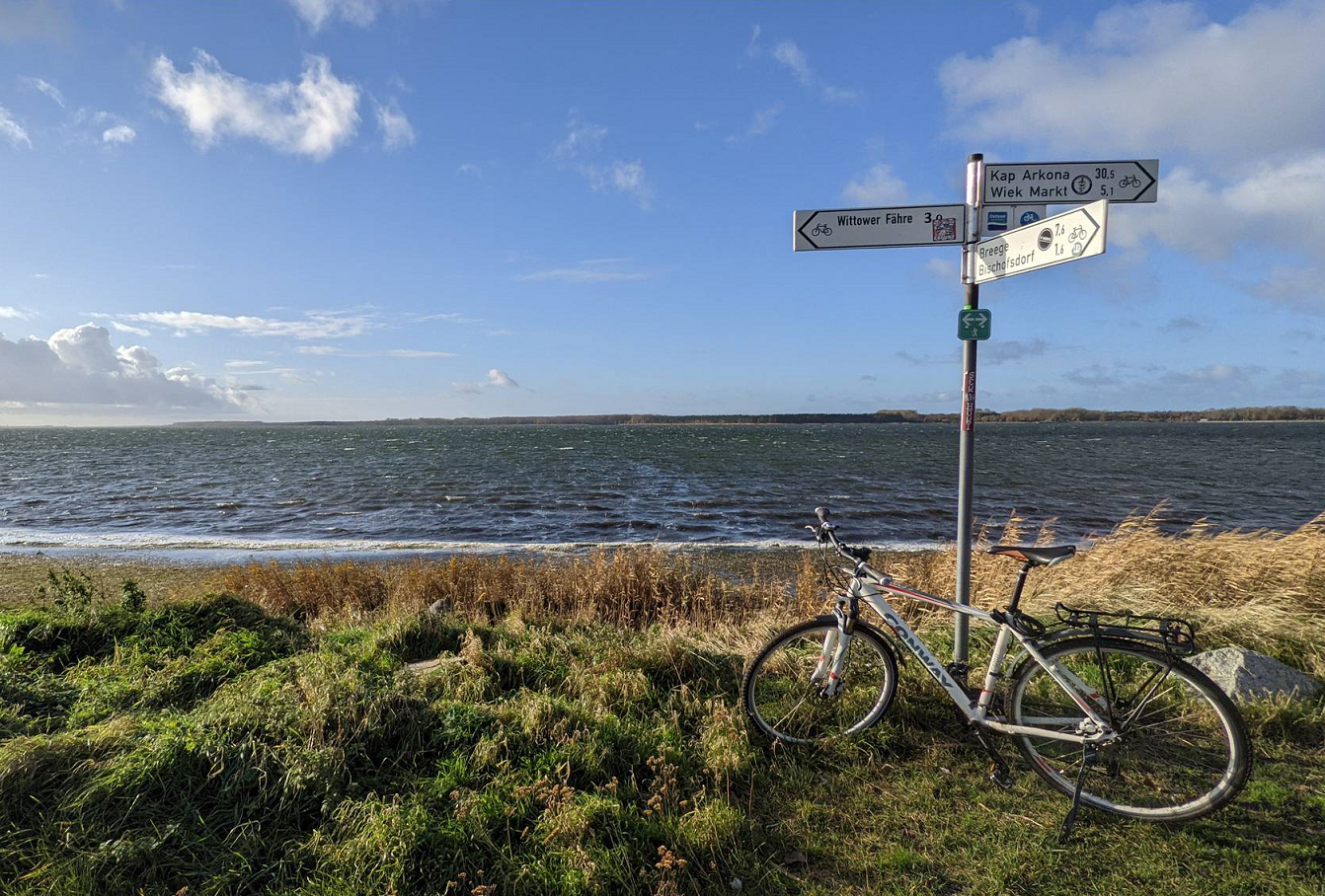
The Rügen circular route – Riding around Germany's largest island
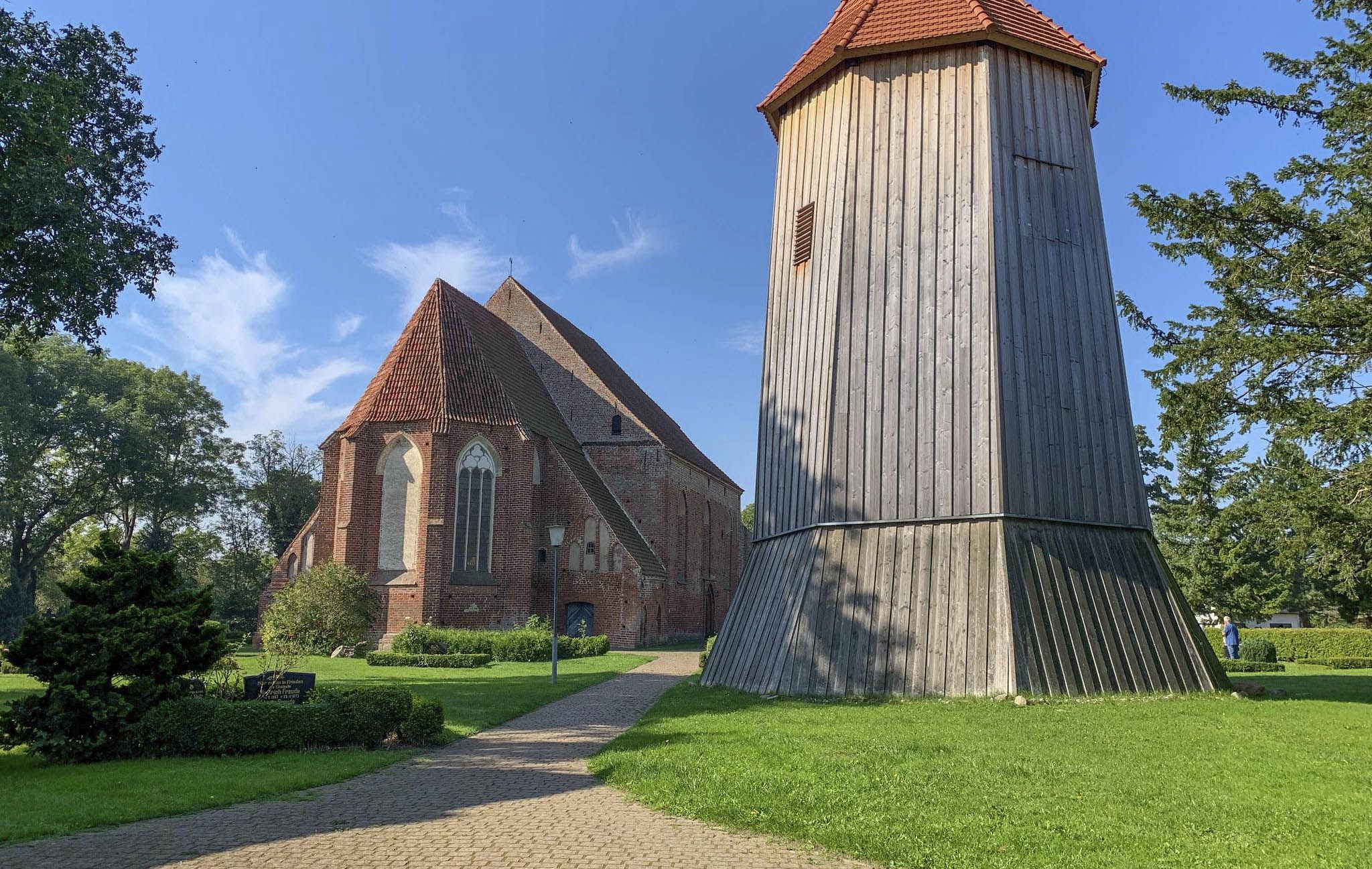
Discover Brick Gothic by bike in Germany's Western Pomerania
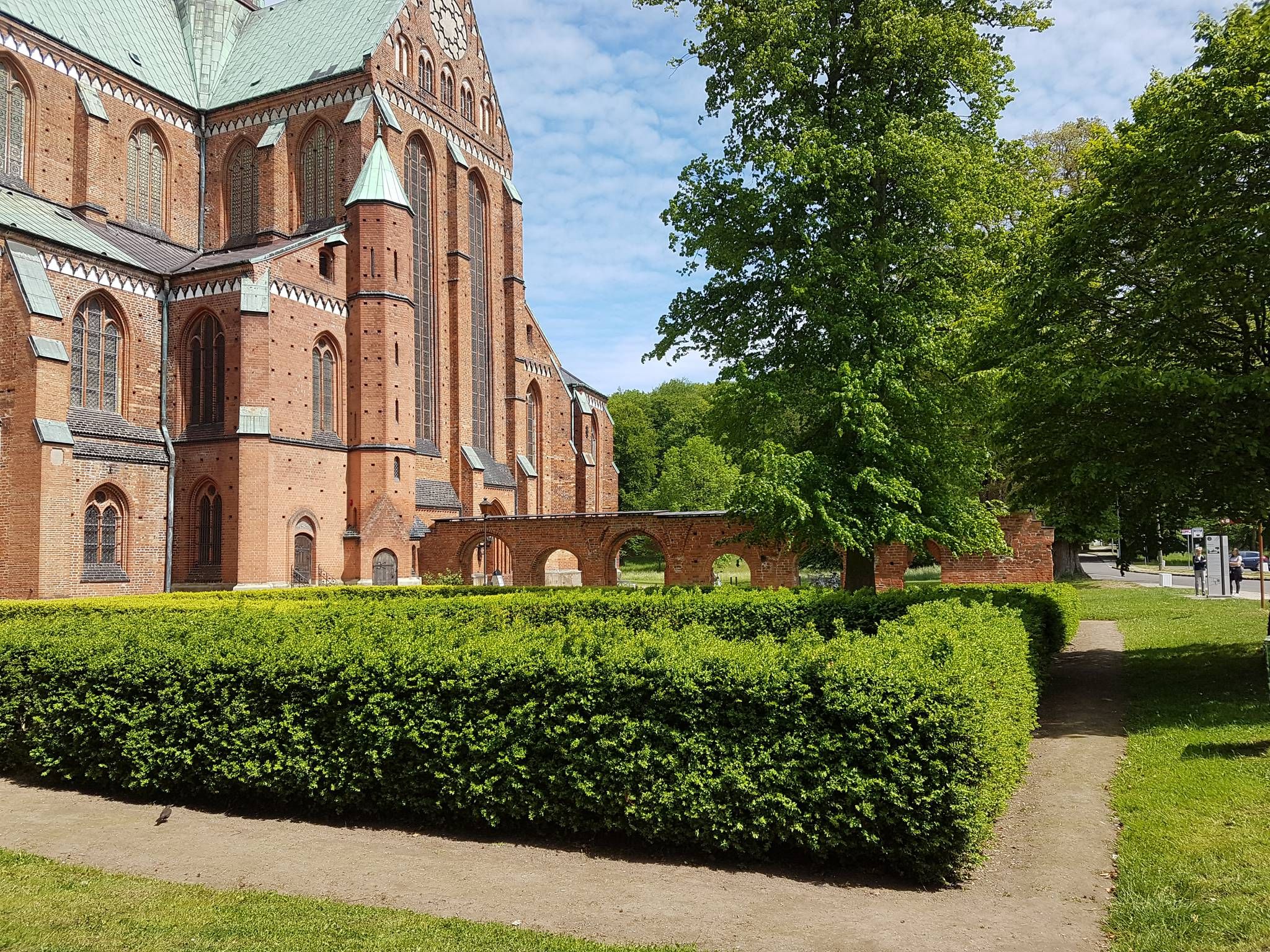
Discover Brick Gothic architecture by bike in Mecklenburg
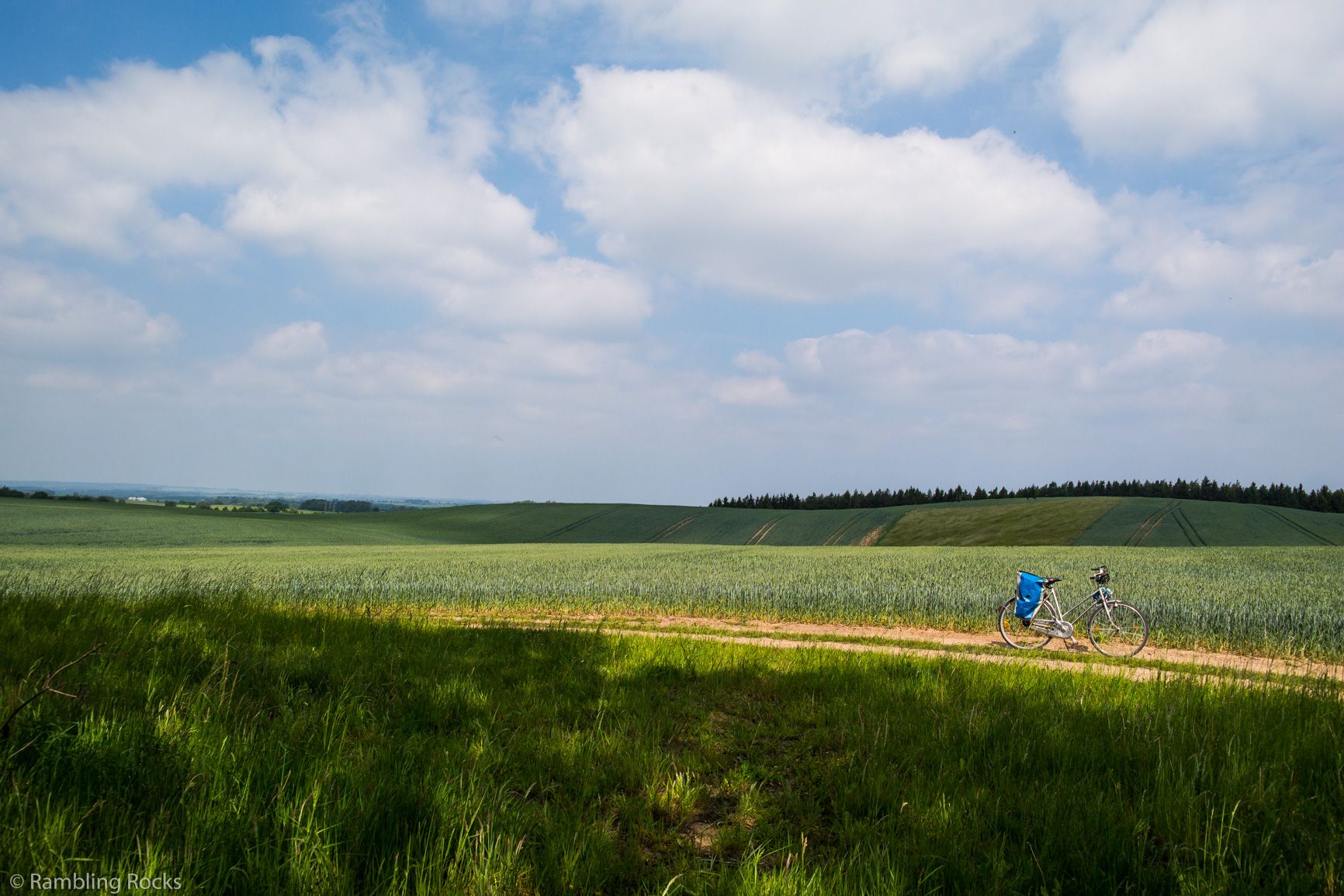
The Hanseatic Way – Cycling across North Germany to Poland, follow the cog!
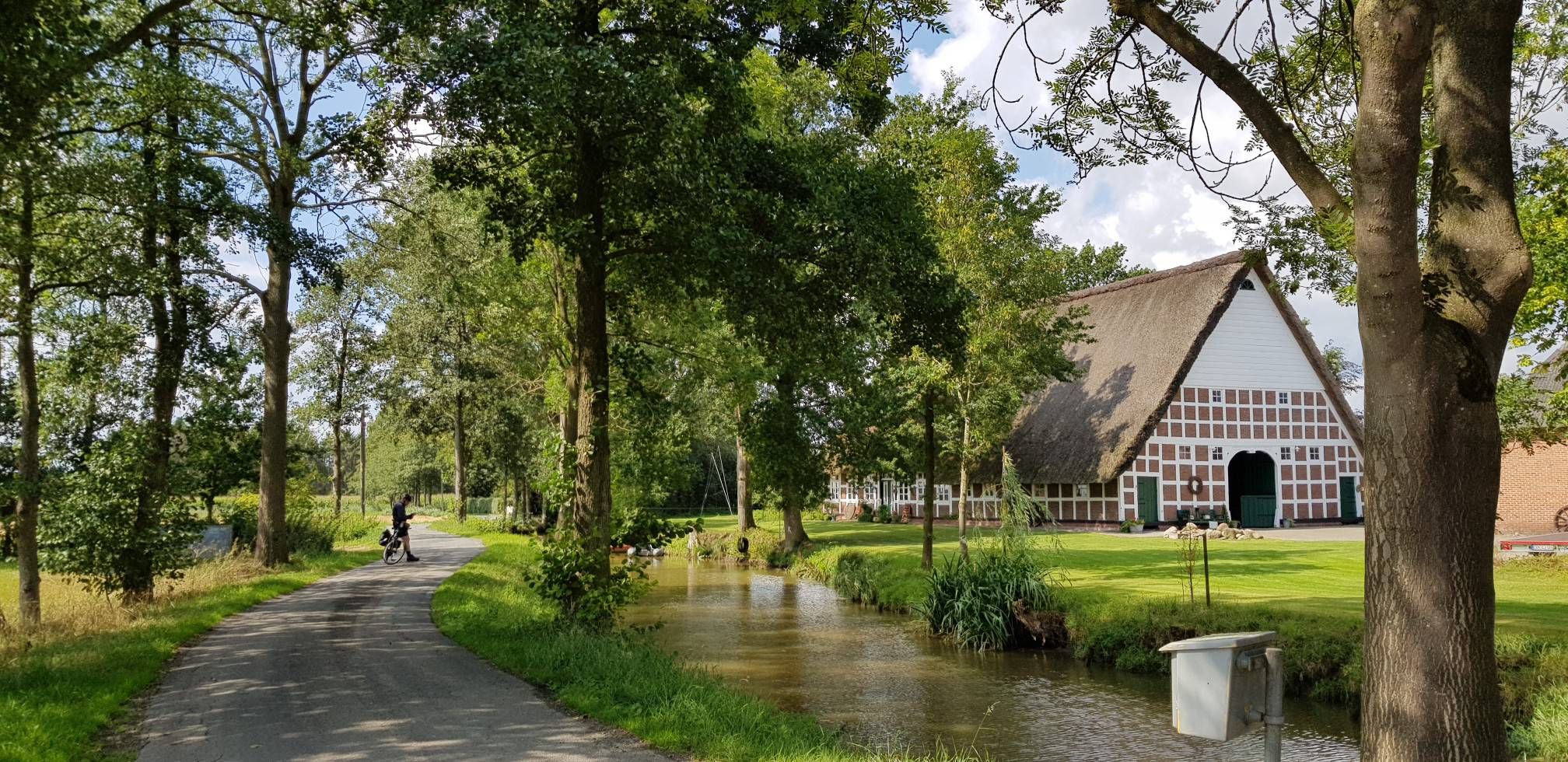
The Monks' Trail – From Bremen to the Baltic Sea
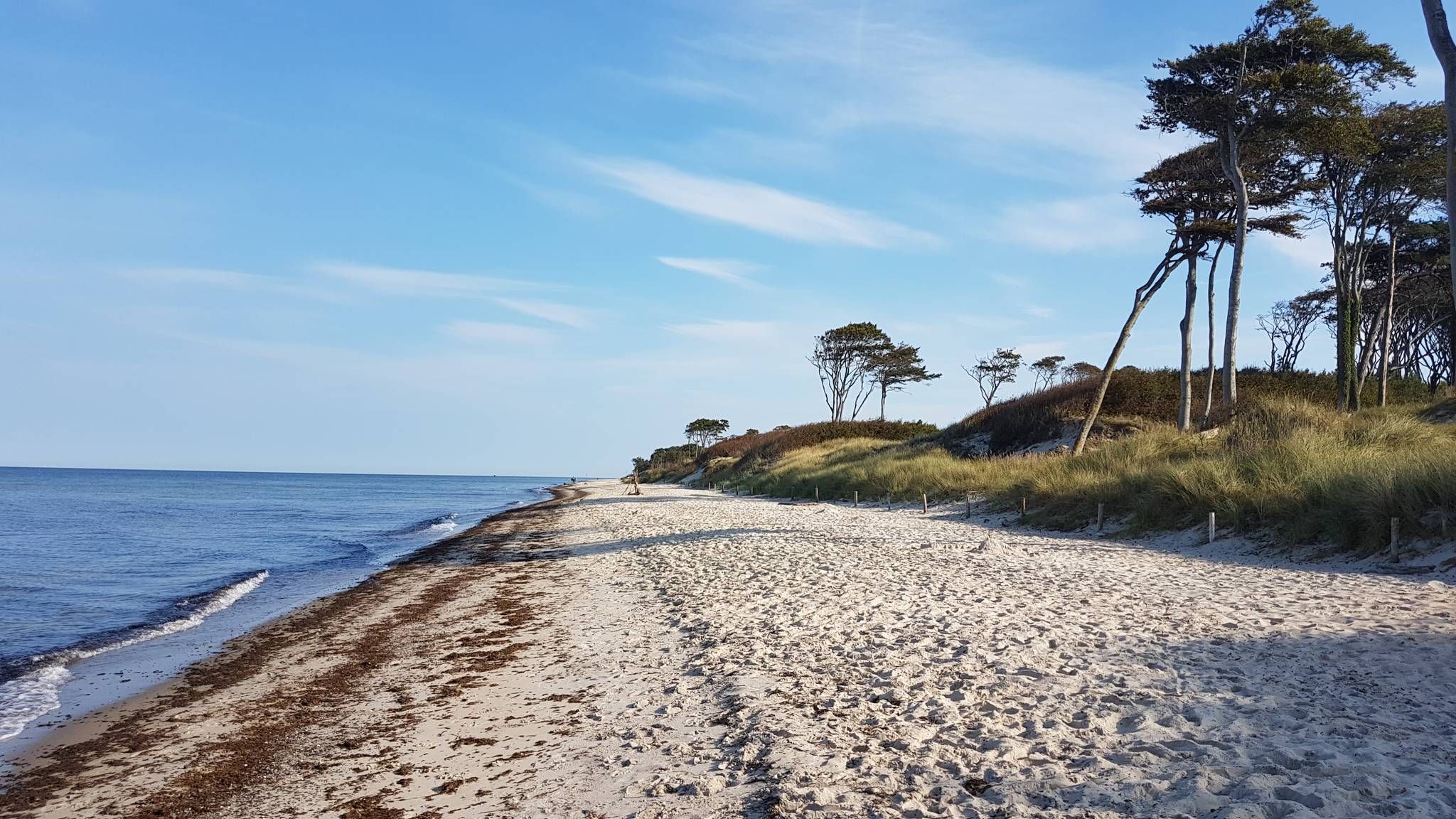
The E9 along the Baltic Sea — Explore an epic coastline
Other adventures at the Baltic Sea


Tips from the Community

In winter, when the trees are leafless, you can catch a great view of the hunting lodge.
13
0

The Spy(c)ker estate and castle are located in the municipality of Glowe in the Vorpommern-Rügen district in Mecklenburg-Western Pomerania. Spycker Castle is considered the oldest secular building on the Baltic Sea island. Spycker was first mentioned in 1318. At that time it belonged to the Stralsund patrician von Külpen family. In 1344 a daughter from the von Külpen family married into the Jasmund family. This is how the Spyker branch was founded by Jasmund, which died out in 1648. The castle is a rectangular, three-story plastered brick building from the 16th century. What is striking are the four round corner towers, which still make the building look like a castle today.[ Source: https://de.m.wikipedia.org/wiki/Schloss_Spycker
15
0

Beautiful property with a small market in the yard. However, to get there, a bridge toll of 2 euros per person has to be paid. You would get the bridge duty charged when you eat it, but that took too long for us
12
1

The moated castle is an absolute highlight.
15
0

A wonderful highlight and really nice photo motif, a must when visiting Bothmer Castle and making a small detour here... there are many great photo motifs
8
0

The Granitz hunting lodge was built between 1837 and 1846 on the 107-metre-high forested Tempelberg near Binz. From the 38 meter high central tower, which was only added in 1844, you have a fantastic panoramic view of Rügen and you can see Binz Bay. The castle was once a residence for princely guests during the hunting season. Today it is a very popular destination for young and old. With over 250,000 visitors a year, it is the most visited castle in Mecklenburg-Western Pomerania.
10
0
The Spycker Manor Castle is the oldest secular building on the island of Rügen. Thanks to the four round corner towers, the building may look like a castle, but the inside of the castle surprises. Because the Gutsschloss, which has been in operation as a hotel and restaurant since 2006, has a very modern interior design. A visit to the “wedding tree” here on the farm is also worthwhile. It is said that when a groom carries his bride through the tree, the marriage lasts forever.
11
0
The Festonallee at Bothmer Castle is an avenue of lime trees, the trees of which have grown like trellises. Especially in spring it is a magical sight for the visitor when the trees have their fresh leaves. It is therefore no wonder that it is one of the most photographed avenues in northwest Mecklenburg.
8
1
Frequently Asked Questions
What historical significance do castles in the Baltic Sea region hold?
Castles in the Baltic Sea region are rich in history, reflecting centuries of strategic importance and cultural heritage. They range from medieval fortresses, like the 13th-century Spyker Castle, to opulent Baroque palaces. Many were built by the Teutonic Order or served as seats for powerful noble families, offering insights into the region's past, including the Livonian Crusades and the Polish-Lithuanian Commonwealth.
Are there any UNESCO World Heritage castles in the Baltic Sea region?
Yes, Malbork Castle in Poland is a UNESCO World Heritage site. It is the largest castle in the world by land area and an exemplary Gothic brick-built complex, originally a fortified monastery and later the seat of the Grand Master of the Teutonic Order.
Which castles offer a glimpse into medieval life?
Several castles provide an immersive medieval experience. Cēsis Castle in Latvia, a 13th-century ruin, offers a unique exploration with lanterns to navigate its dark staircases. Kuressaare Episcopal Castle in Estonia, an intact 14th-century fortress, allows visitors to explore its network of halls and learn about medieval Estonian life. Malbork Castle also vividly showcases the legacy of the Teutonic Order.
Are there family-friendly castles to visit in the Baltic Sea region?
Many castles in the Baltic Sea region are family-friendly. For example, Granitz Hunting Lodge in Germany is a popular destination for all ages, offering a thrilling climb up its central tower for panoramic views. Mellenthin Water Castle hosts medieval festivals during summer months, providing entertainment for families. Norviliškės Castle in Lithuania even offers activities like axe throwing and horse riding.
Which castles offer scenic views or unique natural settings?
The Baltic Sea region boasts castles in stunning natural settings. Granitz Hunting Lodge provides fantastic panoramic views of Rügen and Binz Bay from its central tower. Trakai Island Castle in Lithuania is strikingly situated on an island in Lake Galvė, while Schwerin Castle in Germany is located on an island in Schwerin's largest lake. Kuressaare Episcopal Castle in Estonia sits on an artificial island facing the Baltic Sea.
Can I find castles with unique garden designs?
Yes, some castles feature remarkable gardens. Rundāle Palace in Latvia is renowned for its opulent architecture and stunning gardens, designed by Francesco Bartolomeo Rastrelli. Bothmer Castle in Germany features a unique 270-meter-long Feston Avenue made from Dutch linden trees, grown like trellises. Cēsis Castle in Latvia also has a garden showcasing vegetables and medicinal plants cultivated 500 years ago.
What outdoor activities can I do near castles in the Baltic Sea region?
The region offers numerous outdoor activities. You can find easy hikes near castles, such as the Hike to the KÖNIGSSTUHL National Park Centre. For cycling enthusiasts, there are gravel biking routes like the Fehmarn Coastal Cycle Path. Running trails are also available, including the Baltic Sea Border Tower loop. Many castles, like Glücksburg Castle, are surrounded by well-developed hiking and cycling paths.
What is the best time of year to visit castles in the Baltic Sea region?
The best time to visit castles in the Baltic Sea region is generally during the warmer months, from late spring to early autumn (May to September). During this period, the weather is more pleasant for exploring castle grounds and enjoying outdoor activities. Many castles also host special events and festivals during the summer, such as the medieval festivals at Mellenthin Water Castle.
Are there castles that offer accommodation or dining options?
Yes, several castles in the region provide accommodation and dining. Mellenthin Water Castle houses a hotel, a brewery, and a coffee roastery. Spyker Castle also operates as a hotel with gastronomy. Rundāle Palace offers a 'royal holiday' experience with delicious meals and comfortable stays, and Saka Manor in Estonia features a restaurant and a unique beer spa.
What do visitors enjoy most about castles at the Baltic Sea?
Visitors particularly appreciate the diverse architecture, from medieval fortresses to opulent palaces, and the rich history embedded in each site. The scenic backdrops, often featuring lakes or coastal views, are also highly valued. Many enjoy the immersive experiences, such as exploring labyrinthine rooms, climbing towers for panoramic views, and participating in themed events. The komoot community has upvoted these castles over 2500 times and shared more than 1700 photos, highlighting their appeal.
Are there any unique or lesser-known castles worth visiting?
Beyond the major highlights, the Baltic Sea region has hidden gems. Kiiu Castle in Estonia is one of Europe's smallest medieval fortresses, a four-story tower house from the early 16th century. Norviliškės Castle in Lithuania is a 16th-century Renaissance castle with a monastery past, rumored to hide treasures. Jaunmoku Castle in Latvia, built as a hunting castle in 1901, now houses a forest museum.
Can I cycle to or around castles in the Baltic Sea region?
Absolutely. Many castles are accessible by bike, and some even have dedicated cycling paths around them. For instance, Glücksburg Castle has a well-developed hiking and cycling path around the Schloßsee, offering new perspectives. The region also features numerous gravel biking routes that pass by or near historical sites, allowing for scenic rides.
Most popular routes at the Baltic Sea
Most popular attractions at the Baltic Sea

Get inspired with the komoot mobile app


Explore more
Looking for the best castles somewhere else? Discover other guides at the Baltic Sea:
