Top 20 Natural Monuments at the Baltic Sea
Best natural monuments at the Baltic Sea feature diverse landscapes shaped by ice ages, wind, and water. This region offers dramatic cliffs, ancient forests, and unique coastal formations. These sites provide remarkable natural beauty and ecological significance, with varied opportunities for exploration.
Best natural monuments at the Baltic Sea
- The most popular natural monuments is Brodtener Cliffs, an area of impressive cliffs that is constantly changing due to natural forces. It offers scenic views over the Bay of Lübeck.
- Another must-see spot is Jasmund Chalk Cliffs and Beech Forests (UNESCO World Heritage Site), a natural monument featuring striking chalk cliffs and dense, ancient beech forests. Visitors can explore the Hochuferweg trail for spectacular coastal views.
- Visitors also love Nienhagen Ghost Forest, a forest characterized by trees with branches sculpted by strong winds. This unique environment provides an atmospheric experience along the steep coast.
- Baltic Sea is known for its diverse natural monuments, including dramatic cliffs, ancient forests, and unique coastal formations. The region offers a variety of natural landscapes to see and explore.
- The natural monuments at the Baltic Sea are appreciated by the komoot community, with more than 6000 upvotes and over 2600 photos shared across more than 1200 highlights.
Last updated: October 13, 2026
Nienhagen Ghost Forest
Highlight • Forest
Showing Translation
Tip by

Victoria view
Highlight • Viewpoint
Translated by Google •
Tip by

Sign up now to discover places like this
Get recommendations on the best single tracks, peaks, & plenty of other exciting outdoor places.
View of the Bodden in Nationalpark Vorpommersche Boddenlandschaft
Highlight • Viewpoint
Translated by Google •
Tip by

Brodtener Cliffs
Highlight • Gorge
Translated by Google •
Tip by

Jasmund Chalk Cliffs and Beech Forests (UNESCO World Heritage Site)
Highlight • Natural Monument
Translated by Google •
Tip by

Sign up for free to discover even more natural monuments at the Baltic Sea.
Already have an account?
Start today with a free account
Your next adventure awaits.
Popular around Baltic Sea
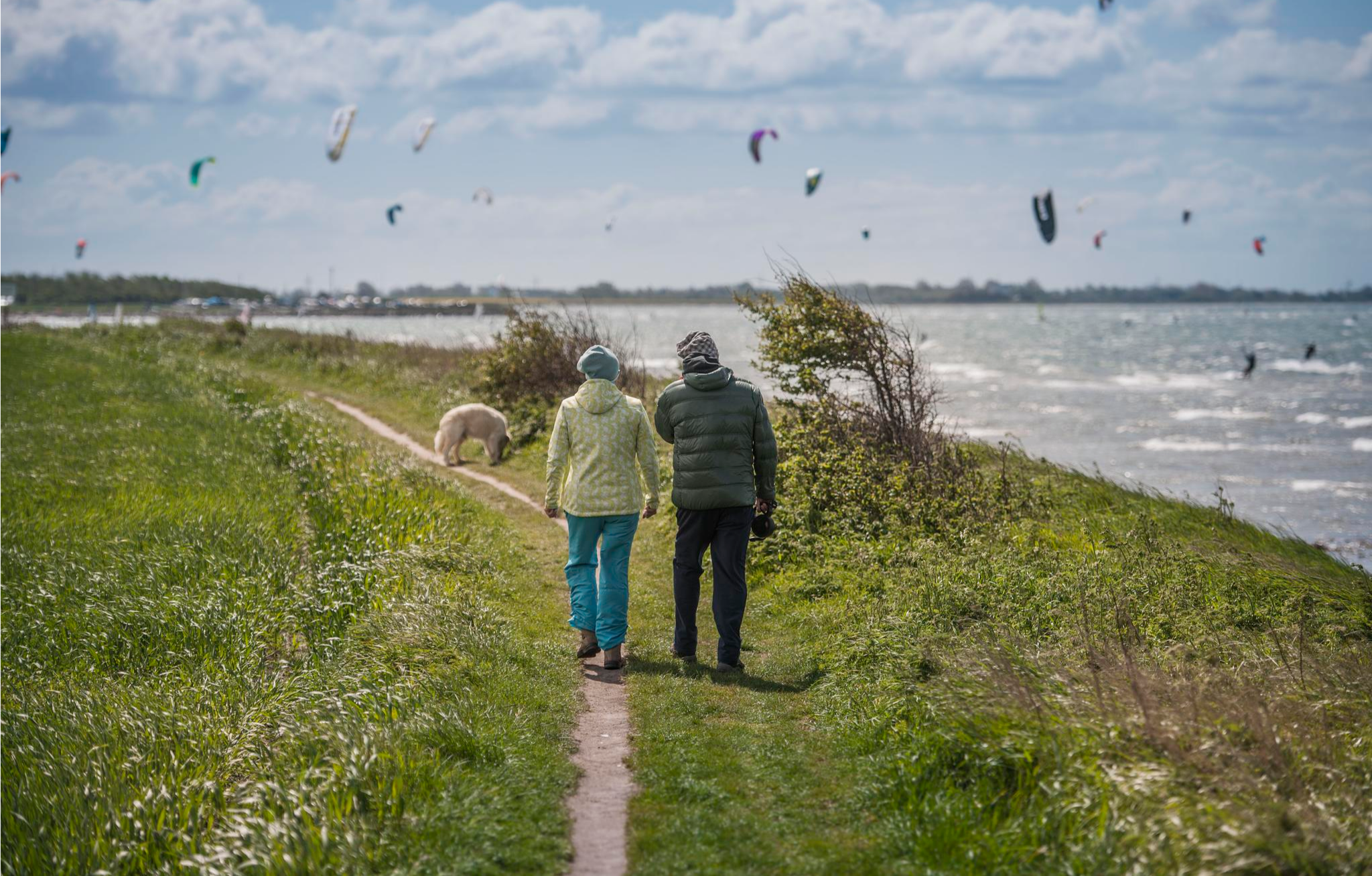
Autumn walks on Fehmarn – between coast and culture
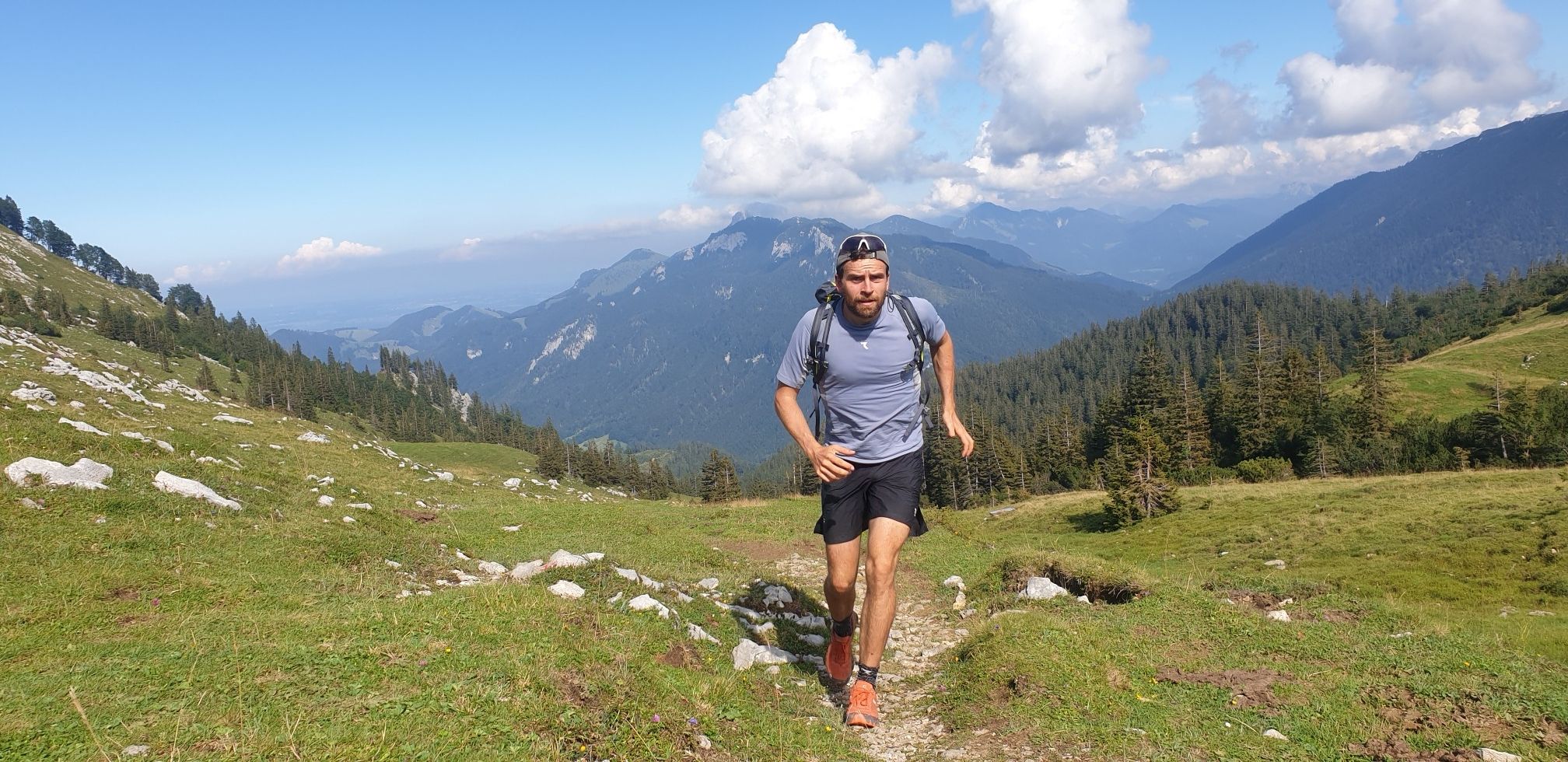
Triathlon around Germany
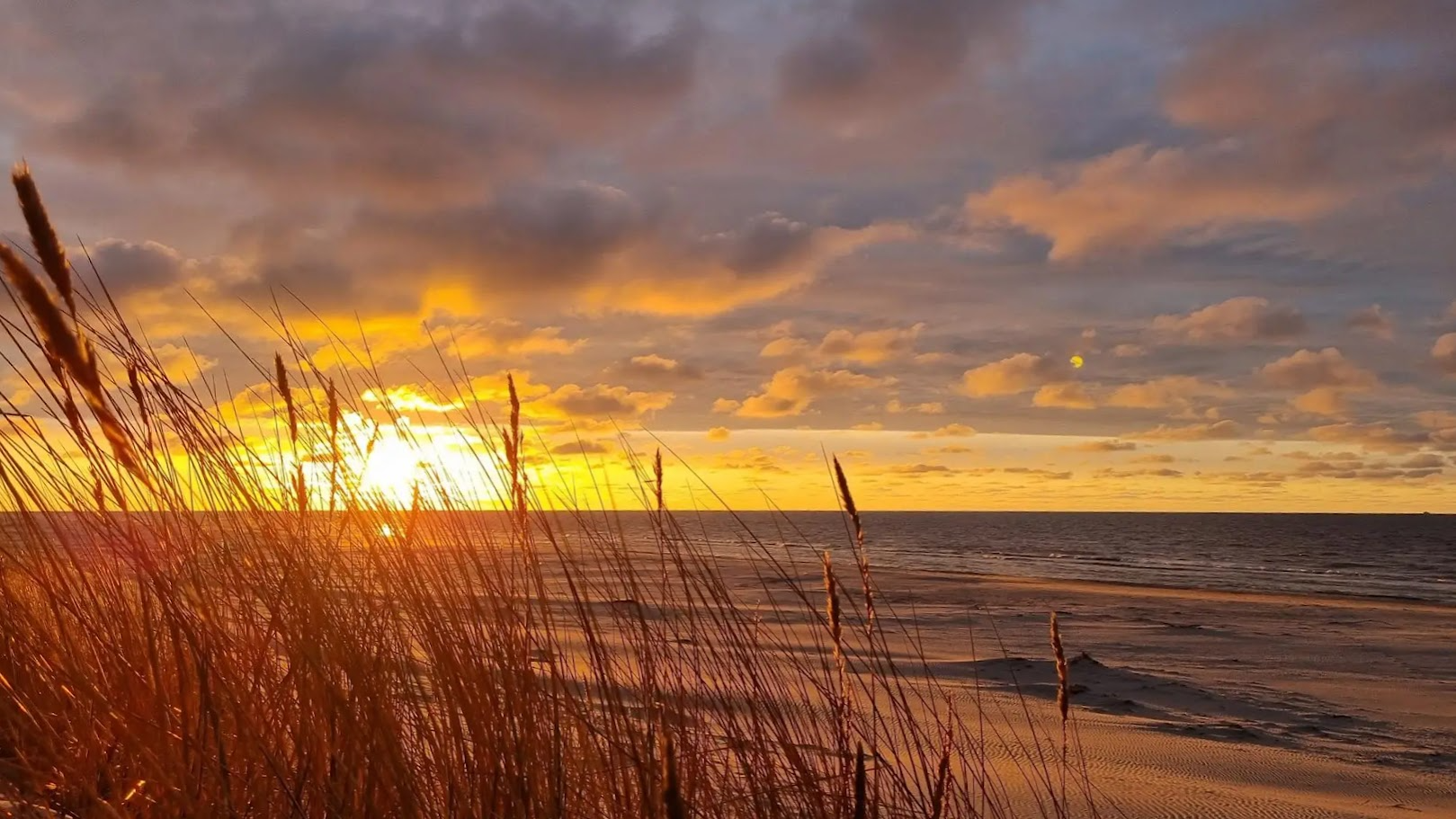
Seaside Trail – the beauty and majesty of the Baltic beaches
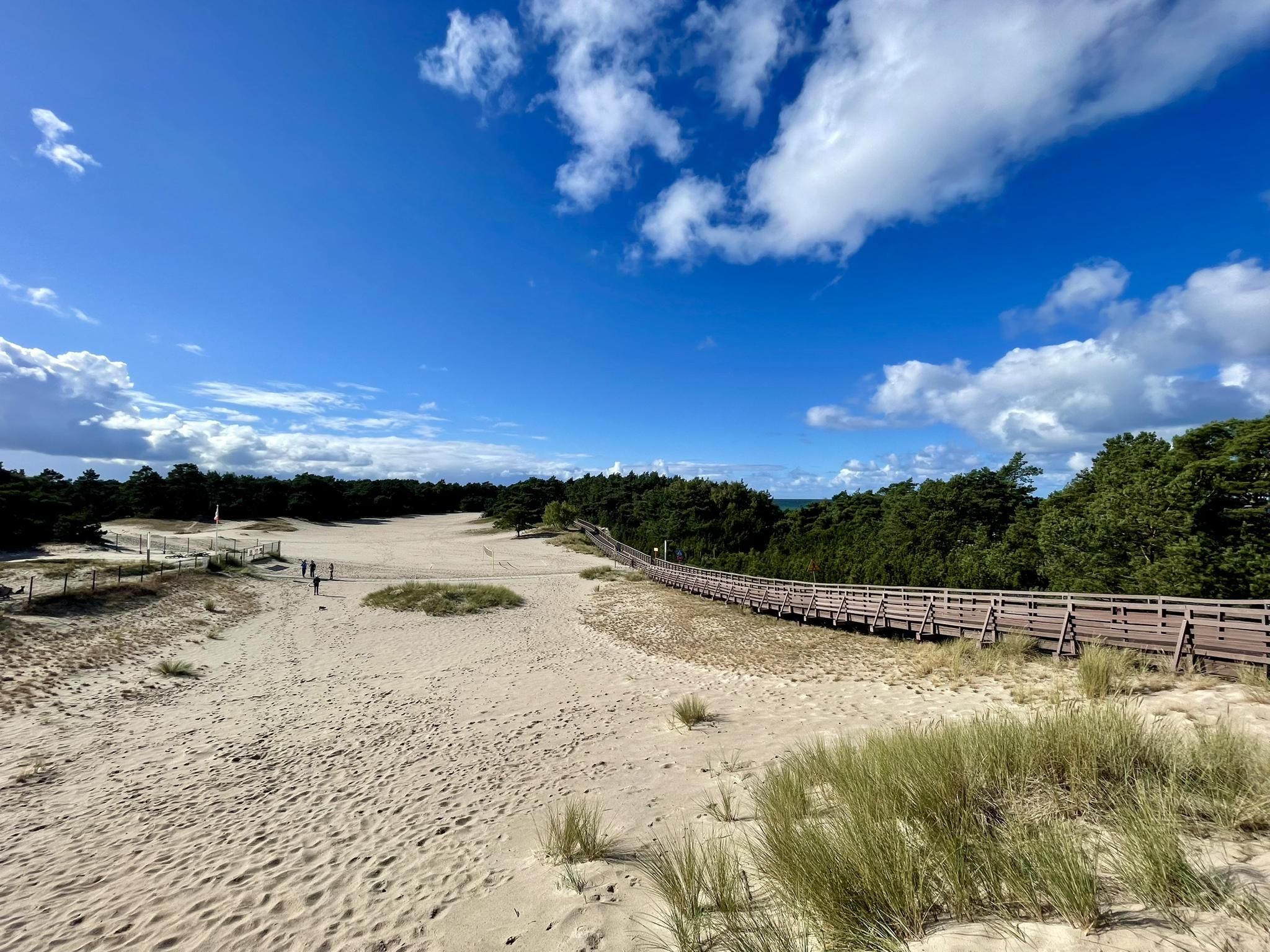
Velo Baltica – Seaside classic for the summer
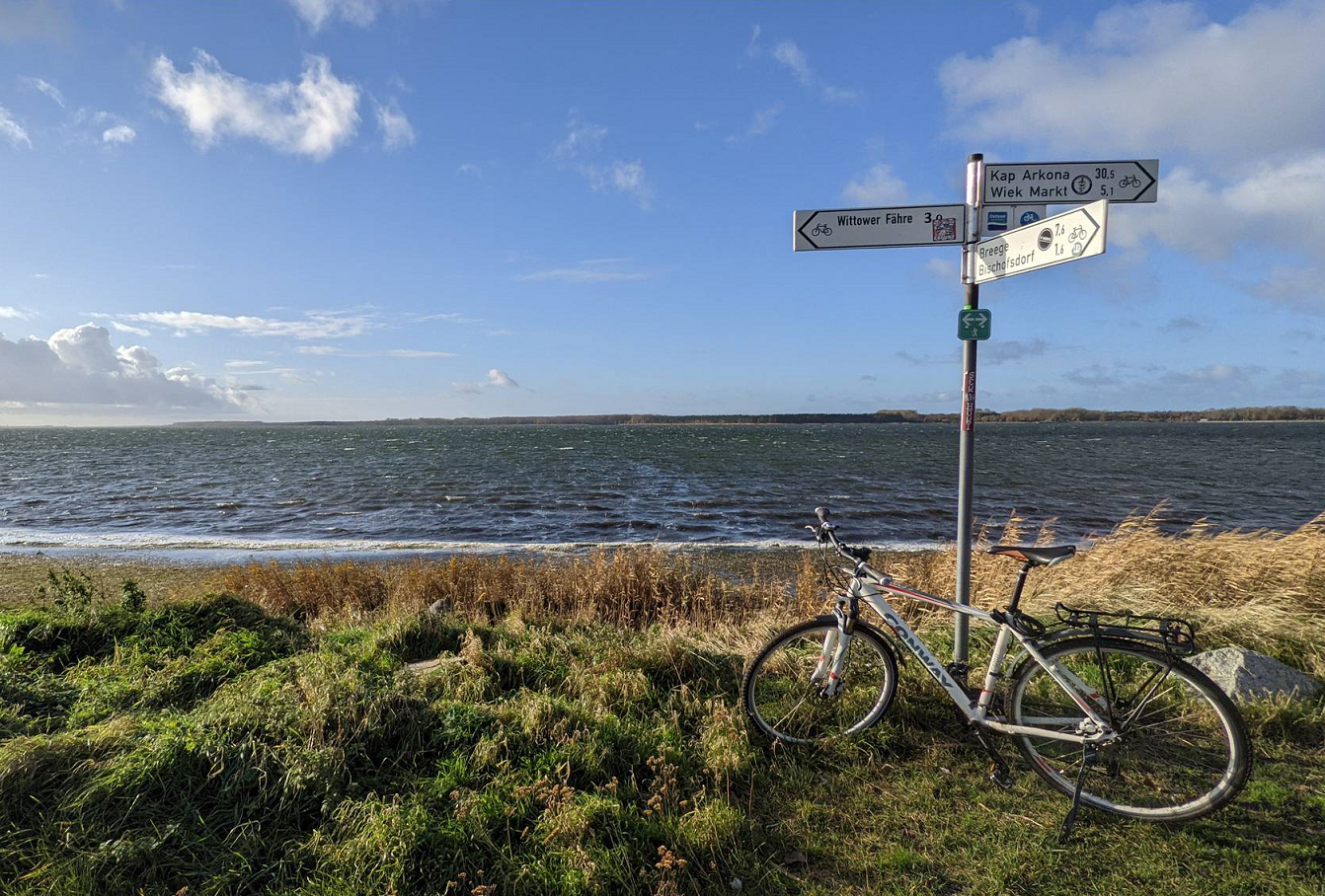
The Rügen circular route – Riding around Germany's largest island
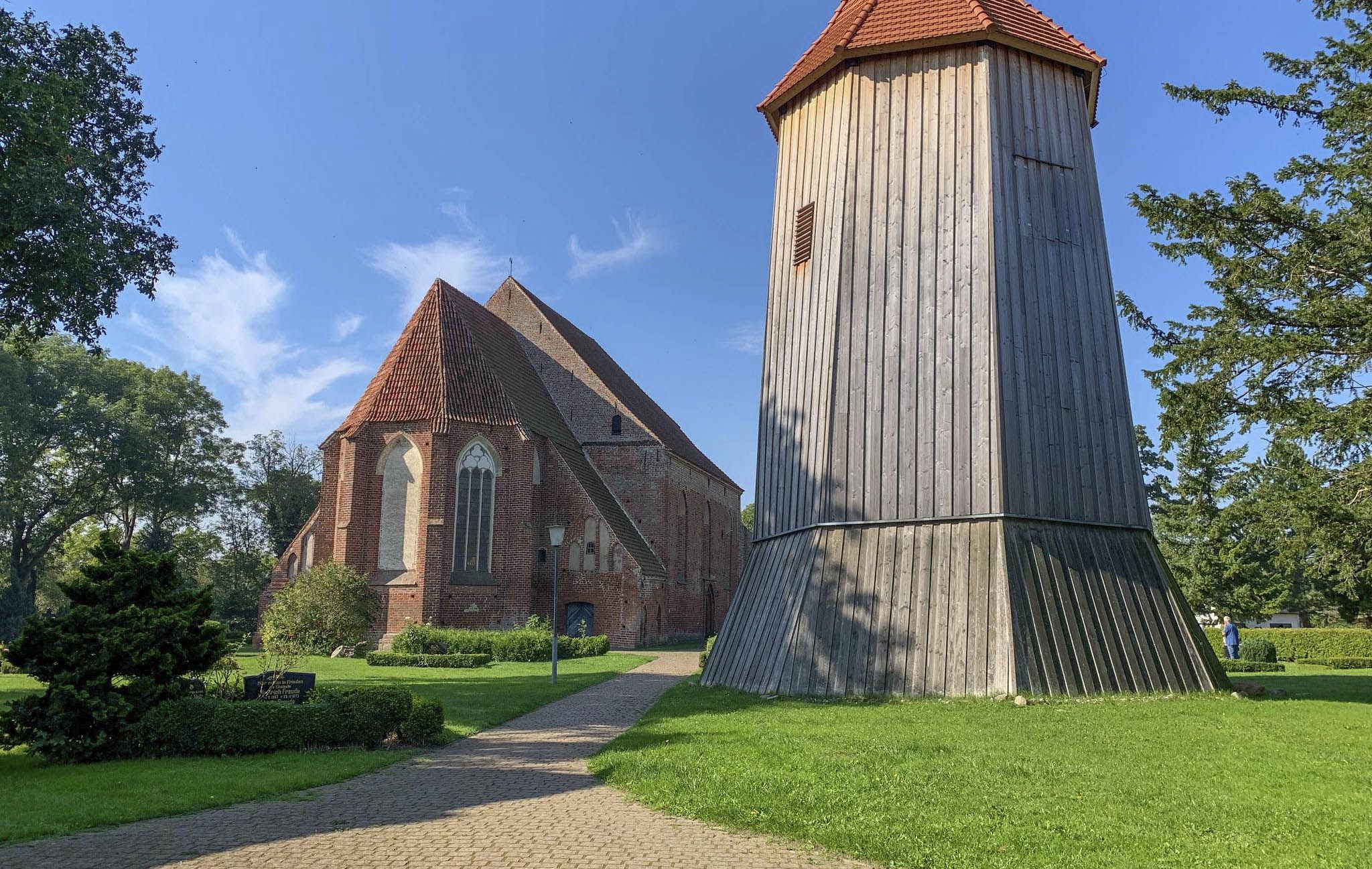
Discover Brick Gothic by bike in Germany's Western Pomerania
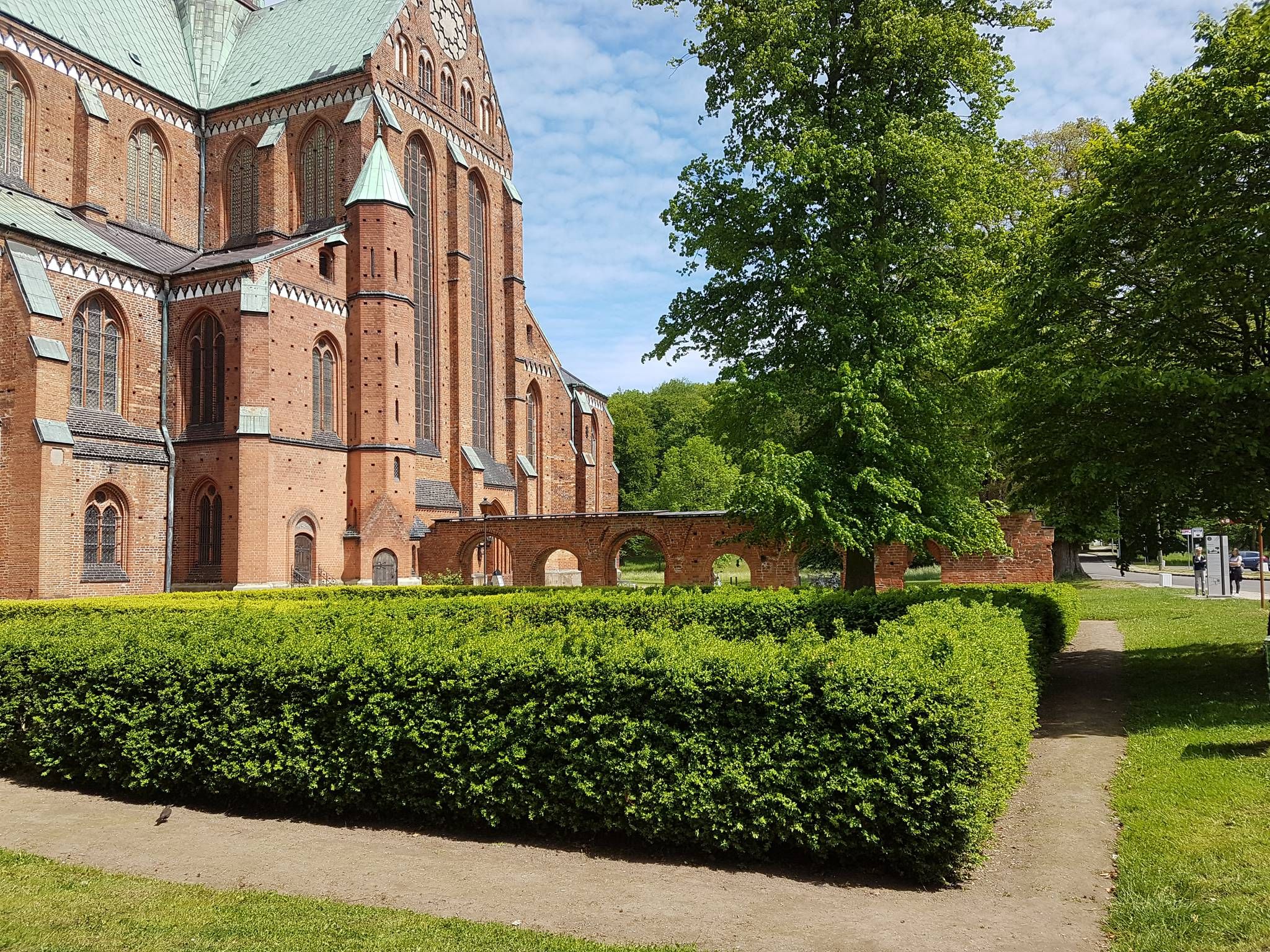
Discover Brick Gothic architecture by bike in Mecklenburg
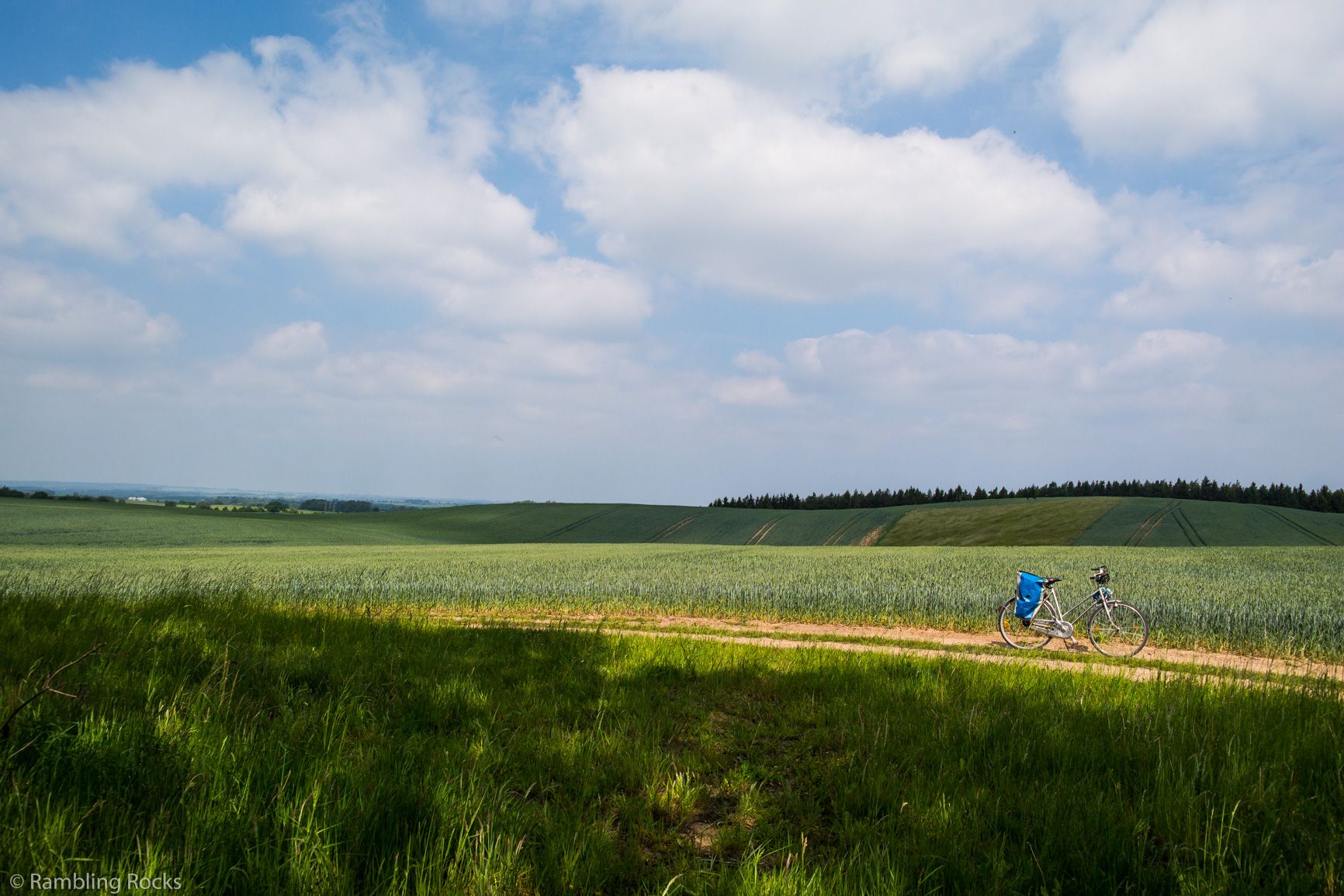
The Hanseatic Way – Cycling across North Germany to Poland, follow the cog!
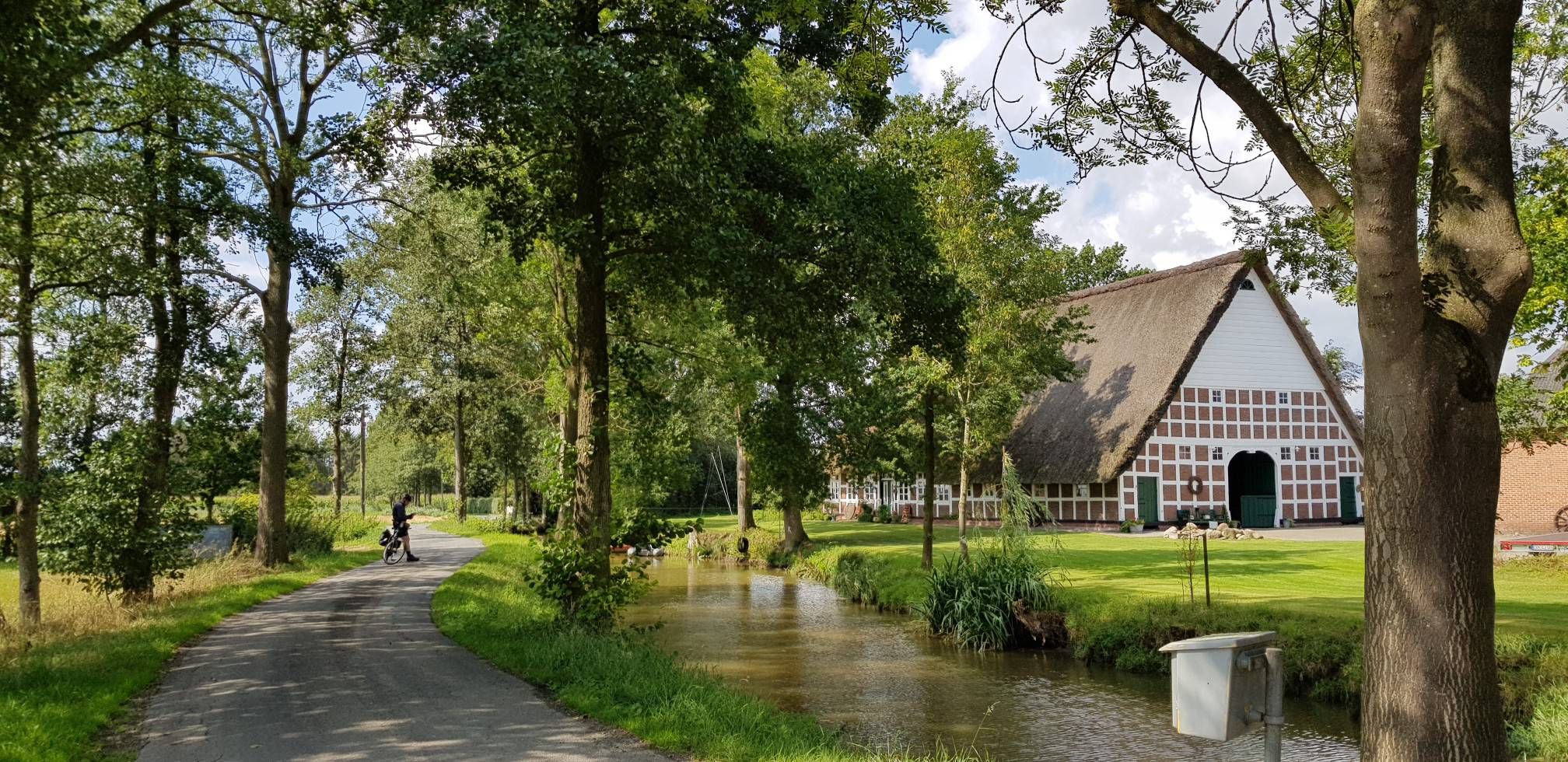
The Monks' Trail – From Bremen to the Baltic Sea
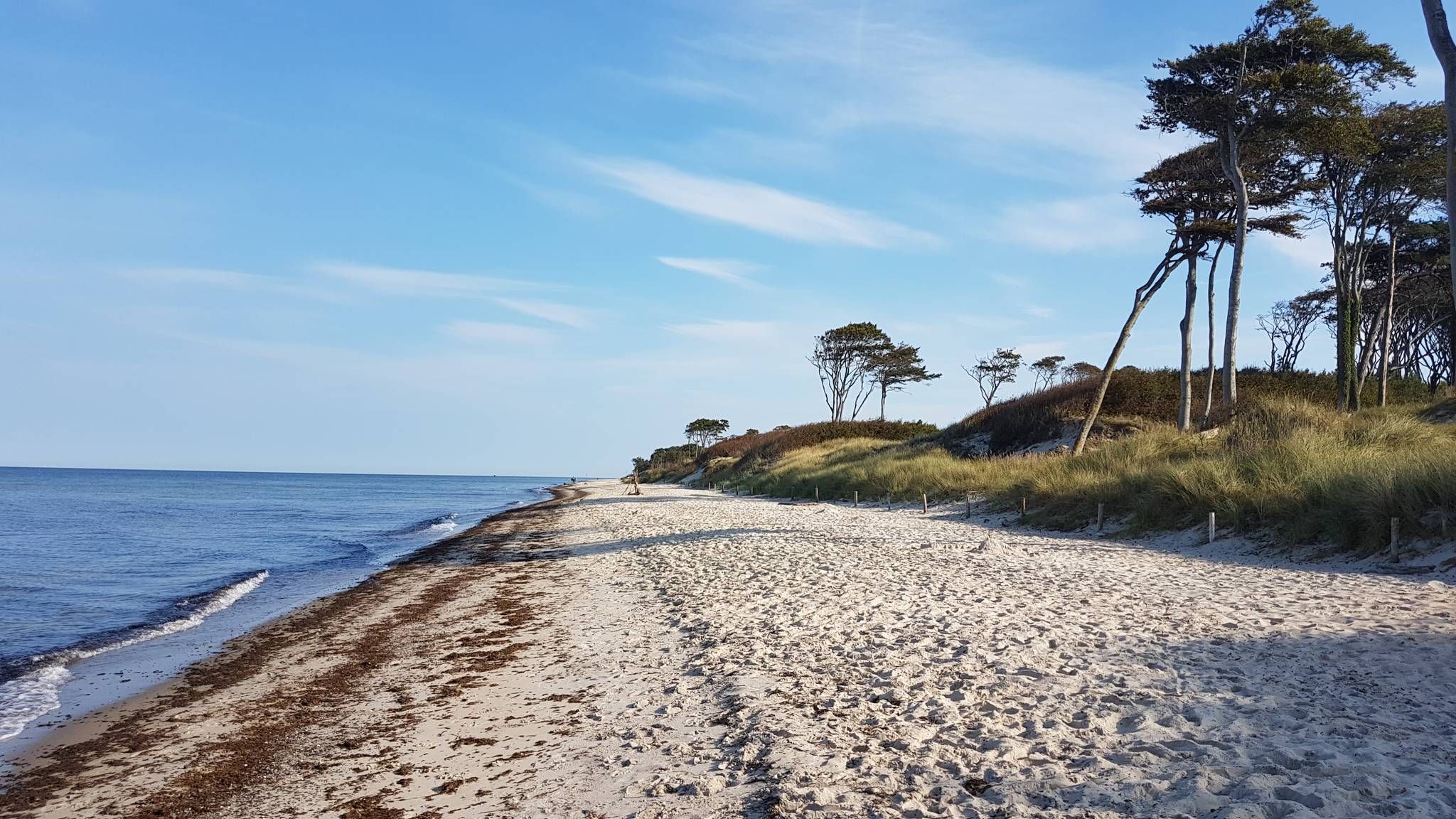
The E9 along the Baltic Sea — Explore an epic coastline
Other adventures at the Baltic Sea


Tips from the Community

Beautiful scenery and great for cycling.
20
1

In the heart of the island of Rügen, in the northeastern tip, lies a paradise for nature lovers: the Jasmund National Park. Nestled in the UNESCO World Heritage Site “Ancient Beech Forests of Germany”, this park – Germany’s smallest national park – contains an impressive diversity that will amaze every hiker. The Stubnitz, a ridge north of the charming port town of Sassnitz, is covered by dense, original beech forest. A green roof that stands in vivid contrast to the brilliant white chalk cliff coast. Particularly striking: the Stubenkammer, a true masterpiece of nature. The path leads along the chalk coast, past moors, dry grasslands and the former Quoltitz chalk quarries. A scenery that enchants with its colors and shapes. The Piekberg, at 161 meters Rügen's highest elevation, offers an impressive overview of this unique terrain. And there it is: the 60 meter high chalk cliff that juts boldly out of the sea. The Ernst-Moritz-Arndt View, a monument of nature, in honor of Rügen's famous son. Hikers can reach this spectacular viewpoint via the Hochuferweg, which connects Sassnitz with the Königsstuhl. And we continue on, past the remains of the Wissow clinics, witnesses of times past. Plan more time than expected. Because this place tempts you to pause, marvel and enjoy the silence. And anyone hiking with children will certainly take a break here and there - be it to collect stones or to admire the view. With every step you take, a new view of the coast opens up. The alternation of ups and downs is almost reminiscent of mountain feelings. And the park is an experience even in fog or cloudy weather. The chalk cliffs in the haze give the landscape an almost mystical grace. For anyone who wants to experience the real character of the chalk cliffs, we recommend using the descents along the high bank path. Viewed from below, the rocks show a completely different face.
7
0

just super nice here. Cycling is really fun here.
14
0

Beautiful hike from HL-Travemünde to Niendorf/Baltic Sea on the steep coast of the Brodtener Kliff. Again and again very nice views of the Bay of Lübeck, the steep bank/cliff, its geology and the adjacent beach.
12
0

From here you have a beautiful view of the famous Königsstuhl, especially for free!
14
0

It is wonderful to stop off at Hermannshöhe after a long walk. Wide view over the sea included.
14
0

Very nice view of the famous Königsstuhl and the Viktoriasicht with impressive views of the chalk cliffs.
17
1

Nice view of the coast from above. You should only go on the jetty without fear of heights.
12
0
Frequently Asked Questions
What unique natural features can I expect to see at the Baltic Sea's natural monuments?
The Baltic Sea region offers a diverse array of natural features. You can explore dramatic chalk cliffs, such as the Jasmund Chalk Cliffs and Beech Forests, ancient beech forests, and unique coastal formations like the Nienhagen Ghost Forest, where trees are sculpted by strong winds. Other highlights include shifting sand dunes, serene coastlines, and vast bog landscapes like those found in Kemeri National Park.
Where can I find the best scenic viewpoints among the natural monuments?
For breathtaking vistas, visit the Brodtener Cliffs, which offer impressive views over the Bay of Lübeck. The Victoria view on Rügen provides a stunning perspective of the chalk cliffs. Additionally, the View of the Bodden in Nationalpark Vorpommersche Boddenlandschaft offers beautiful scenery, especially for cyclists.
Are there family-friendly natural monuments at the Baltic Sea?
Yes, several natural monuments are suitable for families. The Nienhagen Ghost Forest and Brodtener Cliffs are both categorized as family-friendly. The View of the Bodden in Nationalpark Vorpommersche Boddenlandschaft is also noted as family-friendly, offering beautiful scenery for all ages.
What outdoor activities can I do near these natural monuments?
The Baltic Sea region provides numerous outdoor activities. You can enjoy gravel biking on routes like 'Moorweg Rostock' or 'Darßwald' (find more at Gravel biking at the Baltic Sea). Cycling is also popular, with routes such as 'Circumnavigation of the island' and 'Harbour Tour' (explore more at Cycling at the Baltic Sea). For hiking, consider 'Darß Core Zone Boardwalk' or 'Cape Arkona Lighthouse' (details at Mountain Hikes at the Baltic Sea).
When is the best time to visit the natural monuments at the Baltic Sea?
The Baltic Sea region offers beauty throughout the year. While summer provides warm weather for coastal activities, autumn and winter can offer unique experiences. Autumn hikes through forests like the Nienhagen Ghost Forest reveal dramatic colors, and winter walks along the cliffs can be particularly atmospheric, especially with the exposed roots and sculpted trees.
Are there hiking trails near the natural monuments?
Yes, many natural monuments are integrated into extensive trail networks. For instance, the Jasmund Chalk Cliffs and Beech Forests are accessible via the Hochuferweg trail, offering spectacular coastal views. You can find various hiking routes, including easy, moderate, and difficult options, in guides like Mountain Hikes at the Baltic Sea.
What geological features are prominent along the Baltic Sea coast?
The Baltic Sea coast is rich in geological wonders shaped by ice ages, wind, and water. Notable features include the brilliant white chalk cliffs of Jasmund, which were pressed to the surface over millions of years. The region also features impressive steep coasts formed by ice-age deposits, as seen at the Nienhagen Ghost Forest, and shifting sand dune peninsulas like the Curonian Spit.
What do visitors enjoy most about the natural monuments at the Baltic Sea?
Visitors frequently praise the stunning natural beauty and unique atmosphere. The Jasmund Chalk Cliffs are described as a 'miracle of nature' with 'incredible colors and shapes.' The Nienhagen Ghost Forest is noted for its 'bizarre shaped and fairytale trees' and 'great movie scenery.' Many appreciate the scenic views and the opportunity for leisurely walks and cycling along the coast.
Are there any lesser-known natural monuments worth exploring in the Baltic Sea region?
Beyond the well-known sites, the Baltic Sea offers many hidden gems. Consider exploring the Lahemaa National Park in Estonia, known for its varied landscapes including sandy beaches, rocky coastlines, and ancient boulders. Gauja National Park in Latvia features stunning river valleys and dramatic sandstone cliffs, while Kemeri National Park is famous for its pristine bogs and peat bog landscapes, offering unique boardwalk experiences.
Are dogs allowed on trails near the natural monuments?
While specific regulations can vary by location and national park, many natural areas along the Baltic Sea are dog-friendly. It's always advisable to check local signage or park websites for specific rules regarding leashes and restricted areas to ensure a pleasant visit for everyone.
Are there facilities like cafes or restaurants near the natural monuments?
Many popular natural monuments, especially those with visitor centers or located near towns, often have cafes or restaurants nearby. For example, areas around the Jasmund Chalk Cliffs and the Brodtener Cliffs are typically well-served. However, for more remote natural areas, it's best to bring your own provisions.
What should I wear when hiking the natural monuments in autumn or winter?
For autumn and winter hikes along the Baltic Sea, layering is key. Wear waterproof and windproof outer layers to protect against coastal winds and potential rain or snow. Warm base layers, sturdy waterproof hiking boots with good grip, and accessories like hats, gloves, and scarves are highly recommended to stay comfortable in cooler temperatures and potentially slippery conditions.
Most popular routes at the Baltic Sea
Most popular attractions at the Baltic Sea

Get inspired with the komoot mobile app


Explore more
Extend your search for the best caves by checking out these guides of the top ones at the Baltic Sea:
