Top 20 Castles in the Zittau Nature Park
Castles in the Zittau Nature Park offer a blend of history, architecture, and scenic landscapes within the Zittau Mountains. This region, characterized by its sandstone massifs and picturesque valleys, provides a setting for exploring historical fortresses and palaces. The area served as a significant historical and cultural hub, with sites dating back centuries. Visitors can experience the natural beauty integrated with human-made structures.
Best castles in the Zittau Nature Park
- The most popular castles is Ruins of Oybin Castle and…
Last updated: October 18, 2026
Oybin Rock and Castle Ruins
Highlight • Castle
Showing Translation
Tip by

Ruins of Oybin Castle and Monastery
Highlight • Castle
Translated by Google •
Tip by

Sign up now to discover places like this
Get recommendations on the best single tracks, peaks, & plenty of other exciting outdoor places.
View of Bautzen's Old Town from Friedensbrücke
Highlight • Viewpoint
Translated by Google •
Tip by

Hainewalde Moated Castle
Highlight • Castle
Translated by Google •
Tip by

Ortenburg Castle
Highlight • Castle
Translated by Google •
Tip by

Sign up for free to discover even more castles in the Zittau Nature Park.
Already have an account?
Start today with a free account
Your next adventure awaits.
Popular around Zittau Nature Park
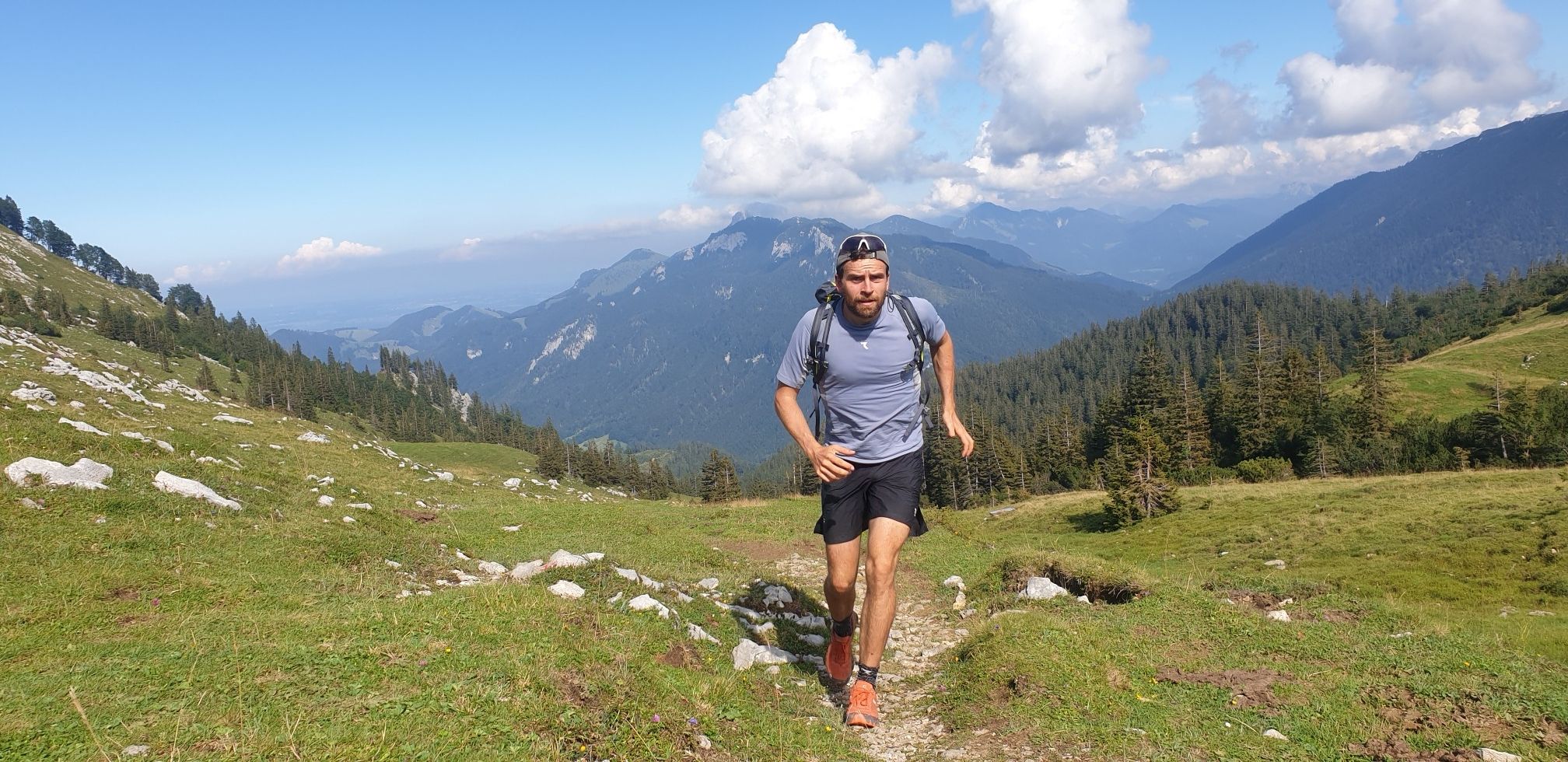
Triathlon around Germany
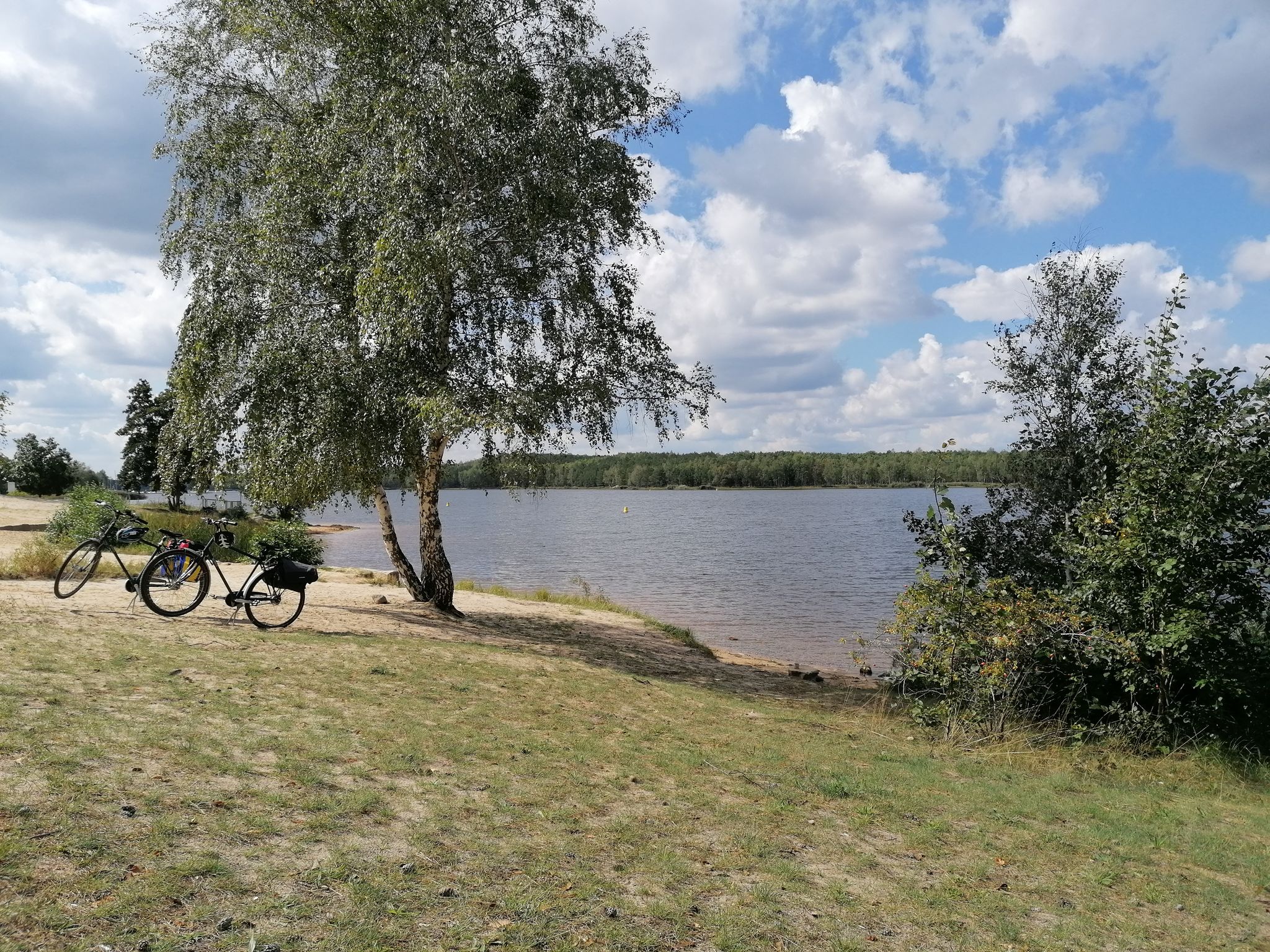
Cycling from Dresden to Berlin – lakes, nature and Sorbian culture
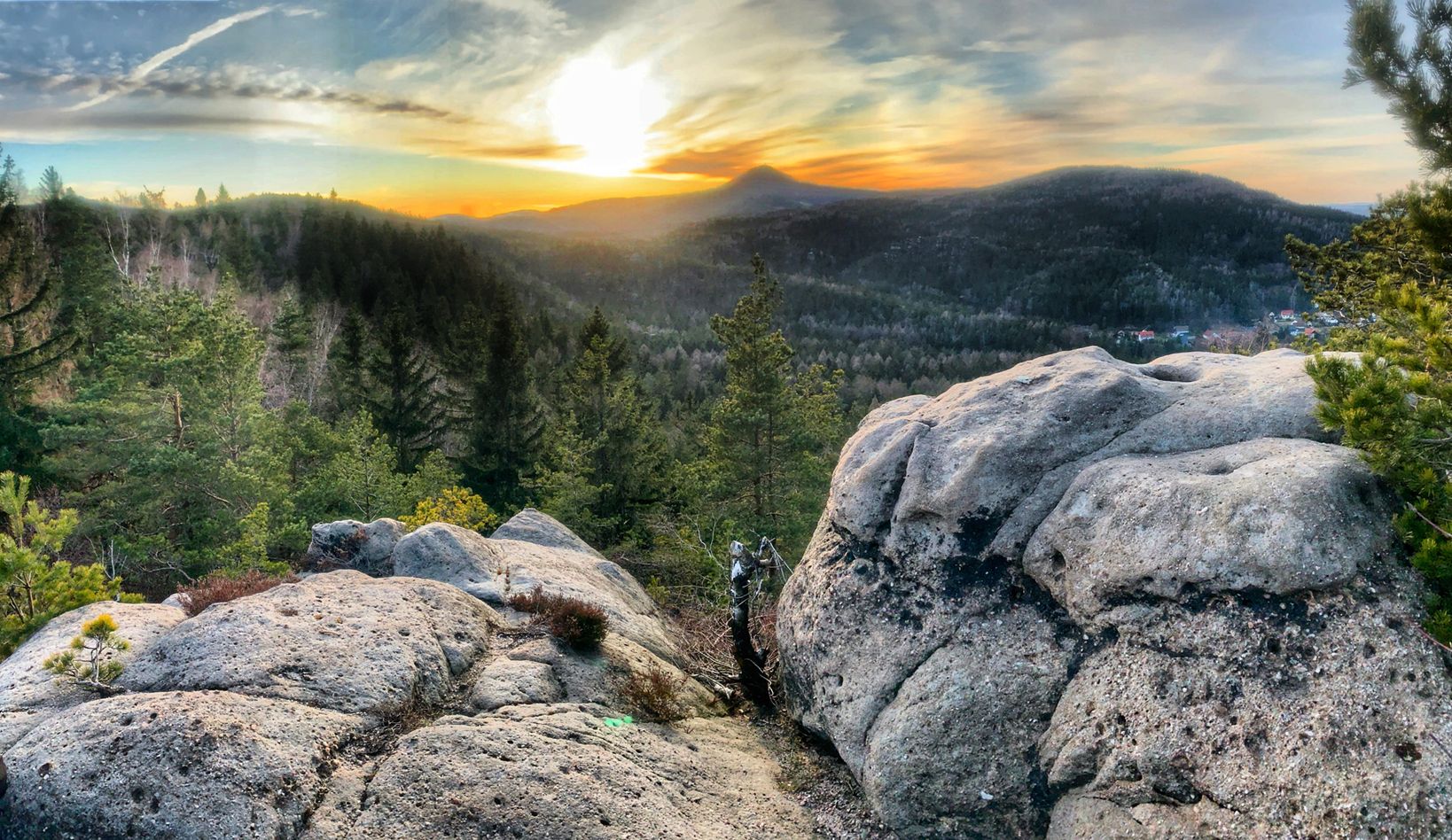
Mountains, heaths & lakes – hiking in Lusatia
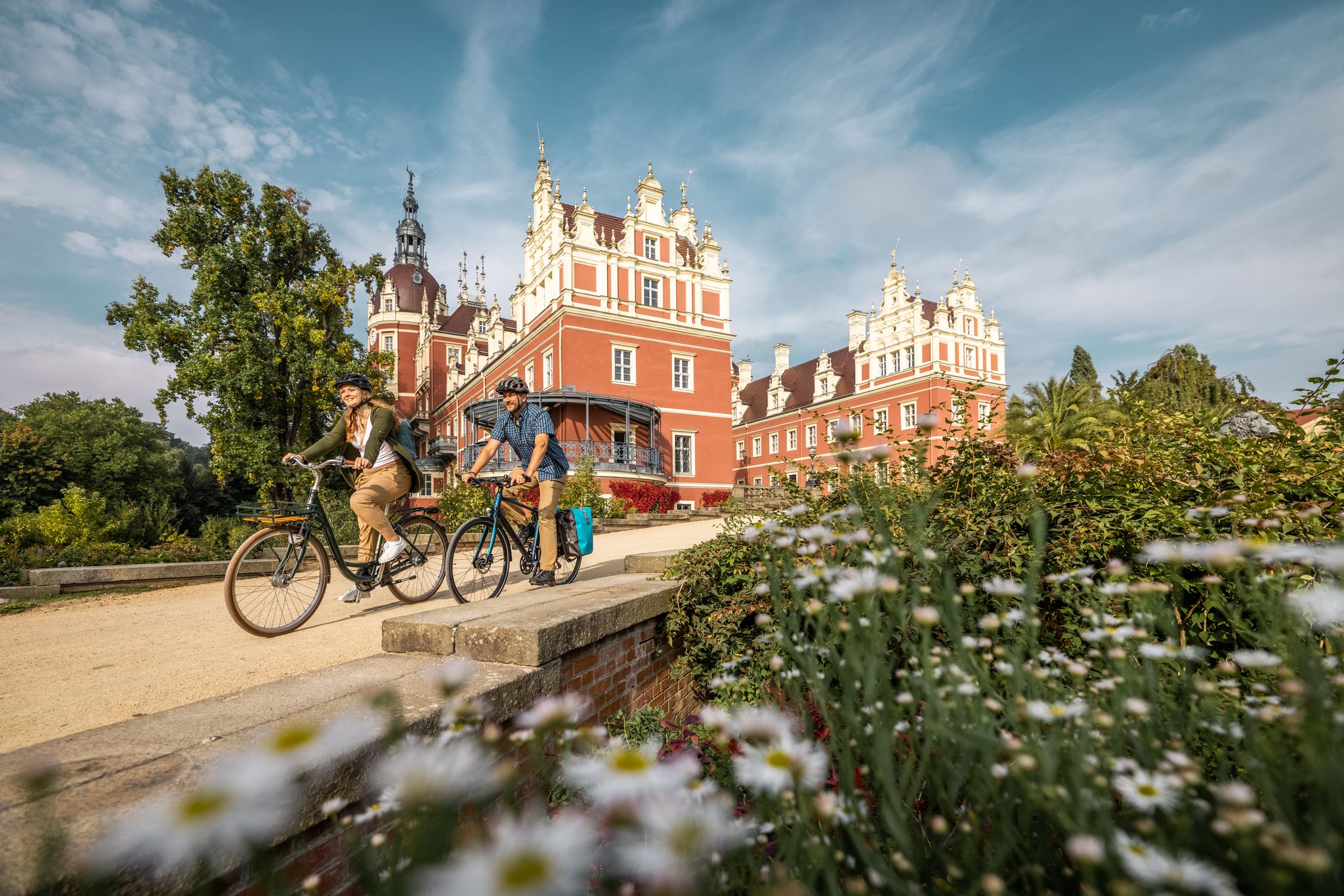
Oberlausitz Cycling Region – 18 superb routes in Upper Lusatia
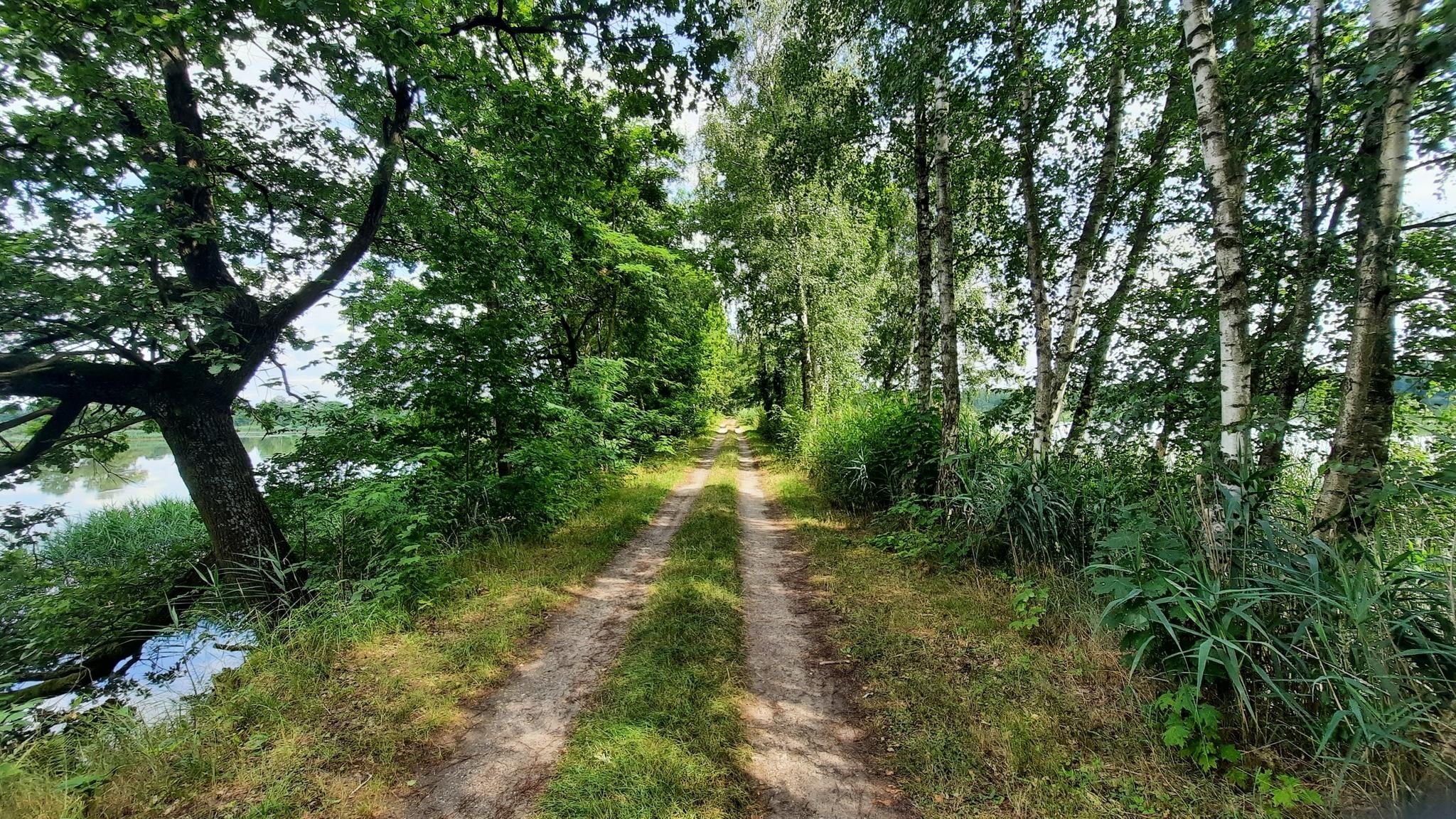
On two wheels through the ponds – Neißeland Tour
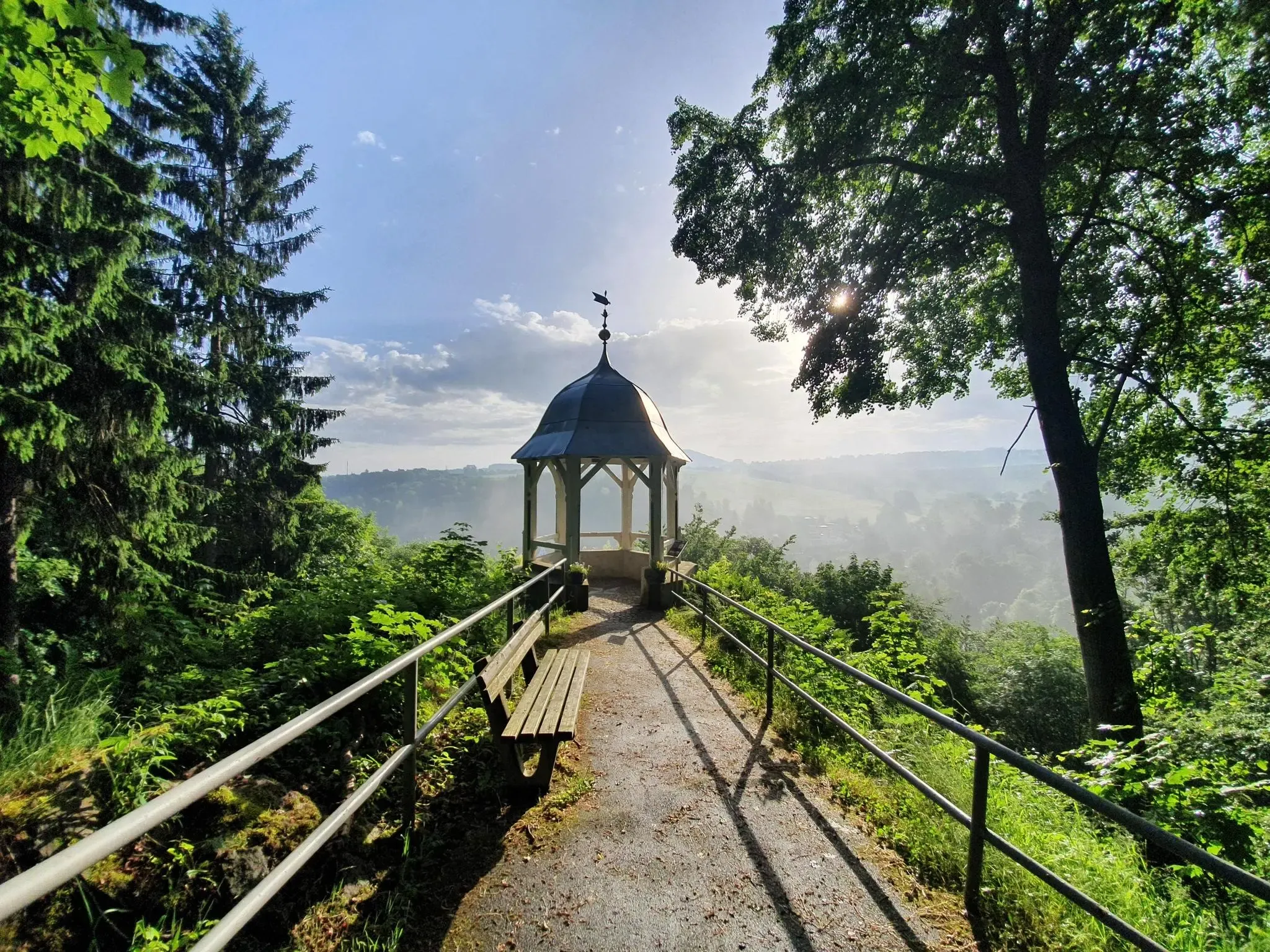
#GoFurther – discover the views of Germany!
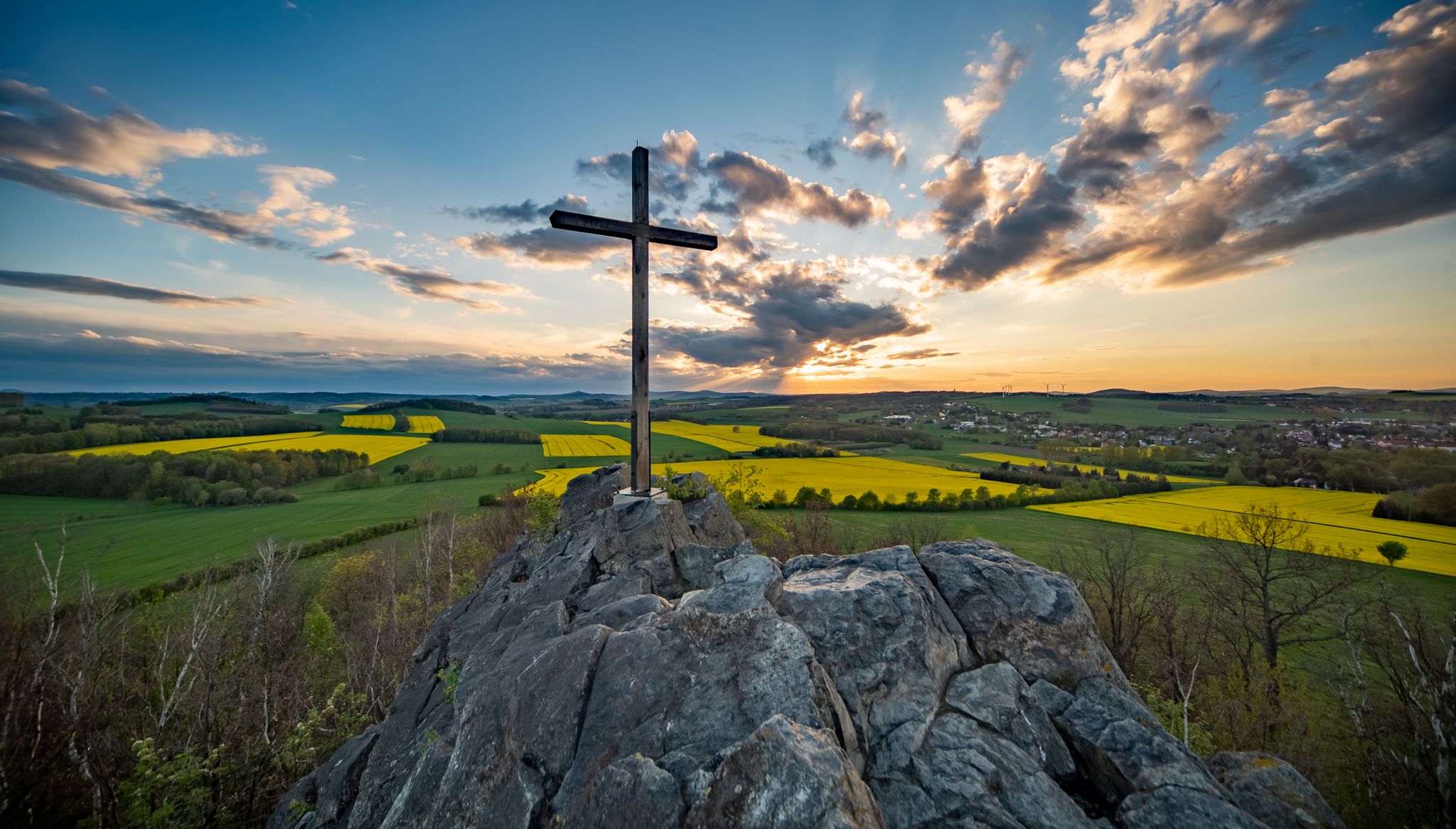
Legendary views on the Upper Lusatia Mountain Trail
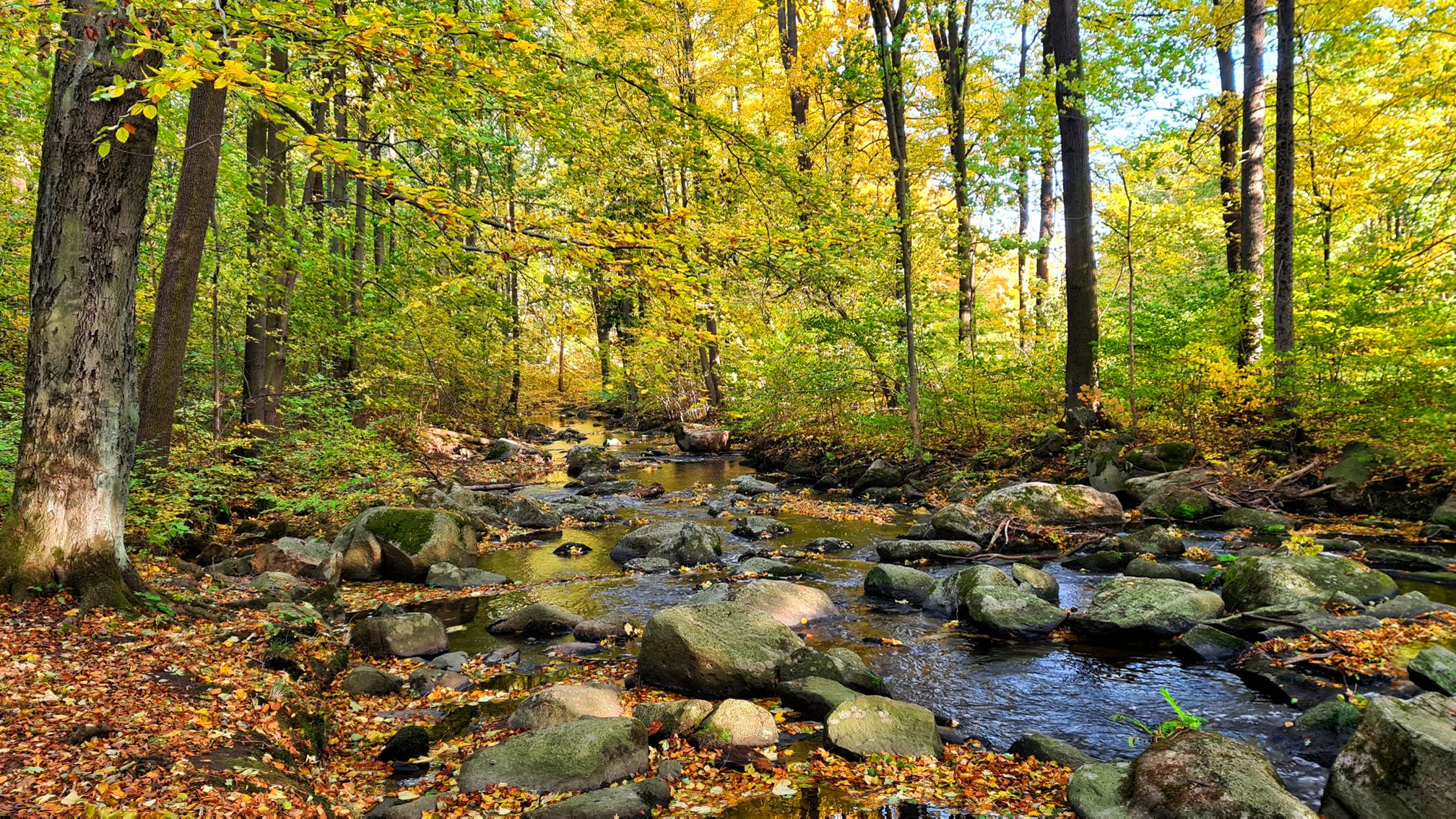
Along Germany’s River Spree from mouth to source
Lakes, gherkins and Sorbs - 6 stages on the Spreeradweg
Zwei Tage raus! – Rad-Micro-Adventures in Sachsen
Other adventures in the Zittau Nature Park


Tips from the Community

Bautzen boasts several important fountains, including the Ritter-Dutschmann Fountain on the main market square, the historic New Waterworks in the city fortifications, the Nymph and Unicorn drinking fountain on Reichenstraße, and the Elector Johann Georg Fountain. There's also the historic Gesundbrunnen fountain, whose spring was once considered to have healing properties. These fountains are part of the city's sights and history.
2
0

The entrance fee of €9 is worth it 👍🏻. One of the most beautiful monastery/castle ruins 🏰 I have ever seen 🤩.
11
0

Perched atop the mighty rocky massif of Mount Oybin, the ruins of an old castle and monastery stand enthroned. Quiet chants can be heard in the former church, as if the monks were still there.
11
0

At the top of the slope stands the baroque palace, built between 1749 and 1755 by Samuel Friedrich von Kanitz (Royal Prussian Chamberlain, husband of Christine Tugendreich von Kyaw). The main portal is supported by Tuscan columns, the keystone shows the double coat of arms of the von Kanitz and von Kyaw families. Two side wings form a forecourt to the main building. Gardens were also built on terraces, appropriately in the baroque style. It was also called the "Sanssouci of Upper Lusatia" due to its unusual building structure. In 1883 it was restored: the outer facade was given sgraffito painting, but the baroque elements disappeared. In 1927 Moritz Joachim Ernst von Kyaw sold the palace to the municipality of Großschönau. From March to August 1933 the palace served as a protective custody camp for the Hainewalde concentration camp and then as a military training camp until 1945. It was used as a residential building until 1977 and then stood empty and dilapidated until 2004. In 2007, the renovation of the east wing began by the support association (founded in 2000). 2013: part of the film Grand Budapest Hotel was shot here.
2
0

...to the old water art with the remains of the city wall, to the Mühlbastei, Ortenburg and Michaeliskirche, to the water tower and to the St. Petri Cathedral.
7
1

The location of the castle alone is fantastic! Get there early, the facility closes at 5 p.m. With a guest card you save 20%
9
0

In the past two years, remarkable progress has been made in securing and partially even renovating the palace, also known as "Oberlausitzer Sanssouci". In this way, it was possible to let the north extension with its unique sgraffiti shine in new splendor - considering that this part of the building in particular was considered a symbol of the decay of the castle not too long ago, a symbolic success. The completely new tower lantern signals from afar: Something is moving forward here, time does not stand still here.
3
0

The moated castle is the remaining gatehouse of the old Renaissance moated castle right next to the new castle. Built in 1564 by Hans Ulrich von Nostitz, the “old castle” was largely demolished around 1780 and the remains used to build the new castle. The moated castle is now privately owned and has been lovingly restored. On Open Monument Day, the owners occasionally allow visitors to take a look inside.
1
0
Frequently Asked Questions
What makes the Ruins of Oybin Castle and Monastery a unique historical site?
The Ruins of Oybin Castle and Monastery are unique due to their dramatic setting atop a majestic sandstone rock in the Zittau Mountains. The ruins are integrated with the natural massif, creating an awe-inspiring landscape that has inspired artists. Visitors can explore the remnants of a medieval castle, a Benedictine monastery, and an imperial house, all while enjoying panoramic views and unique rock formations.
Are there family-friendly castles to visit in the Zittau Nature Park?
Yes, several sites are considered family-friendly. For instance, Oybin Rock and Castle Ruins and Ortenburg Castle are noted as family-friendly in their categories. The dramatic setting and historical exploration at Oybin, along with the cultural offerings at Ortenburg, can be engaging for all ages.
What kind of historical architecture can I expect to see at Ortenburg Castle?
Ortenburg Castle in Bautzen showcases well-preserved medieval architecture, including the striking late Gothic Matthias Tower. Significant rebuilding occurred in the 15th century in a late-Gothic style, with Baroque additions in 1698. Its history stretches back to a 7th-century fort, offering a deep dive into the region's past.
Can I find cultural events or museums at the castles in the region?
Yes, the castles often serve as cultural hubs. The Ruins of Oybin Castle and Monastery feature an Oybin Museum in the former residential tower and frequently host events, festivals, and concerts. Ortenburg Castle houses a museum dedicated to the Sorbian language and a bilingual theater. Krobnitz Palace also functions as a museum and event location, developing a permanent exhibition on 19th-century Upper Lusatian history.
What outdoor activities can I combine with a visit to the castles?
The Zittau Nature Park offers various outdoor activities. You can find numerous hiking trails, such as those mentioned in the Waterfall hikes in the Zittau Nature Park guide, or explore cycling routes from the Cycling in the Zittau Nature Park guide. The area around Oybin Castle, for example, is known for scenic walks and rock formations.
Is it possible to visit the castles using public transport?
While specific public transport details for each castle vary, the town of Oybin, at the foot of Oybin mountain, is the terminus of the steam-powered Zittau narrow-gauge railway, making it accessible. For other locations like Ortenburg Castle in Bautzen, public transport options within the city are generally available.
Are there good viewpoints near the castles in the Zittau Mountains?
Absolutely. The Ruins of Oybin Castle and Monastery offer breathtaking panoramic views of the surrounding Zittau Mountains from its elevated position. The 'rock walk' there is particularly noted for its beautiful vistas. Similarly, Ortenburg Castle's hilltop location provides impressive views of Bautzen and the Spree River.
What is the best time of year to visit the castles in the Zittau Nature Park?
The castles in the Zittau Nature Park can be visited year-round. Spring and autumn offer pleasant weather for exploring the outdoor ruins and parks, with autumn providing beautiful fall colors. Summer is ideal for combining visits with other outdoor activities, while winter can offer a mystical atmosphere, especially at sites like Oybin, though some facilities might have reduced hours.
Are dogs allowed at the castles or on nearby trails?
While specific regulations can vary by site, the Zittau Nature Park generally offers many dog-friendly trails. It's advisable to check individual castle policies regarding dogs within the historical grounds or museums. However, the surrounding natural areas and many hiking paths are suitable for walks with dogs.
Where can I find parking when visiting Oybin Castle?
Parking is available in the town of Oybin, located at the foot of the Oybin mountain. From there, visitors can access the castle and monastery complex, often via a short walk or shuttle service depending on the specific parking area.
What kind of events are hosted at Krobnitz Palace?
Krobnitz Palace is a vibrant cultural venue that hosts a variety of events. It's a popular choice for weddings and other special celebrations, offering elegant rooms like the Wilhelminian-style wedding room and a ballroom. The palace also frequently hosts concerts and various markets throughout the year, often within its extensive landscaped park.
Are there accessible routes for visitors with mobility challenges at the castles?
Some sites offer better accessibility than others. Ortenburg Castle is listed as wheelchair accessible in some areas. However, sites like the Ruins of Oybin Castle and Monastery, perched on a sandstone rock with circular paths and rock walks, may present challenges for those with mobility issues. It's recommended to check specific accessibility details for each location prior to your visit.
What do visitors particularly enjoy about the castles in the Zittau Nature Park?
Visitors frequently praise the dramatic settings and historical depth of the castles. For instance, the Ruins of Oybin Castle and Monastery are loved for their 'beautiful place with huge round boulders and the magnificent castle complex, where there is so much to discover!' and the 'rock walk, with its beautiful views'. The blend of natural beauty and historical architecture is a major draw.
Most popular routes in the Zittau Nature Park
Most popular attractions in the Zittau Nature Park

Get inspired with the komoot mobile app


Explore more
Looking for the best castles somewhere else? Discover other guides in the Zittau Nature Park:
