The best road cycling routes around Droß
4.5
(412)
10,353
riders
301
rides
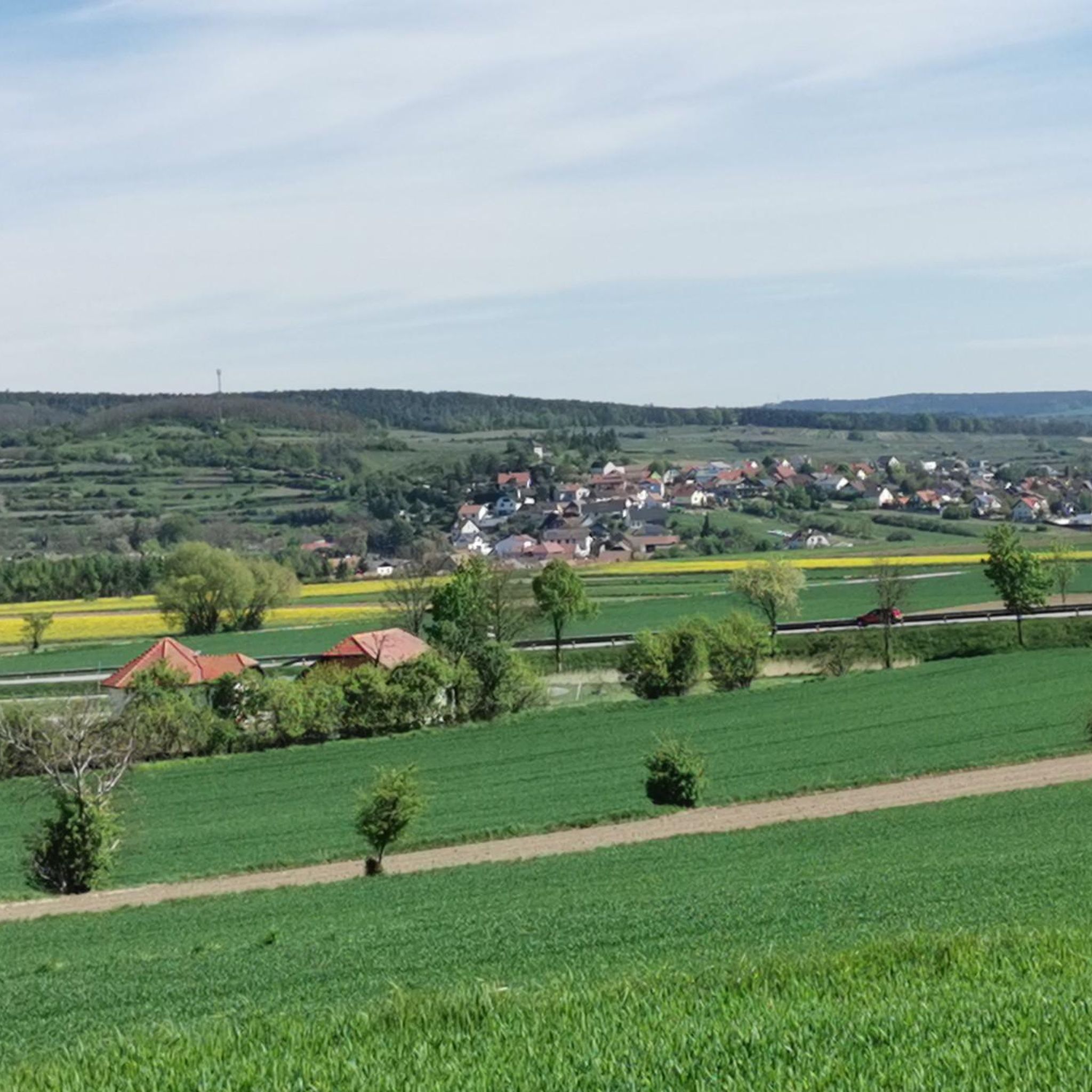
Road cycling around Droß, situated within Lower Austria's Waldviertel region, offers varied terrain through winemaking hills and gentle landscapes. The area features a network of routes connecting to towns like Krems and Langenlois, providing diverse cycling excursions. The region is characterized by its agricultural and forested character, with routes traversing the Waldviertel and Donau-Niederösterreich areas. Road cyclists can find both serene experiences through vineyards and more challenging sections.
Best road cycling routes around Droß
- The most popular road cycling route…
Last updated: October 14, 2026
13
riders
19.8km
00:54
200m
200m
Easy road ride. Great for any fitness level. Mostly well-paved surfaces and easy to ride.
12
riders
Hard road ride. Very good fitness required. Mostly well-paved surfaces and easy to ride.

1.0
(1)
11
riders
24.0km
01:11
370m
370m
Moderate road ride. Good fitness required. Mostly well-paved surfaces and easy to ride.
10
riders
32.8km
01:43
600m
600m
Moderate road ride. Good fitness required. Mostly well-paved surfaces and easy to ride.
4.5
(4)
7
riders
44.0km
01:59
480m
480m
Moderate road ride. Good fitness required. Mostly well-paved surfaces and easy to ride.
Get access to more routes and recommendations from other explorers.
Already have an account?
Our route recommendations are based on thousands of hikes, rides, and runs completed by other people on komoot.
Start today with a free account
Your next adventure awaits.
Other adventures around Droß

Tips from the Community

Schönes Schloss, welches man etwas unerwartet in Lengenfeld findet.
1
0

Gföhl was first mentioned in documents around 1180 and looks back on a long history as a market town and centre of the Waldviertel. The most important milestones Antiquity and settlement: Prehistoric finds (like from the Bronze Age) prove early traces of humans on the Gföhl plateau. Before German settlement from the 12th century onwards, there was a Slavic presence. First mention (1180): The place name is presumably derived from a topographical depression in the ground. Elevation to market town (1314/1493): In 1314, Gföhl is mentioned as a market town. In 1493, Emperor Frederick III granted the town official market rights and a coat of arms. War hardship and crises: In 1426, the Hussites destroyed the town and church. The population also suffered severely during the Peasants' War (1595) and the Thirty Years' War (1645), as well as from the plague (1679/1681).
0
0
The well-known Trinity Column (Pestsäule) in Langenlois stands as a striking centerpiece on the Kornplatz. It was erected in 1713 by the citizenry as thanks for being spared from the plague and consecrated on October 14th of the same year. The baroque monument was created by the renowned Krems sculptor Andreas Krimmer.
0
0
The museum presents fascinating finds from the region's prehistory – including the largest mammoth tusk in Central Europe (3.34 meters). The collection also offers exciting insights into the civic life, crafts, viticulture, and religious traditions of the people in Langenlois in the 17th, 18th, and 19th centuries.
0
0
From the farmstead to the castle Who would have thought that a small farmstead would become a "castle of the future"? The farmstead, founded in the 10th century by the lords of Schiltarn, is primarily used by various lords of Kronsegg Castle. It was not until the 16th century that the medieval structure was expanded into a castle and a new seat of power. After a varied succession of owners, Count Aichelberg-Ruhmerskirch sold the castle in 1929 to the municipality of Langenlois. Just one year later, it was acquired by the Order of the English Maidens, who have since operated various educational institutions for children here. This teaching activity was interrupted during World War II – the castle came into the possession of the SA. In 1987, Psychosoziale Zentrum Schiltern GmbH had the building complex renovated with the help of the state of Lower Austria and has since offered the ideal environment for psychotherapeutic rehabilitation on site.
2
0
You need this for cycling, so you can refill isotonic drinks...
1
0
Here, at this bridge, the Kremstal cycle path branches off for its loop.
1
0
A beautiful cycle path through the southern Waldviertel!
1
0
Frequently Asked Questions
How many road cycling routes are available around Droß?
There are over 340 road cycling routes around Droß, catering to various skill levels. This includes 32 easy routes, 210 moderate routes, and 107 difficult routes, ensuring options for every cyclist.
What kind of terrain can I expect when road cycling near Droß?
The terrain around Droß is varied, characterized by picturesque winemaking hills, gentle forests, and agricultural landscapes. You'll find both serene stretches through vineyards and more demanding ascents, particularly as you venture into the broader Waldviertel and Donau-Niederösterreich regions.
Are there road cycling routes suitable for beginners in Droß?
Yes, Droß offers several easy road cycling routes perfect for beginners. A popular choice is the Kornplatz, Langenlois – Lengenfeld Castle loop from Droß, which is 12.6 miles (20.3 km) long and navigates through scenic winemaking hills with minimal elevation gain.
Are there challenging road cycling routes with significant elevation gain around Droß?
Absolutely. For experienced cyclists seeking a challenge, routes like the Weißenkirchen – Parish Church of Weißenkirchen loop from Katastralgemeinde Senftenbergeramt offer significant elevation gain. This difficult 28.1-mile (45.2 km) path features nearly 1000 meters of ascent through the broader regional landscape.
What landmarks or points of interest can I see along road cycling routes in Droß?
Many routes pass by historical and natural attractions. You can encounter charming 'Kapellen und Marterl' (chapels and shrines) along the way. Nearby, you might explore the impressive Dürnstein Castle Ruins or the historic Steiner Gate in Krems. The region is also home to the Wachau Vineyards Route, offering stunning views.
Are there any historical sites to explore near the road cycling routes?
Yes, the Droß area is rich in history. You can visit the impressive Schloss Droß, a castle with Renaissance and Baroque elements, or the Romanesque Schlosskapelle St. Georg. The Fatima Wallfahrtskirche, a significant pilgrimage church, is also nearby. Further afield, the Old Town of Krems on the Danube and Dürnstein Old Town offer fascinating historical exploration.
What do other road cyclists enjoy the most about road cycling in Droß?
The road cycling routes in Droß are highly rated by the komoot community, with an average score of 4.5 stars from over 300 reviews. Cyclists often praise the diverse terrain, from gentle vineyard paths to more challenging climbs, and the scenic beauty of the winemaking hills and cultural landscapes.
Are there circular road cycling routes available in Droß?
Yes, many road cycling routes around Droß are designed as loops, allowing you to start and end in the same location. An example is the Rock formation by the wayside – Gföhl loop from Senftenberg, a 14.9-mile (23.9 km) trail that takes you through varied terrain.
What is the best time of year for road cycling in Droß?
The spring and autumn months are generally ideal for road cycling in Droß. During these seasons, the weather is typically mild, and the vineyards offer beautiful scenery, either with fresh green growth or vibrant autumn colors. Summer can also be pleasant, though it can get warmer.
Is public transport available to access road cycling routes in Droß?
Droß is well-connected to nearby towns like Krems and Langenlois, which often have public transport links. While direct public transport to every trailhead might vary, these connections can facilitate access to the broader network of road cycling routes in the region.
Are there any caves to explore near the road cycling routes in Droß?
Yes, the region around Droß features several interesting caves. You could visit the Gudenus Cave or the Teufelsrast Cave and Viewpoint, which offer unique natural formations and historical significance, providing a different kind of exploration off the bike.
Can I find moderate difficulty road cycling routes in Droß?
Yes, the majority of road cycling routes in Droß are of moderate difficulty, with 210 such routes available. An example is the Senftenberg Castle Ruin – Gföhl loop from Senftenberg, a 32.8-km (20.4-mile) route with over 600 meters of elevation gain, offering a good balance of challenge and enjoyment.
Most popular attractions around Droß

Get inspired with the komoot mobile app


Explore more
Browse the best Road cycling routes in other regions.
