Top 20 Castles in Palatinate
Best castles in Palatinate are found throughout a region known for its dense forests, vineyards, and historical significance. This area in Germany features a landscape dotted with numerous castles and ruins, many perched on hilltops. The Palatinate Forest, a UNESCO Biosphere Reserve, provides a natural setting for these historical sites. These structures offer insights into centuries of regional history and architectural development.
Best castles in Palatinate
- The most popular castles is Drachenfels Castle Ruins, a castle that offers a…
Last updated: August 16, 2026
Wachtenburg Castle Ruins
Highlight • Castle
"Friends of the Wachtenburg Ruins Conservation Association"
looked after and maintained by committed members in their free time.
Tasks and goals:
The most …
Translated by Google •
Tip by

Trifels Castle
Highlight • Castle
Showing Translation
Tip by

Sign up now to discover places like this
Get recommendations on the best single tracks, peaks, & plenty of other exciting outdoor places.
Sign up for free
Rietburg (castle ruins with mountain restaurant)
Highlight • Castle
On a nice weekend you will rarely get a table on the terrace of the restaurant.
Above the restaurant on the ruins but you always have the opportunity to enjoy the view.
Translated by Google •
Tip by

Hambach Castle
Highlight • Castle
Translated by Google •
Tip by

Landeck Castle
Highlight • Castle
Showing Translation
Tip by

Heidenlöcher - 9th-10th century refuge (with knight's stone no. 260)
Highlight • Historical Site
Translated by Google •
Tip by

Ruins of Altdahn Castle
Highlight • Castle
Translated by Google •
Tip by

Neuscharfeneck Castle Ruins
Highlight • Castle
Showing Translation
Tip by
Neudahn Castle Ruins
Highlight • Castle
Translated by Google •
Tip by
Drachenfels Castle Ruins
Highlight • Castle
Translated by Google •
Tip by

Sign up for free to discover even more castles in Palatinate.
Sign up for free
Already have an account?
Start today with a free account
Your next adventure awaits.
Login or Signup
Popular around Palatinate
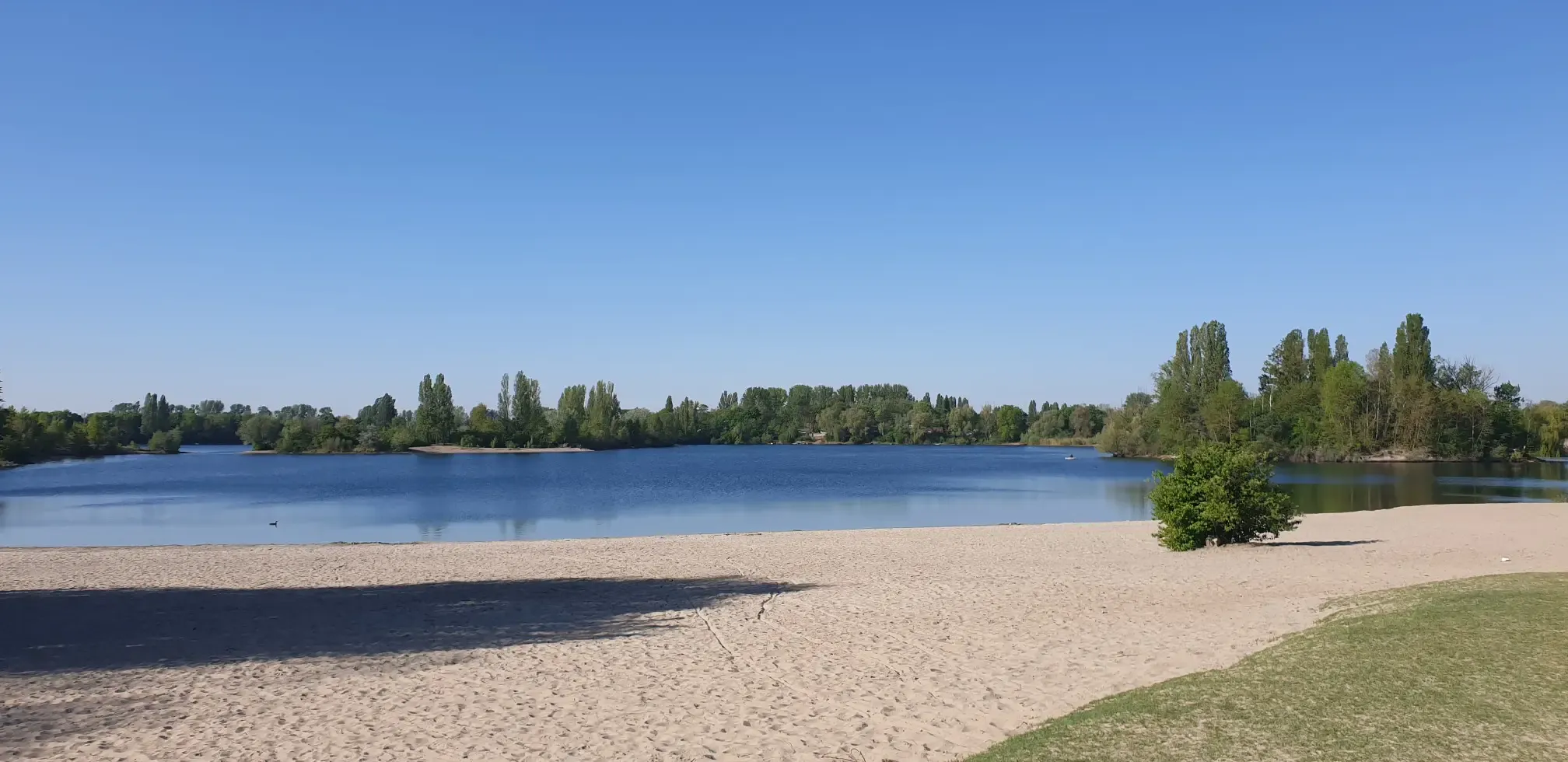
Jump right in! Swimming lakes in the Rhine-Neckar Triangle
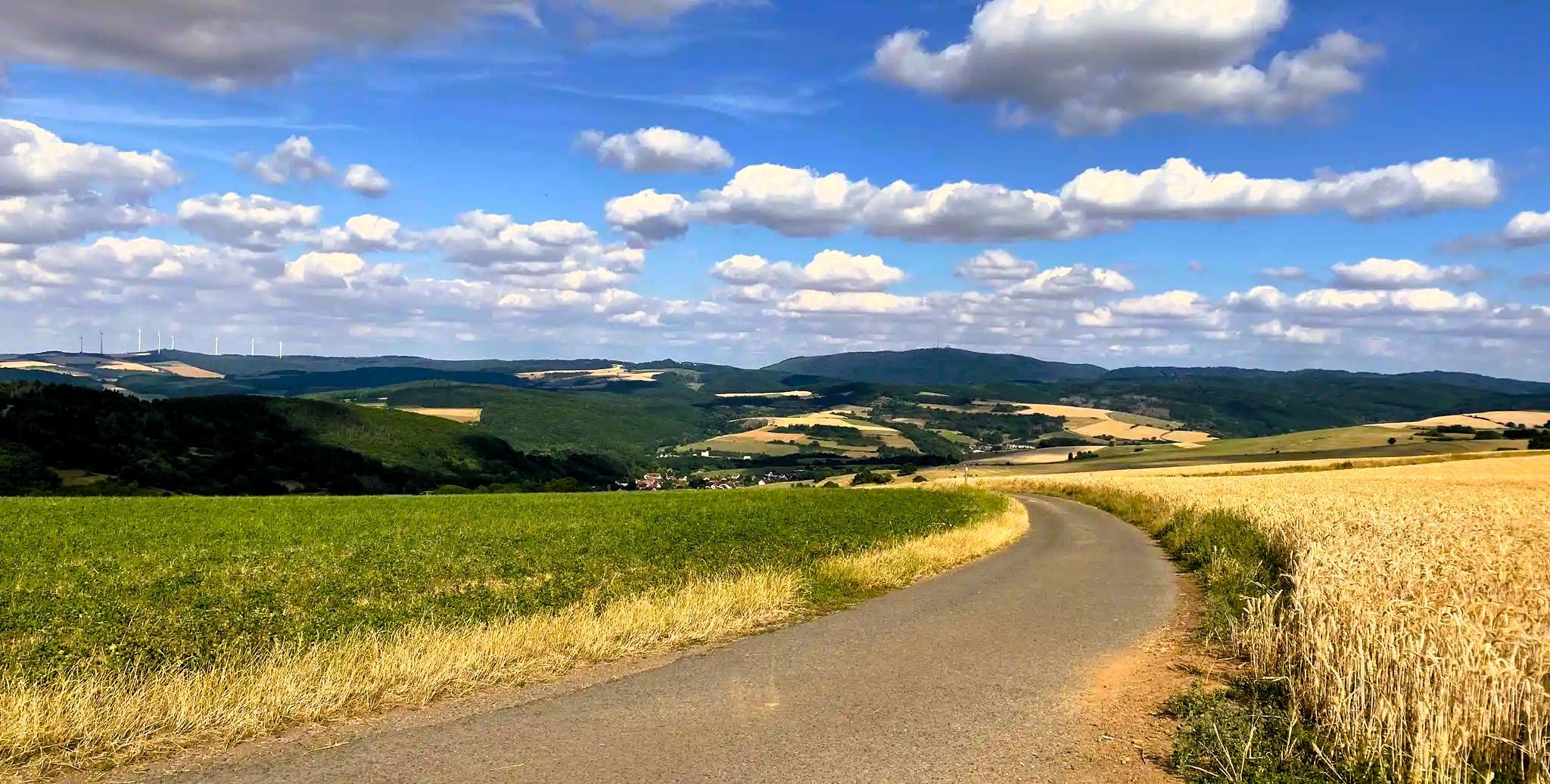
Palatinate High Route – Hike a hidden gem in Southwest Germany
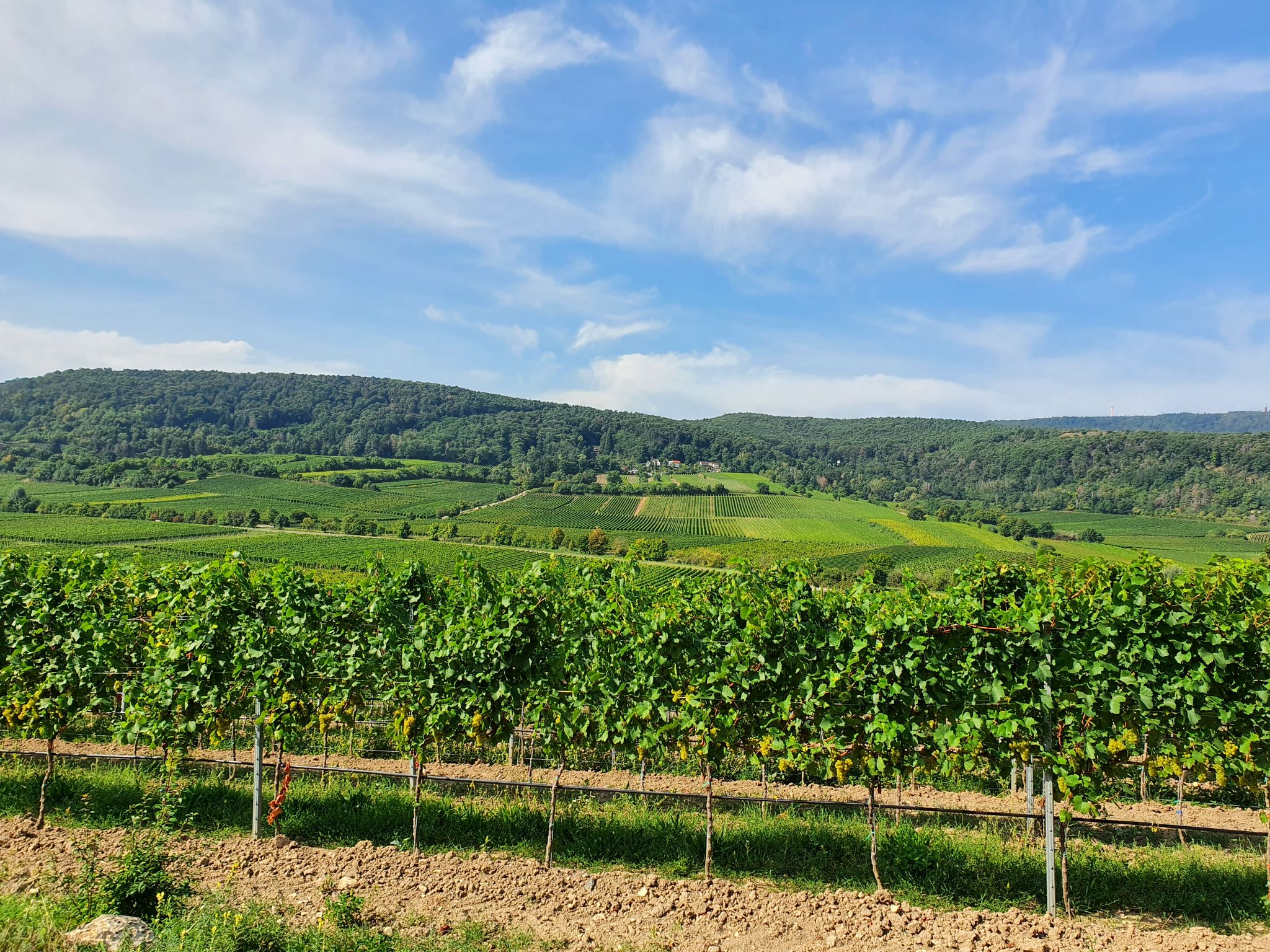
The German Wine Route through the Palatinate — Come here, walk away!
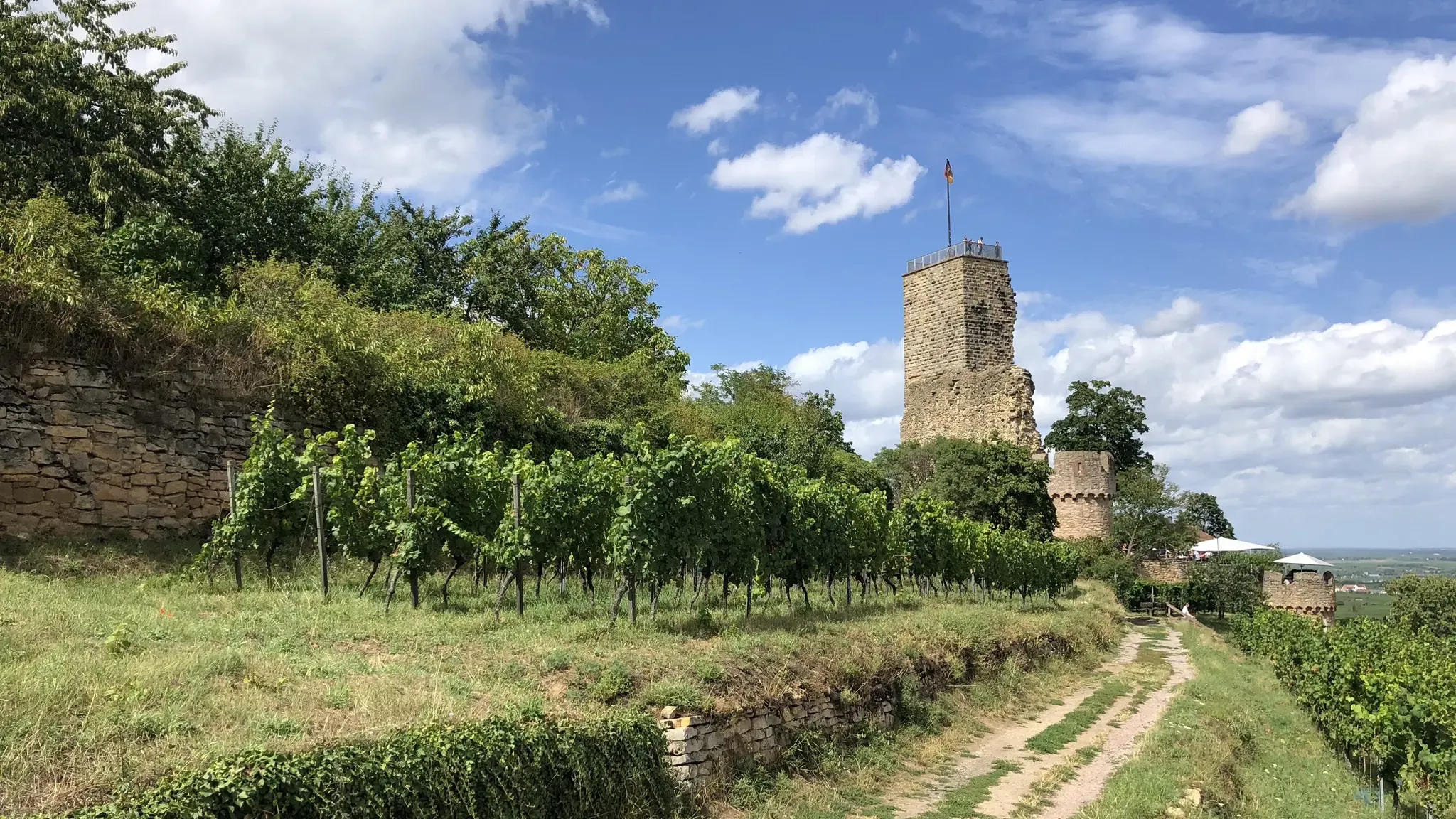
Pfälzer Weinsteig trail – 11 stages along forests and vinyards
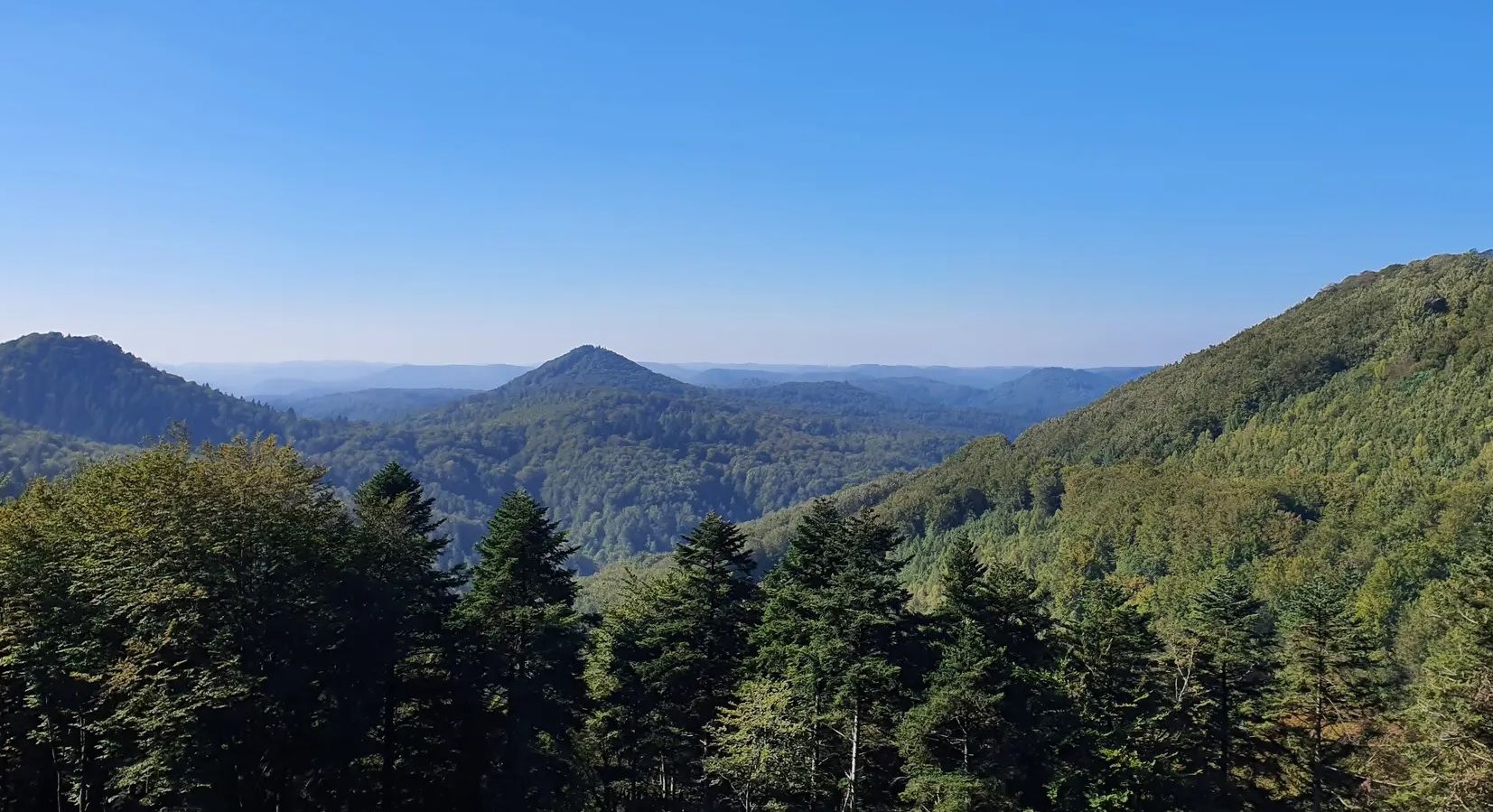
Palatinate Forest Trail – Hike through seemingly unending forest
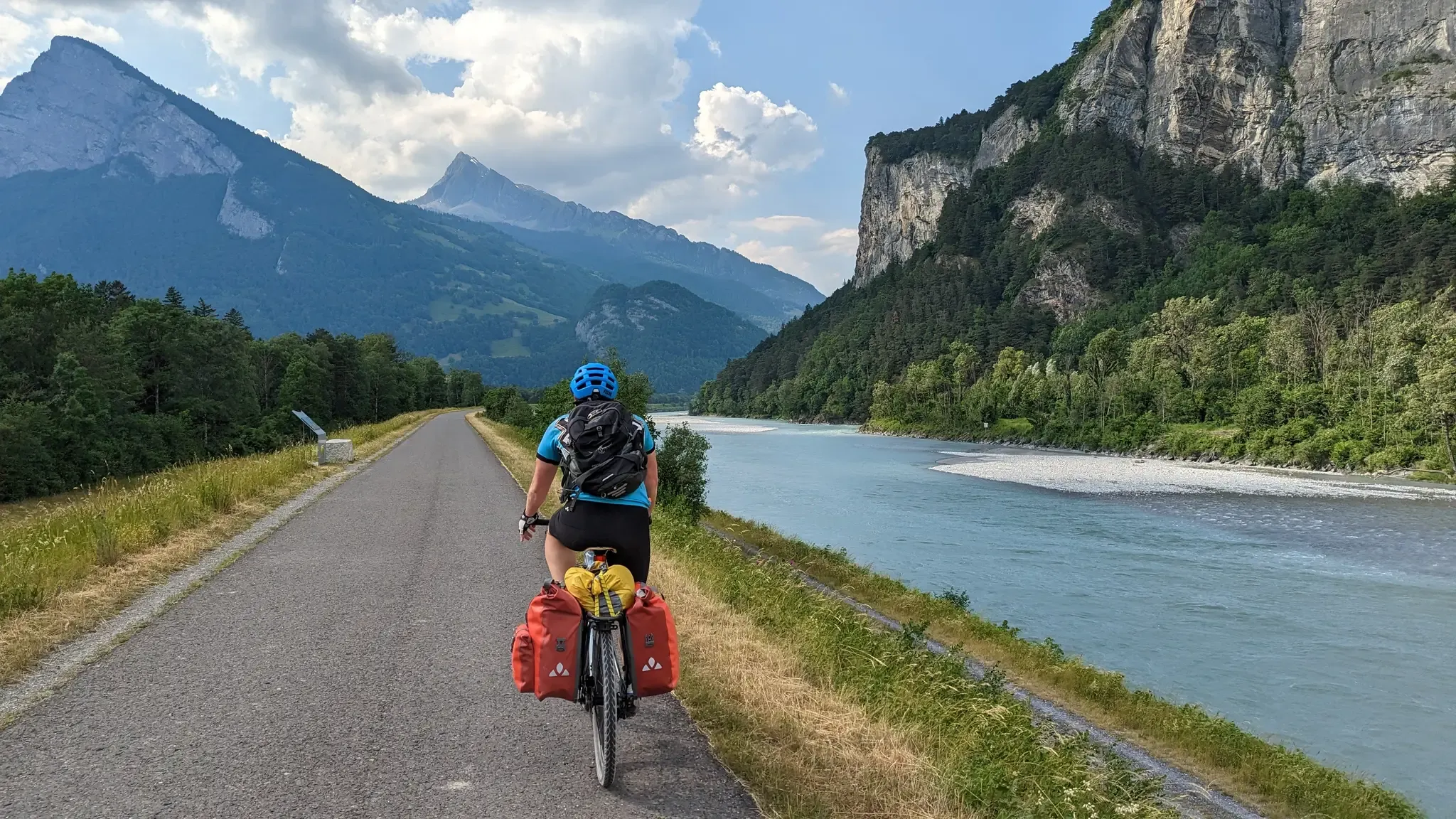
The Rhine Cycle Path — From the source to the North Sea
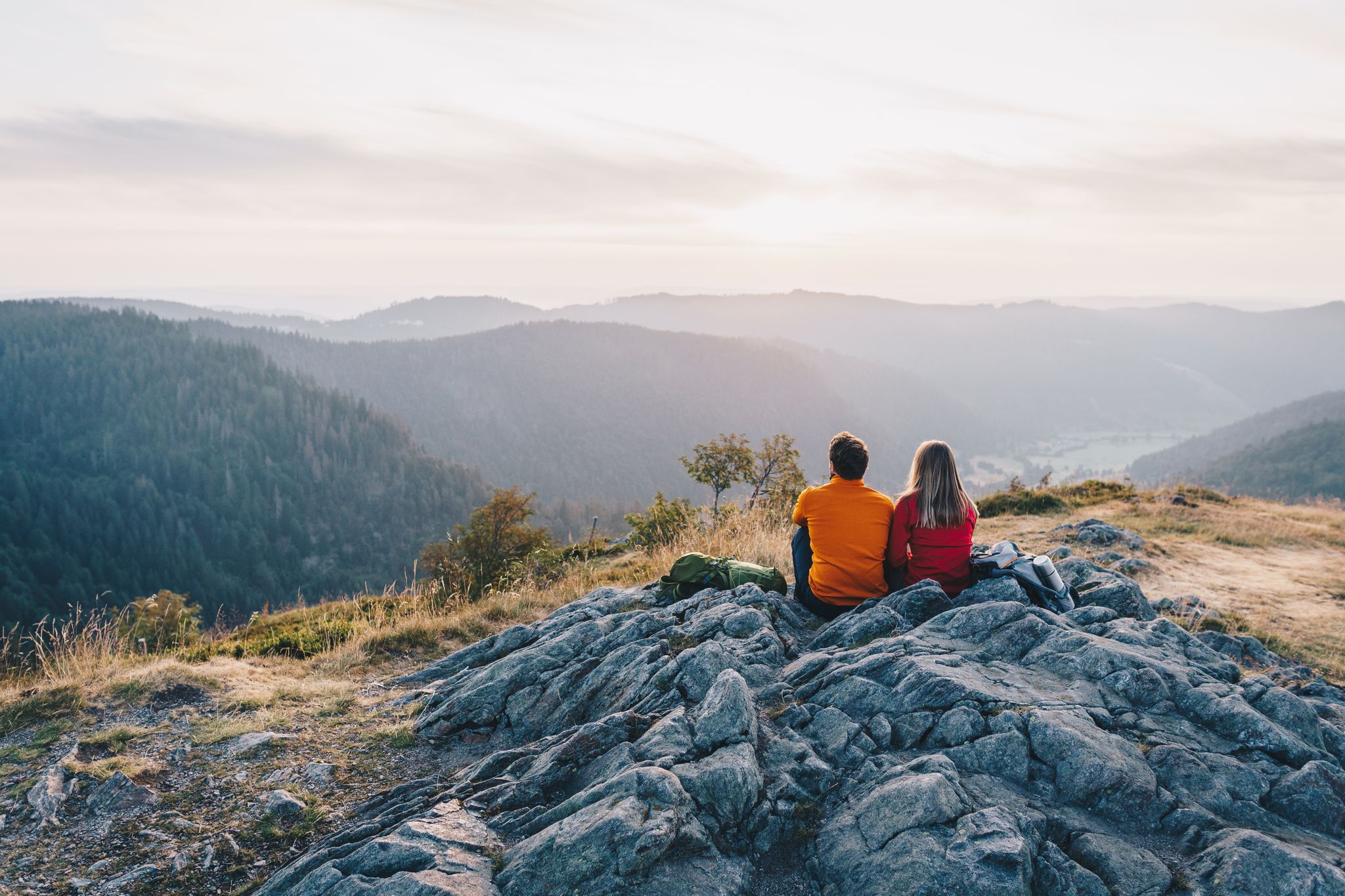
ZweiTälerSteig and other cool hikes in Germany
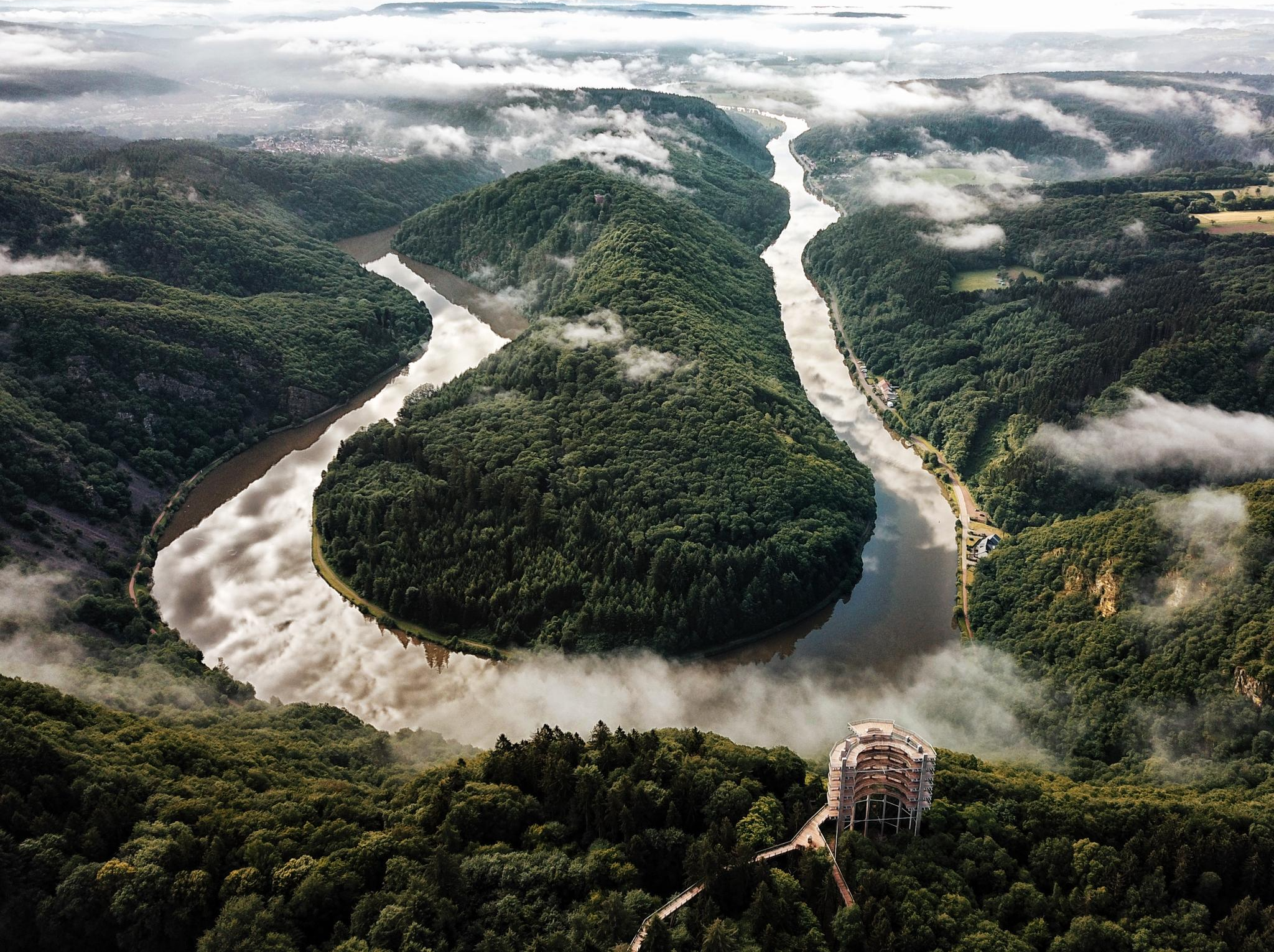
Forests, vineyards and plenty of culture – borderless cycling in Saarland
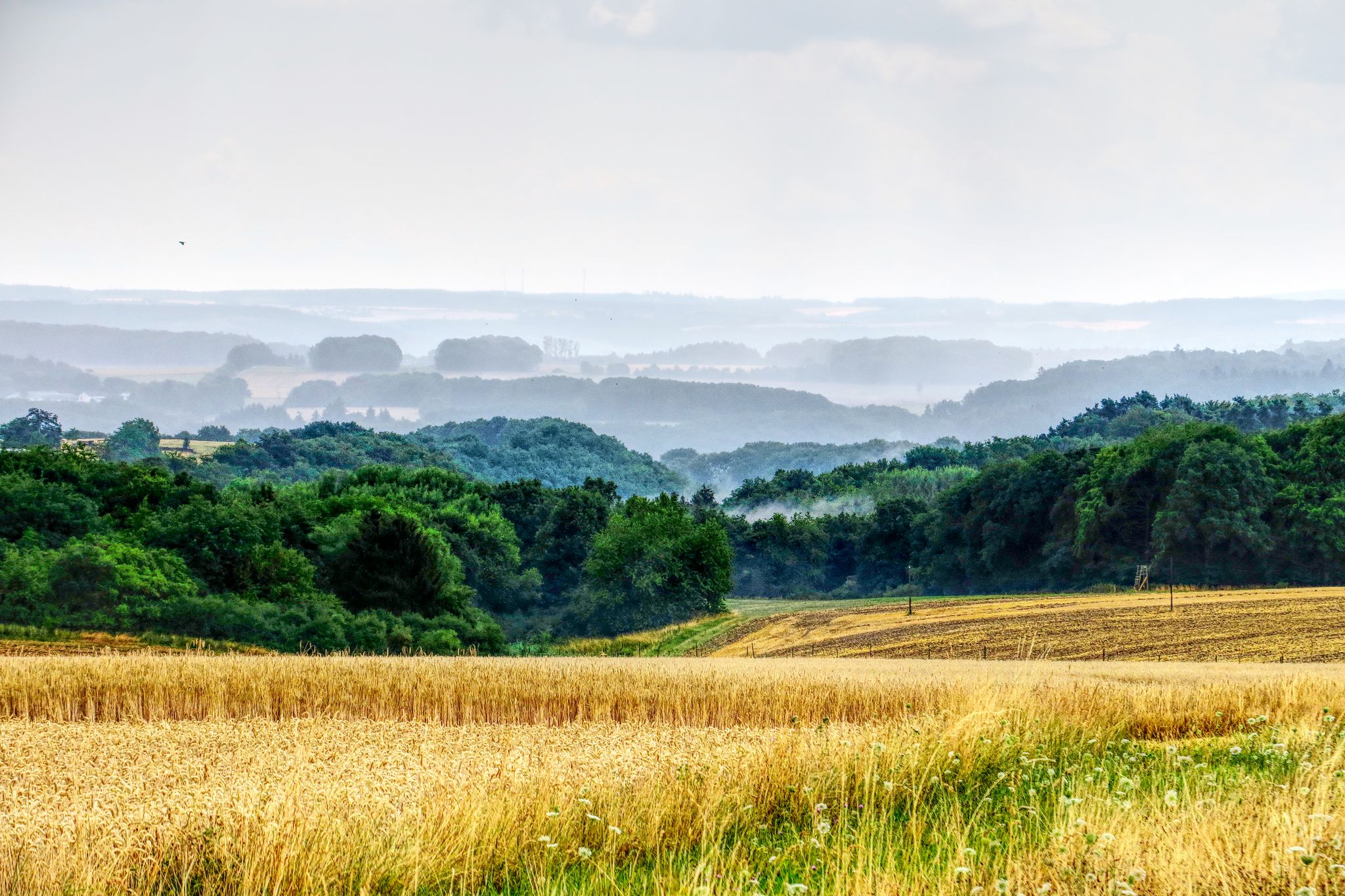
The National Natural Landscapes in Rheinland-Pfalz
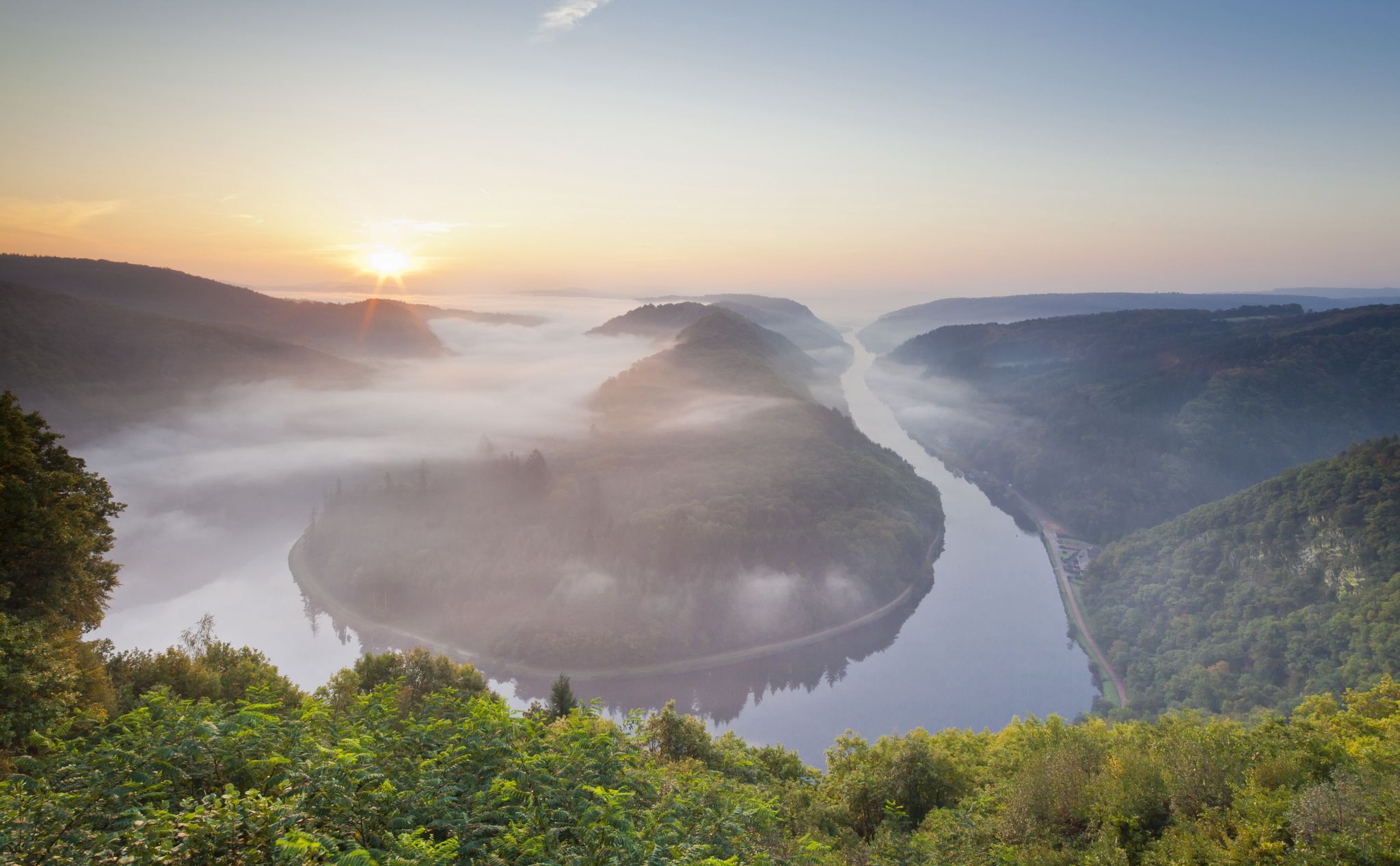
Cycling without borders in Saarland
Other adventures in Palatinate


Tips from the Community

Tanstein Castle stretches across the two westernmost castle rocks in the castle group. Both rocks used to be connected by a bridge. Today there are modern parapet walls on the rocks, which were placed arbitrarily during restoration work and do not convey any impression of the former castle buildings. The west rock was apparently built with tower-like buildings leaning against the rock. Evidence of this is given by beam holes and workings in the rock, as well as a large cistern, in which water was collected from the roofs. From this point you have a great view of the facility.
15
0

Beautiful castle ruins with magnificent views of the area. Attention, if you go down the north tower, you end up in a dead end. You then have to go back upstairs to get out ;-)
13
0

In the large castle complex you have several possibilities for a "gate view".
19
1

In the castle museum there are exhibits of life from earlier times. Arrowheads, bullets and other paraphernalia are on display, as well as pottery and stove tiles. Traces of tools on the crockery reveal that the oldest find can be dated back to 1180. The imposing model of the castle is also on display. It shows the castle founded around 1200. The support group for the preservation of the ruins of Wachtenburg has set itself the goal of preserving the Wachtenburg. Many thanks from my side for your commitment.
19
0

Here stands Ritterstein No. 260. It is one of over 300 Rittersteine (memorial stones) erected by the Palatinate Forest Association (PWV) and bears the inscription "Heidenlöcher – Refuge Castle 9th-10th Century." It marks the remains of a refuge castle that served as protection against the warring Normans and Hungarians. Today, the foundations of two gate structures, 65 stone houses, and a 450-meter-long curtain wall are still preserved. The inner of the two adjoining dry-stone walls served as a parapet walk. - Source: Information panels on site A little further to the right of this Ritterstein are the foundations of one of the gate structures. The refuge castle, or rather its remains, can be entered through the two gate structures. The curtain wall can be easily walked along (with minor exceptions): either on top of the wall or along its inner side – and the remains of many stone houses can be seen along the way. Without Komoot, it is easy to get lost here: Therefore, it is best to follow the "Palatinate Wine Trail" hiking signs!
12
0

Very beautiful ruin with a gigantic view ... a visit is definitely worth it
13
0

The entire facility is very exciting. A look into early history.
8
0
An impressive castle ruin on the Palatinate Wine Trail. There is a place to stop for refreshments and you can climb the tower ruins, beautiful view!
21
1
Frequently Asked Questions
What is the historical significance of castles in the Palatinate region?
The Palatinate region is rich in history, with its castles reflecting centuries of German and European events. For example, Hambach Castle is known as the "cradle of German democracy" due to the Hambach Festival of 1832. Trifels Castle was a significant center of power for medieval dynasties and famously imprisoned Richard the Lionheart. These sites offer a deep dive into the region's past.
Which castles offer the most impressive views of the Palatinate landscape?
Many castles in the Palatinate provide spectacular panoramic views. From Hambach Castle, you can see over the Rhine valley and vineyards. Landeck Castle offers a sensational view over the entire Rhine plain from its keep. Imperial Castle Cochem provides stunning vistas of the Moselle Valley, and Villa Ludwigshöhe offers a unique perspective over the Palatinate and the Upper Rhine Plain.
Are there family-friendly castles to visit in Palatinate?
Yes, several castles are great for families. Hambach Castle is family-friendly with interactive exhibits. Rietburg and Altdahn Castle Ruins are also listed as family-friendly. Visitors particularly enjoy exploring the unique structure of Drachenfels Castle Ruins with children, as it offers a real adventure.
What kind of activities or events can I expect at Palatinate castles?
Many castles host various activities. Hambach Castle features an interactive permanent exhibit and workshops. Imperial Castle Cochem hosts medieval festivals, wine tastings, and concerts. Hardenburg Castle often has a medieval market in late summer. Landeck Castle also holds concerts and medieval markets, alongside its castle tavern.
Are there hiking opportunities near Palatinate castles?
Absolutely. The Palatinate Forest, a UNESCO Biosphere Reserve, surrounds many castles, offering numerous hiking trails. For example, the area around Landeck Castle is a starting point for the Three Castles hike. The Heidenlöcher refuge is best explored by following the "Palatinate Wine Trail" hiking signs. You can find more detailed routes and guides for mountain hikes in the Palatinate here.
Which castles have dining options or restaurants?
Several castles offer places to eat. Hambach Castle has a restaurant, and Landeck Castle features a castle tavern with a terrace. Rietburg is known for its mountain restaurant. Near Drachenfels Castle Ruins, you'll find the Drachenfelshütte, offering local Palatinate specialties.
What natural features can I explore around Palatinate castles?
The castles are often nestled within the stunning Palatinate Forest, offering a blend of history and nature. You can explore dense forests, vineyards, and unique rock formations. Castles like Trifels Castle and Altdahn Castle Ruins are built into or on red sandstone cliffs, with passages carved directly into the rock. The region also features the scenic Moselle Valley near Imperial Castle Cochem.
Are there guided tours available for castles in Palatinate?
Yes, guided tours are available at several locations. Imperial Castle Cochem offers guided tours in multiple languages, providing insights into its history and architecture. Altdahn Castle Ruins also offers guided tours for groups. At Hambach Castle, you can find tours and workshops focused on its historical architecture and political significance.
What makes Trifels Castle a notable historical site?
Trifels Castle was a crucial center of power for the Hohenstaufen and Salian dynasties from 1088 to 1330. It served as a repository for the imperial jewels and famously imprisoned King Richard the Lionheart of England. The castle features a treasure chamber with replicas of the imperial crown, scepter, and orb, and a permanent exhibition titled "Macht und Mythos" (Power and Myth).
Can I visit castles in the Palatinate during winter?
While many castles are open year-round, some may have reduced hours or limited access to certain areas during the winter months. It's advisable to check the specific castle's opening times before planning a winter visit. The views can be particularly atmospheric with snow, but some outdoor activities might be less accessible.
What is unique about Villa Ludwigshöhe Palace?
Villa Ludwigshöhe Palace, near Edenkoben, was built as an Italian-style villa for King Ludwig I of Bavaria. It showcases a neoclassical architectural style with opulent interiors, including precious hardwood floors and detailed ceiling paintings. It also houses the Max Slevogt Gallery and hosts art exhibitions and classical concerts, offering a blend of classical inspiration and Palatinate charm.
Are there other outdoor activities besides hiking near Palatinate castles?
Yes, the Palatinate region offers diverse outdoor activities. You can find numerous running trails, with guides like "Running Trails in Palatinate" available here. The region is also popular for cycling and mountain biking, with routes often passing by or near historical sites. The varied terrain provides options for different sports and difficulty levels.
Most popular routes in Palatinate
Most popular attractions in Palatinate

Get inspired with the komoot mobile app


Didn’t find what you were looking for?
Explore Palatinate’s best castles region by region:
Explore more
Looking for the best castles somewhere else? Discover other guides in Palatinate:
