Attractions and Places To See in Hamburg - Top 20
Best attractions and places to see in Hamburg include a diverse array of sites, from its iconic port and modern architecture to historic districts and expansive green spaces. The city is characterized by the Elbe River and Alster Lake, which shape its urban landscape and provide recreational opportunities. Hamburg offers a blend of cultural landmarks, such as its UNESCO World Heritage sites, and natural features, including beaches and extensive parks. This vibrant city serves as a hub for both historical…
Last updated: October 9, 2026
Old Harburg Elbe Bridge
Highlight • Bridge
Translated by Google •
Tip by

St. Pauli Elbe Tunnel
Highlight (Segment) • Bridge
In rare cases, even by car. But be sure to inform yourself beforehand.
Showing Translation
Tip by

Sign up now to discover places like this
Get recommendations on the best single tracks, peaks, & plenty of other exciting outdoor places.
Zollenspieker Ferry
Highlight • Bridge
Translated by Google •
Tip by

Elbe beach on the Falkensteiner Ufer
Highlight • Beach
Translated by Google •
Tip by

Oberhafenkanal Cycle Path
Highlight • Cycleway
Translated by Google •
Tip by

Elbphilharmonie (Elbe Philharmonic Hall)
Highlight • Monument
Translated by Google •
Tip by

Speicherstadt, Hamburg
Highlight • Historical Site
Translated by Google •
Tip by

Heather Trails in the Fischbeker Heide
Highlight • Natural
Translated by Google •
Tip by

Strandweg Blankenese
Highlight • Structure
Translated by Google •
Tip by

Kaltehofe Hauptdeich Cycle Path
Highlight • Cycleway
Translated by Google •
Tip by

Sign up for free to discover even more attractions in Hamburg.
Already have an account?
Start today with a free account
Your next adventure awaits.
Popular around Hamburg
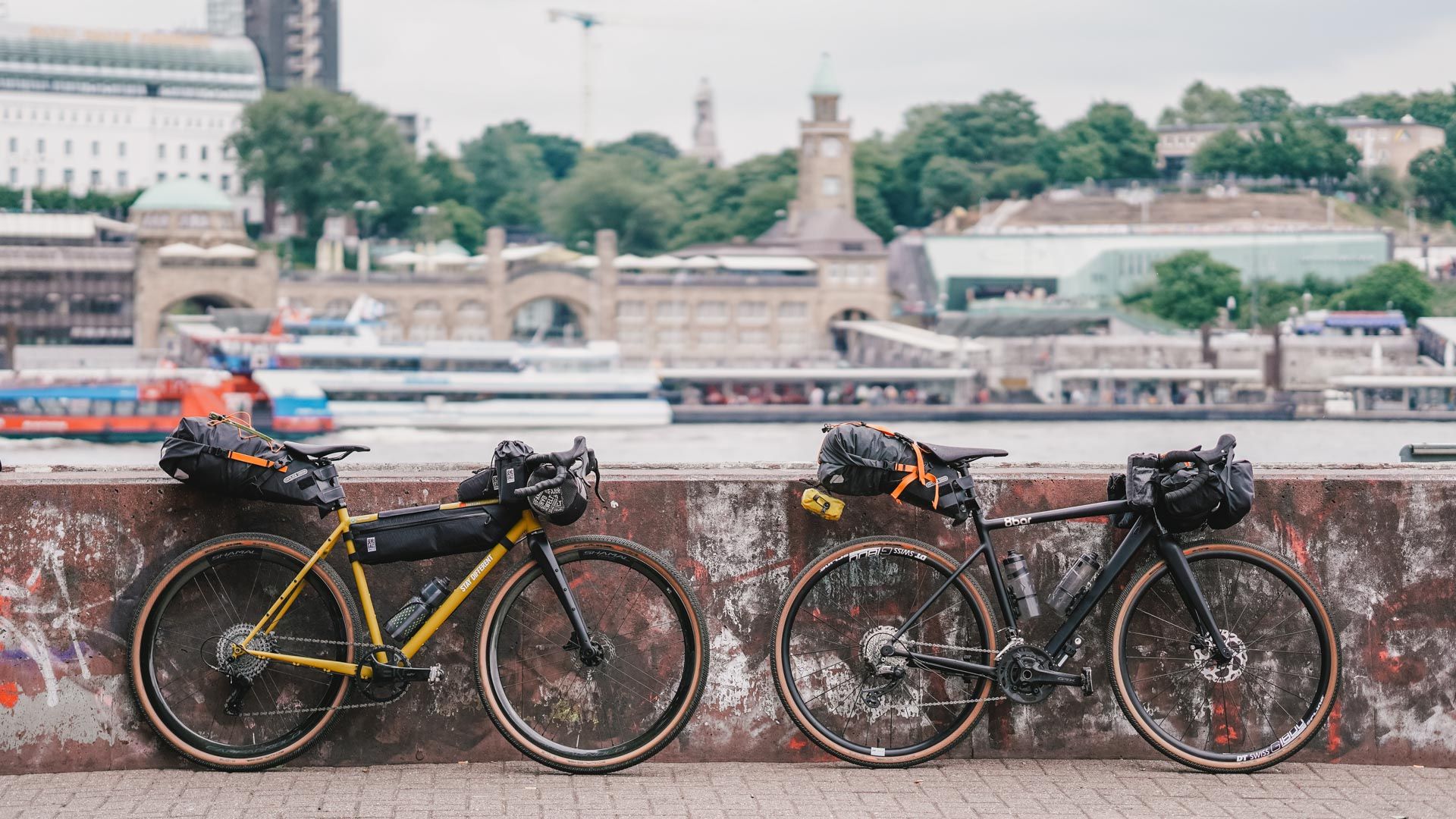
North Sea Deluxe — bikepacking with Radelmädchen

Naples to North Cape — Two friends, one purpose and many scoops of ice-cream

Gravel bikepacking from Hamburg to Munich
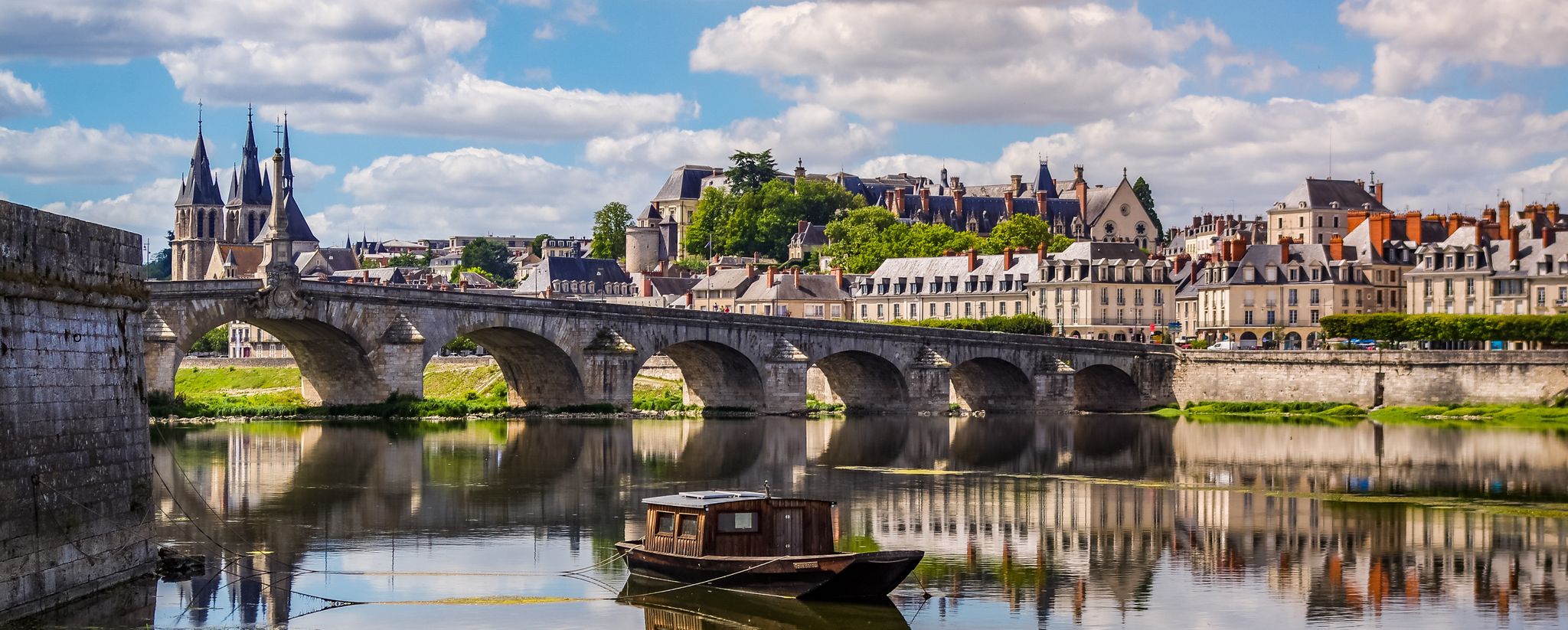
EuroVelo 3 – A cycling pilgrimage from Norway to France
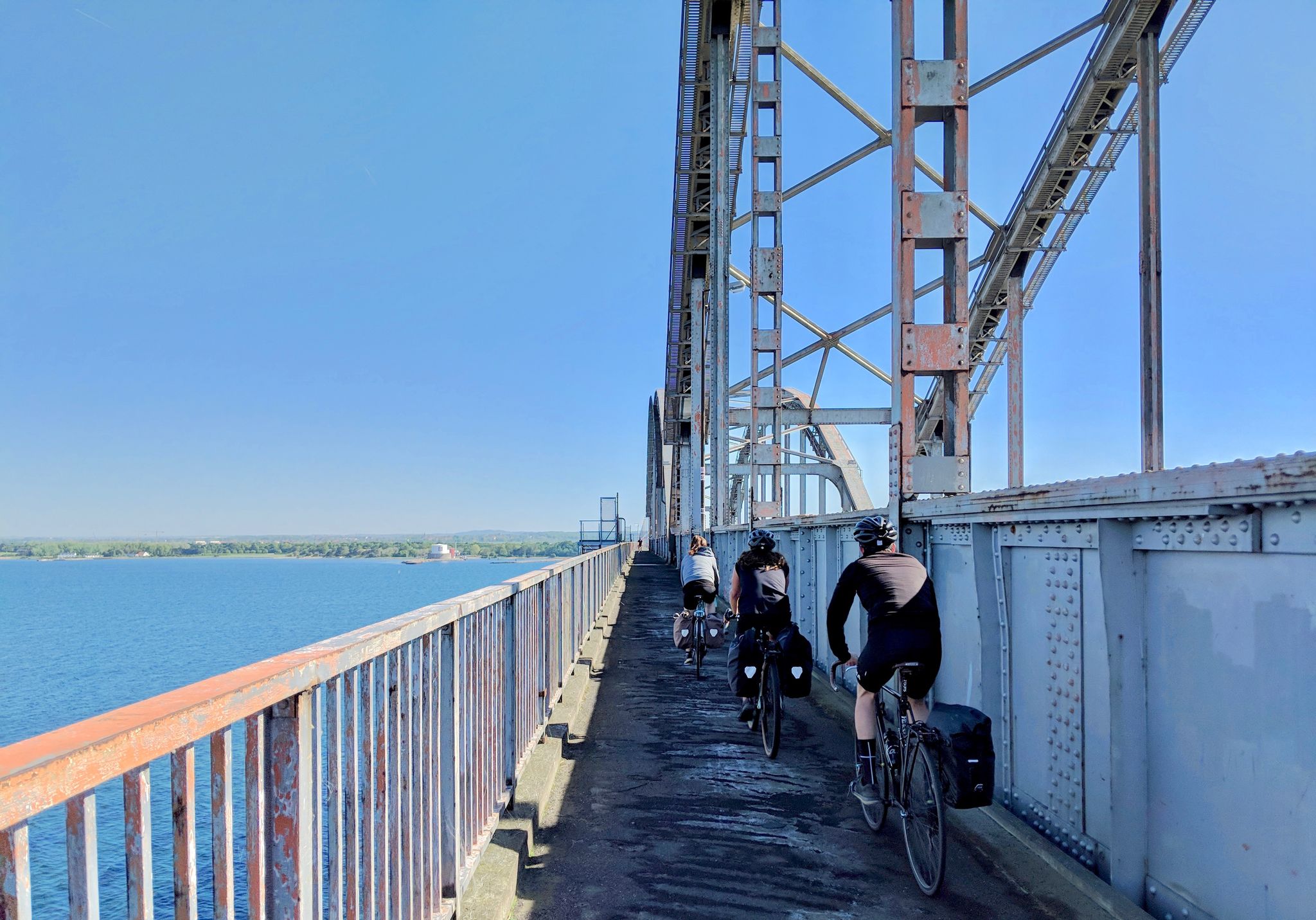
Cycling from Hamburg to Copenhagen – salty air included
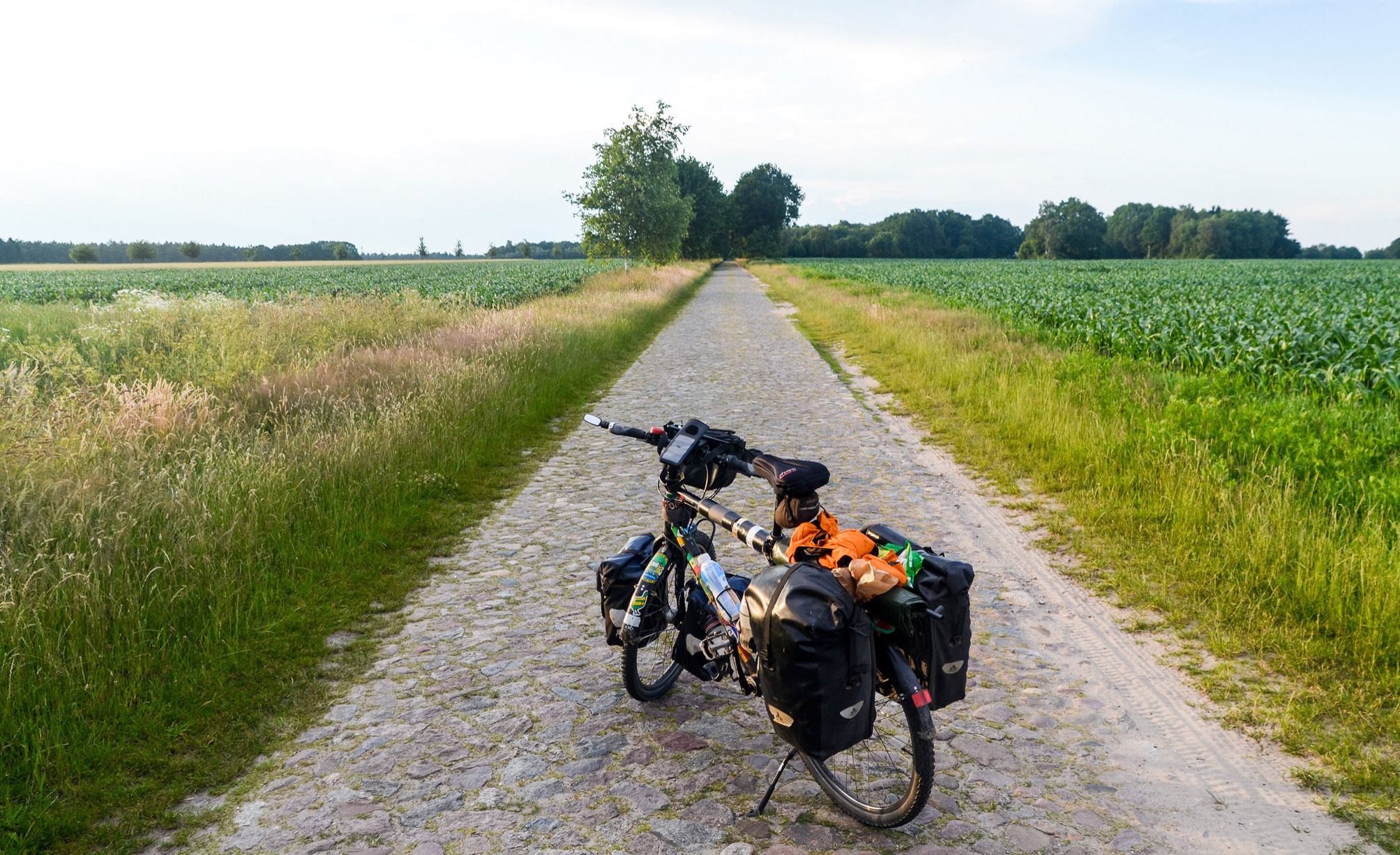
Hamburg-Bremen-Radweg — Cycling between Hanseatic cities
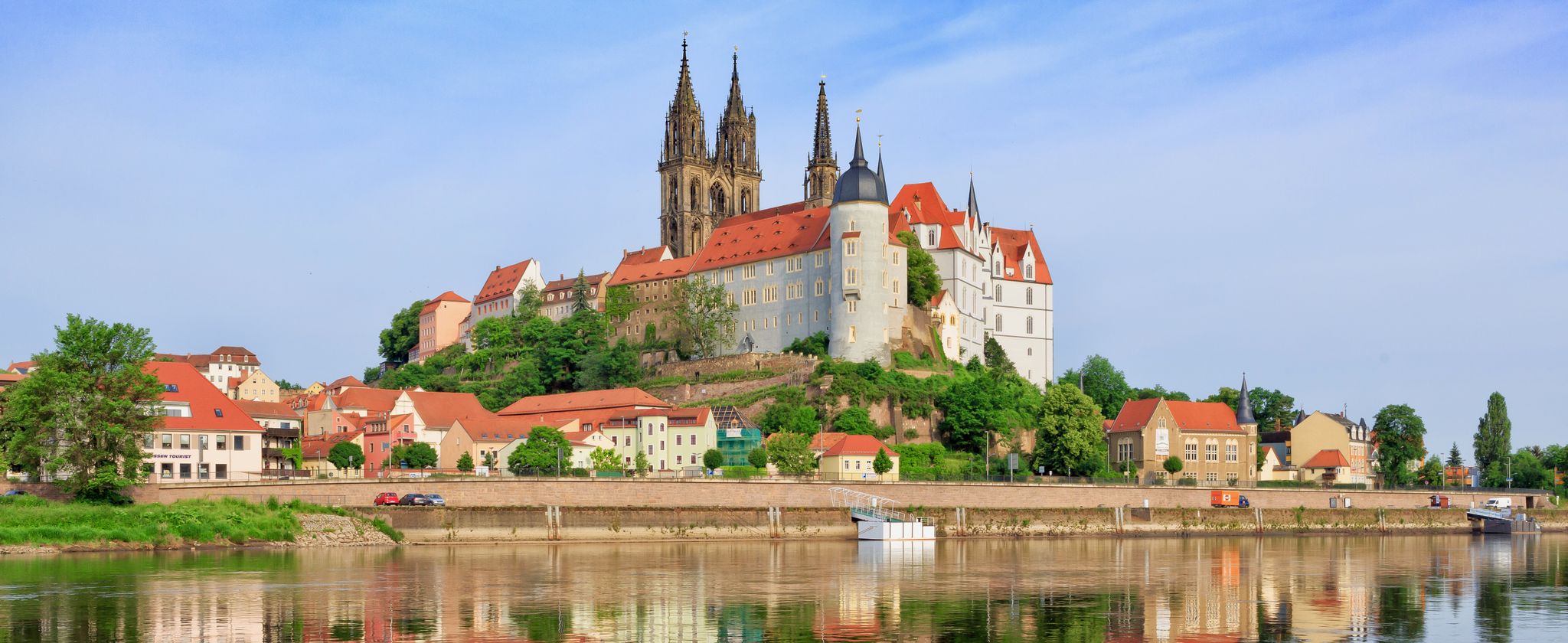
The Elbe Cycle Path — cross-border cycling pleasure
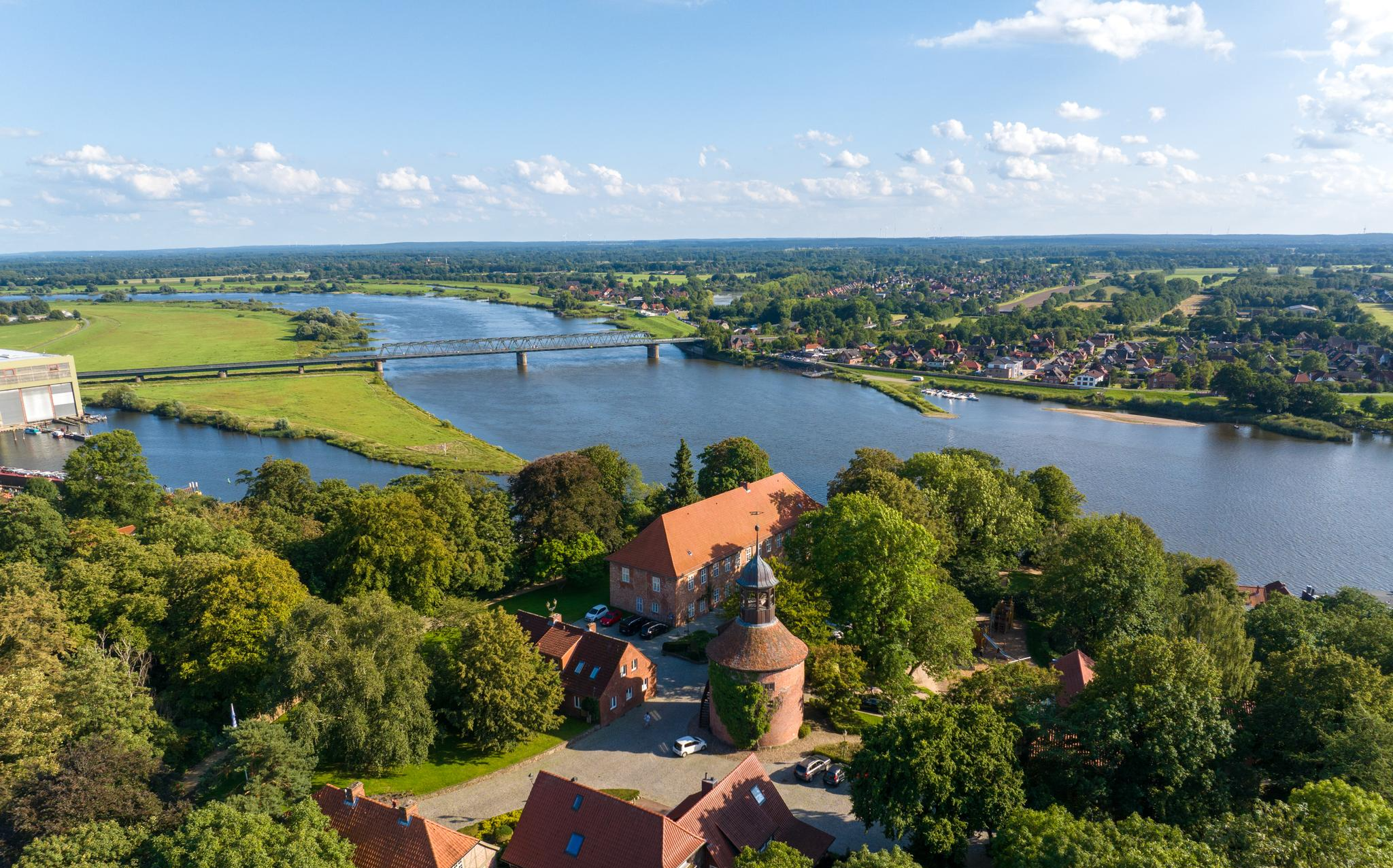
Beaches, marsh and wild banks – Elbe Cycle Route in Schleswig-Holstein
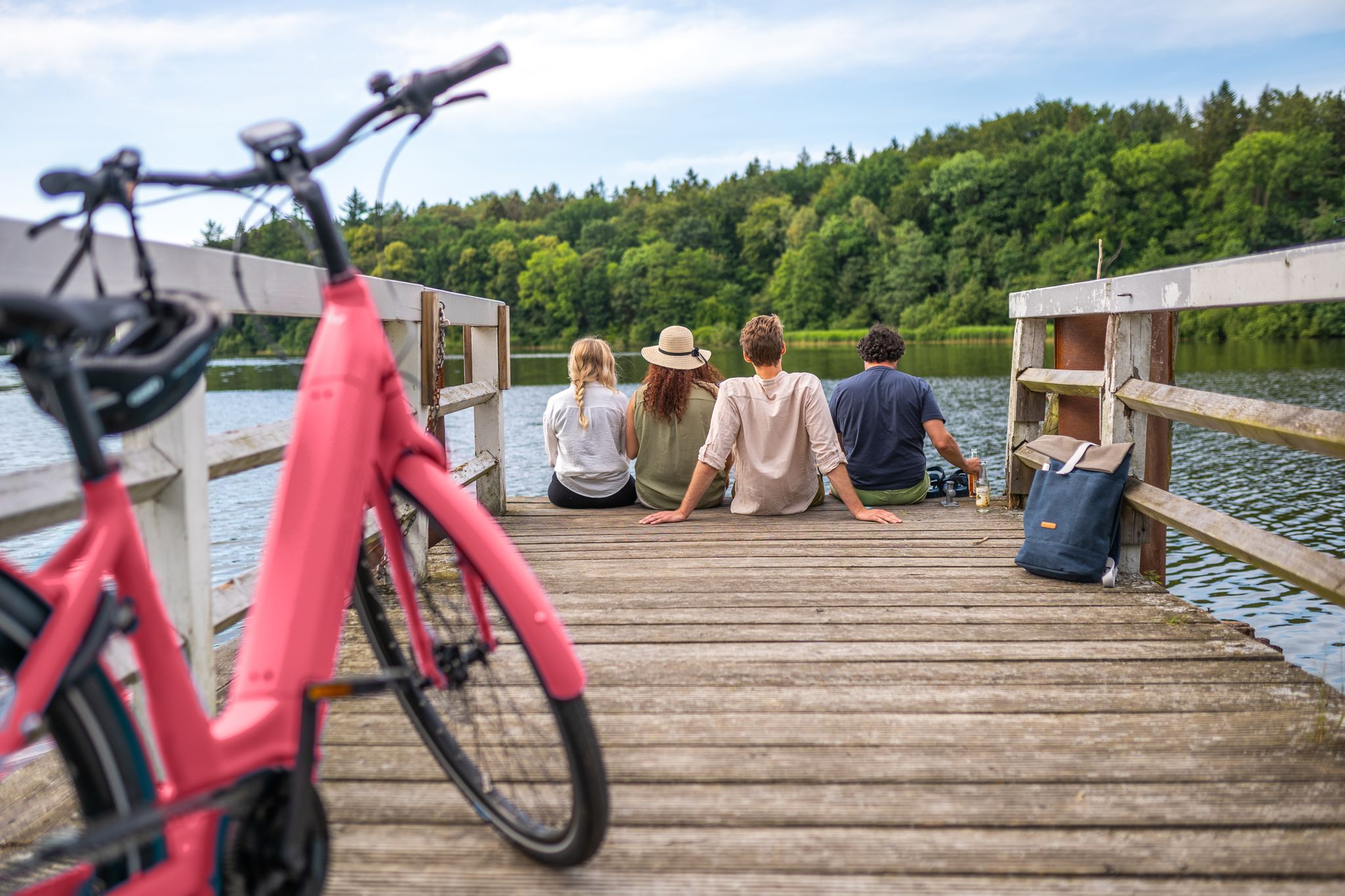
2,919 kilometres of adventure – cycling trails in Schleswig-Holstein
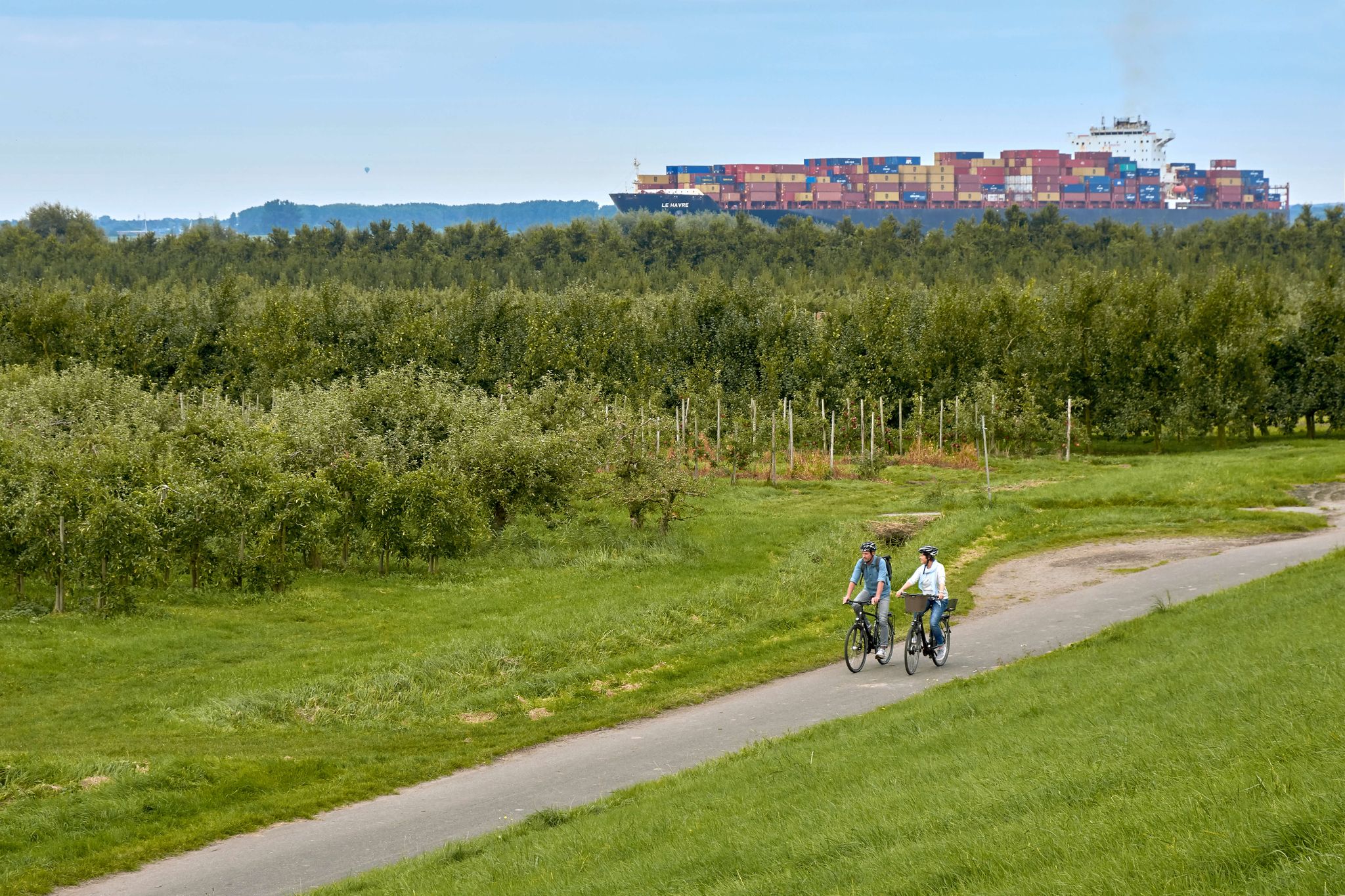
The Altes Land am Elbstrom – a northern cycling paradise
Other adventures in Hamburg


Tips from the Community

The Old Elbe Tunnel is Hamburg's underground attraction and can be crossed on foot or by bike. In rare cases, even by car. But be sure to inform yourself beforehand. The Old Elbe Tunnel was opened in 1911 and connects the Landungsbrücken with the Steinwerder harbor area. The tunnel is open day and night for cyclists and pedestrians without restriction 😉...
17
1

This is where you meet them, the fast hobby racing cyclists who enjoy the end of the day on the bike.
5
0

The ride down in the freight elevator is an experience in itself. There are also stairs for people with a head for heights. There is a lot of activity in the tunnel. Attention, the cyclists are usually in a hurry.
14
1

Since 2003, the Old Elbe Tunnel has been a listed building. When the St. Pauli Elbe Tunnel, also affectionately known as the "Old Elbe Tunnel", opened in 1911, it was a technical sensation. Today it is a nostalgic and well-maintained piece of Hamburg history and has already celebrated its 100th anniversary. The Old Elbe Tunnel was the continent's first tunnel under a river and became necessary because the growth of the Port of Hamburg increasingly shifted to the southern side of the Elbe and required improved transport connections.
22
0

Fast connection to the Vier- und Marschlande with almost no motorized traffic.
2
0

There is a viewing platform at the front light and the beacon is also an eye-catcher at night. The container giants drive here almost in front of your own nose - a great experience!
8
0

a nice and wide route for cycling. Connection to Hamburg in the city
8
0
The large concert hall with almost 2,100 seats is the heart of the Elbphilharmonie. The audience levels are arranged around the podium like vineyard terraces, with the orchestra and conductor in the middle of the hall. The tiers are interwoven and form a steep spectator bowl that offers all visitors the best view. The reflector on the tapered hall ceiling is also architecturally impressive. It provides the outstanding acoustics and at the same time houses part of the lighting and stage technology. The acoustic concept was developed by one of the world's best acousticians, Yasuhisa Toyota from Nagata Acuostics, and tested using a detailed 1:10 scale hall model. Source: events.hamburg. en
32
1
Frequently Asked Questions
What architectural marvels can I explore in Hamburg?
Hamburg boasts impressive architecture, from modern designs to historic structures. Don't miss the iconic Elbphilharmonie (Elbe Philharmonic Hall), known for its unique design and harbor views. The historic Speicherstadt, a UNESCO World Heritage Site, features stunning neo-Gothic red-brick warehouses. Other notable sites include the ship-like Chilehaus, the grand Hamburg City Hall, and the distinctive St. Michael's Church. You can also walk through the historic St. Pauli Elbe Tunnel, an underwater passage connecting St. Pauli to Steinwerder.
Where can I find green spaces and natural escapes within Hamburg?
Hamburg offers numerous green oases for relaxation. Explore Planten un Blomen, a large park with themed gardens and lakes, or the expansive Stadtpark. The Alster Lake, comprising the Inner and Outer Alster, is perfect for strolls and boat tours. For a unique natural experience, visit the Heather Trails in the Fischbeker Heide, a nature reserve with extensive heathland, or the Boberger Dunes, a rare dune landscape within the city.
Are there any unique historical sites to visit in Hamburg?
Beyond the Speicherstadt, Hamburg's history comes alive at several sites. The Old Elbe Tunnel, opened in 1911, is a fascinating piece of engineering history. The St. Nikolai Memorial, the remains of a church destroyed in WWII, serves as a poignant reminder of the city's past. You can also explore Deichstrasse, one of the oldest streets with beautifully restored houses, offering a glimpse into Hamburg's architectural heritage.
What cultural experiences does Hamburg offer beyond its main landmarks?
Hamburg is rich in cultural offerings. The Elbphilharmonie is a world-class concert hall. Art enthusiasts can visit the Hamburger Kunsthalle, one of Germany's most important art museums, or the Deichtorhallen, a large exhibition space for art and photography. The MARKK Hamburg (Museum am Rothenbaum) offers insights into world cultures, while the Museum für Hamburgische Geschichte details the city's 1,200-year history.
Are there family-friendly attractions in Hamburg?
Yes, Hamburg has many attractions suitable for families. Miniatur Wunderland in the Speicherstadt, the world's largest model railway, is a huge hit with all ages. The Elbphilharmonie offers family-friendly tours, and the Elbe beach on the Falkensteiner Ufer provides a relaxing spot. Parks like Planten un Blomen and Stadtpark offer playgrounds and open spaces. Many highlights, such as the St. Pauli Elbe Tunnel and Zollenspieker Ferry, are also marked as family-friendly.
What kind of outdoor activities can I do near Hamburg's attractions?
Hamburg and its surroundings offer diverse outdoor activities. You can find numerous routes for cycling, gravel biking, and hiking. For example, explore the easy hikes in Hamburg, including trails in the Fischbeker Heide or around the Außenmühlenteich. Cyclists can enjoy routes like the Oberhafenkanal Cycle Path or explore gravel biking routes that take you from the city to the Vier- und Marschlande. There are also MTB trails for more adventurous riders.
Where can I find beaches or waterfront areas for relaxation in Hamburg?
Hamburg, with its proximity to the Elbe River, offers several waterfront spots. The Elbe beach on the Falkensteiner Ufer is a popular sandy stretch for relaxation. The Jungfernstieg promenade along the Inner Alster Lake is ideal for strolling, while the St. Pauli Piers (Landungsbrücken) are bustling hubs for harbor cruises and enjoying views of the port. You can also find tranquil spots along the Elbe at places like Strandweg Blankenese.
Are there opportunities for hiking or walking in nature reserves around Hamburg?
Absolutely. Hamburg is surrounded by beautiful nature reserves perfect for hiking and walking. The Fischbeker Heide offers extensive heathland trails. Other significant natural areas include the Boberger Dunes, the Jenischpark & Flottbektal Nature Reserve, and the vast Ohlsdorf Cemetery, which is also a beautiful and historic place for walks. For a unique experience, the Hamburg Wadden Sea National Park in the Elbe estuary provides opportunities for mudflat hiking and birdwatching.
What is the best time of year to visit Hamburg's attractions?
Hamburg is a year-round destination, but the best time to visit depends on your preferences. Spring (April-May) and autumn (September-October) offer pleasant weather for exploring outdoor attractions and parks. Summer (June-August) is ideal for enjoying the waterfront, outdoor cafes, and festivals, though it can be busier. Winter (November-March) brings festive Christmas markets and opportunities to enjoy indoor attractions like museums and the Elbphilharmonie.
Are there any free attractions to enjoy in Hamburg?
Yes, Hamburg offers several free attractions. Strolling through the Speicherstadt and Kontorhaus district is free, allowing you to admire the architecture. The St. Pauli Elbe Tunnel is free to walk or cycle through. Enjoying the green spaces like Planten un Blomen, Stadtpark, and the Elbe beach on the Falkensteiner Ufer costs nothing. Many churches, including St. Michael's Church (tower ascent has a fee), can be visited for free, and exploring the bustling St. Pauli Piers is also free.
Which attractions in Hamburg are wheelchair accessible?
Many of Hamburg's attractions strive for accessibility. The Elbphilharmonie offers wheelchair access to its Plaza and concert halls. The St. Pauli Elbe Tunnel is accessible via elevators. The Oberhafenkanal Cycle Path and many parks like Planten un Blomen are generally wheelchair-friendly. The Zollenspieker Ferry and Old Harburg Elbe Bridge are also noted as wheelchair accessible.
What are some good indoor attractions for bad weather days in Hamburg?
On rainy days, Hamburg has plenty of indoor options. Visit Miniatur Wunderland for an enchanting experience. Explore the various museums, such as the Hamburger Kunsthalle, the Museum für Hamburgische Geschichte, or the MARKK Hamburg. The Elbphilharmonie offers tours and concerts, and the Hamburg Dungeon provides an interactive historical experience. The Old Elbe Tunnel is also a great indoor walk.
How can I experience Hamburg's port and maritime history?
Hamburg's identity is deeply tied to its port. Start at the St. Pauli Piers (Landungsbrücken), a bustling hub for harbor cruises and ferry trips. Explore the historic Speicherstadt, where goods from around the world were once stored. Walk through the Old Elbe Tunnel, an engineering marvel connecting the city to the port's southern banks. The HafenCity district, with its modern architecture, also offers views of the working port and integrates seamlessly with the historic areas.
Most popular routes in Hamburg
Most popular attractions in Hamburg

Get inspired with the komoot mobile app


Explore more
Still not found the Highlight you’re looking for? See guides of the top attractions in other regions:
