The best running trails around Λυκαβηττός
4.1
(221)
11,839
runners
243
runs
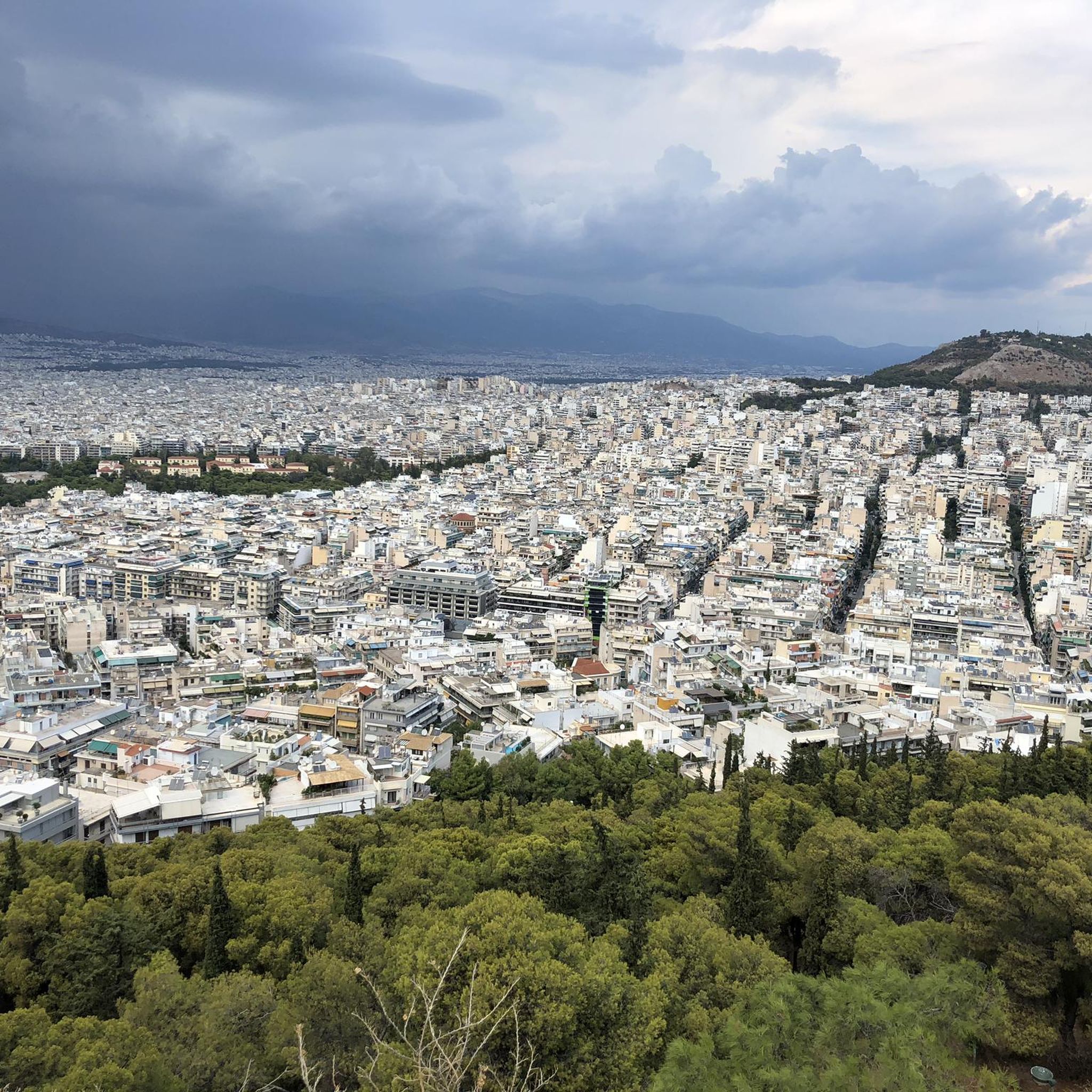
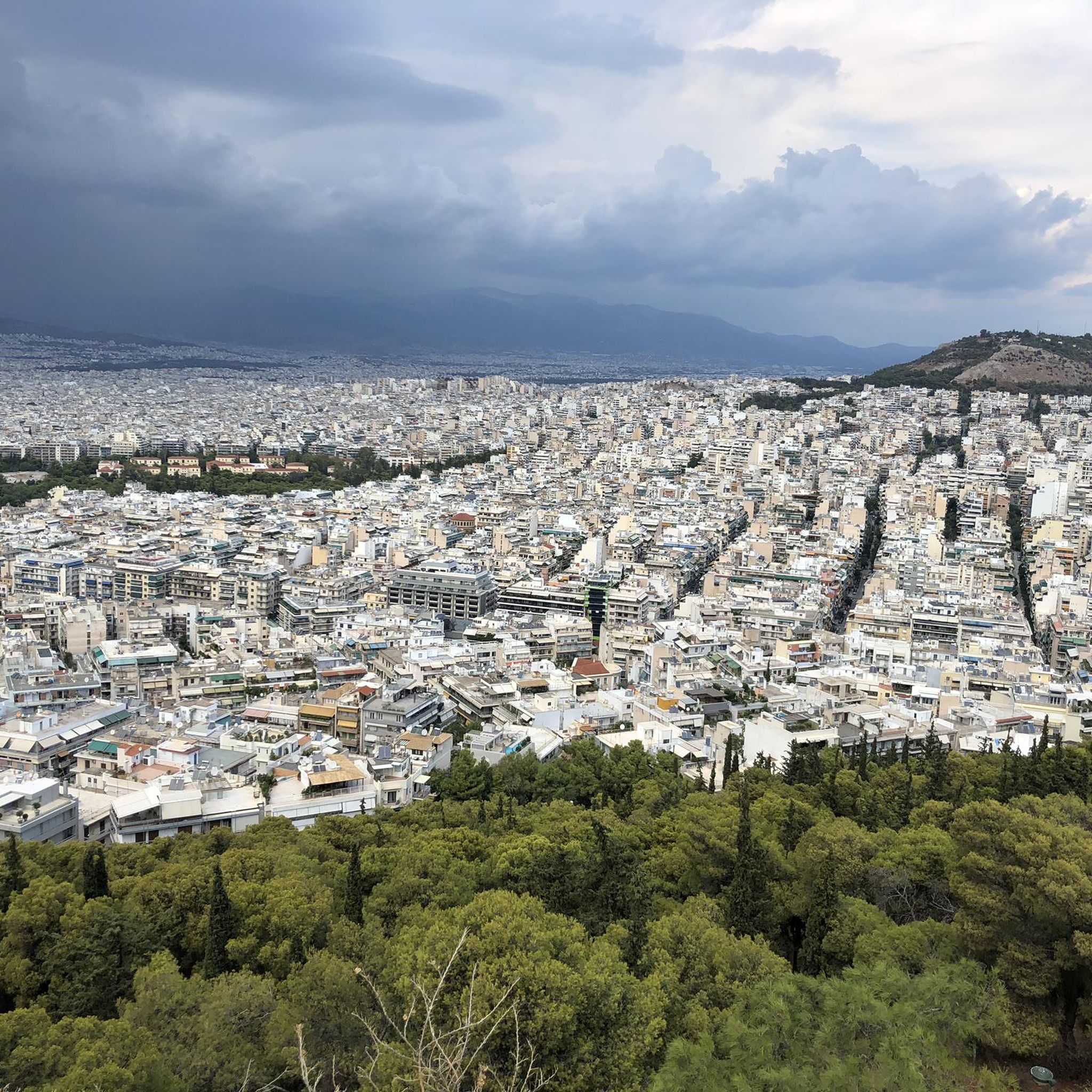
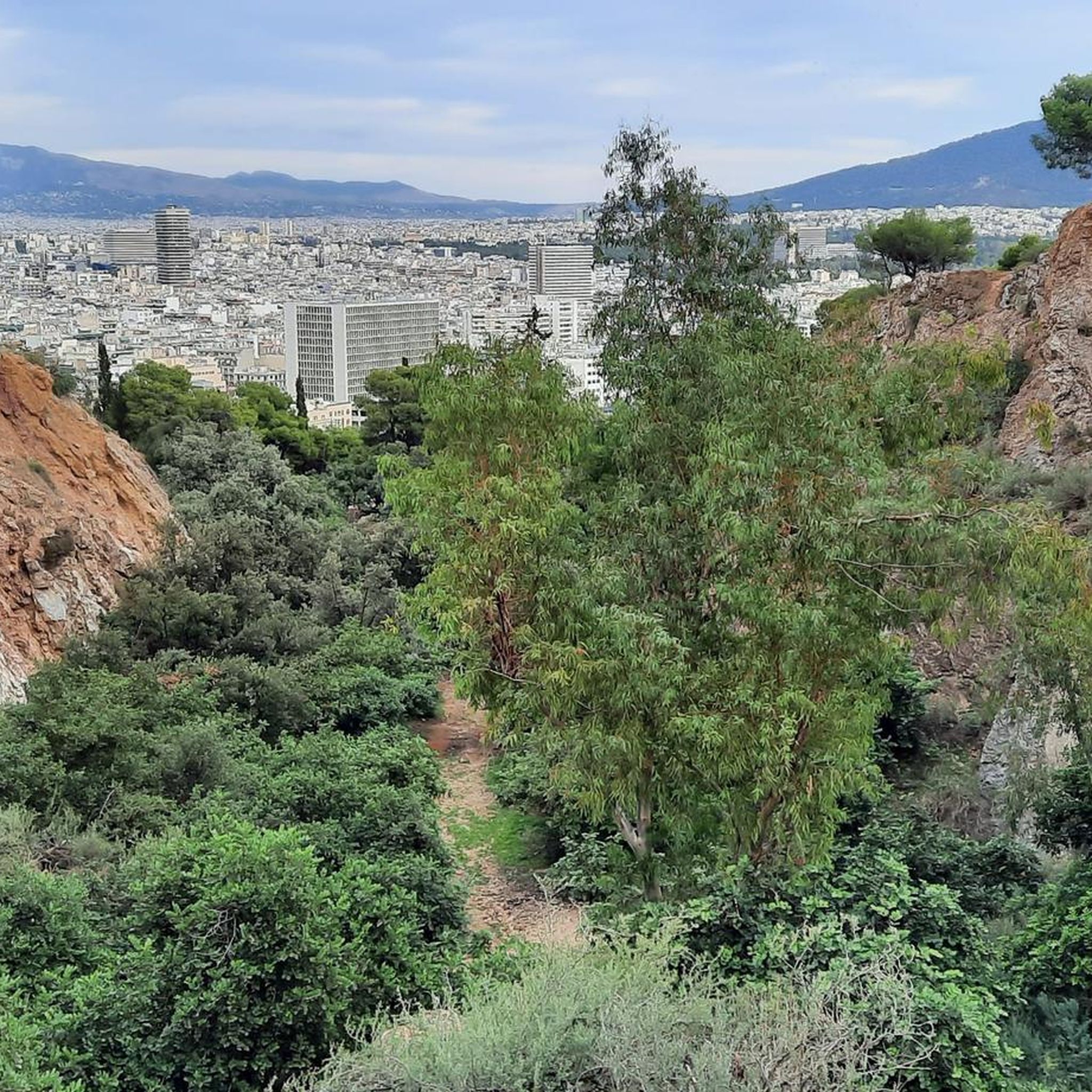
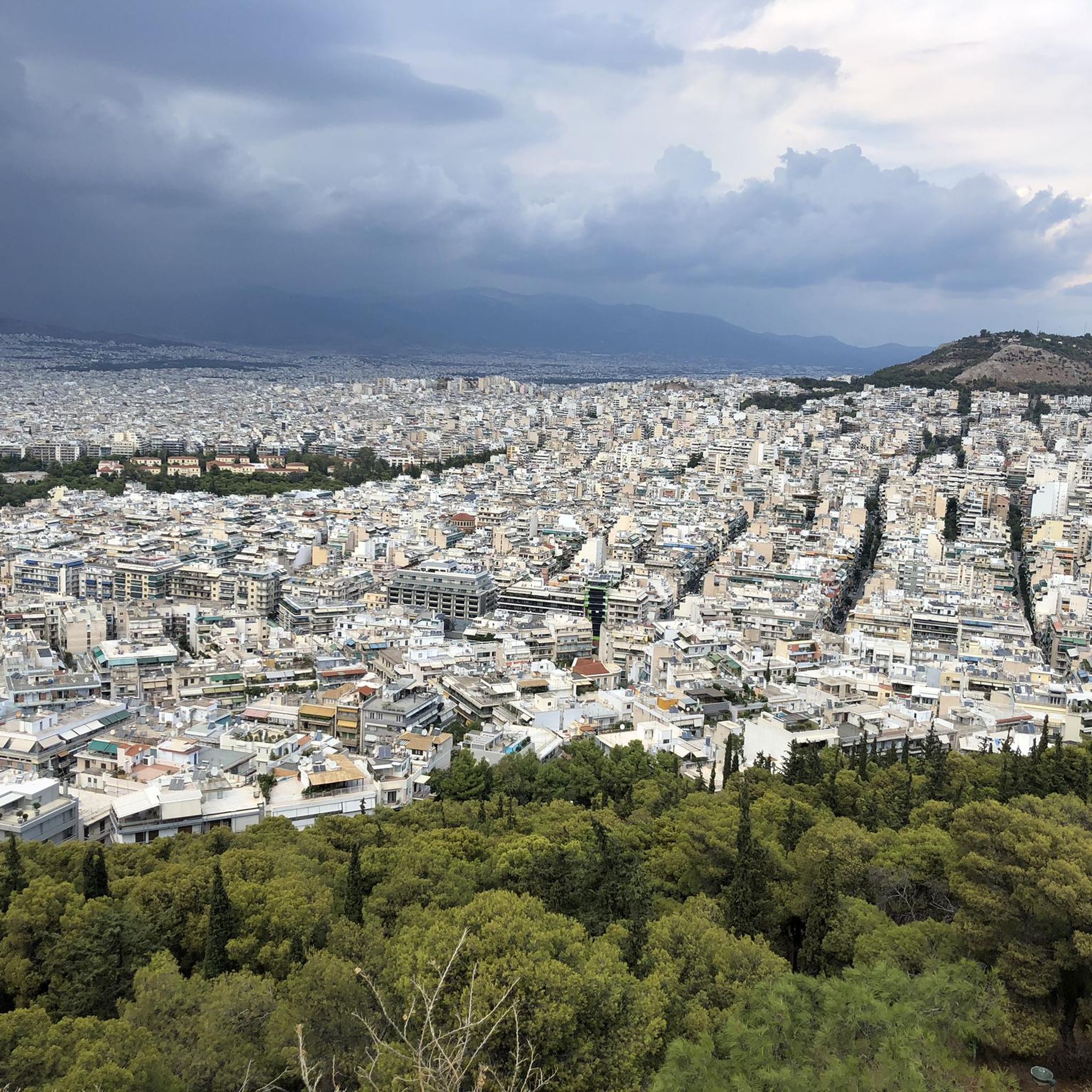
Jogging around Λυκαβηττός offers diverse terrain and panoramic city views from Athens' highest point. The hill is characterized by dense pine trees, lush greenery, and winding paths. Runners encounter a mix of paved sections and more rugged, rocky trails, providing varied challenges. Steep inclines lead to the summit, rewarding with expansive vistas of Athens and its landmarks.
Best jogging routes around Λυκαβηττός
- The most popular jogging route is Λυκαβηττός loop from Ευαγγελισμός, a 5.2 miles (8.4 km) trail that takes 1 hour 3 minutes to complete, circling the hill with varied surfaces.
- Another top favourite among local runners is Hellenic Parliament Building – National Garden of Athens loop from Αμπελόκηποι, a difficult 9.5 miles (15.3 km) path. This route connects significant city landmarks and green spaces, offering a longer running experience.
- Local runners also love the Hadrian's Arch loop from Αμπελόκηποι, a 5.1 miles (8.2 km) trail leading through historical areas, often completed in about 51 minutes.
- Jogging around Λυκαβηττός is defined by pine-covered slopes, winding paths, and panoramic viewpoints. The network offers options for easy runs, moderate challenges, and more difficult ascents to suit different ability levels.
- The routes in Λυκαβηττός are highly rated by the komoot community with an average score of 4.2 stars from over 180 reviews. More than 10,000 runners have used komoot to explore Λυκαβηττός's varied terrain.
Last updated: October 9, 2026
5.0
(6)
182
runners
7.62km
00:56
200m
200m
Moderate run. Good fitness required. Mostly paved surfaces. Suitable for all skill levels.
5.0
(1)
51
runners
15.6km
01:40
220m
210m
Hard run. Very good fitness required. Mostly paved surfaces. Suitable for all skill levels.

5.0
(2)
37
runners
15.6km
01:49
390m
390m
Hard run. Very good fitness required. Mostly paved surfaces. Suitable for all skill levels.
22
runners
Moderate run. Good fitness required. Mostly paved surfaces. Suitable for all skill levels.
5.0
(1)
26
runners
27.1km
02:56
350m
350m
Hard run. Very good fitness required. Mostly paved surfaces. Suitable for all skill levels.
Get access to more routes and recommendations from other explorers.
Already have an account?
Our route recommendations are based on thousands of hikes, rides, and runs completed by other people on komoot.
Start today with a free account
Your next adventure awaits.
Tips from the Community

Церковь Св. Георгия Ликабетского — живописная белоснежная греческая православная церковь XIX в,, расположенная на самой высокой вершине горы Ликабет. Наверху открывается панорамный вид на город на 360 градусов.
0
0
Первый на пути красивый вид Афин
0
0

This is the new parliament
6
0

The Acropolis of Athens stands on a rocky spur at 156 m above sea level and dominates the Greek capital, offering a breathtaking view of the Parthenon. To fully enjoy it, you can visit it in person by booking entrance tickets through the official website of the Ministry of Culture or by using GetYourGuide tours.
0
0
The legendary start of the Spartathlon takes place every year at 07:00 in the morning right at the foot of the Acropolis in Athens, in front of the evocative Odeon of Herodes Atticus. This moment marks the beginning of one of the toughest and most fascinating ultramarathons in the world, 246 kilometers long.
1
0

The work had not only supporters but also opponents who wanted it gone. These opponents became fanatical when it became known that the runner was not to be dismantled after a month but was to stand there permanently. None other than Melina Mercouri advocated for the runner to be placed in Omonia Square. However, subway construction a few years later thwarted the plans. Because an excavation for the subway station was to be dug in the middle of the square, the sculpture had to be relocated. In 1993, the location on the green space between the Hilton and the Evangelismos hospital, diagonally opposite the National Gallery, was chosen. However, since the sculpture was not designed to be dismantled and reassembled, it was taken down and thrown in the trash, and a completely new sculpture with better materials was built, which was supposed to return to Omonia Square after the subway construction was completed. The second runner, erected in 1994 on the square of the Great School of the People, as the square is actually called, has and can have no connection to the original, as it is a statue with great technical difficulties, being made of iron used for submarine construction and glass, and weighing about 50 tons. According to the Greek sculptor himself, the planning (architecture and statics) and production took about a year, with the attachment of the glass alone taking a month. The "transport" was actually only intended to be temporary. Work on the Omonia subway station was completed, but he never returned. Since the square is very central and there is a lot of traffic around it, the runner has to be elaborately cleaned every few years. The University of Stuttgart took on the issue and developed the proper care, and the company Kärcher took over the sponsorship, so that the runner can sparkle in the most beautiful shades of green. I often walk past here and stare at the sculpture for a long time. Especially at night, it glitters beautifully. As a runner, you feel somehow connected to it. As a constant traveler, even more so. It is hard to imagine that there were and perhaps still are people who dislike this sculpture and even hate it.
0
0
The Runner is an 8-meter-high statue and sculpture by Kostas Varotsos, created in August 1988 from glass and an iron frame. It was created as part of an artistic action/initiative that took place in the municipality of Athens and was intended to be placed on the fountain in Omonia Square. Like the other works by the artists participating in the action, they were to be exhibited for a month in central locations throughout the urban area of Athens, to familiarize residents with contemporary artists while artistically shaping the urban landscape. Originally, Kostas Varotsos had named the sculpture "Stranger", inspired by the idea of the transient, of a person in constant motion. Like a stranger, whom we often ask: "When did you arrive?" and almost immediately after: "When will you leave?" Omonia Square was a meeting point at the time, a place where everyone passed by, locals and outsiders alike. The work eventually became known as "The Runner", as it was interpreted by the general public. The sculptor accepted the name that had caught on because, as he himself said, this stranger who describes his work is also a runner, a runner of life.
0
0

An absolutely essential addition to a visit to the Acropolis.
1
0
Frequently Asked Questions
How many running routes are available around Lycabettus Hill?
There are over 250 running routes available around Λυκαβηττός, offering a wide range of options for all fitness levels. This includes 20 easy routes, 173 moderate routes, and 61 difficult routes.
What kind of terrain can I expect on the jogging trails around Lycabettus Hill?
The terrain on Lycabettus Hill is quite varied. You'll find a mix of paved sections and more rugged, rocky trails. For those seeking a challenge, direct routes to the summit involve steep inclines with gradients that can reach up to 16%.
Are there circular running routes around Lycabettus Hill?
Yes, a popular peripheral path, approximately 3 km long, circles the hill and is favored by many for daily training. For a longer circular option, consider the Λυκαβηττός loop from Ευαγγελισμός, which is 8.4 km and offers varied surfaces.
What scenic views can I enjoy while jogging on Lycabettus Hill?
Lycabettus Hill offers unparalleled 360-degree panoramic views of Athens. From the elevated position, you can marvel at iconic landmarks such as the Acropolis, the Parthenon, the Temple of Olympian Zeus, and the port of Piraeus. On clear days, the views extend across the Saronic Gulf and surrounding mountains. Don't miss the View of Athens from Mount Lycabettus highlight.
Are there any notable landmarks or attractions along the running paths?
Absolutely. The summit itself hosts the picturesque 19th-century Chapel of St. George and the Lycabettus Theater, an open-air amphitheater. You'll also encounter the Serpentine Ascent to Mount Lycabettus, which is a highlight in itself.
How can I access Lycabettus Hill for a run, particularly regarding public transport or parking?
Lycabettus Hill is accessible by various means. While specific parking information for runners isn't detailed, the area is well-connected. For a less strenuous ascent, a funicular railway is available from its Lower Station, though it operates within a tunnel. Public transport options are generally available to the base of the hill.
What is the best time of day or year to go for a run on Lycabettus Hill?
To enhance your experience and avoid peak heat, jogging during the early morning or near sunset is highly recommended. This allows you to witness stunning sunrises or sunsets over the city. The verdant environment makes it pleasant across many seasons, but spring and autumn offer particularly mild temperatures.
Are the running routes on Lycabettus Hill suitable for families?
While some routes involve steep inclines, the peripheral path around the hill offers a more moderate experience suitable for families. The natural environment with pine trees and lush greenery provides a pleasant backdrop for a family outing. Consider exploring Melina Merkouri Park for a gentler experience.
Can I bring my dog on the jogging trails around Lycabettus Hill?
Lycabettus Hill is a natural oasis within the city, and many paths are suitable for walking with dogs. However, always ensure your dog is on a leash and that you clean up after them to maintain the natural beauty for all visitors.
What do other runners say about the jogging experience on Lycabettus Hill?
The running routes in Λυκαβηττός are highly rated by the komoot community, with an average score of 4.2 stars from over 180 reviews. Runners often praise the diverse terrain, the refreshing escape from the city, and especially the magnificent panoramic views from the summit.
Are there places to get refreshments or food near the running paths?
Yes, at the summit of Lycabettus Hill, you'll find several restaurants and cafes, offering opportunities for fine dining or casual refreshments while enjoying the spectacular scenery. Additionally, the Harmonia Café is a highlight nearby.
Are there any longer running routes that connect Lycabettus Hill with other city landmarks?
Yes, for those seeking a longer run, routes like the Hellenic Parliament Building – National Garden of Athens loop from Αμπελόκηποι offer a difficult 15.3 km path connecting significant city landmarks and green spaces. Another option is the Panathenaic Stadium – Hellenic Parliament Building loop from Athens, which is nearly 10 km.
Most popular routes around Λυκαβηττός
Most popular attractions around Λυκαβηττός

Get inspired with the komoot mobile app


Explore more
Browse the best Running Trails & Routes in other regions.
